 TorontoOntario · 36 tours
 Niagara FallsOntario · 25 tours
 New York CityNew York · 30 tours
 Las VegasNevada · 8 tours
 San FranciscoCalifornia · 16 tours
 VancouverBritish Columbia · 17 tours
 DubaiUAE · 54 tours
 Abu DhabiUAE · 5 tours
 Buenos AiresArgentina · 23 tours
 AthensGreece · 31 tours
 AucklandNew Zealand · 38 tours
 CancunMexico · 54 tours
No destinations match “”. Try searching all tours instead — that search understands full questions, not just place names.
A private walking tour through Charleston's real historic district, told with honest, specific history.
A private walking tour led by a real named local guide — Charleston City Market, St. Philip's Church, the Old Slave Market, Rainbow Row, and the Battery, with the city's real, sometimes difficult history told honestly.
This is a private walking tour led by a real named local guide. Real stops include the Charleston City Market, St. Philip's Church, the Old Slave Market, Rainbow Row, and the Battery — with Charleston's full history, including its role in the transatlantic slave trade, addressed honestly and respectfully rather than skipped past.
A popular starting point — every Voyzo itinerary is fully customizable, so we'll shape the order and stops around your group.
Meeting point in downtown Charleston, confirmed ahead of your tour.
Real coverage of Charleston's full historic district, including the Old Slave Market, told respectfully.
Genuine, dedicated local expertise for your group.
Charleston's real, iconic historic-district landmarks.
A consistently praised private walking tour.
Back to your hotel, home, or the airport — whenever your day wraps up.
Every group size is covered — from an intimate private ride to large multi-coach groups.
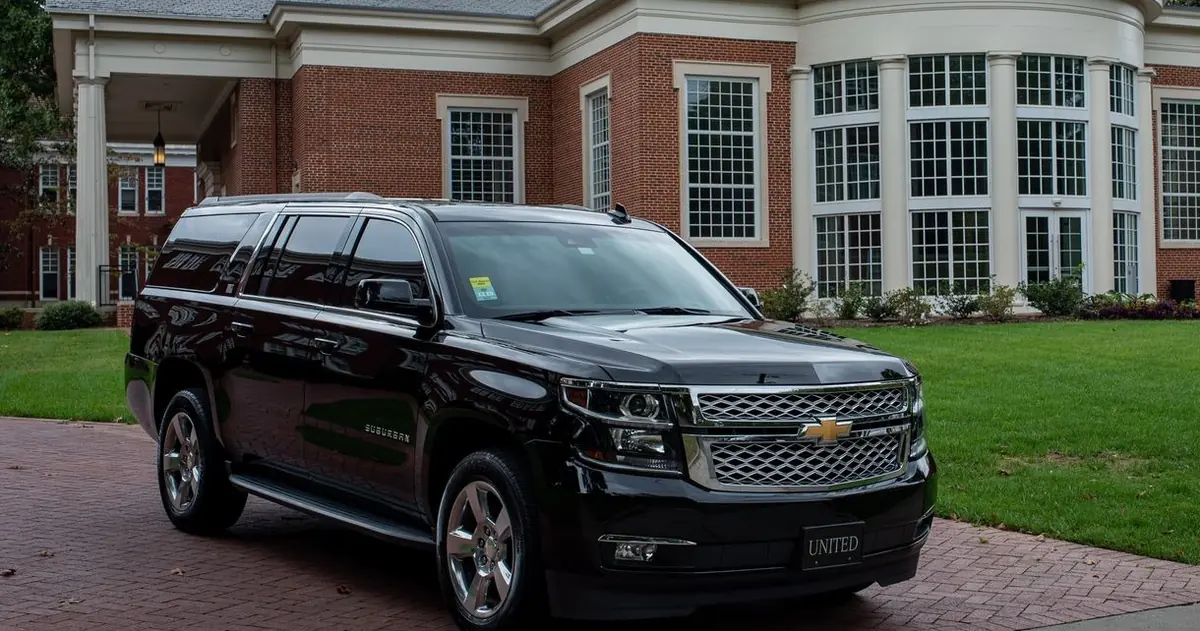 Up to 6
A fast, private ride for couples, small families, or business travelers — plenty of luggage room and a smooth, quiet cabin.
 Up to 14
Comfortable, air-conditioned seating for small and mid-size groups — our most popular option for families and friend groups traveling together.
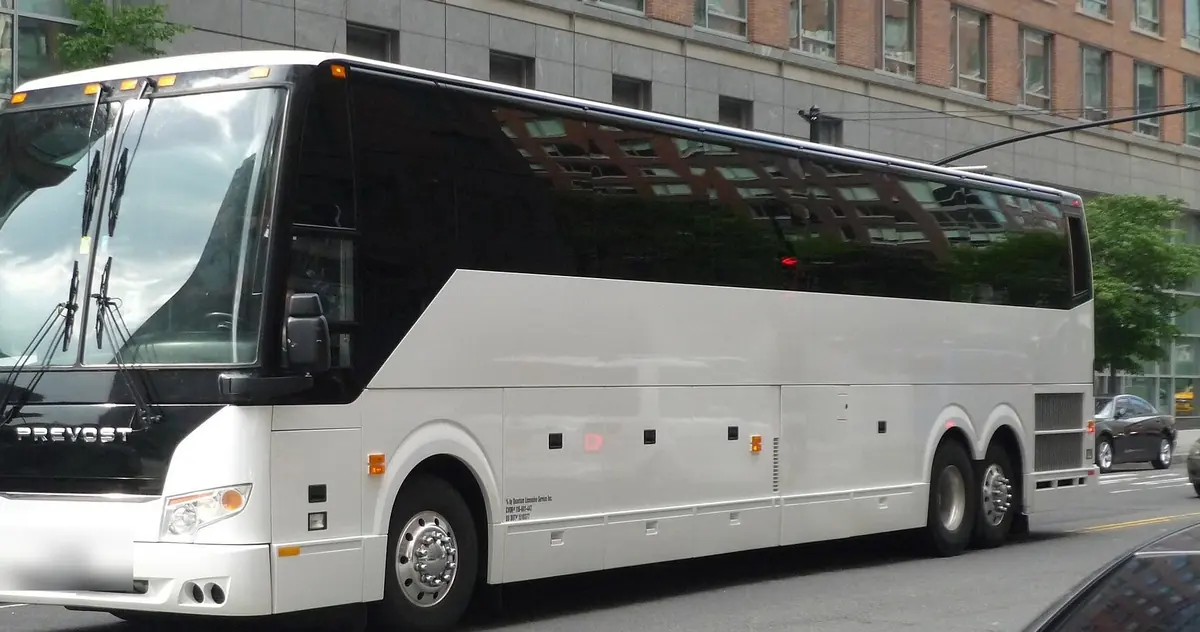 Up to 56
Our largest single vehicle — a full-size luxury motorcoach for large groups, conventions, and corporate events that still want one private tour, one vehicle.
A private walking tour led by a real named local guide — Charleston City Market, St. Philip's Church, the Old Slave Market, Rainbow Row, and the Battery, with the city's real, sometimes difficult history told honestly. This is a private walking tour led by a real named local guide. Real stops include the Charleston City Market, St. Philip's Church, the Old Slave Market, Rainbow Row, and the Battery — with Charleston's full history, including its role in the transatlantic slave trade, addressed honestly and respectfully rather than skipped past.
Charleston's own story starts in 1670, when English colonists first put down roots a few miles up the Ashley River at a site called Albemarle Point, naming their settlement Charles Town for King Charles II. The location proved hard to defend, and within a decade the town relocated to the more protected tip of the peninsula — a spot the colonists called Oyster Point, which is the same ground the historic district occupies today. By 1690, that young settlement had already grown into the fifth-largest city in British North America. This walking tour takes its name directly from that founding year, and it traces real streets that trace back to it.
The route's real stops carry their own documented histories. Charleston City Market, built in the early 19th century, has operated continuously as a public marketplace for produce, meat, and goods ever since — and, despite a persistent local myth, enslaved people were never sold there. St. Philip's Church traces its congregation back to 1680, making it the oldest in South Carolina and the oldest south of Virginia; the current building dates to 1838, and its 1850 steeple stood so tall that for decades it served as the rear marker in a range-light system guiding ships safely into Charleston Harbor.
The tour's stop at the Old Slave Market addresses that same myth directly rather than leaving it uncorrected. The real site where Charleston's enslaved people were bought and sold was Ryan's Mart, a private auction complex that opened on Chalmers Street in 1856 after the city banned public slave auctions, and operated until 1863. Part of that complex survives today as the Old Slave Mart Museum, believed to be the last intact slave auction building left in South Carolina. Charleston was one of the largest points of entry for enslaved Africans arriving in North America, and this guide addresses that history plainly and respectfully at the actual site where it happened, rather than blur it with the unrelated market building a few blocks away.
From there the walk closes at two of the historic district's most recognizable sights — the pastel-painted houses of Rainbow Row and the harborfront promenade of the Battery — real, familiar landmarks that anchor a route built first on Charleston's honest founding story and its full history, not just its postcard view.
Every Voyzo tour is a starting point — tell us what you have in mind and we'll build it.
