TorontoOntario · 36 tours
 Niagara FallsOntario · 25 tours
 New York CityNew York · 30 tours
 Las VegasNevada · 8 tours
 San FranciscoCalifornia · 16 tours
 VancouverBritish Columbia · 17 tours
 DubaiUAE · 54 tours
 Abu DhabiUAE · 5 tours
 Buenos AiresArgentina · 23 tours
 AthensGreece · 31 tours
 AucklandNew Zealand · 38 tours
 CancunMexico · 54 tours
No destinations match “”. Try searching all tours instead — that search understands full questions, not just place names.
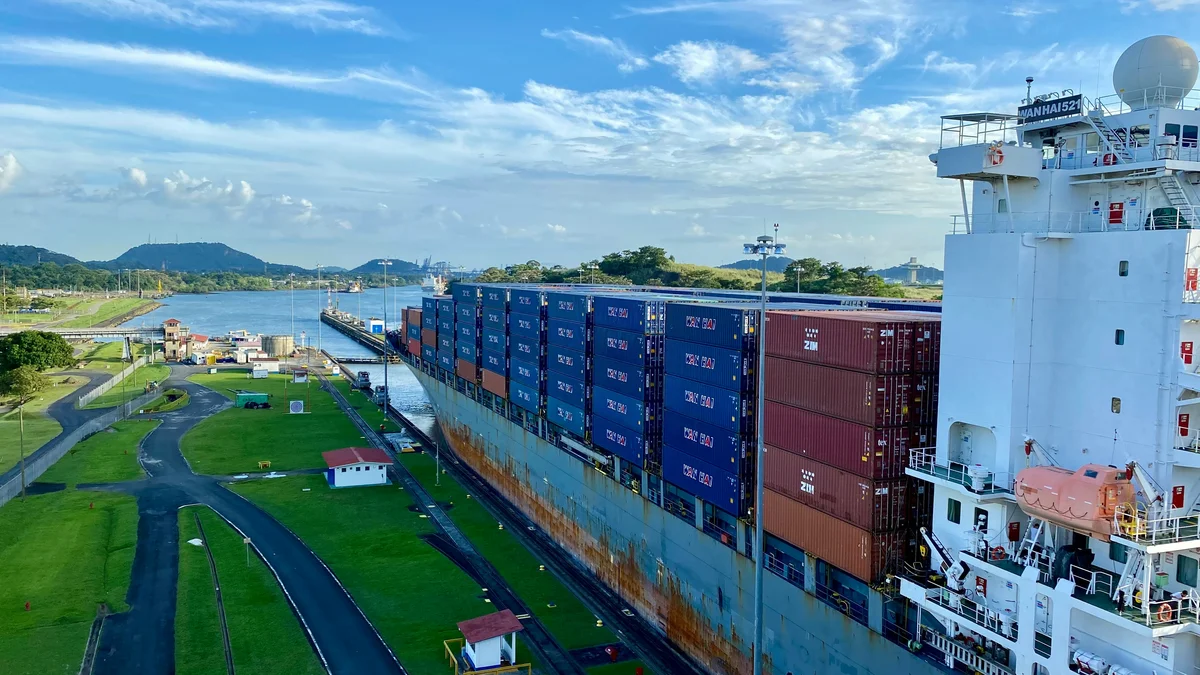
The Miraflores Locks are the Pacific-side gateway of the Panama Canal, where visitors watch container ships and tankers rise and fall through the lock chambers at close range. The visitor center's observation decks and museum exhibits explain the canal's construction and its ongoing role in global trade.
 Private Tours
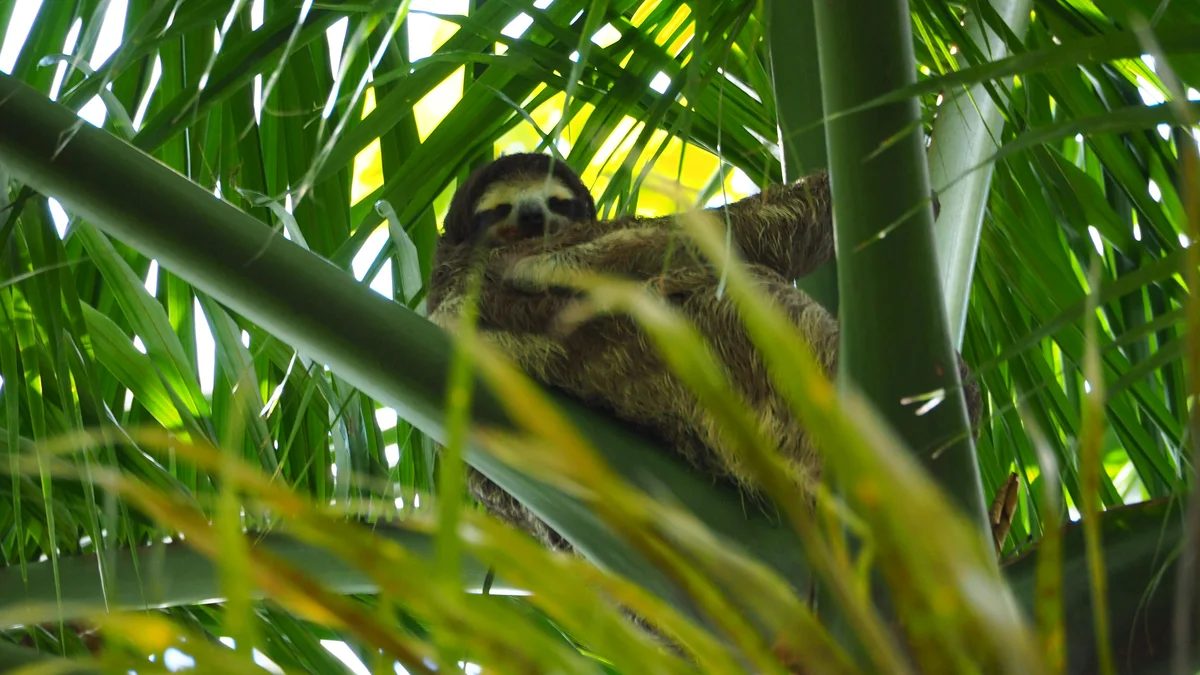
A private half-day combining the Miraflores Visitor Center with a real boat ride on Gatun Lake, where the canal's construction left a scatter of jungle-covered islands now home to monkeys and other wildlife.
 Private Tours
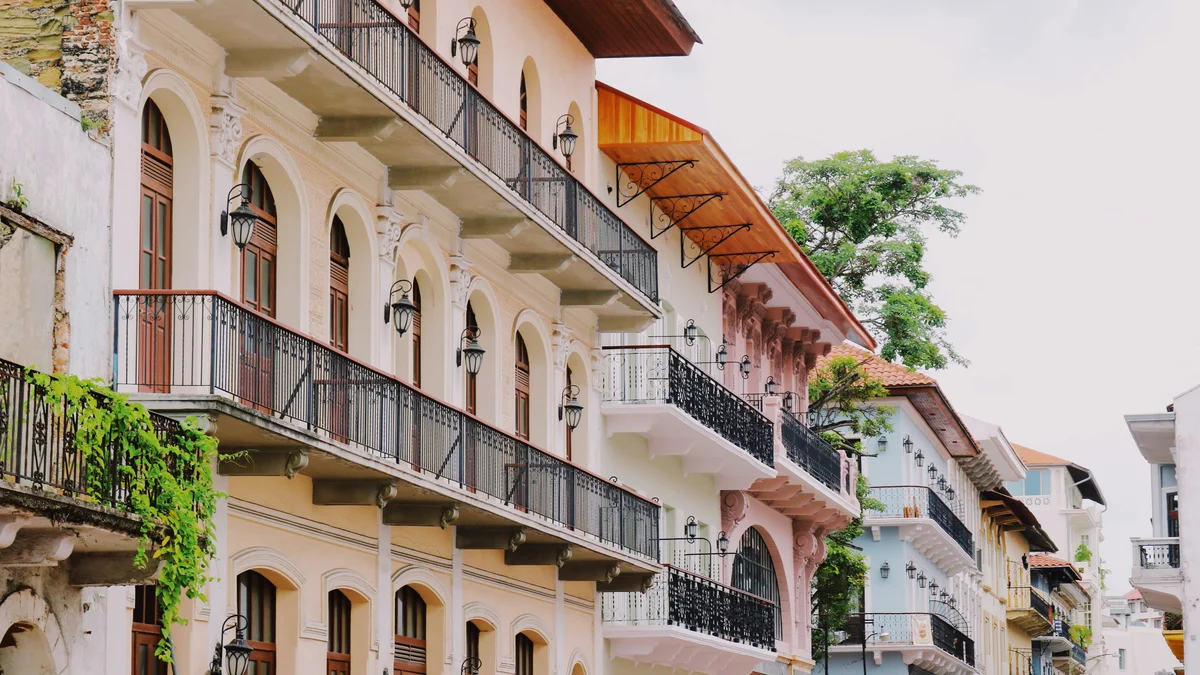
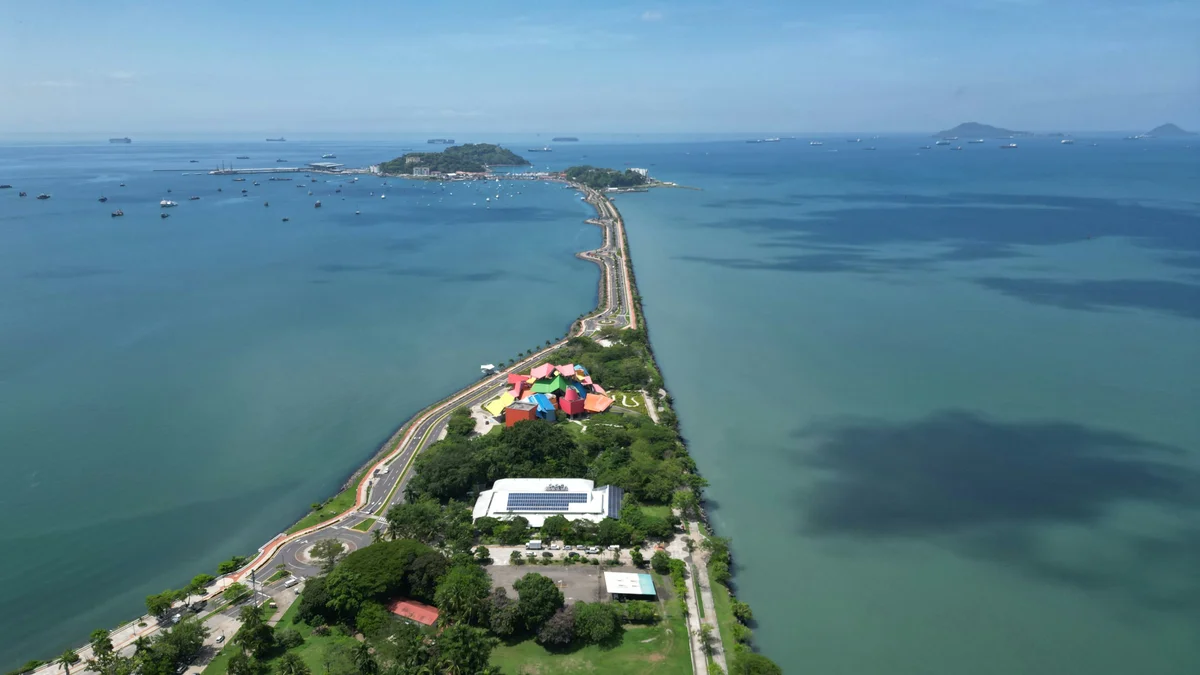
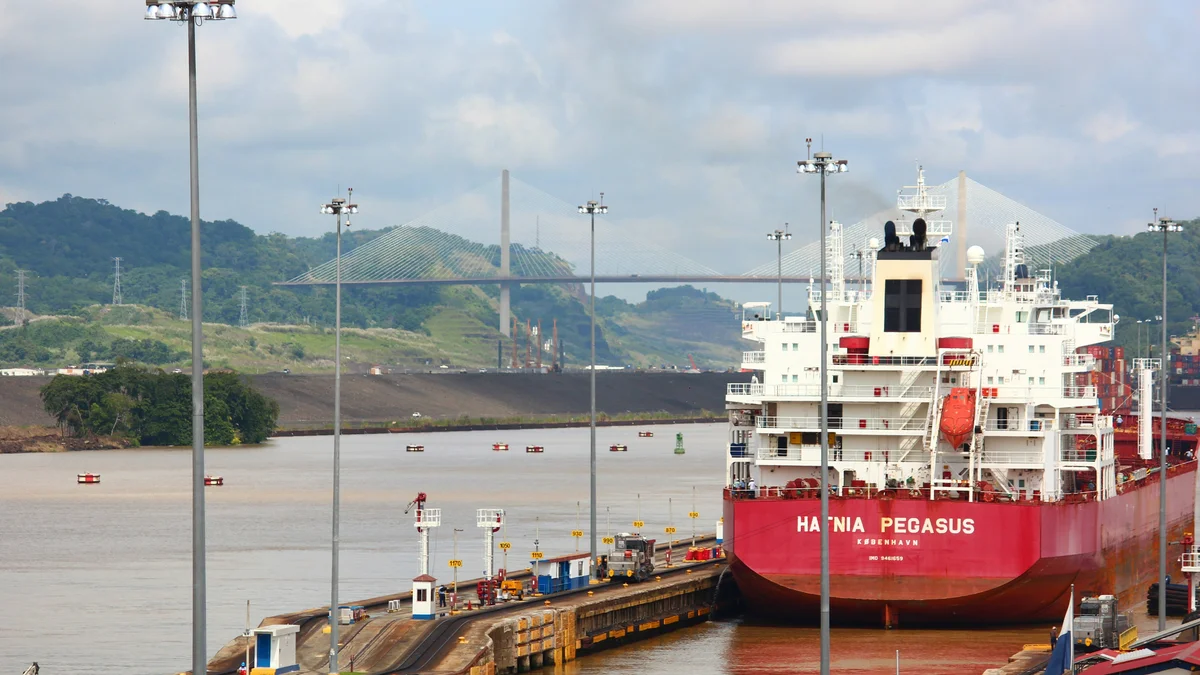
The best way to see everything Panama City offers in one day: the Panama Canal, Casco Viejo, and the Amador Causeway, all at a relaxed private pace.
Visitor guide
The Miraflores Locks are the Pacific-side lock complex of the Panama Canal, near Panama City, where ships are raised or lowered in two steps. A visitor centre overlooks the chambers, so travellers can watch vessels pass through at close range.
The canal uses three lock sites to carry ships between sea level and Gatun Lake. According to Wikipedia, Miraflores has two chambers with a total lift of 54 feet, about 16.5 metres, while Pedro Miguel has one step of 31 feet and Gatun has three steps totalling 85 feet. Miraflores Lake lies between the Miraflores and Pedro Miguel locks. Ships leaving the Pacific side pass beneath the Bridge of the Americas near Balboa before reaching the locks.
Because the Pacific has a large tidal range, Miraflores' actual lift varies from about 43 feet at extreme high tide to about 64.5 feet at extreme low tide. As a result its gates are the tallest in the system, with gate heights across the canal ranging from 47 to 82 feet and a thickness of 7 feet.
The locks run on gravity. Water flows through large culverts in the walls, with each chamber needing about 101,000 cubic metres to fill and releasing the same amount when emptied. Water comes from Gatun Lake, and a chamber can fill in as little as ten minutes. The original chambers are 110 feet wide and 1,050 feet long, which set the Panamax limit on ship size. Hollow, buoyant gates meet in a V shape pointing upstream, so water pressure pushes them closed. Electric locomotives known as mules run on the walls to keep ships centred and braked, while the ships' own engines provide forward motion.
The locks were built in the early twentieth century during the United States canal project, in the era of the Isthmian Canal Commission. The Pedro Miguel locks were finished in 1911 and the Miraflores locks in May 1913. The canal opened in 1914. The locks used about 1.56 million cubic metres of concrete across the system, and Wikipedia notes that no concrete structure of comparable size was built until Hoover Dam in the 1930s.
The expanded canal added larger lock complexes, Agua Clara on the Atlantic side and Cocoli on the Pacific side, which have operated since June 2016 and allow New Panamax ships. Those newer locks use water-saving basins and do not use mules. The Miraflores visitor centre offers observation terraces, museum exhibits and a theatre that explain the canal's construction and role in trade. A transit can take more than 30 minutes to watch, and the timing of arrivals varies with canal schedules, so the best moment to see a ship pass should be confirmed locally.
The site is within easy reach of central Panama City, and a private guided visit with a driver can combine it with nearby sights such as the Amador Causeway and Casco Viejo.
See every tour and attraction we cover in Panama City.