TorontoOntario · 36 tours
 Niagara FallsOntario · 25 tours
 New York CityNew York · 30 tours
 Las VegasNevada · 8 tours
 San FranciscoCalifornia · 16 tours
 VancouverBritish Columbia · 17 tours
 DubaiUAE · 54 tours
 Abu DhabiUAE · 5 tours
 Buenos AiresArgentina · 23 tours
 AthensGreece · 31 tours
 AucklandNew Zealand · 38 tours
 CancunMexico · 54 tours
No destinations match “”. Try searching all tours instead — that search understands full questions, not just place names.
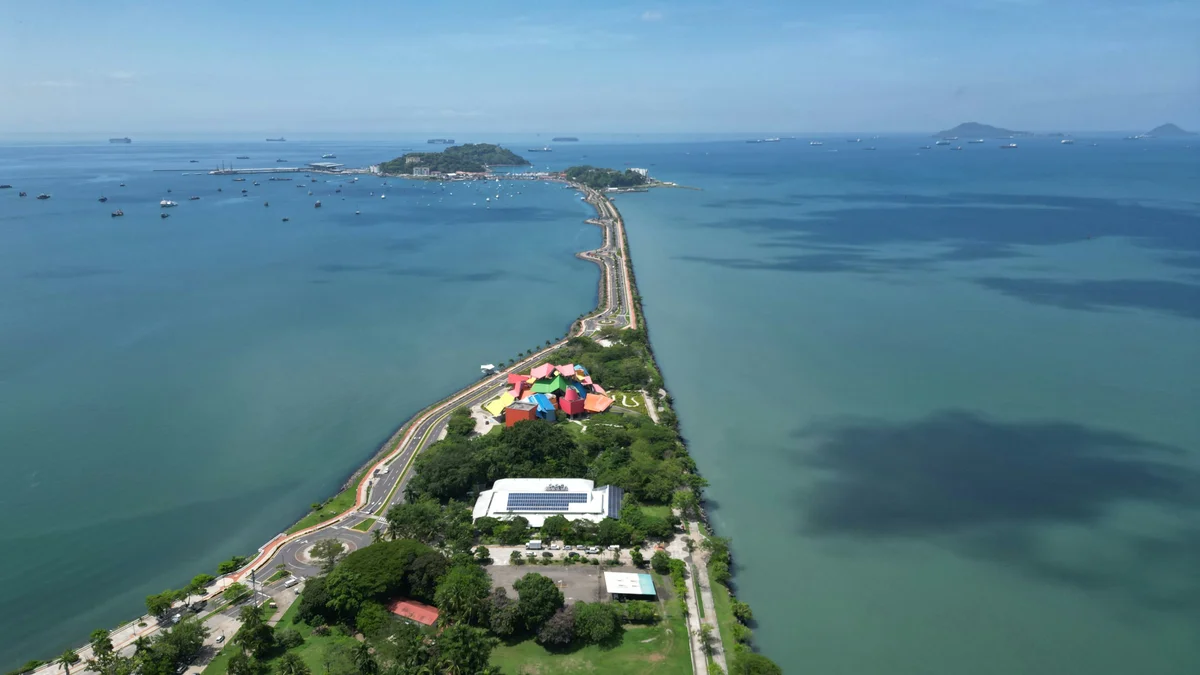
Designed by architect Frank Gehry, the Biomuseo's brightly colored, angular roofline is one of Panama City's most distinctive landmarks, standing at the entrance to the Amador Causeway. Inside, its exhibits tell the real story of how the rise of the Isthmus of Panama reshaped the planet's biodiversity by connecting North and South America.
Visitor guide
The Biomuseo is a natural history museum on the Amador Causeway in Panama City, designed by the architect Frank Gehry. It tells the story of how the Isthmus of Panama formed and how that event changed life on both sides of the Americas.
According to Wikipedia, the museum was Frank Gehry's first design for Latin America. The design was conceived in 1999, and the museum opened on 2 October 2014 with five galleries. Three more galleries opened in March 2019. The building covers about 4,000 square metres and sits at the southern entrance of the Panama Canal on the causeway islands. Its colourful, angular roofline has made it one of the best-recognised buildings in the city, and the project was expected to draw visitors in a similar way to Gehry's Guggenheim Museum in Bilbao.
The permanent galleries were designed in sequence by Bruce Mau Design. The Gallery of Biodiversity introduces Panama's natural heritage, and Panamarama is a three-level projection space with ten screens. Building the Bridge is a hands-on display of the isthmus's geological formation, and Worlds Collide covers the exchange of species between North and South America. The Human Path is a partly outdoor gallery with 16 columns about human impact. The 2019 additions are Oceans Divided, with two semi-cylindrical aquariums comparing the Pacific and Caribbean, The Living Web, a 15-metre living sculpture of plants, animals, insects and microorganisms, and Panama is the Museum, an immersive experience on the country's biological and cultural diversity. The museum also includes an atrium, a temporary exhibition space and an outdoor botanical garden designed by Edwina von Gal.
The museum's theme is the formation of the Isthmus of Panama, which Wikipedia says happened about 3 million years ago, though some recent studies suggest it may have formed as early as 4 million years ago and the exact dates remain debated. The closure of the seaway separated the Atlantic and Pacific and changed ocean circulation. It also opened a land bridge, allowing the Great American Biotic Interchange. Ancestors of the opossum, armadillo and porcupine moved north, while bears, cats, dogs, horses, llamas and raccoons moved south.
The museum describes its goal as making visitors aware of their personal impact on biodiversity and encouraging its protection. Wikipedia quotes it as aiming to be the first museum in the world committed to teaching biodiversity, a claim that should be treated as the museum's own wording.
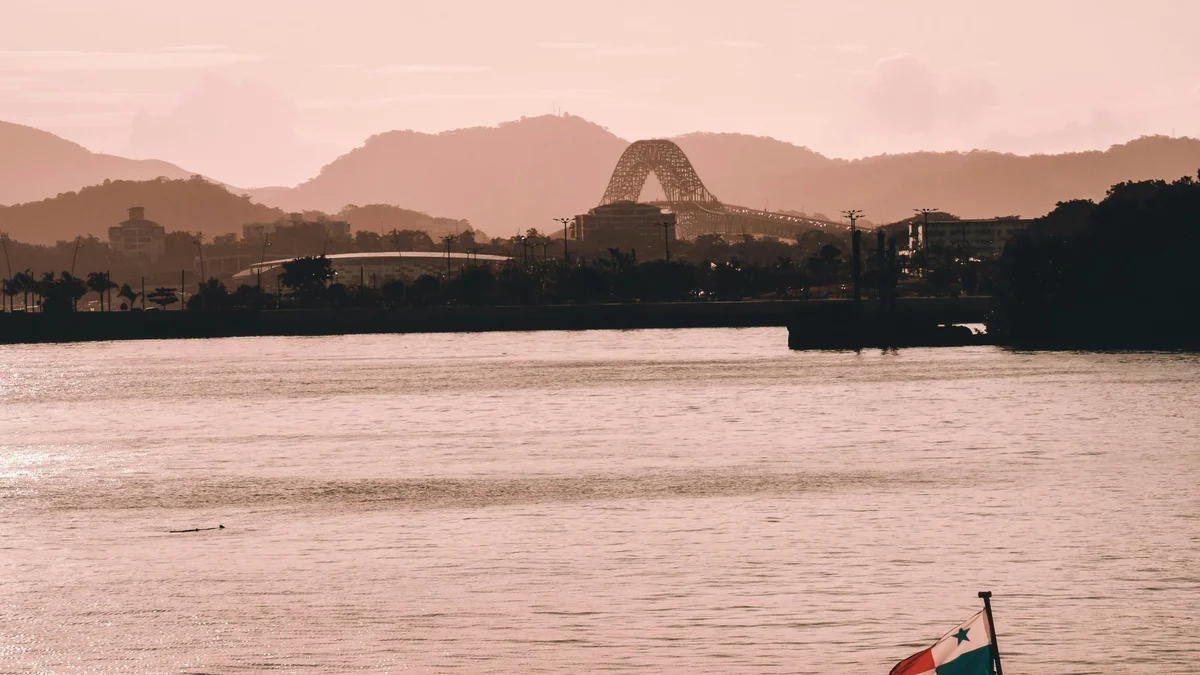
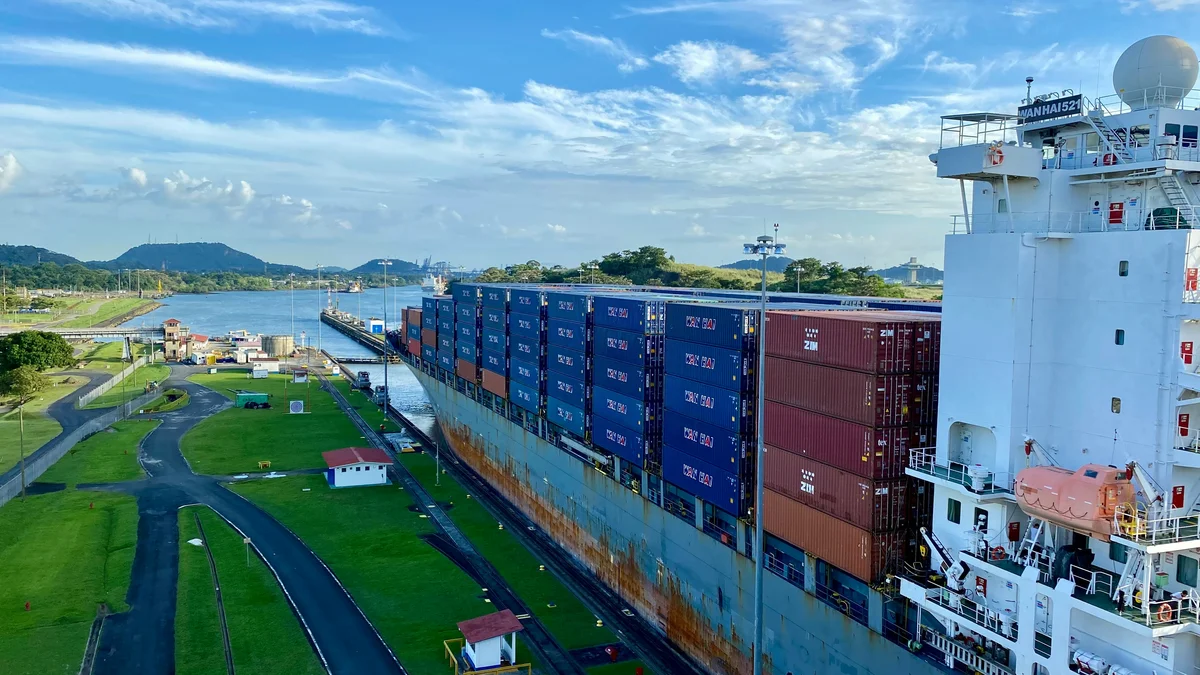
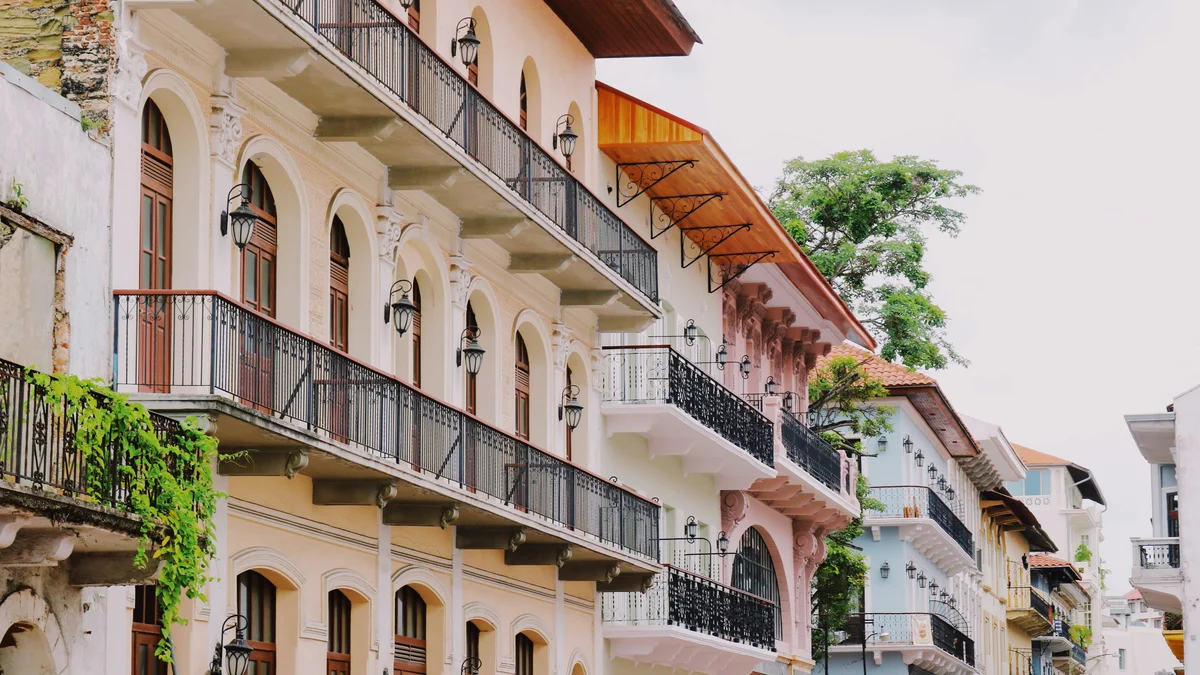
The Amador Causeway is a popular promenade with views of the canal entrance and the city skyline. A private guided visit with a driver can combine the museum with the canal locks and the old town.
See every tour and attraction we cover in Panama City.