TorontoOntario · 36 tours
 Niagara FallsOntario · 25 tours
 New York CityNew York · 30 tours
 Las VegasNevada · 8 tours
 San FranciscoCalifornia · 16 tours
 VancouverBritish Columbia · 17 tours
 DubaiUAE · 54 tours
 Abu DhabiUAE · 5 tours
 Buenos AiresArgentina · 23 tours
 AthensGreece · 31 tours
 AucklandNew Zealand · 38 tours
 CancunMexico · 54 tours
No destinations match “”. Try searching all tours instead — that search understands full questions, not just place names.
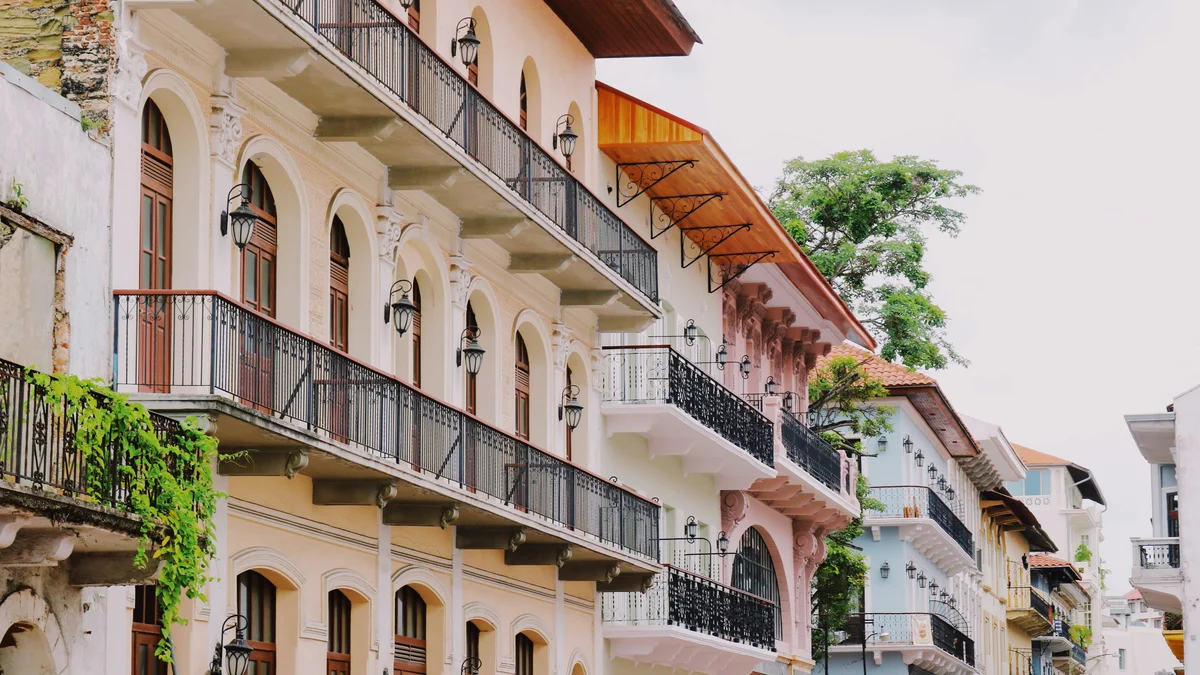
Panama City's colonial old town is a UNESCO World Heritage Site of restored Spanish-colonial buildings, wrought-iron balconies, and brick-paved streets overlooking the bay. Its plazas, churches, and rooftop bars make it the historic and social heart of the modern city.
 Private Tours
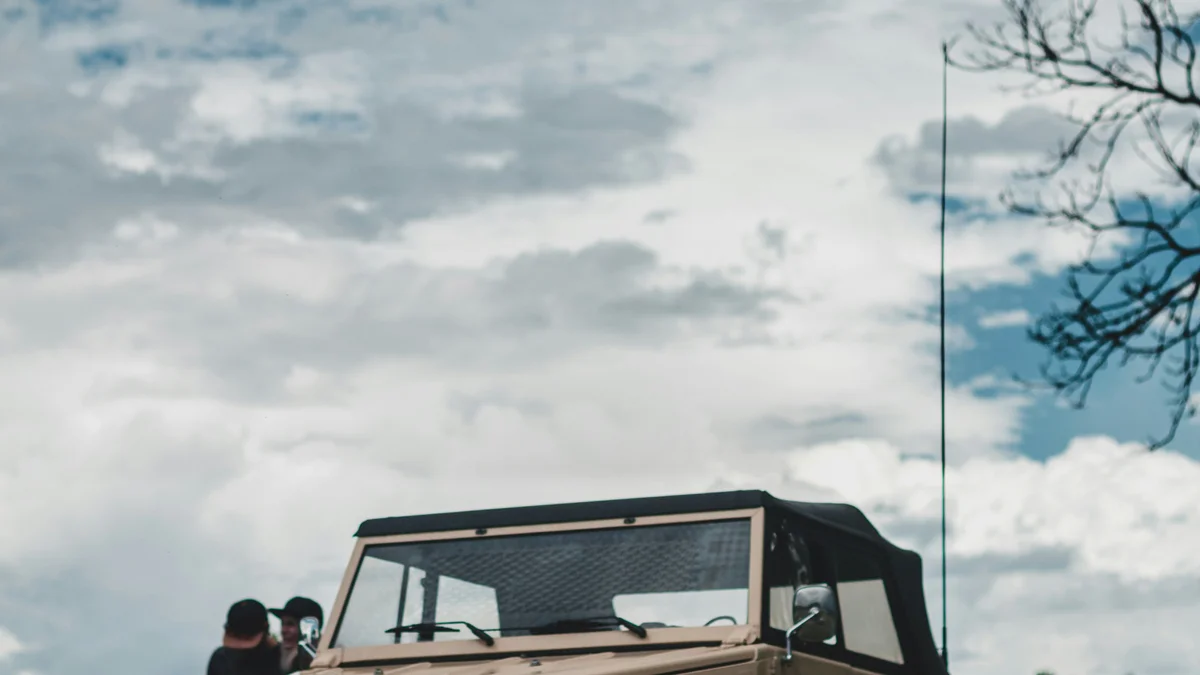
A distinctive, open-top classic-car tour through Casco Viejo and Panama City's other highlights, with a private guide-driver.
 Private Tours
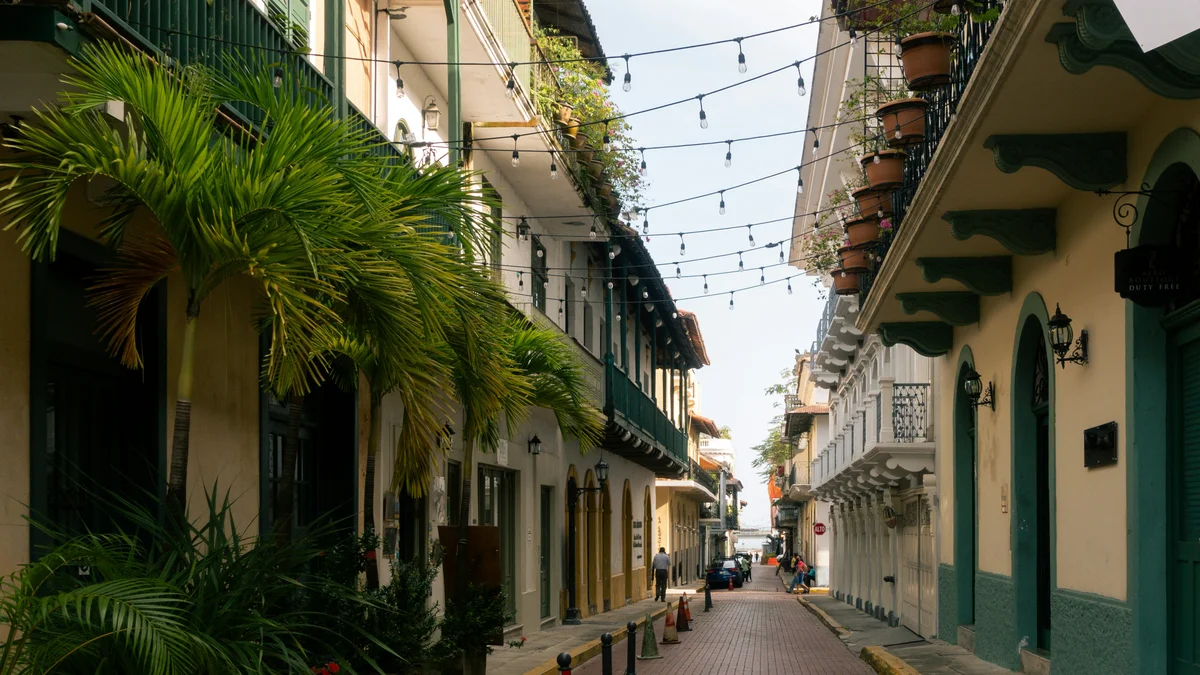
A private walking-focused introduction to Panama City for first-time visitors, mixing well-known sights with real local hidden gems.
 Private Tours
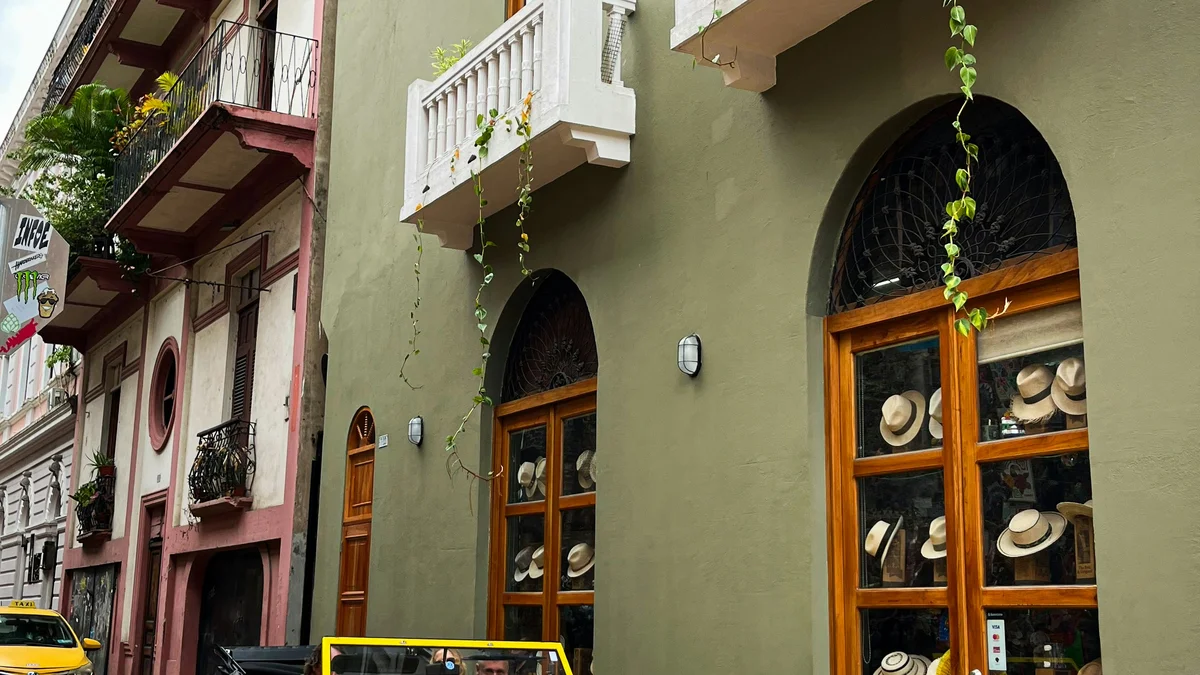
A dedicated, walking-only private tour of Casco Antiguo (Casco Viejo), Panama City's UNESCO-listed colonial old town, with a knowledgeable local guide.
Visitor guide
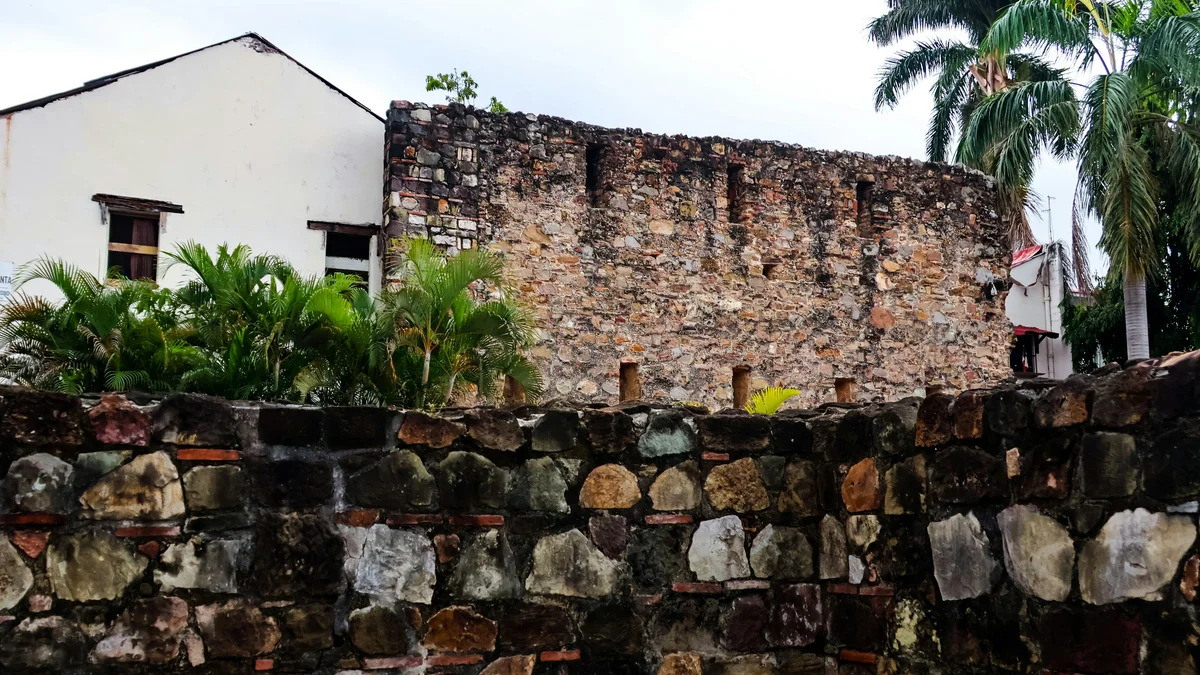
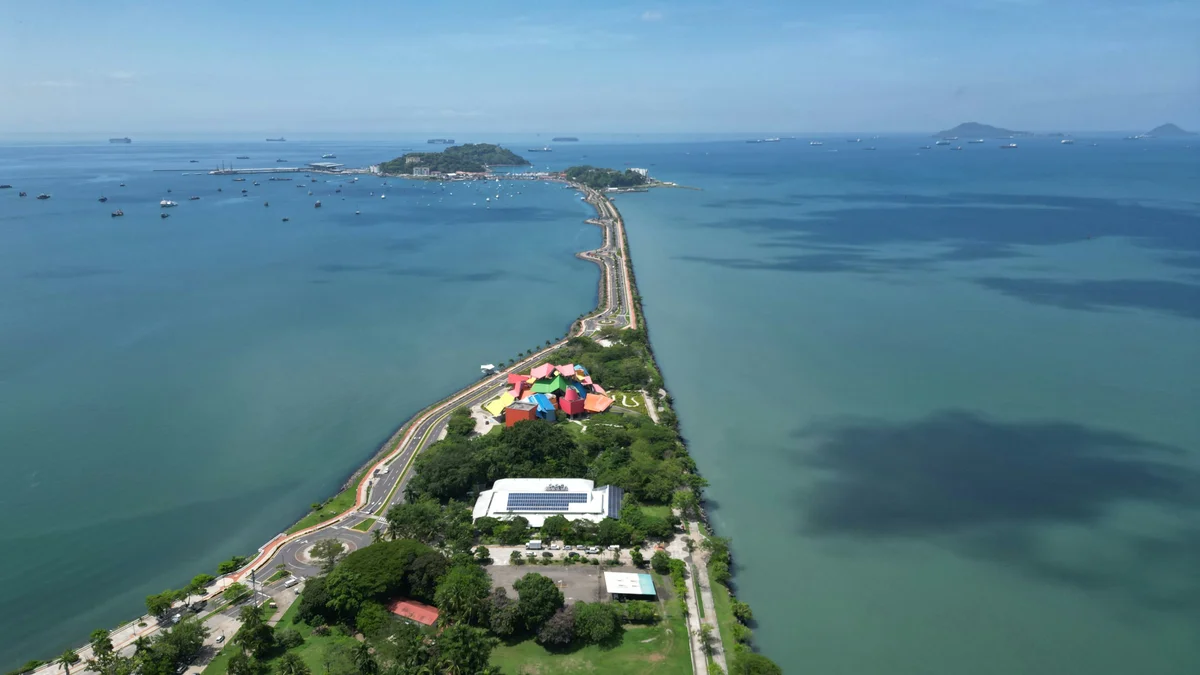
Casco Viejo is the historic district of Panama City, a compact peninsula of colonial streets, plazas and churches. Together with the ruins of Panama Viejo, it is part of a UNESCO World Heritage property, and it has become a lively centre of restaurants, hotels and cultural sites.
The original Panama City was founded on 15 August 1519. After the pirate Henry Morgan attacked the city in January 1671, a new city was begun in 1672 by Antonio Fernandez de Cordoba and founded on 21 January 1673. The new site sat on a peninsula protected by the sea and by walls. Wikipedia describes the district as preserving the first institutions and buildings of modern Panama.
The district suffered three large fires in the eighteenth century, which partly destroyed it and altered its layout. The current configuration dates from the end of the nineteenth century and the first half of the twentieth. Reconstruction inserted neoclassical and Afro-Antillean buildings among colonial structures and ruins, giving Casco Viejo a mix of styles that differs from the almost entirely colonial look of cities such as Cartagena or Quito.
Casco Viejo is organised around a series of plazas, including Plaza Bolivar, Plaza Herrera, Plaza de Francia and Plaza de la Independencia. Landmarks include the Catedral Metropolitana, the church and convent of San Francisco de Asis, the Church of San Jose with its golden altar, the Church of La Merced, the Church and Convent of Santo Domingo with the Arco Chato, and the church of the Society of Jesus. Plaza de Francia honours the French canal effort, and the Panama Canal Museum is also located in the district.
The Palacio de las Garzas serves as the presidential office and residence, and other landmarks include the Palacio Municipal from the early twentieth century, the Palacio Nacional, the Palacio Bolivar, Casa Gongora and the National Theatre of Panama. UNESCO describes the Historic District as having preserved its original street plan and an unusual mixture of Spanish, French and early American styles. It also links the district to Simon Bolivar, whose 1826 Congress at the Salon Bolivar was an unsuccessful attempt at a continental assembly.
According to UNESCO data, the Historic District of Panama, including the Salon Bolivar, was inscribed in 1997, and the Archaeological Site of Panama Viejo was added in 2003 as an extension of the same property. The district covers about 29.4 hectares.
The area is now a tourist hotspot with restaurants, boutique hotels, museums and nightclubs, and Wikipedia notes that it has experienced gentrification while keeping its historic sites. Its streets are best explored on foot, and a private guided visit with a driver can set the district in context alongside Panama Viejo, Ancon Hill and the canal.
See every tour and attraction we cover in Panama City.