TorontoOntario · 36 tours
 Niagara FallsOntario · 25 tours
 New York CityNew York · 30 tours
 Las VegasNevada · 8 tours
 San FranciscoCalifornia · 16 tours
 VancouverBritish Columbia · 17 tours
 DubaiUAE · 54 tours
 Abu DhabiUAE · 5 tours
 Buenos AiresArgentina · 23 tours
 AthensGreece · 31 tours
 AucklandNew Zealand · 38 tours
 CancunMexico · 54 tours
No destinations match “”. Try searching all tours instead — that search understands full questions, not just place names.
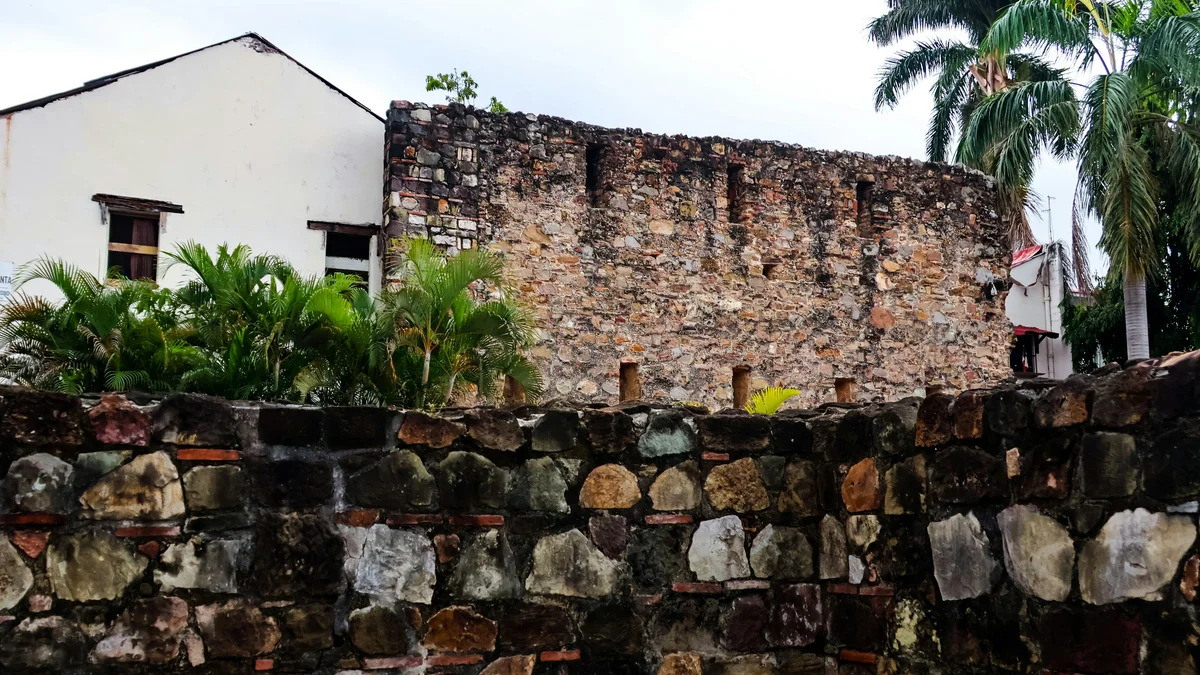
The stone ruins of Panama La Vieja mark the site of the original Panama City, founded by the Spanish in 1519 and destroyed by the pirate Henry Morgan in 1671. Its weathered cathedral tower still stands over the archaeological site, a UNESCO World Heritage listing alongside Casco Viejo.
 Private Tours
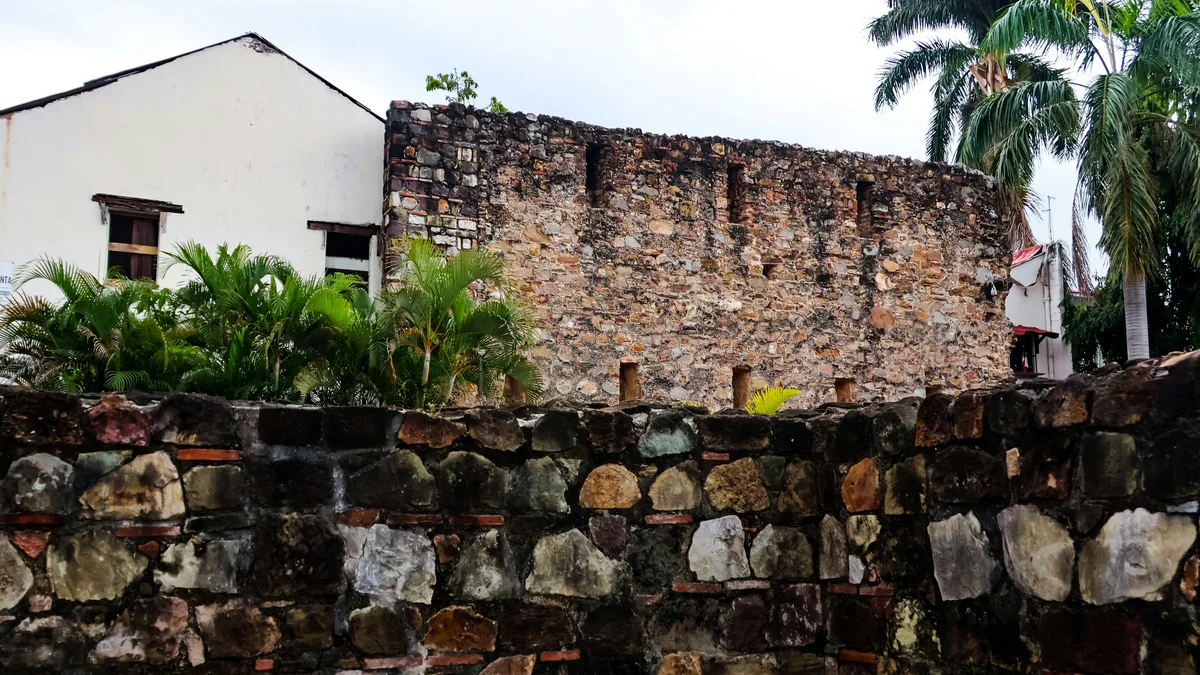
A private tour to Panama La Vieja, the country's first Spanish settlement, plus downtown sightseeing, a real indigenous handicraft market, and the Mi Pueblito cultural center.
 Private Tours
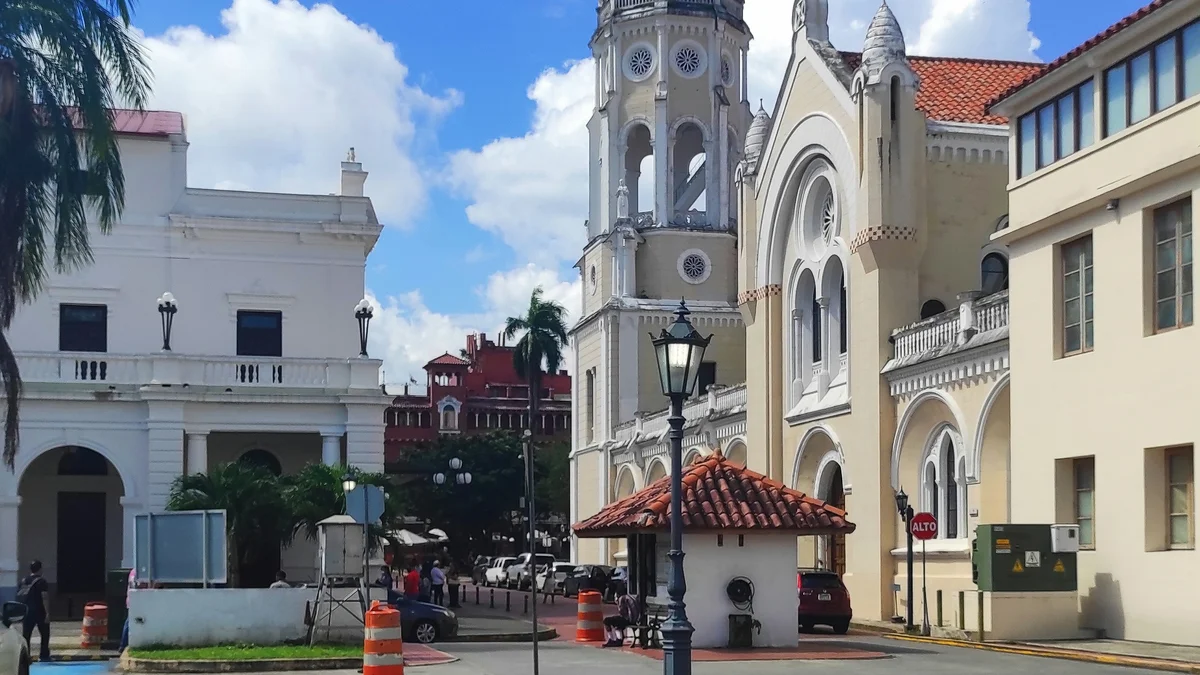
A private full-day tour through old and new Panama City: Panama La Vieja's ruins, Casco Antiguo's colonial streets and landmark buildings, and real modern neighborhoods like Caledonia Avenue, El Chorrillo, and Chinatown.
Visitor guide
Panama Viejo is the archaeological site of the original Panama City, founded by the Spanish in 1519 on the Pacific coast and abandoned after it was sacked in 1671. Its weathered cathedral tower and stone ruins are part of a UNESCO World Heritage property with Casco Viejo.
According to Wikipedia, Pedro Arias Davila and about 100 others founded the settlement on 15 August 1519. UNESCO describes it as the oldest European settlement on the Pacific coast of the Americas and notes that it was laid out on a rectilinear grid. It became a launch point for expeditions into Peru and a base for shipping gold and silver to Spain. A royal decree made it a city in 1521, and Charles V granted it a coat of arms.
Genoese merchants controlled much of the Pacific trade for about a century under a Spanish concession from 1520. By 1610 the city had about 5,000 residents, 500 houses, convents, chapels, a hospital and a cathedral. Fires in 1539 and 1563 damaged parts of it, and an earthquake on 2 May 1620 damaged many buildings. The Great Fire of 21 February 1644 destroyed 83 religious buildings, including the cathedral. By 1670 the population had reached roughly 10,000.
On 28 January 1671, the Welsh privateer Henry Morgan marched about 1,400 men across the jungle from the Caribbean coast. Panamanian forces sent to ambush him in the mountain passes fled instead, and Morgan's men defeated the militia on the plains outside the city. It is unclear who started the fires that consumed the city. The viceroy's account suggests residents set them, while Morgan also described fires. Morgan's report listed 400 Spanish casualties, though the article says thousands died overall. The city was rebuilt a few kilometres west at what is now Casco Viejo. Morgan was arrested but later released after showing that he did not know a 1670 peace treaty between England and Spain had been signed.
The site preserves the ruins of the Concepcion nuns' convent and the old cathedral, whose tower still stands. The tower offers views toward the modern skyline of Panama City and Costa del Este. The remains show the footprint of a grid-planned colonial town, with plazas, religious houses and merchant buildings built in stone.
UNESCO inscribed the Historic District of Panama in 1997 under criteria ii and iv, and the Archaeological Site of Panama Viejo was added in 2003. UNESCO documents give the Panama Viejo property as about 28 hectares with a 85 hectare buffer zone.
The site was used as a pit stop on the nineteenth season of The Amazing Race and hosted a reward feast on the seventh season of Survivor: Pearl Islands.
A private guided visit gives context to the grid layout and the story of the 1671 attack, and it combines naturally with Casco Viejo and the Panama Canal.
See every tour and attraction we cover in Panama City.