TorontoOntario · 36 tours
 Niagara FallsOntario · 25 tours
 New York CityNew York · 30 tours
 Las VegasNevada · 8 tours
 San FranciscoCalifornia · 16 tours
 VancouverBritish Columbia · 17 tours
 DubaiUAE · 54 tours
 Abu DhabiUAE · 5 tours
 Buenos AiresArgentina · 23 tours
 AthensGreece · 31 tours
 AucklandNew Zealand · 38 tours
 CancunMexico · 54 tours
No destinations match “”. Try searching all tours instead — that search understands full questions, not just place names.
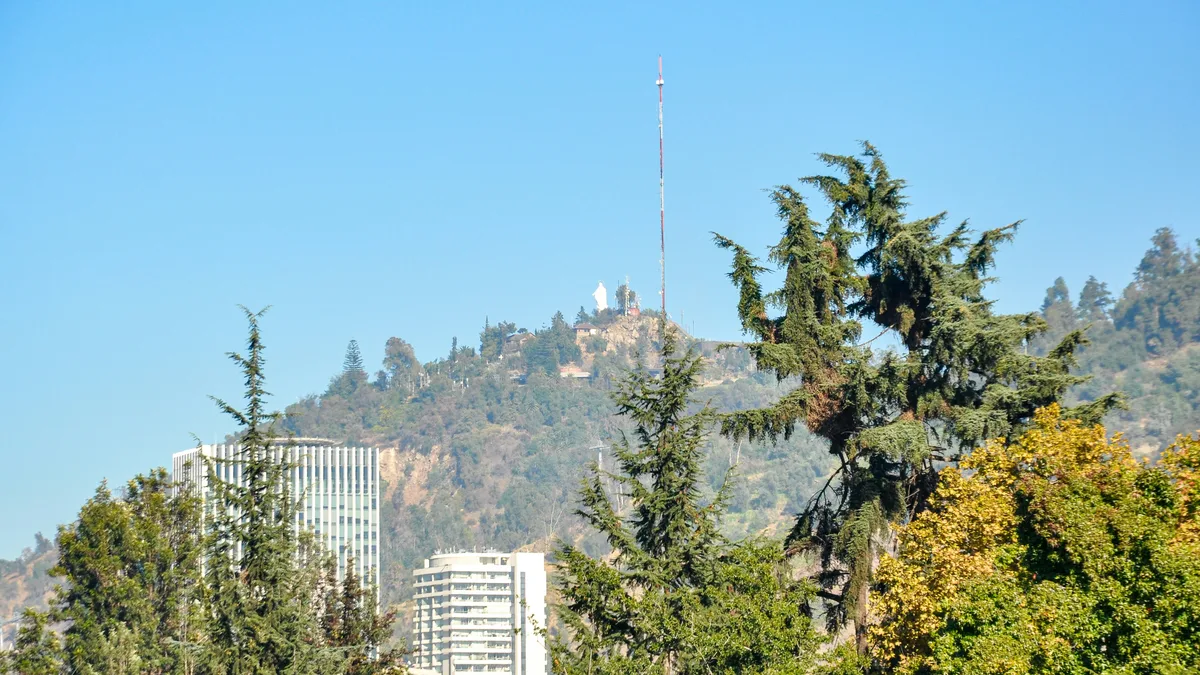
Santiago's largest hill and urban park, rising 880 meters within Metropolitan Park, reachable by funicular, cable car, or on foot or by bike. The summit holds a large statue of the Virgin Mary and offers panoramic views over the city and, on clear days, the Andes behind it.
 Private Tours
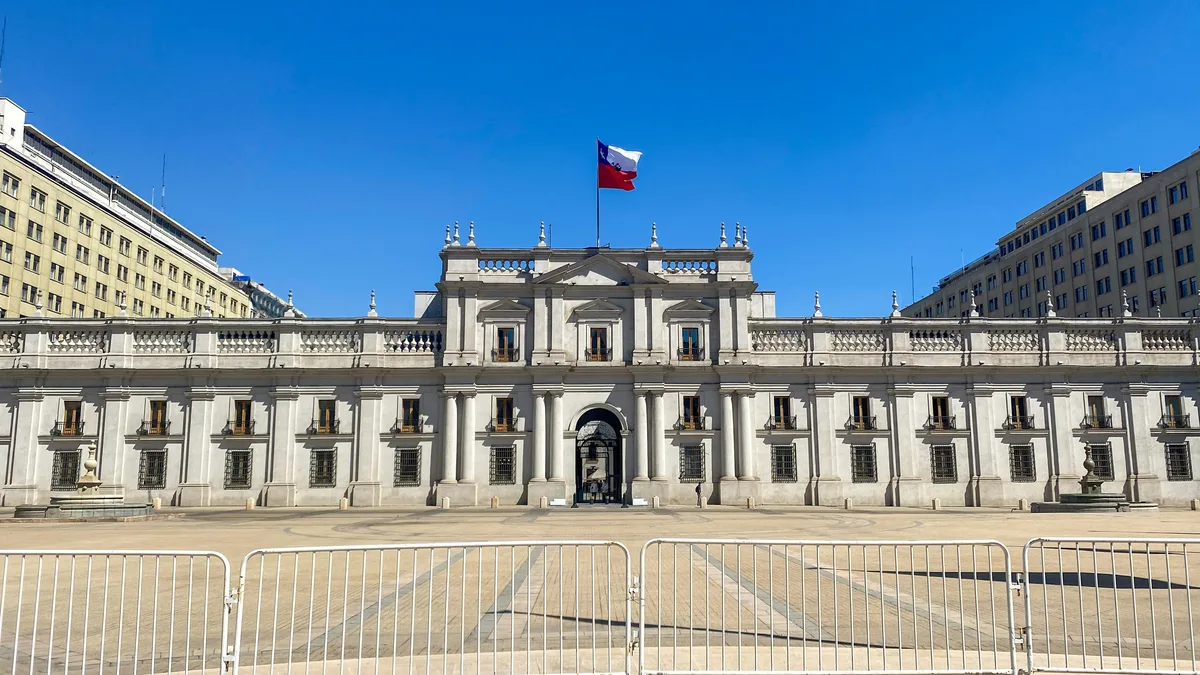
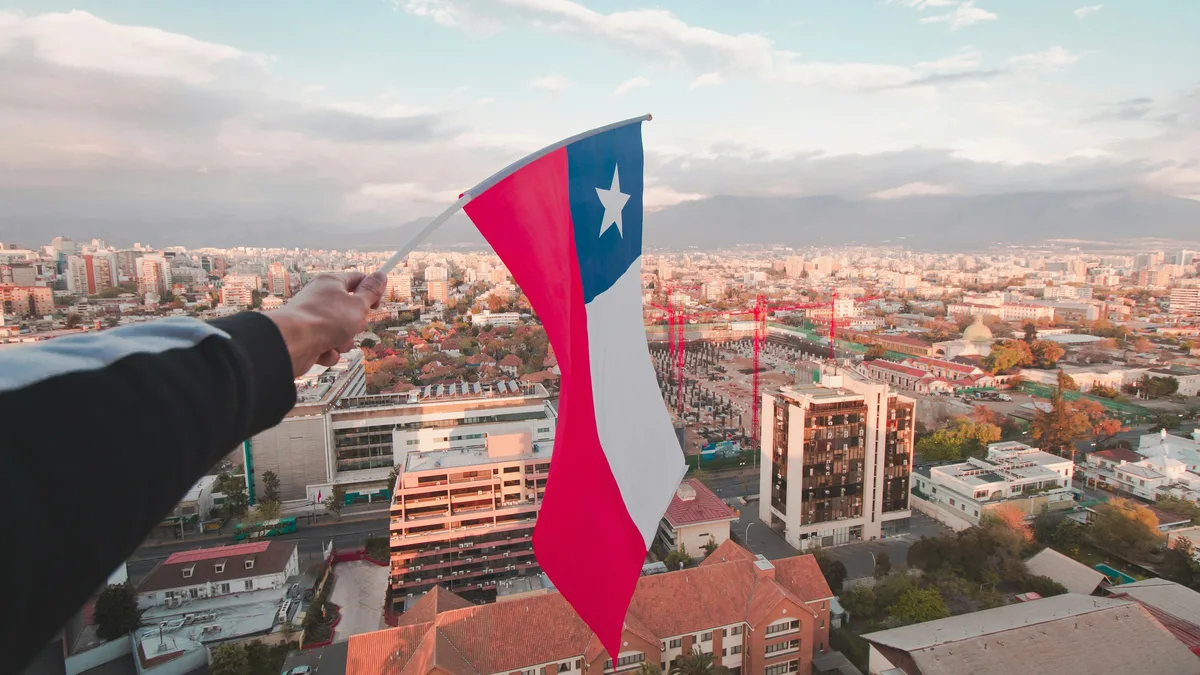
A private 5-hour introduction to Santiago covering La Moneda Palace, the central fish market, the Fine Arts Museum and a cable car ride up Cerro San Cristóbal.
 Private Tours
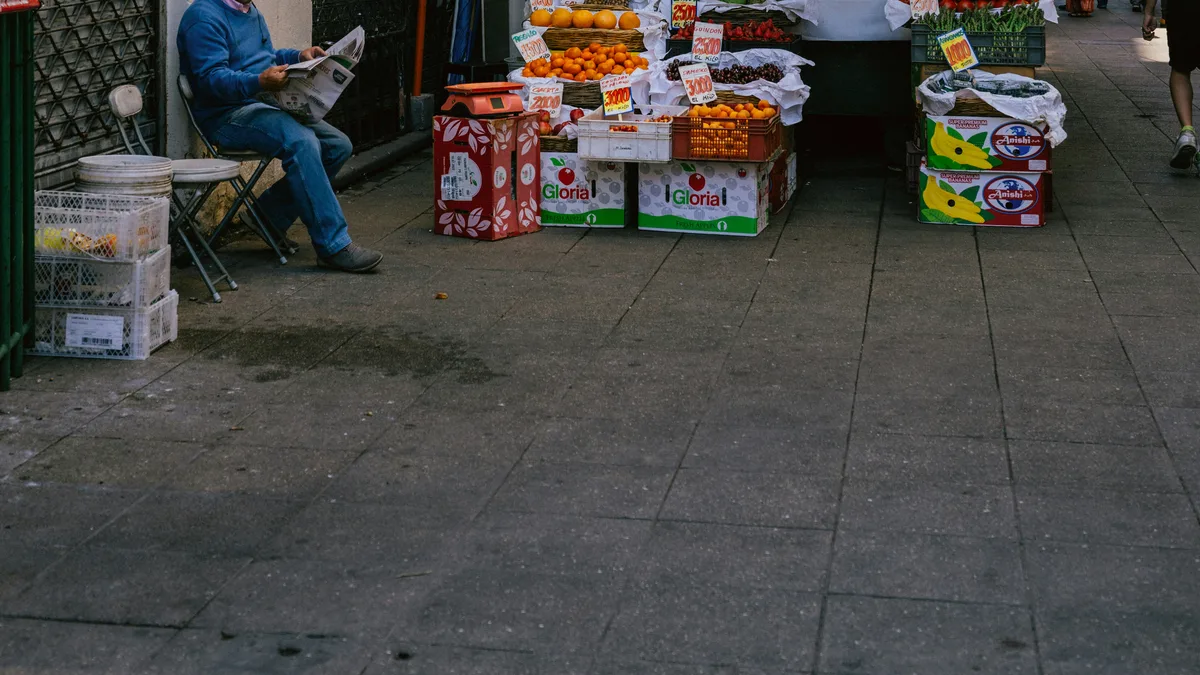
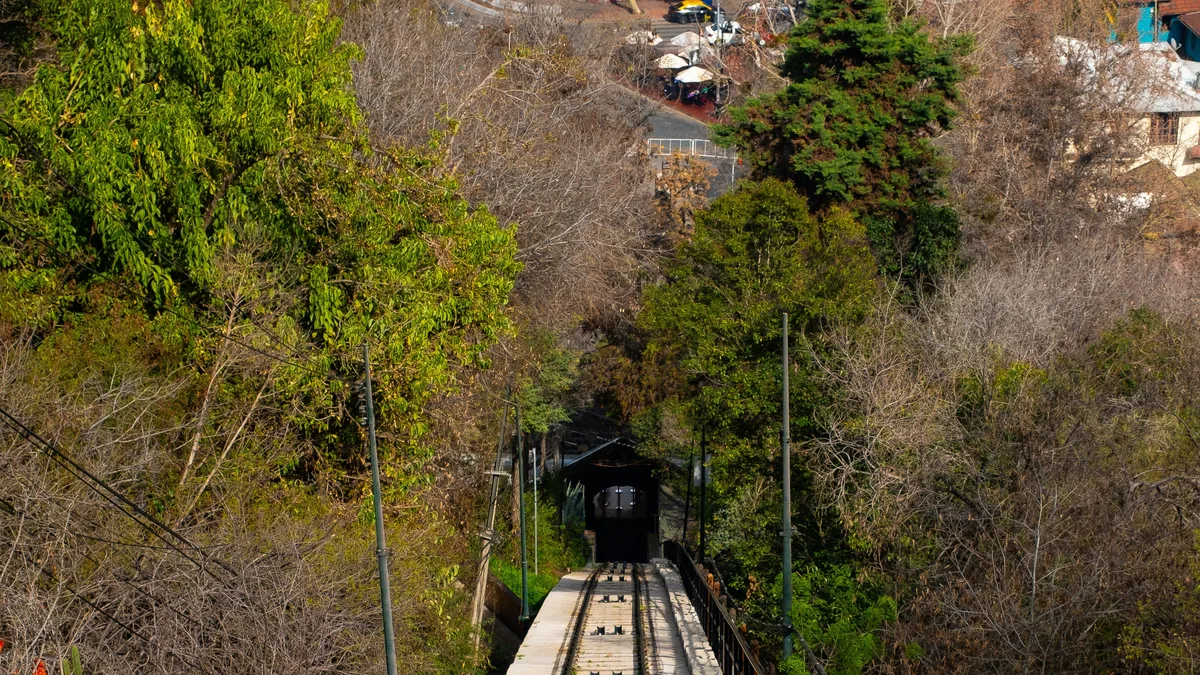
A private, flexible 7-hour tour on foot through downtown Santiago, up the San Cristóbal funicular, with a Chilean lunch at the historic Central Market and stops at real local bars.
 Private Tours
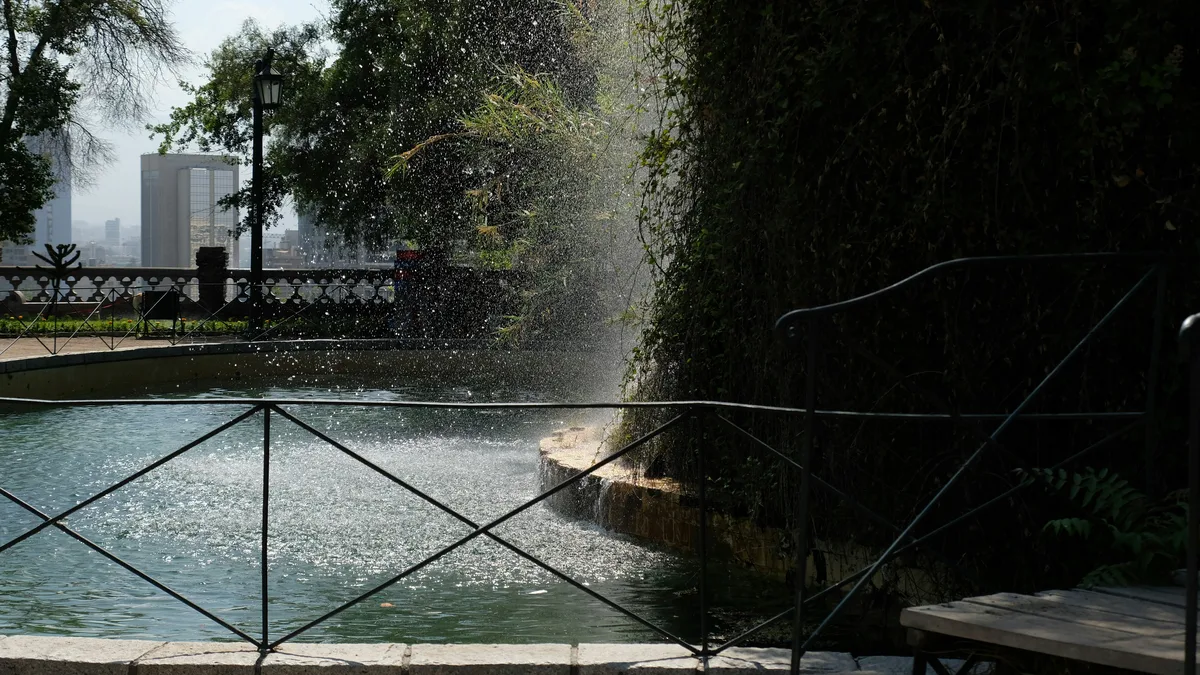
A private, flexible 4-hour city tour with hotel pickup, covering Cerro San Cristóbal, Cerro Santa Lucía, the Barrio Cívico and La Moneda Palace.
 Private Tours
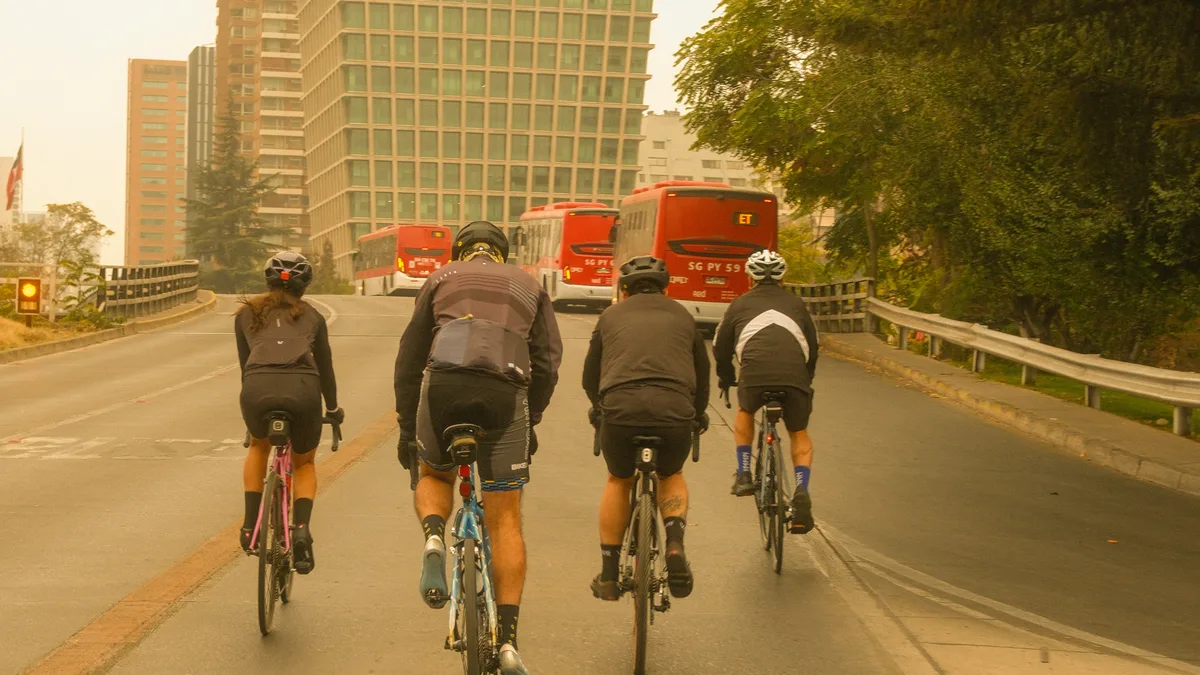
A private 2-3 hour mountain bike tour up Cerro San Cristóbal's 860-meter summit inside Metropolitan Park, with a thrilling descent back down.
Visitor guide
Cerro San Cristobal is a hill in northern Santiago, Chile, rising about 880 metres above sea level and roughly 300 metres above the surrounding city. It is the centrepiece of Santiago's Metropolitan Park, which Wikipedia calls the city's largest public park.
The hill was named by the Spanish for Saint Christopher, in recognition of its use as a landmark. Its original indigenous name is Tupahue. Wikipedia says it is the third-highest point in the city after Cerro Manquehue and Cerro Renca. The Manuel Foster Observatory, originally the Mills Observatory, was installed on the hill in 1903 as a twin of the Lick Observatory in California.
The Metropolitan Park developed from tree plantings begun in the 1870s under Intendant Benjamin Vicuna Mackenna, who planted species such as eucalyptus and pine, with a second phase in 1918 adding terraces, paths and roads, according to tourism sources.
At the top stands a sanctuary dedicated to the Immaculate Conception, with a 14-metre statue of the Virgin Mary on an 8.3-metre pedestal, giving a total of about 22 metres. The statue weighs 36,610 kilograms and is lit at night so that it can be seen from across the city. Inside the pedestal is a small chapel where Pope John Paul II prayed and blessed Santiago on 1 April 1987.
An amphitheatre at the foot of the statue is used for masses and ceremonies. The summit offers wide views over the city toward the Andes, weather permitting.
The hill's foothills hold the Chilean National Zoo at the Bellavista entrance, and the hill is crossed by roads, paths and the funicular line that begins beside the zoo. Wikipedia describes the Metropolitan Park as the largest public park in Santiago, with a Japanese-style garden and two municipal pools, Tupahue and Antilen.
Wikipedia also notes that the cable car was out of service for several years after 2009, when a gearbox failed, and that a renovation project with 46 new cabins, eight of them able to carry bicycles, strollers or wheelchairs, reopened the line in November 2016. Operating status changes, so travellers should confirm current arrangements locally.
Wikipedia lists several routes to the summit: a walk of about 45 minutes, a road through the park, the Santiago Funicular from the Pio Nono side of Bellavista, and a cable car that crosses the hill from the Oasis station. The cable car closed in 2009 when its gearbox failed, and after a long renewal process reopened in November 2016 with new cabins.
The foothills of the hill hold the Chilean National Zoo, a Japanese-style garden and the Tupahue and Antilen municipal swimming pools. The Children's Park provides another entrance via Avenida Peru.
Cerro San Cristobal combines naturally with a visit to neighbouring Barrio Bellavista. A private guided visit with a dedicated vehicle and driver can drop travellers at the funicular and meet them again after the summit.
See every tour and attraction we cover in Santiago.