TorontoOntario · 36 tours
 Niagara FallsOntario · 25 tours
 New York CityNew York · 30 tours
 Las VegasNevada · 8 tours
 San FranciscoCalifornia · 16 tours
 VancouverBritish Columbia · 17 tours
 DubaiUAE · 54 tours
 Abu DhabiUAE · 5 tours
 Buenos AiresArgentina · 23 tours
 AthensGreece · 31 tours
 AucklandNew Zealand · 38 tours
 CancunMexico · 54 tours
No destinations match “”. Try searching all tours instead — that search understands full questions, not just place names.
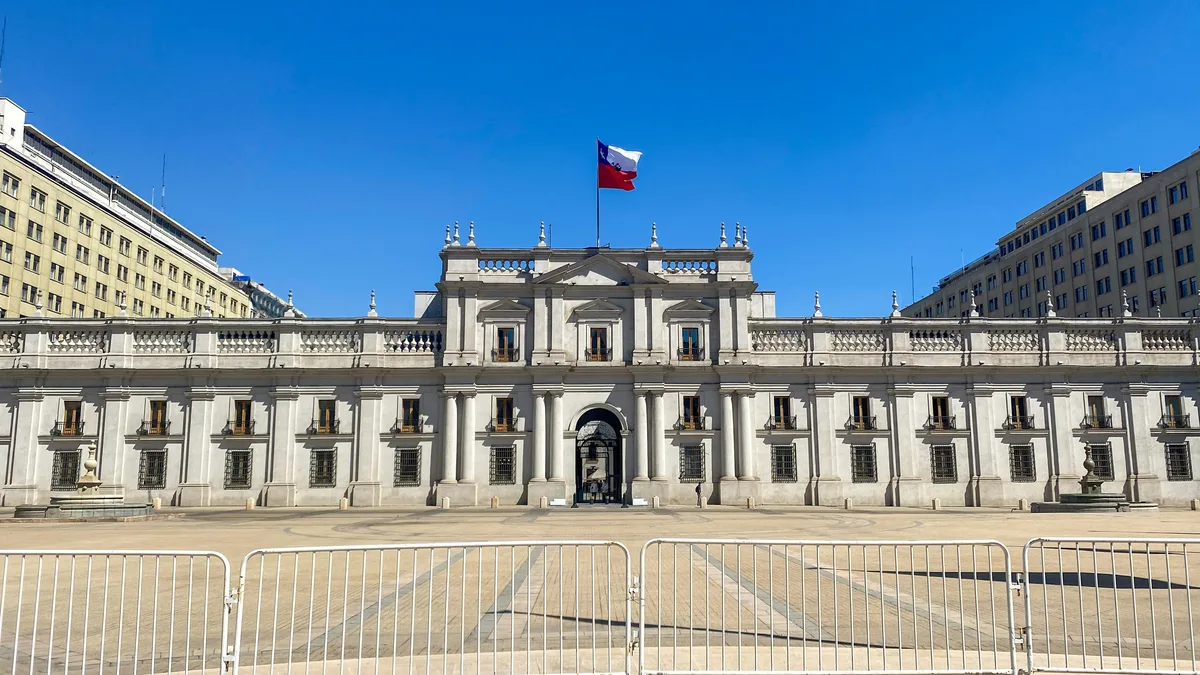
Chile's presidential palace and seat of government in downtown Santiago, built in the late 1700s as a colonial mint (moneda means 'mint'). The palace is closely tied to Chile's modern history, including the 1973 military coup, and today hosts a changing of the guard ceremony.
 Private Tours
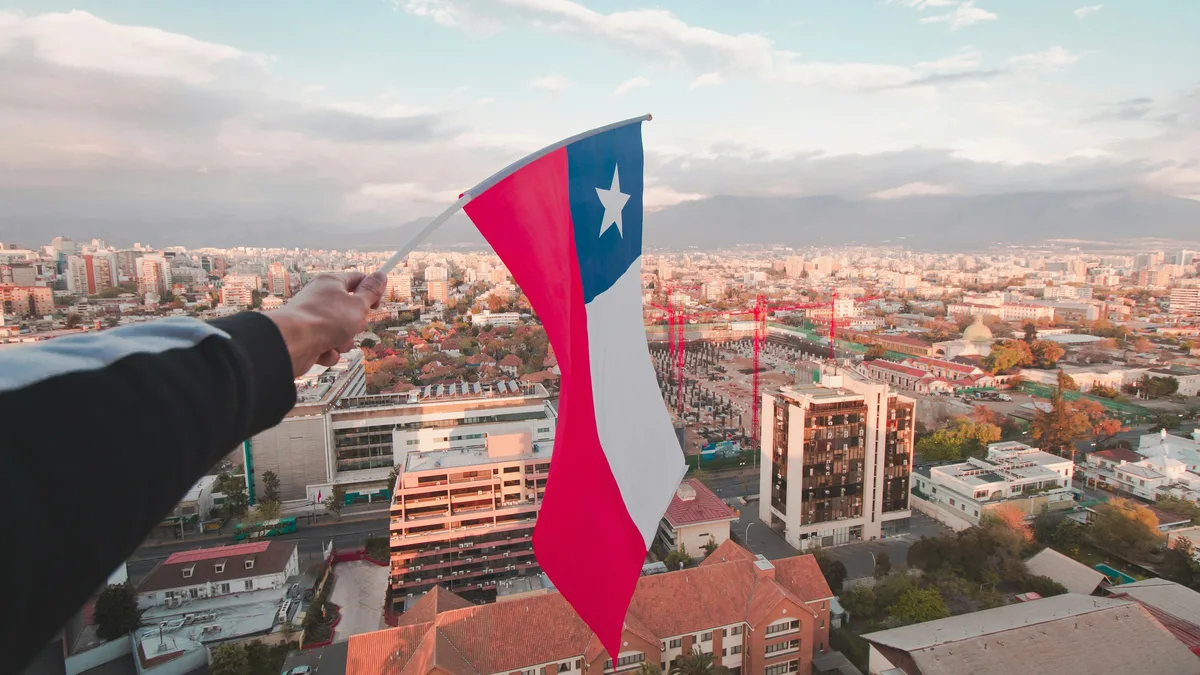
A private 5-hour introduction to Santiago covering La Moneda Palace, the central fish market, the Fine Arts Museum and a cable car ride up Cerro San Cristóbal.
 Private Tours
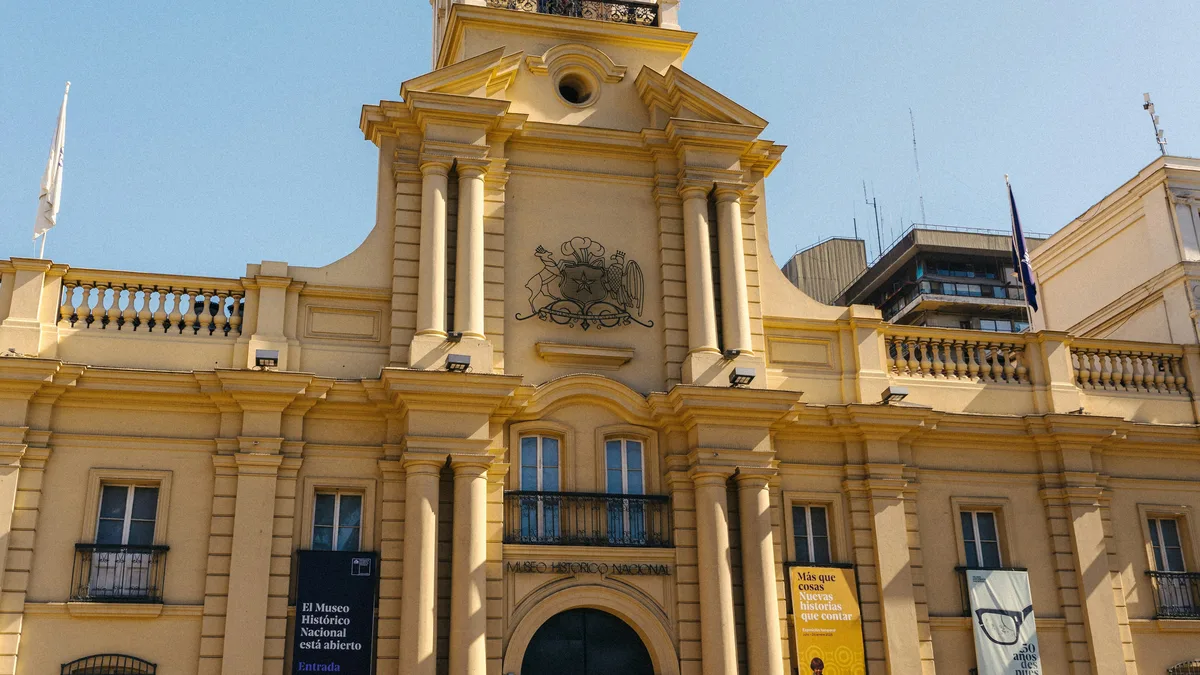
A private 3-hour walking tour through downtown Santiago's colonial core, covering Plaza de Armas, the cathedral, La Moneda Palace and the bohemian Lastarria neighborhood.
 Private Tours
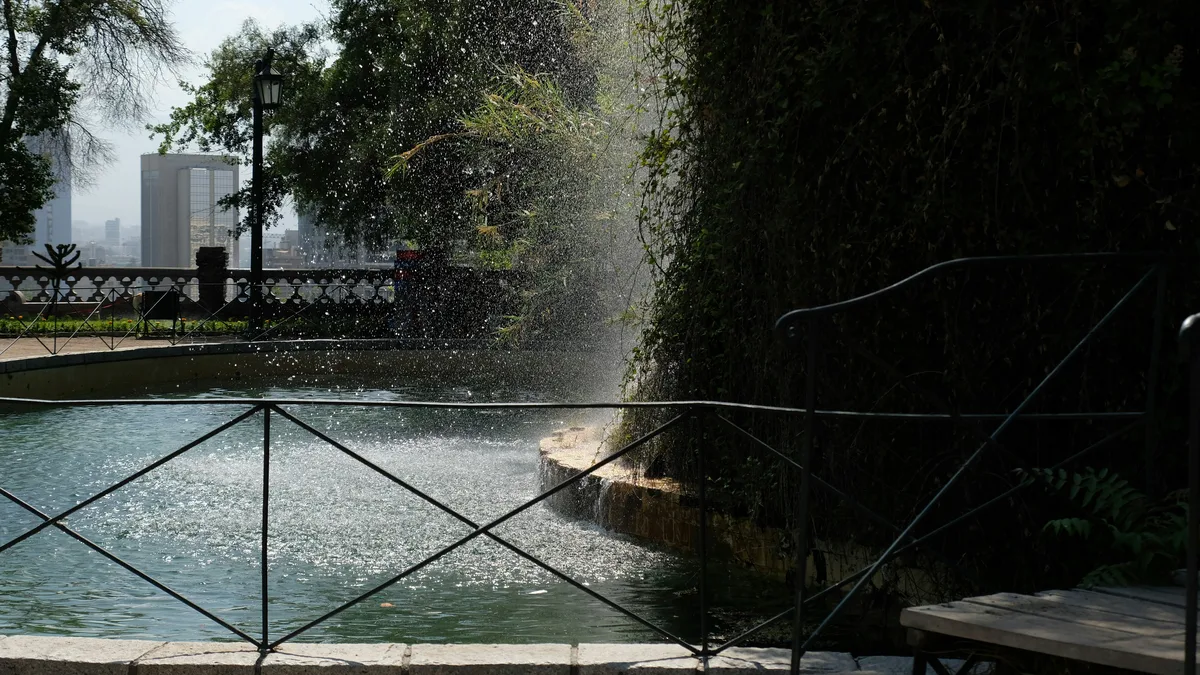
A private, flexible 4-hour city tour with hotel pickup, covering Cerro San Cristóbal, Cerro Santa Lucía, the Barrio Cívico and La Moneda Palace.
Visitor guide
La Moneda Palace, or Palacio de La Moneda, is the seat of the president of Chile and stands in the Civic District of downtown Santiago. Designed by the Italian-born architect Joaquin Toesca as the colonial royal mint, it opened in 1805 and is a protected national monument in a restrained neoclassical style.
Wikipedia traces the mint to a royal concession of 1743 and the first gold coin struck in 1749. Toesca, born in Rome in 1752 and sent to Chile to work on Santiago Cathedral, drew up plans for the present site, and sources give the start of construction as 1784 or 1786. Materials came from across Chile, including limestone, sand from the Maipo River, red stone from Cerro San Cristobal and oak and cypress from Valdivia, and walls more than a metre thick were built as a precaution against earthquakes.
Toesca died in 1799 before the mint was complete, and pupils finished the work. Coin production continued in the building until 1929. President Manuel Bulnes made it the seat of government in the 1840s, and it ceased to be a presidential residence under Gabriel Gonzalez Videla.
The building is described as having Roman Doric influences, a wide horizontal facade facing Moneda Street and rooms arranged around several patios, including the Patio de los Canones and the Patio de los Naranjos where major ceremonies take place. The palace occupies a full block bordered by Moneda, Morande and Teatinos streets and the Alameda.
Inside are formal rooms such as the Salon Blanco, which recreates the office of President Salvador Allende, and the Salon Prat and Salon Vicente Huidobro, created to honour figures from Chilean history. A chapel in the palace was used by Pope John Paul II in 1987.
On 11 September 1973, during the military coup, the palace was attacked by army and air force units and partly destroyed, and President Allende died there. Reconstruction began that month and was completed in 1981 with the aim of restoring Toesca's original conception. Several features changed or disappeared in the work. The palace was repainted white after the return to democracy.
The Plaza de la Ciudadania on the south side, designed by Undurraga Deves Arquitectos and built in 2004 and 2005, links the palace to the Alameda and leads to an underground cultural centre. Wikipedia describes a guard-changing ceremony dating to the 1850s with a band and mounted troops, held on a schedule that has varied over time.
La Moneda was declared a national monument in 1951 and is on Chile's tentative list for World Heritage nomination. A private guided visit with a dedicated vehicle and driver fits well into a walking tour of the Civic District alongside the Plaza de Armas.
See every tour and attraction we cover in Santiago.