TorontoOntario · 36 tours
 Niagara FallsOntario · 25 tours
 New York CityNew York · 30 tours
 Las VegasNevada · 8 tours
 San FranciscoCalifornia · 16 tours
 VancouverBritish Columbia · 17 tours
 DubaiUAE · 54 tours
 Abu DhabiUAE · 5 tours
 Buenos AiresArgentina · 23 tours
 AthensGreece · 31 tours
 AucklandNew Zealand · 38 tours
 CancunMexico · 54 tours
No destinations match “”. Try searching all tours instead — that search understands full questions, not just place names.
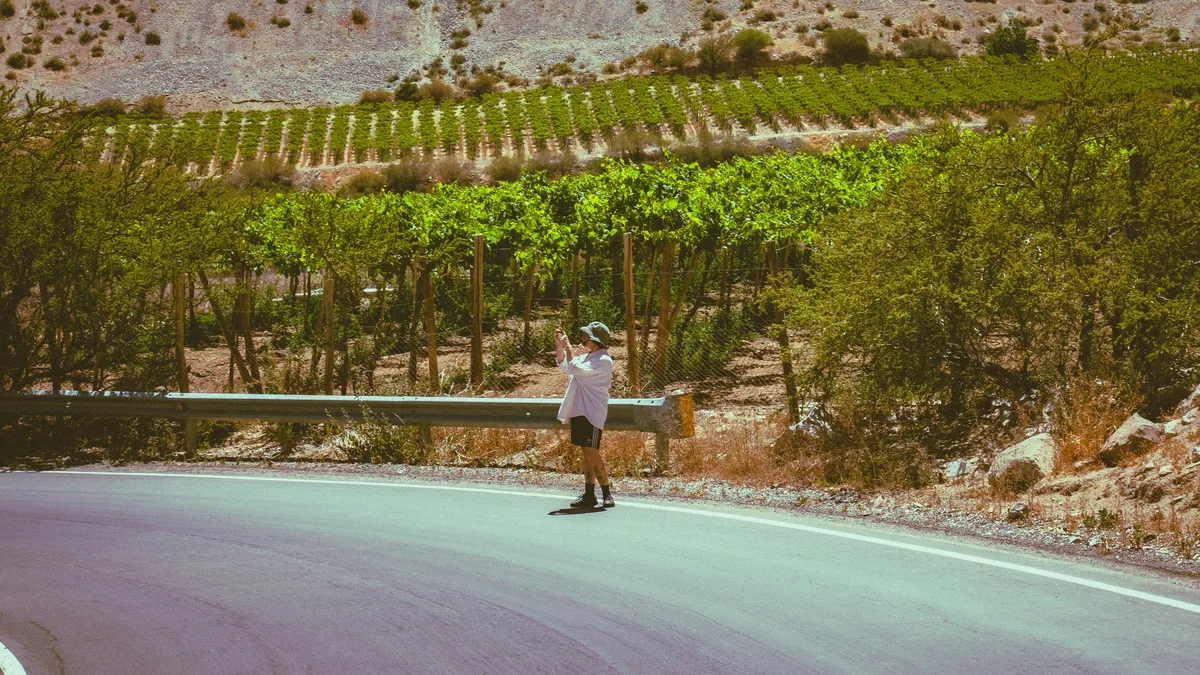
One of Chile's oldest and most historic wine regions, stretching south and southeast of Santiago along the Maipo River. Long known for producing some of the country's finest Cabernet Sauvignon, the valley is home to historic estates including Concha y Toro, Santa Rita, Undurraga and Cousiño Macul.
 Private Tours
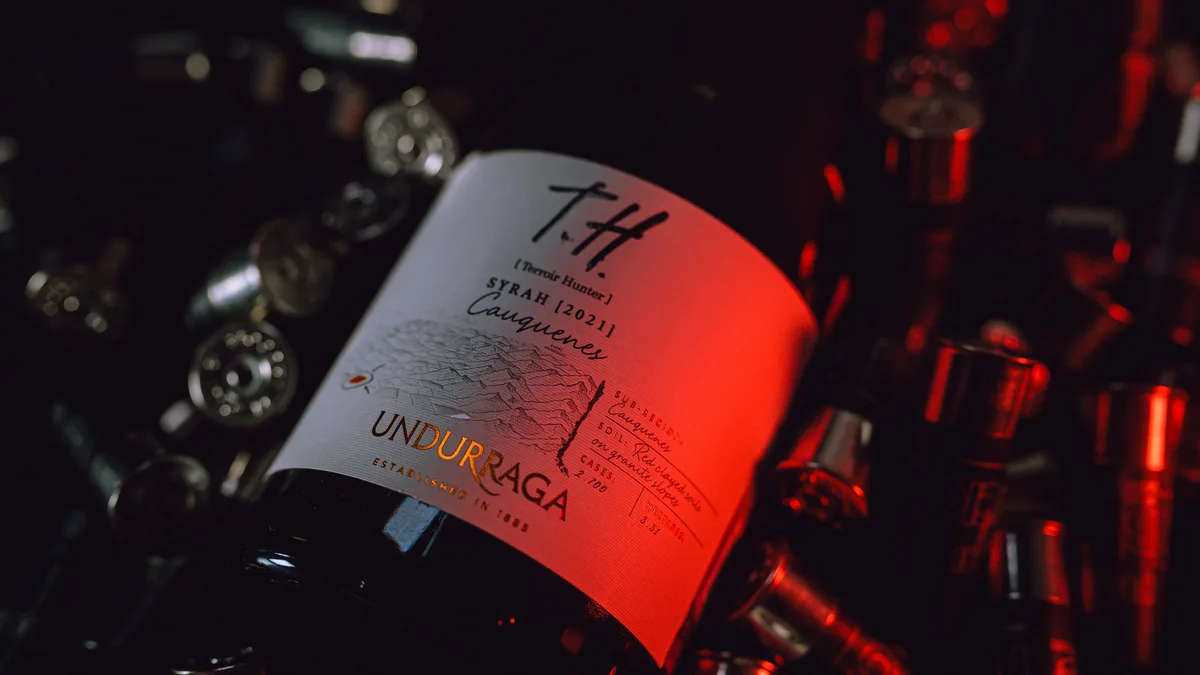
A private 4-hour tour to Undurraga Vineyard in the Maipo Valley, with a guided walk through the grounds, Mapuche heritage context, and a tasting of four wines with cheese and dried fruit.
 Private Tours
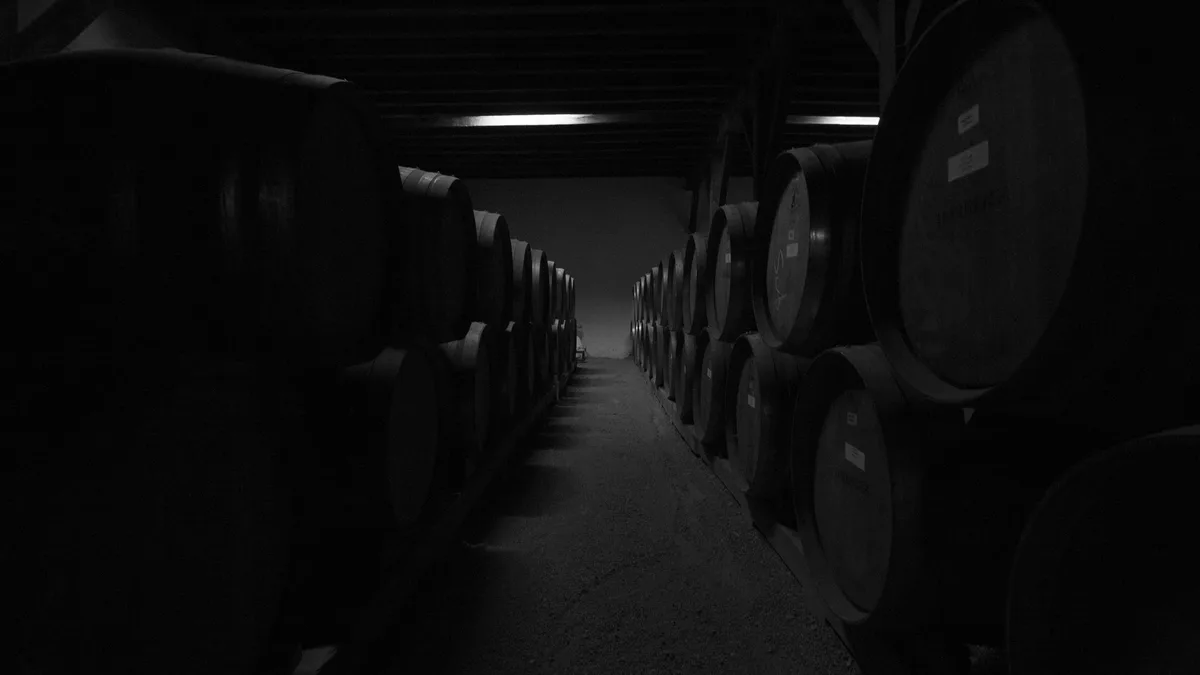
A private 4-hour tour to Cousiño Macul, a historic Maipo Valley vineyard producing wine since the mid-1800s, with a cellar tour and a tasting of three wines.
 Private Tours
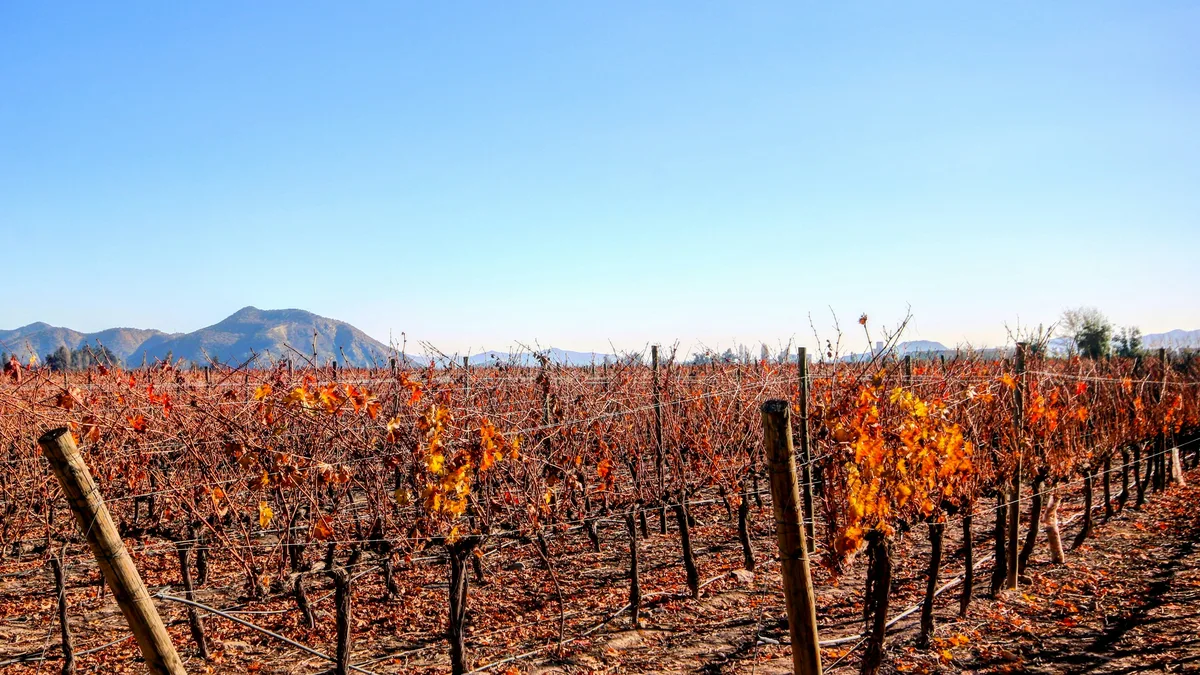
A private 4-hour tour to Santa Rita Vineyard, including its historic Bodega 1 and Bodega de las 120 Patriotas buildings, with a tasting of Cabernet Sauvignon, Santa Rita Reserva and Sauvignon Blanc.
 Private Tours
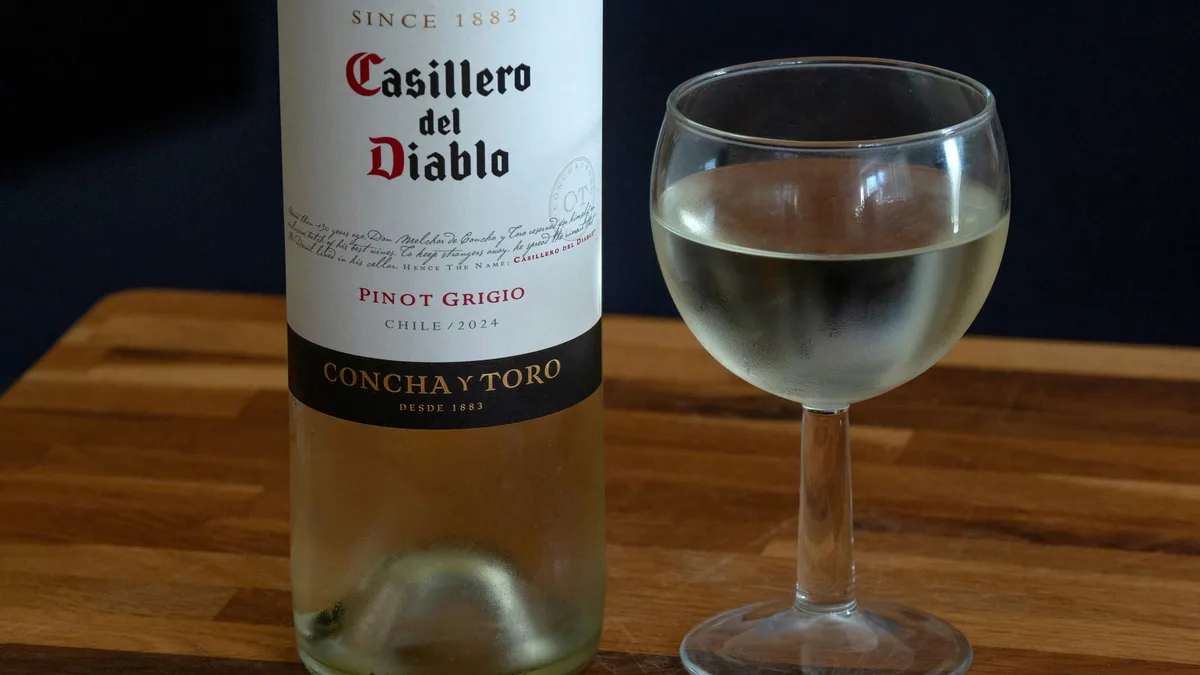
A private half-day tour to Concha y Toro, one of Latin America's largest wine producers, with a walk through its gardens and a visit to the Casillero del Diablo cellars.
 Private Tours
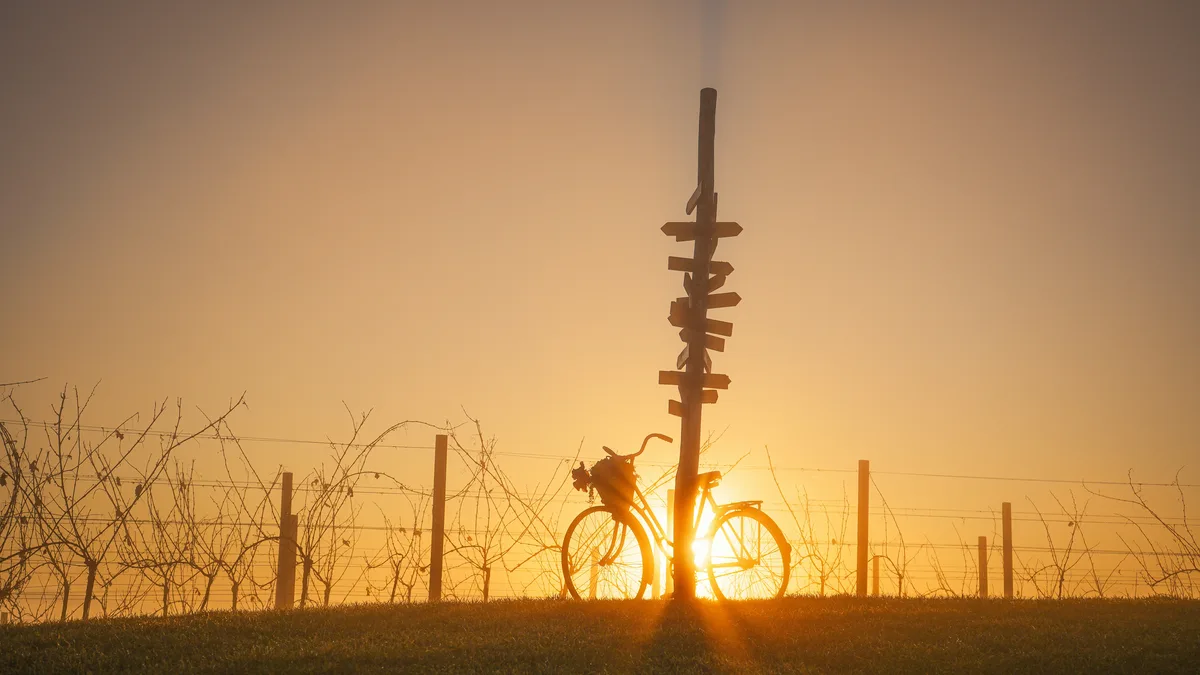
A private full-day cycling tour through Maipo Valley's vineyards, with a guided winery visit and tasting, finishing with a 3-course lunch and wine at the Terramater estate.
Visitor guide
The Maipo Valley is the wine region closest to Santiago, Chile, extending from the capital eastward to the Andes and westward toward the coast. Wikipedia describes it as the birthplace of the Chilean wine industry, with vines grown there for about 150 years and more than half of its vineyards devoted to Cabernet Sauvignon.
Wikipedia gives a figure of about 2,955 hectares of vineyards, but Wines of Chile lists over 5,500 hectares of Cabernet Sauvignon alone, so the true area is several thousand hectares; Wikipedia divides it into three sub-regions: Alto Maipo, Central Maipo and Pacific Maipo. The climate is Mediterranean, with around 315 millimetres of annual rainfall.
Alto Maipo lies in the Andean foothills, rising from about 400 to 800 metres, where a large difference between day and night temperatures is credited with producing bold, elegant Cabernet. Central Maipo, around the river, is the warmest and driest of the three and one of the oldest winemaking areas in Chile, with rocky alluvial soils that need drip irrigation. Pacific Maipo is the youngest, with a coastal influence and a growing role for white varieties such as Sauvignon Blanc.
Sources vary on when the modern industry started. One retailer's note credits the wine pioneer Silvestre Ochagavia with returning from France in 1851 with a French winemaker and vine cuttings, while another source dates the arrival of French cuttings to 1830 under Claudio Gay and says wealthy families established large estates by the 1880s. These claims rest on thin sources, so the dates should be treated as approximate.
Better documented are the foundings of well-known estates. Tourism listings give 1883 as the year Don Melchor de Santiago Concha y Toro established his winery with Bordeaux vines, and sources place the founding of Undurraga in the 1880s, with one saying it became the first Chilean producer to export to the United States in 1903.
Tourism listings describe Concha y Toro's Pirque estate, with the family residence, as a major visitor site, and refer to a century-old cellar associated with its Casillero del Diablo brand. Wikipedia's account of the region notes that Pacific Maipo's vineyards tuck against low hills between the Andes and the coastal range, which shelter vines from harsh coastal winds, and that its red wines show natural acidity from the ocean influence.
Alto Maipo's poor, porous and rocky soil is said to stress the vines and so concentrate flavour. Elevation figures for the sub-zones vary between sources, so any single number should be treated as approximate.
Wine estates in the valley, including large historic wineries at Pirque, offer guided tours and tastings. Opening arrangements and tasting formats vary by producer and season. The region is an easy day out from Santiago, with scenery of vineyards against the Andean skyline.
A private guided visit with a dedicated vehicle and driver suits a wine day, since the group can visit more than one estate without anyone needing to drive.
See every tour and attraction we cover in Santiago.