TorontoOntario · 36 tours
 Niagara FallsOntario · 25 tours
 New York CityNew York · 30 tours
 Las VegasNevada · 8 tours
 San FranciscoCalifornia · 16 tours
 VancouverBritish Columbia · 17 tours
 DubaiUAE · 54 tours
 Abu DhabiUAE · 5 tours
 Buenos AiresArgentina · 23 tours
 AthensGreece · 31 tours
 AucklandNew Zealand · 38 tours
 CancunMexico · 54 tours
No destinations match “”. Try searching all tours instead — that search understands full questions, not just place names.
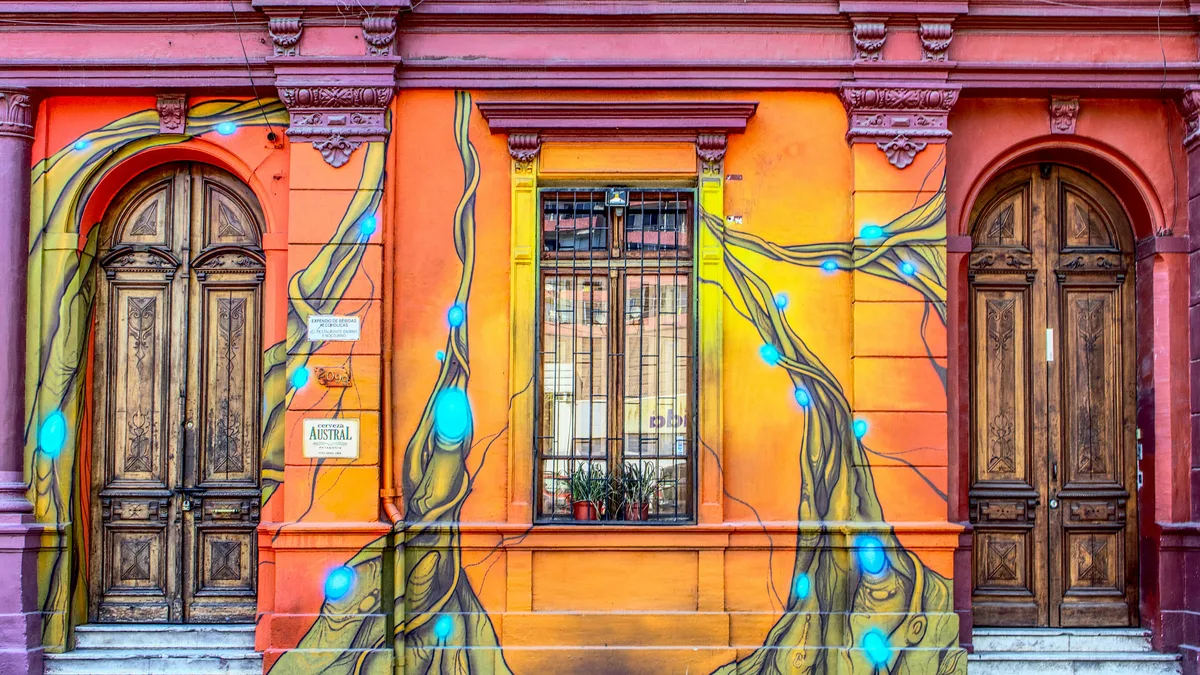
Santiago's bohemian arts neighborhood at the foot of Cerro San Cristóbal, known for its colorful houses, street murals and nightlife along Pio Nono street. It's also home to La Chascona, one of poet Pablo Neruda's three real houses in Chile.
 Private Tours
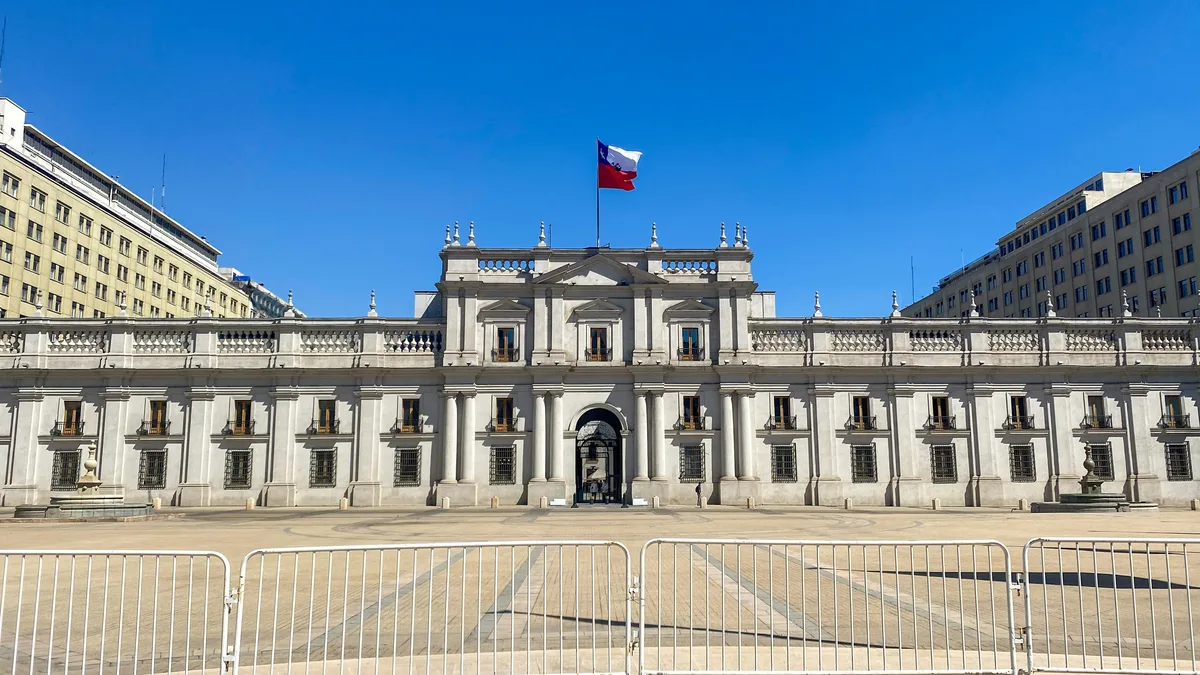
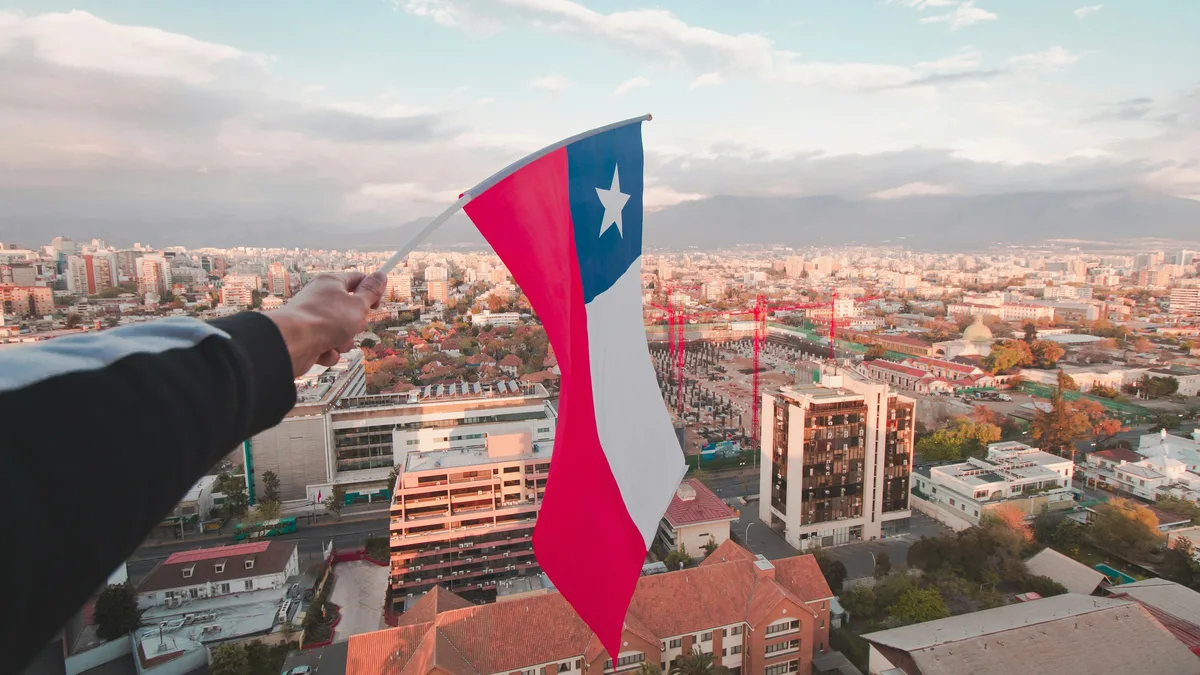
A private 5-hour introduction to Santiago covering La Moneda Palace, the central fish market, the Fine Arts Museum and a cable car ride up Cerro San Cristóbal.
 Private Tours
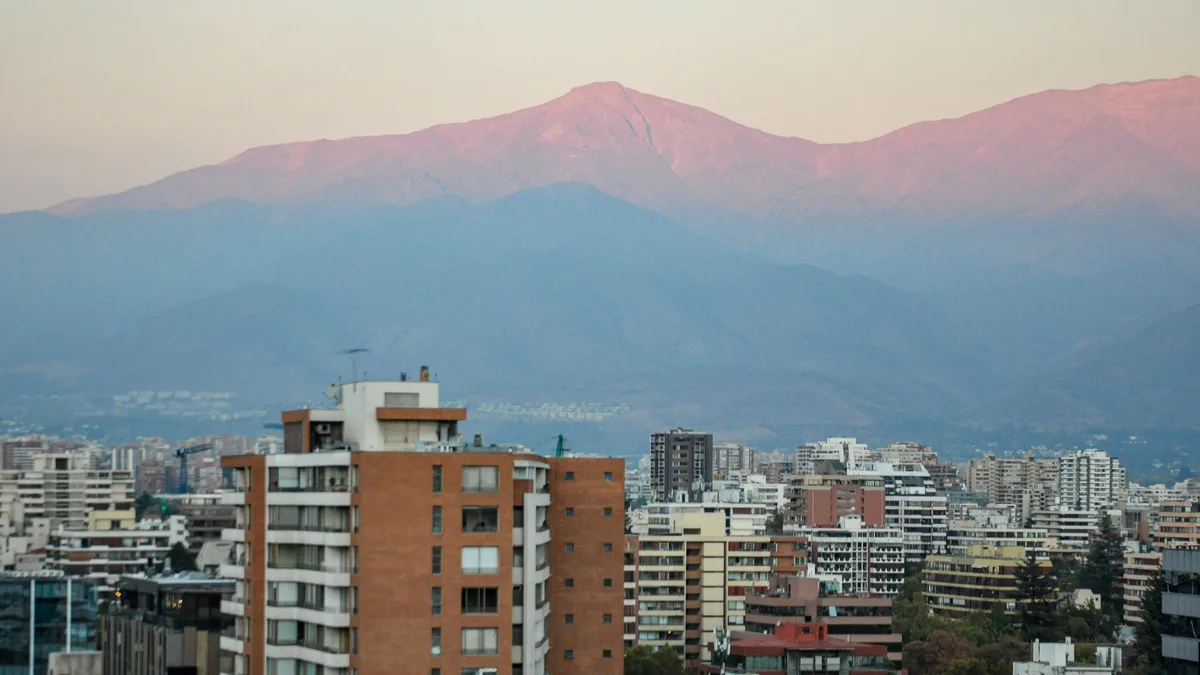
A private, flexible layover tour that picks you up directly at Santiago's airport, explores Bellavista and the civic center mostly on foot, and returns you in time for your next flight.
Visitor guide
Barrio Bellavista is a neighbourhood of Santiago, Chile, on the north bank of the Mapocho River between the river and San Cristobal Hill. Wikipedia describes it as known for restaurants, bars, theatres, street art and craft shops, and as the site of La Chascona, the Santiago house of the poet Pablo Neruda.
The area was historically part of La Chimba, a name from a Quechua word meaning the other side of the river, a peripheral district of colonial Santiago where artisans and workshops were located. The Cal y Canto Bridge, completed in 1782, improved the connection to the city centre. By the late nineteenth and early twentieth centuries the district attracted artisans, small industrialists and middle-class families, and later became associated with artists and writers including Camilo Mori, Pablo Neruda, Marta Colvin and Nemesio Antunez.
Nightlife and restaurants grew prominent from the 1980s onward. The neighbourhood is divided between the communes of Providencia and Recoleta, with Pio Nono Street as a main axis.
Neruda began building La Chascona in 1953 on a steep site at the foot of San Cristobal Hill, designed by the Catalan architect German Rodriguez Arias. The name refers to a nickname for Matilde Urrutia and her abundant hair, and the house is now a museum with collections associated with Neruda and Urrutia.
Several areas hold heritage protection, including the Plaza Camilo Mori and Cite Constitucion, built in 1910, and the Casa Lehuede, known as the Casa Roja, from 1923. The Poblacion Leon XIII is one of the early examples of organised working-class housing in Santiago. The Santa Filomena parish church, completed in 1894 in Gothic Revival style, is a national historic monument.
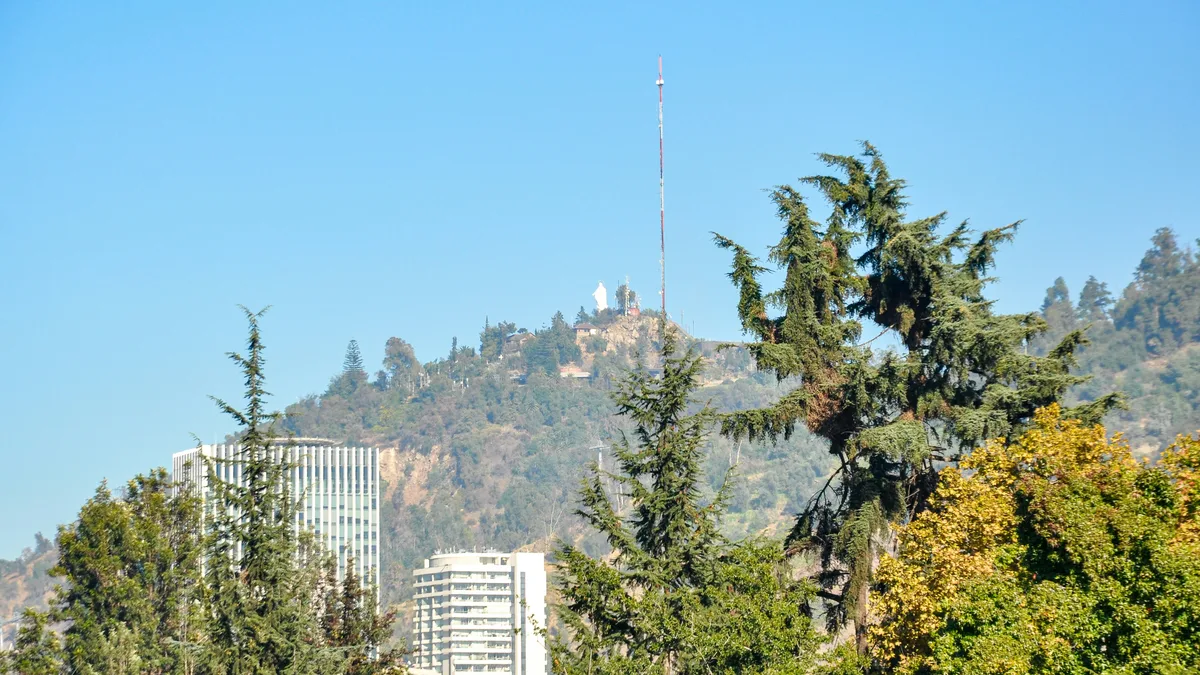
Pio Nono leads to an entrance of the Parque Metropolitano, which provides access to the National Zoo and the Santiago Funicular. Wikipedia says the funicular opened in 1925 and is a national historic monument.
Wikipedia describes a layered architecture that reflects the neighbourhood's residential, working-class, industrial, artistic and commercial past. Many streets keep low-rise houses with continuous facades and interior courtyards, while cites, small residential lanes, and larger early twentieth-century homes sit between newer commercial buildings.
Plaza Camilo Mori is a small triangular plaza named after the painter who lived in Bellavista. The western part of the district centres on bars and nightlife around Pio Nono, while Constitucion and Dardignac streets contain restaurants and cultural venues.
Bellavista is best explored on foot, with streets such as Constitucion and Dardignac hosting restaurants and cultural venues while Pio Nono is the centre of nightlife. Like any busy urban nightlife district, it is wise to follow local advice on moving around after dark. A private guided visit with a dedicated vehicle and driver can pair the neighbourhood with Cerro San Cristobal.
See every tour and attraction we cover in Santiago.