TorontoOntario · 36 tours
 Niagara FallsOntario · 25 tours
 New York CityNew York · 30 tours
 Las VegasNevada · 8 tours
 San FranciscoCalifornia · 16 tours
 VancouverBritish Columbia · 17 tours
 DubaiUAE · 54 tours
 Abu DhabiUAE · 5 tours
 Buenos AiresArgentina · 23 tours
 AthensGreece · 31 tours
 AucklandNew Zealand · 38 tours
 CancunMexico · 54 tours
No destinations match “”. Try searching all tours instead — that search understands full questions, not just place names.
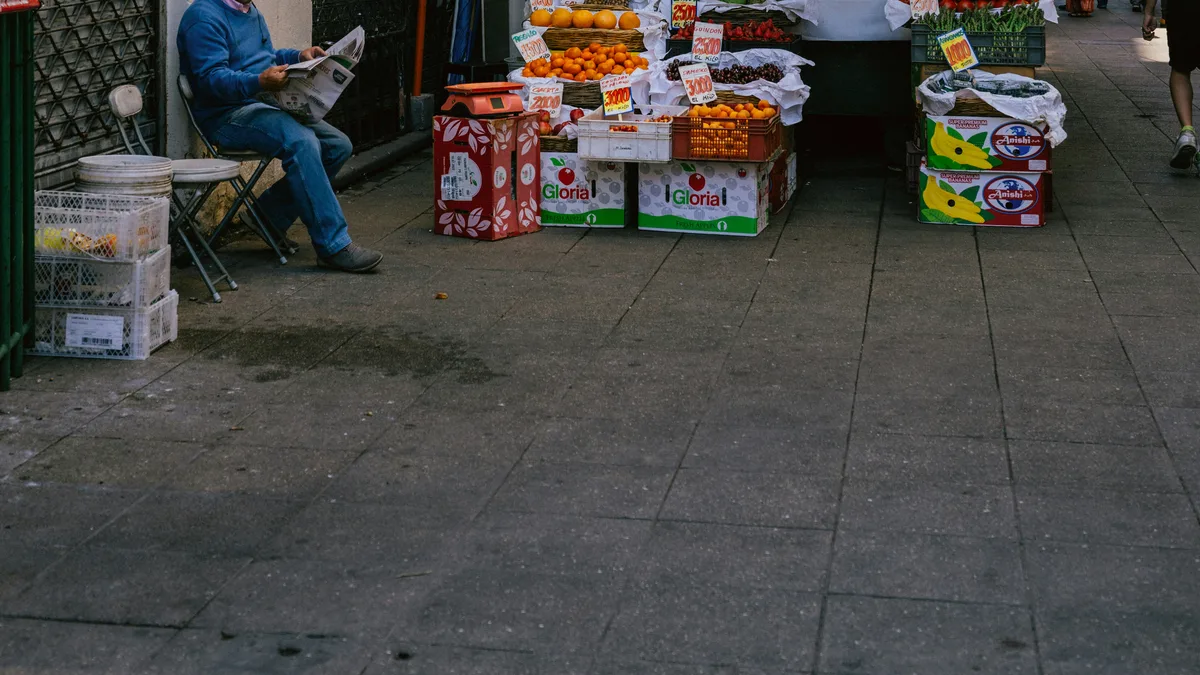
Santiago's historic central market, built in 1872 under a cast-iron and glass frame imported from England. The market is known for its fresh seafood stalls and traditional Chilean restaurants serving dishes straight from the day's catch.
 Private Tours
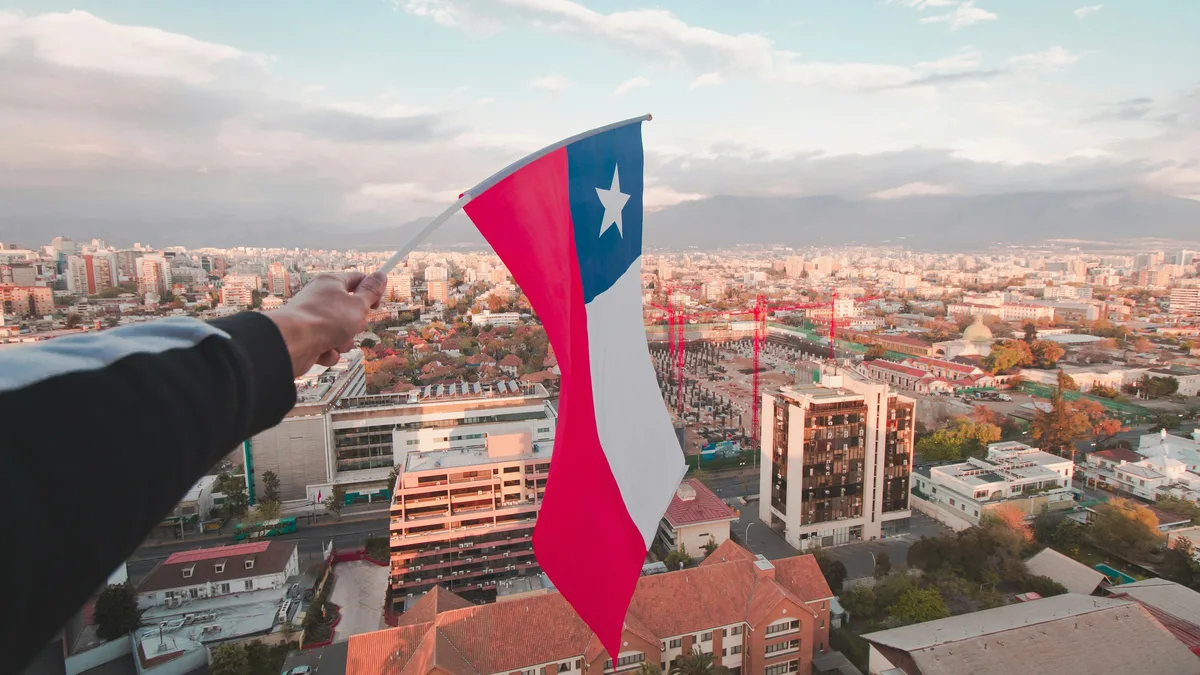
A private 5-hour introduction to Santiago covering La Moneda Palace, the central fish market, the Fine Arts Museum and a cable car ride up Cerro San Cristóbal.
 Private Tours
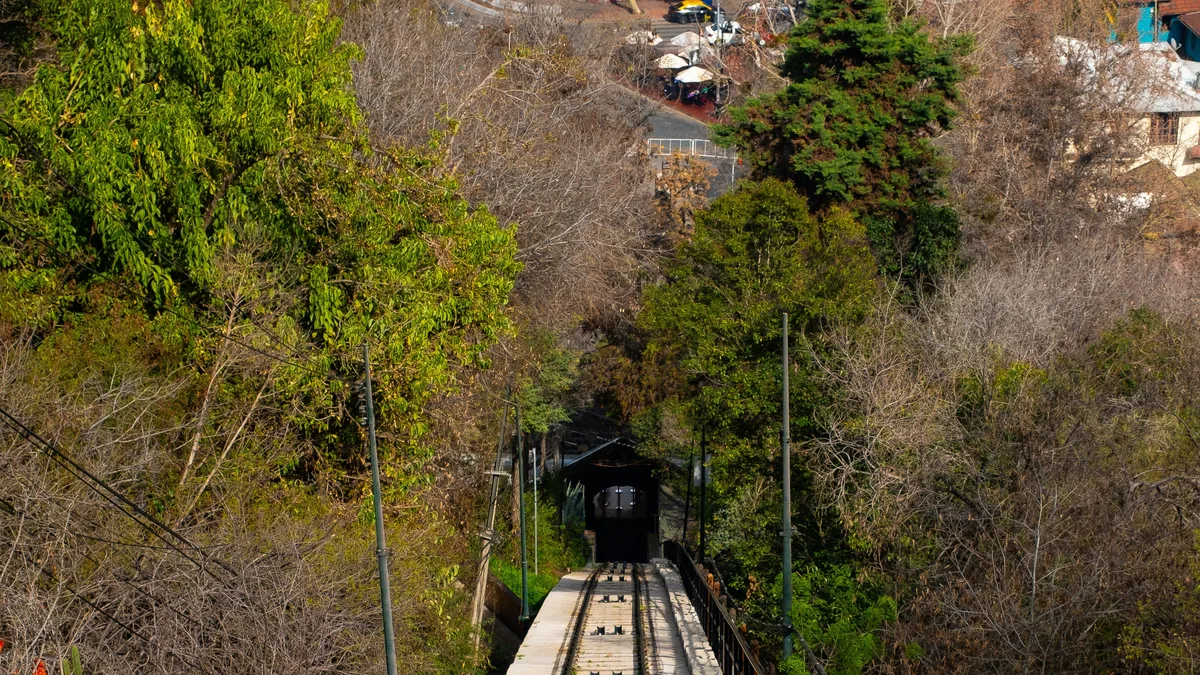
A private, flexible 7-hour tour on foot through downtown Santiago, up the San Cristóbal funicular, with a Chilean lunch at the historic Central Market and stops at real local bars.
 Private Tours
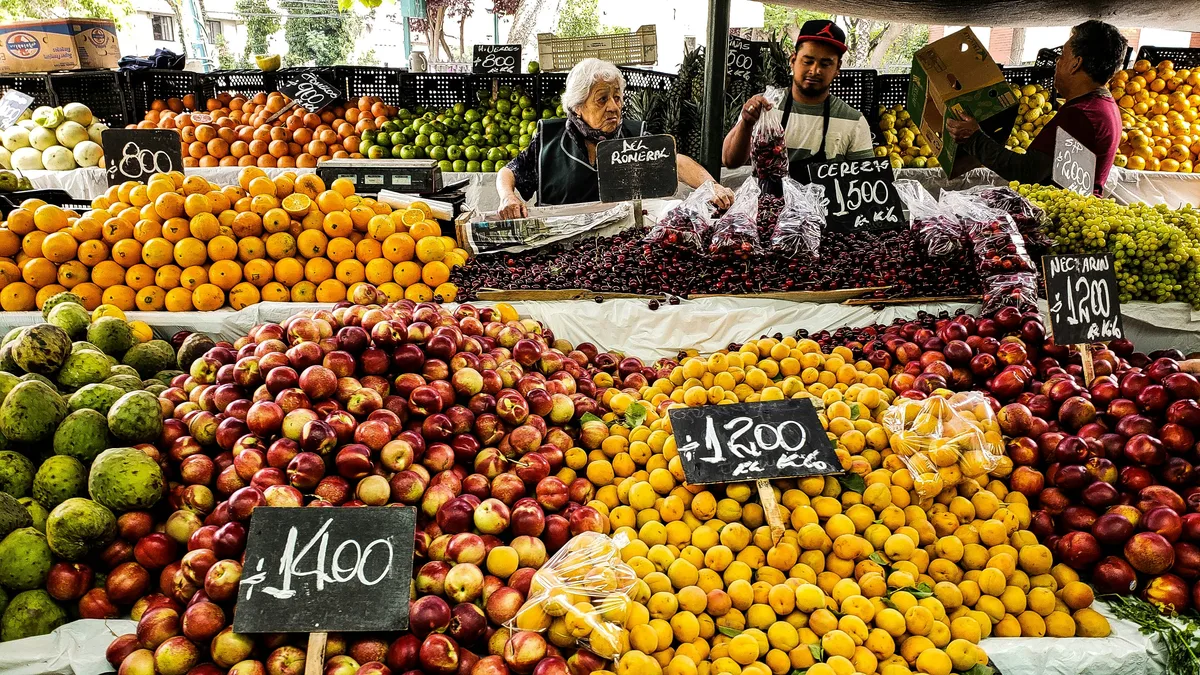
A private 3-hour food tour through Santiago's local markets, tasting fresh fruit and Chilean products straight from the source with a guide who knows every vendor.
Visitor guide
The Mercado Central is the central food market of Santiago, Chile, best known for its fish and seafood stalls and restaurants. Wikipedia says it opened in 1872 on the site of the Plaza del Abasto, which had been destroyed by fire in 1864, and that it was declared a Historic Monument in 1984.
Construction began in 1869 and finished on 23 August 1872, according to the Spanish edition of Wikipedia. The architect in charge of the work was Fermin Vivaceta, with the urban planner Manuel Aldunate y Avaria credited for the masonry perimeter. The cast-iron roof and supporting structure was fabricated in Glasgow by the Scottish firm R. Laidlaw and Sons, with Edward Woods and Charles Henry Driver taking part in the design.
The inauguration coincided with a national exhibition of arts and industries organised by the intendant of Santiago, Benjamin Vicuna Mackenna. The market was seen as a more hygienic alternative to the earlier open-air market.
The structure stands on a square base with a vaulted ceiling. Its intricate roof consists of a central pyramidal roof crowned by a domed tower and surrounded by eight smaller two-tier roofs. The metal frame is enclosed by a masonry building.
The market has been altered several times. A second brick ring was added in 1884, electric light came in 1900, and part of the north front was demolished between 1927 and 1930 when a nearby street was widened and the Mapocho River canalised. The municipality restored it in 1983.
Chilean heritage records cited in press say part of the building was expropriated between 1927 and 1930 for the canalisation of the Mapocho River and the opening of streets that gave continuity to Parque Forestal. After a period of private control, the building was remodelled by the municipality and sold to its tenants in 1983, and it was declared a Historic Monument in 1984 by Supreme Decree No. 341, which also fixed the monument's boundaries.
A 2019 book by Claudia Deichler and Simon Castillo traces the market's history from its founding to its present role as a meeting place and valued piece of heritage. The market is also part of the Santiago heritage circuit, according to Spanish-language Wikipedia.
According to Spanish-language Wikipedia, the two-storey building has 241 premises, including restaurants, butchers, bakeries, fishmongers, cheese shops and craft stores, and roughly 800 people work there. The market is known for traditional Chilean recipes, with dishes such as mariscal, paila marina and fried fish named as specialities. The same source reports that National Geographic magazine listed it as the fifth-best market in the world in 2012.
Seafood is the central draw, though preferences and prices vary by stall and season, and visitors usually pick a restaurant on the spot. The market also appears in Chilean popular culture, having provided the setting for a television drama in 2001.
A private guided visit with a dedicated vehicle and driver can combine the market with the nearby Plaza de Armas and Cerro San Cristobal in a single walking-and-driving day.
See every tour and attraction we cover in Santiago.