 TorontoOntario · 17 tours
 Niagara FallsOntario · 17 tours
 New York CityNew York · 8 tours
 Las VegasNevada · 8 tours
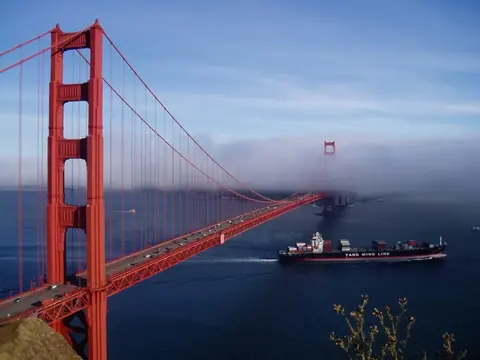 San FranciscoCalifornia · 16 tours
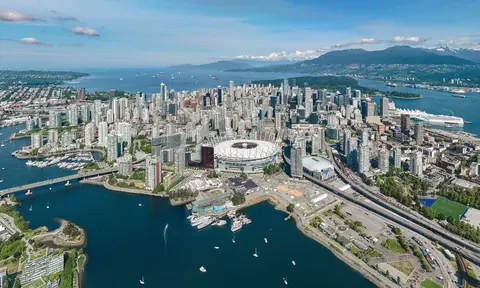 VancouverBritish Columbia · 17 tours
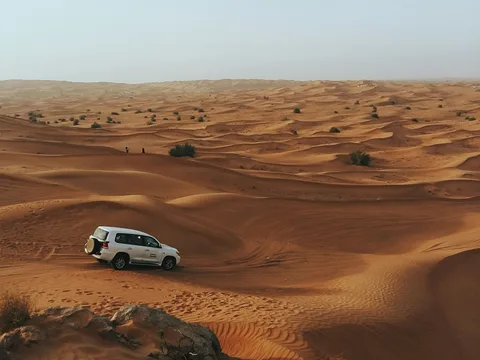 DubaiUAE · 44 tours
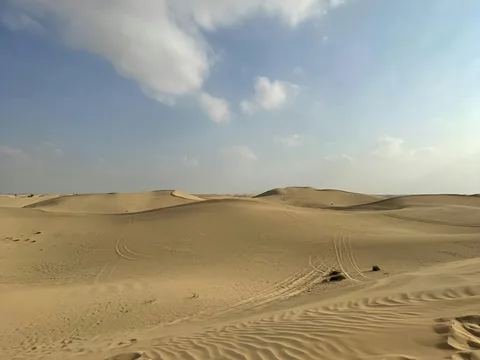 Abu DhabiUAE · 5 tours
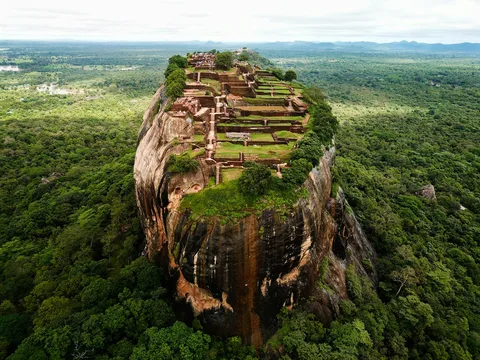 Sri LankaSri Lanka · 16 tours
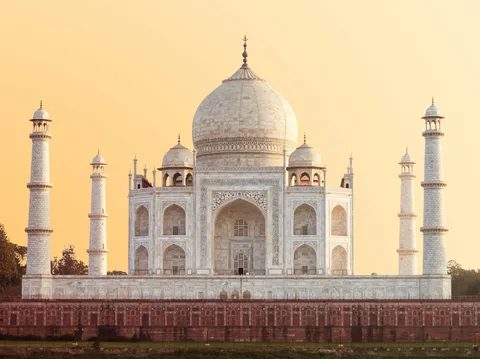 IndiaIndia · 13 tours
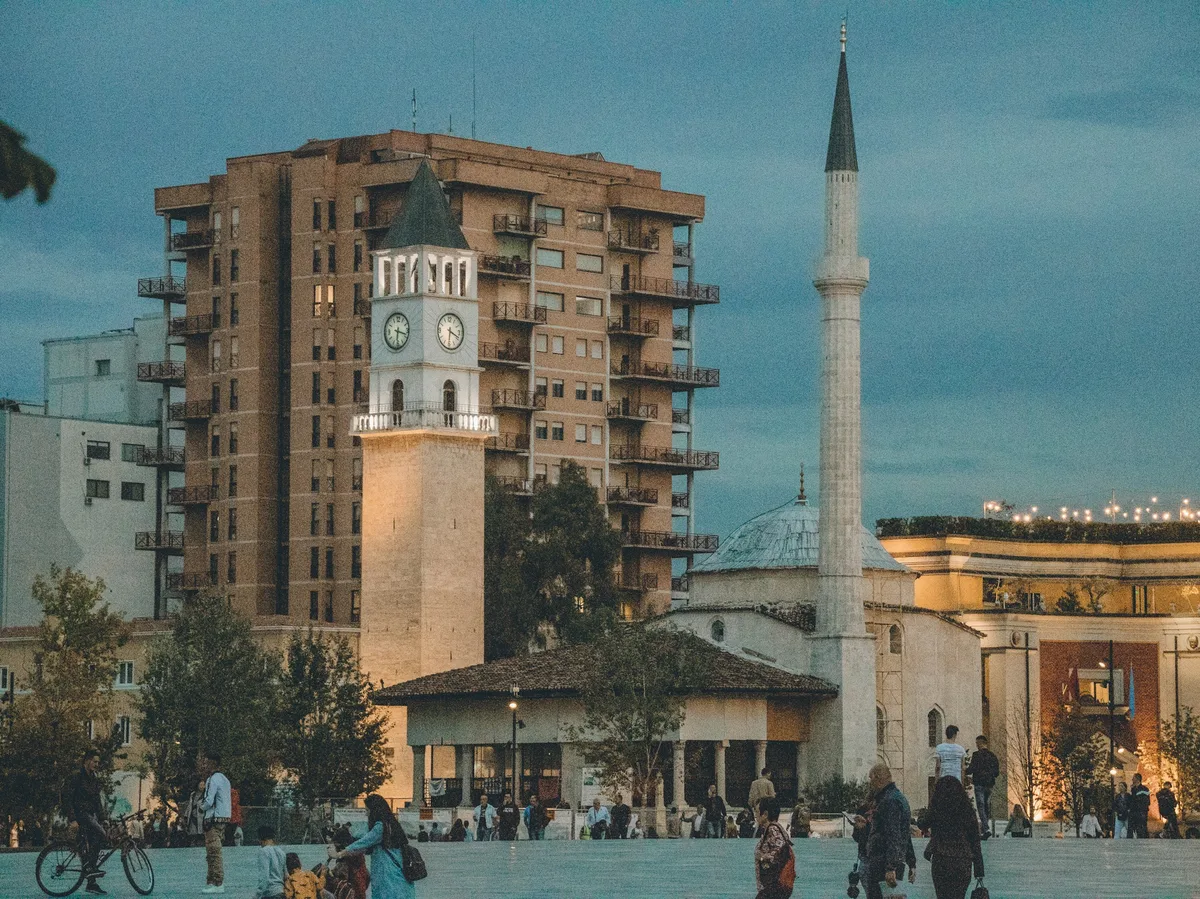
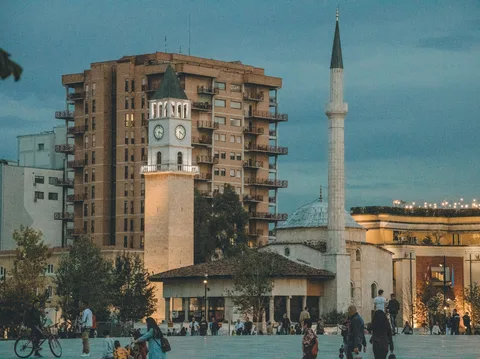 AlbaniaAlbania · 10 tours
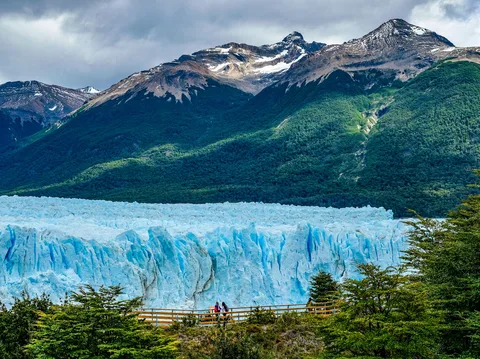 ArgentinaArgentina · 8 tours
No destinations match “”.
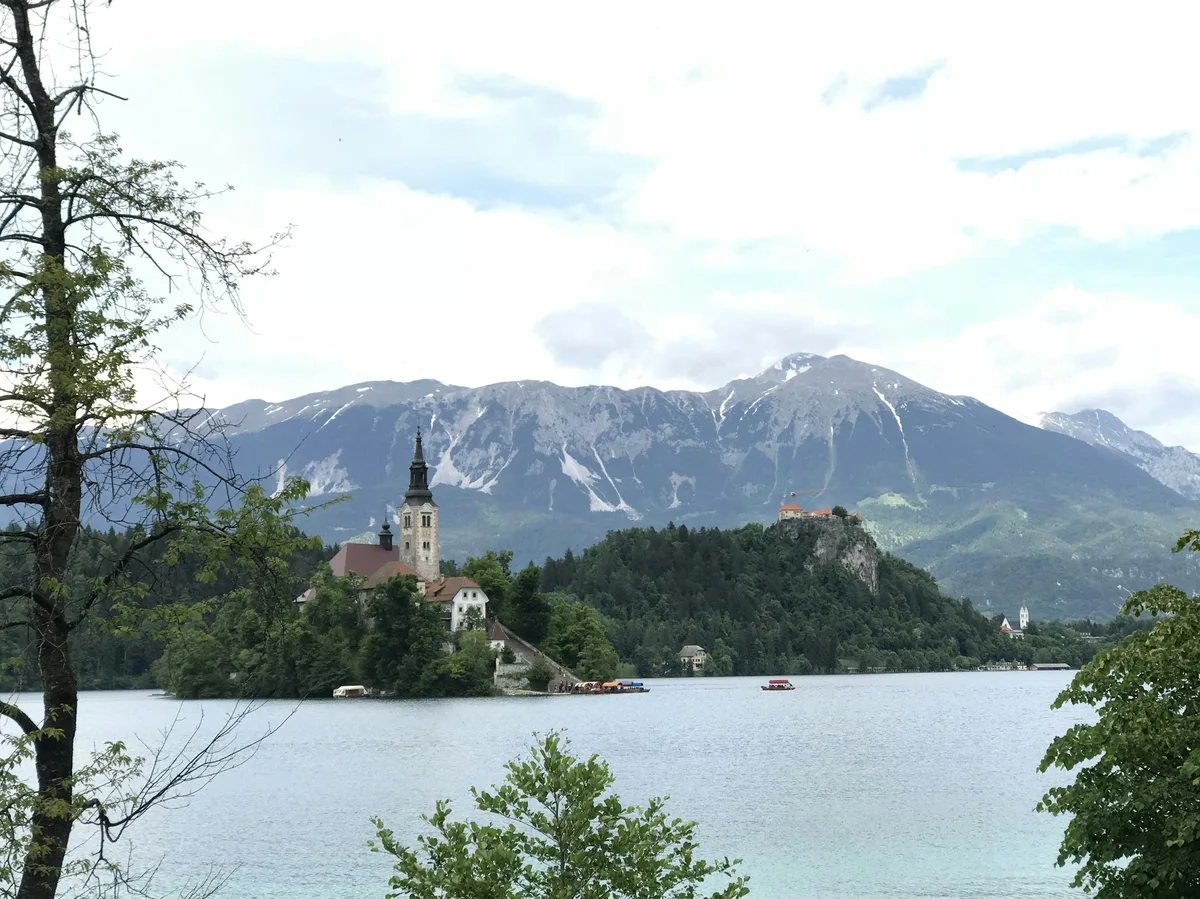
Voyzo runs 2 private tours across 1 destination in Slovenia, covering 8 attractions — each with your own guide, driver, and vehicle, and an itinerary built around your group rather than a fixed bus schedule.
Slovenia is a small Alpine republic of about 2.1 million people, wedged between Italy, Austria, Hungary, and Croatia at the point where the Alps, the Pannonian plain, and the Adriatic coast all meet. It became independent from Yugoslavia in 1991 and has since joined the EU, the Eurozone, and the Schengen area; it's also one of the most forested countries in Europe, with woodland covering roughly 60% of its territory. Slovene is the official language, though English and Italian are both widely spoken in tourist areas.
Voyzo's Slovenia routes center on Ljubljana's compact, riverside old town, Lake Bled and the Julian Alps, the karst cave systems at Postojna and Predjama Castle, the Soča Valley's wine country, and the Adriatic coast at Piran. It's a small country covered end to end in under two weeks, with the Alps, caves, and coast each only an hour or two apart by road.
Both of Voyzo's Slovenia routes run with a private, English-speaking driver-guide throughout, arranging hotels, activities, and admission fees for every day of the trip — one route adapted from a self-drive itinerary and rebuilt around a private vehicle instead of a rental car, the other private from the start.
The real stops Voyzo's own itineraries are built around — tap any attraction to learn more.
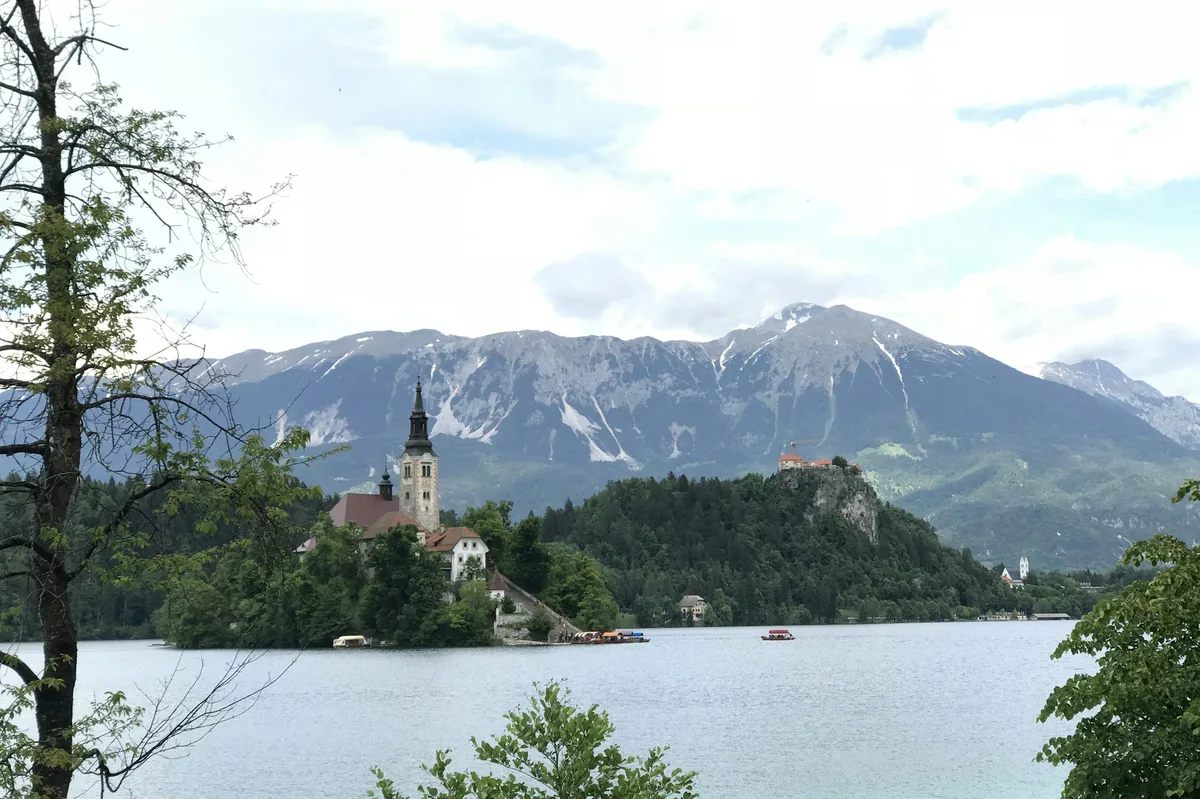 Lake Bled
Slovenia
An alpine lake in the Julian Alps with a tiny island church reached by traditional pletna boat, and a hilltop medieval castle overlooking the water — Slovenia's best-known natural landmark.
2
Lake Bled
Slovenia
An alpine lake in the Julian Alps with a tiny island church reached by traditional pletna boat, and a hilltop medieval castle overlooking the water — Slovenia's best-known natural landmark.
2
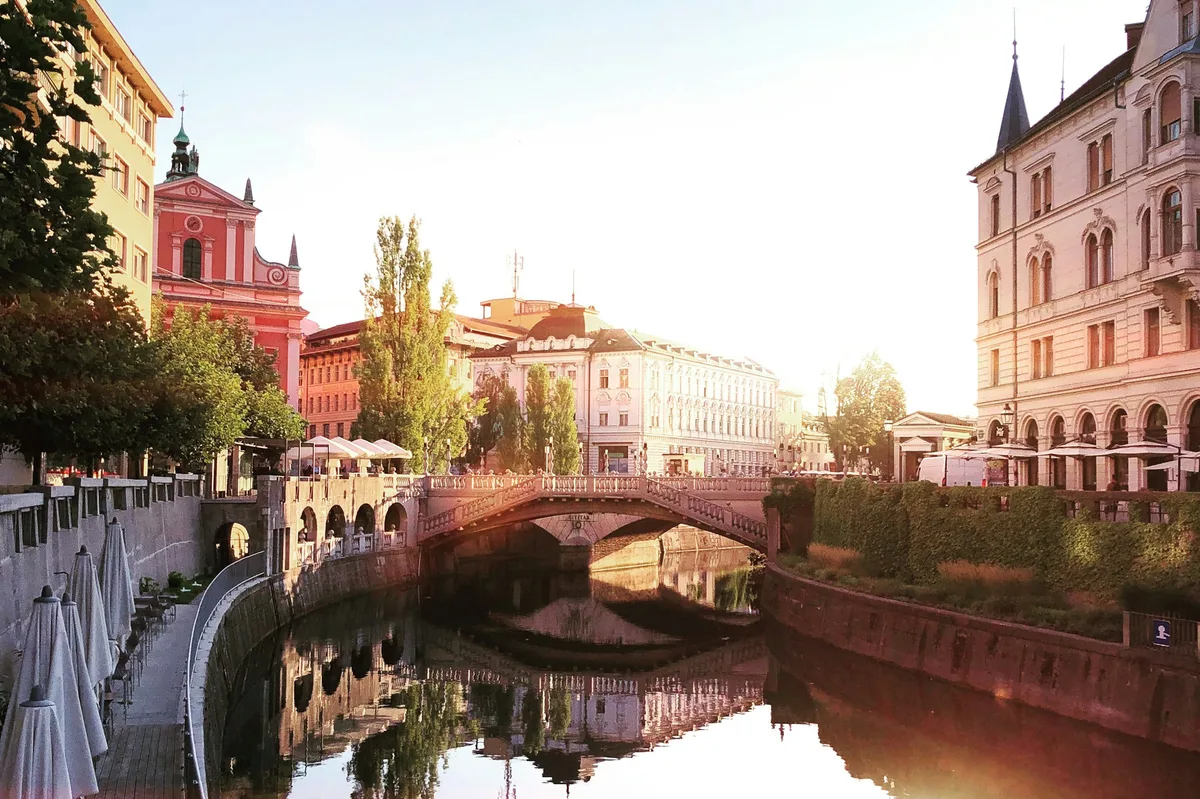 Ljubljana Old Town
Slovenia
Slovenia's compact riverside capital, its Baroque and Art Nouveau old town centered on the Ljubljanica River, the Triple Bridge, and Ljubljana Castle on the hill above.
3
Ljubljana Old Town
Slovenia
Slovenia's compact riverside capital, its Baroque and Art Nouveau old town centered on the Ljubljanica River, the Triple Bridge, and Ljubljana Castle on the hill above.
3
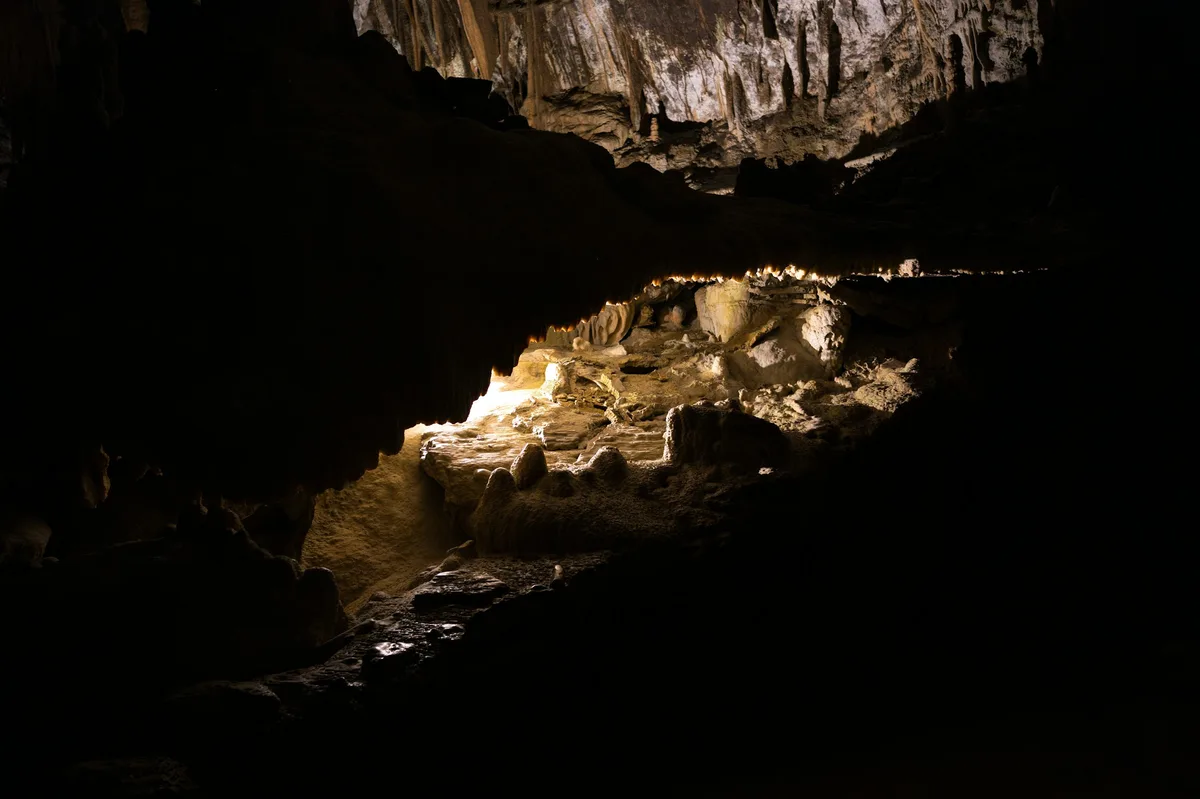 Postojna Cave
Slovenia
One of the largest karst cave systems in the world, explored partly by an underground train through illuminated stalactite and stalagmite formations.
4
Postojna Cave
Slovenia
One of the largest karst cave systems in the world, explored partly by an underground train through illuminated stalactite and stalagmite formations.
4
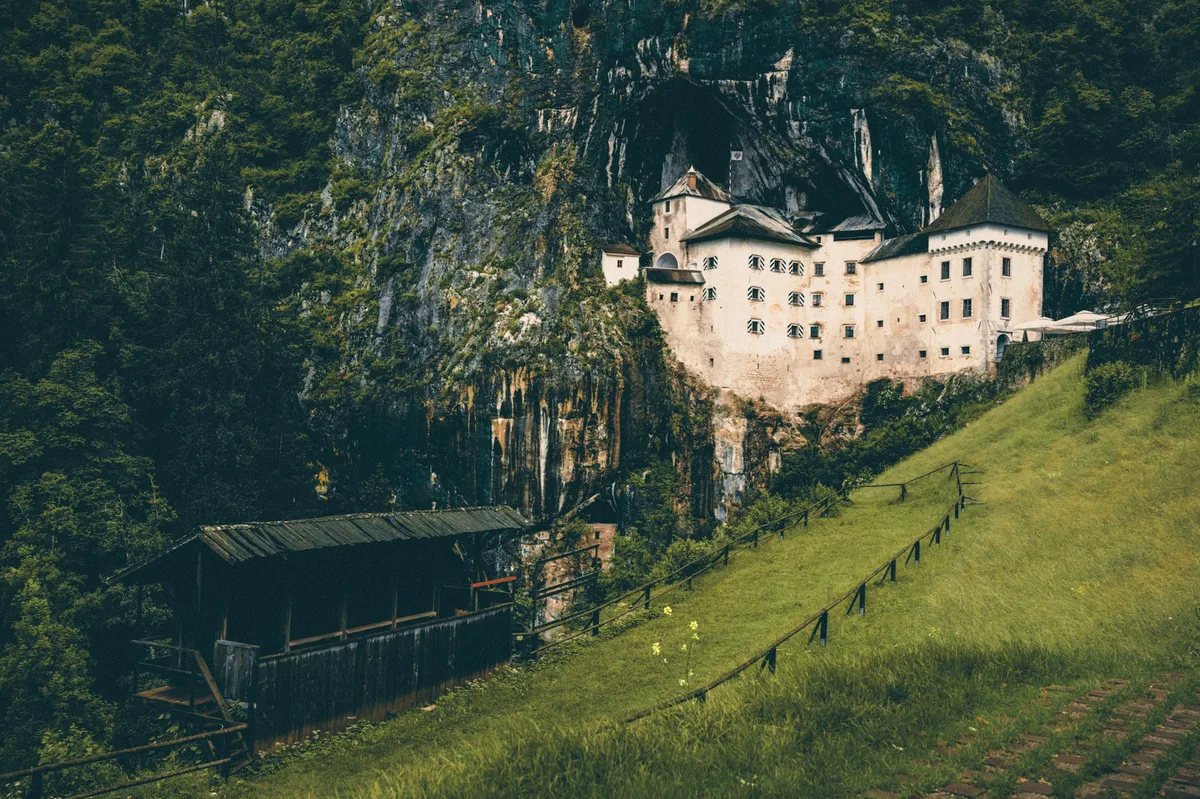 Predjama Castle
Slovenia
A Renaissance castle built into the mouth of a cave halfway up a cliff face near Postojna — one of the most striking fortress settings in Europe.
5
Predjama Castle
Slovenia
A Renaissance castle built into the mouth of a cave halfway up a cliff face near Postojna — one of the most striking fortress settings in Europe.
5
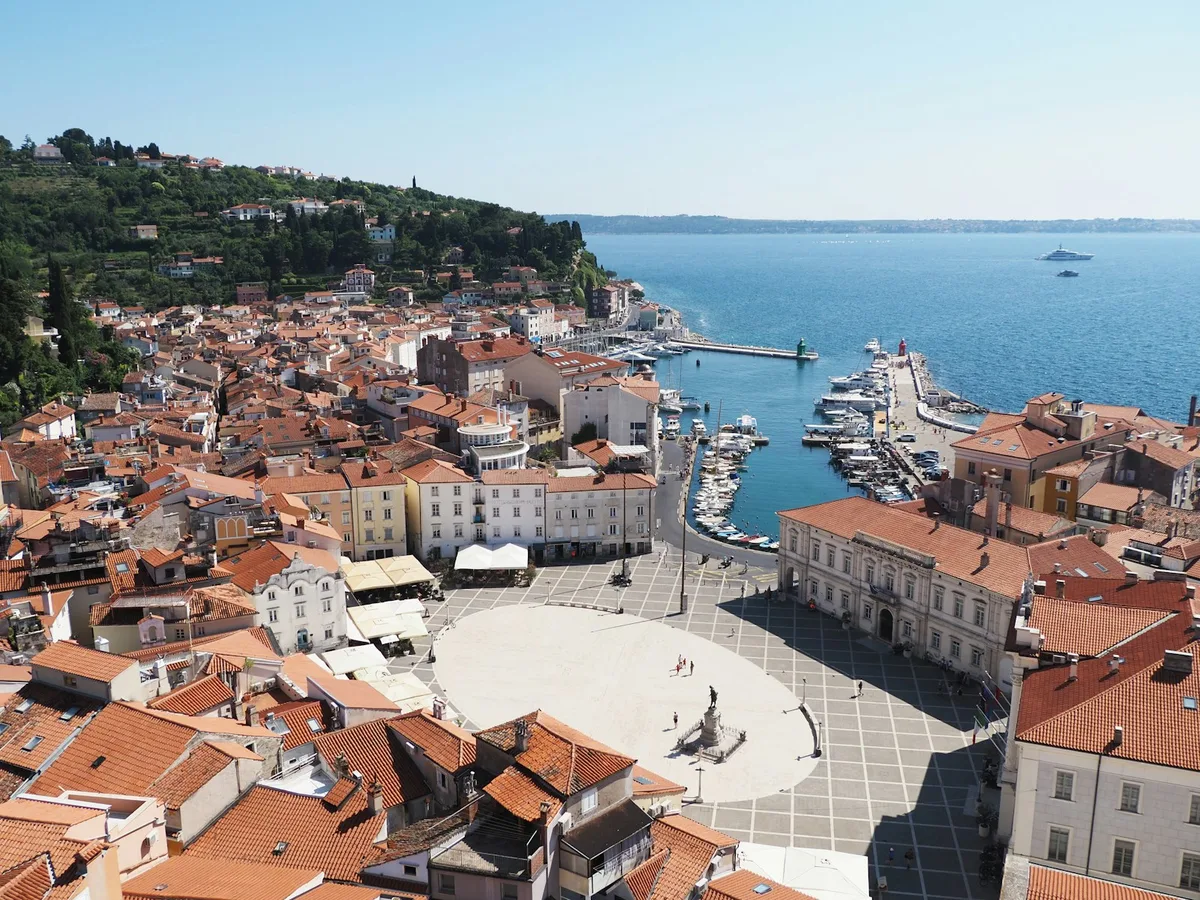 Piran
Slovenia
A Venetian-Gothic port town on Slovenia's short Adriatic coastline, its Tartini Square and harbor ringed by pastel townhouses on a peninsula barely wider than its old town.
6
Piran
Slovenia
A Venetian-Gothic port town on Slovenia's short Adriatic coastline, its Tartini Square and harbor ringed by pastel townhouses on a peninsula barely wider than its old town.
6
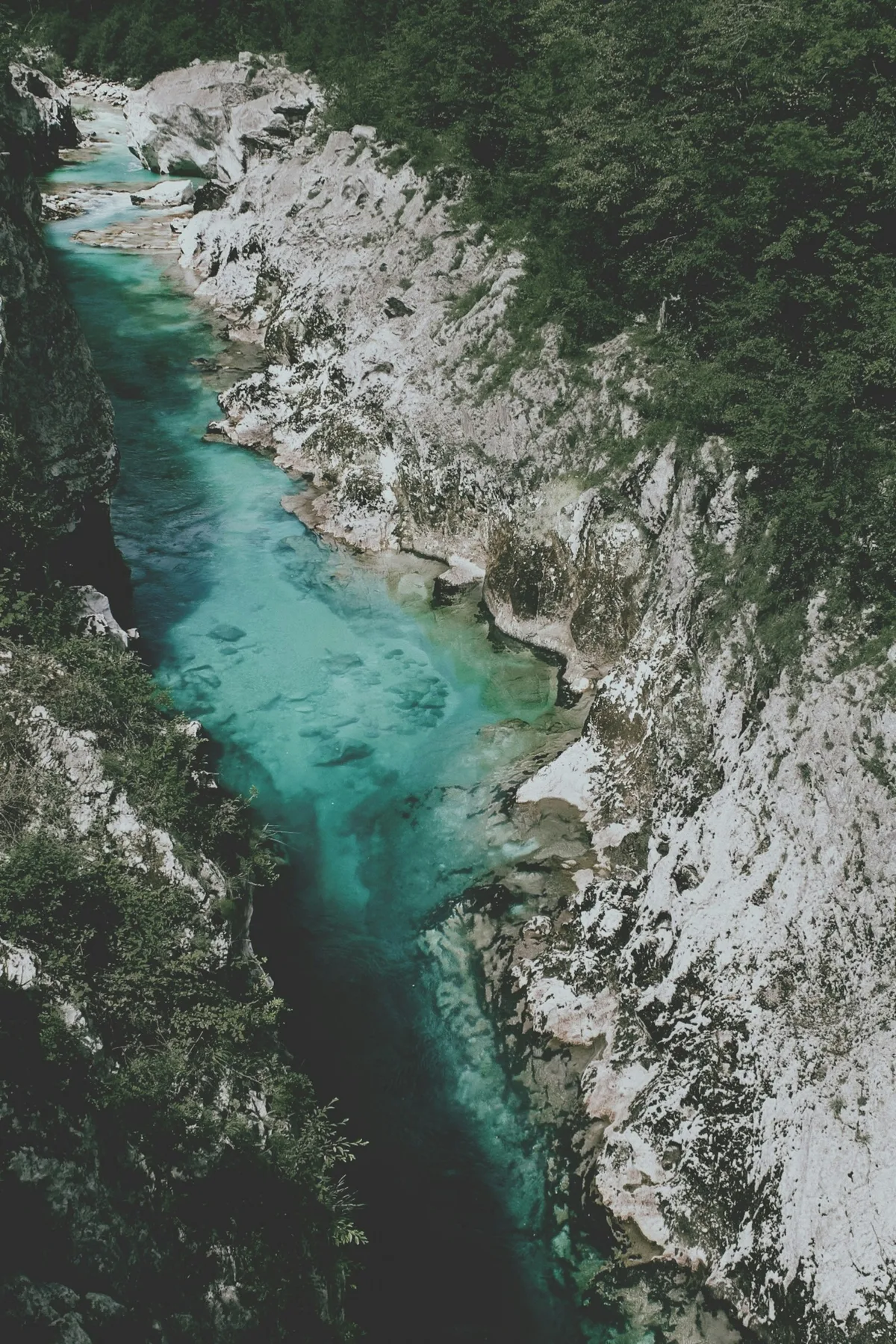 Soča Valley
Slovenia
An alpine valley in Slovenia's Julian Alps carved by the Soča River, known for its vivid turquoise-emerald water, World War I history along the Isonzo Front, and whitewater rafting.
7
Soča Valley
Slovenia
An alpine valley in Slovenia's Julian Alps carved by the Soča River, known for its vivid turquoise-emerald water, World War I history along the Isonzo Front, and whitewater rafting.
7
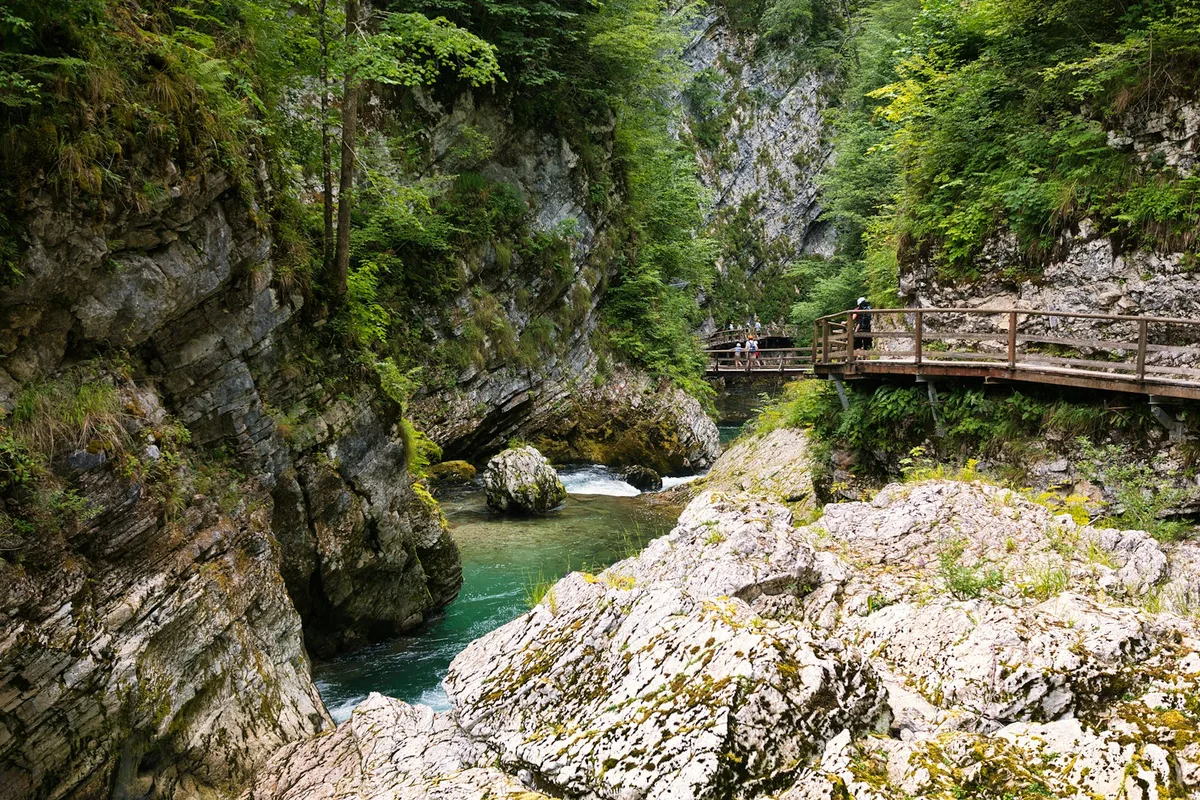 Vintgar Gorge
Slovenia
A narrow limestone gorge near Lake Bled, crossed by a wooden walkway suspended over the Radovna River's rapids and pools, ending at the Šum Waterfall.
8
Vintgar Gorge
Slovenia
A narrow limestone gorge near Lake Bled, crossed by a wooden walkway suspended over the Radovna River's rapids and pools, ending at the Šum Waterfall.
8
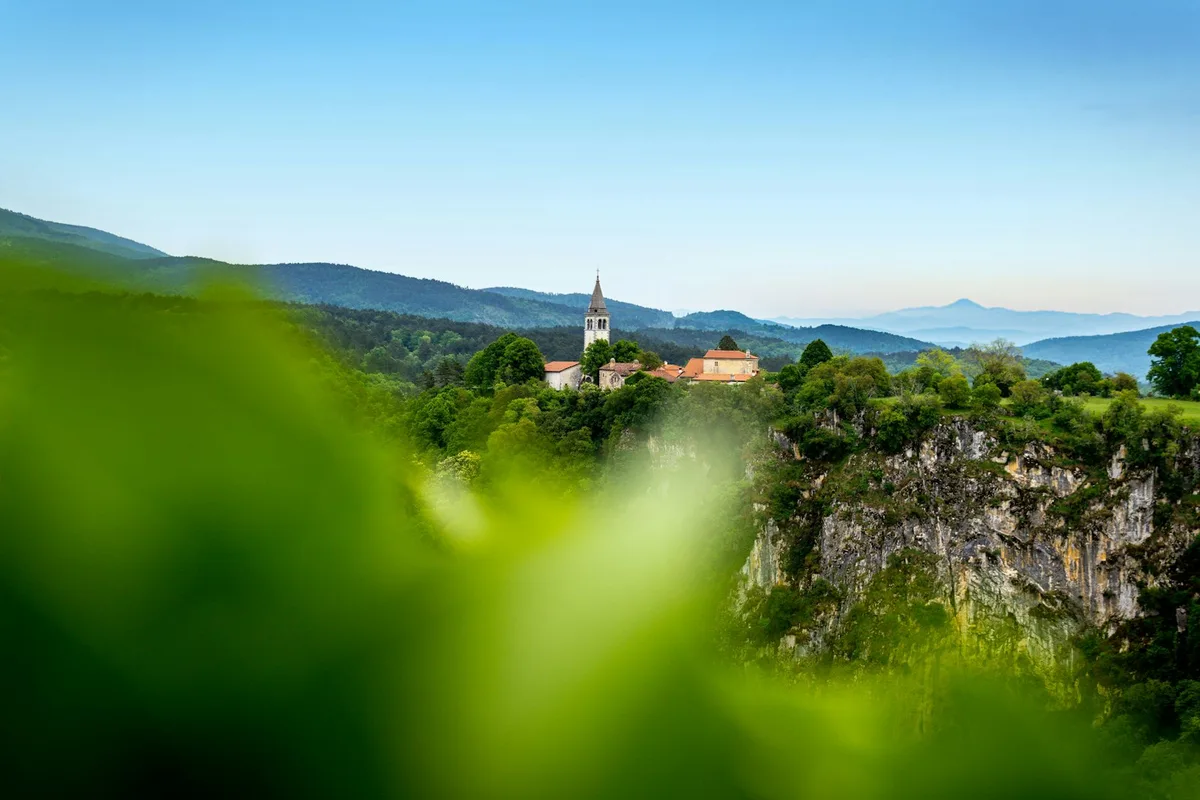 Škocjan Caves
Slovenia
A UNESCO World Heritage cave system in the Karst region, its collapsed dolines and one of the largest known underground canyons carved by the Reka River.
Multi-Day Tours
Škocjan Caves
Slovenia
A UNESCO World Heritage cave system in the Karst region, its collapsed dolines and one of the largest known underground canyons carved by the Reka River.
Multi-Day Tours
A 10-day Slovenia circuit from Ljubljana to Lake Bled, Triglav National Park, Postojna Cave, Predjama Castle, and the Adriatic coast at Piran — gourmet walking tours, whitewater rafting on the Soča, and Slovenian wine and cuisine along the way.
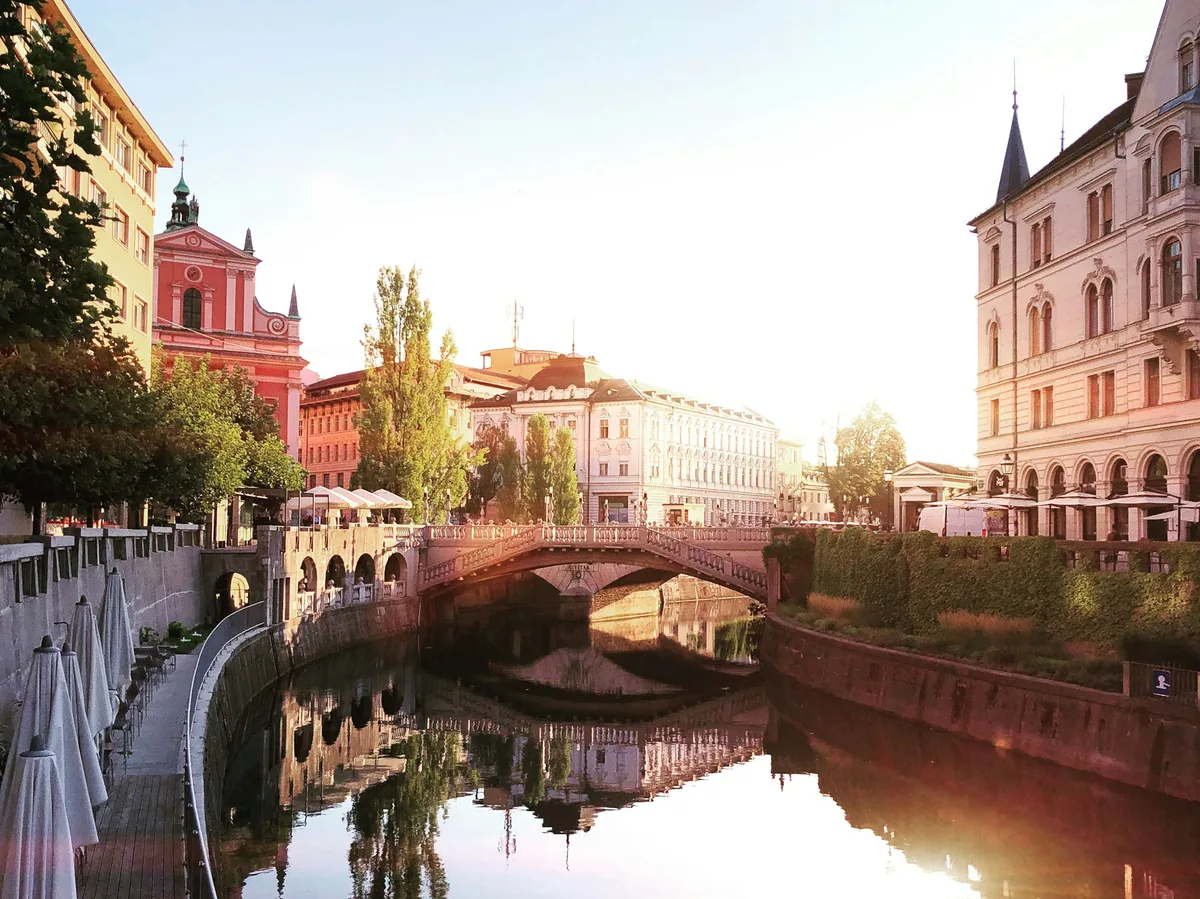 Multi-Day Tours
A private 9-day tour through Slovenia's Julian Alps and Adriatic coast — Ljubljana, Lake Bohinj and Mount Vogel, Lake Bled and Vintgar Gorge, the Soča Valley's wine country, Škocjan Caves, and the coastal town of Piran.
May through September brings Slovenia's warmest weather, ideal for Lake Bled, the Soča Valley, and the Adriatic coast at Piran; the shoulder months of May and September have noticeably fewer crowds than peak July-August.
Slovenia's small size — the whole country can be crossed by car in under three hours — makes a private driver a practical way to link the Alps, karst caves, and coast in a single trip without doubling back.
Slovenia's climate varies by region: alpine Bled and the Julian Alps stay cooler, the karst caves hold a constant cool temperature year-round (worth a light jacket even in summer), and the short Adriatic coast at Piran is milder and Mediterranean.
Slovenia uses the euro and Slovene is the official language, though English is widely understood in Ljubljana, Bled, and other tourist areas, and Italian is common near the coast given the region's Venetian history.
Slovenia's EU, Schengen, and Eurozone membership means no border stops or currency changes when combining it with a trip to Italy, Austria, Hungary, or Croatia — a genuine practical advantage for multi-country itineraries.
Tell us your group size and dates — we'll take care of the rest.