TorontoOntario · 36 tours
 Niagara FallsOntario · 25 tours
 New York CityNew York · 30 tours
 Las VegasNevada · 8 tours
 San FranciscoCalifornia · 16 tours
 VancouverBritish Columbia · 17 tours
 DubaiUAE · 54 tours
 Abu DhabiUAE · 5 tours
 Buenos AiresArgentina · 23 tours
 AthensGreece · 31 tours
 AucklandNew Zealand · 38 tours
 CancunMexico · 54 tours
No destinations match “”. Try searching all tours instead — that search understands full questions, not just place names.
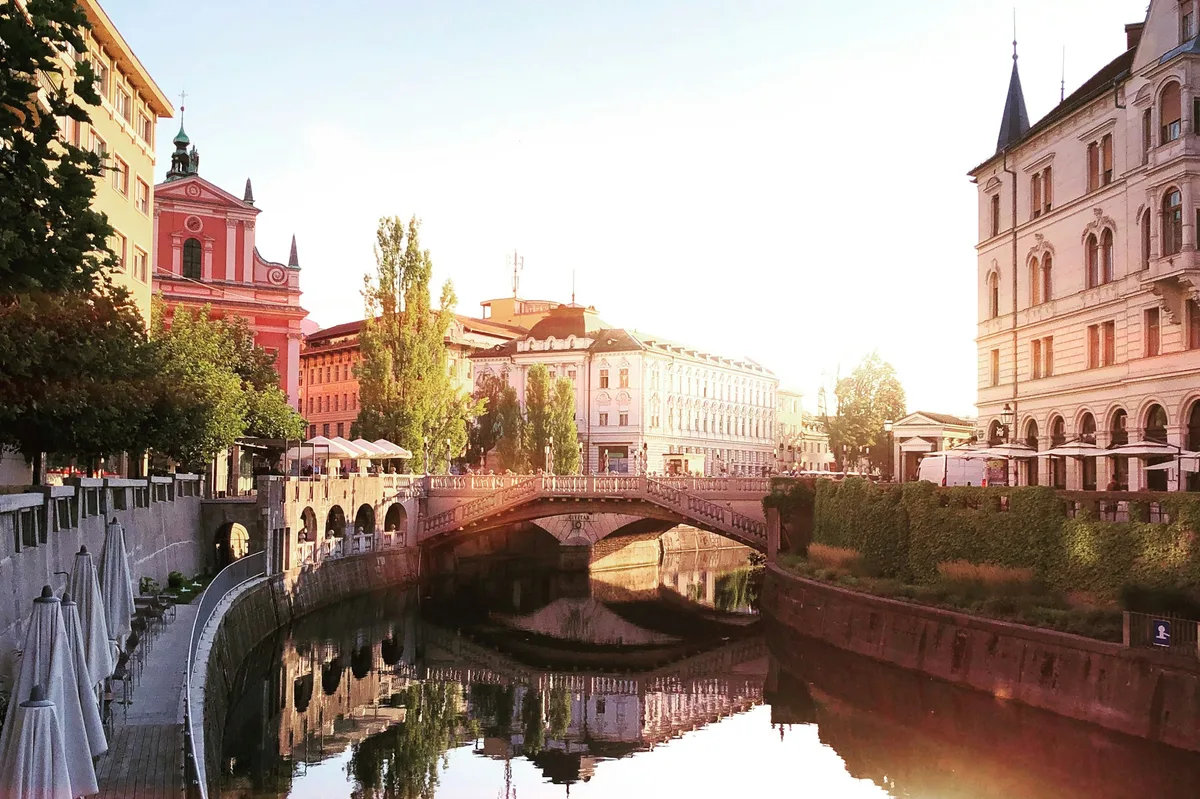
Slovenia's compact riverside capital, its Baroque and Art Nouveau old town centered on the Ljubljanica River, the Triple Bridge, and Ljubljana Castle on the hill above.
 Multi-Day Tours
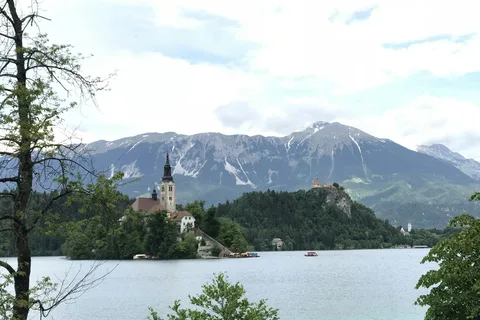
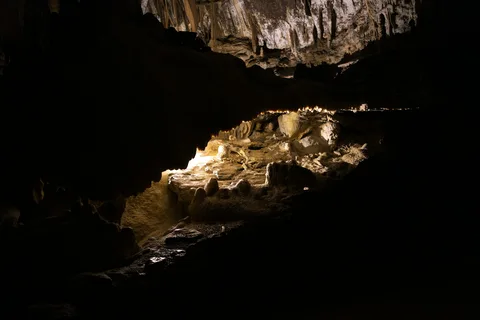
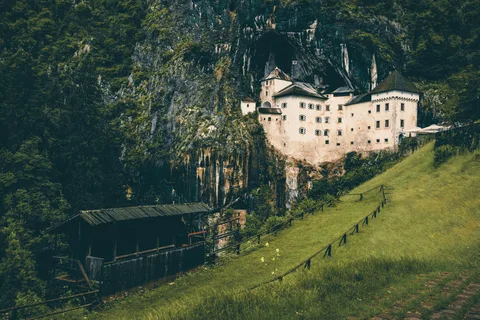
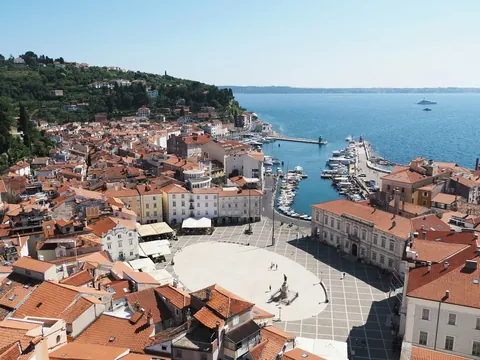
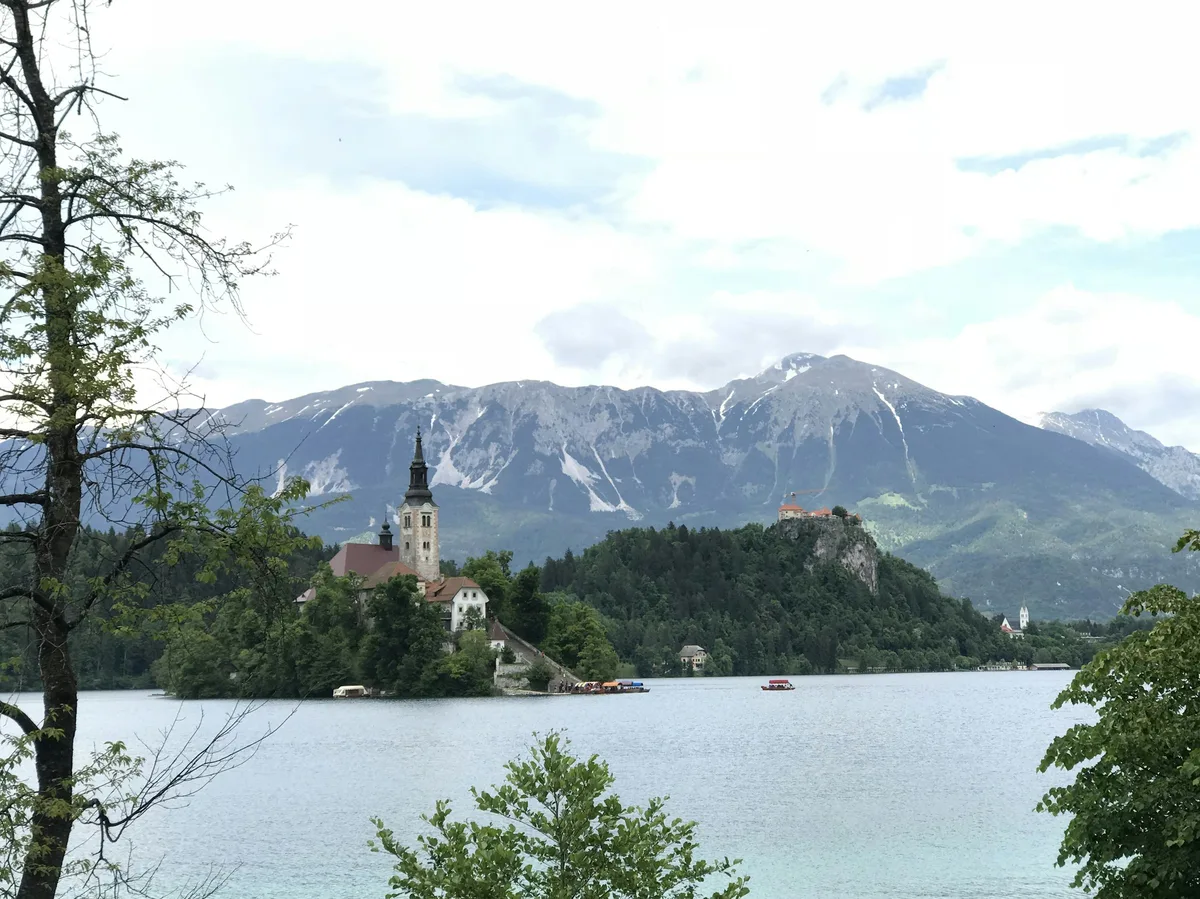
A 10-day Slovenia circuit from Ljubljana to Lake Bled, Triglav National Park, Postojna Cave, Predjama Castle, and the Adriatic coast at Piran — gourmet walking tours, whitewater rafting on the Soča, and Slovenian wine and cuisine along the way.
 Multi-Day Tours
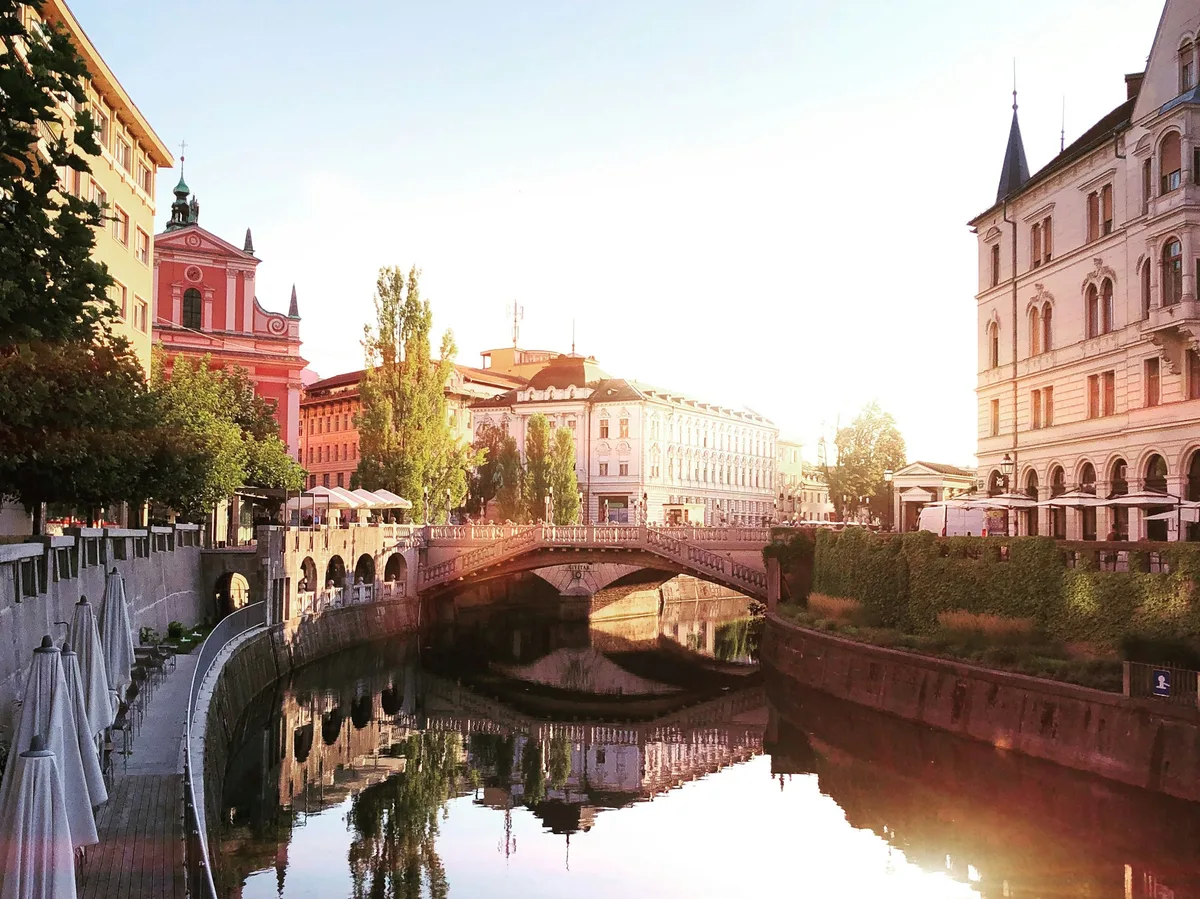
A private 9-day tour through Slovenia's Julian Alps and Adriatic coast — Ljubljana, Lake Bohinj and Mount Vogel, Lake Bled and Vintgar Gorge, the Soča Valley's wine country, Škocjan Caves, and the coastal town of Piran.
Visitor guide
Ljubljana Old Town is the historic center of the Slovenian capital, spread along both banks of the Ljubljanica River beneath Ljubljana Castle. Its Baroque and Vienna Secession buildings, riverside bridges and squares make it a compact and walkable heart of a city that is the country's cultural, educational and political center.
Wikipedia records that a Roman city called Emona stood in the area during antiquity, and that the city of Ljubljana was first mentioned in the first half of the 12th century. Urban settlement started in the second half of the 12th century, and around 1200 market rights were granted to Old Square, one of three original districts alongside the area called Town, around the predecessor of the cathedral, and New Square. Ljubljana acquired town privileges between 1220 and 1243. In 1256 it replaced Kamnik as the provincial capital of Carniola, and it remained under the Habsburgs, known by its German name Laibach, until the dissolution of Austria-Hungary in 1918. Ljubljana became the capital of independent Slovenia in 1991.
Ljubljana Castle crowns the hill above the center. The area around it has been inhabited since about 1200 BC, and the medieval castle with Romanesque, Gothic and Renaissance elements dates from the 12th century. A funicular has linked the center to the castle since 2006. The dragon is the city's symbol, shown on the castle tower, the coat of arms and the Dragon Bridge. Wikipedia lists several explanations, including a Greek legend of Jason and the Argonauts and a Slavic dragon-slaying myth, but says the most historically believable is that it was adopted from Saint George, patron of the castle chapel. The legends are folklore rather than documented history.
Much of the Old Town took its present look after disasters. After the 1511 earthquake the city was rebuilt in Baroque style following Italian, particularly Venetian, models, and after the earthquake of 1895 it was rebuilt again, this time in Vienna Secession style. Ljubljana Cathedral, dedicated to St. Nicholas, has a green dome and twin towers and was designed in the early 18th century by the Jesuit architect Andrea Pozzo. The Town Hall was completed in Gothic form in 1484 and given a Baroque renovation in 1717 to 1719. The Franciscan Church of the Annunciation on Presern Square was built between 1646 and 1660.
The river is crossed by a series of notable bridges. The Dragon Bridge of 1901, with dragon statues on four corners, is regarded as one of the most beautiful examples of Vienna Secession bridges. The Triple Bridge was enlarged with two side pedestrian bridges to relieve a bottleneck. The Butchers' Bridge is decorated with bronze sculptures by Jakov Brdar and hung with love padlocks. The Cobblers' Bridge, built by Plecnik in 1931 to 1932, is among the works of the architect Joze Plecnik, whose personal touch appears across the inter-war city. Presern Square, the central square, takes its modern appearance from the architect Max Fabiani after the 1895 earthquake.
Much of the center is pedestrian, so the Old Town is best explored on foot. A private tour with a driver and local guide fits nicely into a day that also includes Lake Bled or the Postojna caves.
See every tour and attraction we cover in Slovenia.