Facts about Halifax and the places Voyzo's tours visit. Where sources give different figures, both are named.
- Where
- Halifax is the capital and largest city in Nova Scotia, according to the Halifax International Airport Authority, and the municipality is the Halifax Regional Municipality. The land is Mi'kma'ki, the ancestral and unceded territory of the Mi'kmaq.
- Harbour
- Tourism Nova Scotia describes Halifax Harbour as the world's second largest ice-free harbour and the Halifax-Dartmouth ferry as North America's longest running saltwater ferry.
- From the airport
- Halifax Stanfield International Airport is about 35 km (22 miles) from downtown, typically 30 to 60 minutes depending on how you travel and the traffic.
- Day-trip distances
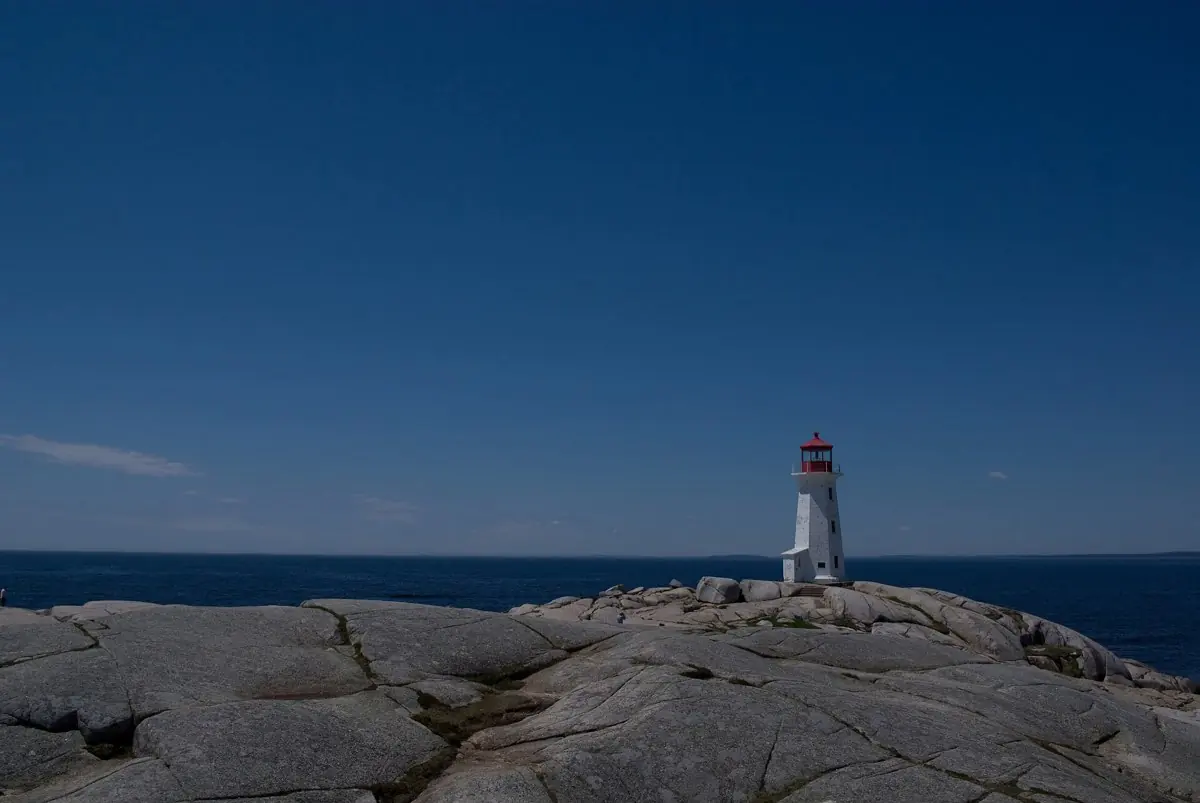
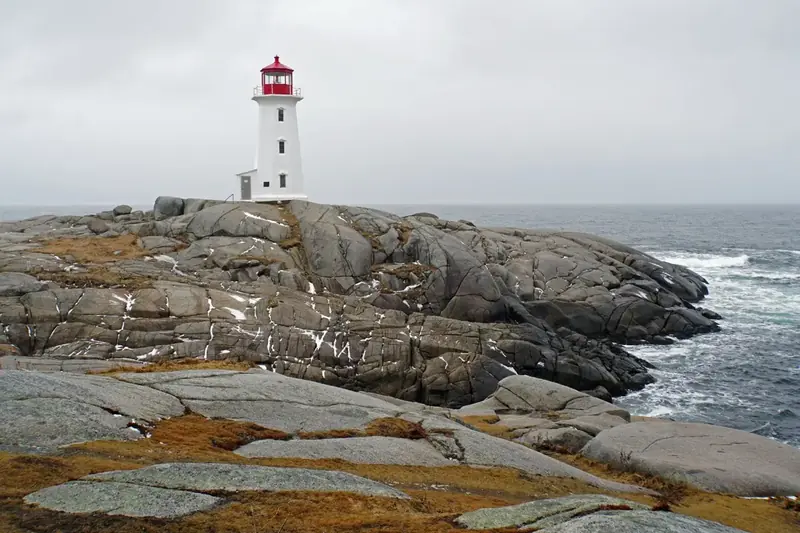
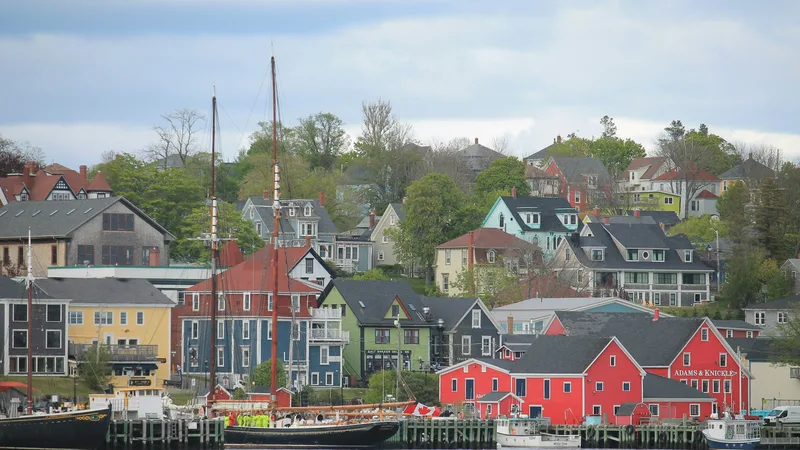
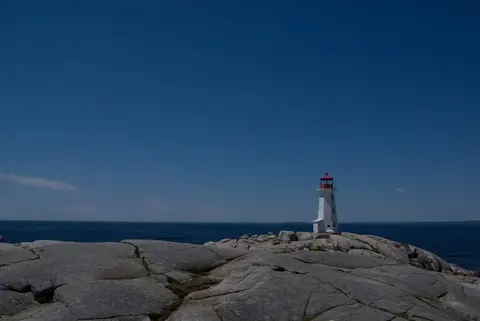
- Tourism Nova Scotia puts Peggy's Cove about an hour southwest of Halifax (with no public transit), Mahone Bay about an hour and Lunenburg about 90 minutes away. Burntcoat Head Park says it is about an hour's drive from Halifax.
- Halifax Citadel
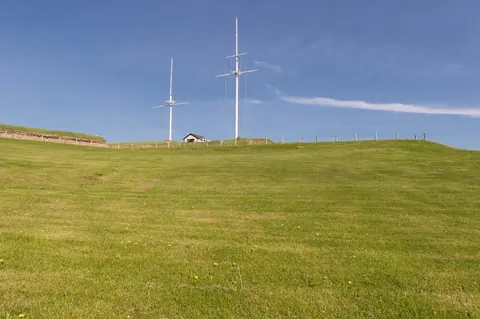
- The Citadel and its grounds are open year-round, and Parks Canada declared the site a National Historic Site in 1952.
- Climate
- Environment Canada's 1991-2020 normals for Halifax Stanfield (Airport) give a mean daily temperature of 6.9 °C a year, 215.2 cm of snowfall and 1,393.3 mm of precipitation.
- Time zone
- Nova Scotia is on Atlantic time. Clocks go back one hour at 2:00 a.m. on Sunday 1 November 2026, according to the dates the National Research Council lists for Nova Scotia; its page says it is under review, so confirm with the province.
- Titanic and the Explosion
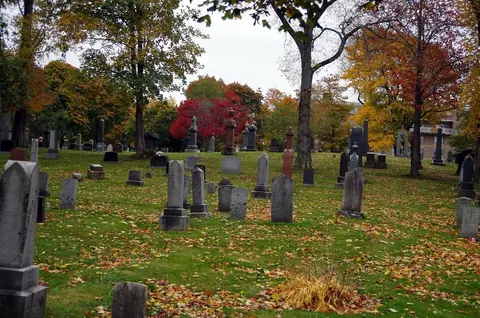
- The Maritime Museum of the Atlantic says 209 Titanic bodies came to Halifax and that 150 victims are buried in three Halifax cemeteries, 121 of them at Fairview Lawn. It dates the Halifax Explosion to the morning of 6 December 1917.
- Pier 21
- The Canadian Museum of Immigration at Pier 21 says nearly one million immigrants landed at the Halifax seaport from 1928 to 1971. Tourism Nova Scotia's Halifax Metro page gives both over one million and nearly one million in different places, so this page uses the museum's own figure.