 TorontoOntario · 17 tours
 Niagara FallsOntario · 17 tours
 New York CityNew York · 8 tours
 Las VegasNevada · 8 tours
 San FranciscoCalifornia · 16 tours
 VancouverBritish Columbia · 17 tours
 DubaiUAE · 44 tours
 Abu DhabiUAE · 5 tours
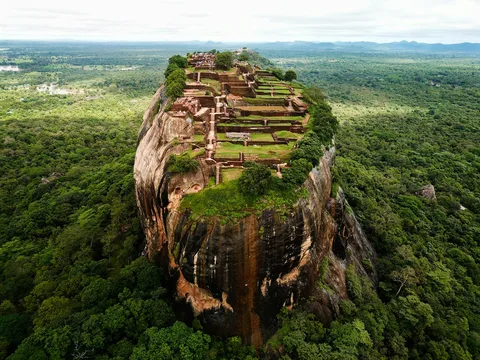 Sri LankaSri Lanka · 16 tours
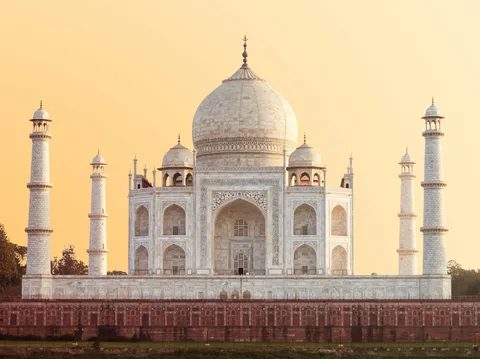 IndiaIndia · 13 tours
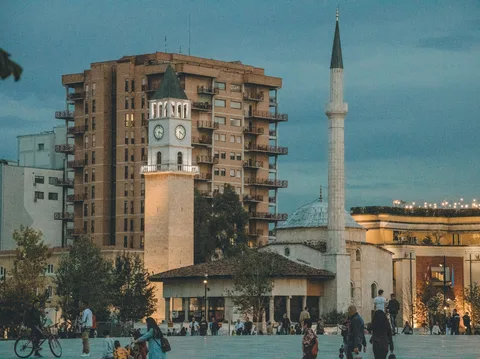 AlbaniaAlbania · 10 tours
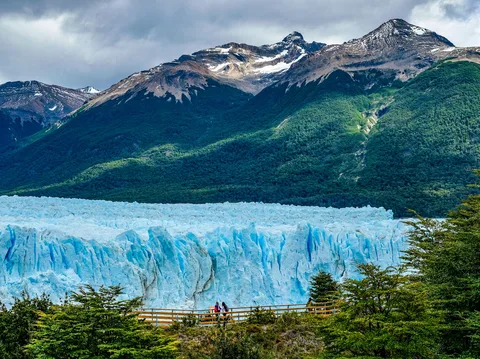 ArgentinaArgentina · 8 tours
No destinations match “”.
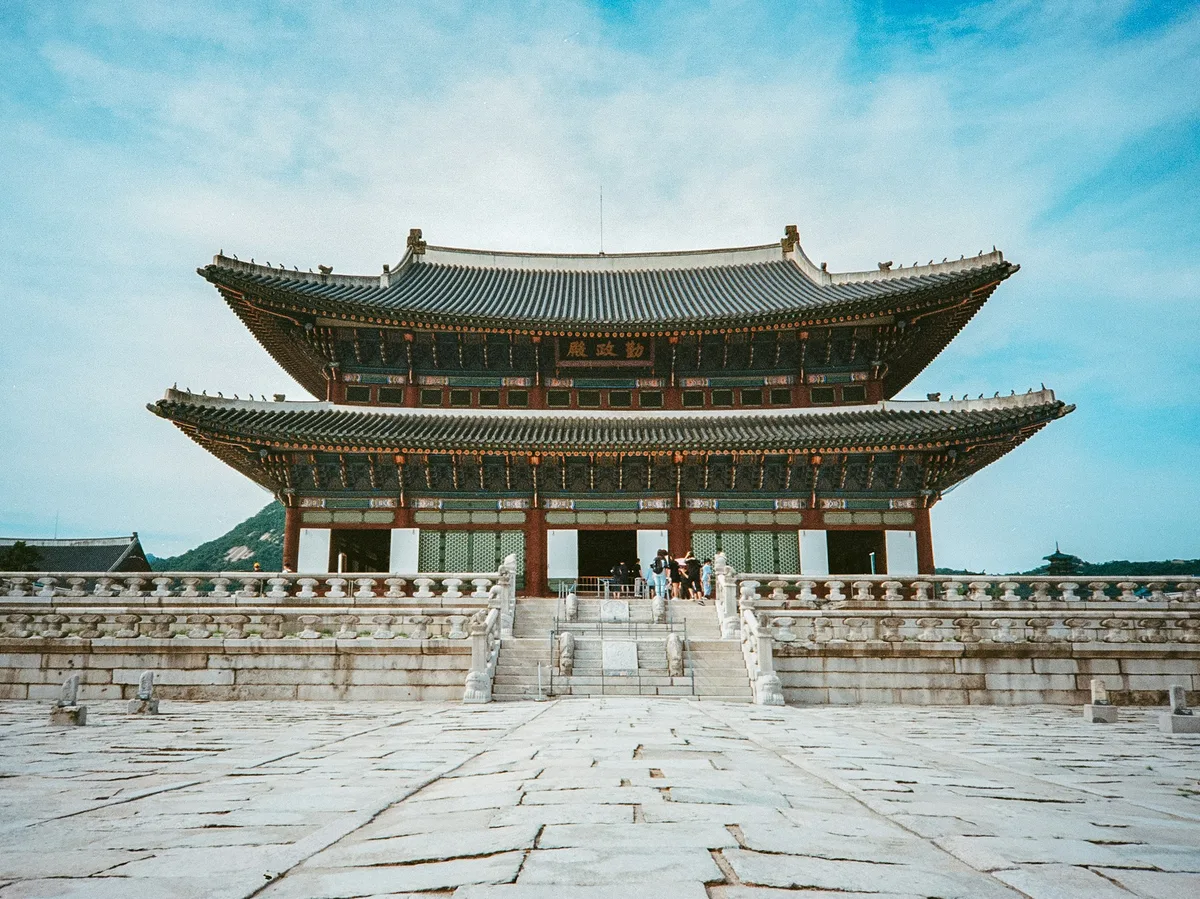
Voyzo runs 2 private tours across 1 destination in South Korea, covering 10 attractions — each with your own guide, driver, and vehicle, and an itinerary built around your group rather than a fixed bus schedule.
South Korea is a densely populated East Asian nation of roughly 51 million people occupying the southern half of the Korean peninsula, with North Korea across the world's most heavily fortified border to the north. Since recovering from the devastation of the 1950-53 Korean War, it has become one of the world's most technologically advanced economies — a transformation often called the "Miracle on the Han River" — while exporting a global pop-culture wave of K-pop, K-dramas, and Korean cinema. Korean is the official language and the won (KRW) is the currency.
Voyzo's South Korea tours start in Seoul, with its royal palaces, hanok villages, and the DMZ border zone, then head south by high-speed train to Busan's markets and beaches, with one route continuing to volcanic Jeju Island and the other taking in the ancient Silla capital of Gyeongju and the traditional towns of Suncheon and Jeonju.
Both routes run with a private vehicle and English-speaking driver-guide for every day of city sightseeing, with KTX high-speed trains (and, for Jeju, a short domestic flight) linking the cities in between.
The real stops Voyzo's own itineraries are built around — tap any attraction to learn more.
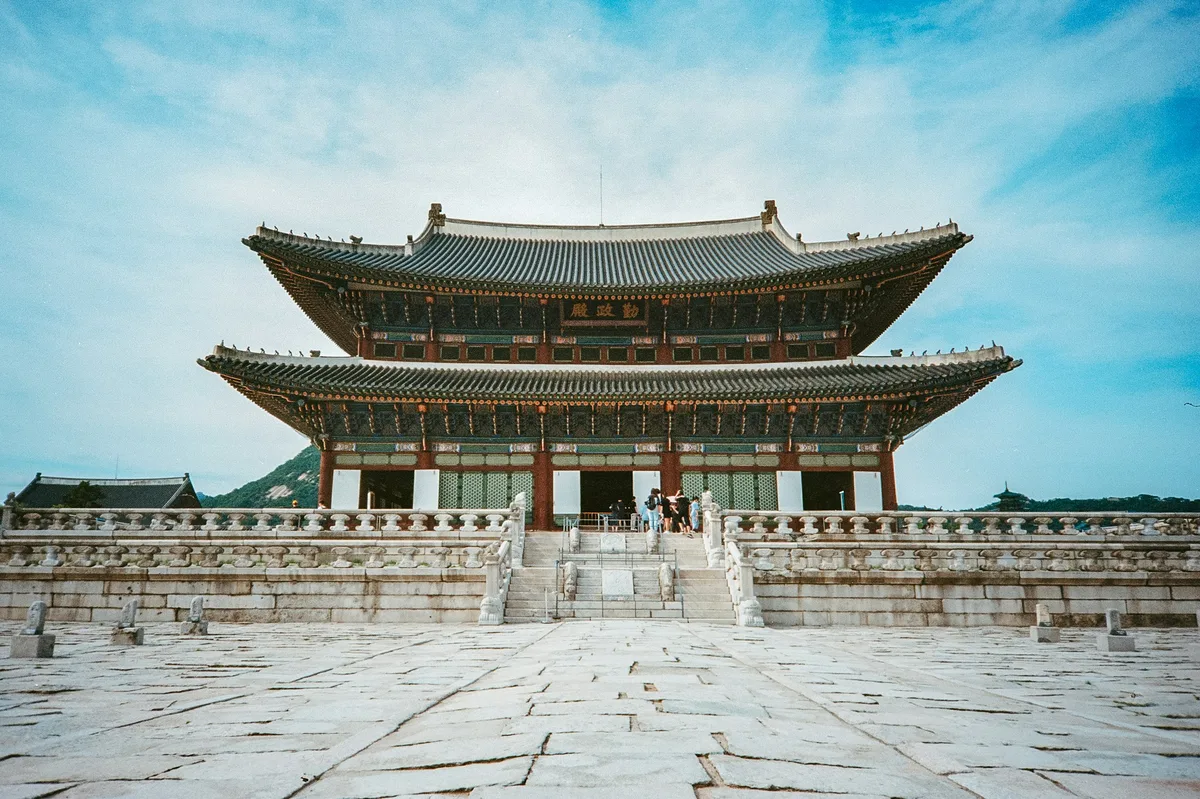 Gyeongbokgung Palace
South Korea
The largest of Seoul's five grand palaces, built in 1395 as the main royal residence of the Joseon dynasty, with a daily royal guard-changing ceremony at its main gate.
2
Gyeongbokgung Palace
South Korea
The largest of Seoul's five grand palaces, built in 1395 as the main royal residence of the Joseon dynasty, with a daily royal guard-changing ceremony at its main gate.
2
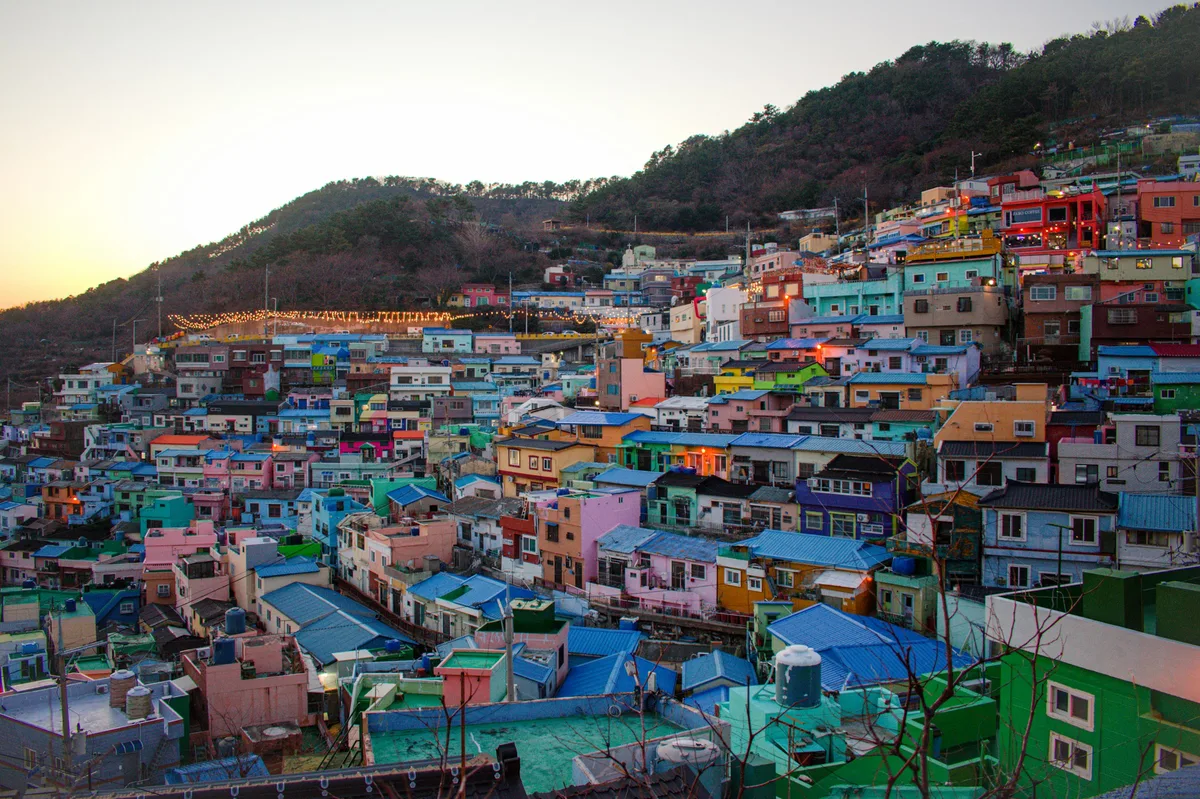 Gamcheon Culture Village
South Korea
A hillside neighborhood of brightly painted houses and narrow stairways above Busan's harbor, turned into an open-air art village of murals, galleries, and cafes.
3
Gamcheon Culture Village
South Korea
A hillside neighborhood of brightly painted houses and narrow stairways above Busan's harbor, turned into an open-air art village of murals, galleries, and cafes.
3
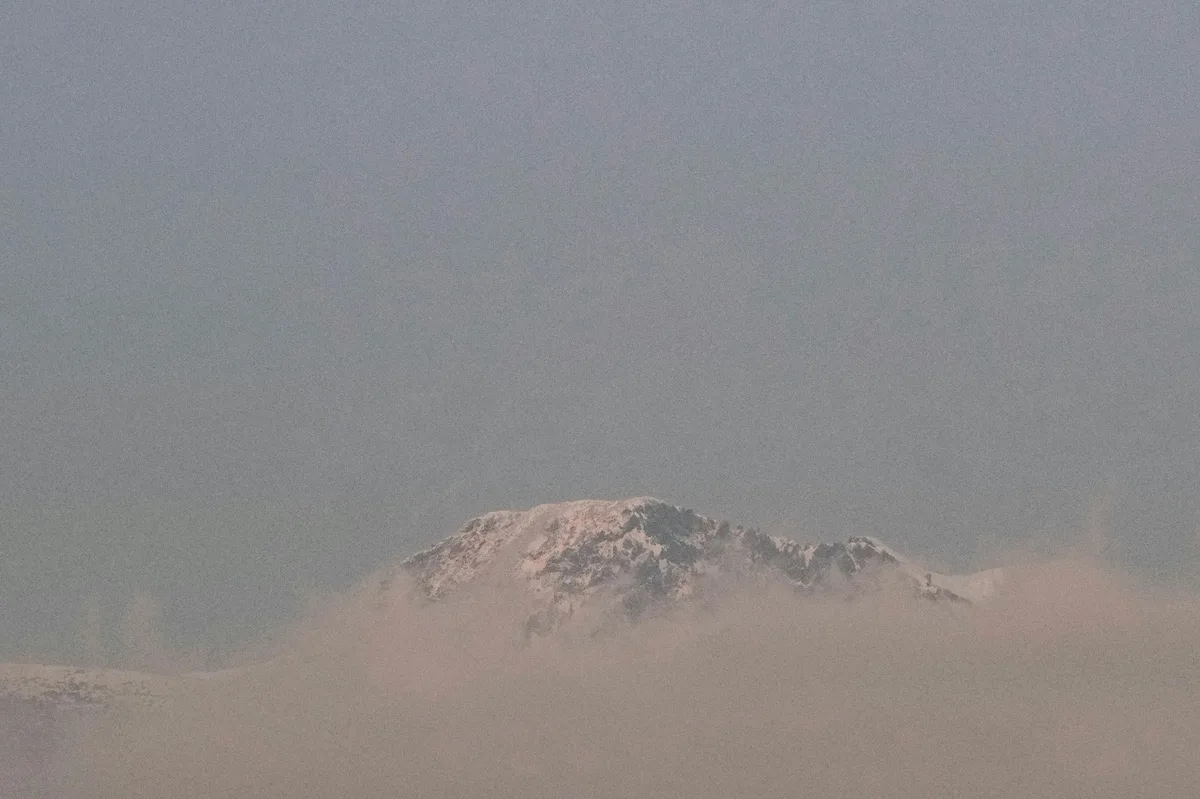 Mount Hallasan
South Korea
South Korea's highest peak, a dormant shield volcano at the center of Jeju Island and a UNESCO World Heritage site, with hiking trails through its forested slopes.
4
Mount Hallasan
South Korea
South Korea's highest peak, a dormant shield volcano at the center of Jeju Island and a UNESCO World Heritage site, with hiking trails through its forested slopes.
4
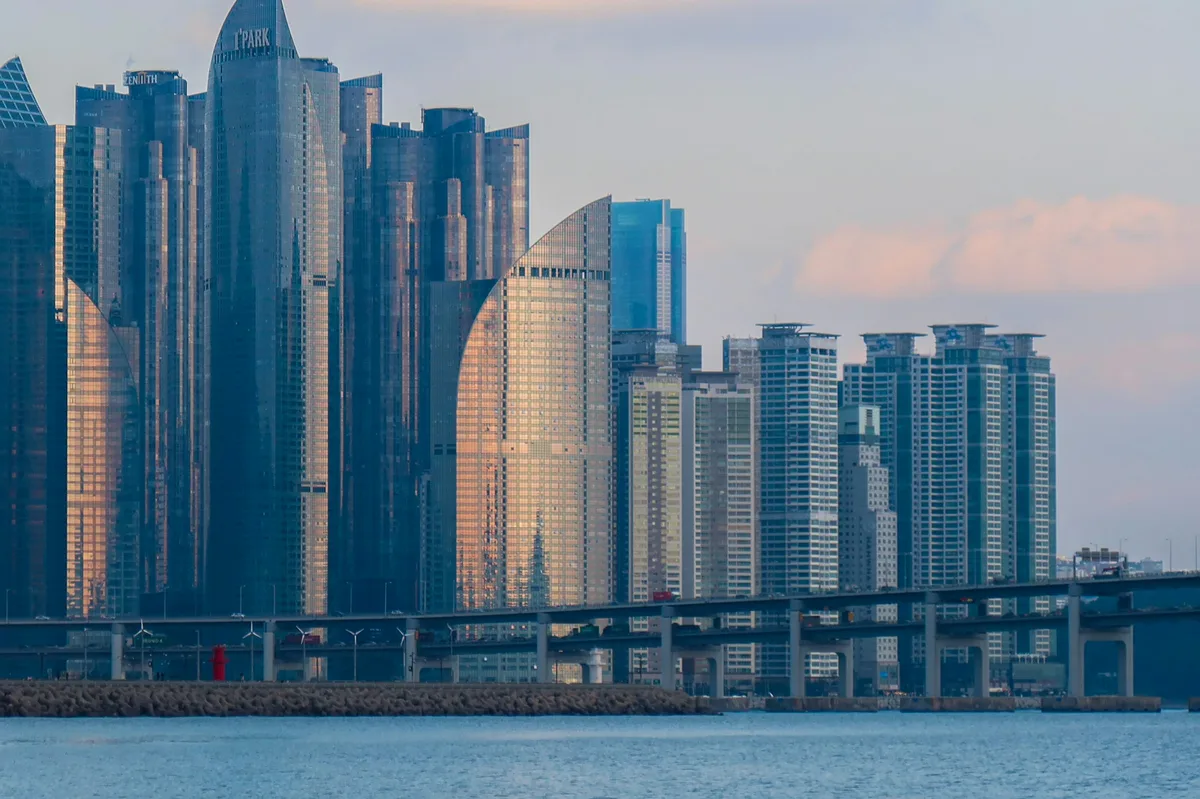 Haeundae Beach
South Korea
Busan's best-known city beach, a long stretch of sand backed by high-rise towers, popular for swimming, surfing, and its seaside promenade.
5
Haeundae Beach
South Korea
Busan's best-known city beach, a long stretch of sand backed by high-rise towers, popular for swimming, surfing, and its seaside promenade.
5
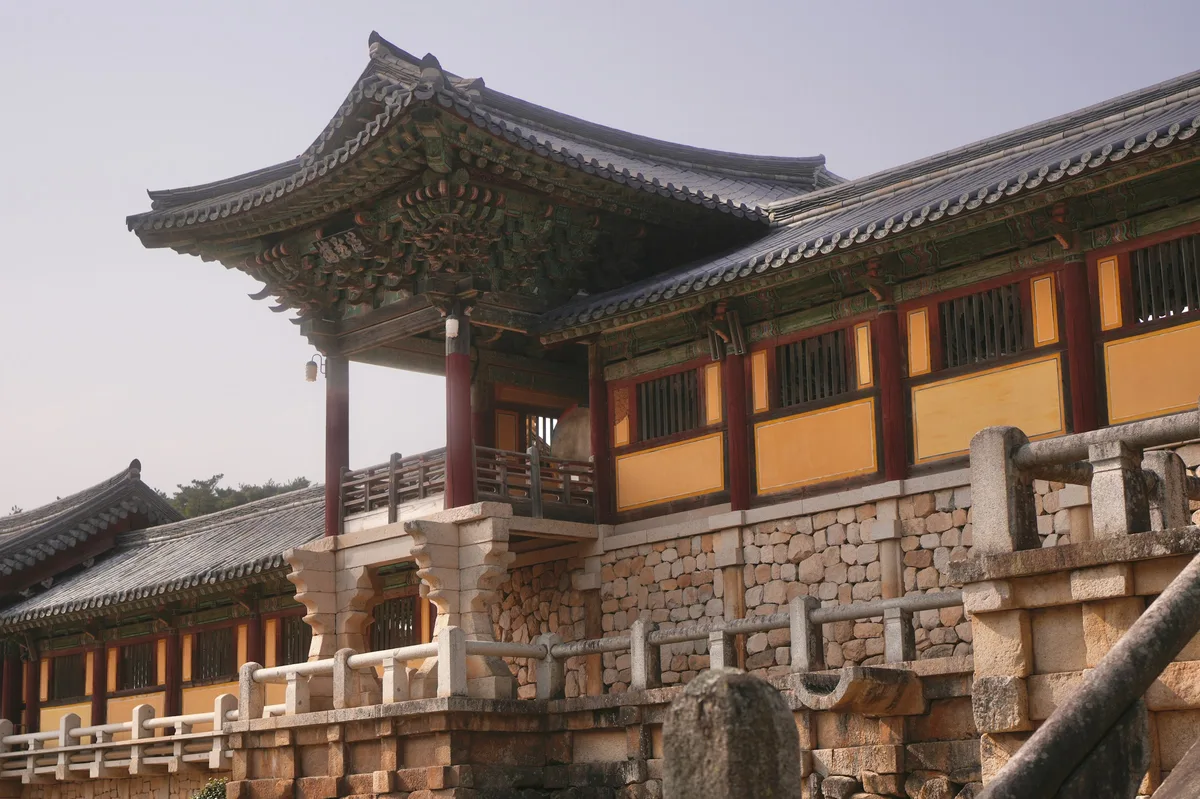 Gyeongju's Ancient Temples
South Korea
The former capital of the Silla dynasty, its royal burial mounds, an ancient astronomical observatory, and UNESCO-listed Buddhist temples earning it the nickname 'the museum without walls.'
6
Gyeongju's Ancient Temples
South Korea
The former capital of the Silla dynasty, its royal burial mounds, an ancient astronomical observatory, and UNESCO-listed Buddhist temples earning it the nickname 'the museum without walls.'
6
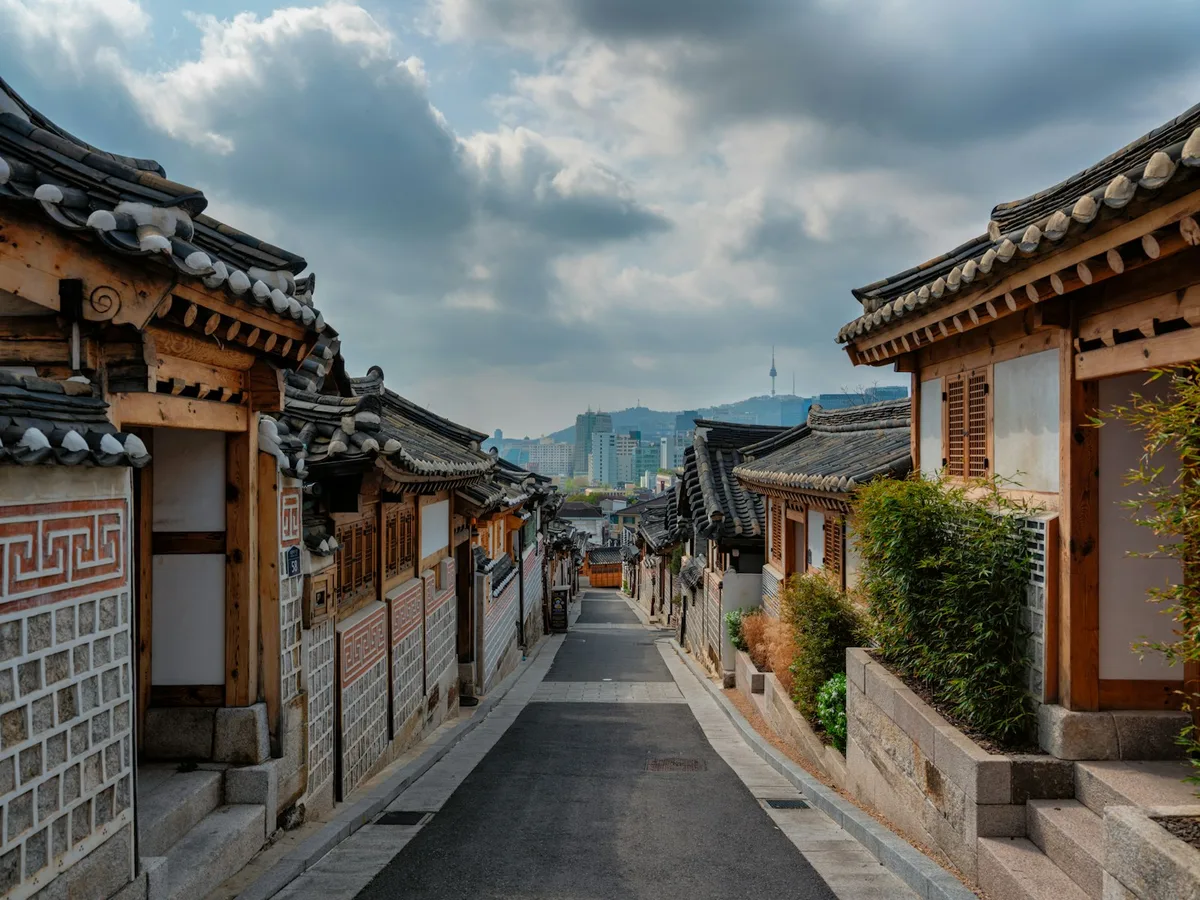 Bukchon Hanok Village
South Korea
A hillside neighborhood of centuries-old hanok houses between Gyeongbokgung and Changdeokgung palaces, still lived in today by Seoul residents.
7
Bukchon Hanok Village
South Korea
A hillside neighborhood of centuries-old hanok houses between Gyeongbokgung and Changdeokgung palaces, still lived in today by Seoul residents.
7
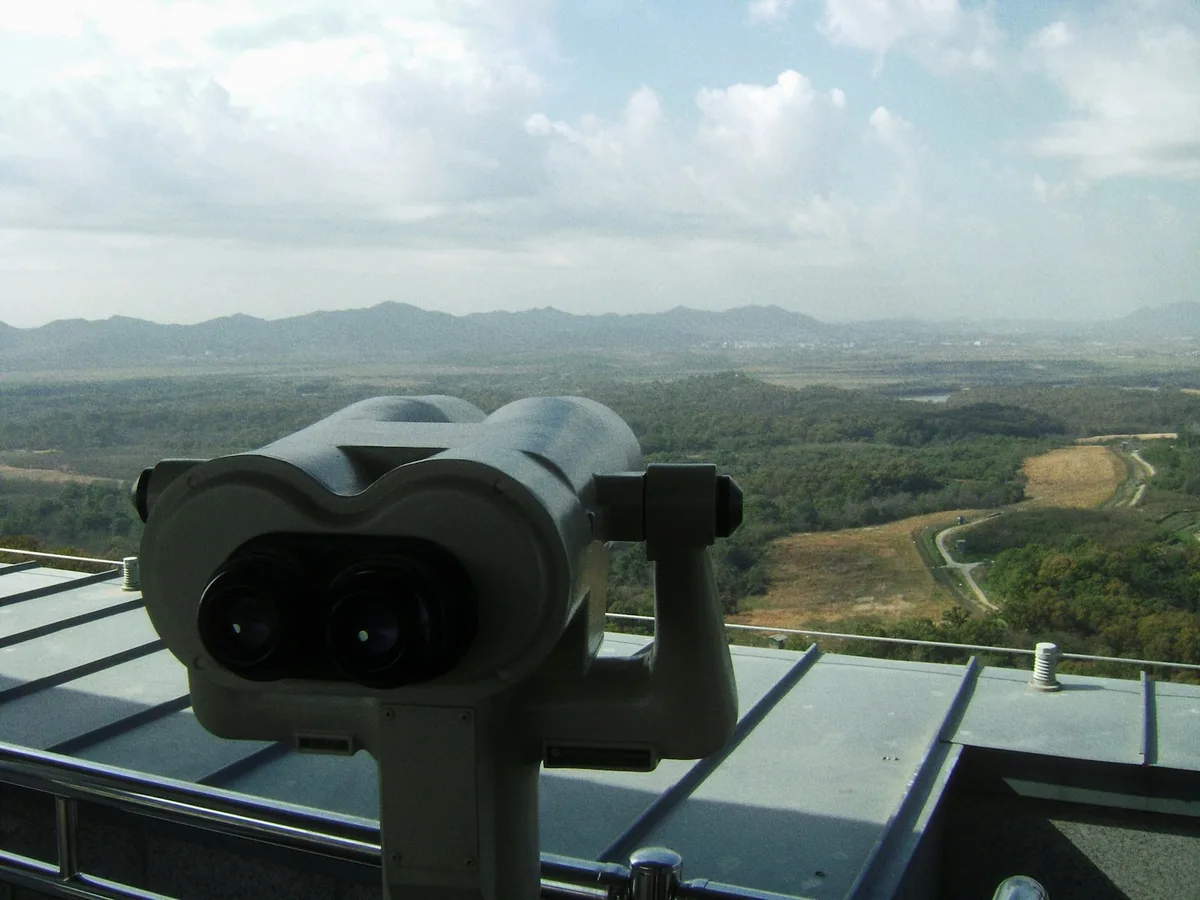 The DMZ & Imjingak
South Korea
The heavily fortified buffer zone between North and South Korea, visited via Imjingak Park, the Bridge of Freedom, an infiltration tunnel, and the Dora Observatory looking north across the border.
8
The DMZ & Imjingak
South Korea
The heavily fortified buffer zone between North and South Korea, visited via Imjingak Park, the Bridge of Freedom, an infiltration tunnel, and the Dora Observatory looking north across the border.
8
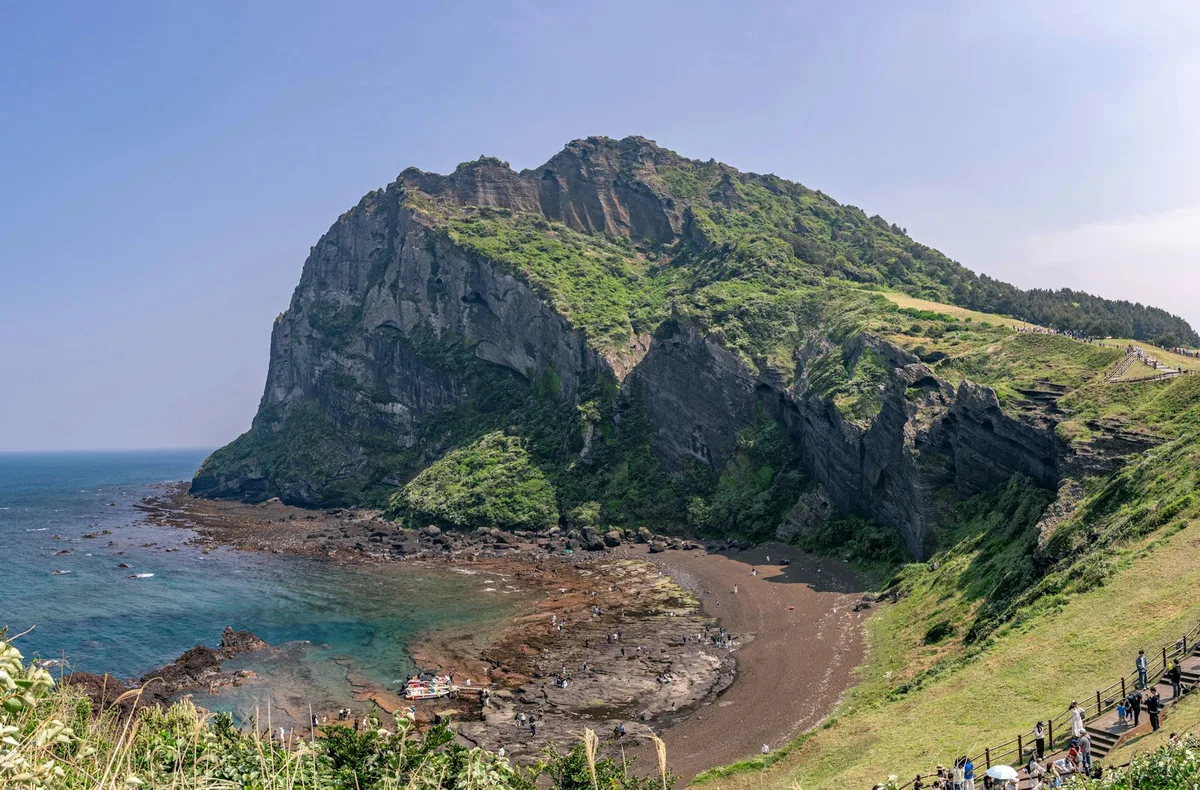 Seongsan Ilchulbong (Sunrise Peak)
South Korea
A UNESCO-listed tuff cone that rises straight out of the sea on Jeju's east coast, formed by a volcanic eruption roughly 5,000 years ago.
9
Seongsan Ilchulbong (Sunrise Peak)
South Korea
A UNESCO-listed tuff cone that rises straight out of the sea on Jeju's east coast, formed by a volcanic eruption roughly 5,000 years ago.
9
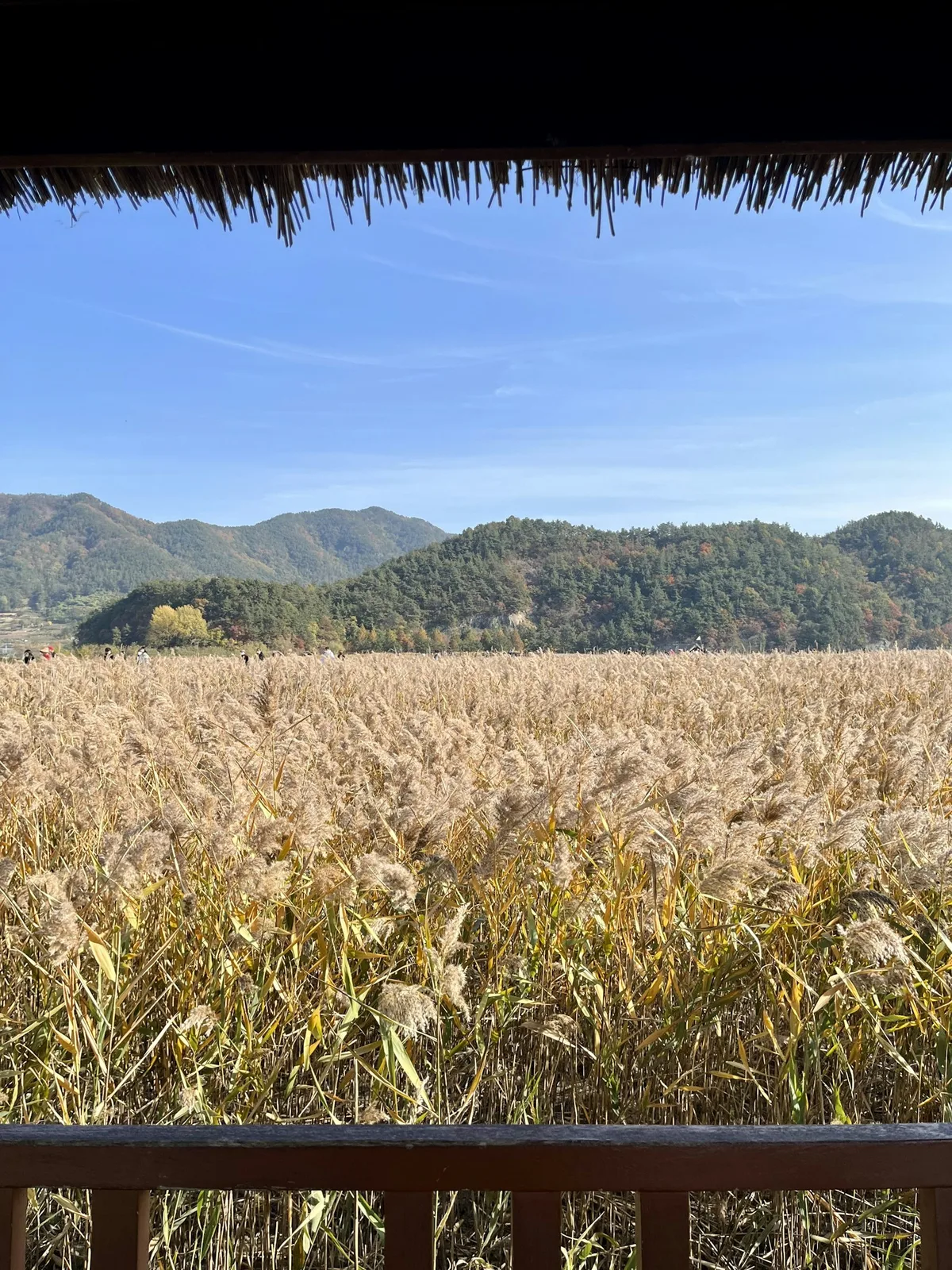 Suncheon Bay Wetland Reserve
South Korea
One of the world's largest coastal reed marshes, with boardwalks through golden reed fields and an observatory overlooking the tidal flats.
10
Suncheon Bay Wetland Reserve
South Korea
One of the world's largest coastal reed marshes, with boardwalks through golden reed fields and an observatory overlooking the tidal flats.
10
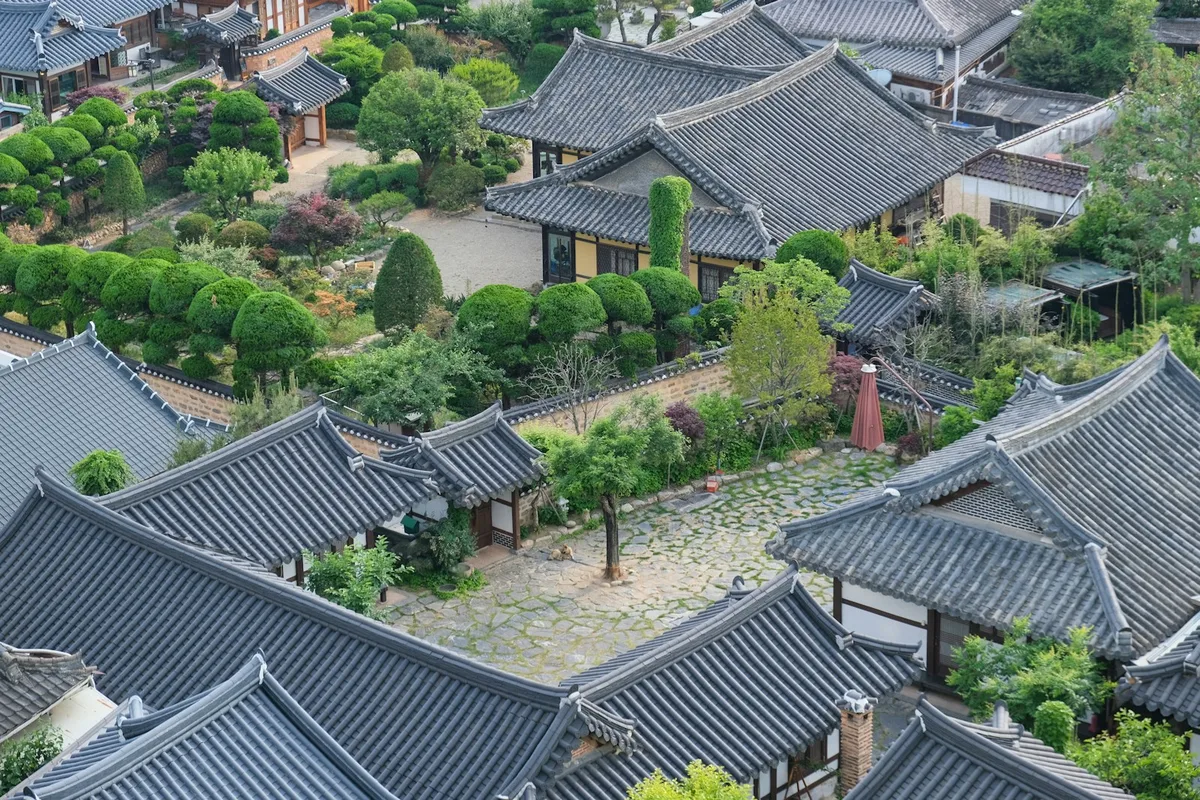 Jeonju Hanok Village
South Korea
The country's largest cluster of traditional hanok houses, now home to artisan workshops, tea houses, and the bibimbap dish the city is famous for.
Multi-Day Tours
Jeonju Hanok Village
South Korea
The country's largest cluster of traditional hanok houses, now home to artisan workshops, tea houses, and the bibimbap dish the city is famous for.
Multi-Day Tours
A 9-day South Korea route from Seoul's palaces to Busan's markets and beaches and volcanic Jeju Island, with a private driver and English-speaking guide throughout and high-speed KTX rail and a short domestic flight linking the cities.
 Multi-Day Tours
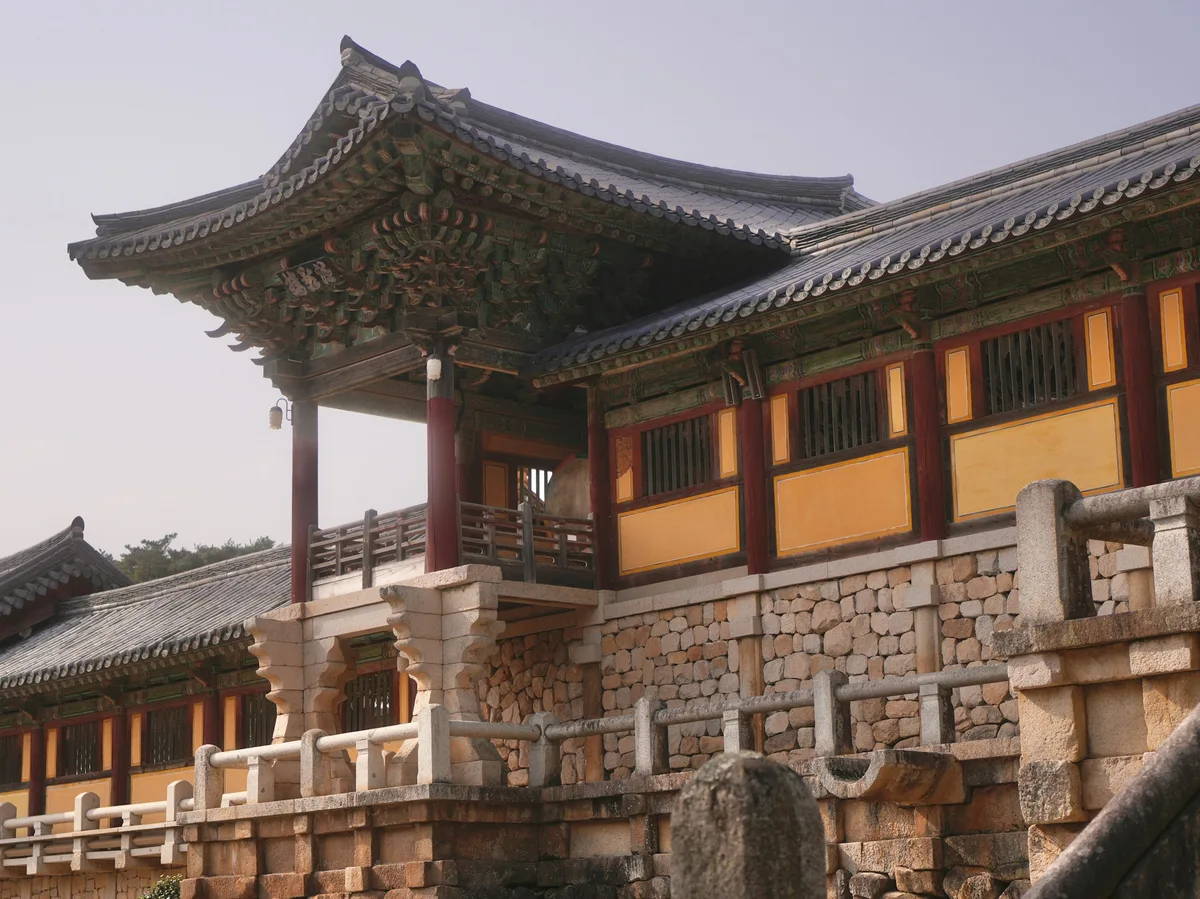
A 14-day South Korea route from Seoul's palaces and the DMZ to the ancient Silla capital of Gyeongju, Busan's markets and beaches, the Suncheon Bay wetlands, and the traditional hanok village of Jeonju, with a private driver-guide throughout.
Spring (April-May) for cherry blossoms and fall (September-November) for foliage are Korea's most comfortable seasons; summer (July-August) brings heat, humidity, and a monsoon season, while winter can be very cold, especially inland.
KTX high-speed trains link Seoul, Busan, Gyeongju, and other cities in a few hours, and Seoul's subway system is extensive and easy to navigate; Jeju Island, being an island, requires a short domestic flight.
South Korea uses the won (KRW); tipping isn't customary and can even cause confusion at restaurants, where service is already factored into the price.
Many nationalities, including the US, UK, EU, Canada, and Australia, can enter South Korea visa-free for up to 90 days, though a K-ETA electronic travel authorization is required in advance for some visitors — check current requirements before you travel.
Tours to the Joint Security Area and DMZ require passport ID and have a dress code (no ripped jeans, military-style clothing, or flip-flops) and are sometimes closed on short notice for security reasons.
Korea's convenience stores (CU, GS25) are everywhere and useful for cheap meals, and most restaurants provide free side dishes (banchan) with any order.
Tell us your group size and dates — we'll take care of the rest.