TorontoOntario · 36 tours
 Niagara FallsOntario · 25 tours
 New York CityNew York · 30 tours
 Las VegasNevada · 8 tours
 San FranciscoCalifornia · 16 tours
 VancouverBritish Columbia · 17 tours
 DubaiUAE · 54 tours
 Abu DhabiUAE · 5 tours
 Buenos AiresArgentina · 23 tours
 AthensGreece · 31 tours
 AucklandNew Zealand · 38 tours
 CancunMexico · 54 tours
No destinations match “”. Try searching all tours instead — that search understands full questions, not just place names.
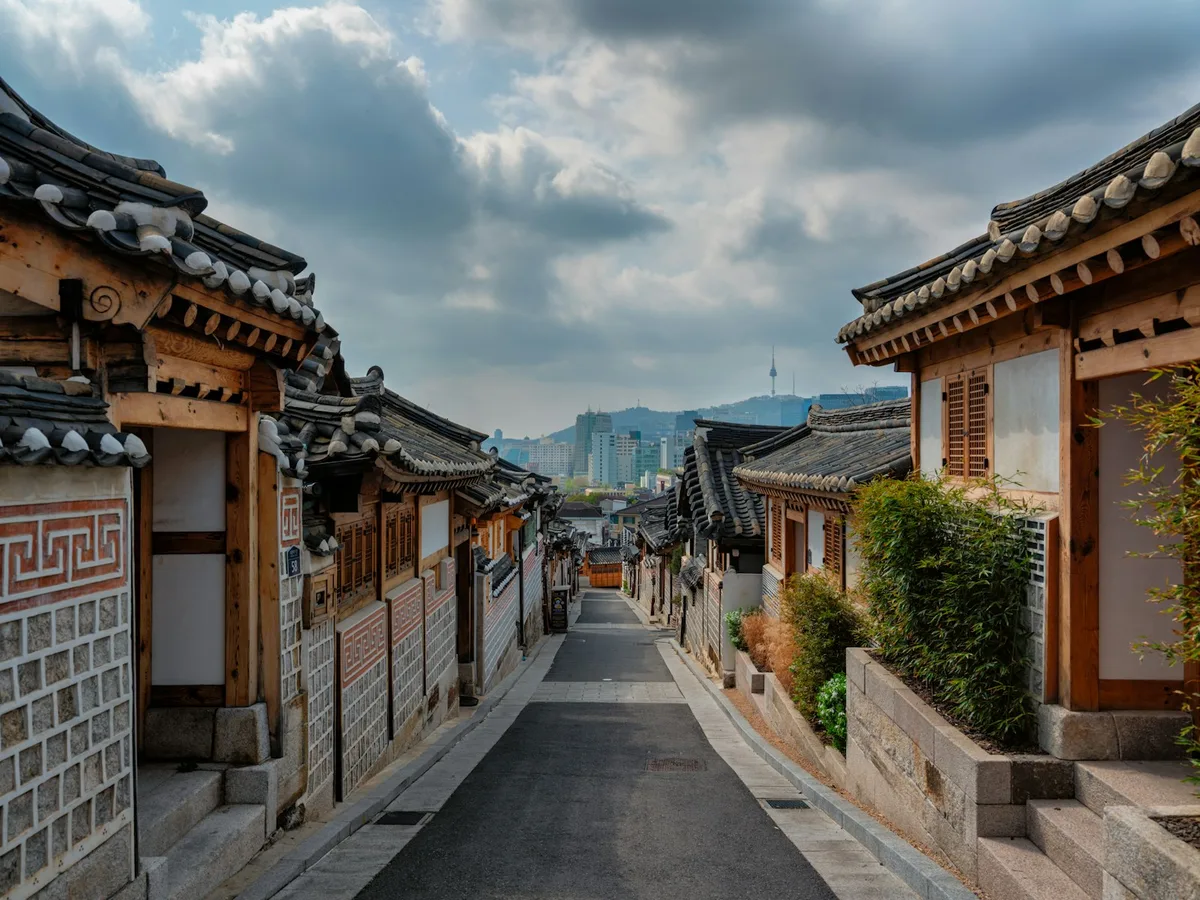
A hillside neighborhood of centuries-old hanok houses between Gyeongbokgung and Changdeokgung palaces, still lived in today by Seoul residents.
 Multi-Day Tours
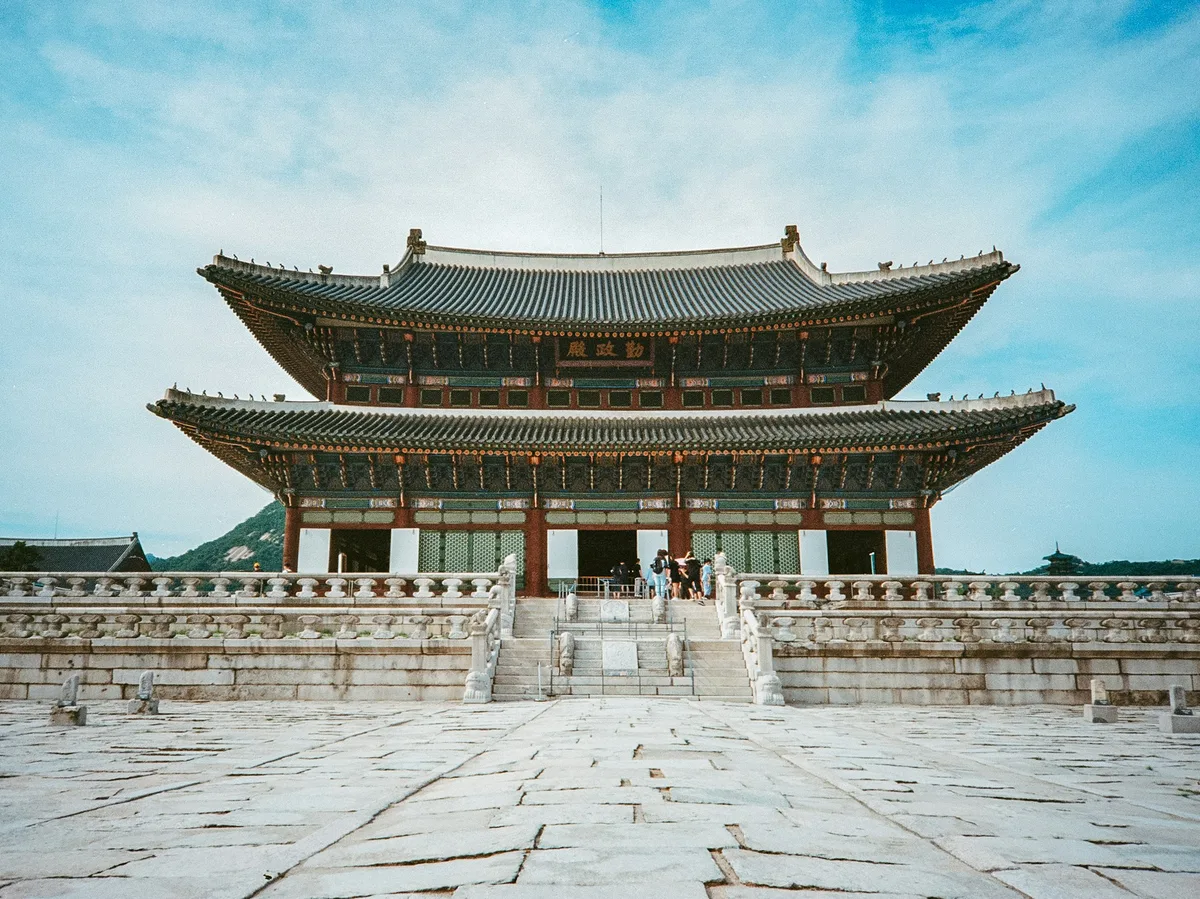
A 9-day South Korea route from Seoul's palaces to Busan's markets and beaches and volcanic Jeju Island, with a private driver and English-speaking guide throughout and high-speed KTX rail and a short domestic flight linking the cities.
 Multi-Day Tours
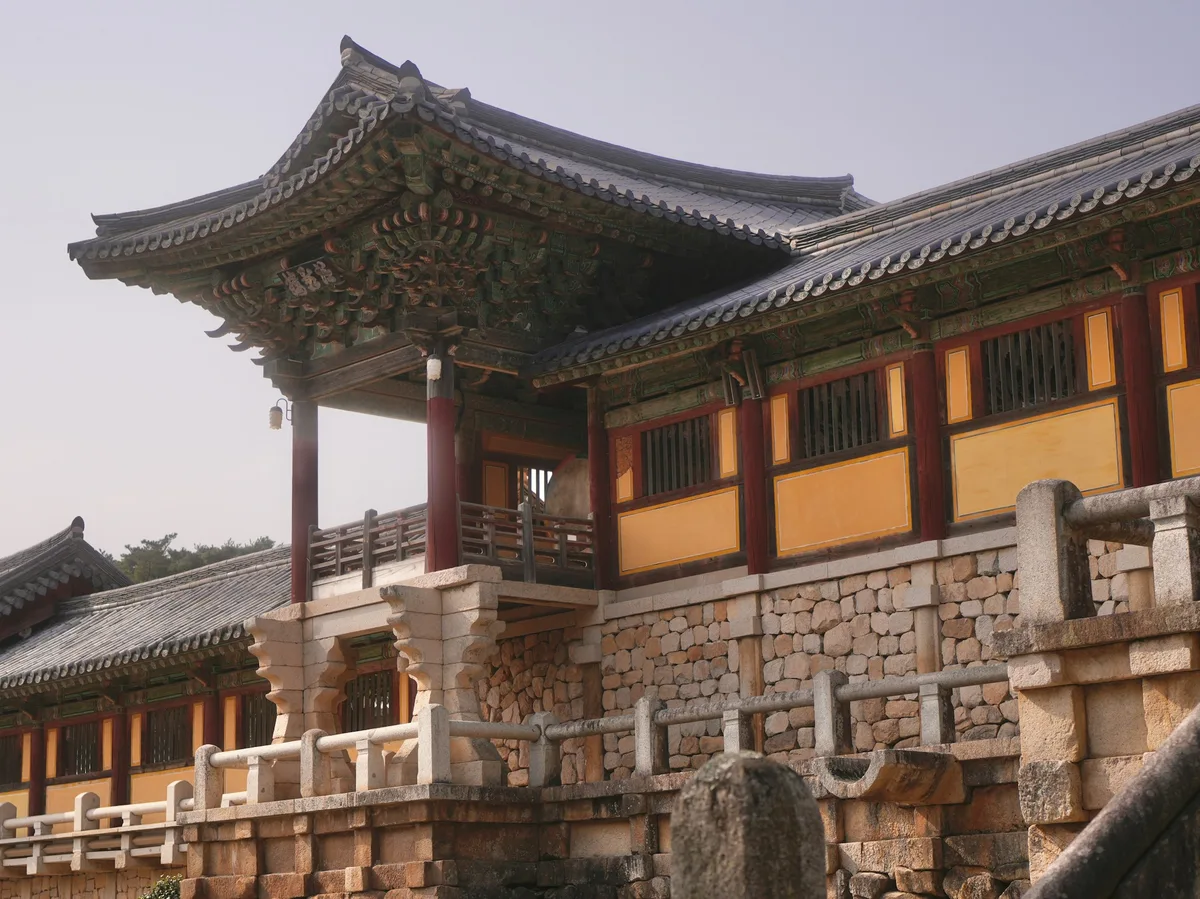
A 14-day South Korea route from Seoul's palaces and the DMZ to the ancient Silla capital of Gyeongju, Busan's markets and beaches, the Suncheon Bay wetlands, and the traditional hanok village of Jeonju, with a private driver-guide throughout.
Visitor guide
Bukchon Hanok Village is a residential neighbourhood in Jongno District, Seoul, known for its many restored traditional Korean houses called hanok. The name Bukchon means north village, because the area lies north of the Cheonggyecheon stream and Jongno. It sits between the palace districts of central Seoul and is still lived in by residents.
According to Wikipedia, the area was traditionally a residential quarter for high-ranking officials and nobility. A family register of 1906 recorded that 43.6 percent of residents belonged to those groups. The neighbourhood includes Wonseo-dong, Jae-dong, Gye-dong, Gahoe-dong and part of Insa-dong, and its nearest subway stop is Anguk station on Line 3. Many of the surviving hanok date from the late 19th and early 20th centuries.
During early colonial rule, Seoul's population grew quickly and housing became scarce, and around the 1920s Japanese settlers increasingly acquired land in Bukchon. The Korean developer Chŏng Segwŏn built much of the present village. Around 1920 he founded Kŏnyangsa, described as the first Korean-owned modern real estate company. He is said to have built hanok rather than Japanese-style buildings, modernised with glass windows and electricity and often smaller than elite homes, which let people on varied incomes move in. After the 1942 Korean Language Society incident he was punished and much of his property was confiscated.
Hanok construction continued at high density until the early 1960s. From the late 1960s, development in Gangnam drew many institutions away from Bukchon. According to the Seoul hanok site, a hanok preservation policy began in earnest after discussion of designating a folk scenery area in 1976, and a fourth-class aesthetic district was designated in 1983, restricting modern construction and limiting building heights. Some rules were eased after resident pushback in 1991 and further relaxed in 1994, which led to more hanok being replaced by multi-storey homes. Policies were revised in 1999 and 2001 to take residents' opinions into account.
About 920 hanok were used for commercial purposes in 2014, and artisan businesses operate in some of them, including a workshop that works with gold leaf on clothing. The resident population was about 8,719 in 2012 and about 6,100 in 2024, while visitor numbers rose from roughly 30,000 in 2007 to about 6.4 million in 2024, according to the article. Between 2018 and 2023 the village's population fell 27.6 percent and resident complaints rose from 56 to 202.
Because people live here, visitor guidance asks guests to keep noise low, avoid littering, keep groups under ten people and respect each home's privacy. Since November 2024, day visitors not staying in local guesthouses have faced entry restrictions during set hours, so it is worth checking current rules before a visit. A small private group with a guide suits the narrow lanes and the neighbourhood's expectations.
Hanok are typically low, tiled-roof wooden houses arranged around courtyards. Walking the slopes allows views of the lanes and rooflines, and with a guide you can learn how the neighbourhood has been shaped by officials, developers and conservation rules.
See every tour and attraction we cover in South Korea.