TorontoOntario · 36 tours
 Niagara FallsOntario · 25 tours
 New York CityNew York · 30 tours
 Las VegasNevada · 8 tours
 San FranciscoCalifornia · 16 tours
 VancouverBritish Columbia · 17 tours
 DubaiUAE · 54 tours
 Abu DhabiUAE · 5 tours
 Buenos AiresArgentina · 23 tours
 AthensGreece · 31 tours
 AucklandNew Zealand · 38 tours
 CancunMexico · 54 tours
No destinations match “”. Try searching all tours instead — that search understands full questions, not just place names.
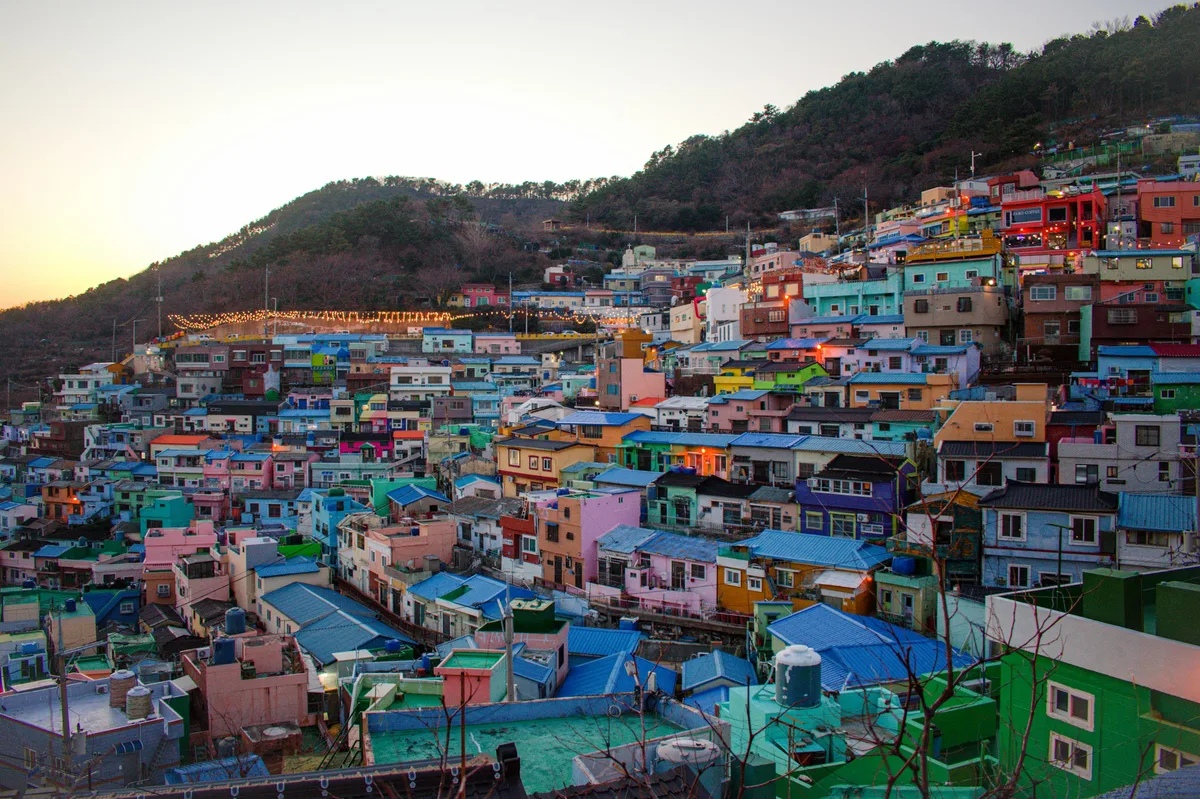
A hillside neighborhood of brightly painted houses and narrow stairways above Busan's harbor, turned into an open-air art village of murals, galleries, and cafes.
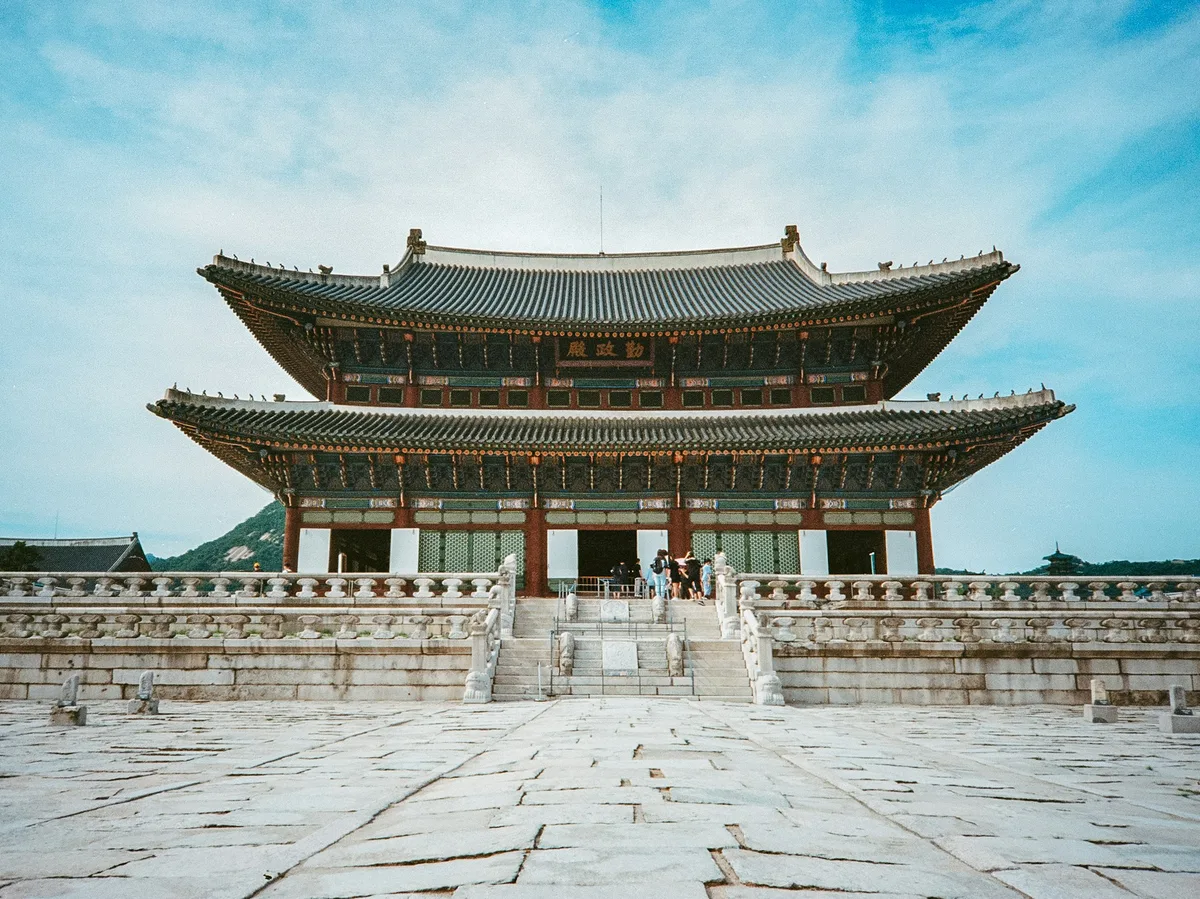 Multi-Day Tours
A 9-day South Korea route from Seoul's palaces to Busan's markets and beaches and volcanic Jeju Island, with a private driver and English-speaking guide throughout and high-speed KTX rail and a short domestic flight linking the cities.
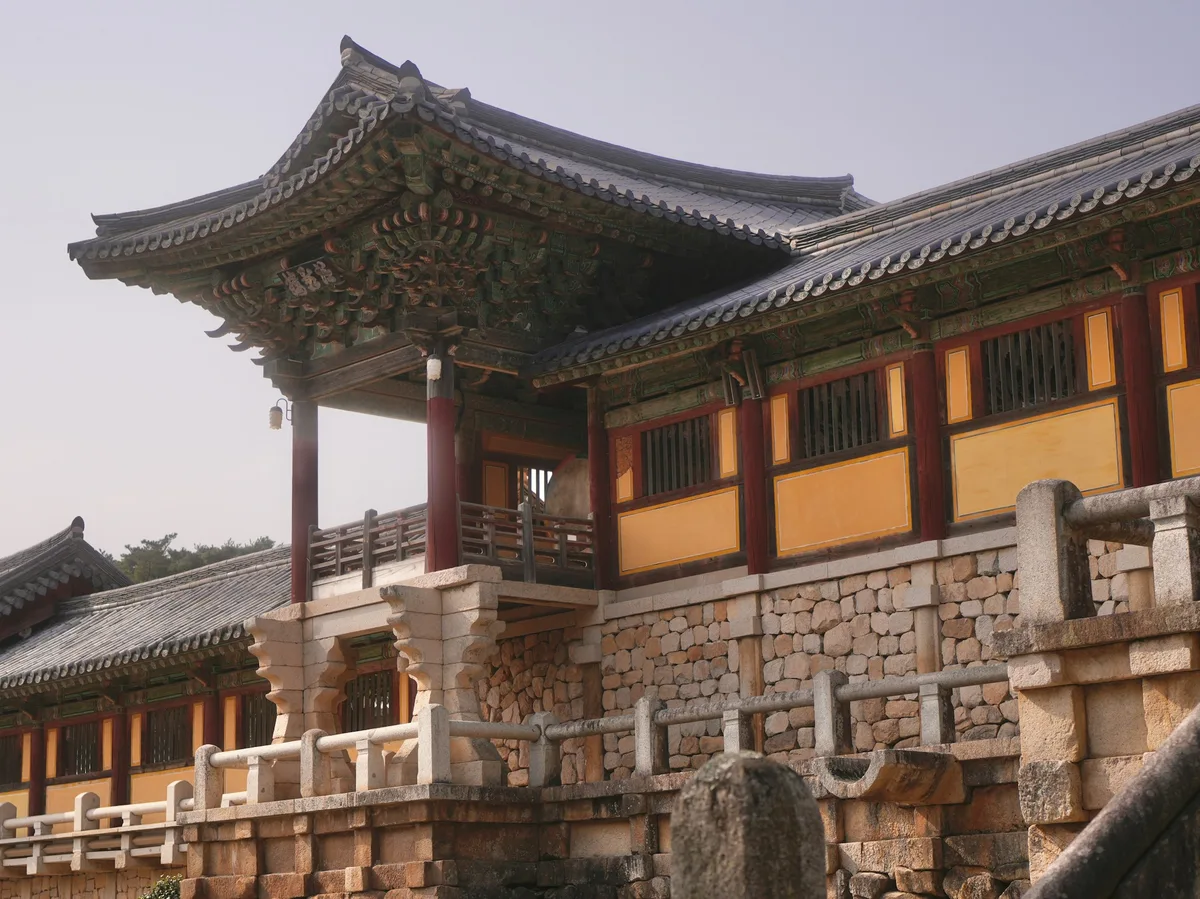 Multi-Day Tours
A 14-day South Korea route from Seoul's palaces and the DMZ to the ancient Silla capital of Gyeongju, Busan's markets and beaches, the Suncheon Bay wetlands, and the traditional hanok village of Jeonju, with a private driver-guide throughout.
Visitor guide
Gamcheon Culture Village is a hillside community in Gamcheon-dong, Saha District, Busan, South Korea, known for brightly painted houses, layered streets and narrow, maze-like alleys. Once a poor neighbourhood, it was reinvented through a public art project and is now one of Busan's most featured tourist sights. It is sometimes nicknamed the Machu Picchu of Busan and Korea's Santorini.
According to Wikipedia, the village was built in the 1920s and 1930s, when Busan's city administration relocated its working-class population to a site secluded from the port but close enough to provide labour. In 1955, during the postwar recovery, around 800 families moved in, and the settlement grew as a community of Taegeukdo, an ascetic religious group that is a branch of Jeungsanism. Poverty and poor living conditions persisted for years. A long-time resident recalled that in the 1970s the houses were all wood, and two-storey houses appeared in the late 1980s and early 1990s as families grew.
The village sits on a steep mountainside, with houses stacked in terraces so that the roofs of one row are close to the doors of the next. Streets follow the slope, and visitors move between levels by stairways and winding lanes.
In 2009 the Ministry of Culture, Sports and Tourism launched a public art-themed renovation to turn the village into a cultural hub. Art students, professional artists and residents were asked to maintain, repair and decorate the village. The Empty House Residency Preservation Project was the high point, bringing infrastructure upgrades, fresh paint, retail and museum spaces, and several dozen art installations. The results include bird sculptures, playful installations resembling the work of Takashi Murakami, scenes from The Little Prince, and painted schools of fish that guide visitors through the alleys.
The article reports that the village drew about 1.4 million visitors in 2015. An estimated 300 local houses were empty as of that year, and many have been converted into galleries, museums and shops. Residents have mixed views of the change. Some took part in the renovation and the tourism effort, while others moved away, sometimes with difficulty selling their homes. This is a reminder that the village remains a living neighbourhood, and visitors are asked to be considerate of residents as they explore.
The pattern of the village is part of its appeal. Houses were built in terraces on a steep slope, and the later art project worked with that arrangement rather than against it, using painted fish and other markers to lead visitors along the alleys. Because several dozen installations are spread through the lanes, the experience is one of finding artworks gradually while moving between viewpoints that open across the harbour side of the hill.
Wikipedia also records that houses once made entirely of wood gave way to two-storey buildings in the late 1980s and early 1990s, so the village shows several layers of building history side by side.
The streets are steep, with many stairs, so comfortable footwear is useful. A private guided visit can help with orientation among the alleys and with understanding how the art project grew out of the neighbourhood's history. Because the hillside is exposed, warm or wet weather can make the climbs more tiring, and it is worth pacing the visit accordingly.
See every tour and attraction we cover in South Korea.