TorontoOntario · 36 tours
 Niagara FallsOntario · 25 tours
 New York CityNew York · 30 tours
 Las VegasNevada · 8 tours
 San FranciscoCalifornia · 16 tours
 VancouverBritish Columbia · 17 tours
 DubaiUAE · 54 tours
 Abu DhabiUAE · 5 tours
 Buenos AiresArgentina · 23 tours
 AthensGreece · 31 tours
 AucklandNew Zealand · 38 tours
 CancunMexico · 54 tours
No destinations match “”. Try searching all tours instead — that search understands full questions, not just place names.
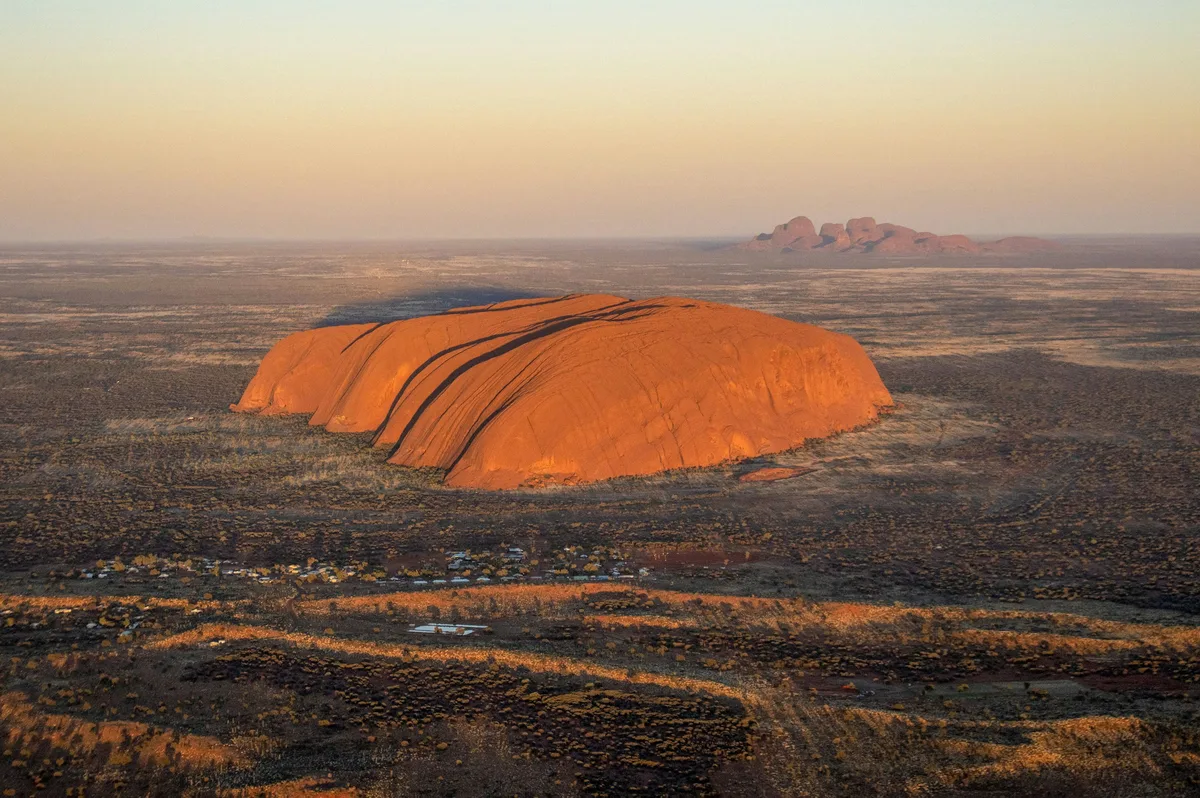
A World Heritage-listed site at the heart of the Red Centre, home to the monolith Uluru and the 36 domes of Kata Tjuta, both sacred to the local Anangu Aboriginal people.
 Multi-Day Tours
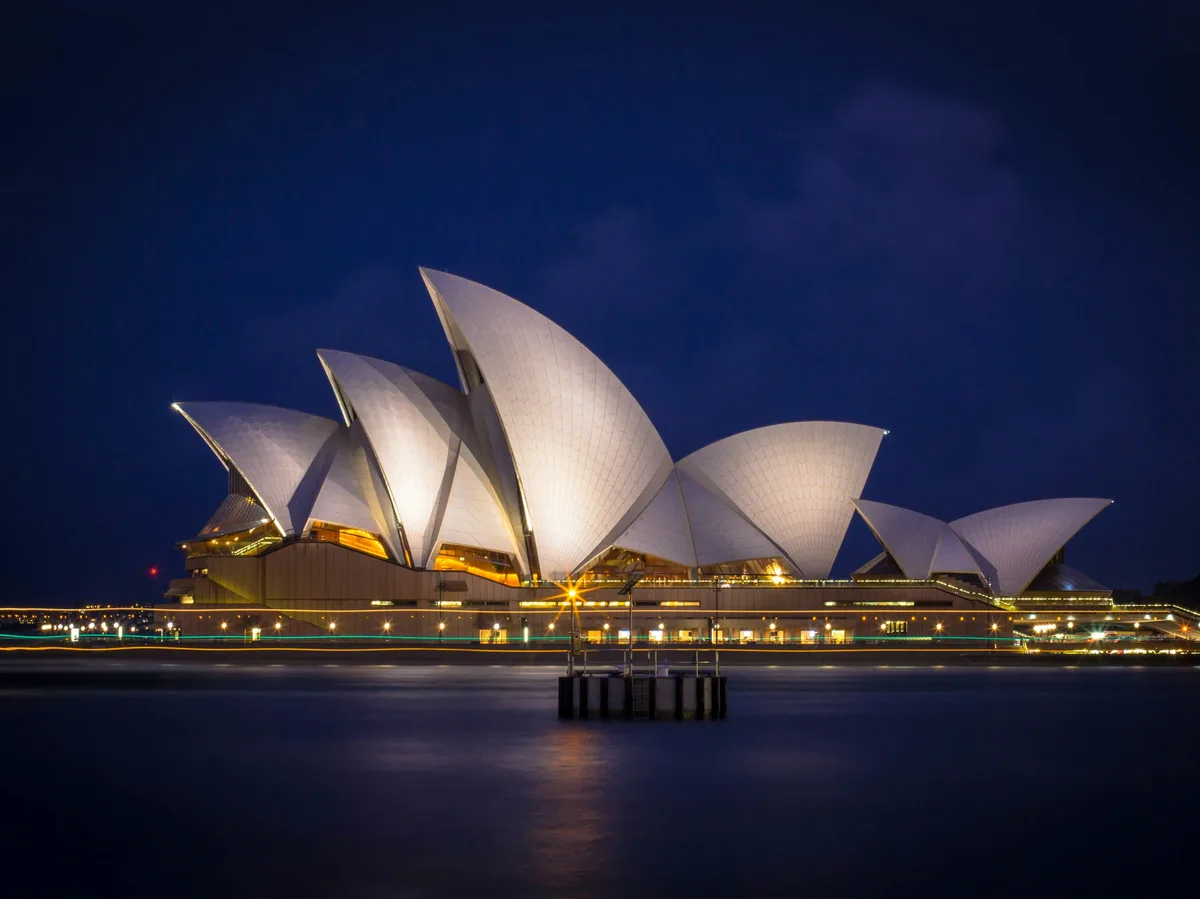
A 9-day private circuit through Australia's icons — Sydney Harbour Bridge and the Blue Mountains, sunset over Uluru in the Red Centre, and snorkeling the Great Barrier Reef from Port Douglas.
 Multi-Day Tours Popular Pick
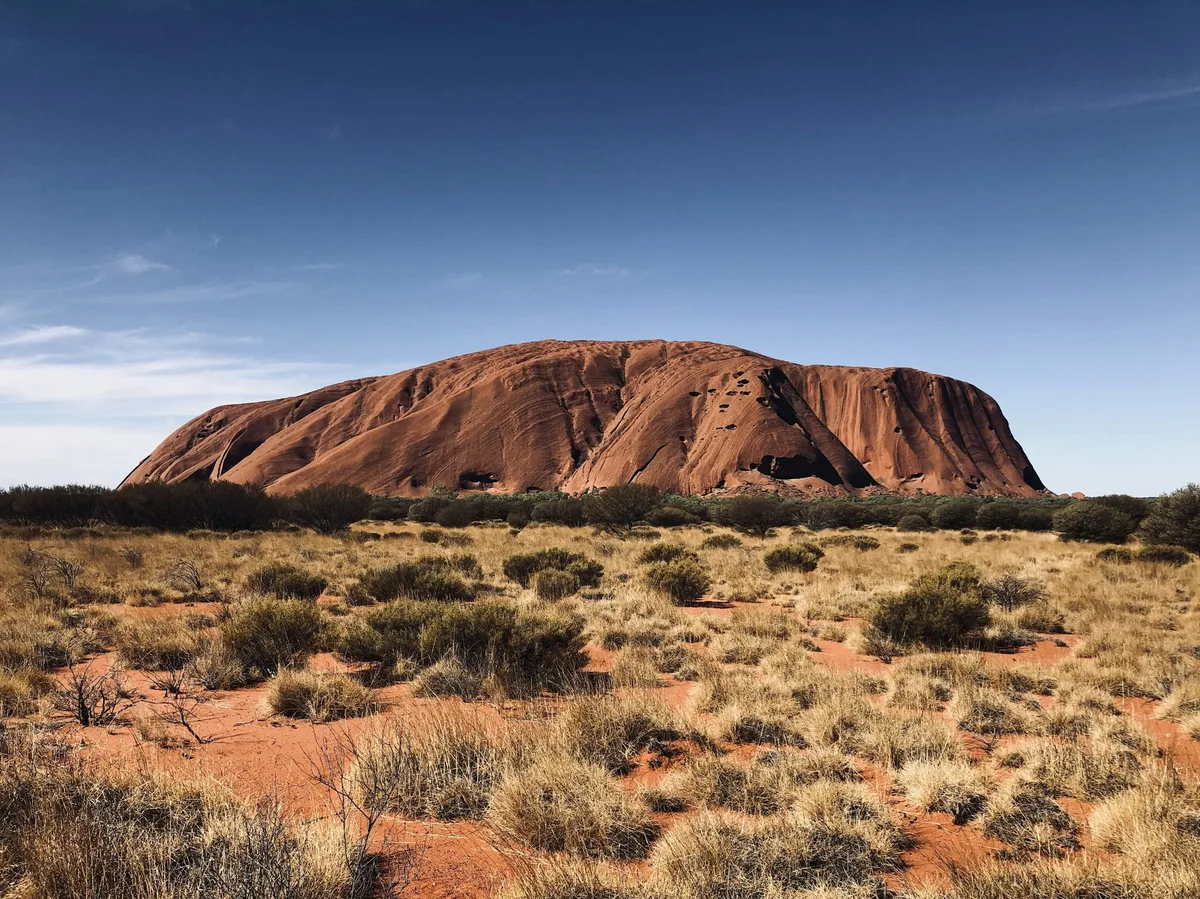
An 18-day private journey across the continent — Melbourne and the Great Ocean Road, Kangaroo Island's wildlife, the Great Barrier Reef and Kakadu National Park, Uluru's Red Centre, and Sydney's icons.
 Multi-Day Tours
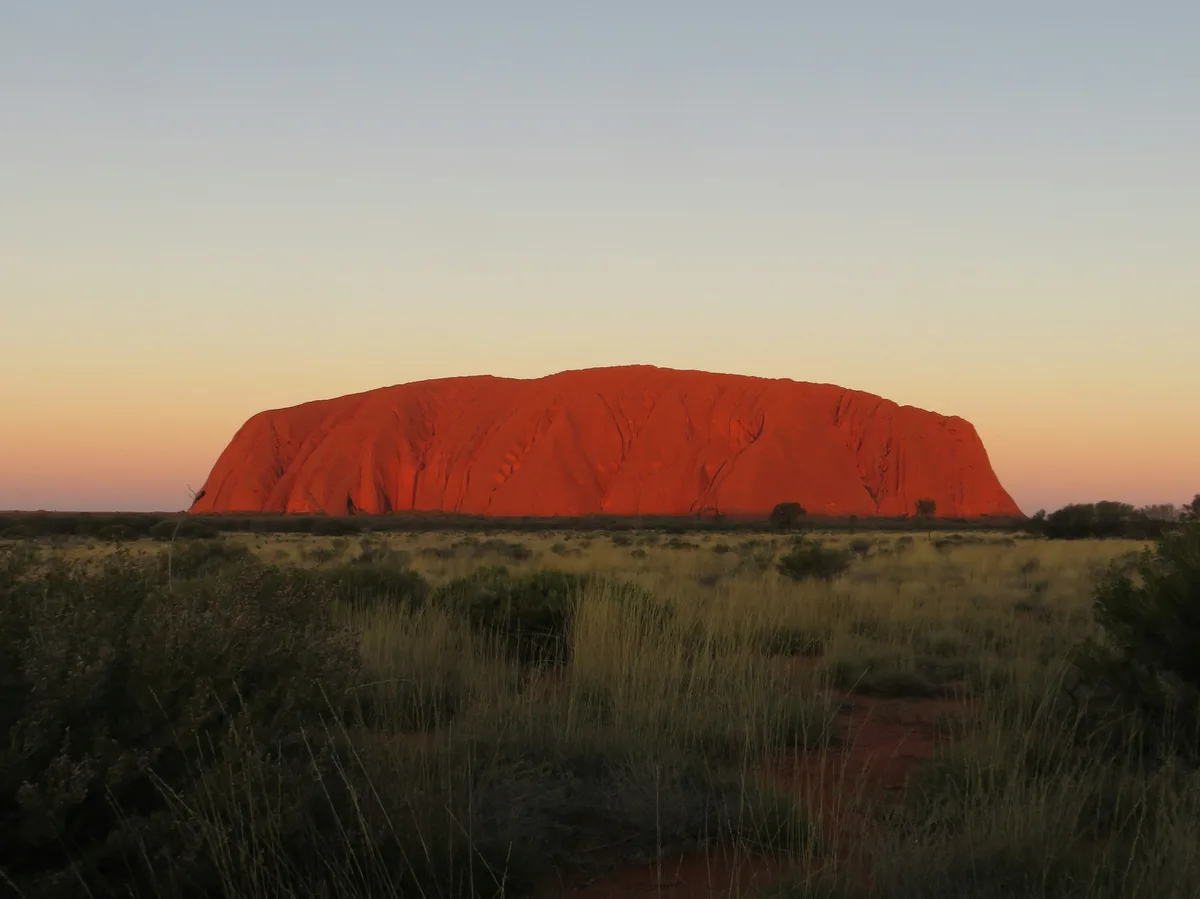
A 12-day private circuit blending Melbourne's food scene and the Great Ocean Road with Aboriginal cultural experiences in the Daintree, snorkeling the Great Barrier Reef, sunrise at Uluru, and a Hunter Valley wine day from Sydney.
Visitor guide
Uluru-Kata Tjuta National Park is a World Heritage-listed protected area in the Northern Territory of Australia, in the arid heart of the continent known as the Red Centre. It protects the great sandstone monolith Uluru and the 36 conglomerate domes of Kata Tjuta, both of which are sacred to the Anangu, the Aboriginal traditional owners of the land.
According to Wikipedia, an earlier Ayers Rock National Park was recognised in 1950, and in 1958 Kata Tjuta was added to create Ayers Rock-Mount Olga National Park. The park sits roughly 440 km southwest of Alice Springs, and Wikipedia gives its area as about 1,326 square kilometres, though its infobox lists a slightly higher figure. In 1976 the Aboriginal Land Rights (Northern Territory) Act was passed, and on 26 October 1985 the traditional owners were handed freehold title to the land, which they then leased back to the national parks authority for 99 years.
Since then the park has been run as a joint management arrangement between Anangu and Parks Australia. Visitor accommodation, which once stood close to the rock, was progressively moved out of the park to the purpose-planned township of Yulara, and the in-park campground and motels had closed by the mid-1980s.
Uluru rises about 348 metres above the surrounding plain, and Wikipedia notes that most of its mass lies below ground. It is a relict of arkose, a coarse, mineral-rich sandstone. Kata Tjuta lies roughly 30 to 40 km to the west (UNESCO gives about 32 km) and is made up of 36 domes of conglomerate, a rock in which cobbles and boulders, including granite and basalt, are cemented into a sandstone matrix. Water erosion has carved the gorges and crevasses between the domes. Wikipedia gives ages of roughly 350 to 500 million years for the formations, although the page itself notes that its figures are not fully consistent, so these are best treated as approximate.
The colour of Uluru is famously changeable, shifting through ochre, orange and deep red as the light changes between dawn and dusk. The base of both formations is surprisingly green and varied, with moist pockets where rare ferns grow and waterholes that persist long after rain.
Anangu hold that their culture was created at the beginning of time by ancestral beings, and that Uluru and Kata Tjuta are physical evidence of those beings' deeds. This body of law, story and ethics is known as Tjukurpa. Kata Tjuta in particular is associated with powerful knowledge that is considered suitable only for initiated men. The park's Cultural Centre, designed by Gregory Burgess, introduces Tjukurpa, Anangu art, history and the joint management of the park, and the Maruku Arts and Walkatjara Art Centre showcase work by local artists.
Climbing Uluru was the traditional route of the Mala men and was never something Anangu did for recreation. The park board voted unanimously in November 2017 to close the climb, and the ban took effect in October 2019. Today visitors experience the rock on foot at its base, along walks such as the Base Walk, the Liru Walk, the Mala Walk and the Kuniya Walk, and at Kata Tjuta on the Valley of the Winds walk, which has two lookout points.
The park is a UNESCO Biosphere Reserve and was inscribed on the World Heritage List in 1987, with an extension in 1994, under both natural criteria (vii and viii) and cultural criteria (v and vi). Wikipedia reports at least 73 reptile species, several bat species, and desert birds such as the pied butcherbird and crimson chat, along with rare mammals such as the mulgara. Frogs become abundant after summer rains.
The desert climate is one of extremes: summer temperatures can reach about 45 degrees Celsius, while winter nights can fall to around minus 5. Anangu recognise six seasons rather than four, including a hot season around October and November. Because of the heat, a private guided visit, with the day shaped around cooler early and late hours, suits the park well.
See every tour and attraction we cover in Australia.