TorontoOntario · 36 tours
 Niagara FallsOntario · 25 tours
 New York CityNew York · 30 tours
 Las VegasNevada · 8 tours
 San FranciscoCalifornia · 16 tours
 VancouverBritish Columbia · 17 tours
 DubaiUAE · 54 tours
 Abu DhabiUAE · 5 tours
 Buenos AiresArgentina · 23 tours
 AthensGreece · 31 tours
 AucklandNew Zealand · 38 tours
 CancunMexico · 54 tours
No destinations match “”. Try searching all tours instead — that search understands full questions, not just place names.
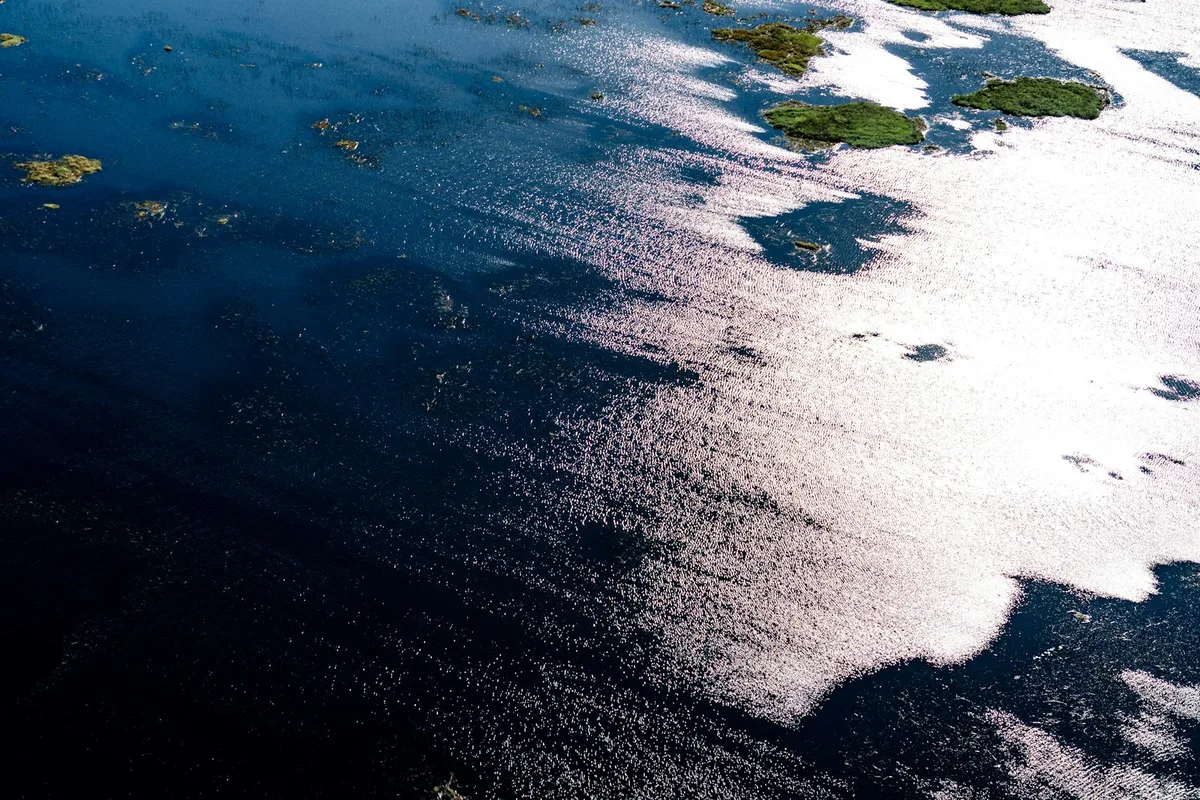
Australia's largest national park, in the Northern Territory, spanning wetlands, sandstone escarpments and Aboriginal rock art sites some of which date back tens of thousands of years.
Visitor guide
Kakadu National Park is a large World Heritage-listed national park in the Northern Territory of Australia, about 171 km southeast of Darwin. It protects floodplains, wetlands, sandstone escarpments and one of the world's richest collections of Aboriginal rock art, and it is jointly managed by its Aboriginal traditional owners and Parks Australia.
Wikipedia gives the area of Kakadu as 19,804 square kilometres, extending about 200 km north to south and more than 100 km east to west. It describes it as Australia's second-largest national park. The park takes in six main landforms, from the plateau and escarpment known as stone country to lowlands, floodplains and tidal flats. The Arnhem Land escarpment rises about 330 metres above the plateau and extends for roughly 500 km, and four major river systems, the East Alligator, West Alligator, Wildman and South Alligator, drain the area. Jim Jim Falls is described as the largest waterfall in the park.
The year here is divided differently from the temperate calendar. The common description is a dry season from roughly April or May to September and a wet season from January to March or April, with a build-up between them. The Bininj and Mungguy people recognise six seasons, with names such as Kunumeleng and Wurrkeng, each marked by changes in plants, animals and weather.
Aboriginal people have occupied this country for around 60,000 years according to Wikipedia, and the traditional owners include the Kundjeyhmi, Kunwinjku and Jawoyn peoples. The park's rock art, called kunbim locally, is its cultural centrepiece. The major sites are Ubirr, Burrunguy (Nourlangie Rock) and Nanguluwur. Ubirr's paintings depict fish, turtles and other food animals, and Nanguluwur includes a contact art image of a sailing ship. Some of the paintings are believed to be up to 20,000 years old, and others are far younger.
Joint management is central to how the park works. The Kakadu Board of Management was established in 1989 and has an Aboriginal majority. Wikipedia records that on 24 March 2022 nearly half the park was formally handed back to traditional owners, and the park is run in partnership with the Director of National Parks.
Kakadu supports exceptional biodiversity. Wikipedia reports more than 280 bird species, about one third of Australia's total, along with roughly 117 reptile species, including freshwater and saltwater crocodiles, 25 frog species, more than 53 freshwater fish species and over 1,600 plant species. Saltwater crocodiles can exceed 6 metres in length. Yellow Water Billabong, reached from Cooinda, is known for wildlife cruises, and the Mamukala Wetlands and Anbangbang Billabong are also noted for wildlife viewing. Kakadu's wetlands were designated a Ramsar site on 6 December 1980.
Kakadu was proclaimed in stages between 1979 and 1991. The first stage was added to the World Heritage List in 1981, with extensions in 1987 and 1992. It is listed under both cultural criteria (i and vi) and natural criteria (vii, ix and x), which reflects its status as a living cultural landscape as well as an ecological one.
European history here is relatively recent. Wikipedia notes that Phillip Parker King surveyed the coast in 1818 and named the Alligator Rivers after the crocodiles he saw, Ludwig Leichhardt was the first European land explorer to visit in 1845, and the Oenpelli Mission operated for about 50 years from 1925. Uranium was discovered in 1953, and the Ranger mine operated for decades before closing in January 2021. In 1991 a proposal for gold mining at Coronation Hill was vetoed by Prime Minister Bob Hawke.
Because of the distances involved and the seasonal flooding that can close roads, a private guided visit helps in planning which sites are reachable and when. Visits usually combine rock art galleries, a wetland cruise and one or more escarpment lookouts.
See every tour and attraction we cover in Australia.