TorontoOntario · 36 tours
 Niagara FallsOntario · 25 tours
 New York CityNew York · 30 tours
 Las VegasNevada · 8 tours
 San FranciscoCalifornia · 16 tours
 VancouverBritish Columbia · 17 tours
 DubaiUAE · 54 tours
 Abu DhabiUAE · 5 tours
 Buenos AiresArgentina · 23 tours
 AthensGreece · 31 tours
 AucklandNew Zealand · 38 tours
 CancunMexico · 54 tours
No destinations match “”. Try searching all tours instead — that search understands full questions, not just place names.
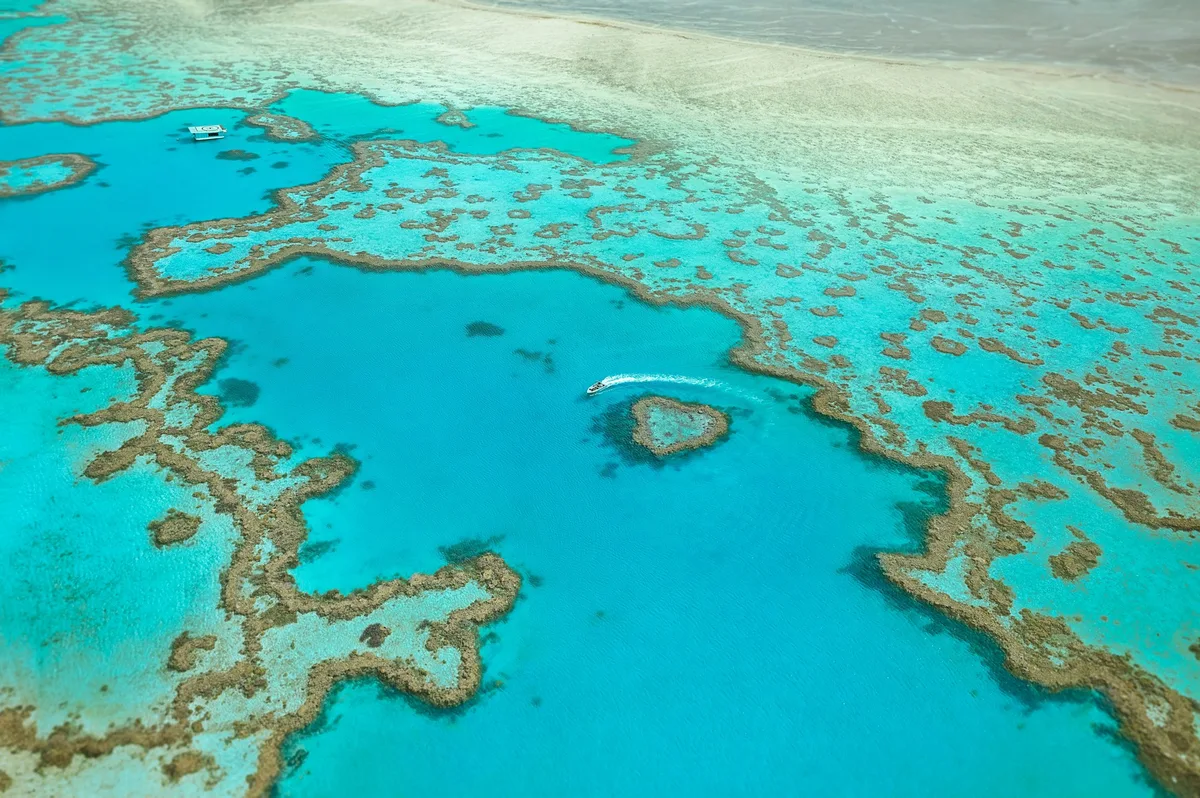
The world's largest coral reef system, made up of almost 3,000 individual reefs plus islands and coral cays off the Queensland coast — snorkel or dive among vibrant marine life on a day trip from Cairns, Port Douglas, or Lady Elliot Island.
 Multi-Day Tours
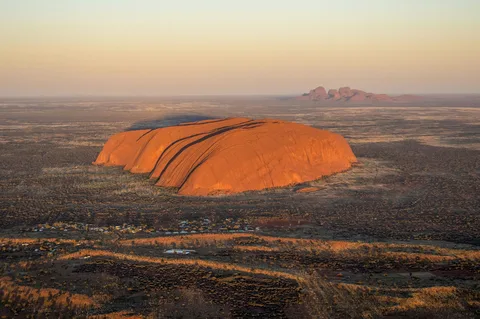
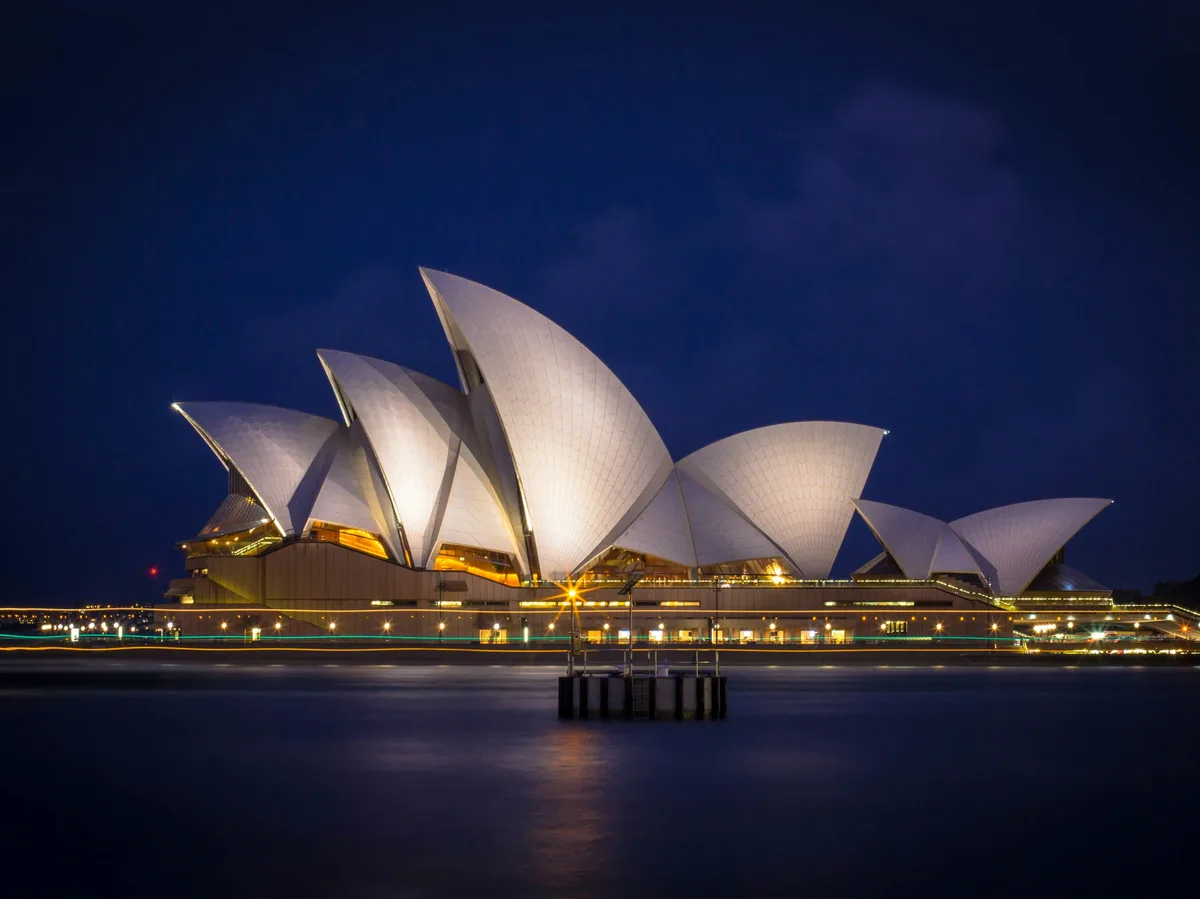
A 9-day private circuit through Australia's icons — Sydney Harbour Bridge and the Blue Mountains, sunset over Uluru in the Red Centre, and snorkeling the Great Barrier Reef from Port Douglas.
 Multi-Day Tours Popular Pick
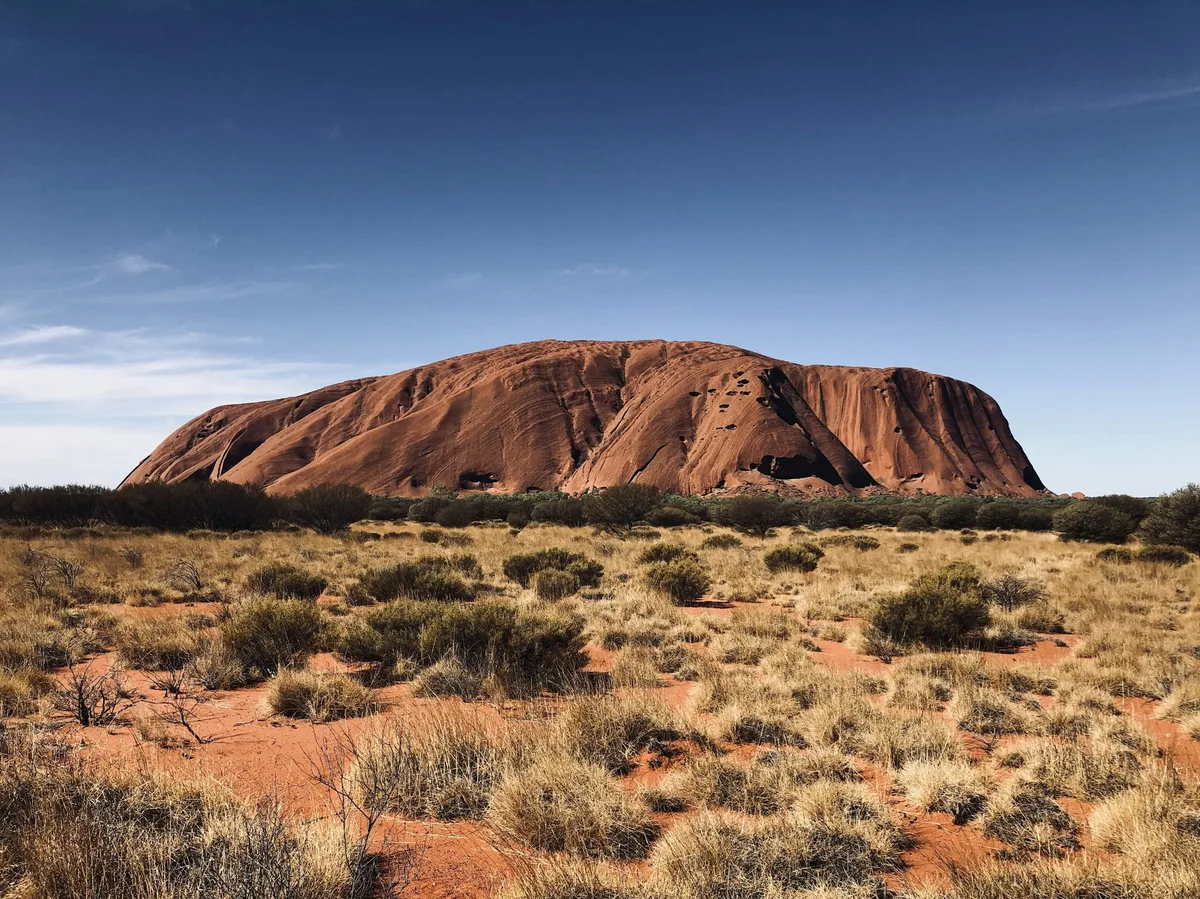
An 18-day private journey across the continent — Melbourne and the Great Ocean Road, Kangaroo Island's wildlife, the Great Barrier Reef and Kakadu National Park, Uluru's Red Centre, and Sydney's icons.
 Multi-Day Tours
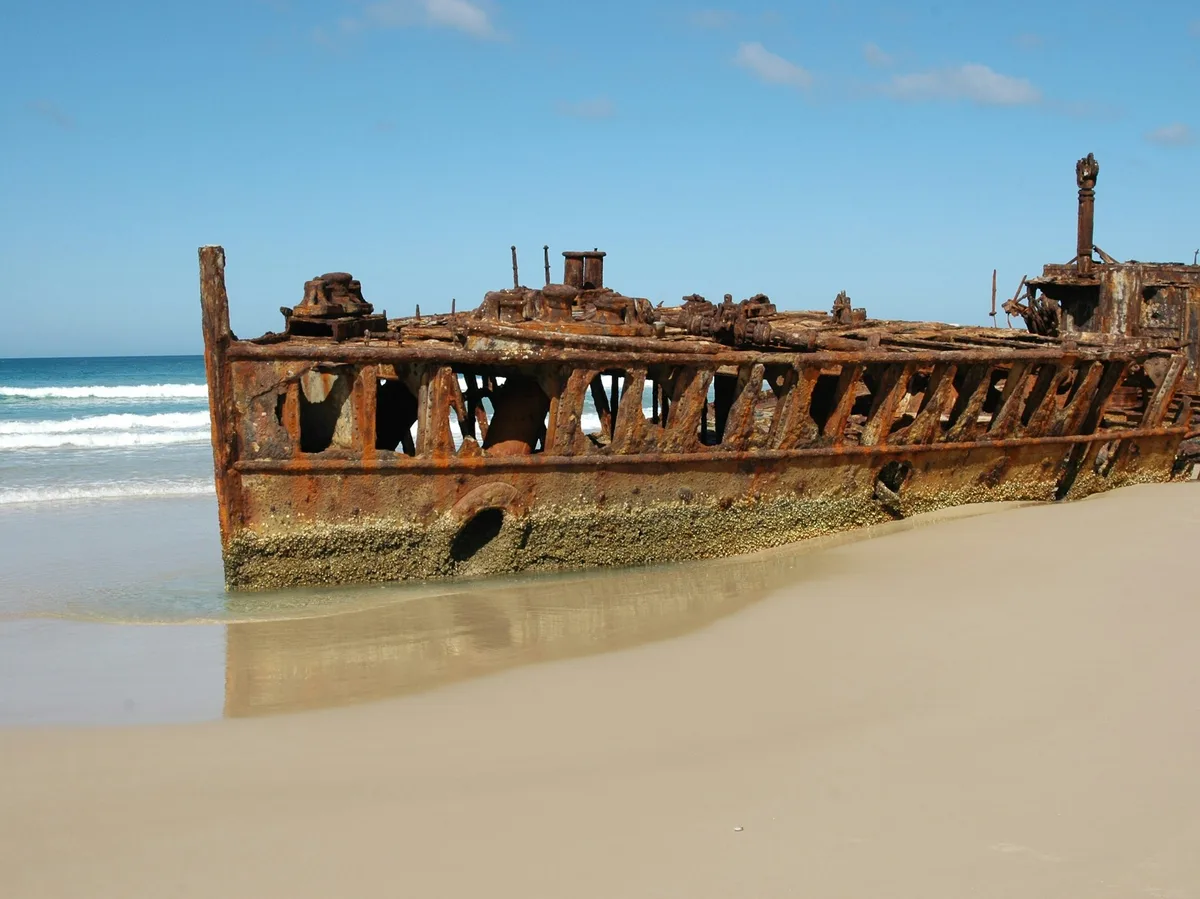
A 22-day private journey up Australia's east coast — Brisbane, Fraser Island, the Whitsundays, Magnetic Island, Port Douglas and the Great Barrier Reef, the Daintree Rainforest, and a finish in Sydney.
 Multi-Day Tours
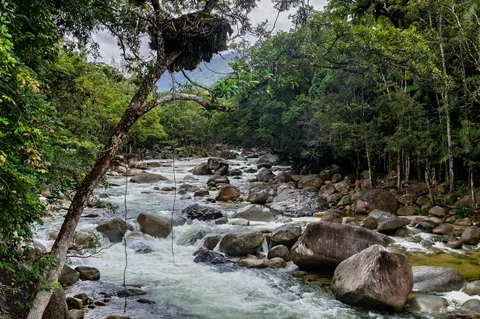
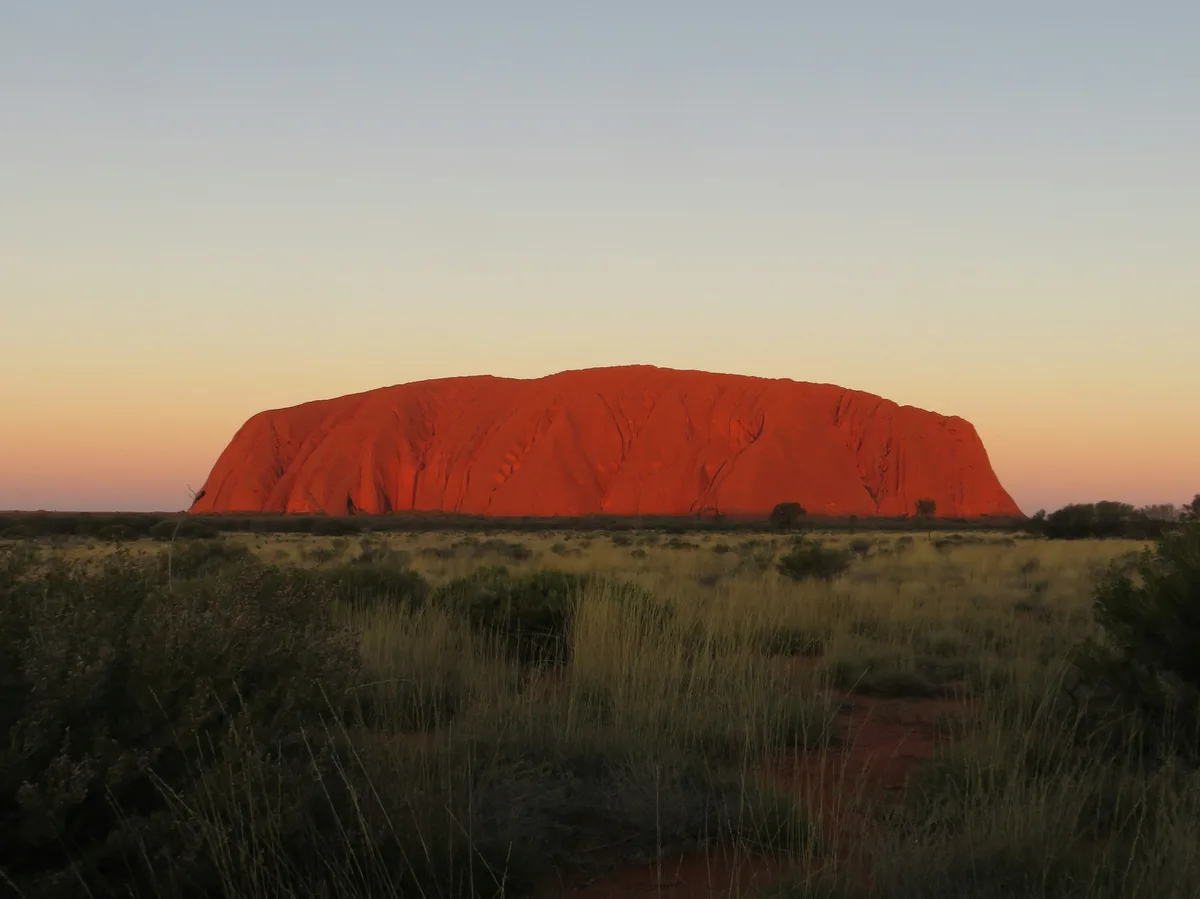
A 12-day private circuit blending Melbourne's food scene and the Great Ocean Road with Aboriginal cultural experiences in the Daintree, snorkeling the Great Barrier Reef, sunrise at Uluru, and a Hunter Valley wine day from Sydney.
 Multi-Day Tours
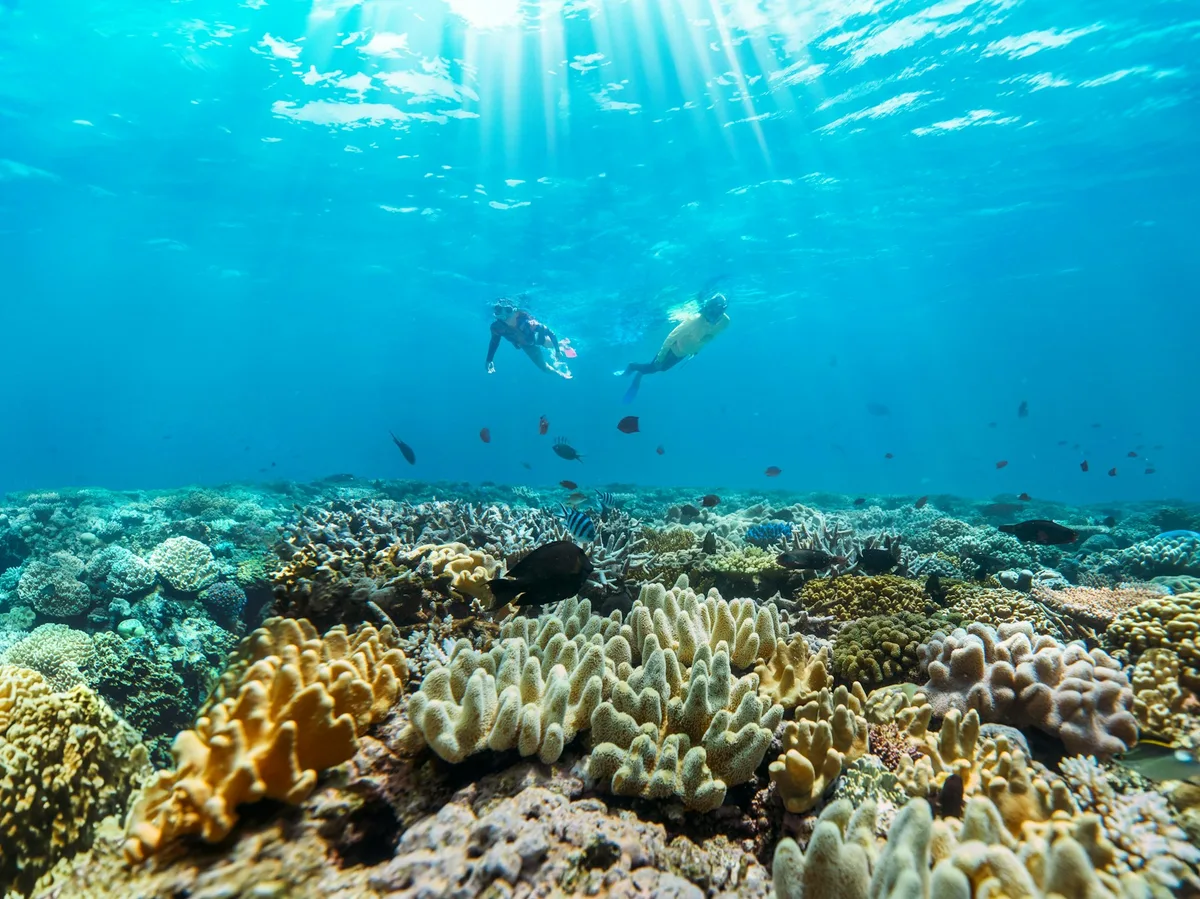
A 16-day private journey from Melbourne and the Great Ocean Road to Queensland's Sunshine Coast, Fraser Island, and Lady Elliot Island for manta ray snorkeling on the Great Barrier Reef, finishing with Sydney Harbour.
Visitor guide
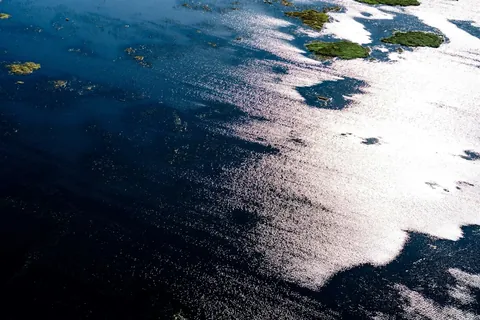
The Great Barrier Reef is a vast coral reef system in the Coral Sea off the coast of Queensland, Australia. According to Wikipedia it comprises close to 3,000 individual reefs (counts vary by source) and around 900 islands, and it is a UNESCO World Heritage Site. Day trips run to the outer reef from gateways such as Cairns and Port Douglas, and to the Whitsundays and Lady Elliot Island further south.
Wikipedia describes the Great Barrier Reef as stretching more than 2,300 km and covering about 344,400 square kilometres. It runs from the Torres Strait in the north to the passage between Lady Elliot Island and Fraser Island in the south, and it is separated from the mainland by a channel of varying width that can reach about 160 km. The shallow reef area is much smaller than the whole region, at roughly 20,679 square kilometres. The system has no atolls, and it is divided into 70 bioregions, 30 of them reef bioregions.
The living reef is thought to have begun growing roughly 6,000 to 9,000 years ago, depending on the estimate, on top of older limestone platforms. Reefs are described as growing a few centimetres across per year and up to about 25 centimetres vertically in the right conditions, but only in the shallow, sunlit water above roughly 150 metres.
The biodiversity recorded here is extraordinary. Wikipedia reports more than 1,500 fish species, about 400 coral species, close to 5,000 mollusc species, roughly 125 species of sharks, rays and related fish, and 17 species of sea snake. Thirty species of whales, dolphins and porpoises have been recorded, and the region supports large populations of dugong. Six species of sea turtle breed on the reef, and about 215 bird species have been recorded, with more than a million birds breeding on its islands and cays.
Aboriginal Australians have lived along this coast for at least 40,000 years according to Wikipedia, and Torres Strait Islanders for about 10,000 years. Around 70 clan groups maintain cultural and spiritual ties to the reef, so it is both a natural and a cultural landscape. European contact included the voyage of James Cook, whose ship HMS Endeavour ran aground on the reef on 11 June 1770 and needed about seven weeks of repairs. Matthew Flinders later mapped the area and gave the reef its name in 1802. More than 1,600 shipwrecks are known in the wider region.
The reef was inscribed on the World Heritage List in 1981 under all four natural criteria (vii, viii, ix and x). The Great Barrier Reef Marine Park was created in 1975 and is managed by the Great Barrier Reef Marine Park Authority together with the Queensland government through zoning, permits and management plans. A rezoning in 2004 increased the highly protected zones from 4.5 percent to more than a third of the park, according to Wikipedia.
The reef also faces pressures that are well documented. Wikipedia identifies climate change and warming oceans as the most serious, with mass coral bleaching events recorded in several years including 1998, 2002, 2016, 2017 and 2020. Farm runoff, crown-of-thorns starfish outbreaks and coastal development are also listed as stresses. Conditions vary considerably from reef to reef and season to season, so a guide with local knowledge is valuable when choosing where to snorkel or dive.
Tourism, concentrated around the Whitsunday Islands and Cairns, is a major part of the regional economy. Visitors typically reach the reef by boat, helicopter or seaplane, then snorkel, dive or view the coral from a glass-bottom boat. A private tour arrangement can help link the reef experience with the rainforest and coastal scenery of the surrounding region.
See every tour and attraction we cover in Australia.