TorontoOntario · 36 tours
 Niagara FallsOntario · 25 tours
 New York CityNew York · 30 tours
 Las VegasNevada · 8 tours
 San FranciscoCalifornia · 16 tours
 VancouverBritish Columbia · 17 tours
 DubaiUAE · 54 tours
 Abu DhabiUAE · 5 tours
 Buenos AiresArgentina · 23 tours
 AthensGreece · 31 tours
 AucklandNew Zealand · 38 tours
 CancunMexico · 54 tours
No destinations match “”. Try searching all tours instead — that search understands full questions, not just place names.
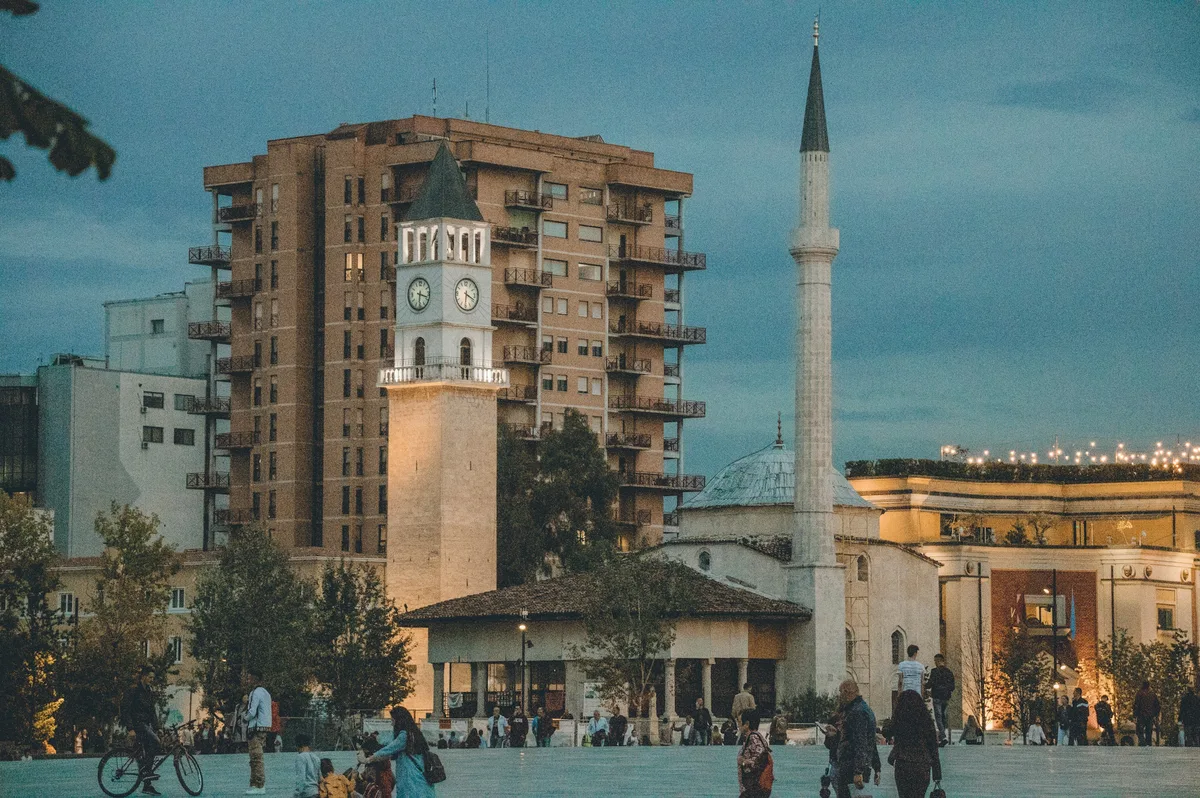
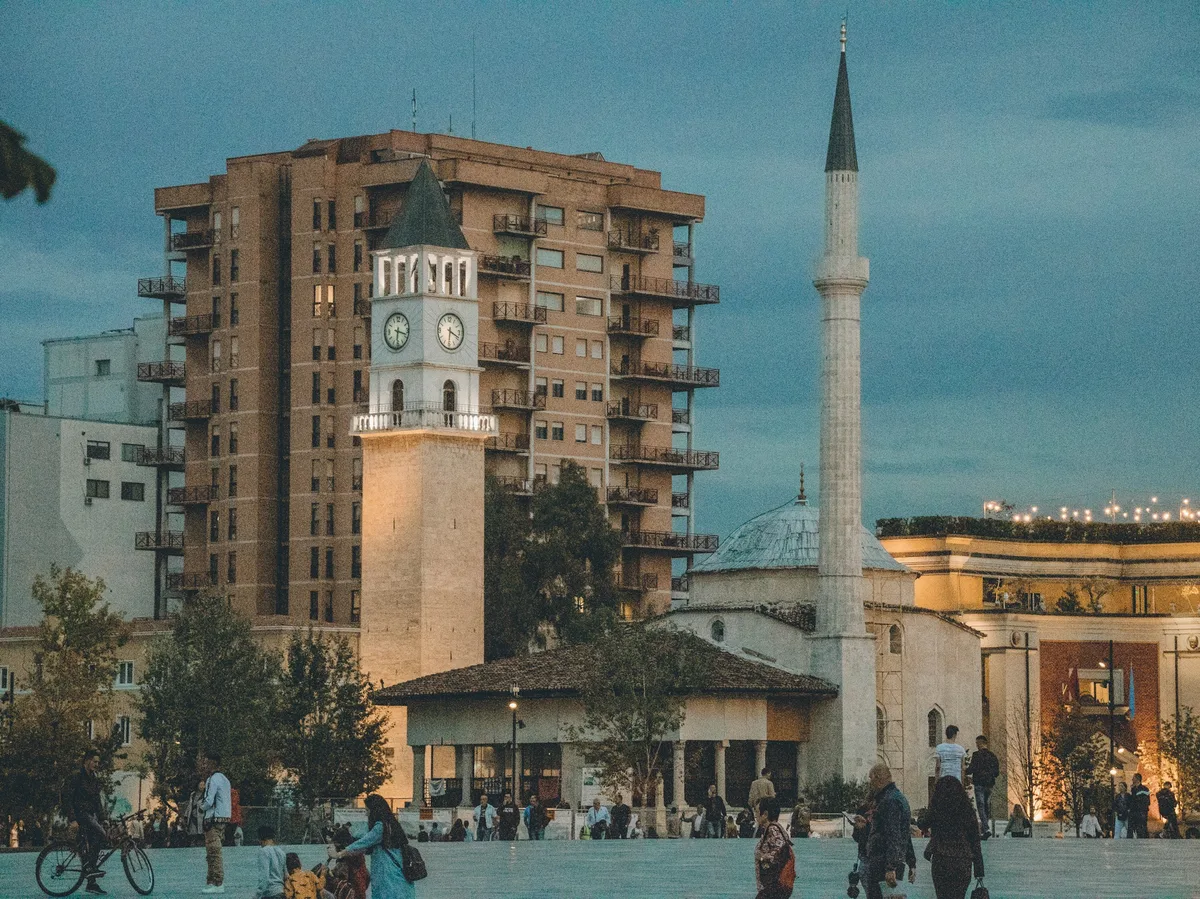
Tirana's central square, anchored by the 19th-century Clock Tower and the Et'hem Bey Mosque, and ringed by the city's museums and government buildings.
 Multi-Day Tours
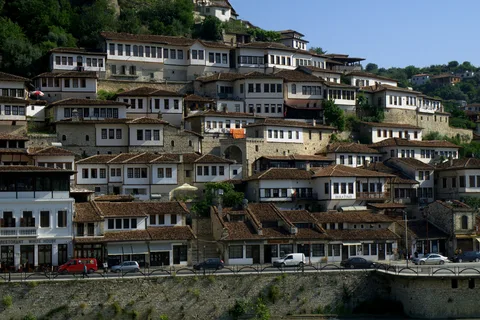
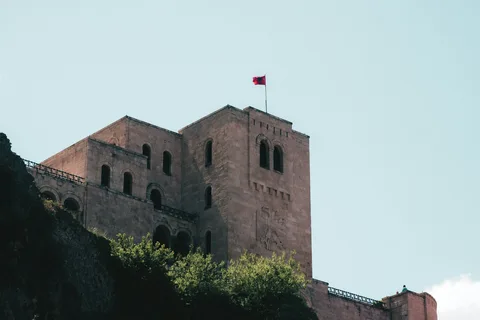
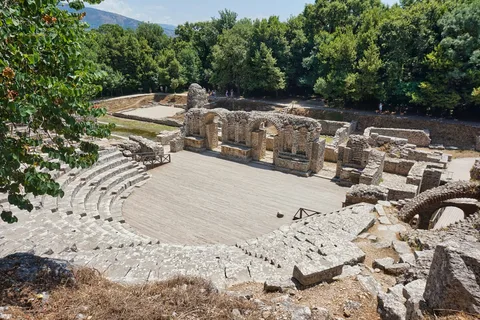
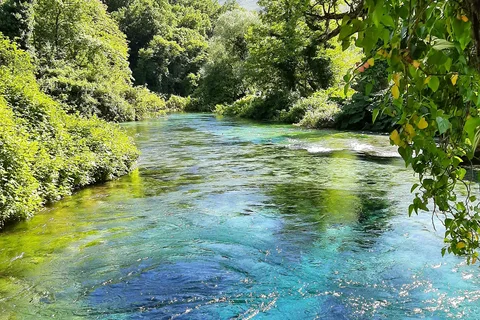
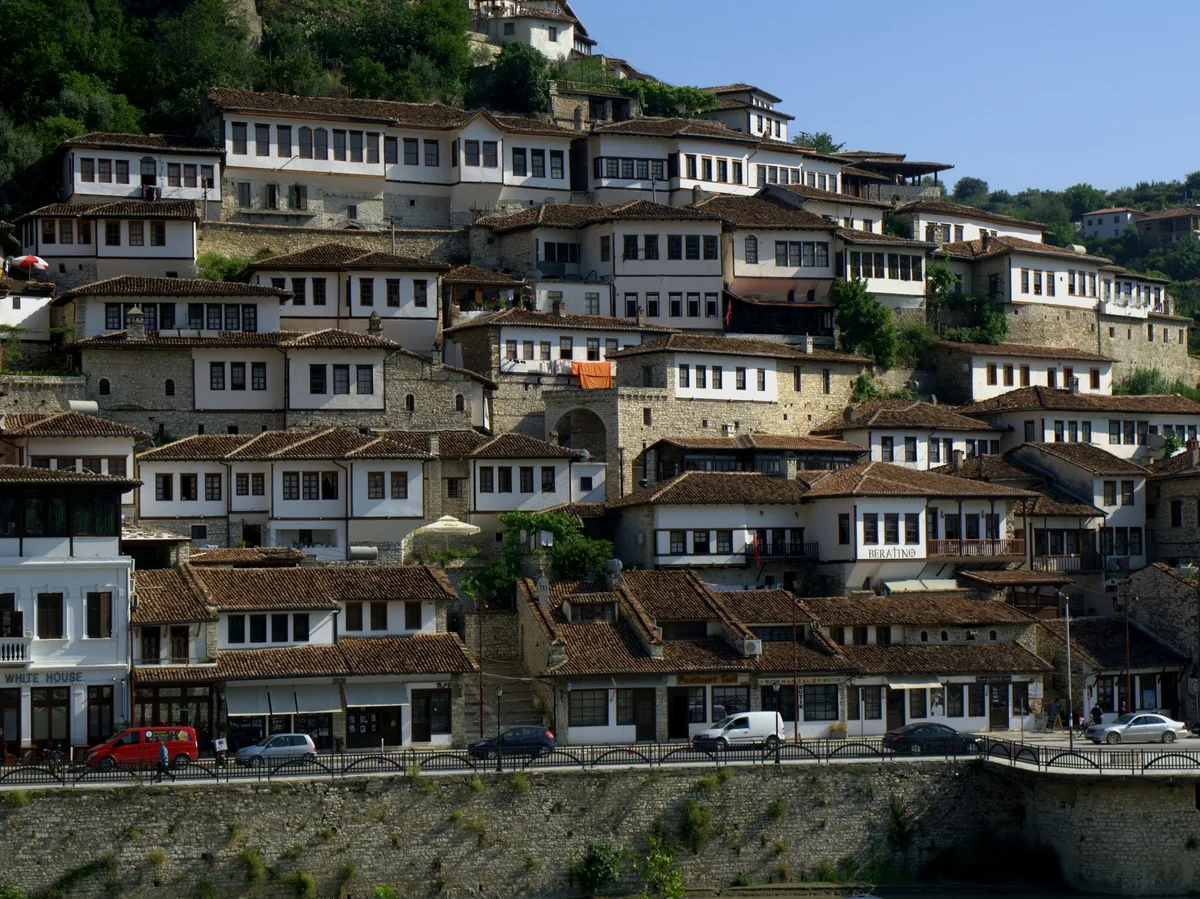
An 8-day private tour from Tirana through Ottoman Berat, the Vjosa River, ancient Butrint, and the Albanian Riviera's coastline to Kruje.
 Multi-Day Tours
An 8-day private tour from Tirana through the Karavasta Lagoon, ancient Apollonia, the Albanian Riviera, and Ottoman Gjirokastra and Berat, with a cooking class and canyon adventure along the way.
 Multi-Day Tours
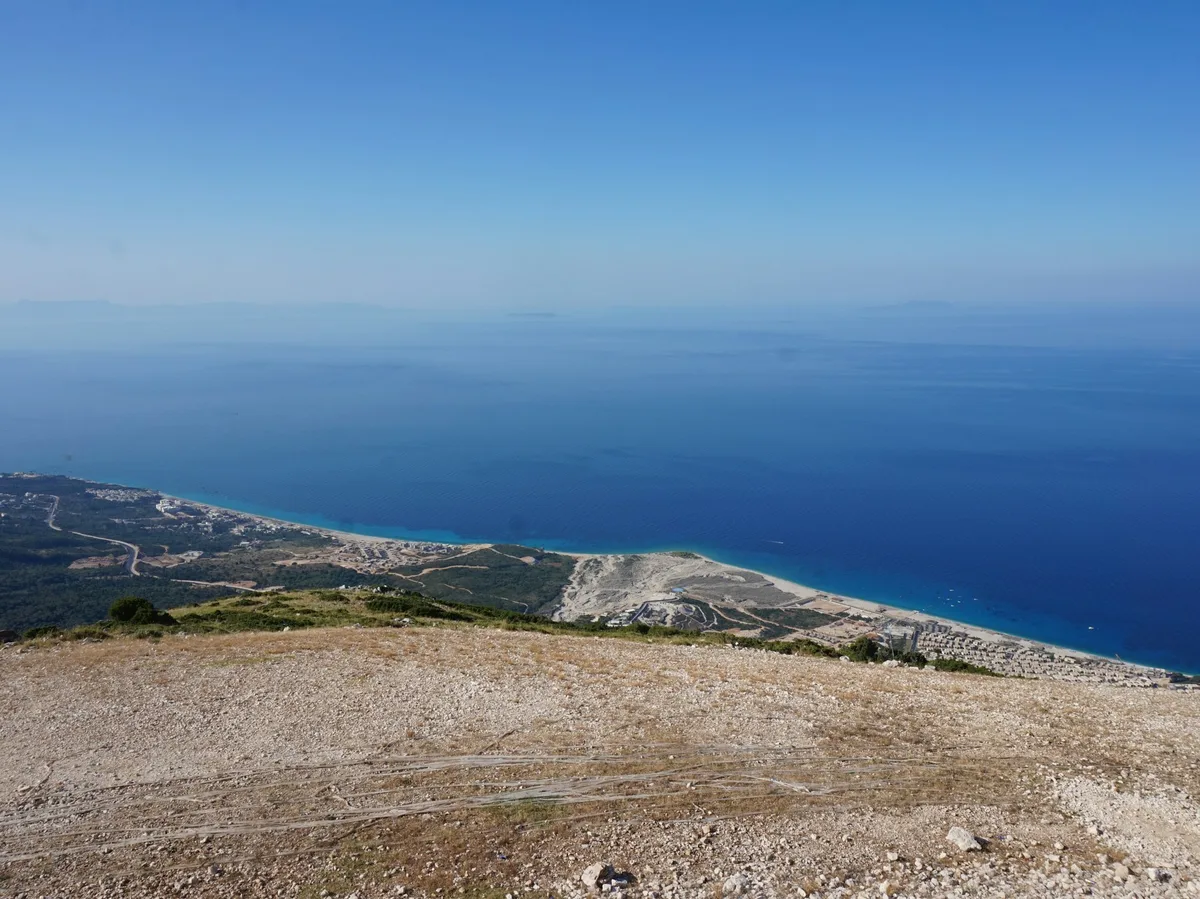
An 8-day private tour from Tirana along the Adriatic and Ionian coasts, through Llogara National Park, ancient Butrint, and Ottoman Gjirokastra and Berat, with rafting in the Osumi Canyon.
Visitor guide
Skanderbeg Square, in Albanian Sheshi Skenderbej, is the main plaza in the centre of Tirana, the capital of Albania. It covers about 40,000 square metres and is named after the medieval national hero Skanderbeg. Around it stand the Clock Tower, the Et'hem Bey Mosque, the National History Museum and several government and cultural buildings.
Wikipedia traces the square to 1917, when Austrian forces laid out a public space on the site. After Tirana became the capital in 1920, planners worked on a city centre in the 1920s and 1930s, with the Italian architects Armando Brasini and Florestano Di Fausto producing designs in a Neo-Renaissance style and Gherardo Bosio updating the master plan in 1939. Many of the grand buildings around the square date from that period, including the Bank of Albania, the City Hall and the ministries.
Under the Albanian monarchy the square was a roundabout with a fountain. During the communist period a statue of Stalin stood where the Skanderbeg monument now stands, and a statue of Enver Hoxha was placed near the National Historical Museum. After the fall of communism in 1991, the Hoxha statue was removed during student-led demonstrations. A redesign by 51N4E and the artist Anri Sala opened to the public in June 2017 after earlier plans in 2010 and 2011 were altered or dropped. The new design, according to Wikipedia, uses stone from across Albanian lands and is meant to function as a pedestrian-friendly civic space.
Skanderbeg, born Gjergj Kastrioti around 1405, was an Albanian nobleman and military leader who led the League of Lezhe against the Ottomans until his death in 1468. Sent as a hostage to the Ottoman court as a boy, he rose in its service before deserting in 1443 and taking control of Kruje and nearby areas. Wikipedia describes him as the national hero of Albania. The 11-metre equestrian monument by sculptor Odhise Paskali was inaugurated in January 1968, on the 500th anniversary of his death, and dominates the square.
On the square's edge stands the Et'hem Bey Mosque, officially the Haji Et'hem Bey Mosque, an Ottoman-era mosque begun in the 1790s by Molla Bey and finished in the early 19th century by his son Haxhi Et'hem Bey. Sources give slightly different dates, 1791 or 1794 for the start and 1819 or 1821 for the finish. It is known for its frescoes of trees, waterfalls and bridges, which are mostly imaginary landscapes rather than realistic scenes. Closed during the communist period, the mosque reopened in 1991, when an estimated 10,000 people entered despite official opposition, an event described as a milestone for religious freedom in Albania.
Beside it, the Clock Tower of Tirana was completed in the 1820s, according to Wikipedia, and rises to about 35 metres. Its bell was cast in Trieste in 1838 and the tower received its present appearance in a renovation of 1928. A comprehensive restoration was completed in 2010. The tower is an Ottoman-era cultural monument first protected in 1948.
The National History Museum, opened in October 1981, faces the square and is recognisable from the large mural mosaic called The Albanians above its entrance. Completed in 1980 by five Albanian artists in the Socialist Realist style, the mosaic is about 11 metres high and 40 metres long and depicts figures from Albanian history, from an Illyrian warrior to modern fighters.
Skanderbeg Square is a natural starting point for exploring Tirana on foot, with museums, cafes and the Et'hem Bey Mosque within a short walk. A private tour with a local guide and driver can link the square with the surrounding neighbourhoods and the wider city. Opening arrangements for the museum and mosque vary and are best confirmed locally.
See every tour and attraction we cover in Albania.