TorontoOntario · 36 tours
 Niagara FallsOntario · 25 tours
 New York CityNew York · 30 tours
 Las VegasNevada · 8 tours
 San FranciscoCalifornia · 16 tours
 VancouverBritish Columbia · 17 tours
 DubaiUAE · 54 tours
 Abu DhabiUAE · 5 tours
 Buenos AiresArgentina · 23 tours
 AthensGreece · 31 tours
 AucklandNew Zealand · 38 tours
 CancunMexico · 54 tours
No destinations match “”. Try searching all tours instead — that search understands full questions, not just place names.
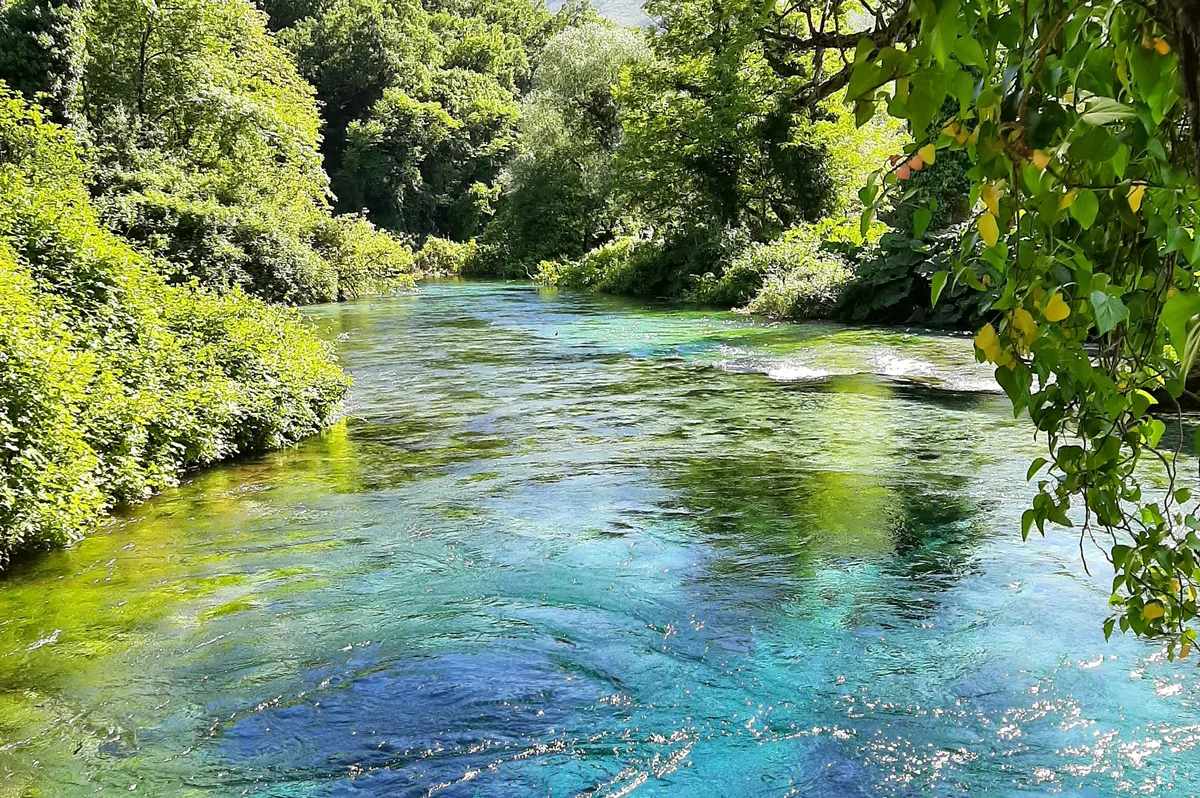
A natural water spring near Saranda where a deep, cobalt-blue pool plunges to an unmeasured depth, ringed by forest.
 Multi-Day Tours
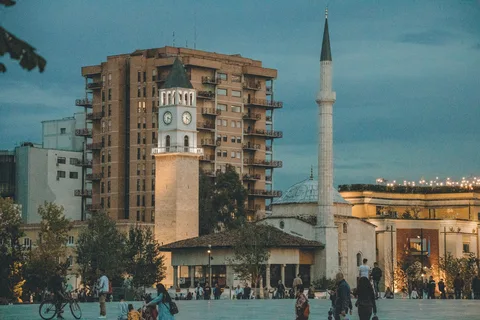
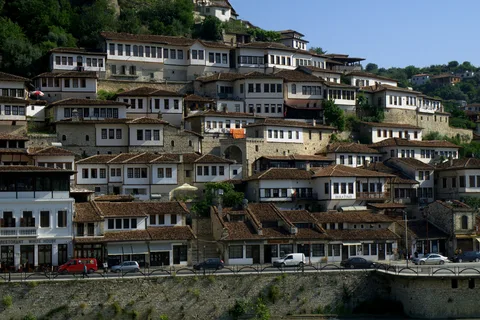
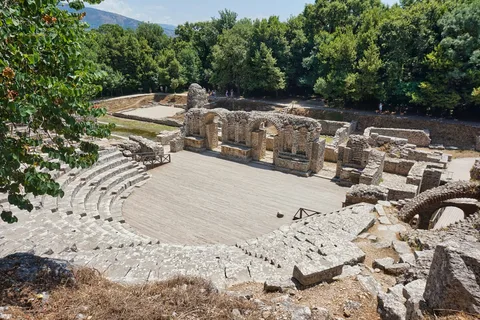
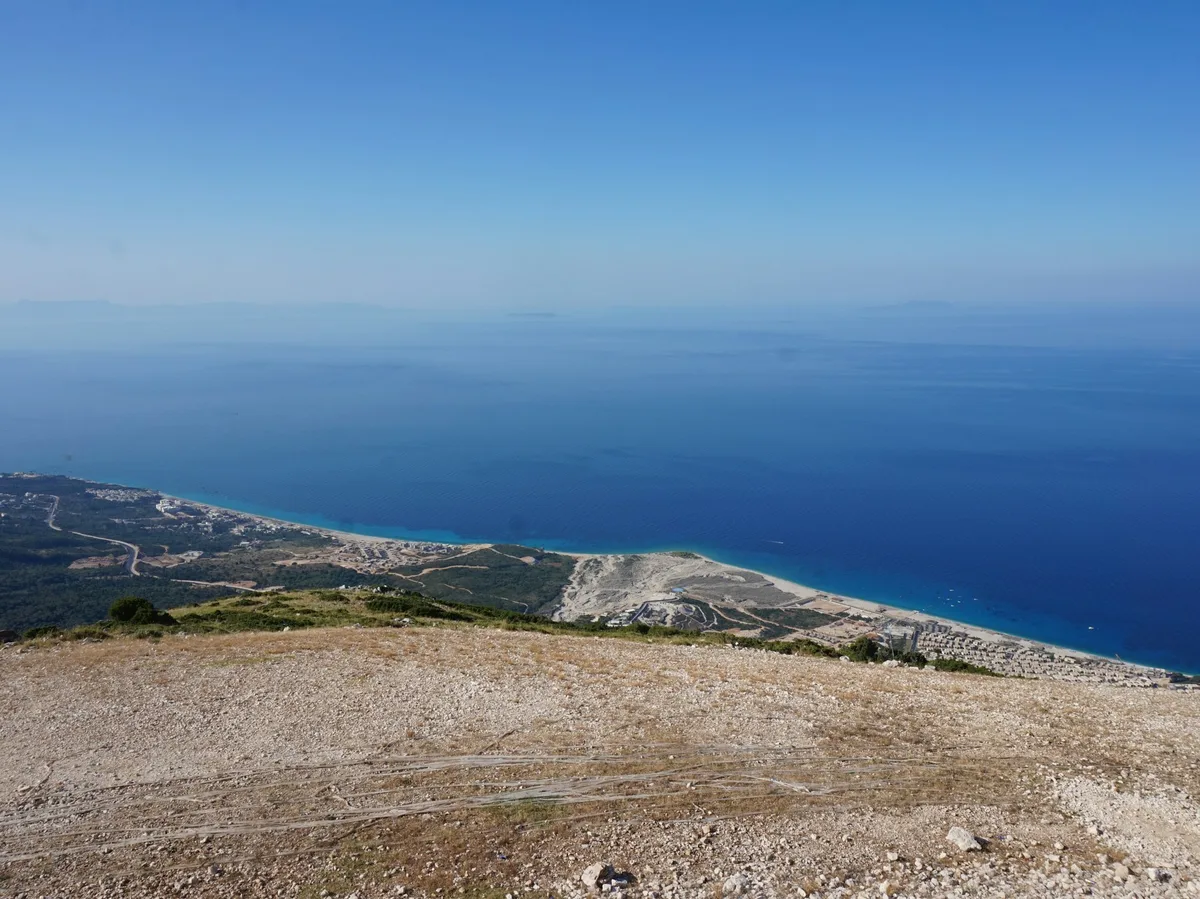
An 8-day private tour from Tirana along the Adriatic and Ionian coasts, through Llogara National Park, ancient Butrint, and Ottoman Gjirokastra and Berat, with rafting in the Osumi Canyon.
 Multi-Day Tours
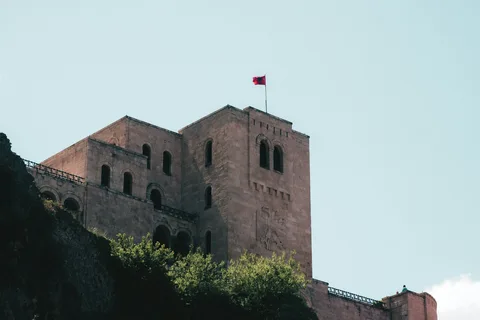
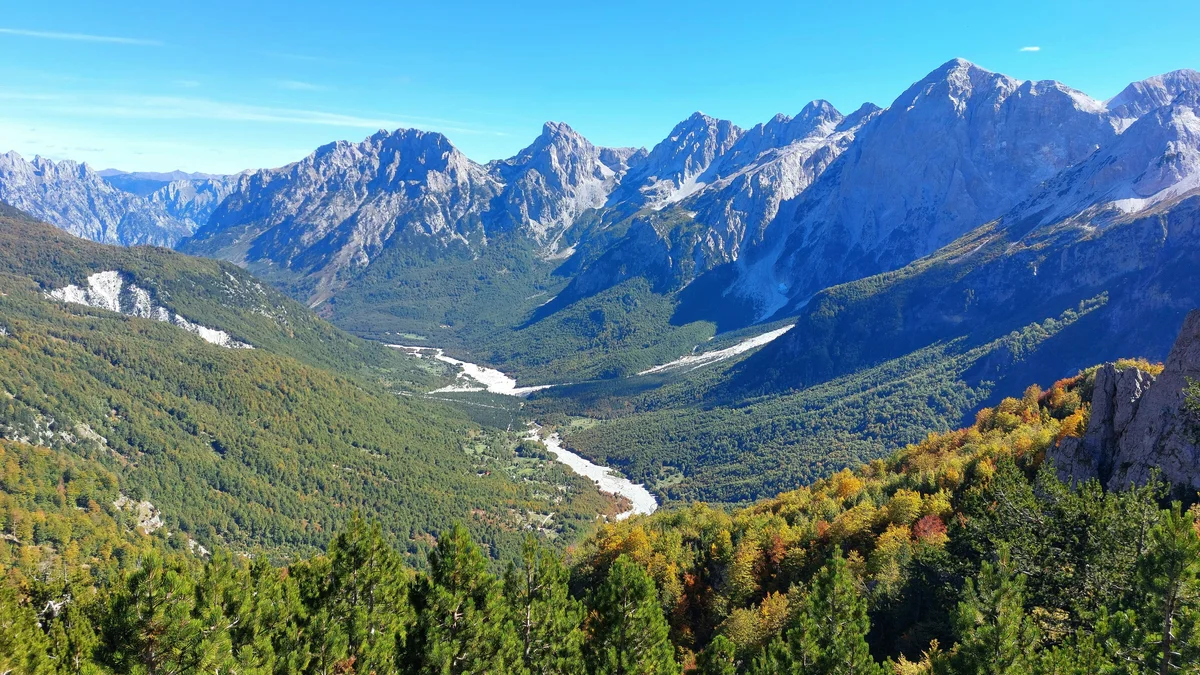
A 17-day private tour circling Albania end to end — Tirana, Shkodra and Lake Komani, Karavasta Lagoon, Berat, the Albanian Riviera, Saranda and Butrint, Gjirokastra, Korça, and Lake Ohrid's Albanian shore.
Visitor guide
The Blue Eye, in Albanian Syri i Kalter, is a karst water spring near the village of Muzine in Finiq municipality, southern Albania, not far from the coastal town of Sarande. Its clear blue water wells up from a deep hole in the limestone, and its true depth is still unknown. It is the main source of the Bistrice River.
Wikipedia describes the Blue Eye as a water spring and natural phenomenon whose clear blue water can be seen from a depth of more than fifty metres. Divers have descended to about fifty metres, but it remains unclear how deep the karst hole actually goes. Another source describes it as a Vaucluse-type karst spring and gives a much shallower lake depth of 22 metres, so depth figures conflict and should be treated cautiously. The centre of the pool appears deep blue, while the shallower edges look a lighter, brighter blue.
Karst springs form where water dissolves limestone and runs through underground channels, then rises under pressure. The Blue Eye is one of these resurgences. Travel sources give the water temperature as cold year-round, roughly 10 to 17 degrees Celsius depending on source and season, and note that signs discourage swimming. Wikipedia adds that the source stands at an altitude of 152 metres and reports a discharge of about 18,400 litres per second, though that comes from a general listing rather than a hydrological survey.
The spring is the main source of the Bistrice, a river about 25 kilometres long that runs parallel to the Sarande to Gjirokastra road before reaching the Ionian Sea south of Sarande. The name Bistrica comes from a Slavic word meaning clear water. The river originally ended in Lake Butrint, but in 1958 it was diverted into the Cuke channel, which carries it straight to the sea. The river is not navigable, and an artificial lake and three hydropower stations were built on its basin in the 1960s.
The area immediately around the spring, about 1.8 square kilometres, is designated a Nature Monument and is characterised by oak and sycamore trees. A wider protected area of 180 hectares has also been given as the extent of the monument. The Blue Eye has a history of change: in the summer of 2004 the source temporarily dried up, and in 2017 part of the location was burnt by a wildfire. These events are a reminder that the spring depends on rainfall and groundwater.
The Blue Eye lies slightly west of Muzine and is reached from the Sarande to Gjirokastra road near the village of Krongj. It is often paired with Butrint and the beaches of Ksamil in a day out from Sarande. A private tour with a driver and guide allows the stop to be fitted between these sites, with time to walk the shaded paths around the pool.
See every tour and attraction we cover in Albania.