TorontoOntario · 36 tours
 Niagara FallsOntario · 25 tours
 New York CityNew York · 30 tours
 Las VegasNevada · 8 tours
 San FranciscoCalifornia · 16 tours
 VancouverBritish Columbia · 17 tours
 DubaiUAE · 54 tours
 Abu DhabiUAE · 5 tours
 Buenos AiresArgentina · 23 tours
 AthensGreece · 31 tours
 AucklandNew Zealand · 38 tours
 CancunMexico · 54 tours
No destinations match “”. Try searching all tours instead — that search understands full questions, not just place names.
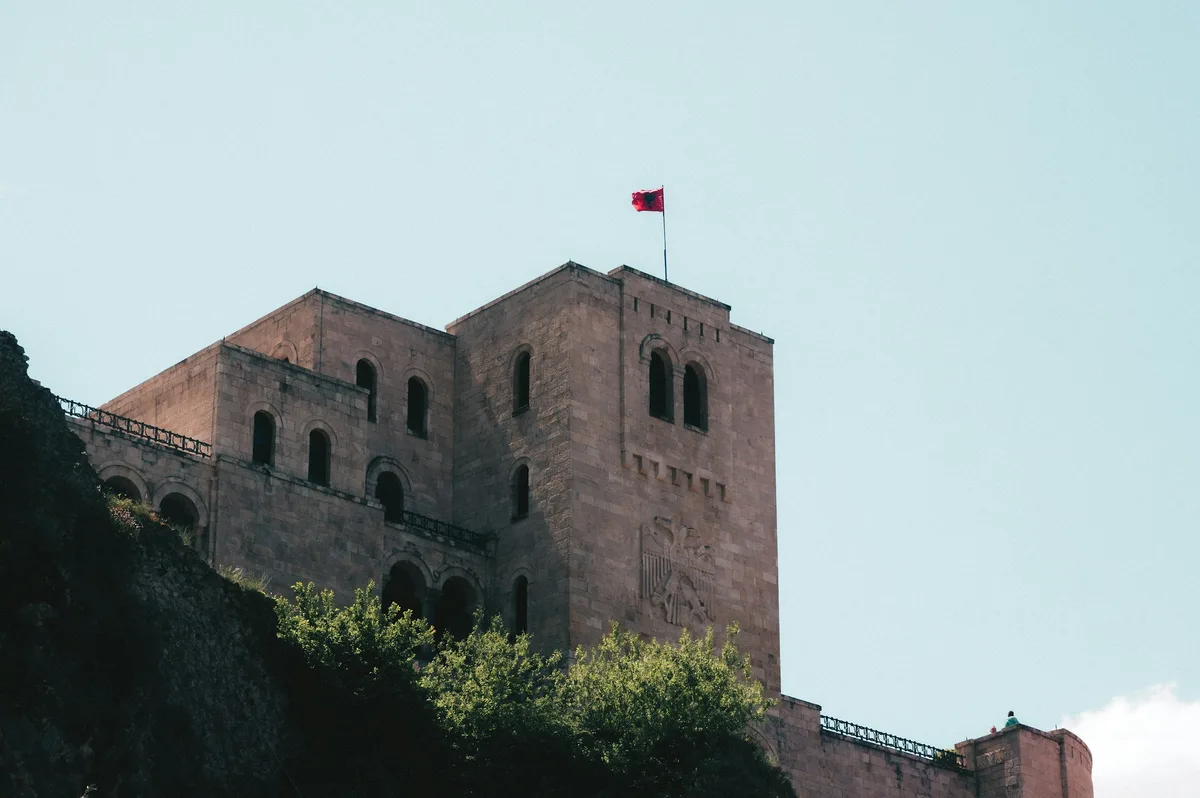
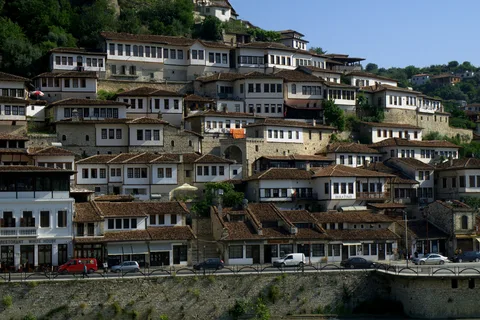
A hilltop 12th-century citadel towering over Gjirokastra's UNESCO-listed old town of stone-roofed Ottoman houses.
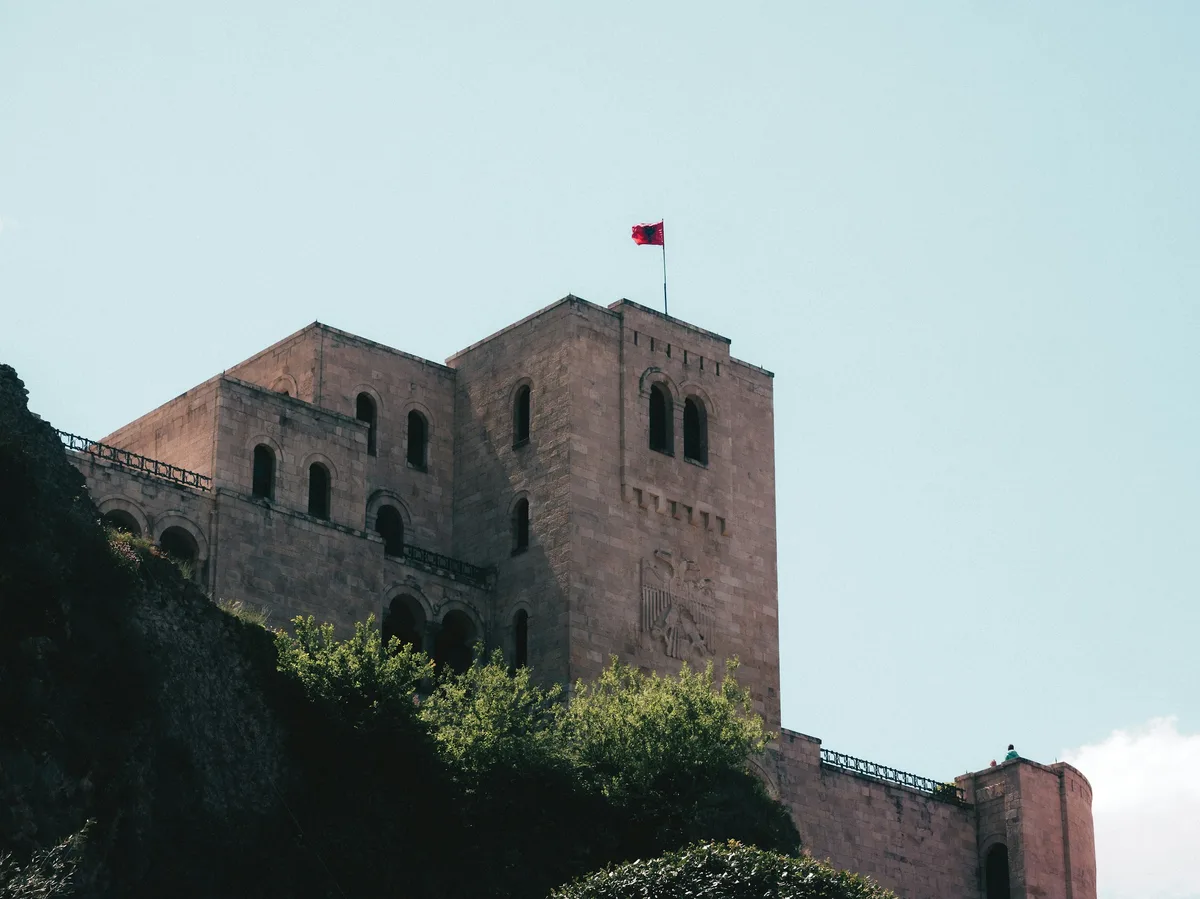 Multi-Day Tours
An 8-day private tour from Berat through Ottoman Gjirokastra, ancient Butrint, Përmet's thermal springs, and Karavasta Lagoon to Tirana.
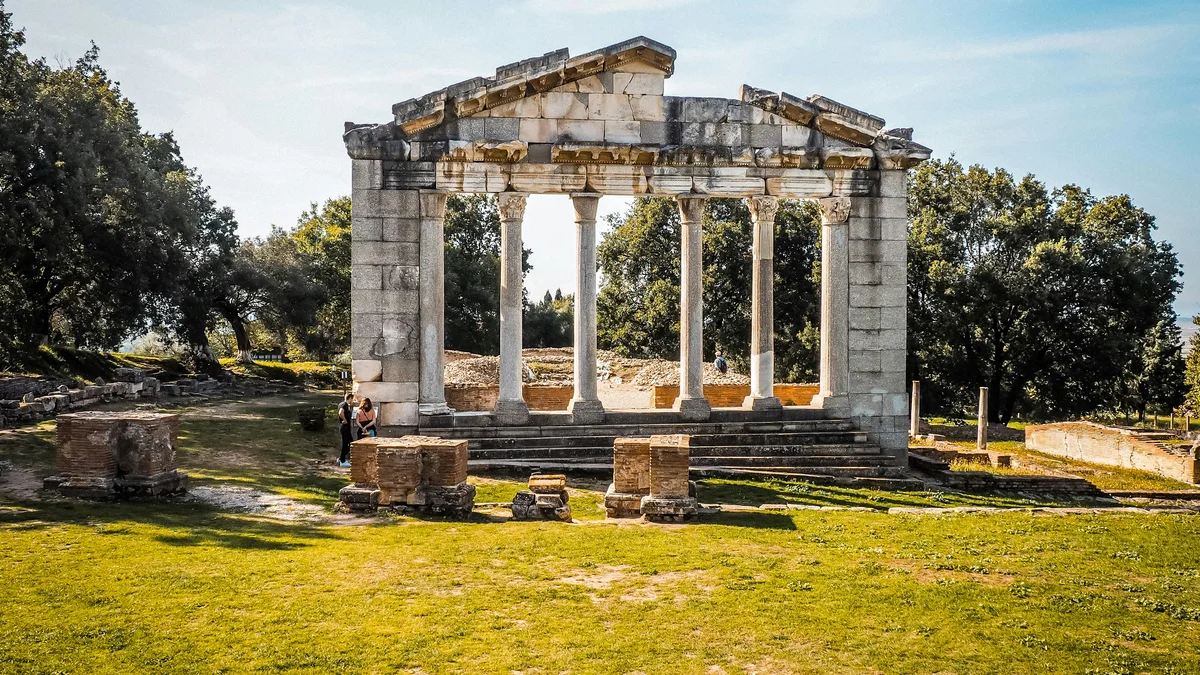 Multi-Day Tours
An 8-day private tour from Kruje through Ottoman Berat, ancient Apollonia, artisan Gjirokastra, and rural farm life in Këlcyrë and Përmet, ending in Tirana.
Visitor guide
Gjirokastra Citadel, also called Gjirokaster Castle or Fortress, is a hilltop fortress dominating the city of Gjirokastra in southern Albania. It overlooks the Drino valley and the surrounding old town of stone houses, which UNESCO inscribed in 2005 as part of the Historic Centres of Berat and Gjirokastra.
The castle stands at about 336 metres above sea level on a plateau above the Drino River. Wikipedia says the citadel existed in various forms before the 12th century, and the city itself first appears in the historical record in 1336 under the medieval Greek name Argyrokastron, meaning silver castle. A popular local explanation links the name to a legendary Princess Argjiro, said in folklore to have jumped from the castle with her child rather than be captured by the Ottomans, but the article describes that as folk etymology since she is said to have lived later.
The city was contested between the Despotate of Epirus and an Albanian clan before the Ottomans took it in 1418, and it became the seat of an Ottoman sanjak. Extensive renovations and a westward addition were carried out after 1812 by Ali Pasha of Tepelene, and the government of King Zog expanded the castle prison in 1932. Wikipedia adds that the prison held political prisoners during the communist period.
Today the fortress has five towers and contains a clock tower, a church, cisterns, fountains, stables and the stage for the Gjirokastra National Folk Festival, which has been held roughly every five years since 1968. Wikipedia also notes a military museum with captured artillery and memorabilia of the resistance during the Second World War, and an aircraft displayed in the grounds that the communist government presented as a trophy. The castle also includes a Bektashi tyrbe, a shrine of the Bektashi Sufi order. The fort offers wide views across the valley.
The castle is the crown of an old town built on slopes below it. Most of the surviving buildings date from the 17th and 18th centuries. Typical homes are tall stone tower houses up to five storeys high, with a cistern and stable on the ground floor and guest and family rooms above, reflecting the design of fortified country houses in southern Albania. Many have roofs covered in flat dressed stones, which has earned the city the nickname City of Stone. More than 500 houses are preserved as cultural monuments. The Zekate House, built in 1811 and 1812 by Beqir Zeko, an administrator in Ali Pasha's government, is cited as one of the grandest examples of the local Ottoman style.
An Ottoman bazaar dates originally from the 17th century and was rebuilt in the 19th century after a fire. The Gjirokastra Mosque, built in 1757, dominates it.
Gjirokastra is the birthplace of the writer Ismail Kadare, whose novel Chronicle in Stone describes life in the city during the Second World War. The Ottoman traveller Evliya Celebi, who visited in 1670, was struck by its noise and called it the city of wailing after hearing a traditional lament. During the communist period Gjirokastra and Berat were designated museum towns and were spared from large-scale modernisation. UNESCO inscribed Gjirokastra in 2005 and extended the listing to Berat in 2008.
The old town climbs steeply on cobbled lanes, so a private tour with a driver and guide helps with reaching the citadel and the main houses, and a guide can explain the stories behind the architecture.
See every tour and attraction we cover in Albania.