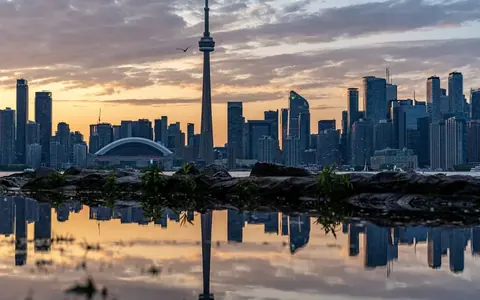
 TorontoOntario · 17 tours
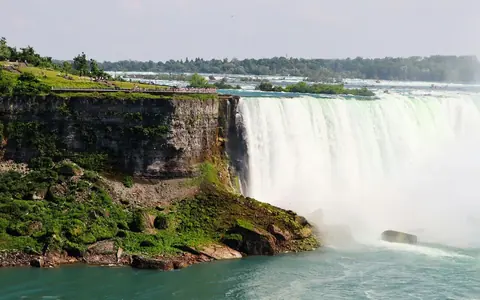 Niagara FallsOntario · 17 tours
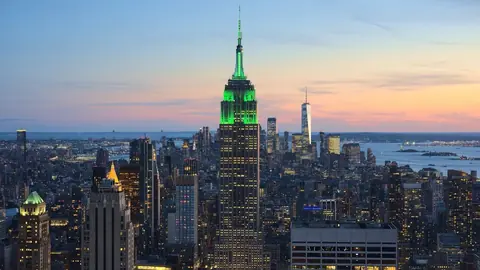 New York CityNew York · 8 tours
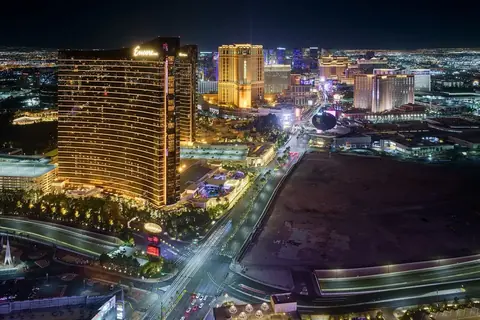 Las VegasNevada · 8 tours
 San FranciscoCalifornia · 16 tours
 VancouverBritish Columbia · 17 tours
 DubaiUAE · 44 tours
 Abu DhabiUAE · 5 tours
 Sri LankaSri Lanka · 16 tours
 IndiaIndia · 13 tours
 AlbaniaAlbania · 10 tours
 ArgentinaArgentina · 8 tours
No destinations match “”.
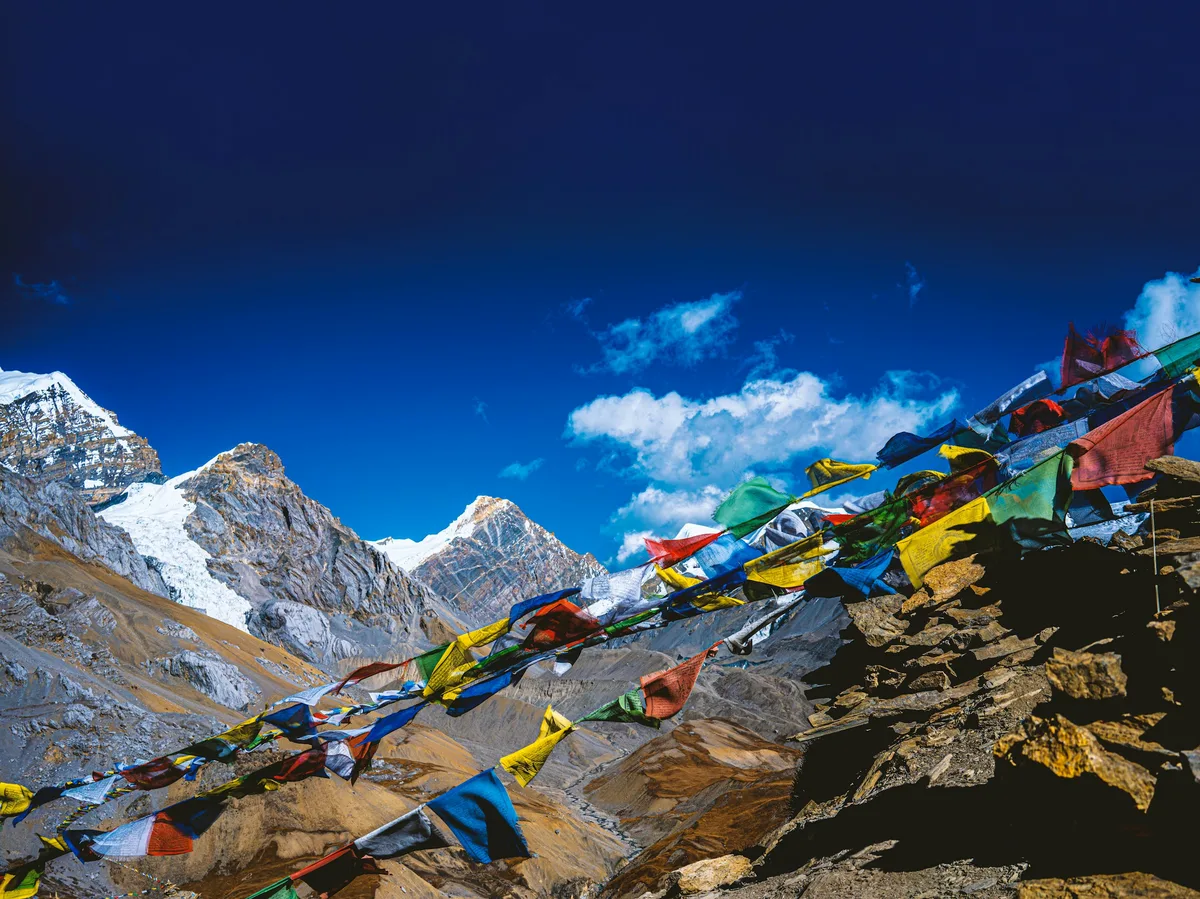
Voyzo runs 13 private tours across 1 destination in Bhutan, covering 9 attractions — each with your own guide, driver, and vehicle, and an itinerary built around your group rather than a fixed bus schedule.
Bhutan is the last independent Buddhist kingdom in the Himalayas, wedged between India and China (Tibet), a country of dzongs, monasteries and prayer flags strung between forested ridges that climb from subtropical valleys to peaks above 7,000 metres. It famously measures progress by Gross National Happiness rather than GDP alone, and tourism here runs on a deliberately high-value, low-impact model: every visitor's trip is arranged through a licensed local operator and guide, and a Sustainable Development Fee paid per night supports conservation and free healthcare and education for Bhutanese citizens.
Voyzo's Bhutan tours follow the classic circuit through Paro, Thimphu and Punakha, including the hike to the cliffside Tiger's Nest Monastery, with some itineraries extending further to Gangtey/Phobjikha Valley, Trongsa or a trek. Because travelers often link Bhutan with neighbouring Himalayan destinations, some routes combine it with Nepal, and one crosses into Tibet — each disclosed plainly on the tour page itself, so which nights are in Bhutan and which are elsewhere is clear before booking.
Since Bhutanese tourism policy requires all foreign visitors to travel with a licensed guide and driver rather than independently, a private vehicle and driver aren't an upgrade here so much as the standard, required way to see the country — Voyzo's role is coordinating that required guide and driver with a private, group-only itinerary shaped around your pace.
The real stops Voyzo's own itineraries are built around — tap any attraction to learn more.
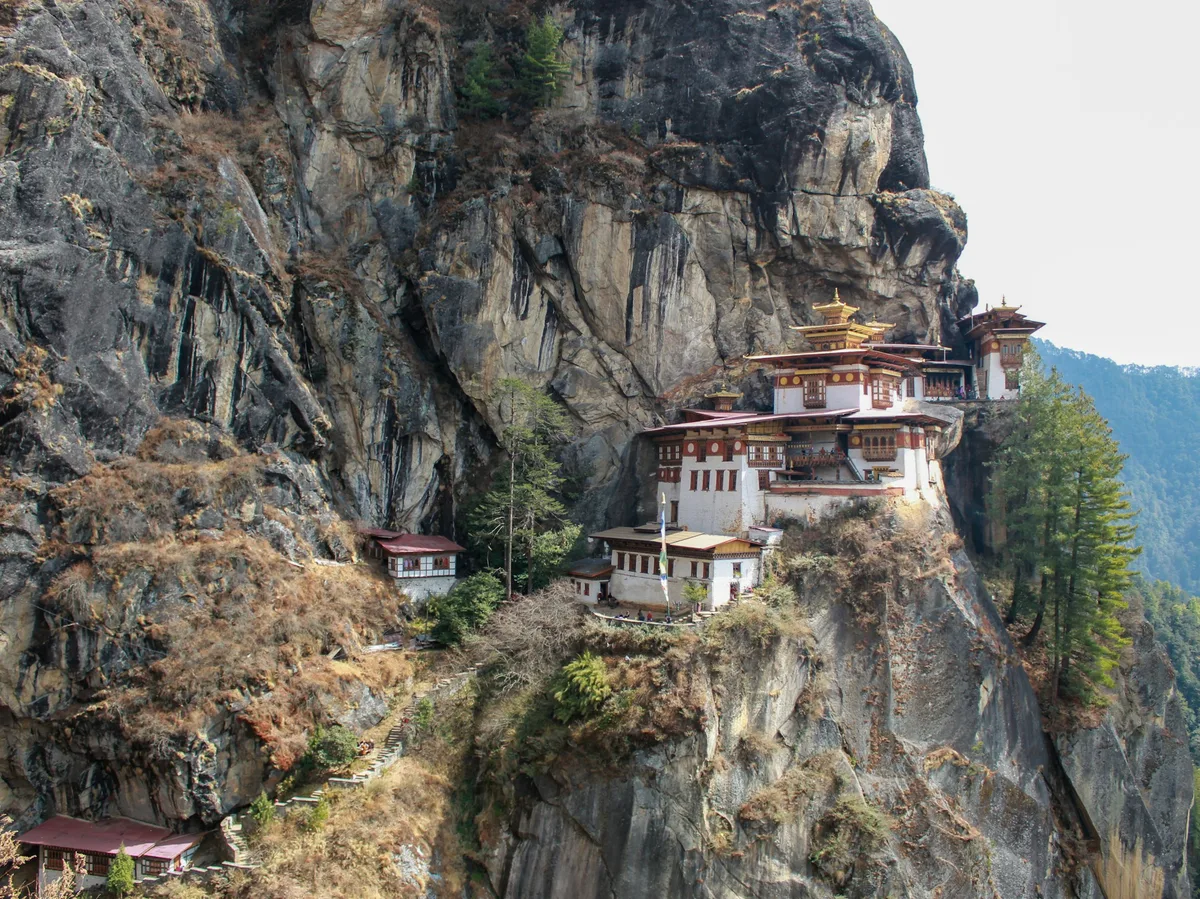 Paro Taktsang (Tiger's Nest Monastery)
Bhutan
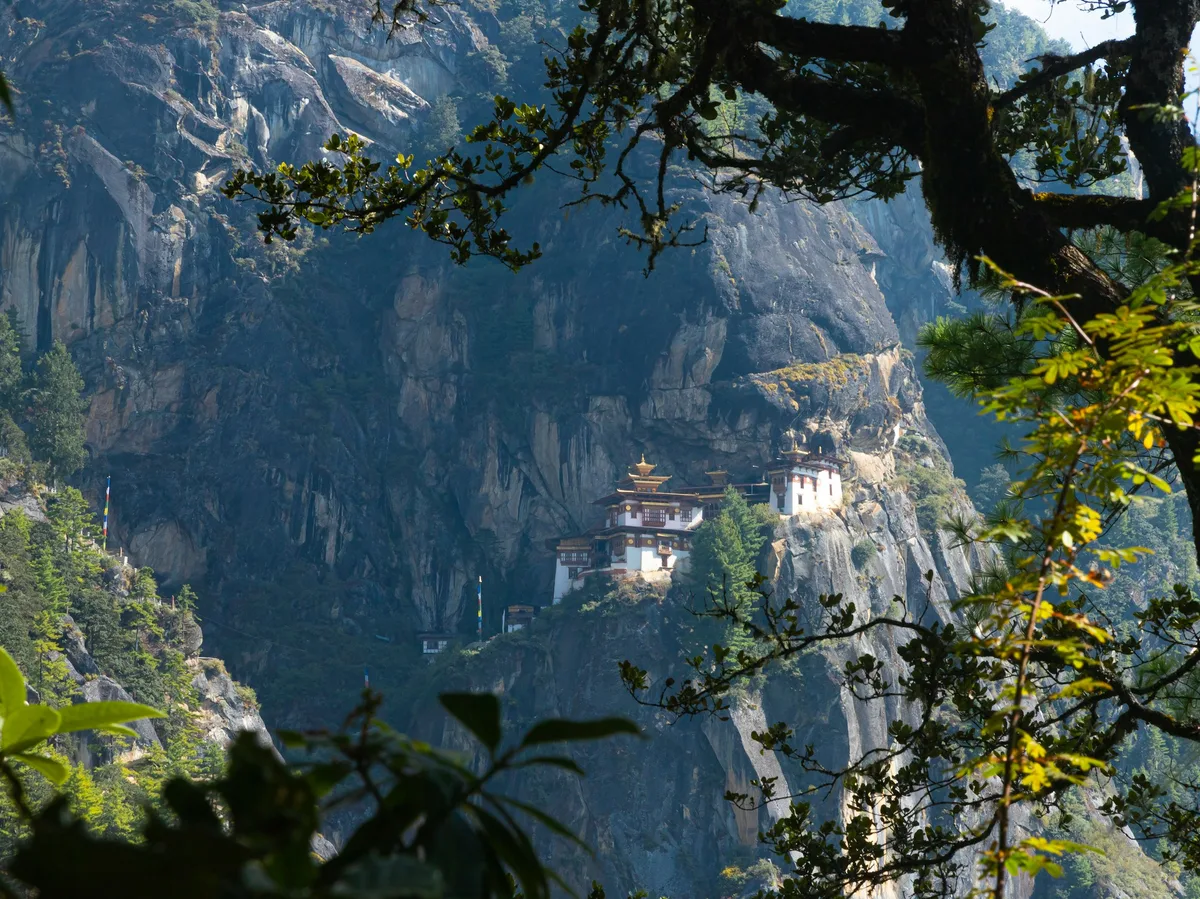
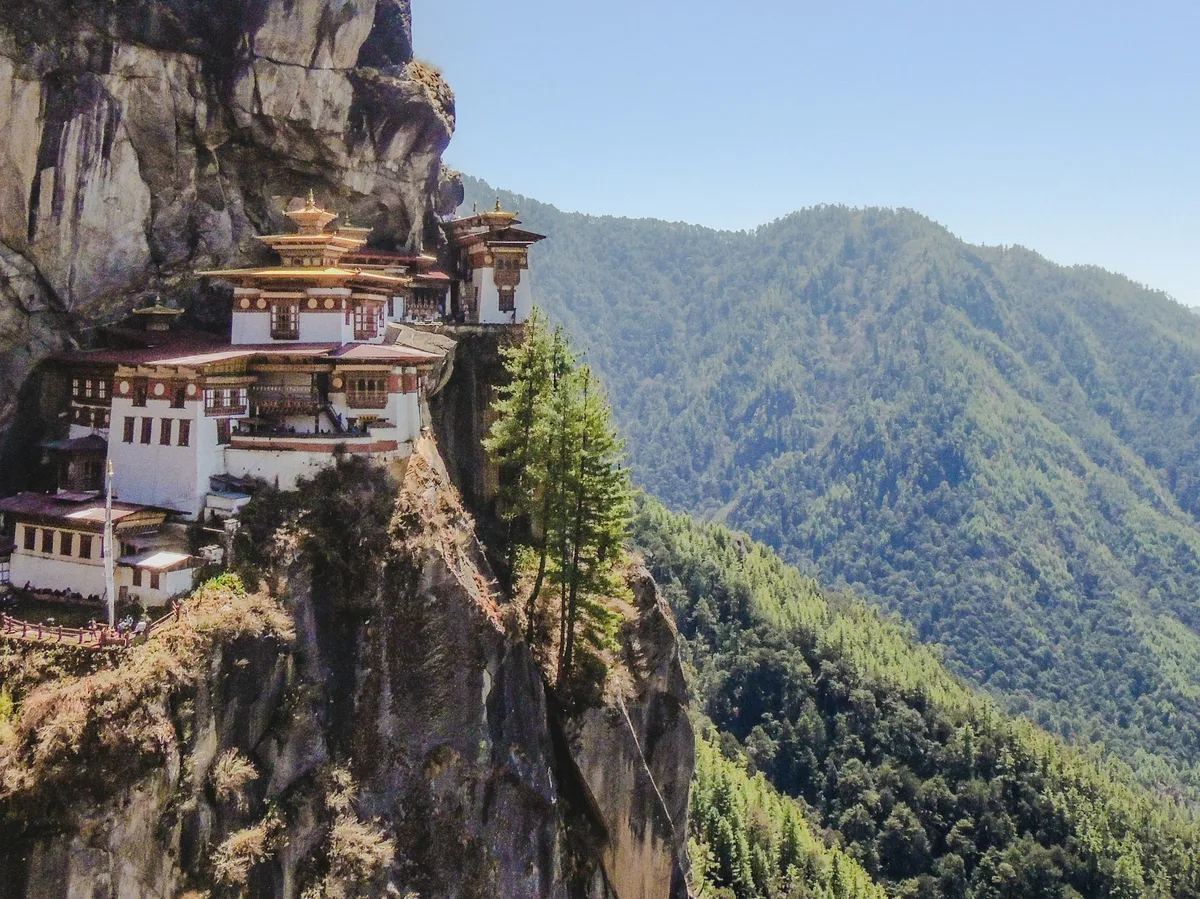
Bhutan's most iconic sight, this sacred monastery clings to a cliff face 900m above the Paro valley, reached by a multi-hour hike and said to mark the spot where Guru Rinpoche flew in on the back of a tigress.
2
Paro Taktsang (Tiger's Nest Monastery)
Bhutan
Bhutan's most iconic sight, this sacred monastery clings to a cliff face 900m above the Paro valley, reached by a multi-hour hike and said to mark the spot where Guru Rinpoche flew in on the back of a tigress.
2
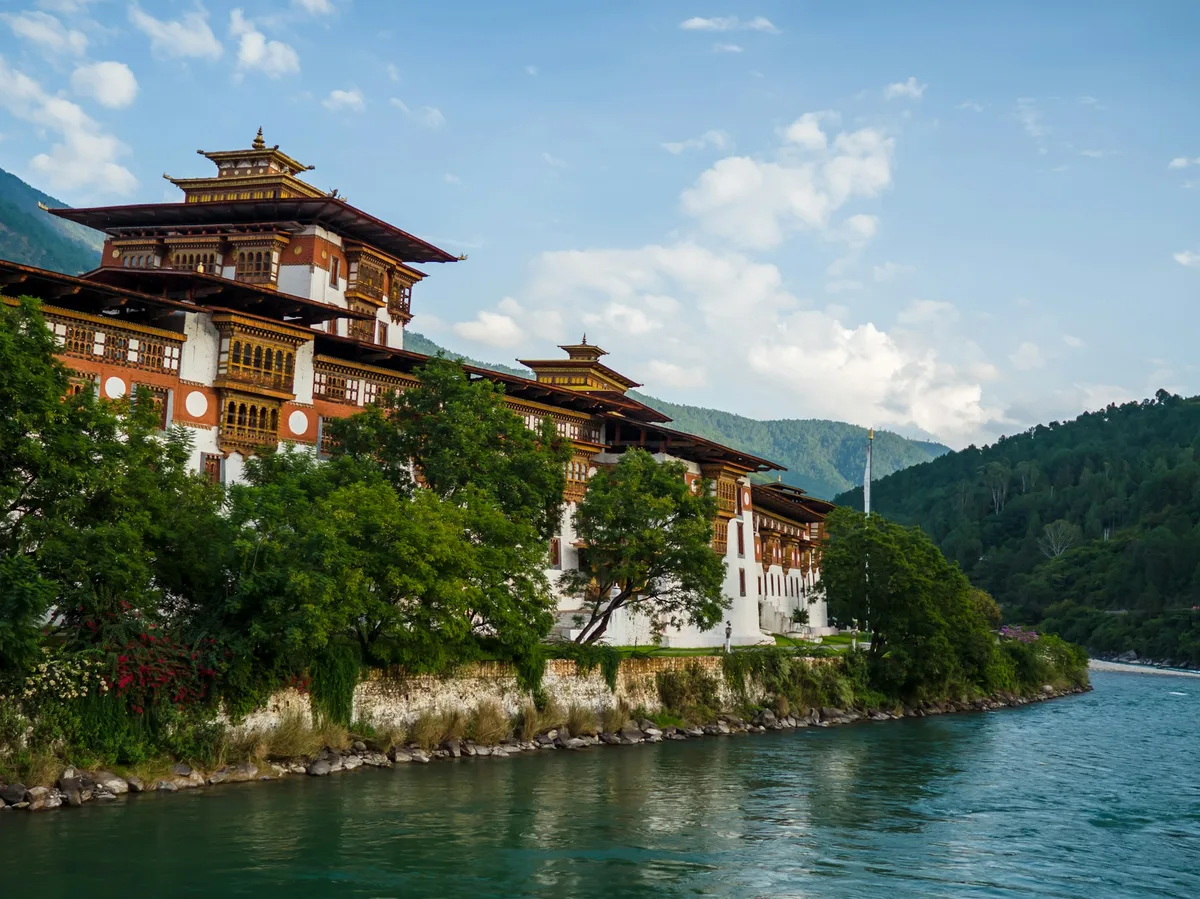 Punakha Dzong
Bhutan
Built in 1637 at the confluence of the Pho Chhu and Mo Chhu rivers, this is widely considered Bhutan's most beautiful fortress-monastery and still hosts the winter seat of the country's central monastic body.
3
Punakha Dzong
Bhutan
Built in 1637 at the confluence of the Pho Chhu and Mo Chhu rivers, this is widely considered Bhutan's most beautiful fortress-monastery and still hosts the winter seat of the country's central monastic body.
3
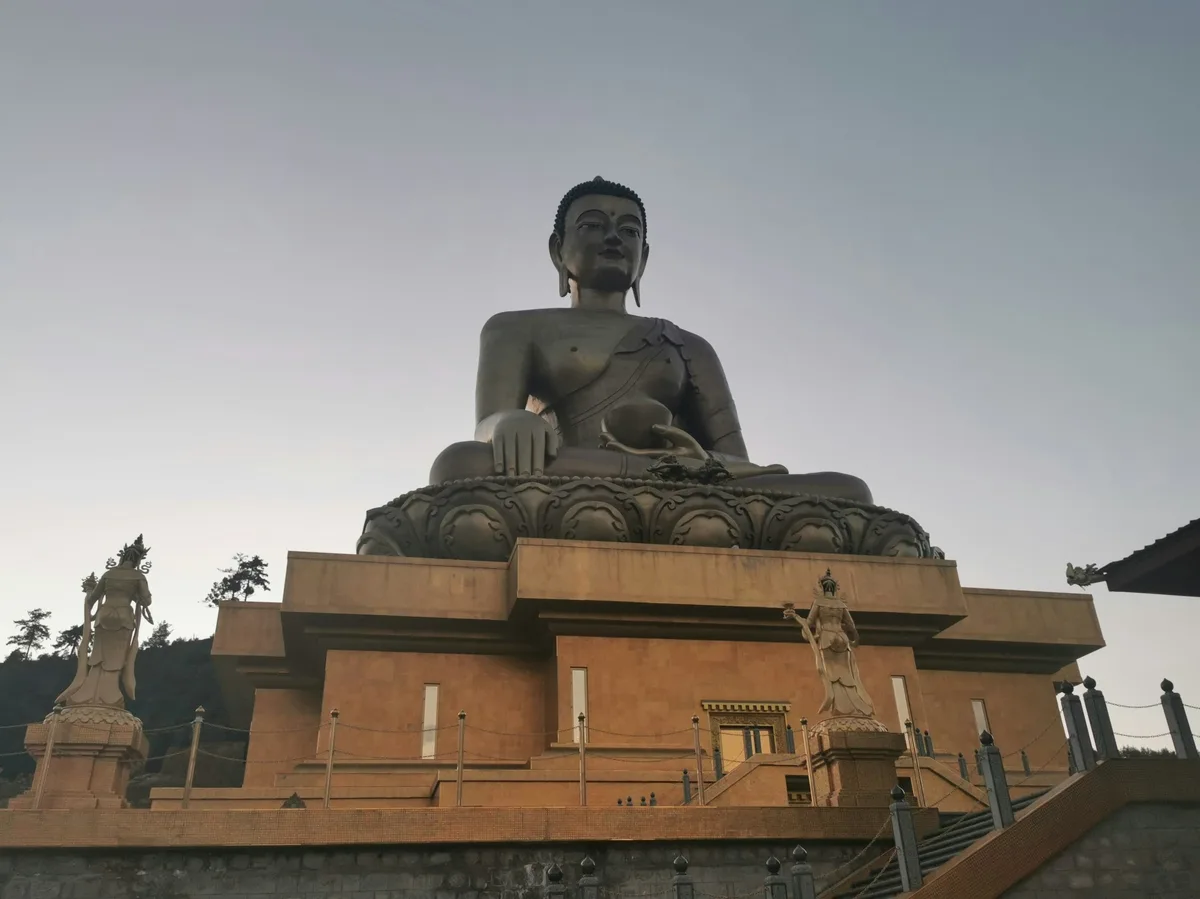 Buddha Dordenma
Bhutan
A gigantic gilded bronze Shakyamuni Buddha statue overlooking Thimphu, standing around 54 metres tall and housing tens of thousands of smaller Buddha statues within its base.
4
Buddha Dordenma
Bhutan
A gigantic gilded bronze Shakyamuni Buddha statue overlooking Thimphu, standing around 54 metres tall and housing tens of thousands of smaller Buddha statues within its base.
4
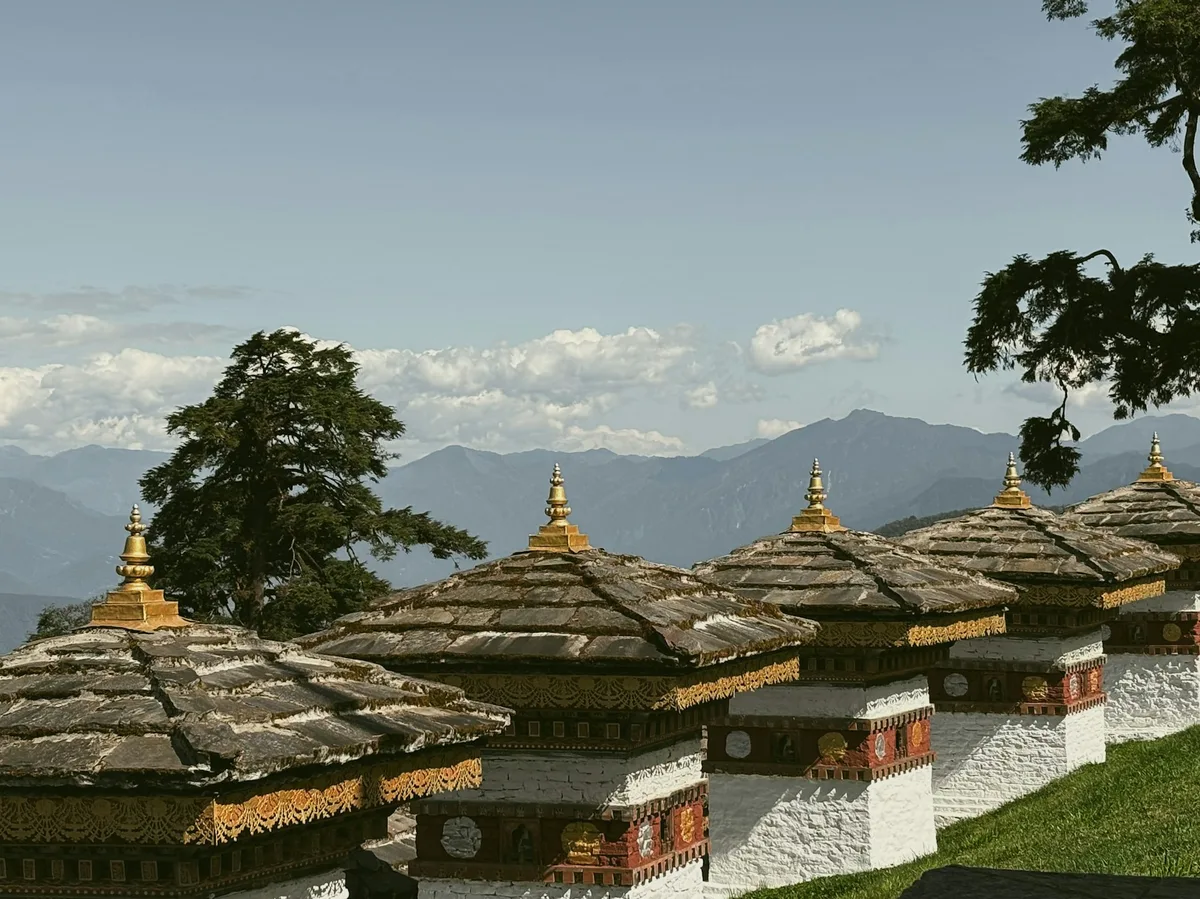 Dochula Pass
Bhutan
A mountain pass at 3,100m on the road between Thimphu and Punakha, crowned by 108 memorial chortens (the Druk Wangyal Chortens) and, on clear days, sweeping views of the high Bhutan Himalaya.
5
Dochula Pass
Bhutan
A mountain pass at 3,100m on the road between Thimphu and Punakha, crowned by 108 memorial chortens (the Druk Wangyal Chortens) and, on clear days, sweeping views of the high Bhutan Himalaya.
5
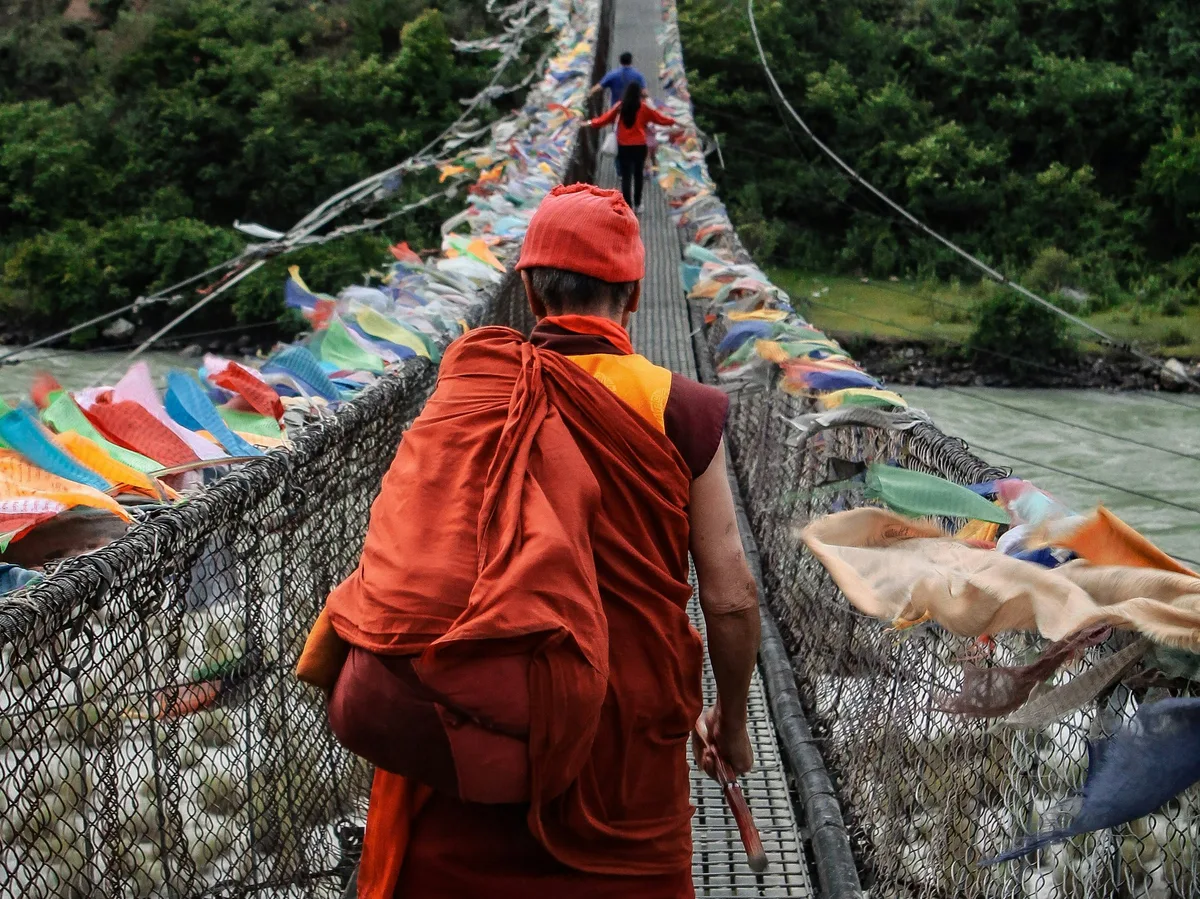 Punakha Suspension Bridge
Bhutan
One of the longest suspension bridges in Bhutan, strung with prayer flags and swaying gently over the Pho Chhu river just below Punakha Dzong.
6
Punakha Suspension Bridge
Bhutan
One of the longest suspension bridges in Bhutan, strung with prayer flags and swaying gently over the Pho Chhu river just below Punakha Dzong.
6
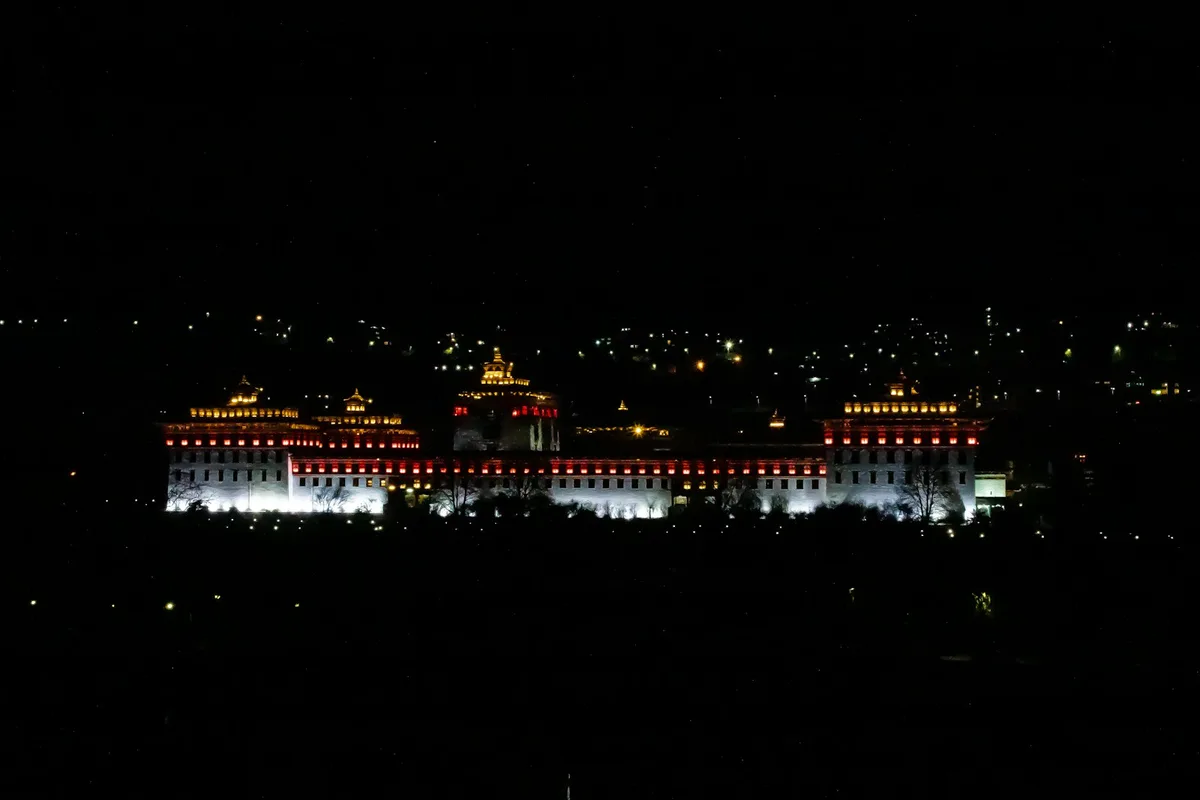 Tashichho Dzong, Thimphu
Bhutan
A fortress-monastery on the edge of Thimphu that houses government offices and the throne room of Bhutan's king, alongside monks' quarters, and is lit up at night.
7
Tashichho Dzong, Thimphu
Bhutan
A fortress-monastery on the edge of Thimphu that houses government offices and the throne room of Bhutan's king, alongside monks' quarters, and is lit up at night.
7
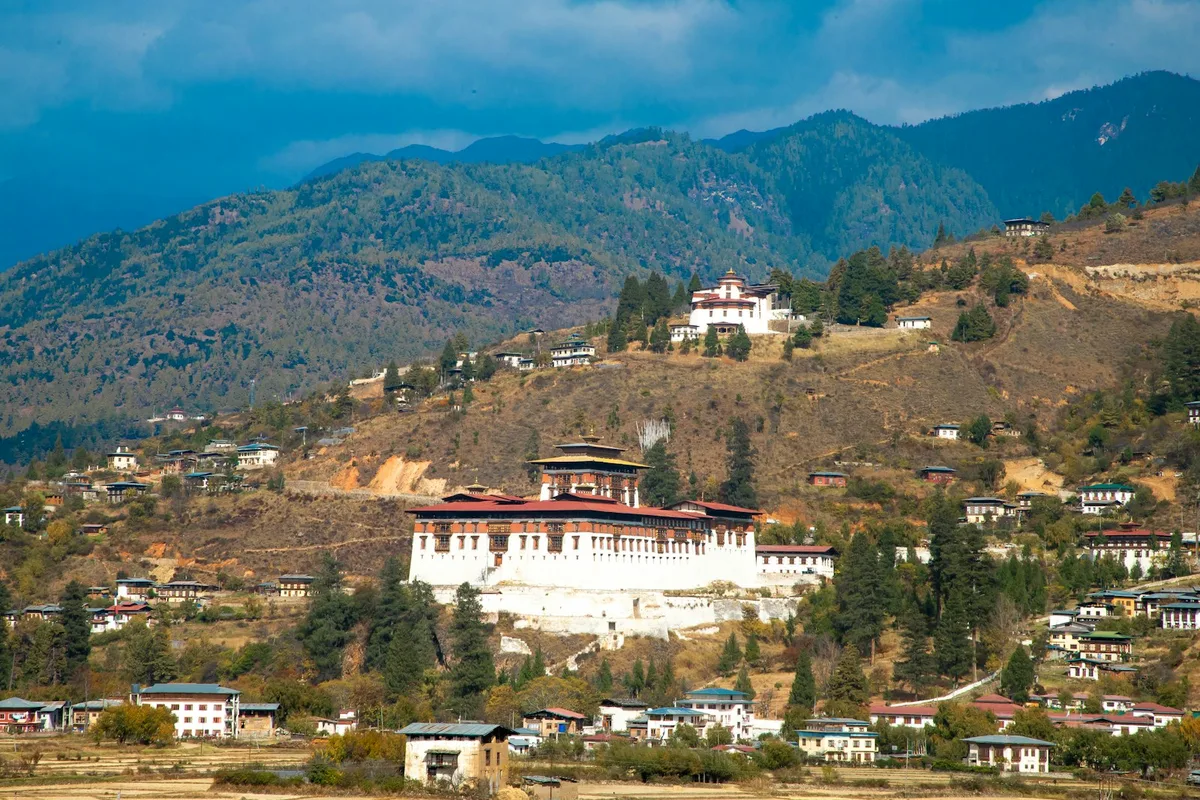 Rinpung Dzong, Paro
Bhutan
A 17th-century fortress-monastery overlooking Paro town and its valley, still used today as a monastic school and administrative centre.
8
Rinpung Dzong, Paro
Bhutan
A 17th-century fortress-monastery overlooking Paro town and its valley, still used today as a monastic school and administrative centre.
8
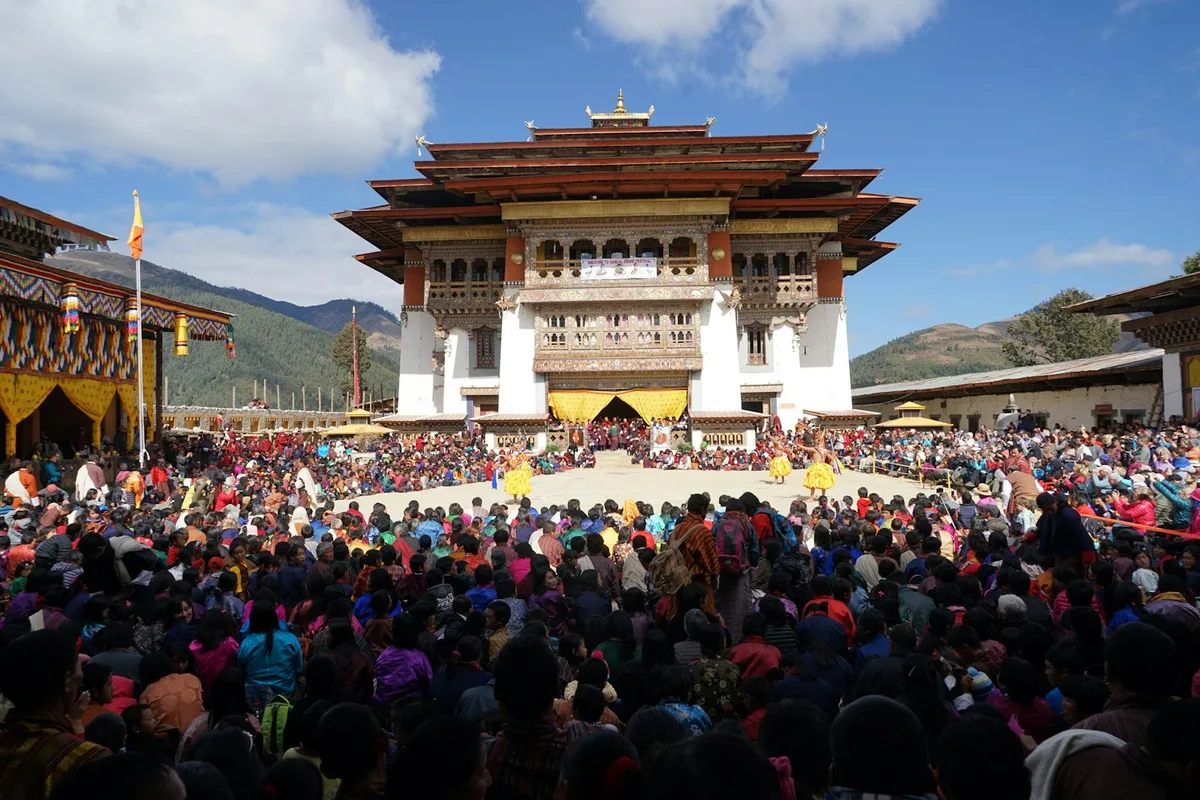 Gangtey Monastery & Phobjikha Valley
Bhutan
A glacial valley in central Bhutan overlooked by Gangtey Monastery, known as the winter home of endangered black-necked cranes that migrate here from the Tibetan Plateau.
9
Gangtey Monastery & Phobjikha Valley
Bhutan
A glacial valley in central Bhutan overlooked by Gangtey Monastery, known as the winter home of endangered black-necked cranes that migrate here from the Tibetan Plateau.
9
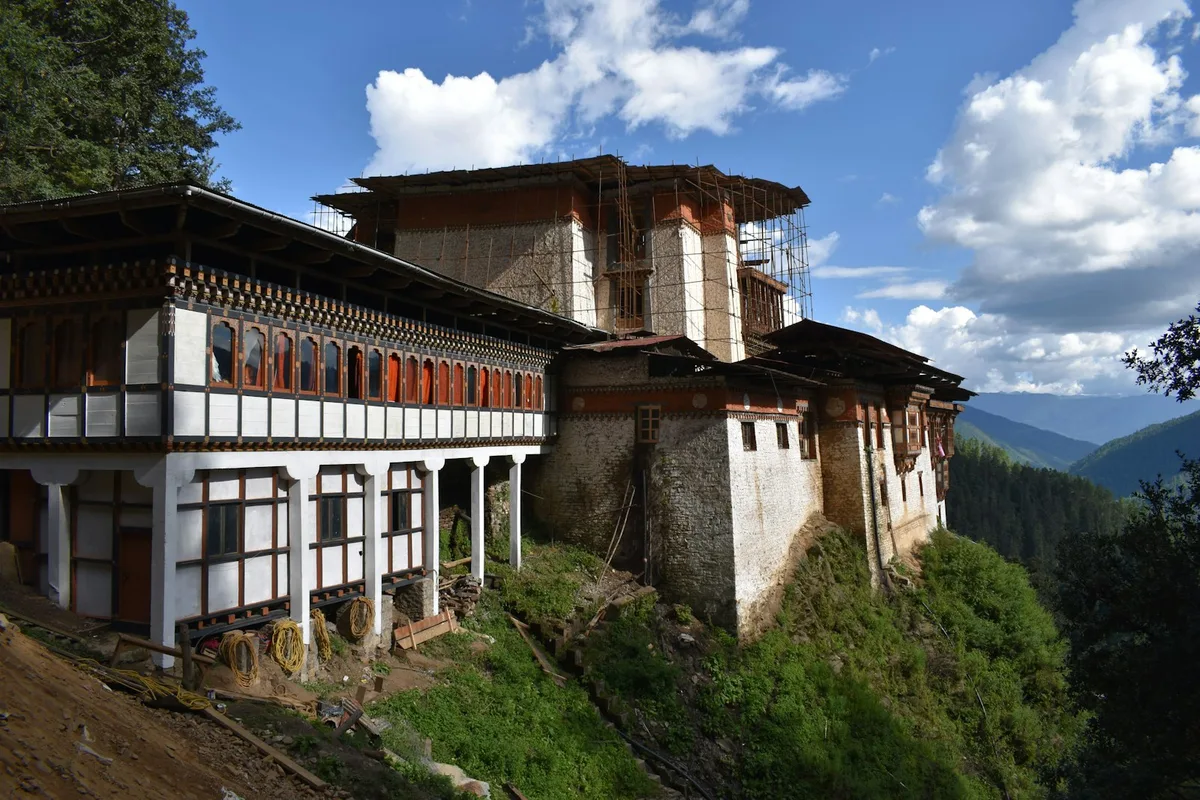 Trongsa Dzong
Bhutan
Bhutan's largest dzong, built on a ridge above a deep gorge in the country's centre, historically the seat from which the ruling dynasty governed the region.
Multi-Day Tours
Trongsa Dzong
Bhutan
Bhutan's largest dzong, built on a ridge above a deep gorge in the country's centre, historically the seat from which the ruling dynasty governed the region.
Multi-Day Tours
A sweeping 22-day journey across three Himalayan kingdoms — the temples and jungle of Nepal, the high plateau of Tibet, and the dzongs and monasteries of western Bhutan.
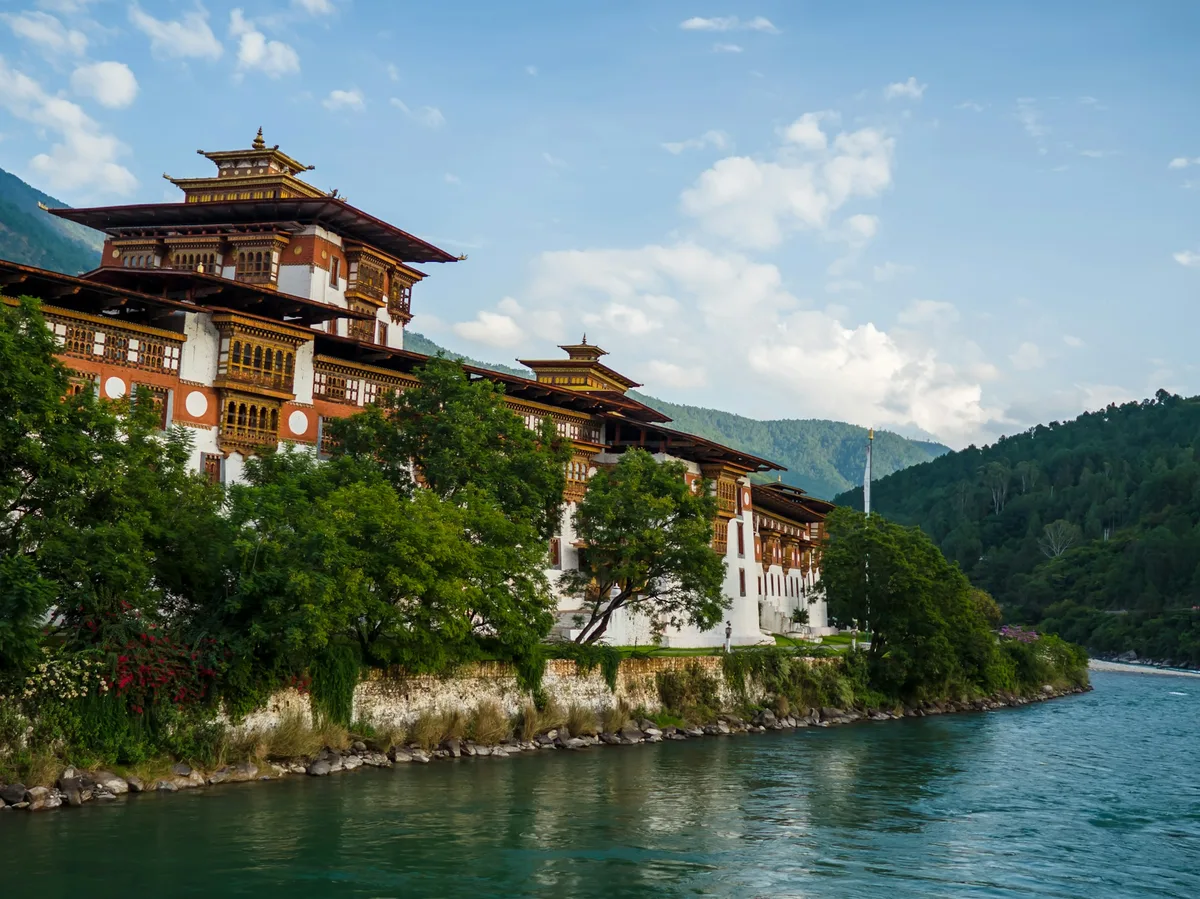 Multi-Day Tours
A luxury pairing of Kathmandu's UNESCO sites with western Bhutan's dzongs and mountain passes, from Thimphu and Punakha to Gangtey and Paro.
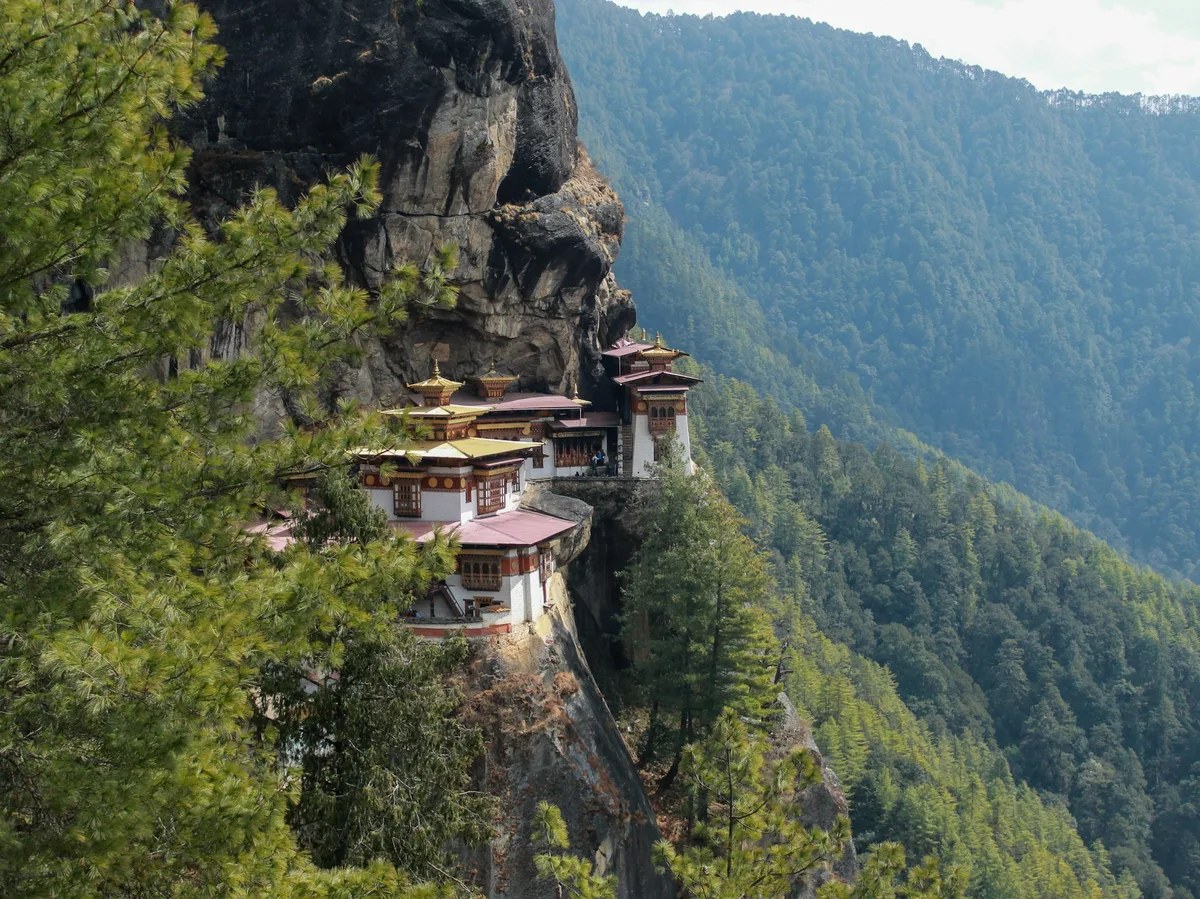 Multi-Day Tours
A relaxed, comfort-focused week through Bhutan's classic western circuit — Thimphu, Punakha, Phobjikha, and Paro — with the Tiger's Nest hike as its finale.
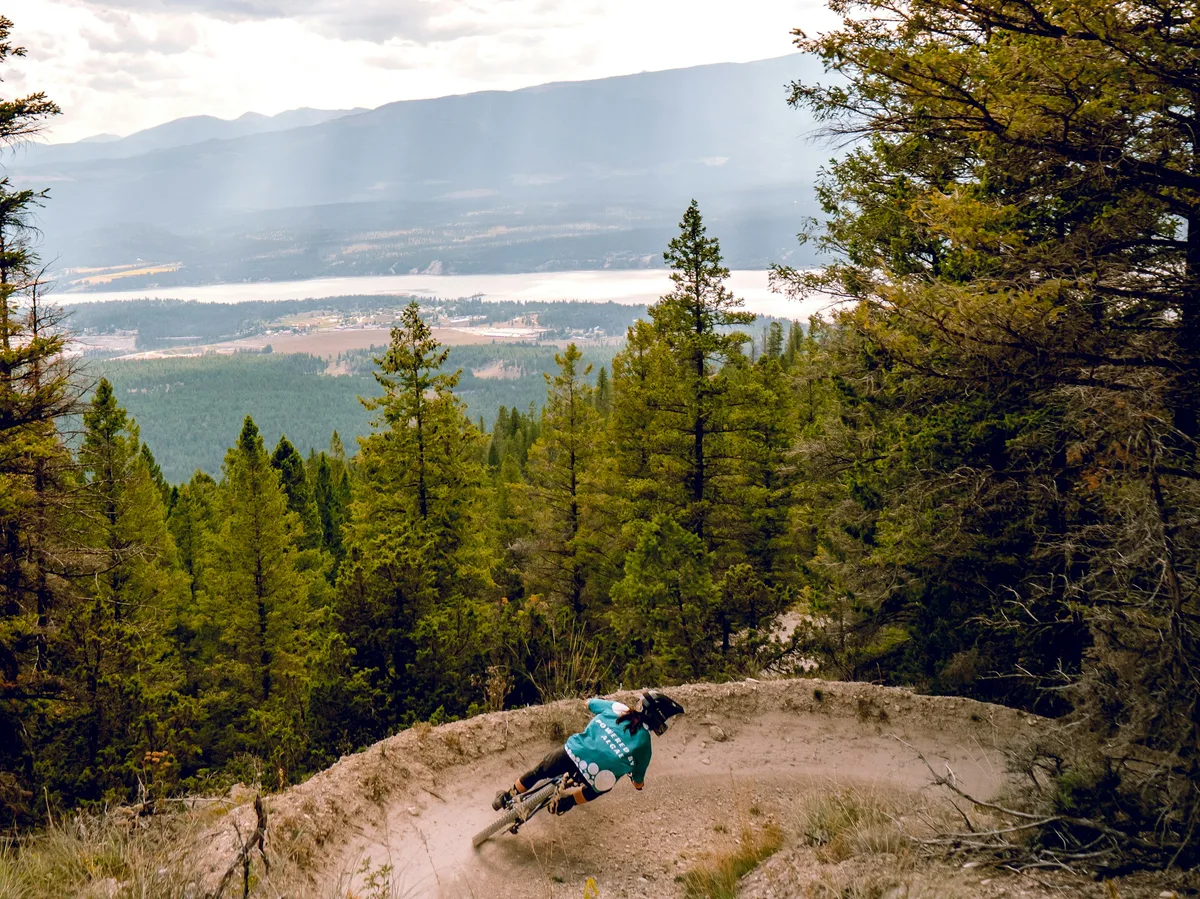 Multi-Day Tours
An active 11-day loop through western and central Bhutan, mixing cultural sightseeing in Paro, Thimphu, and Punakha with mountain biking on the famous 'Divine Madman' trail.
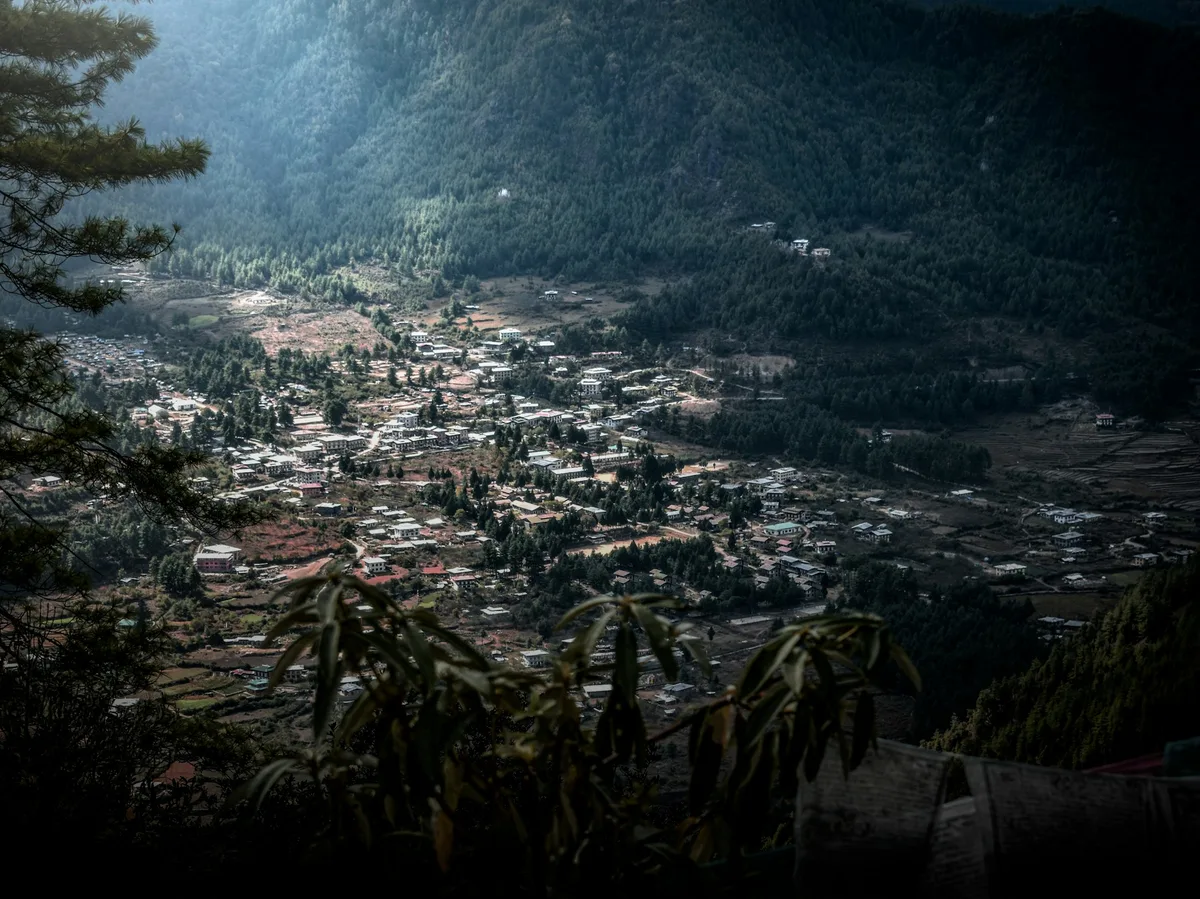 Multi-Day Tours
A culture-and-trail itinerary through Paro, Thimphu, Punakha, and Phobjikha, with two real day-hikes — to Dragey Pangtsho Lake and the Tiger's Nest — beyond the usual sightseeing.
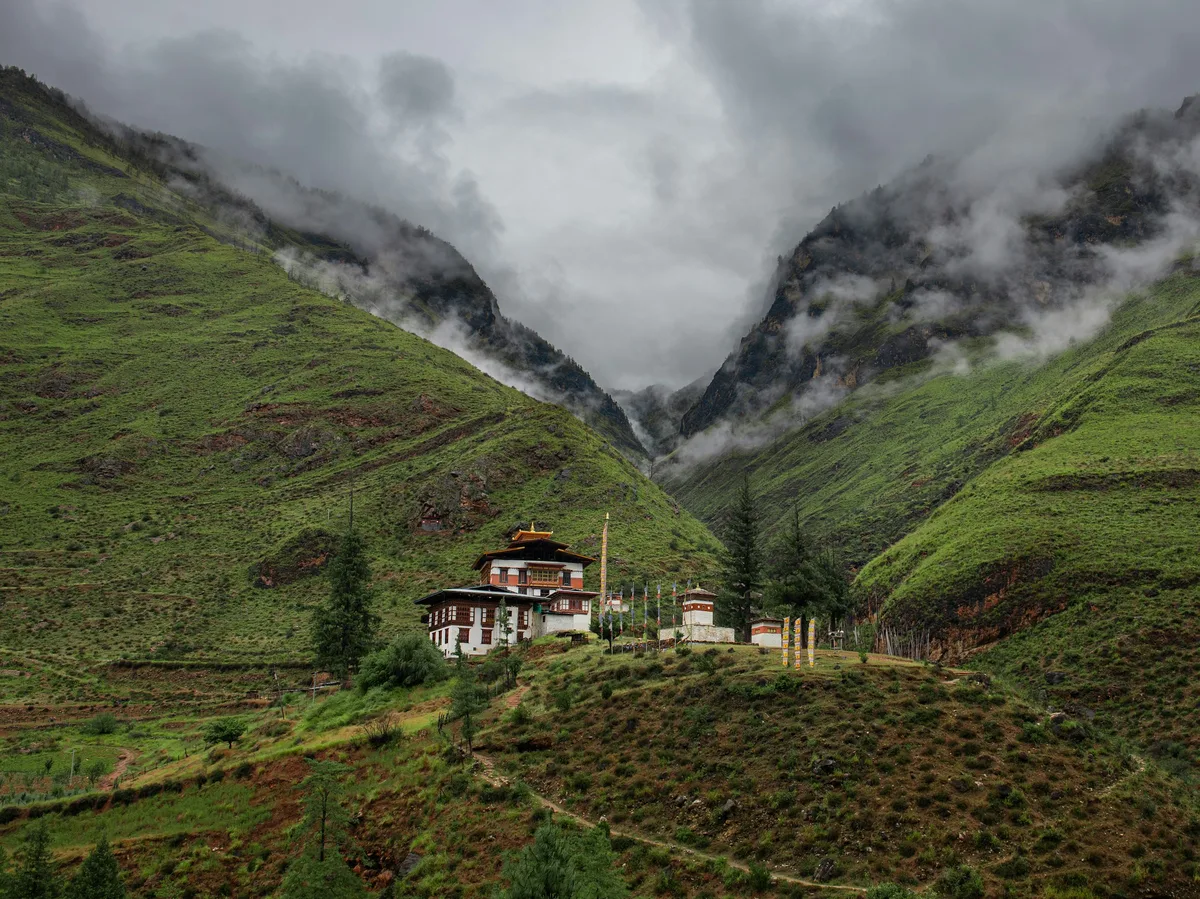 Multi-Day Tours
A polished eight-day circuit through Thimphu, Punakha, Phobjikha, and Paro, with a helicopter ride over the Himalayas and a side trip to the remote Haa Valley.
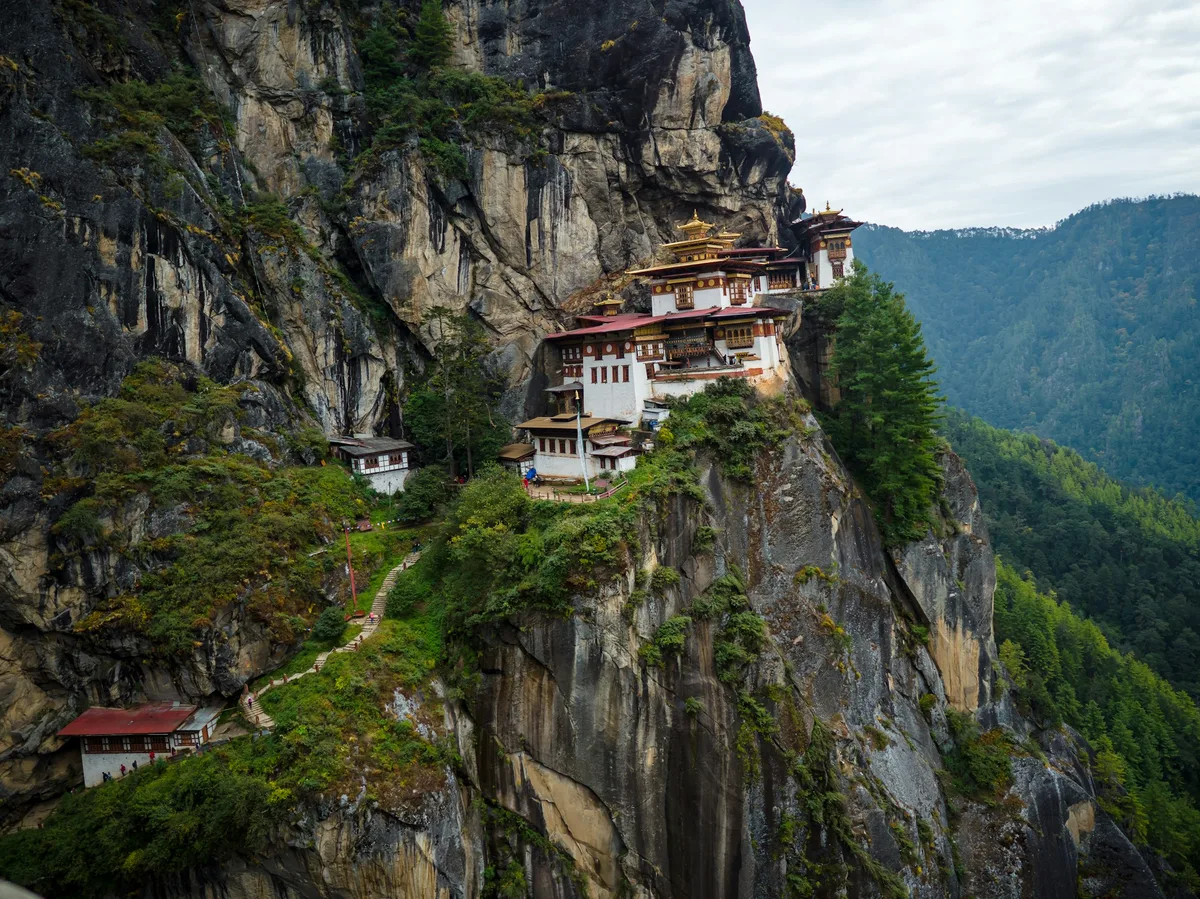 Multi-Day Tours
A gentler week through Thimphu, Punakha, and Paro built around Bhutan's hot spring culture, traditional hot stone baths, and a lighter hiking pace.
 Multi-Day Tours Popular Pick
Bhutan's full classic circuit — Thimphu, Trongsa, Bumthang, Phobjikha, Punakha, Paro, and a side trip to Haa Valley — covering the country's major dzongs, monasteries, and valleys.
 Multi-Day Tours
The classic five-day Druk Path trek between Paro and Thimphu — alpine lakes, yak pastures, and mountain viewpoints — bookended by dzong and monastery touring in both cities.
March-May and September-November offer the clearest mountain views and mildest weather, and coincide with Bhutan's major tshechu festivals; the summer monsoon (June-August) brings heavy rain to lower valleys.
All tourism in Bhutan runs through licensed local operators with a private guide and driver included as standard — independent travel without a guide isn't an option for foreign visitors under Bhutanese tourism policy.
Temperatures vary sharply with altitude — Paro and Thimphu are mild by day and cool at night, while high passes like Dochula and trekking routes can be cold year-round, so layered clothing is essential regardless of season.
Bhutan uses the ngultrum (BTN), pegged to the Indian rupee, which is also widely accepted. All visitors pay a Sustainable Development Fee per night, which funds free healthcare, education and conservation for Bhutanese citizens.
Modest dress is expected when visiting dzongs and monasteries — shoulders and knees covered — and photography inside temple interiors is often restricted, so check with your guide before taking pictures.
Paro sits around 2,200m and Thimphu around 2,300m, with some trekking routes and passes going considerably higher — travelers with cardiac or respiratory conditions should check with a doctor before booking an itinerary with high passes.
Tell us your group size and dates — we'll take care of the rest.