TorontoOntario · 36 tours
 Niagara FallsOntario · 25 tours
 New York CityNew York · 30 tours
 Las VegasNevada · 8 tours
 San FranciscoCalifornia · 16 tours
 VancouverBritish Columbia · 17 tours
 DubaiUAE · 54 tours
 Abu DhabiUAE · 5 tours
 Buenos AiresArgentina · 23 tours
 AthensGreece · 31 tours
 AucklandNew Zealand · 38 tours
 CancunMexico · 54 tours
No destinations match “”. Try searching all tours instead — that search understands full questions, not just place names.
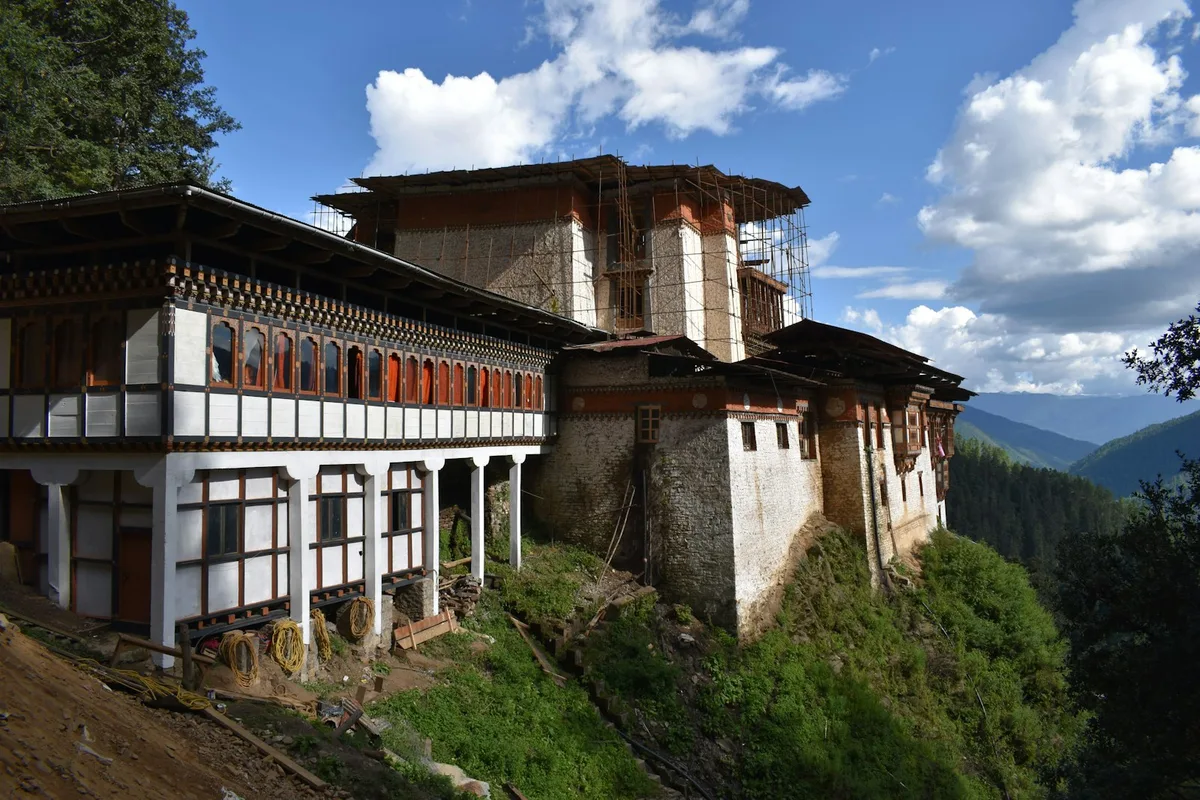
Bhutan's largest dzong, built on a ridge above a deep gorge in the country's centre, historically the seat from which the ruling dynasty governed the region.
 Multi-Day Tours
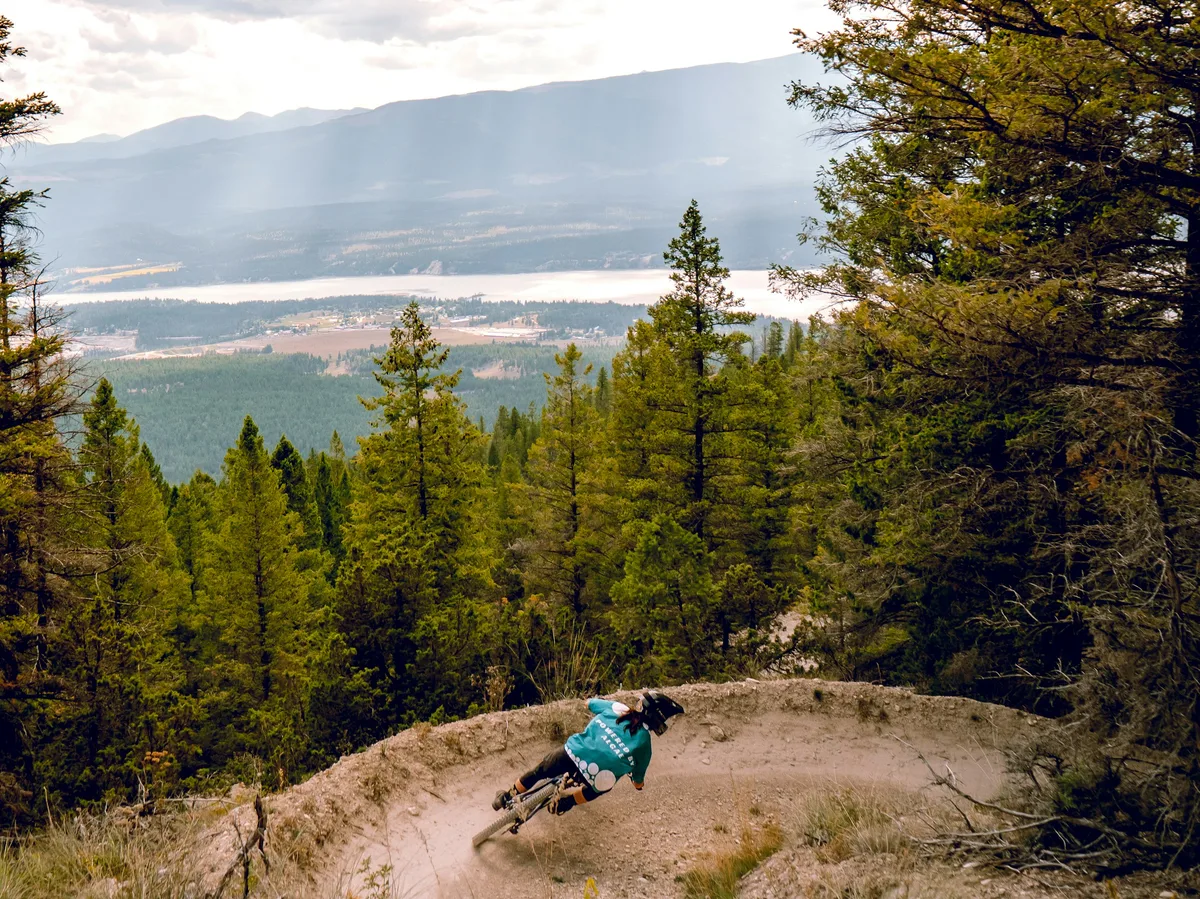
An active 11-day loop through western and central Bhutan, mixing cultural sightseeing in Paro, Thimphu, and Punakha with mountain biking on the famous 'Divine Madman' trail.
 Multi-Day Tours Popular Pick
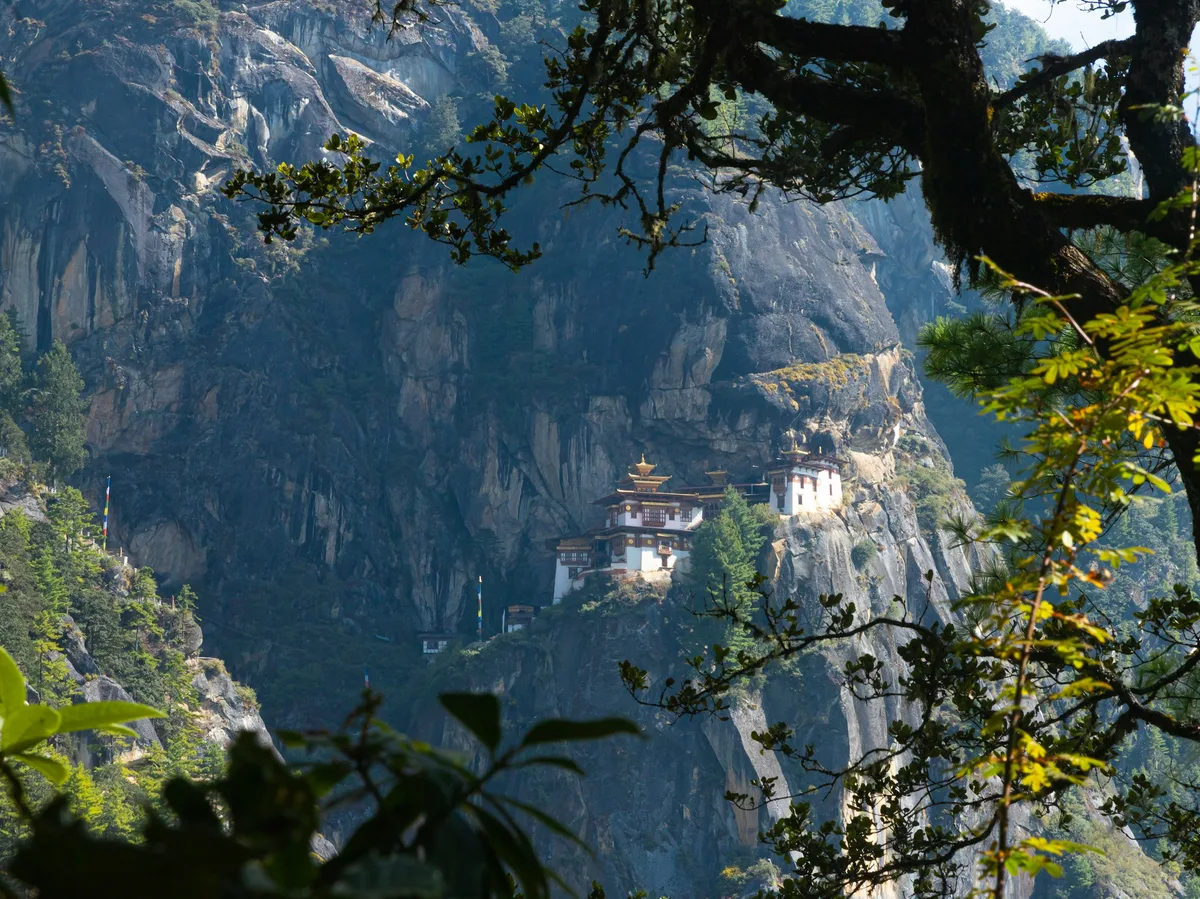
Bhutan's full classic circuit — Thimphu, Trongsa, Bumthang, Phobjikha, Punakha, Paro, and a side trip to Haa Valley — covering the country's major dzongs, monasteries, and valleys.
 Multi-Day Tours
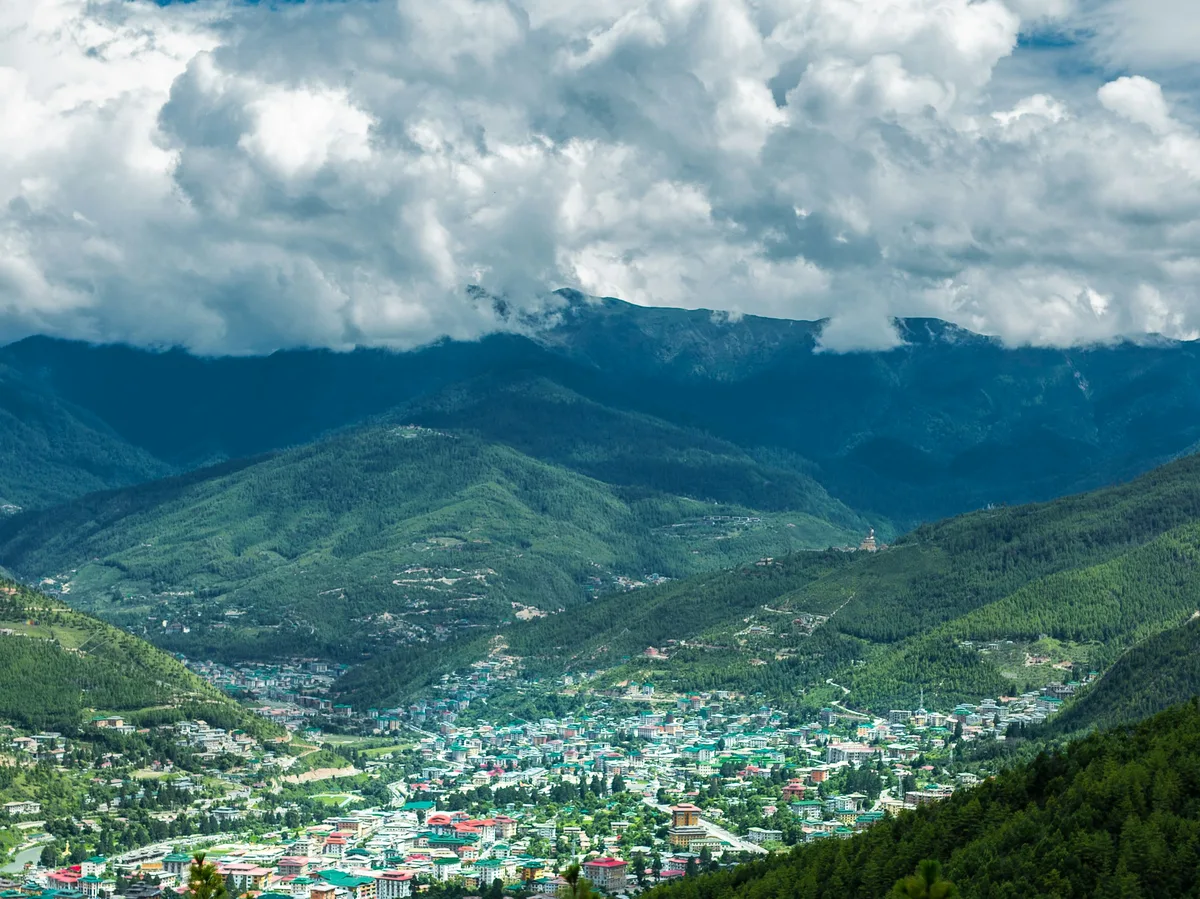
A deep dive into Bhutan's least-visited region — from the classic Paro-Thimphu-Punakha-Bumthang circuit onward to remote Mongar, Trashigang, and a Brokpa homestay in Sakteng.
Visitor guide
Trongsa Dzong is a fortress-monastery in central Bhutan, built on a spur above the gorge of the Mangde Chhu. Wikipedia calls it the largest dzong in Bhutan and the most spectacularly sited, and it was the ancestral seat of the Wangchuck dynasty before the monarchy began in 1907.
A Drukpa lama, Nagi Wangchuk, established a temple on the site in 1543, though one source gives his arrival as 1541, when he built a small meditation room after discovering hoof prints said to belong to the horse of the protector deity Pelden Lhamo. The name Trongsa is explained as meaning new village, from the retreats, temples and hermit residences that grew there. Wikipedia says Shabdrung Ngawang Namgyal built the first dzong in 1647, called Chokhor Rabtentse Dzong, but other sources credit the official Mingyur Tenpa with building it in 1644, a date also given for the town's dzong in the Trongsa article. Penlop Minjur Tempa enlarged it in 1652.
Later rulers expanded the complex repeatedly. Penlop Druk Dendrup built the Chenrezig Lhakhang in 1715, a complex including the Maitreya temple was added in 1771, and Penlop Jigme Namgyal built the Demchog Lhakhang in 1853.
Trongsa was the seat of the Wangchuck penlops, who controlled eastern and central Bhutan. The only road linking east and west passed through the dzong's courtyard, and its massive doors could be shut to divide the country in two. By the 19th century Trongsa was effectively, though not officially, the capital. Penlop Ugyen Wangchuck was crowned King of Bhutan in 1907 and kept the penlop post. Traditionally the heir to the throne serves as Trongsa Penlop before becoming Crown Prince and then King, and the archery ground beside the dzong is where the present king was installed as penlop in 2004, according to one source.
The dzong has courtyards and passageways on many levels and about 25 temples, and around 200 monks live there. It sits above the gorge of the Mangde Chhu, with the Black Mountains to the southwest. Most of the fine decoration that exists today was designed during the reign of the first king, Ugyen Wangchuck, and the dzong now serves as the administrative centre and monastic seat of Trongsa District.
The 1897 Assam earthquake heavily damaged the dzong. Repairs were made in 1927 by Ugyen Wangchuck and Jigme Wangchuck, and another source says the penlop Jigme Namgyal, father of the first king, repaired it. An Austrian-funded restoration took place in 1999, and the dzong was reconsecrated in October 2004.
The former six-storey watchtower, Ta Dzong, higher on the mountainside, guarded against internal insurgencies. It now houses a museum added in 2008 with Austrian donations, and a chapel dedicated to Jigme Namgyal, Trongsa Penlop from 1853 to 1870, as well as a temple to King Gesar established in 1977. A five-day Trongsa Tsechu is held in the northern courtyard in December or January.
Trongsa town sits at about 2,120 metres, with annual rainfall averaging around 1,266 millimetres, mostly from June to September. A private guided visit takes in the courtyards and the Ta Dzong museum and lets your group see how religious and political authority were combined in the dzong system.
See every tour and attraction we cover in Bhutan.