TorontoOntario · 36 tours
 Niagara FallsOntario · 25 tours
 New York CityNew York · 30 tours
 Las VegasNevada · 8 tours
 San FranciscoCalifornia · 16 tours
 VancouverBritish Columbia · 17 tours
 DubaiUAE · 54 tours
 Abu DhabiUAE · 5 tours
 Buenos AiresArgentina · 23 tours
 AthensGreece · 31 tours
 AucklandNew Zealand · 38 tours
 CancunMexico · 54 tours
No destinations match “”. Try searching all tours instead — that search understands full questions, not just place names.
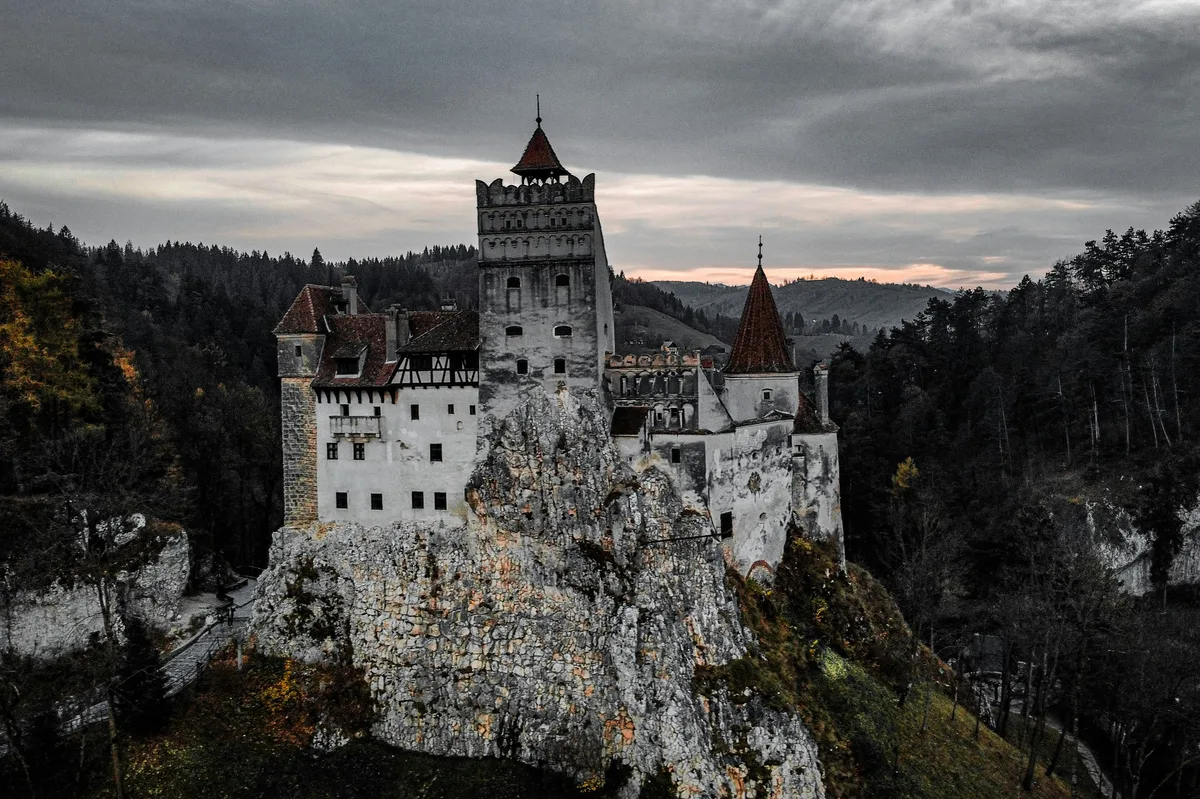
A 14th-century castle near Brașov popularly known as "Dracula's Castle" for its association with the Dracula legend, standing on a rocky outcrop above the surrounding forest.
 Multi-Day Tours
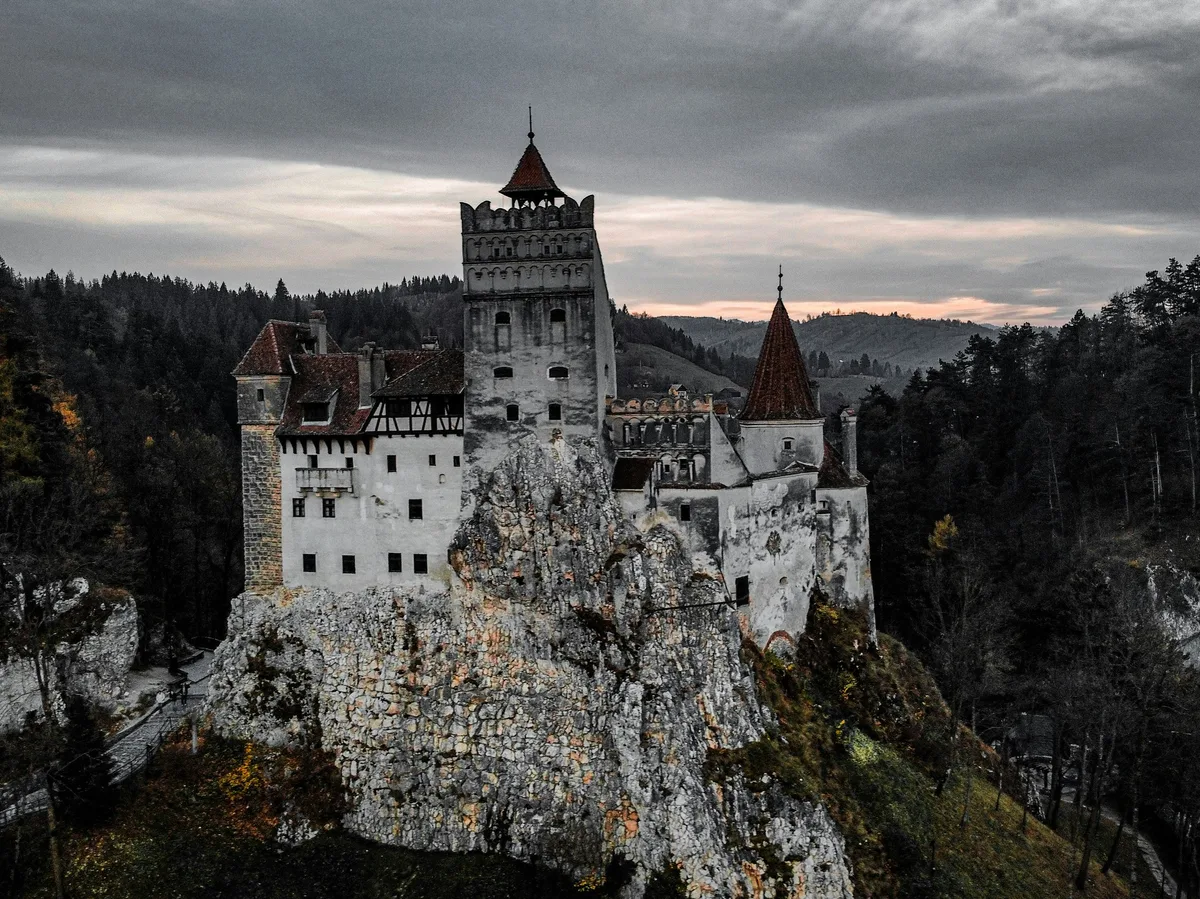
An 8-day Transylvania route tracing the Dracula legend and the real history of Vlad the Impaler — Bran Castle, medieval Sighișoara, Corvin Castle, and the sites of Vlad's own life in Târgoviște and Poenari, alongside Brașov, Cluj-Napoca, and Sibiu.
 Multi-Day Tours
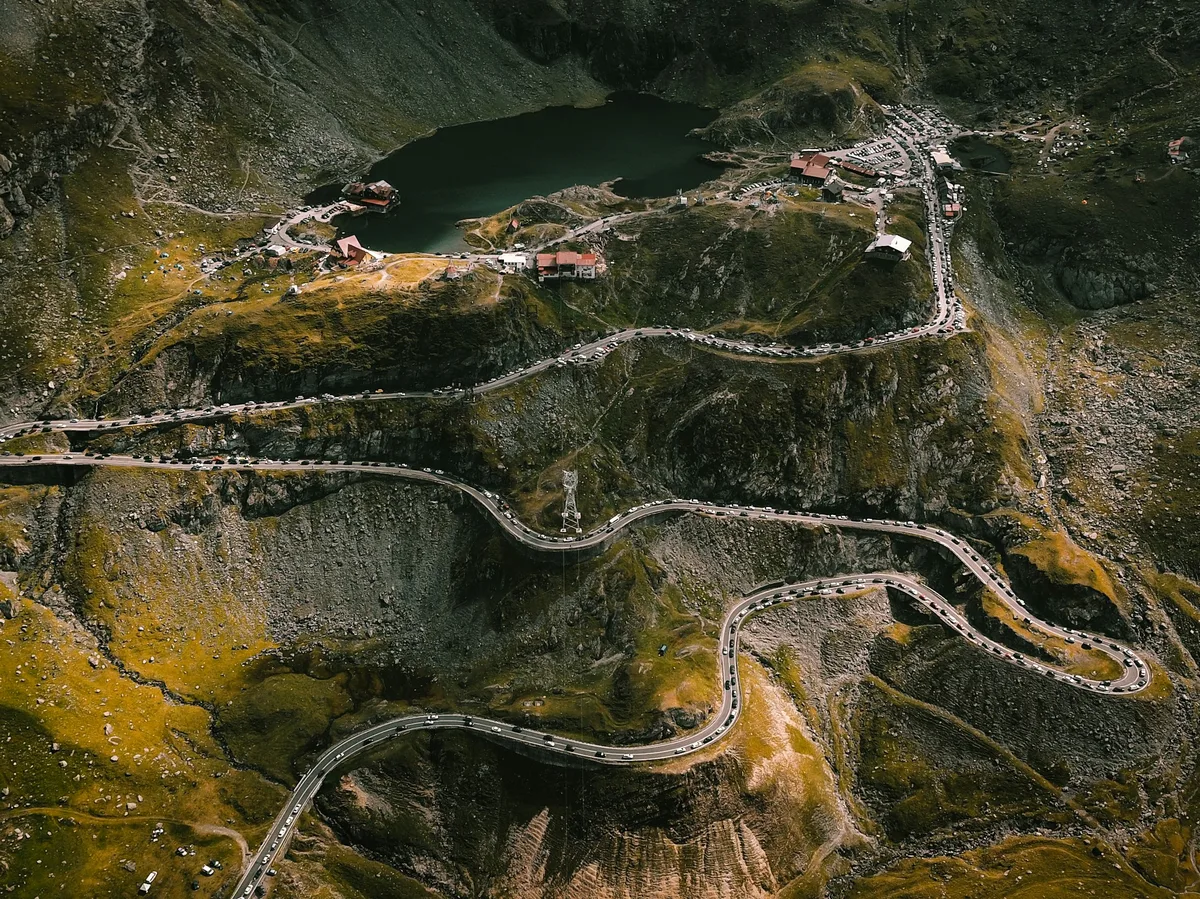
A 7-day route along Romania's most celebrated mountain roads — Bran Castle, the Transfăgărășan through the Carpathians, Poenari Fortress, medieval Sibiu, the high-altitude Transalpina, and the pottery village of Horezu.
Visitor guide
Bran Castle is a medieval castle in the village of Bran, about 25 kilometres southwest of Brasov in Transylvania, Romania. Built in the late 14th century to guard a mountain pass between Transylvania and Wallachia, it is a national monument, now a museum, and is widely marketed as Dracula's Castle even though historians find the connection to the legend slight.
Wikipedia describes the castle as standing on the Transylvanian side of the historical border with Wallachia, controlling an old trade route through the Bran Gorge. The first documented mention is an act issued by King Louis I of Hungary on 19 November 1377, which gave the Saxons of Kronstadt, today's Brasov, the privilege to build a stone castle at their own expense and labor. Earlier fortifications are less certain: the Teutonic Order was given the land in 1211 and built a wooden castle called Dietrichstein in 1212, which was destroyed around 1225, and a still earlier Szekely fortification is mentioned in a chronicle whose reliability is described as questionable.
The castle served a practical purpose. Although many castles of the era belonged to nobles, Wikipedia says Bran was built almost exclusively to fortify and protect German colonists in Transylvania. In 1438 to 1442 it was used in defence against the Ottoman Empire, and it later became a customs post on the pass. In 1530 a Wallachian army sent by Voivode Moise failed to capture it, and it played a strategic military role until the mid-18th century.
After the Treaty of Trianon in 1920 Transylvania became part of Romania, and the Saxons of Brasov gave the castle to the royal house. It became a favorite retreat of Queen Marie of Romania, who ordered an extensive renovation directed by the Czech architect Karel Zdenek Liman. Her daughter Princess Ileana inherited it and ran a hospital there during the Second World War. The communist regime seized it in 1948 when the royal family was expelled. After a restitution law passed in 2005, ownership was returned to the heirs of Princess Ileana in 2006, and in 2009 the refurbished castle opened as a private museum.
The museum today displays art and furniture collected by Queen Marie, and a small open-air museum at the foot of the hill shows traditional peasant buildings from the Bran region.
Bran is marketed outside Romania as Dracula's Castle. Wikipedia is direct on the facts: the castle is not mentioned in Bram Stoker's novel Dracula of 1897, there is no evidence that Stoker visited Transylvania or this castle, and his description of the fictional castle does not match Bran. Most historians agree that Vlad III, known as Vlad the Impaler, never lived at Bran, and that the castle was neither friendly territory nor under his rule. He was once thought to have been imprisoned there in 1462, but historians now conclude he was held in a fortress in Budapest. The Dracula link is therefore a tourism-driven legend rather than documented history, though the castle remains one of Romania's most photographed landmarks.
Bran sits on the road between Brasov and the Wallachian side of the Carpathians, so it fits naturally into a day from Brasov. A private tour with a driver and guide helps separate the castle's real history from the Dracula myth.
See every tour and attraction we cover in Romania.