TorontoOntario · 36 tours
 Niagara FallsOntario · 25 tours
 New York CityNew York · 30 tours
 Las VegasNevada · 8 tours
 San FranciscoCalifornia · 16 tours
 VancouverBritish Columbia · 17 tours
 DubaiUAE · 54 tours
 Abu DhabiUAE · 5 tours
 Buenos AiresArgentina · 23 tours
 AthensGreece · 31 tours
 AucklandNew Zealand · 38 tours
 CancunMexico · 54 tours
No destinations match “”. Try searching all tours instead — that search understands full questions, not just place names.
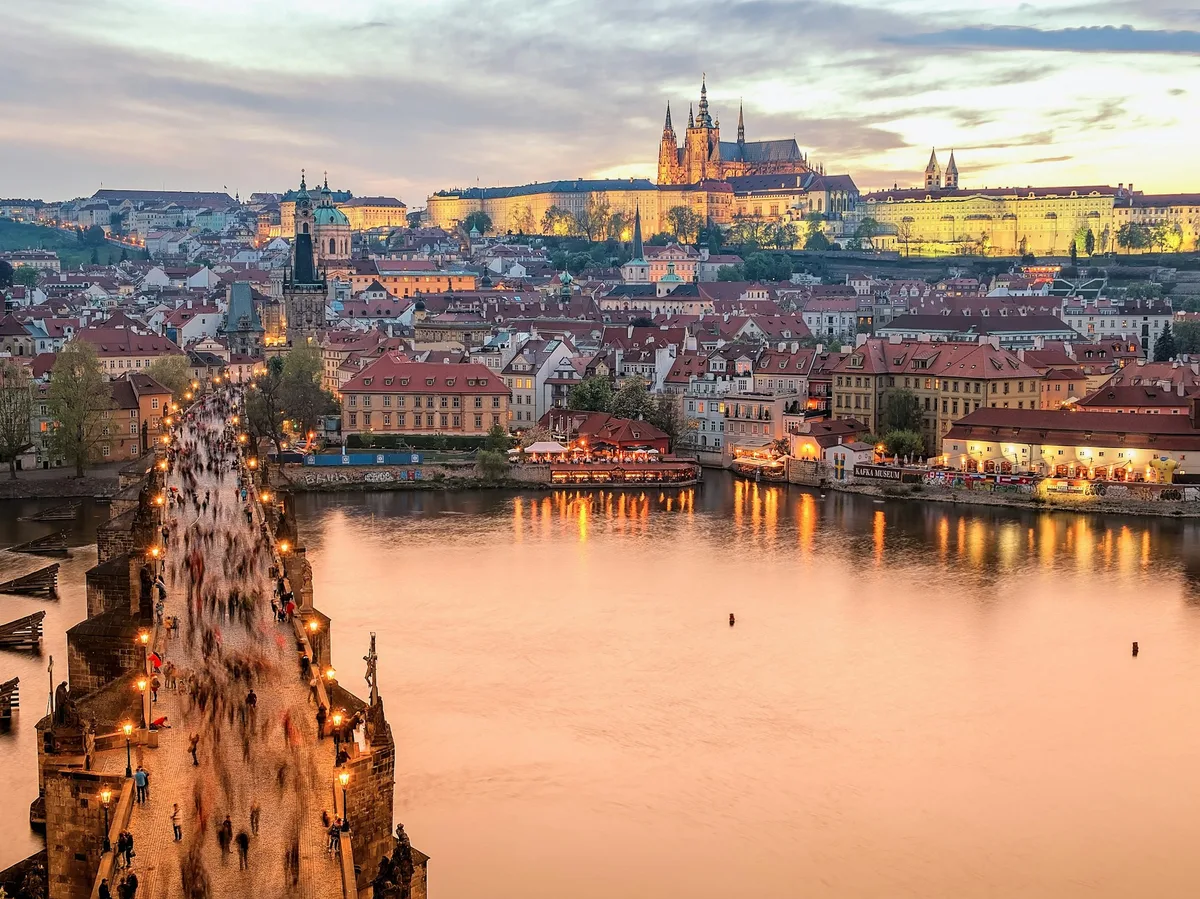
The largest ancient castle complex in the world by area, Prague Castle has been the seat of Czech rulers since the 9th century and today houses the office of the President of the Republic, alongside St. Vitus Cathedral.
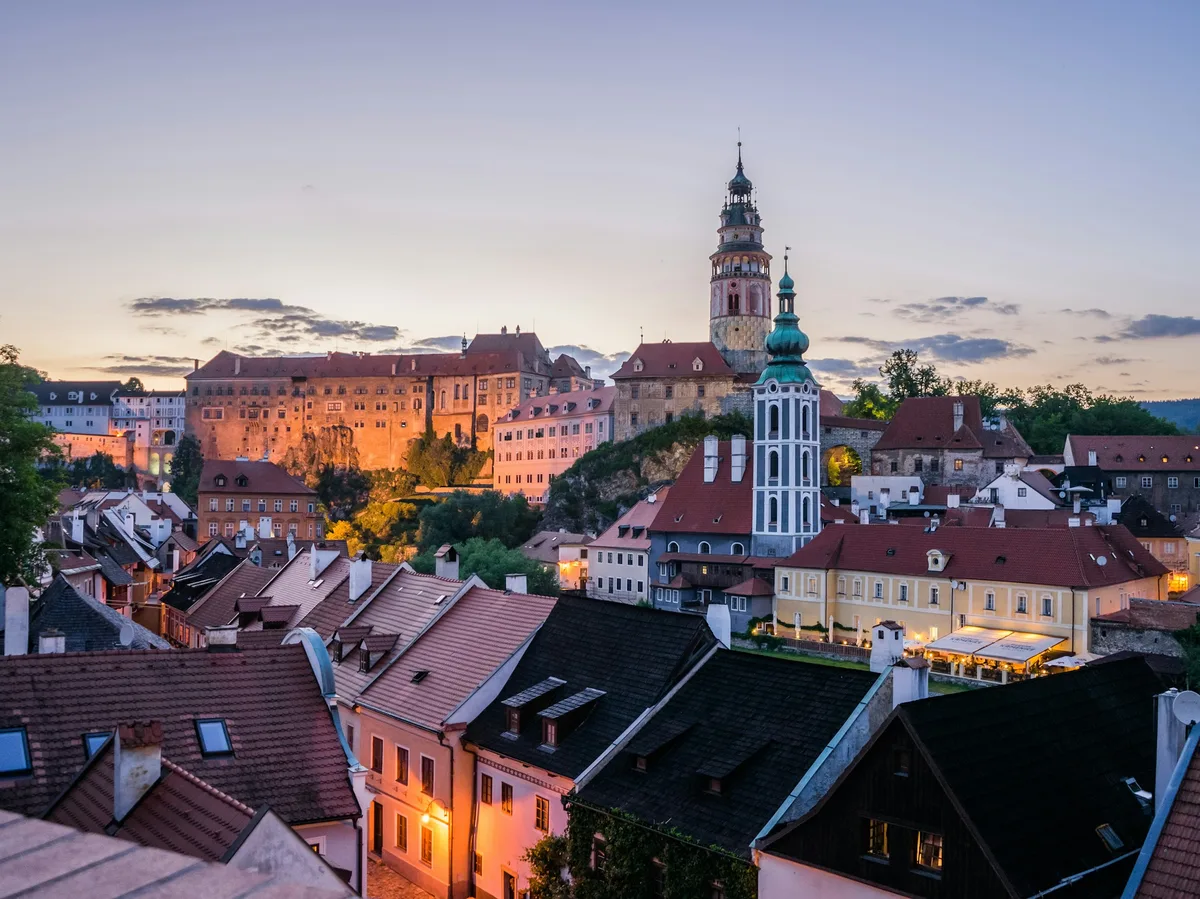 Multi-Day Tours Popular Pick
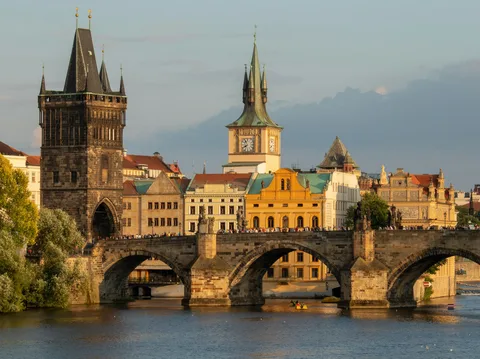
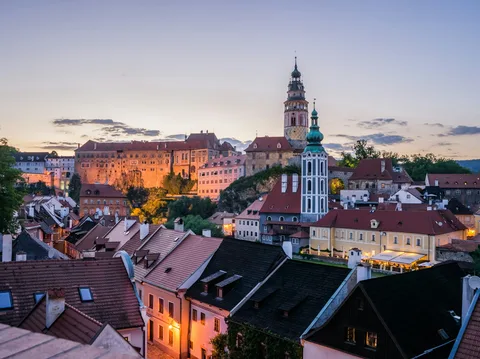
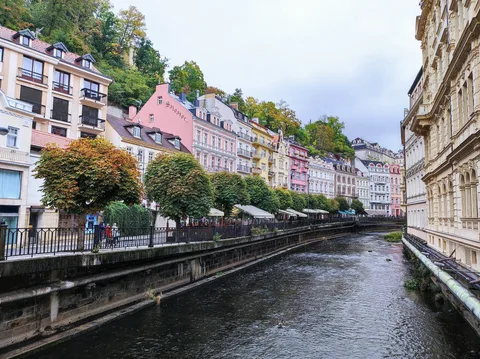
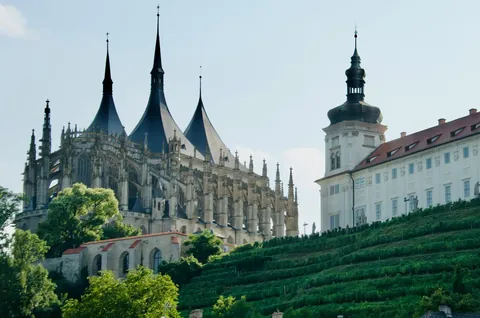
A 10-day loop through Bohemia and Moravia's best-known castles, cathedrals and spa towns, from Prague Castle and the Kutná Hora ossuary to Český Krumlov and the thermal springs of Karlovy Vary.
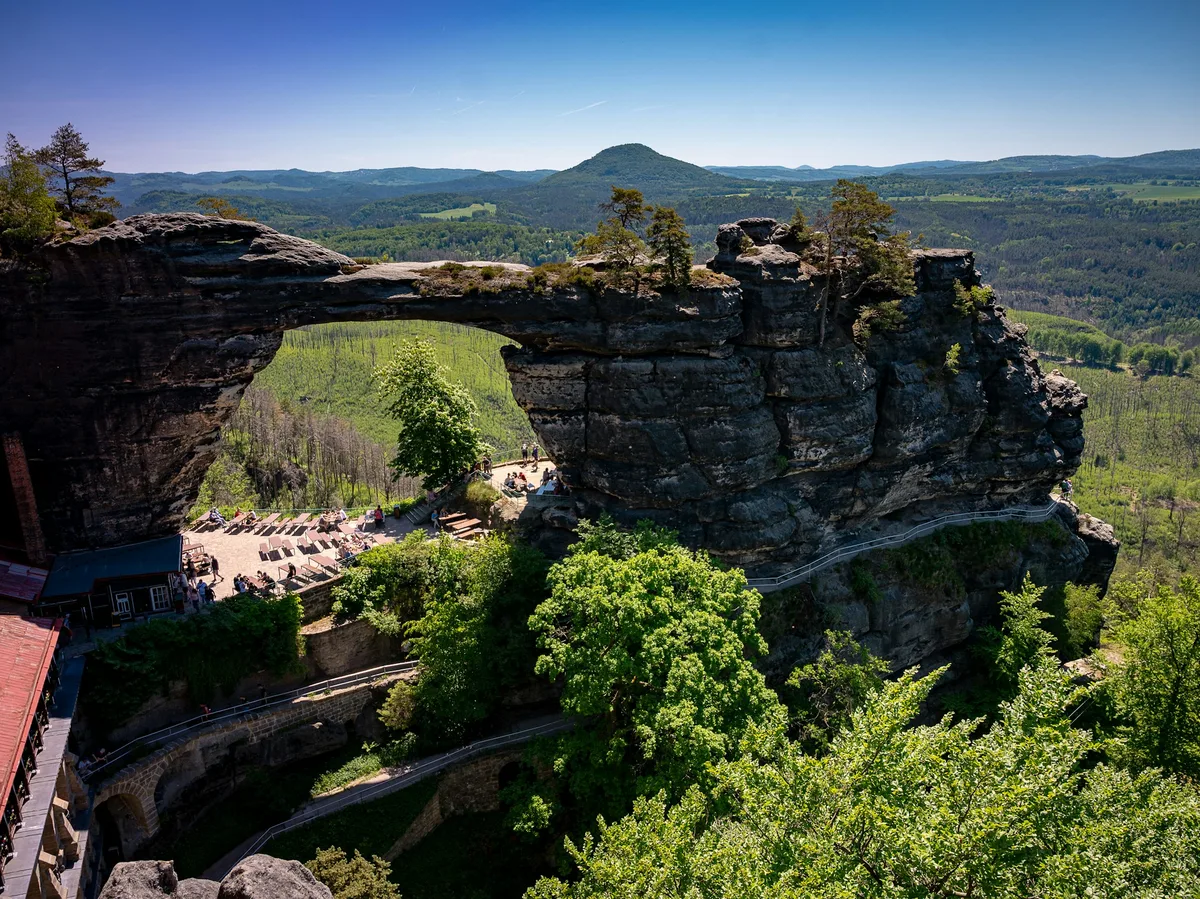 Multi-Day Tours
An 8-day, Prague-based hiking adventure through the sandstone canyons and forests of Bohemian Switzerland National Park, with a day trip across the border to Saxon Switzerland and a visit to Český Krumlov.
Visitor guide
Prague Castle (Pražský hrad) is a castle complex in Prague, Czech Republic, begun in the 9th century and long the seat of power for the kings of Bohemia, Holy Roman emperors and presidents of Czechoslovakia. It is the official residence and workplace of the Czech president, and the Bohemian Crown Jewels are kept in a hidden room inside it.
Wikipedia cites the Guinness Book of Records as ranking Prague Castle as the largest ancient castle in the world, covering almost 70,000 square metres, about 570 metres long and some 130 metres wide on average. It is described as the most visited tourist attraction in the Czech Republic. The complex is a blend of architectural styles from the last thousand years, including the Gothic St. Vitus Cathedral, the Romanesque Basilica of St. George, a monastery, several palaces, gardens and defence towers. The district around the castle is called Hradčany.
The castle's history began in 870 with its first walled building, the Church of the Virgin Mary. The Basilica of St. George and the Basilica of St. Vitus were founded in the first half of the 10th century, and the first convent in Bohemia was founded next to St. George's. A Romanesque palace followed in the 12th century. King Ottokar II improved the fortifications, and under Charles IV in the 14th century the royal palace was rebuilt in Gothic style and construction began on the vast Gothic church that replaced the earlier rotunda and basilica, taking almost six centuries to complete.
After the Hussite Wars the castle stood uninhabited until, in 1485, King Vladislaus II Jagiellon began a rebuilding that added the great Vladislav Hall by Benedikt Rejt. A large fire in 1541 destroyed much of the castle, and the Habsburgs added Renaissance buildings, including the Belvedere summer palace that Ferdinand I built for his wife Anne. Rudolph II used the castle as his main residence and housed his art collections in the Spanish Hall. The Third Defenestration of Prague in 1618 took place at the castle and began the Bohemian Revolt, and Swedish troops looted works from Rudolph's collection in 1648. Empress Maria Theresa carried out the last major rebuilding in the second half of the 18th century.
In 1918 the castle became the seat of the president of the new Czechoslovak Republic, Tomáš Masaryk, who engaged Slovenian architect Jože Plečnik to renovate the gardens and New Royal Palace. St. Vitus Cathedral was completed in 1929. The castle housed Czechoslovak government offices after 1948 and, following the 1993 split of Czechoslovakia, became the seat of the Czech head of state. President Václav Havel commissioned Bořek Šípek to carry out post-communist improvements, notably to the picture gallery.
Most castle areas are open to tourists. Palaces include the Old Royal Palace, the New Royal Palace, the Lobkowicz Palace and Queen Anne's Summer Palace, better known as the Belvedere. Towers include the White Tower, Black Tower and Dalibor Tower, and the complex also holds Golden Lane, a picture gallery based on the collection of Rudolph II, a Toy Museum and National Gallery collections of Bohemian baroque and mannerist art. The Royal Garden, South Gardens and Paradise Garden are among its gardens, and the Summer Shakespeare Festival regularly takes place in the courtyard of the Burgrave Palace.
A private guided visit helps make sense of how many centuries are layered across the courtyards.
See every tour and attraction we cover in Czechia.