TorontoOntario · 36 tours
 Niagara FallsOntario · 25 tours
 New York CityNew York · 30 tours
 Las VegasNevada · 8 tours
 San FranciscoCalifornia · 16 tours
 VancouverBritish Columbia · 17 tours
 DubaiUAE · 54 tours
 Abu DhabiUAE · 5 tours
 Buenos AiresArgentina · 23 tours
 AthensGreece · 31 tours
 AucklandNew Zealand · 38 tours
 CancunMexico · 54 tours
No destinations match “”. Try searching all tours instead — that search understands full questions, not just place names.
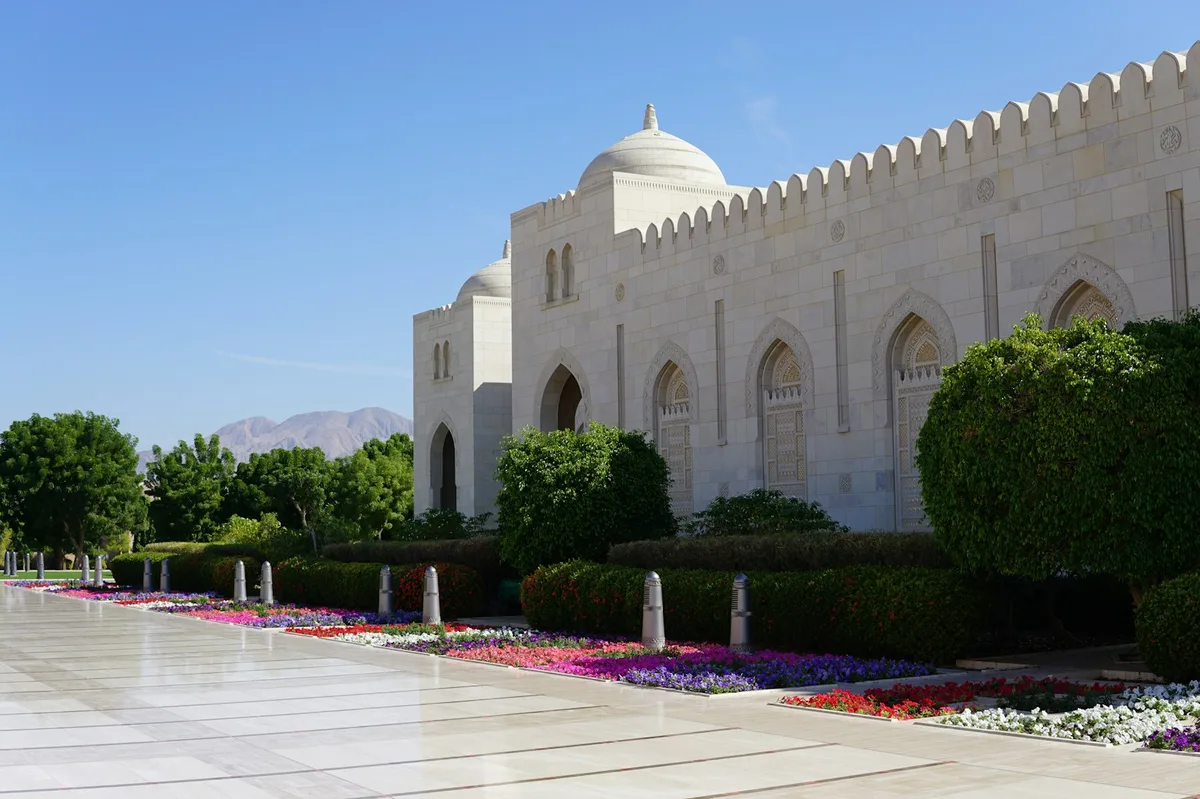
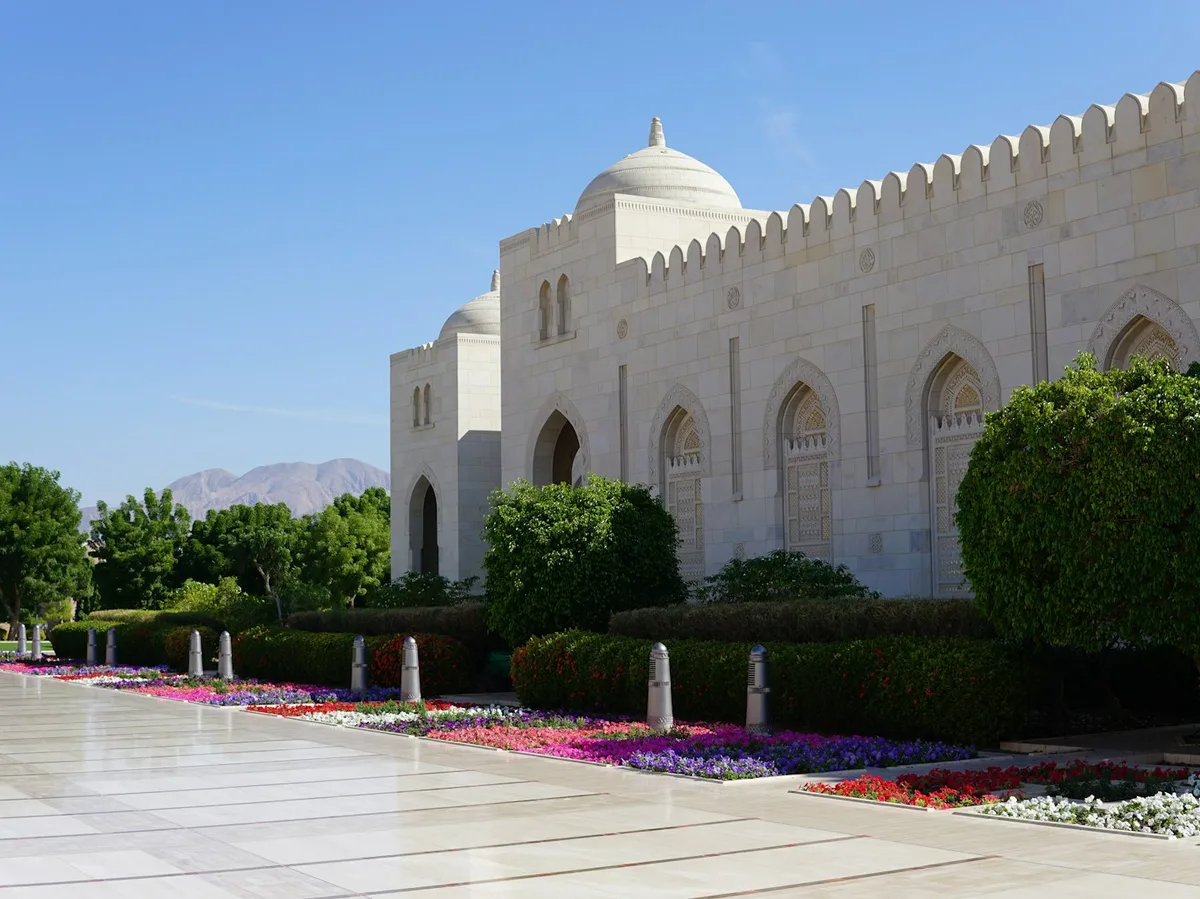
Muscat's grand mosque, with white marble domes, expansive gardens, and one of the world's largest hand-woven carpets in its main prayer hall.
 Multi-Day Tours
An 8-day route from Muscat's Sultan Qaboos Grand Mosque and Mutrah Souq along the coast to Sur, into Wahiba Sands for a desert camp night, up into the Jabal Akhdar mountains, and through Nizwa's fort and souq.
 Multi-Day Tours
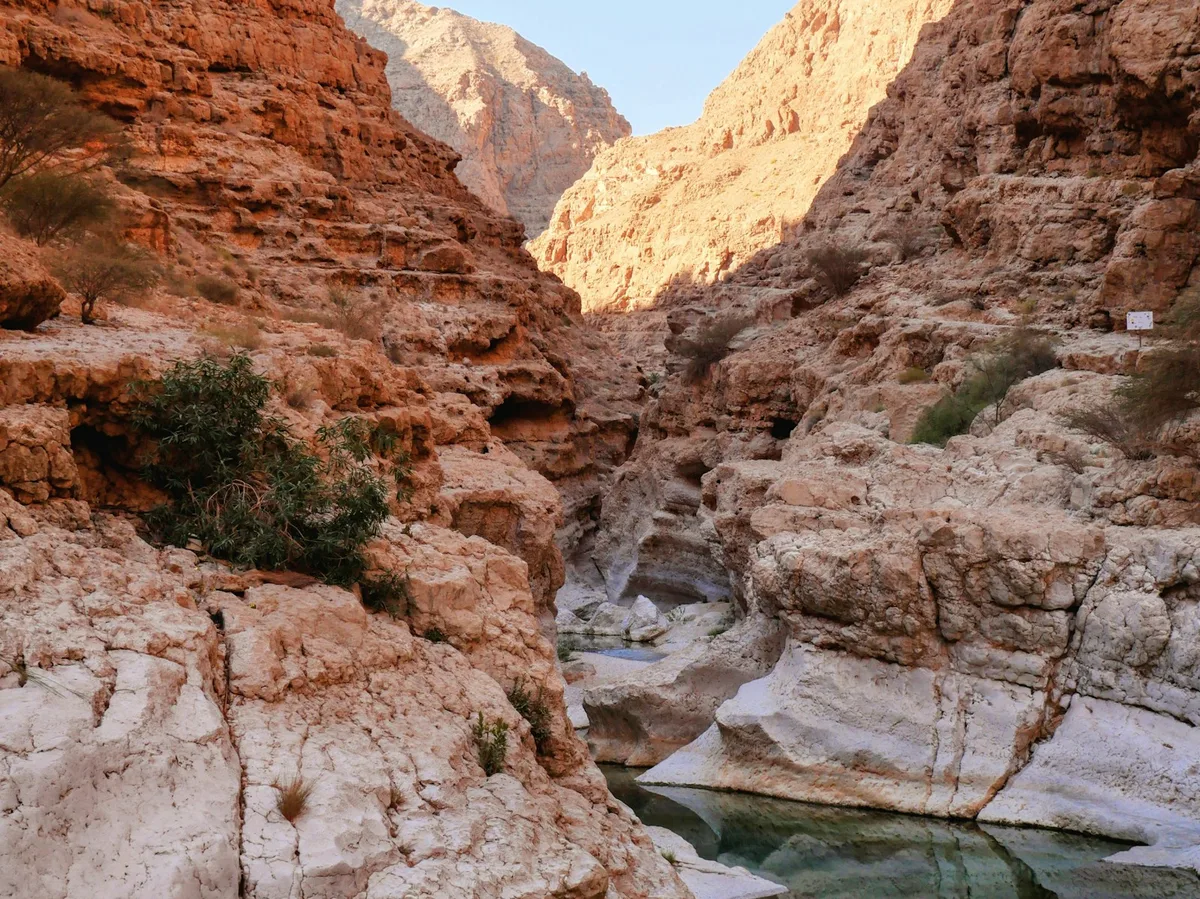
A 13-day, hike-focused private route through Oman's cities and mountains — from Muscat's mosque and forts, through the canyons of Wadi Nakhr and Jebel Akhdar, to a night in Wahiba Sands and a hike through Wadi Shab's pools and waterfalls.
Visitor guide
The Sultan Qaboos Grand Mosque is the main congregational (Friday) mosque of Muscat, the capital of Oman, and was completed in 2001. Built in a contemporary Islamic style from pale sandstone, it combines five minarets, a central prayer hall and landscaped grounds in one of the Sultanate's best-known landmarks.
According to Wikipedia, Sultan Qaboos bin Said Al Said directed in 1992 that Oman should have a Grand Mosque, and a design competition followed in 1993. The building contract went to Carillion Alawi LLC, and construction began in December 1994 on a site at Bausher. The work took roughly six years and seven months, and the mosque was inaugurated on 4 May 2001 to mark thirty years of the Sultan's reign.
The architects are credited as Quad Design, with Mohamed Makiya responsible for the exterior and Edgard Bali for the interior. Wikipedia reports that some 270,000 tonnes of Indian sandstone were imported for the building, with wood and glass used for doors, windows and embellishment, and several types of stone used elsewhere. Travel guides describe the finished look as a restrained contemporary Islamic design clad in white and red-brown marble.
Five minarets mark the complex, a main minaret of about 90 metres flanked by four of roughly 45.5 metres; local descriptions often link the number five to the five pillars of Islam. The prayer hall covers about 5,476 square metres, and the central dome is given as rising around 50 metres above the floor, though other sources quote different dome heights, so treat these figures as approximate. Visitors are generally described as entering from the eastern end through gardens divided by water channels, passing the women's prayer hall before reaching the main building.
Design influences are mixed deliberately. Rough Guides notes that the minarets nod to Egyptian tradition, while the wooden ceilings and tilework draw on Omani and Persian craft, and the Desert Heritage Magazine mentions Ottoman, Mamluk, Mughal and Safavid touches in various parts of the structure. Wall panels in the main hall are covered with geometric and plant-inspired marble designs.
Two interior features draw the most attention. The prayer carpet, made by the Iran Carpet Company for the Royal Court, is reported to have about 1.7 billion knots (the mosque's own site gives 1,700 million), weigh 21 tonnes and use about 28 colours (many from traditional vegetable dyes); sources differ on how long it took to make, from about 27 months to four years. It measures over 70 by 60 metres and blends Tabriz, Kashan and Isfahan design traditions. Wikipedia says it was the largest single-piece carpet in the world until the larger carpet of the Sheikh Zayed Grand Mosque in Abu Dhabi, which that mosque's official site says Guinness recognised in 2007.
The main chandelier, made by the Italian firm Faustig, is given as 14 metres high, with around 600,000 crystals and 1,122 bulbs on a dimming system, and an internal staircase for maintenance. Wikipedia lists thirty-four smaller chandeliers of the same design elsewhere in the building. Weights and dimensions vary slightly between sources.
The main prayer hall is described as holding over 6,500 worshippers, the women's hall 750, and the outer courtyard 8,000, with up to 20,000 people possible when the interior courtyard and passageways are included. Wikipedia calls it the largest mosque in Oman. It remains an active place of worship, so a visit is arranged around prayer times and modest dress. A private guided visit with a driver suits the site well, as it lets the group settle on a pace that suits the architecture and the surrounding gardens.
See every tour and attraction we cover in Oman.