TorontoOntario · 36 tours
 Niagara FallsOntario · 25 tours
 New York CityNew York · 30 tours
 Las VegasNevada · 8 tours
 San FranciscoCalifornia · 16 tours
 VancouverBritish Columbia · 17 tours
 DubaiUAE · 54 tours
 Abu DhabiUAE · 5 tours
 Buenos AiresArgentina · 23 tours
 AthensGreece · 31 tours
 AucklandNew Zealand · 38 tours
 CancunMexico · 54 tours
No destinations match “”. Try searching all tours instead — that search understands full questions, not just place names.
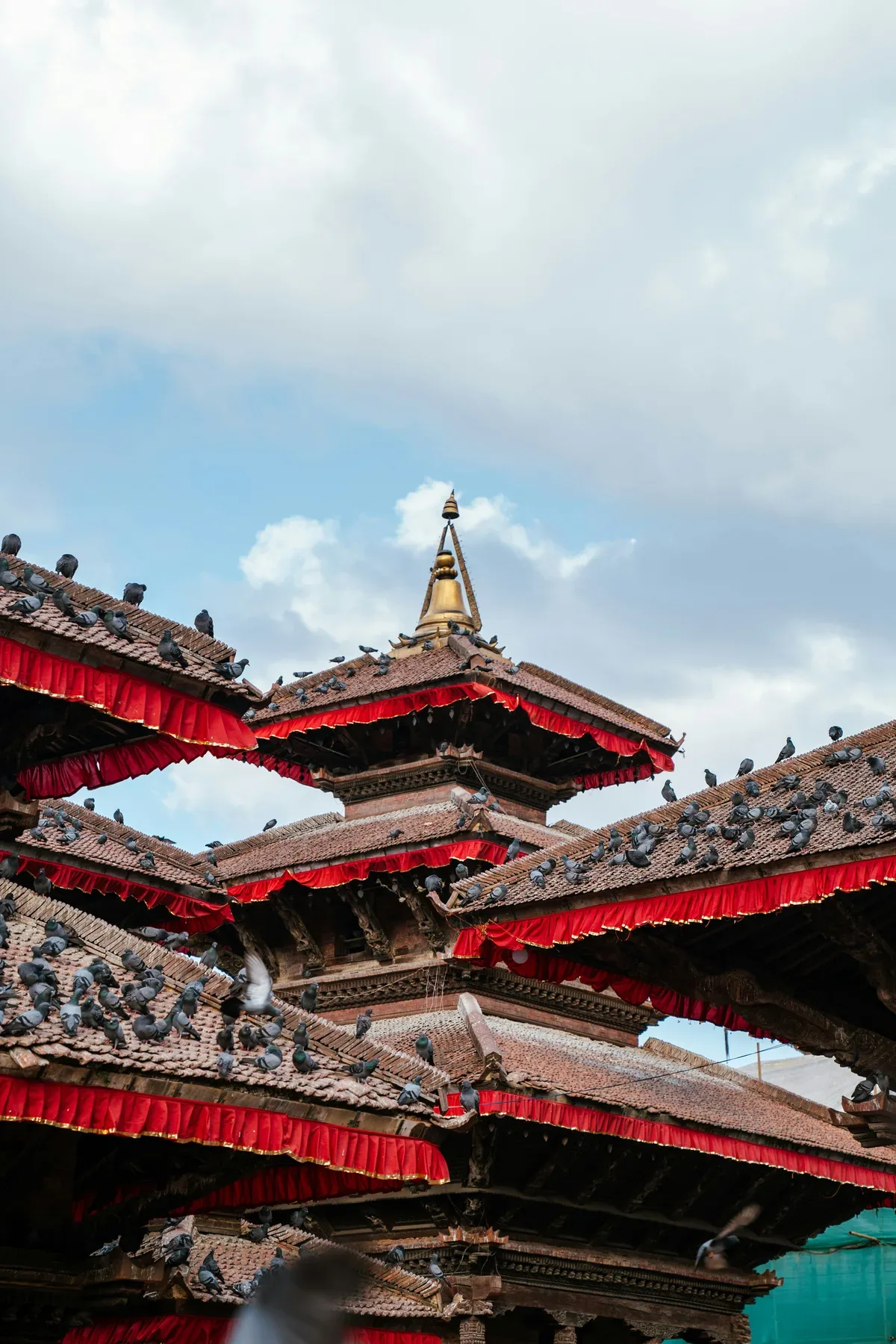
A UNESCO World Heritage plaza of royal palaces and temples in the heart of old Kathmandu, home to the Kumari, Nepal's Living Goddess.
 Multi-Day Tours
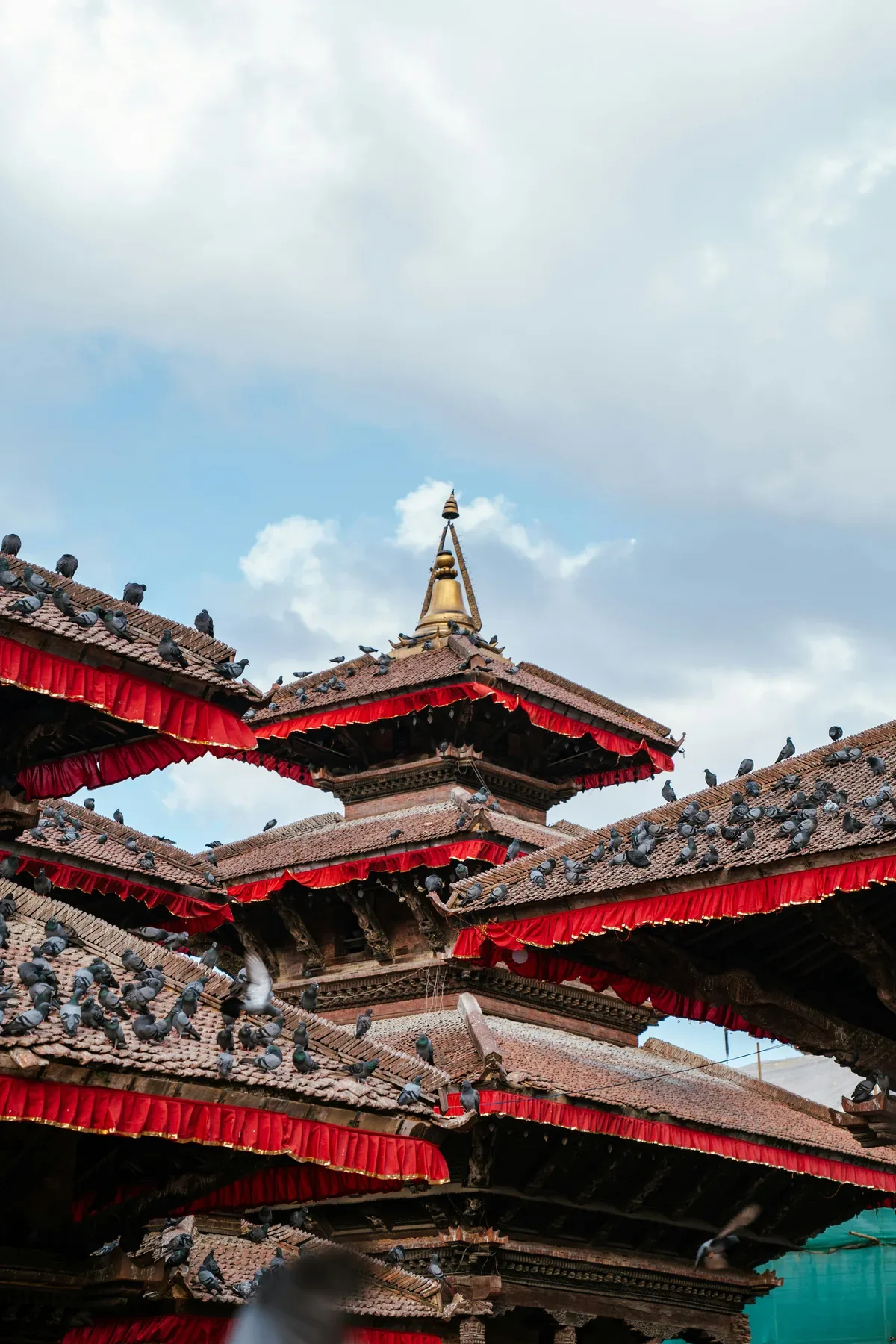
A 12-day circuit through the Kathmandu Valley's Durbar Squares and stupas, south into Chitwan National Park's jungle and wildlife, and west to the lakeside city of Pokhara beneath the Annapurna range.
 Multi-Day Tours
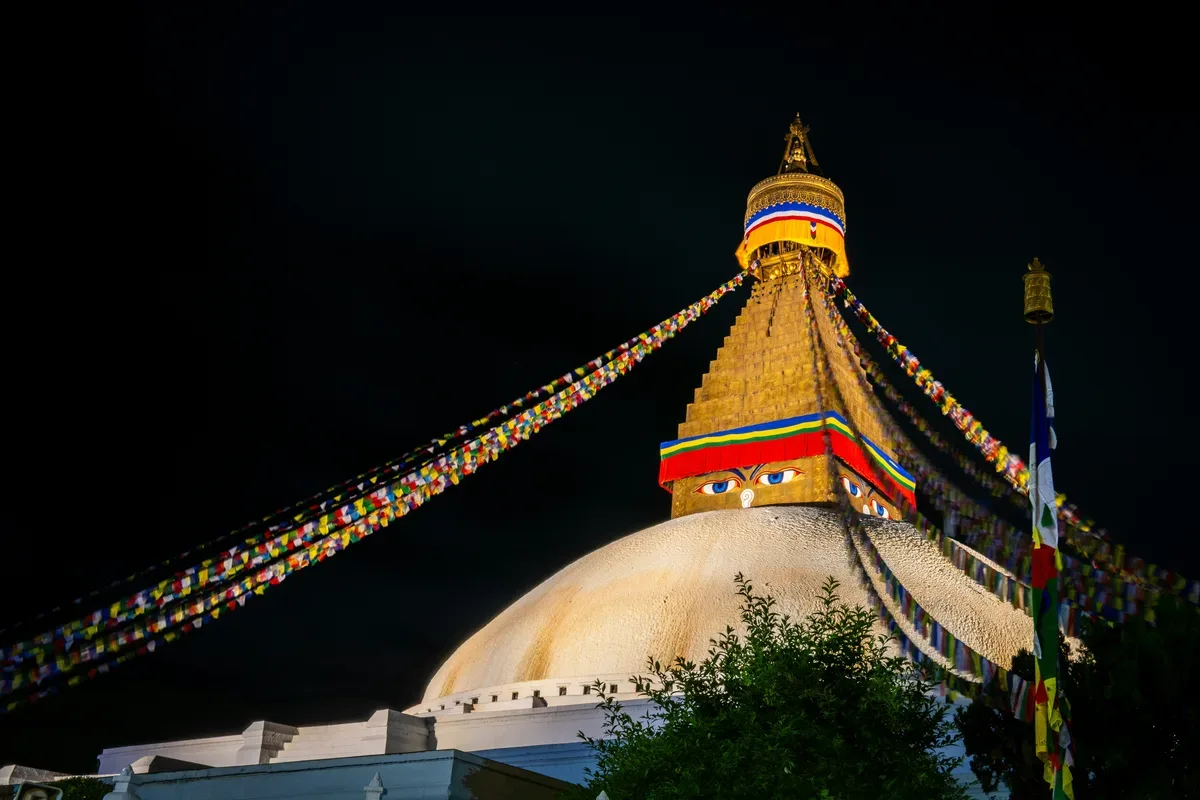
An 8-day route through Kathmandu Valley's UNESCO sites and the Living Goddess Kumari, a Chitwan safari, Pokhara's lakeside, and an optional helicopter flight over the Annapurna range.
 Multi-Day Tours
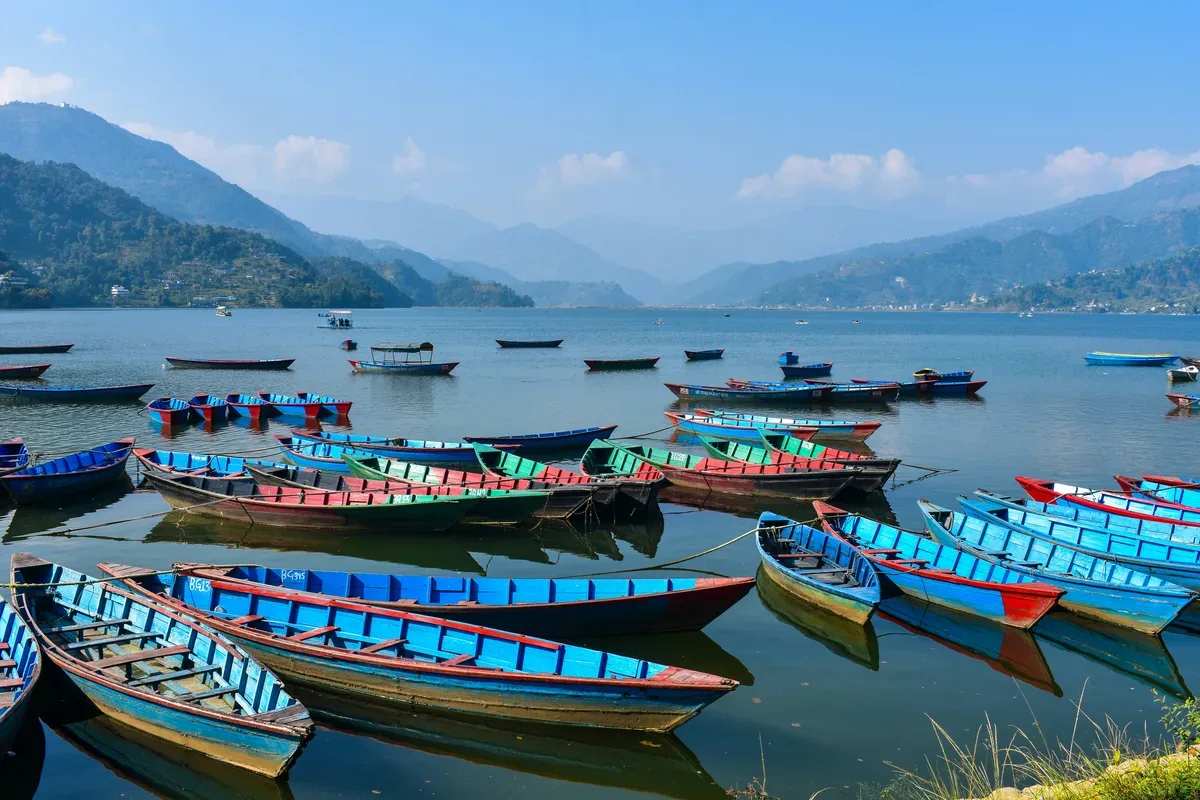
A 7-day route from Kathmandu's Pashupatinath Temple and Durbar Squares into Chitwan National Park's jungle safaris, finishing with sunrise over Annapurna from Sarangkot and Phewa Lake in Pokhara.
 Multi-Day Tours
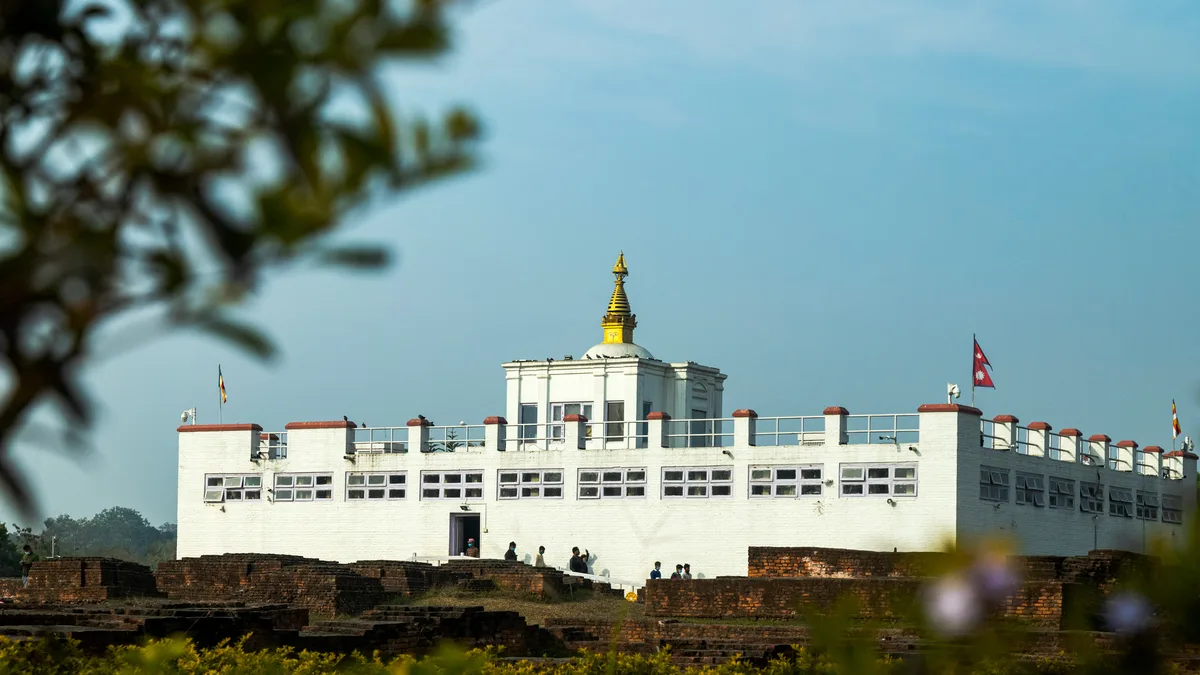
A 10-day route through Kathmandu's four UNESCO World Heritage Sites, Chitwan National Park's jungle, Buddha's birthplace at Lumbini, and Pokhara's lakeside beneath the Annapurna range.
 Multi-Day Tours
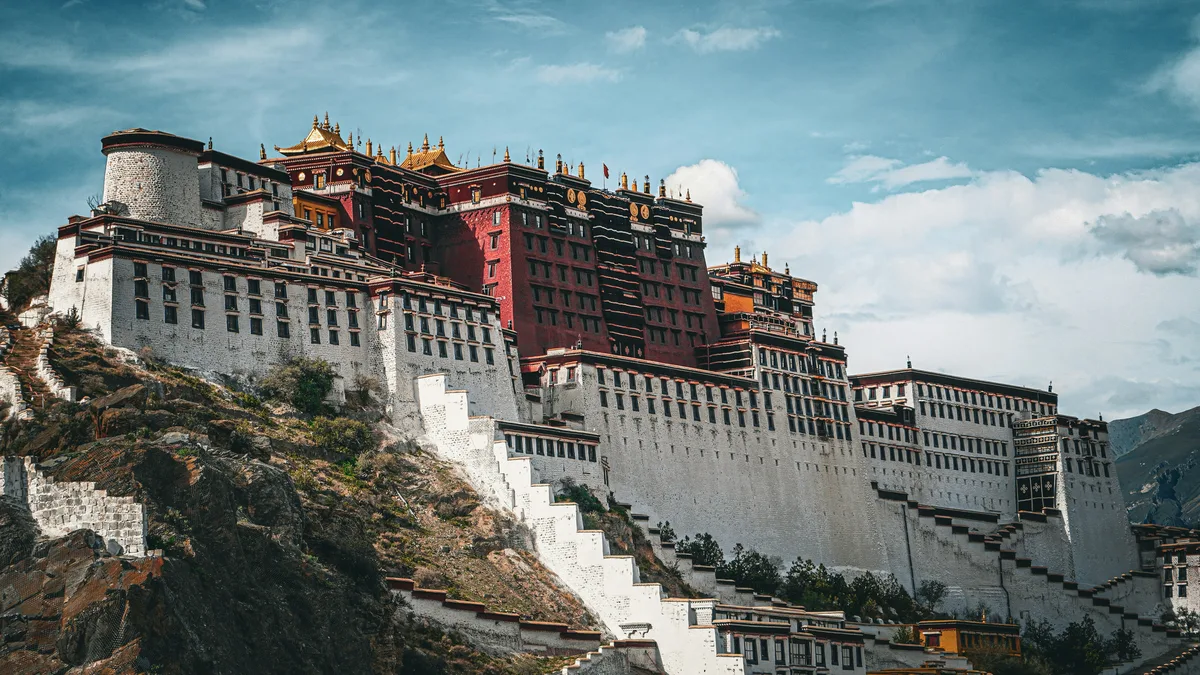
A 22-day journey across three Himalayan nations — nine nights in Nepal's Kathmandu, Chitwan and Pokhara, seven nights in Tibet including Everest Base Camp, and five nights in Bhutan's Thimphu, Punakha and Paro.
 Multi-Day Tours
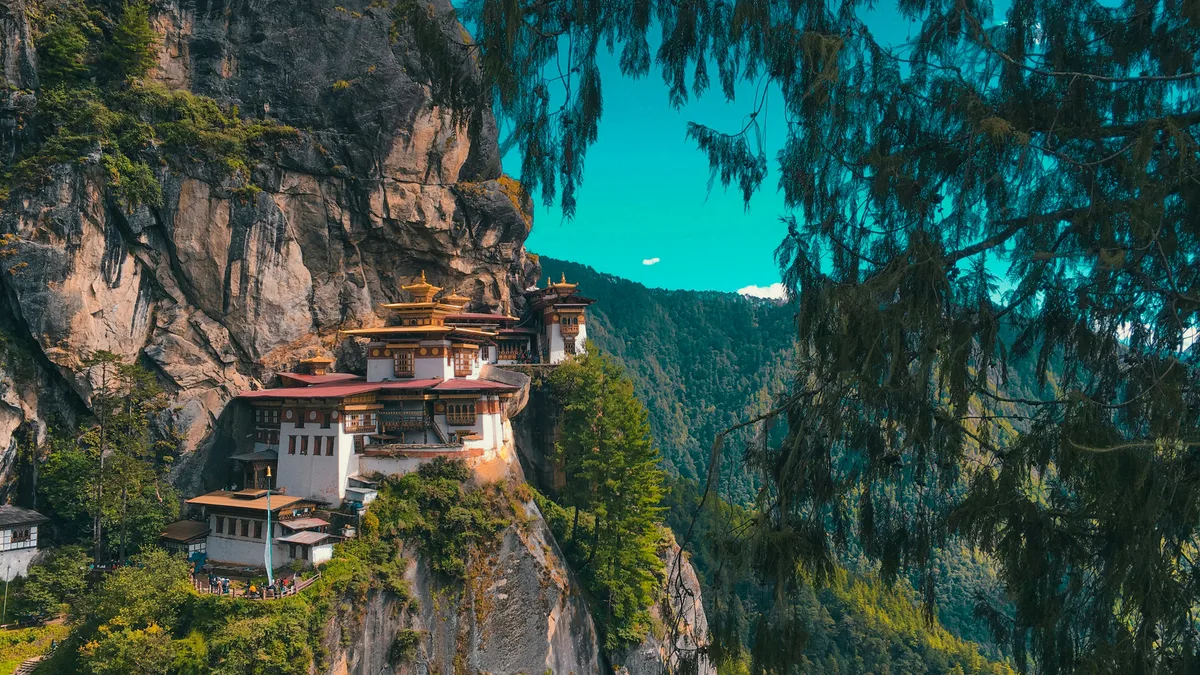
A 14-day route through Kathmandu's temples, Chitwan's jungle and Pokhara's lakeside in Nepal, followed by Bhutan's Thimphu, Punakha and Paro, ending at the cliffside Taktsang Monastery.
 Multi-Day Tours
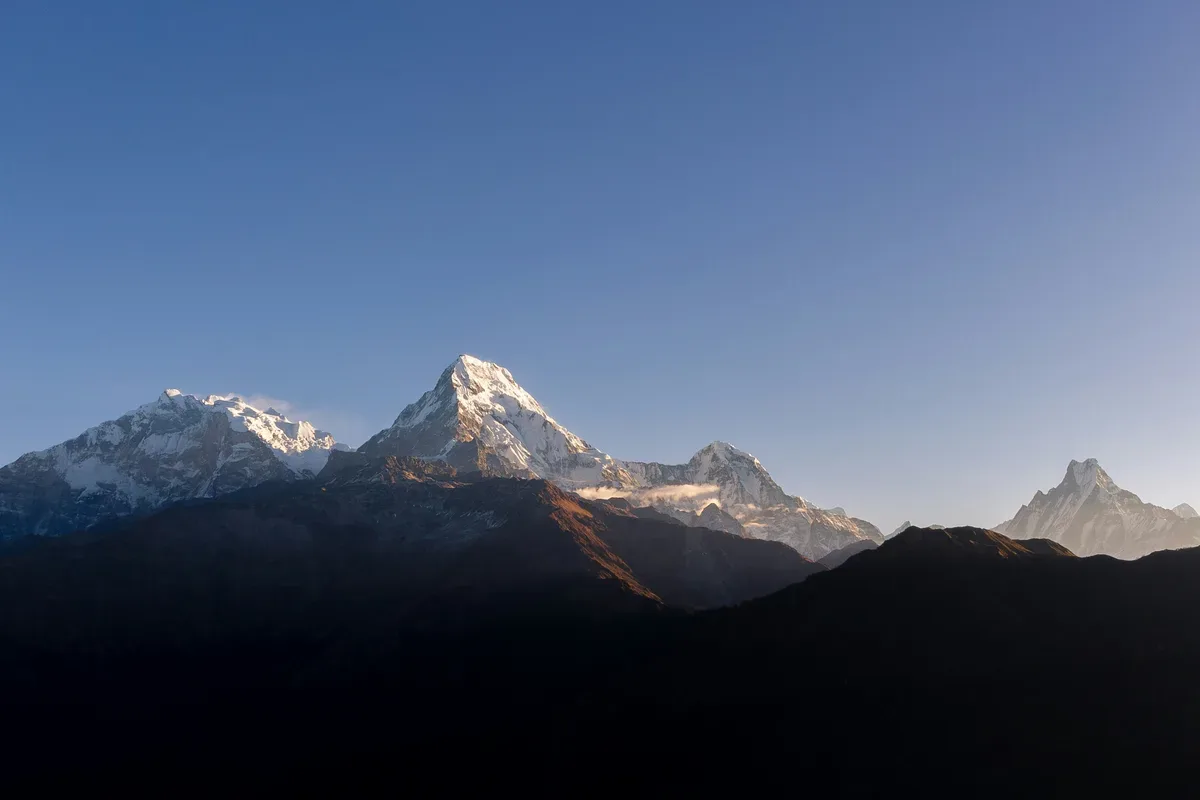
A gentler introduction to Himalayan trekking — Kathmandu and Pokhara sightseeing followed by a five-day trek through Gurung villages in the Annapurna foothills, overnighting at comfort lodges below the Annapurna Massif.
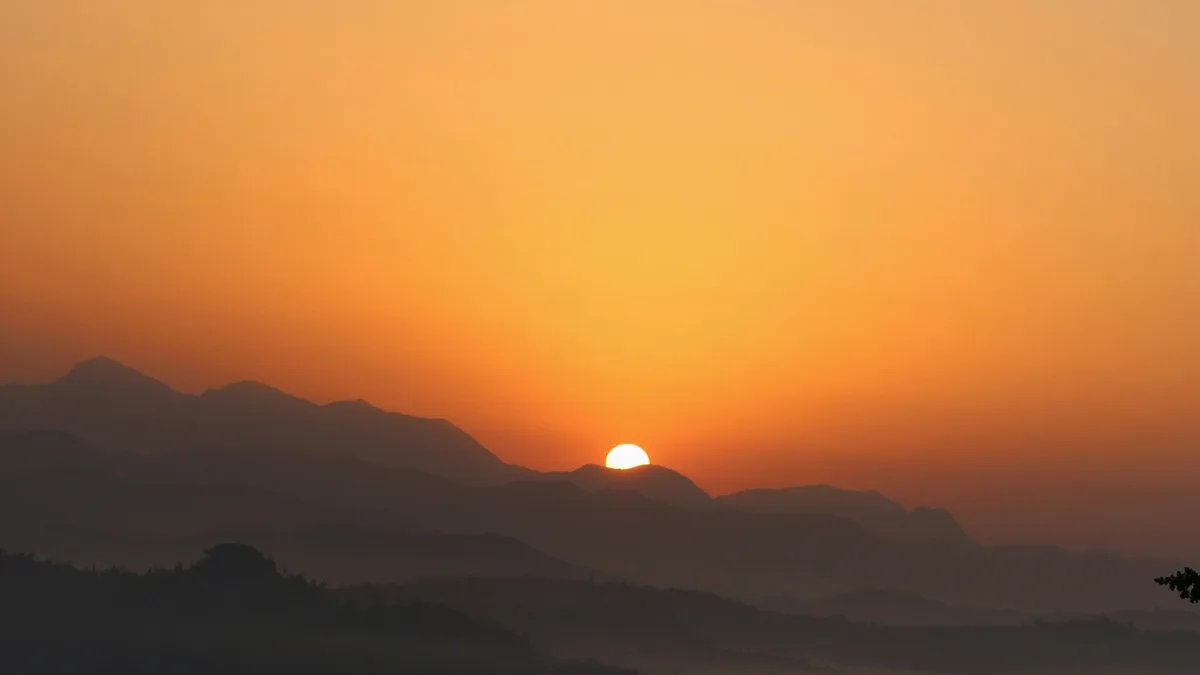 Multi-Day Tours
A 7-day route through Kathmandu Valley's temples and UNESCO squares, the hilltop views of Nagarkot, and Pokhara's lakeside beneath the Annapurna range, with sunrise from Sarangkot.
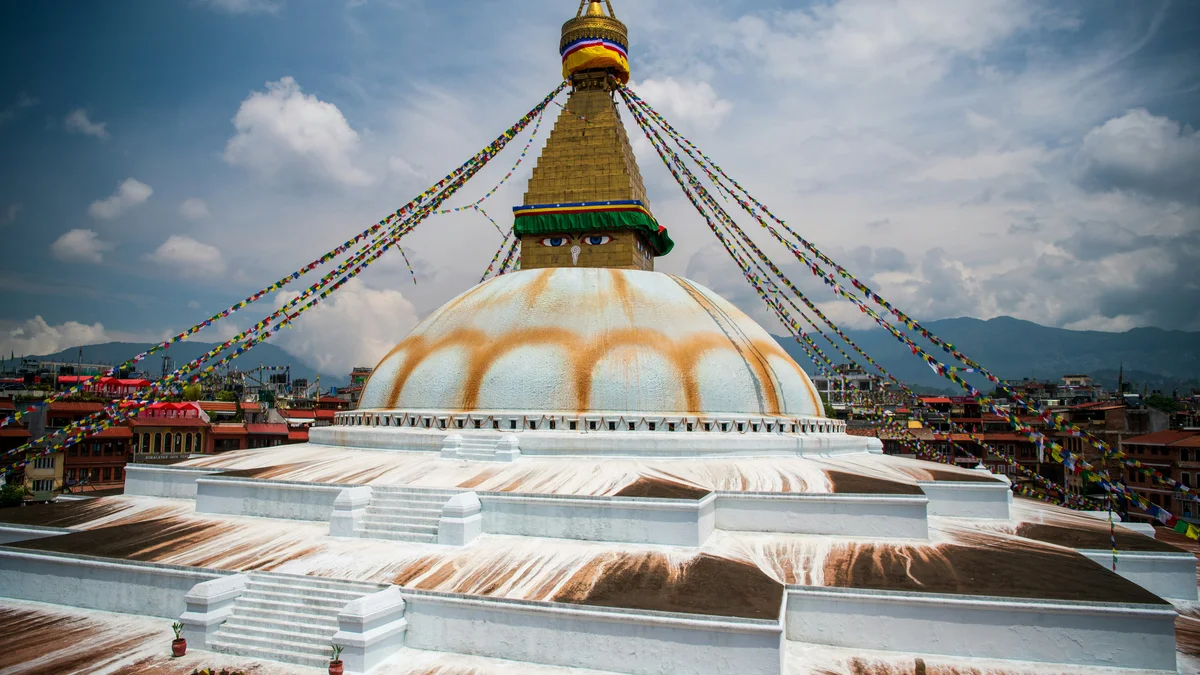 Multi-Day Tours
A 9-day pilgrimage tracing Nepal's Buddhist sites — the meditation caves of Patan, Boudhanath and Swayambhunath stupas, Lumbini where Buddha was born, and the sacred hill of Namobuddha.
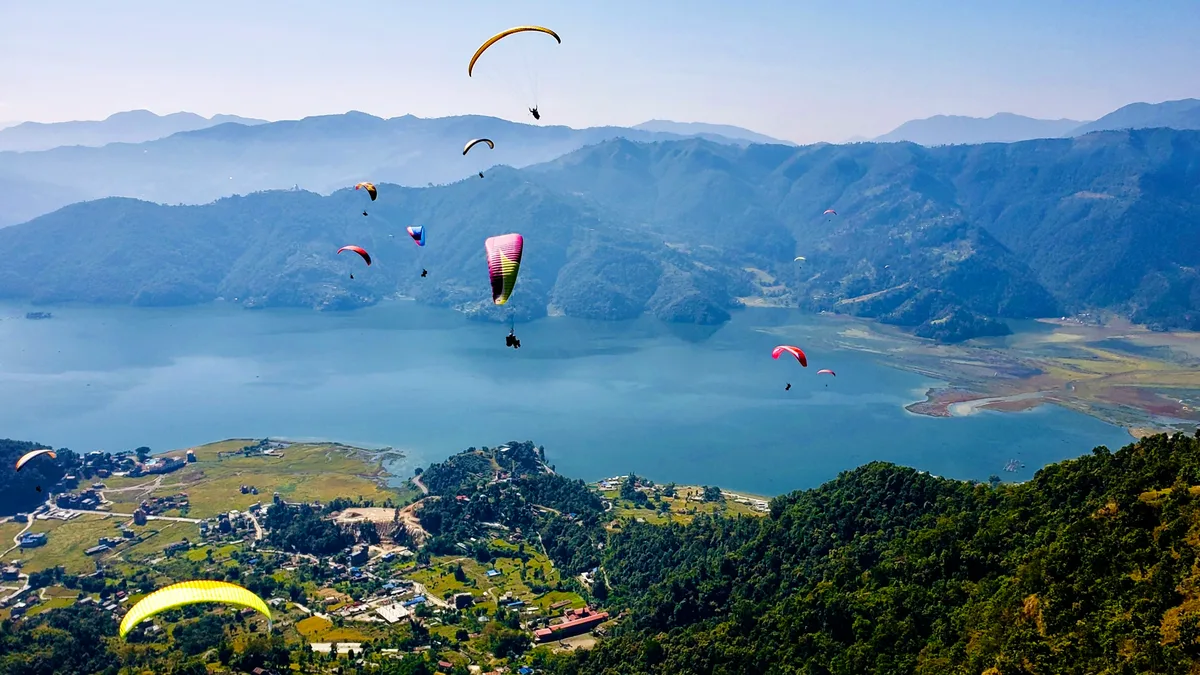 Multi-Day Tours
A family-paced 9-day route from Kathmandu Valley's UNESCO sites to Pokhara, with an easy two-day foothill walk to Australian Camp and Sarangkot, and time for paragliding and ziplining above the lake.
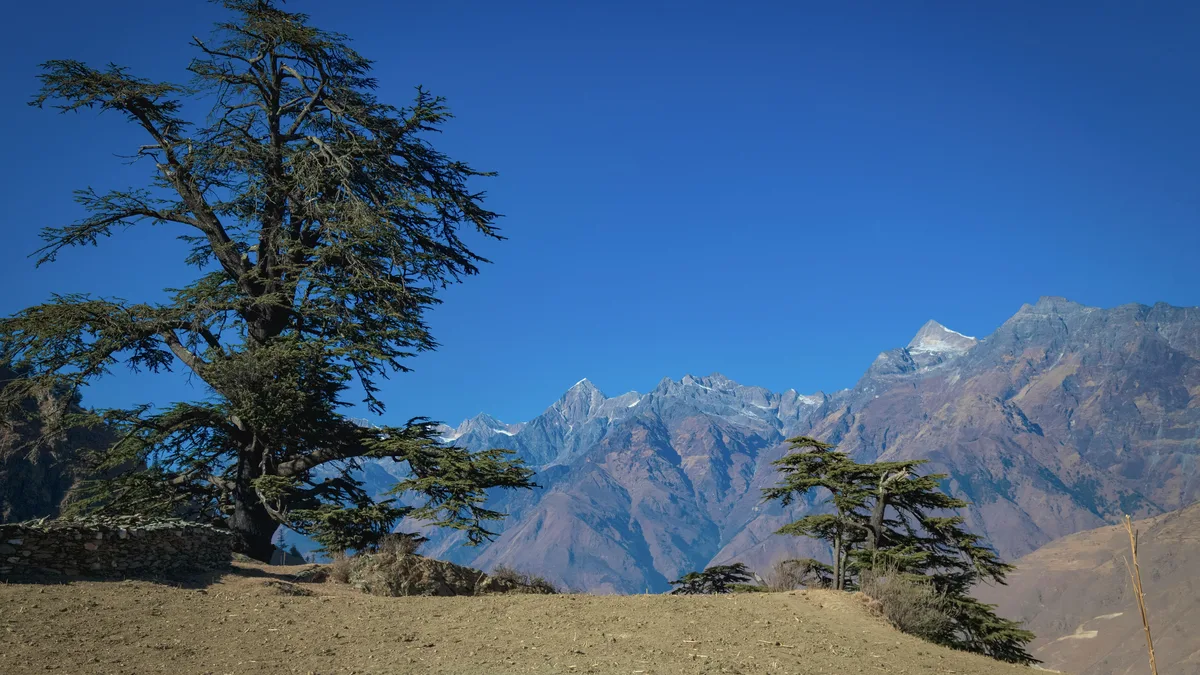 Multi-Day Tours
A 9-day trek north of Kathmandu through the Helambu region's rhododendron forests, Sherpa villages, and rice terraces, starting and ending with sightseeing in the capital.
 Multi-Day Tours
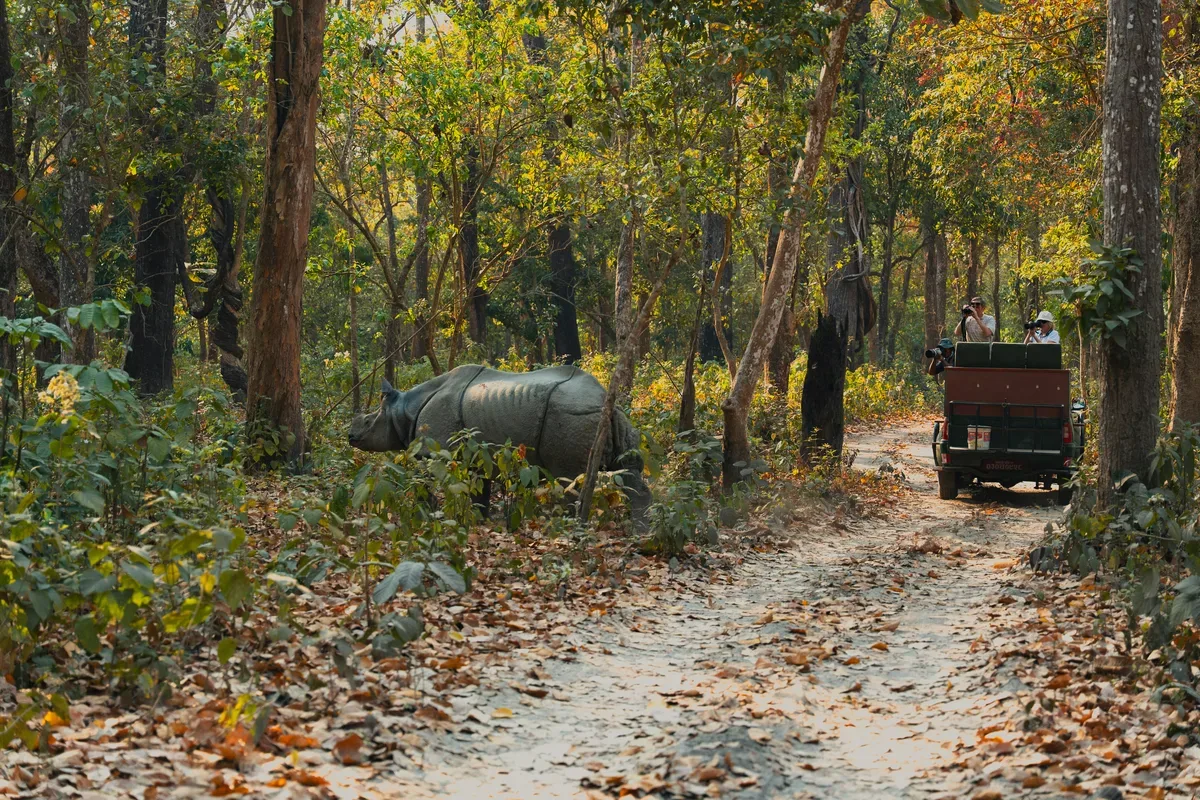
An 8-day route from Kathmandu's temples and markets through Chitwan National Park's rhino and tiger safaris, to Pokhara's mountain-ringed lake and Sarangkot's sunrise views.
 Multi-Day Tours
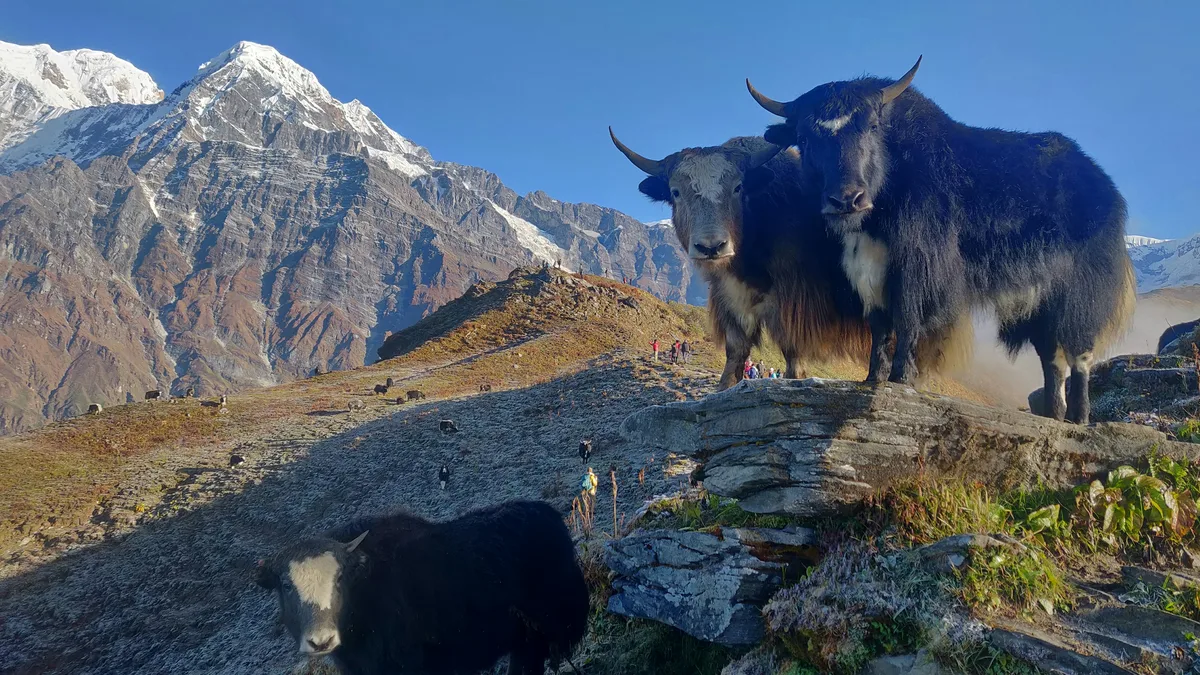
A 17-day journey combining Kathmandu sightseeing with a 12-day trek through Langtang National Park — yak pastures, a yak-cheese factory, the sacred lake of Gosainkunda, and the Yolmo (Hyolmo) heartland of Helambu.
 Multi-Day Tours
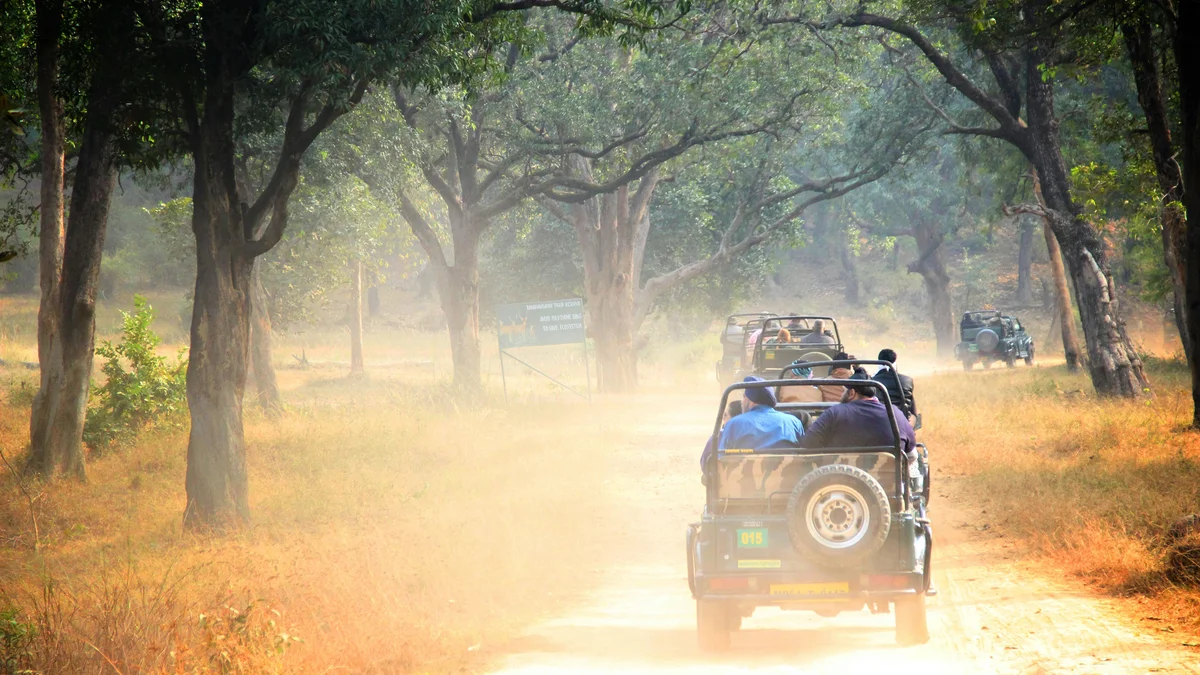
A 6-day photography-focused trip to Chitwan National Park, with jeep safaris, canoeing, and village visits built around capturing the park's rhinos, birdlife, and Tharu culture, bookended by Kathmandu.
 Multi-Day Tours
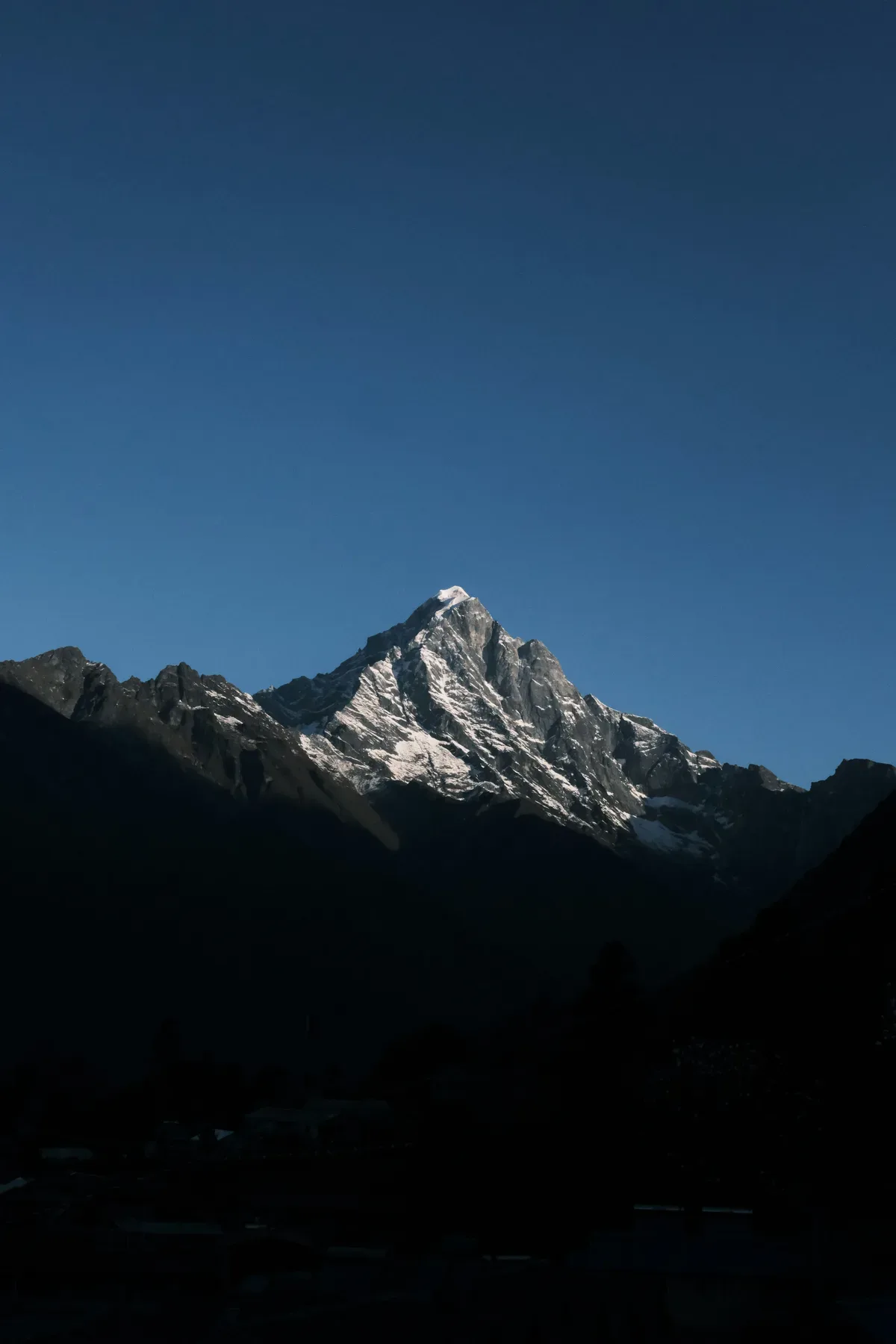
A 14-day journey to the foot of Everest — a flight into Lukla, Sherpa villages of Namche Bazaar and Tengboche, a sunrise ascent of Kalapatthar, and the trek to Everest Base Camp itself.
 Multi-Day Tours
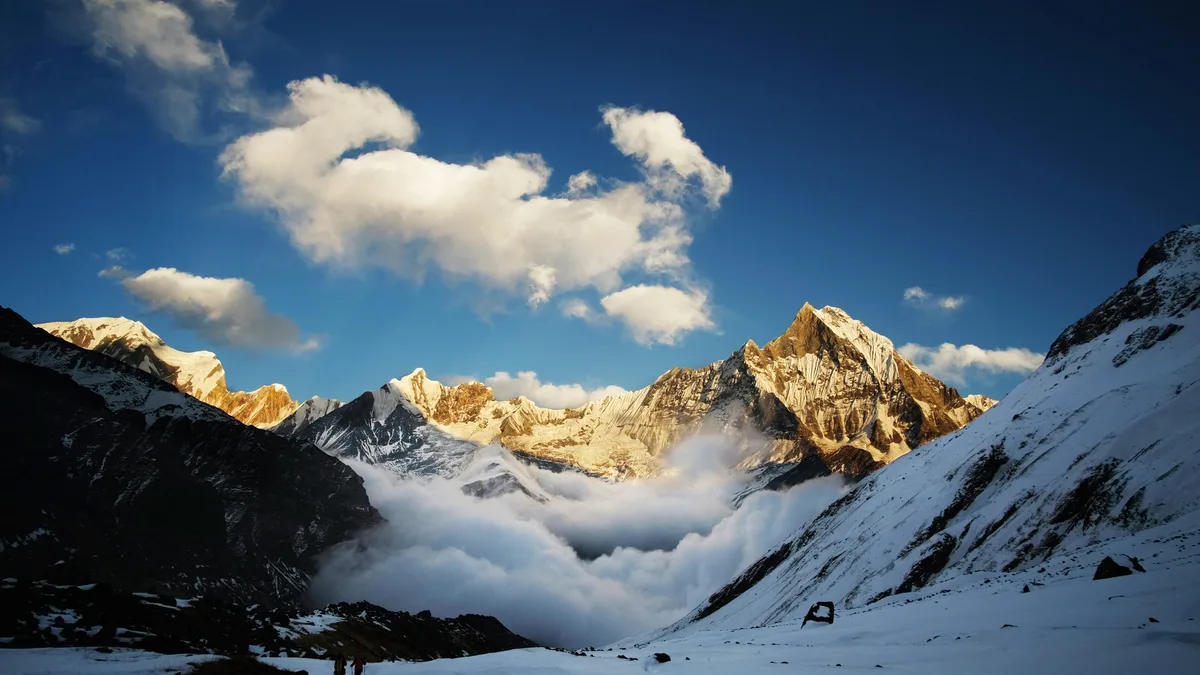
A 12-day trek from Kathmandu and Pokhara into the Annapurna Sanctuary, through Gurung villages to Annapurna Base Camp itself at 4,130m, with 360-degree views of Annapurna and Machhapuchhre.
Visitor guide
Kathmandu Durbar Square, also known as Basantapur Durbar Kshetra, is a historically and culturally significant plaza of royal palaces and temples in Kathmandu, Nepal. It is one of three Durbar (royal palace) Squares in the Kathmandu Valley that are UNESCO World Heritage Sites. The square is also home to the residence of the Kumari, the living goddess of Kathmandu.
According to Wikipedia, the Hanuman Dhoka palace dates to the Licchavi period (4th to 8th centuries AD), though its major structures were added in later periods. The outer complex has a number of 16th-century temples built under the Malla kings, adorned with carved facades typical of Newar architecture. The central square is surrounded by palace complexes from the Malla and Shah periods. The best known is the Nautalle Durbar, a nine-storey palace built by Prithvi Narayan Shah to commemorate the unification of Nepal.
The Hanuman Dhoka Palace Complex developed over several centuries, with contributions from the Licchavis, the Mallas, the Shahs and the Ranas. It served as both royal residence and administrative centre, and takes its name from a stone image of Hanuman near its main entrance.
The Kumari Ghar was built by King Jaya Prakash Malla in 1757. This three-storey building is noted for intricate wood carvings of gods and traditional symbols. It is the official residence of the Kumari of Kathmandu, regarded as a living manifestation of the goddess Taleju and revered by both Hindus and Buddhists. During the annual Indra Jatra festival the Kumari is paraded through the old streets of Kathmandu in a ceremonial procession.
The Taleju Temple honours Taleju Bhawani, the royal deity of the Malla kings. It was built by King Mahendra Malla in the 16th century, stands on a twelve-stage plinth and rises about 36.6 metres above the square. Wikipedia says it is normally closed to the public and opens once a year during the Dashain festival. The Jagannath Temple, consecrated in 1562 and dedicated to an incarnation of Vishnu, is an example of Malla-period tiered architecture noted for its stone inscription and carved wooden struts. After heavy damage in the 1934 earthquake it was dismantled and rebuilt in 1936 using original materials.
The Kal Bhairav statue is one of the largest stone images in the square. This 17th-century image represents a fierce aspect of the god Shiva and remains a place of worship. Kasthamandap, also called Maru Sattal, was a large wooden pavilion and public shelter in the centre of the square; the name refers to its wooden construction. Archaeological studies after the 2015 earthquake suggest its earliest form dates to the Licchavi period.
On 25 April 2015 an earthquake with an estimated magnitude of 7.9 severely damaged the square, reducing several buildings to rubble, most prominently Kasthamandap. Some temples have since undergone conservation and rebuilding work, so the square's appearance may differ from older photographs.
The square sits in the old core of Kathmandu, close to the narrow streets and markets of the historic city. Many travellers pair it with the two other Durbar Squares of the valley, in Patan and Bhaktapur. A private guided visit with a driver and local guide helps explain the temple symbolism, the history of the Malla and Shah dynasties and the tradition of the Kumari.
See every tour and attraction we cover in Nepal.