TorontoOntario · 36 tours
 Niagara FallsOntario · 25 tours
 New York CityNew York · 30 tours
 Las VegasNevada · 8 tours
 San FranciscoCalifornia · 16 tours
 VancouverBritish Columbia · 17 tours
 DubaiUAE · 54 tours
 Abu DhabiUAE · 5 tours
 Buenos AiresArgentina · 23 tours
 AthensGreece · 31 tours
 AucklandNew Zealand · 38 tours
 CancunMexico · 54 tours
No destinations match “”. Try searching all tours instead — that search understands full questions, not just place names.
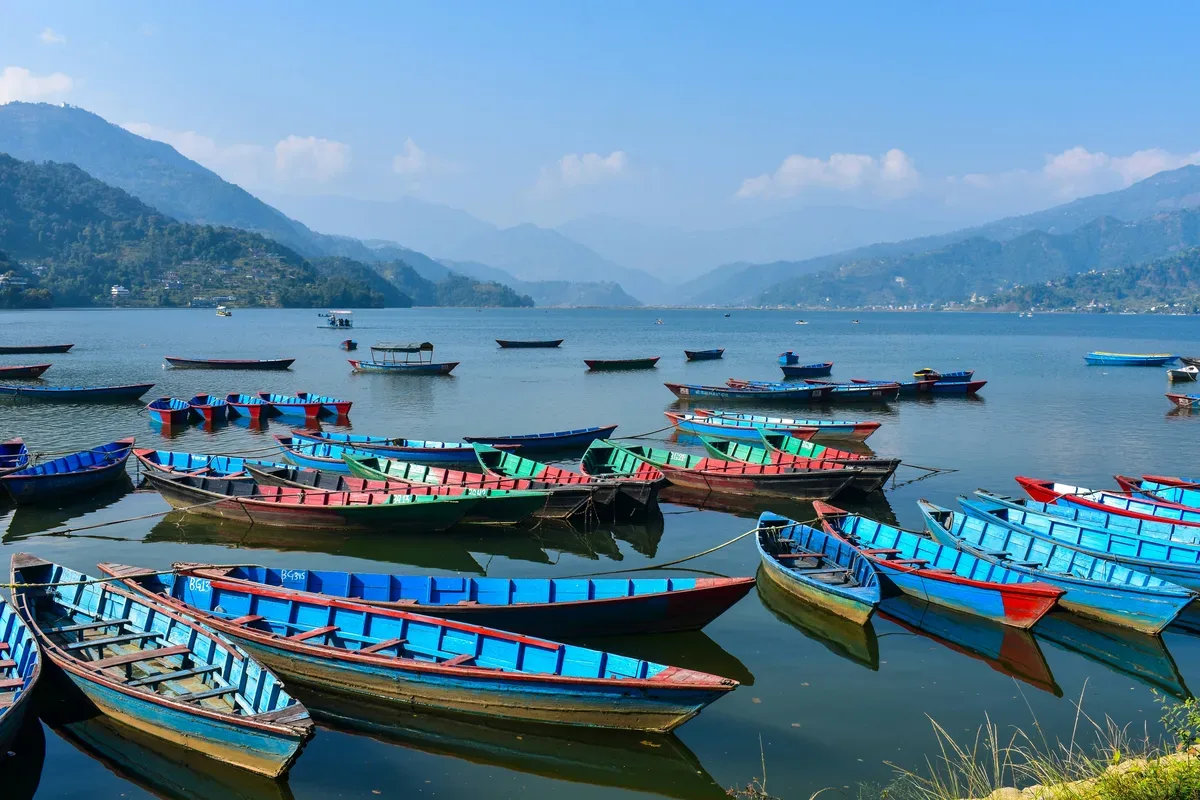
Pokhara's mirror-still lake beneath the Annapurna range, ringed by lakeside cafes and a temple reachable by boat.
 Multi-Day Tours
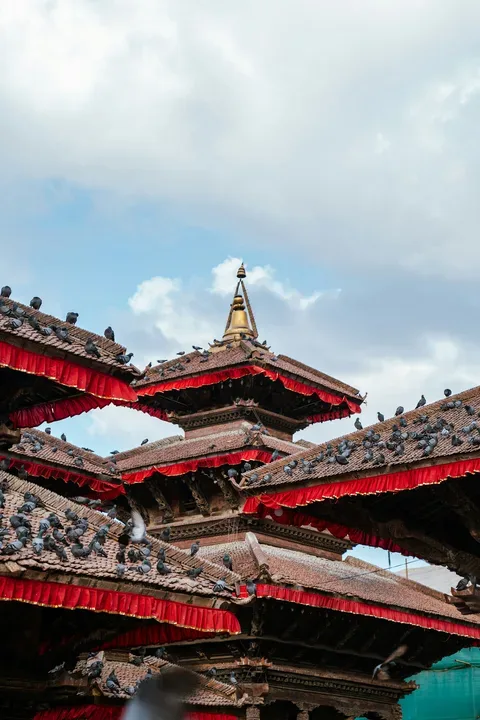
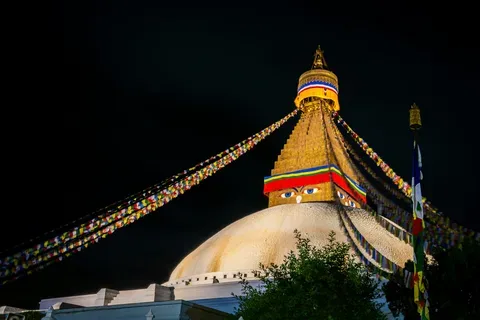
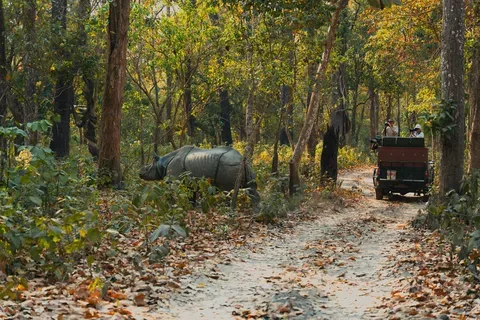
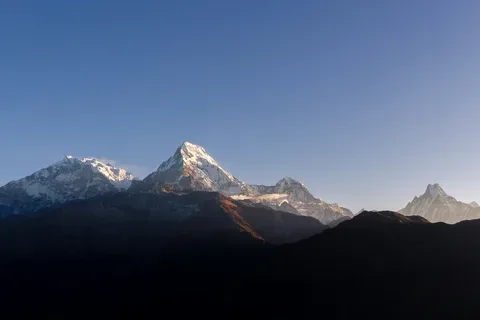
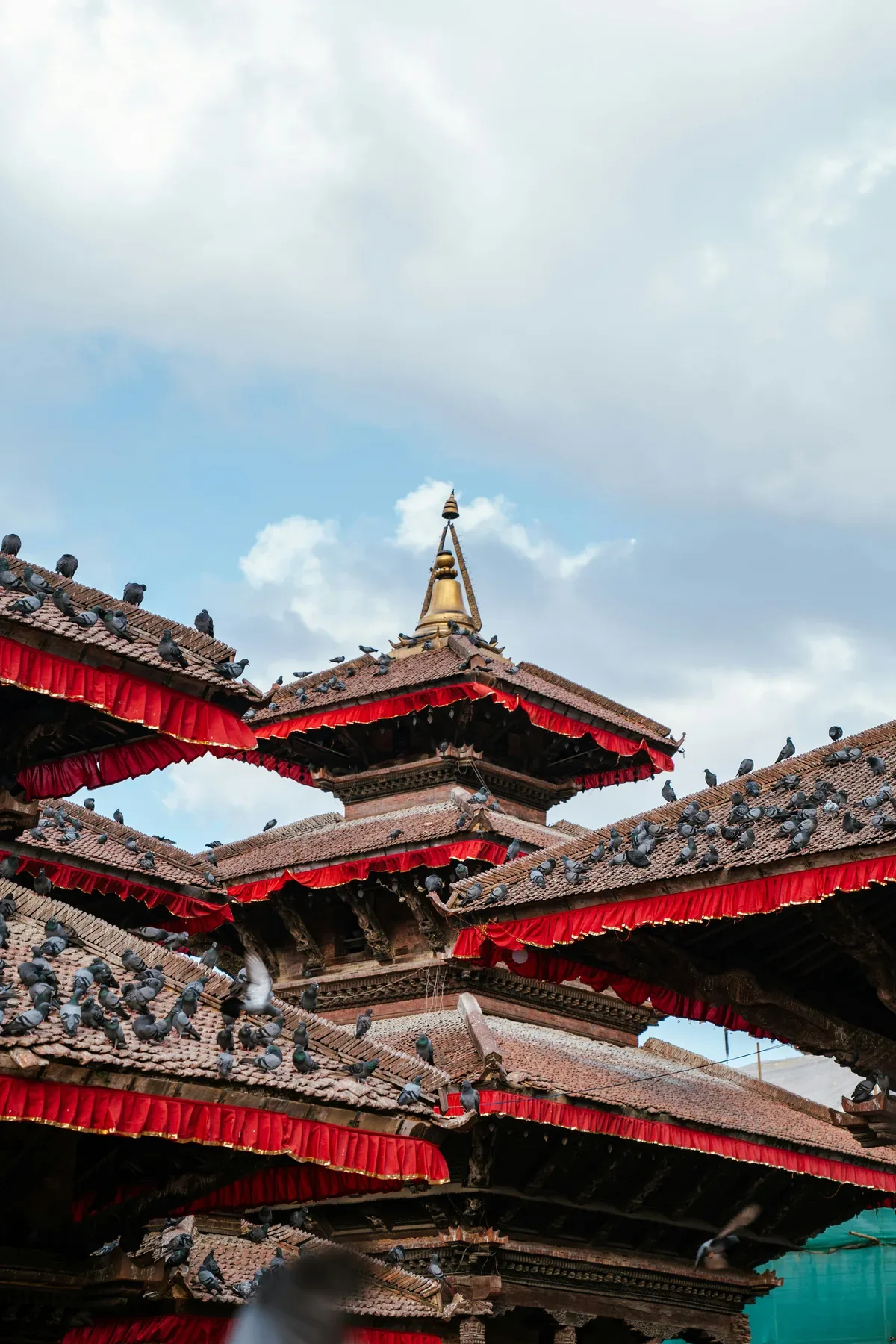
A 12-day circuit through the Kathmandu Valley's Durbar Squares and stupas, south into Chitwan National Park's jungle and wildlife, and west to the lakeside city of Pokhara beneath the Annapurna range.
 Multi-Day Tours
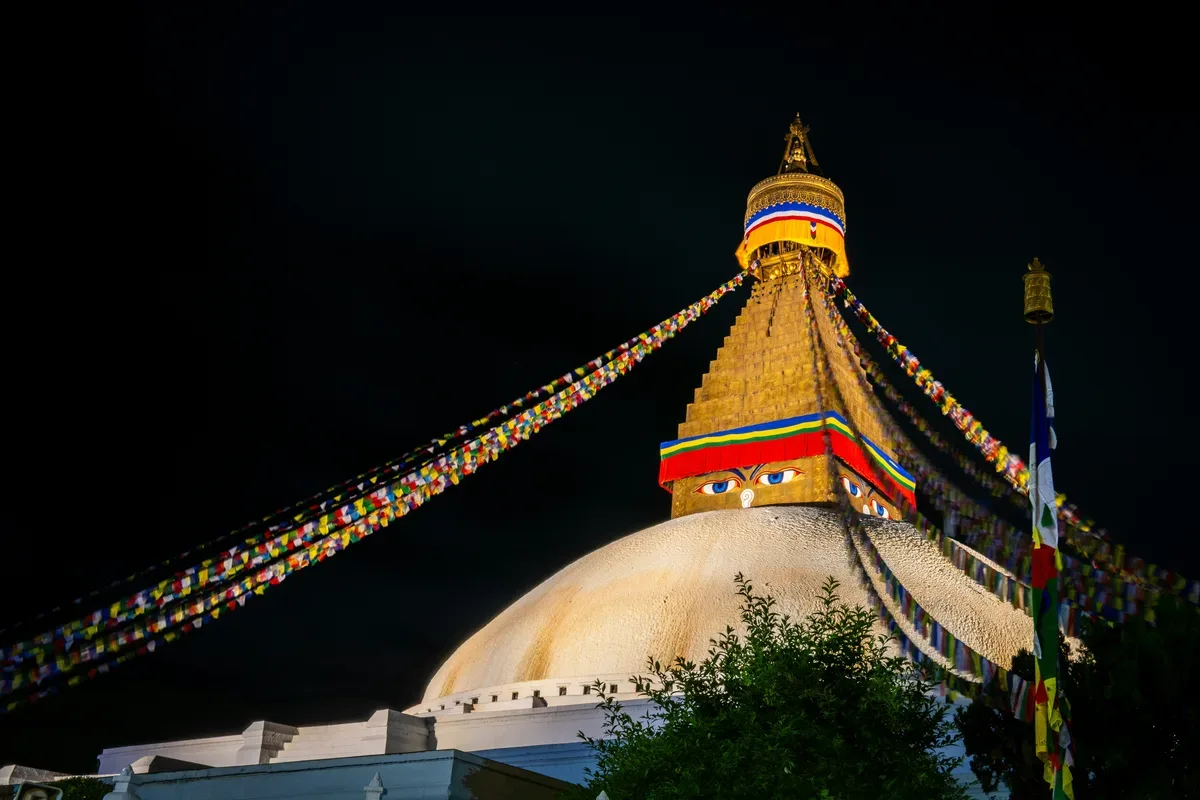
An 8-day route through Kathmandu Valley's UNESCO sites and the Living Goddess Kumari, a Chitwan safari, Pokhara's lakeside, and an optional helicopter flight over the Annapurna range.
 Multi-Day Tours
A 7-day route from Kathmandu's Pashupatinath Temple and Durbar Squares into Chitwan National Park's jungle safaris, finishing with sunrise over Annapurna from Sarangkot and Phewa Lake in Pokhara.
 Multi-Day Tours
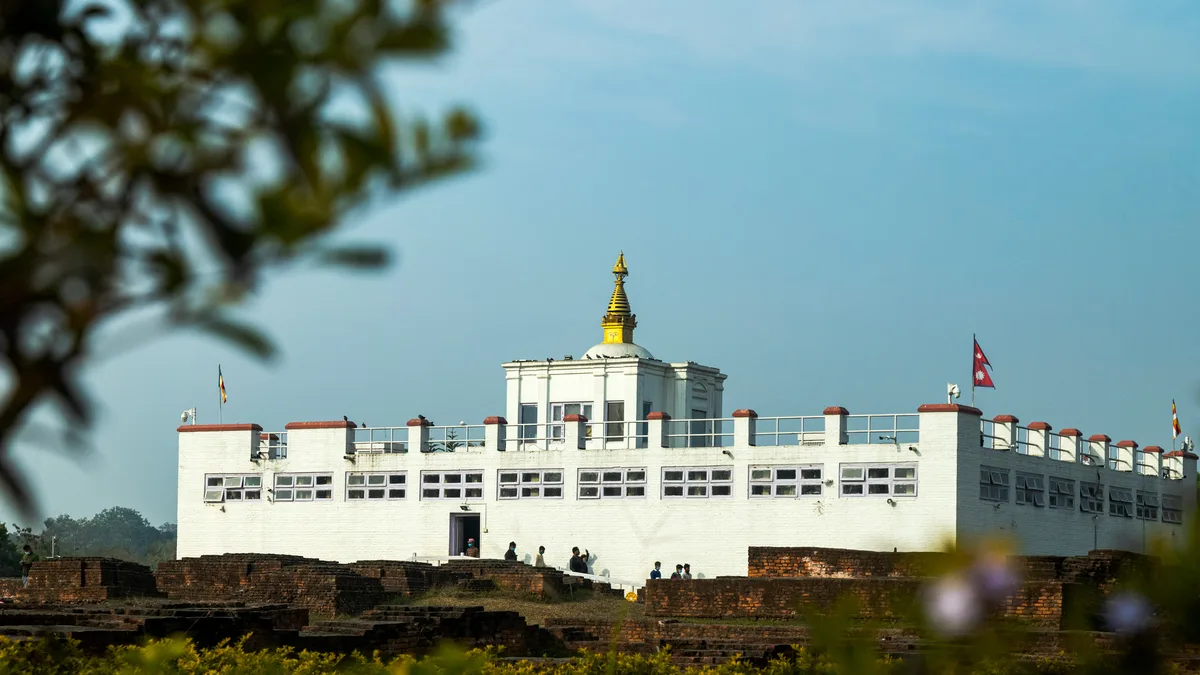
A 10-day route through Kathmandu's four UNESCO World Heritage Sites, Chitwan National Park's jungle, Buddha's birthplace at Lumbini, and Pokhara's lakeside beneath the Annapurna range.
 Multi-Day Tours
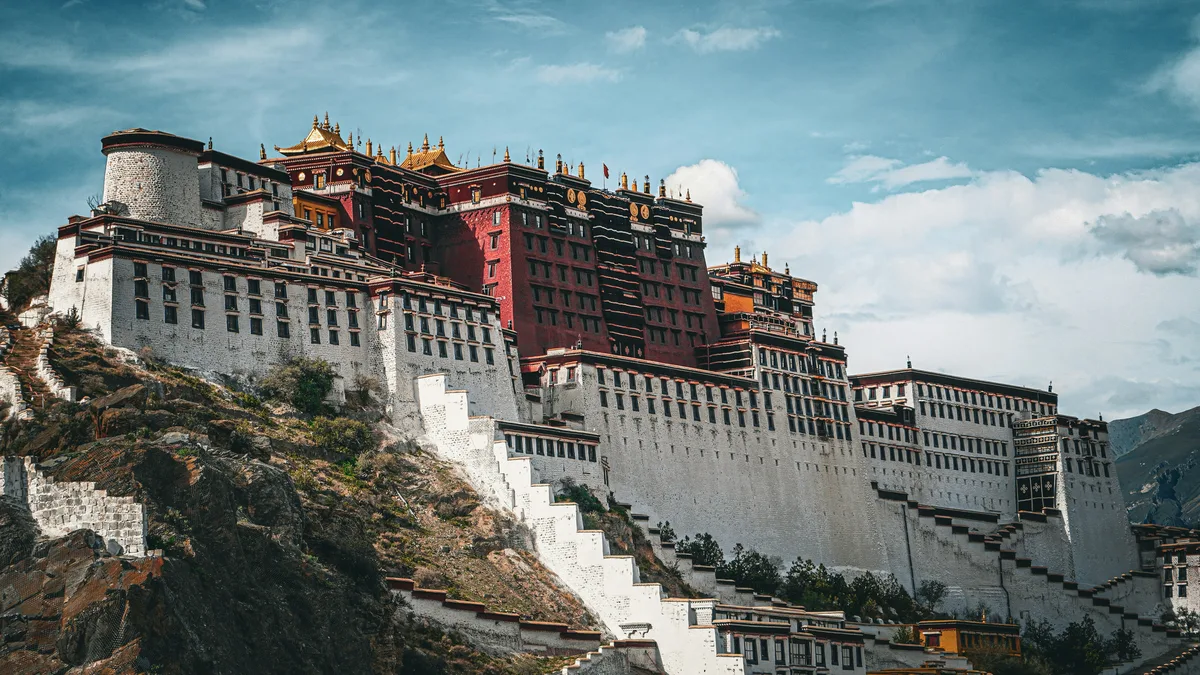
A 22-day journey across three Himalayan nations — nine nights in Nepal's Kathmandu, Chitwan and Pokhara, seven nights in Tibet including Everest Base Camp, and five nights in Bhutan's Thimphu, Punakha and Paro.
 Multi-Day Tours
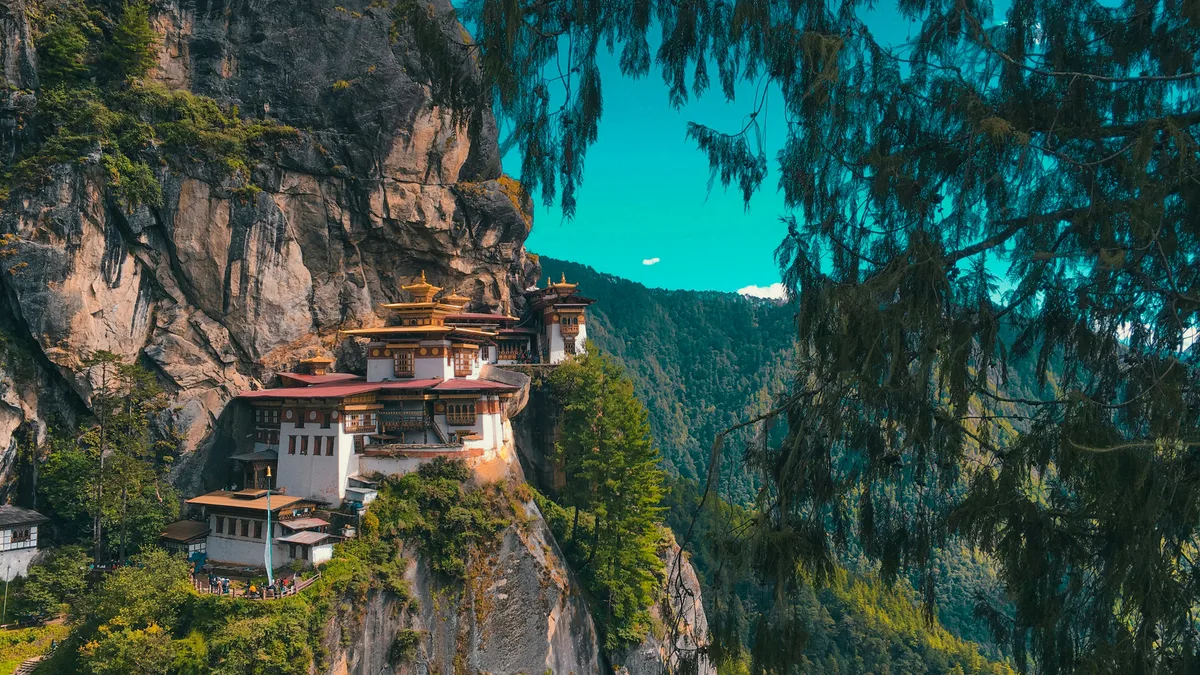
A 14-day route through Kathmandu's temples, Chitwan's jungle and Pokhara's lakeside in Nepal, followed by Bhutan's Thimphu, Punakha and Paro, ending at the cliffside Taktsang Monastery.
 Multi-Day Tours
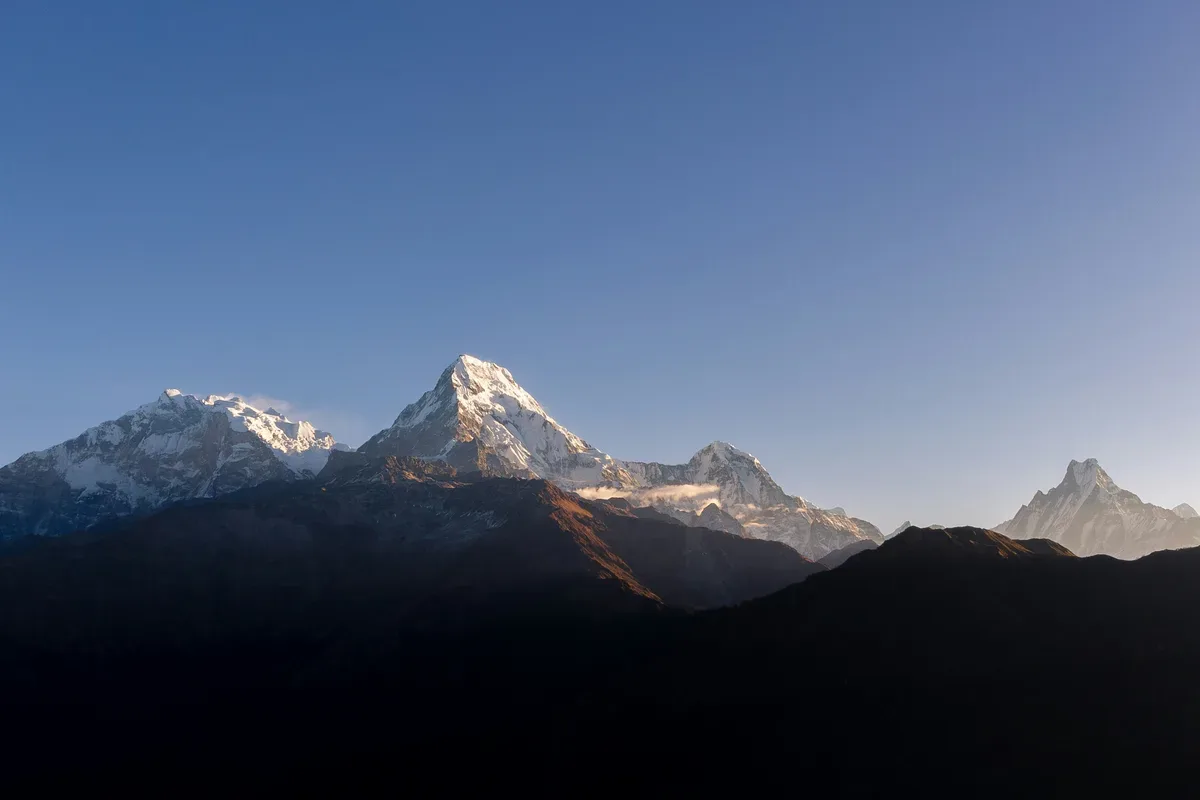
A gentler introduction to Himalayan trekking — Kathmandu and Pokhara sightseeing followed by a five-day trek through Gurung villages in the Annapurna foothills, overnighting at comfort lodges below the Annapurna Massif.
 Multi-Day Tours
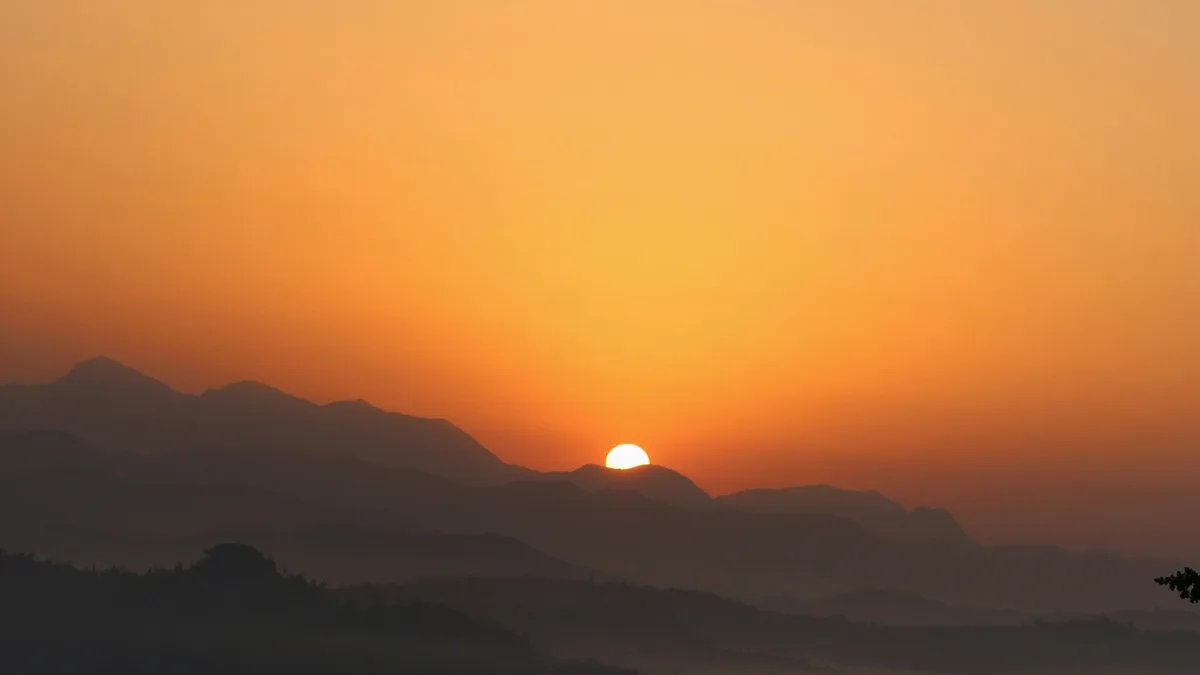
A 7-day route through Kathmandu Valley's temples and UNESCO squares, the hilltop views of Nagarkot, and Pokhara's lakeside beneath the Annapurna range, with sunrise from Sarangkot.
 Multi-Day Tours
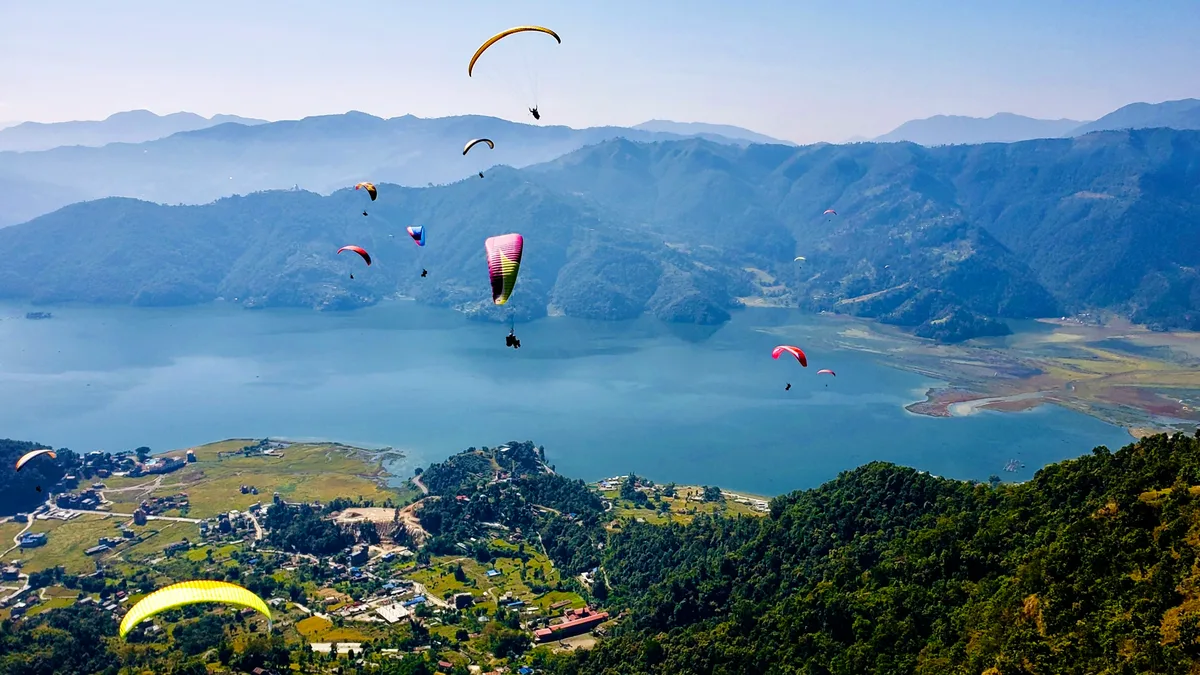
A family-paced 9-day route from Kathmandu Valley's UNESCO sites to Pokhara, with an easy two-day foothill walk to Australian Camp and Sarangkot, and time for paragliding and ziplining above the lake.
 Multi-Day Tours
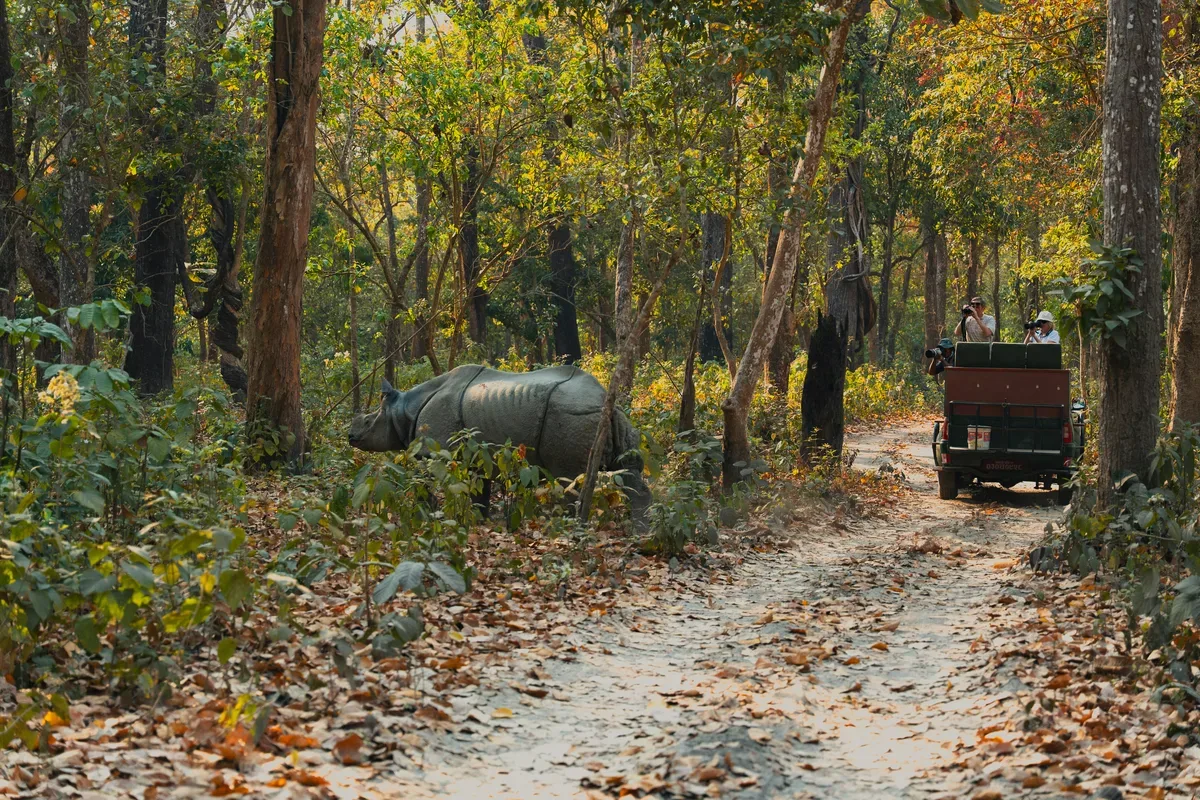
An 8-day route from Kathmandu's temples and markets through Chitwan National Park's rhino and tiger safaris, to Pokhara's mountain-ringed lake and Sarangkot's sunrise views.
 Multi-Day Tours
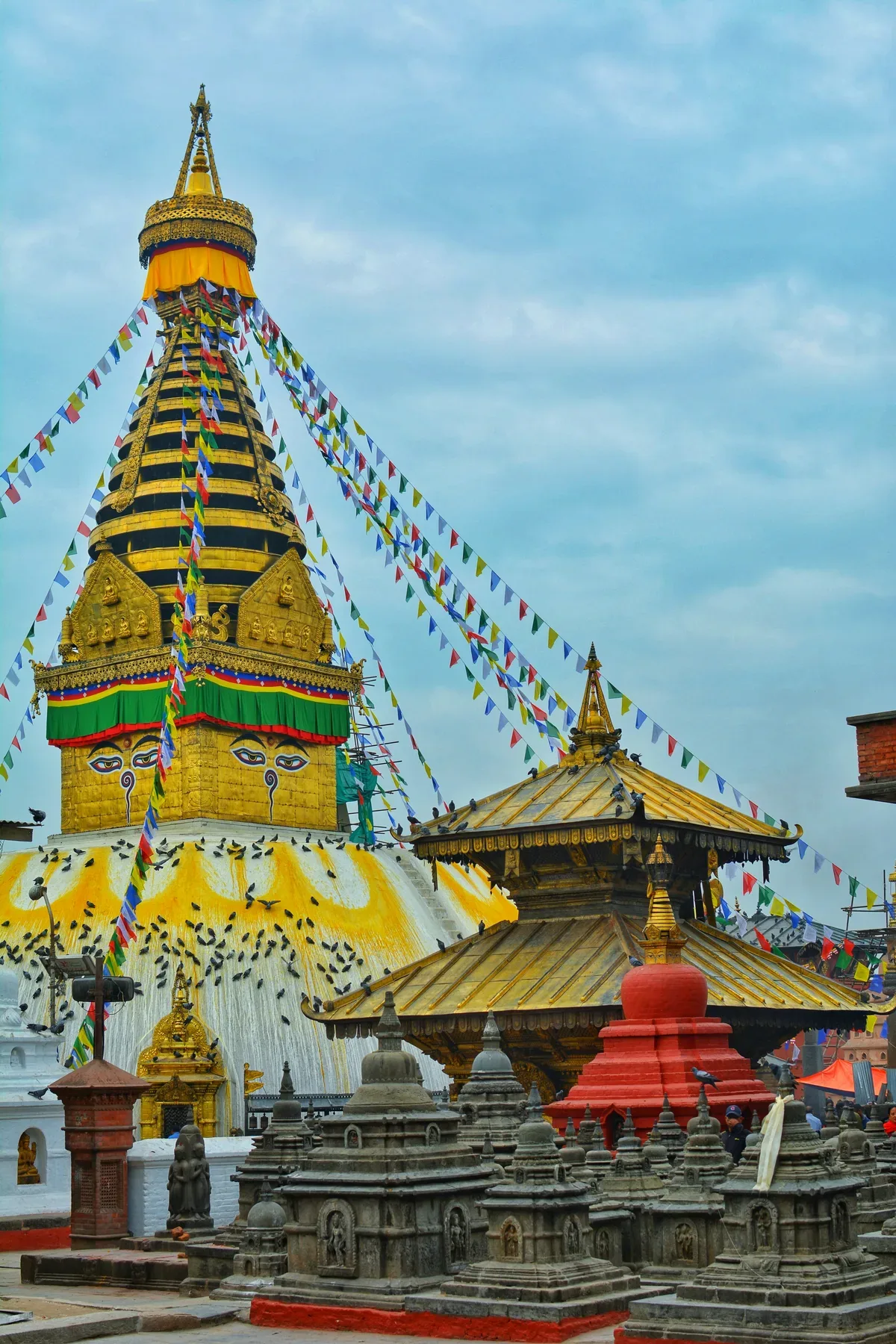
A 10-day retreat combining Kathmandu and Pokhara sightseeing with three days of Hatha yoga, pranayama, and meditation practice at a dedicated yoga center in the Himalayan foothills.
 Multi-Day Tours
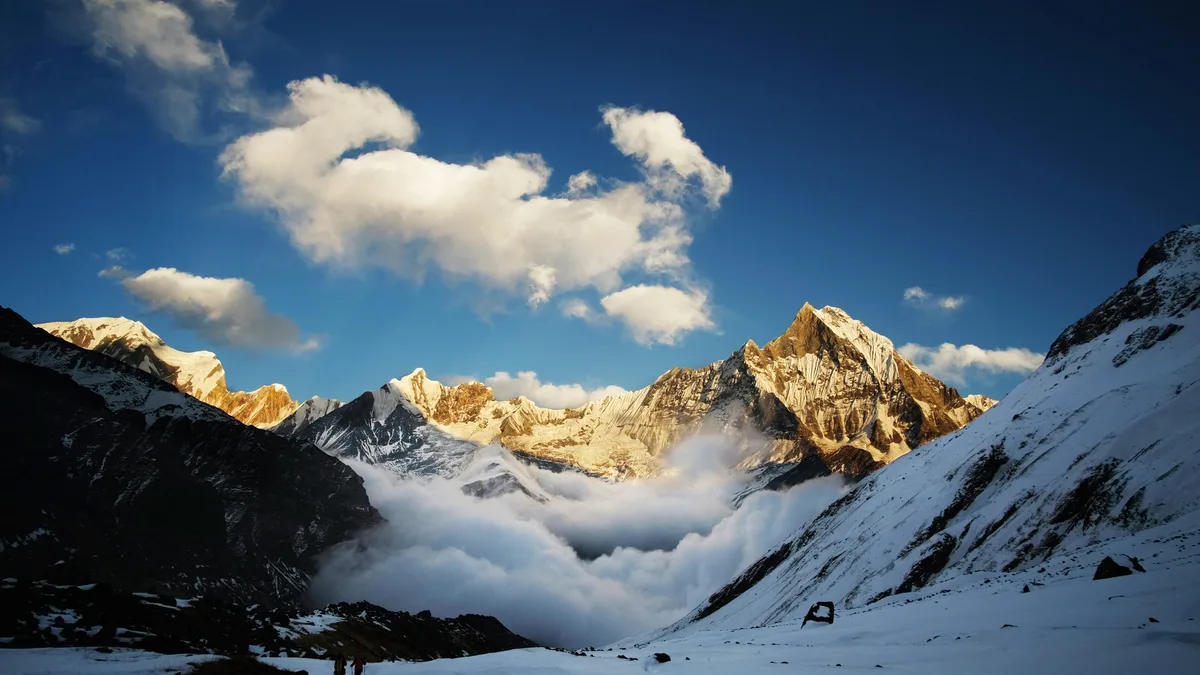
A 12-day trek from Kathmandu and Pokhara into the Annapurna Sanctuary, through Gurung villages to Annapurna Base Camp itself at 4,130m, with 360-degree views of Annapurna and Machhapuchhre.
Visitor guide
Phewa Lake, or Phewa Tal, is a freshwater lake in the south of the Pokhara Valley in Nepal, formerly called Baidam Tal. According to Wikipedia it is the third largest lake in Nepal and the most popular and most visited one. It lies at an altitude of about 742 metres and is famous for the reflection of Mount Machhapuchhre and other peaks of the Annapurna and Dhaulagiri ranges on its surface.
Wikipedia gives the lake an area of about 5.7 square kilometres, an average depth of about 8.6 metres and a maximum depth of 24 metres. Its maximum water capacity is roughly 43 million cubic metres. The Annapurna range to the north is only about 28 kilometres away in a straight line, which explains the dramatic mountain backdrop. Analysis of lake sediments dates the lake to between roughly 12640 and 12025 BC, though it is regarded as having formed around 13000 BC.
The Tal Barahi Temple stands on an island in the middle of the lake, about 4 kilometres from the city centre of Pokhara. Wikipedia describes it as the most important religious monument of Pokhara, a two-storey pagoda that Nepal Tourism Board describes as dedicated to the boar form of Ajima, a female divine power. Reaching it requires a short boat trip across the water, and the temple draws large crowds of devotees during fairs in the Nepali months of Baisakh and Kartik.
The eastern shore of the lake has developed into a tourist district commonly called Lakeside, or Baidam, with hotels, restaurants, bars, bookshops and souvenir shops. It is one of the best-known tourist areas in Nepal and a starting point for tours of Pokhara. Water sports are a major attraction, and Wikipedia notes that water from the lake's outlet is used to generate electricity at the Phewa Power House, while part of the lake is used for commercial caged fisheries. Ratna Mandir, a former palace used by the Nepalese royal family, is among the nearby sights, and the hill of Sarangkot is a well-known paragliding launch with views over the lake.
Pokhara itself is the second largest city in Nepal, located about 200 kilometres west of Kathmandu at an average elevation of around 822 metres, on the shore of Phewa Lake. It is a base for trekkers heading to the Annapurna Circuit and the Annapurna Conservation Area, and Wikipedia says three of the ten highest peaks in the world, Dhaulagiri, Annapurna I and Manaslu, lie within about 24 to 56 kilometres of the valley.
The lake is usually seen from the shore at Lakeside or from a boat, and the mountain views are clearest in clear weather. A private tour with a driver and guide suits travellers who want to see the lake, the temple island and viewpoints around Pokhara at their own pace.
See every tour and attraction we cover in Nepal.