TorontoOntario · 36 tours
 Niagara FallsOntario · 25 tours
 New York CityNew York · 30 tours
 Las VegasNevada · 8 tours
 San FranciscoCalifornia · 16 tours
 VancouverBritish Columbia · 17 tours
 DubaiUAE · 54 tours
 Abu DhabiUAE · 5 tours
 Buenos AiresArgentina · 23 tours
 AthensGreece · 31 tours
 AucklandNew Zealand · 38 tours
 CancunMexico · 54 tours
No destinations match “”. Try searching all tours instead — that search understands full questions, not just place names.
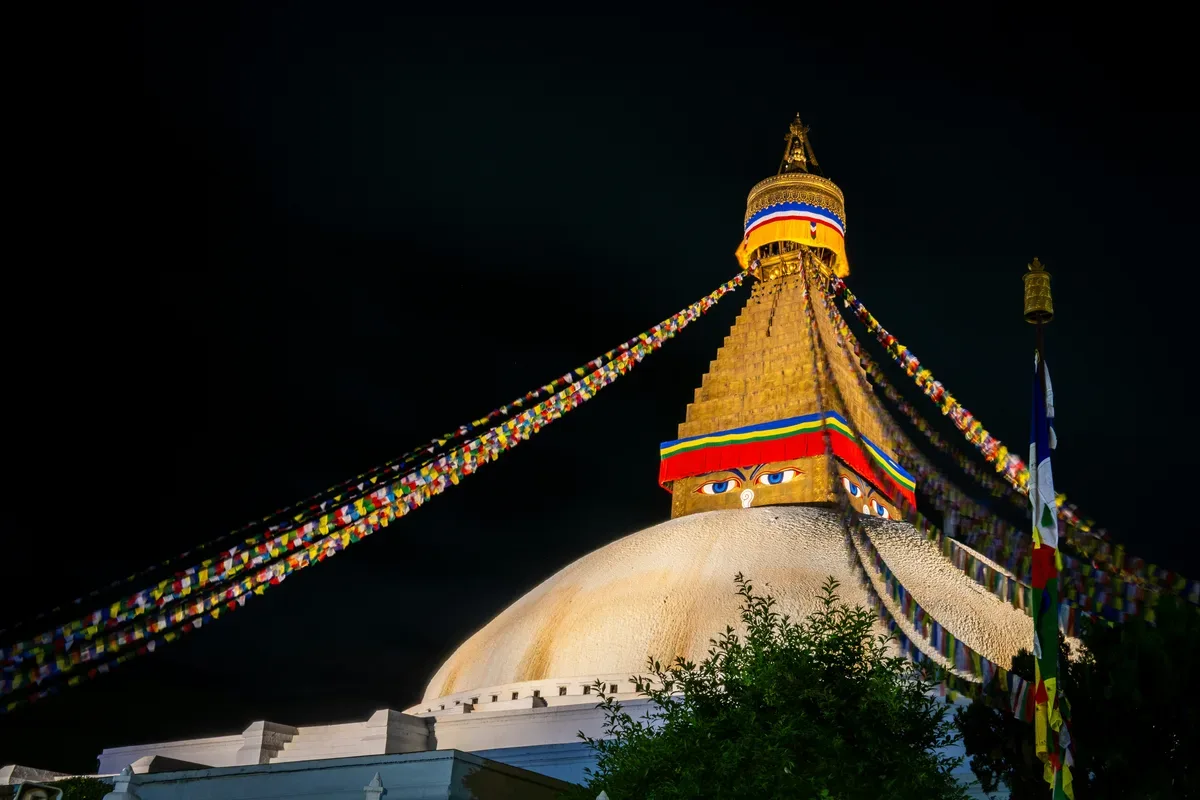
The largest stupa in Nepal and one of the largest in the world, its golden spire and prayer flags a focal point of Kathmandu's Tibetan Buddhist community.
 Multi-Day Tours
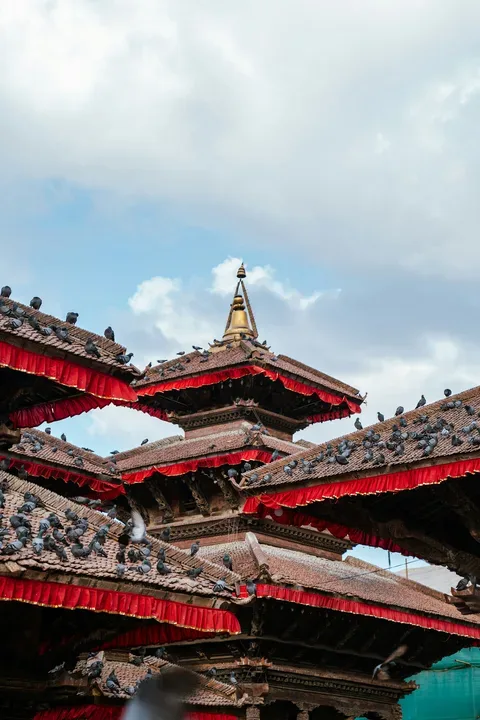
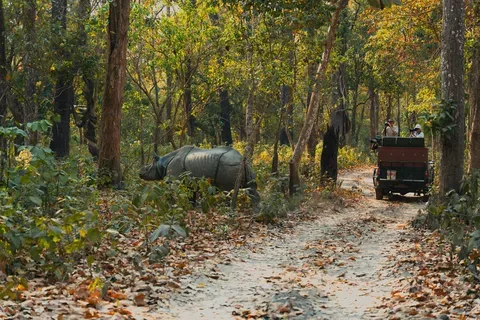
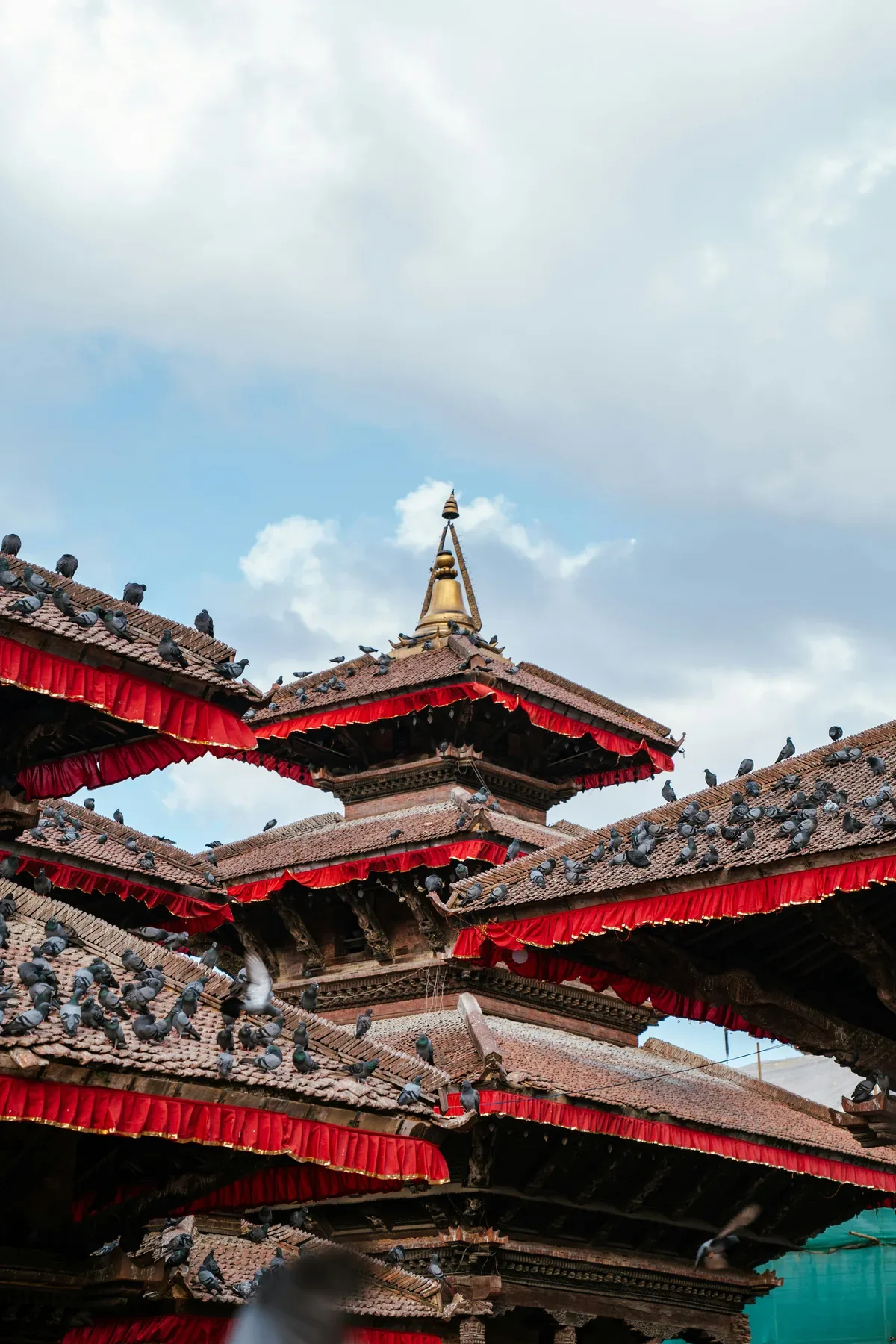
A 12-day circuit through the Kathmandu Valley's Durbar Squares and stupas, south into Chitwan National Park's jungle and wildlife, and west to the lakeside city of Pokhara beneath the Annapurna range.
 Multi-Day Tours
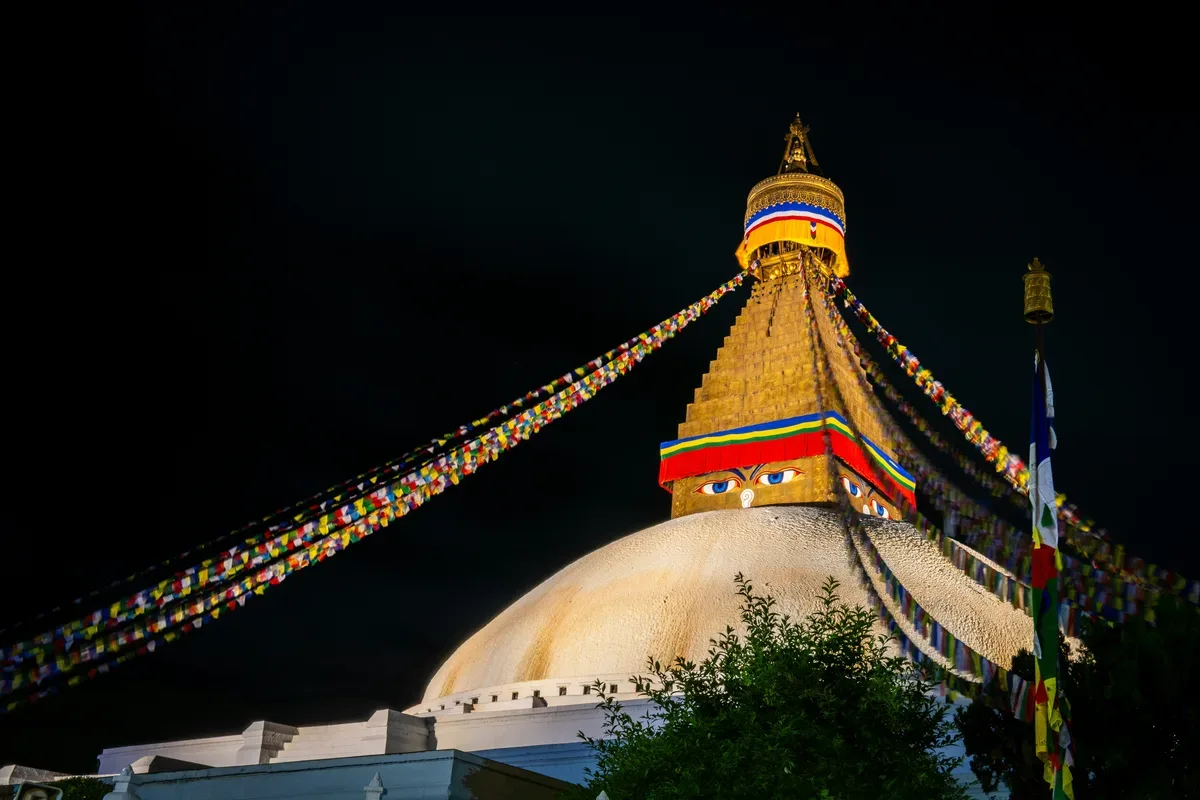
An 8-day route through Kathmandu Valley's UNESCO sites and the Living Goddess Kumari, a Chitwan safari, Pokhara's lakeside, and an optional helicopter flight over the Annapurna range.
 Multi-Day Tours
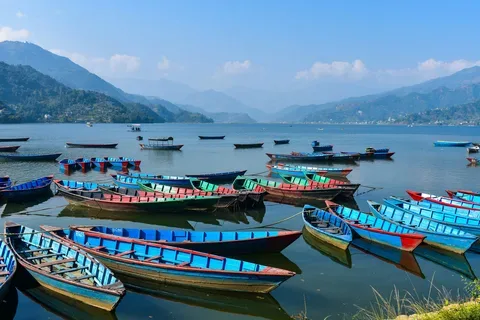
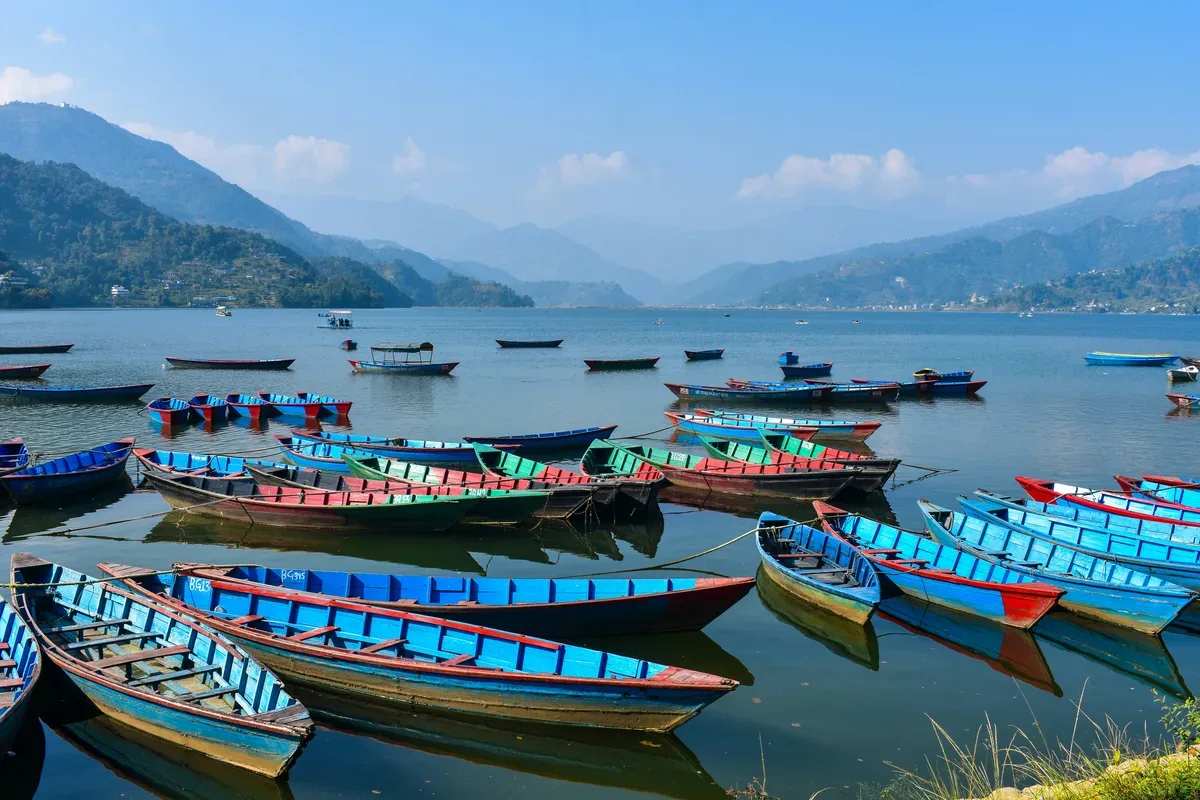
A 7-day route from Kathmandu's Pashupatinath Temple and Durbar Squares into Chitwan National Park's jungle safaris, finishing with sunrise over Annapurna from Sarangkot and Phewa Lake in Pokhara.
 Multi-Day Tours
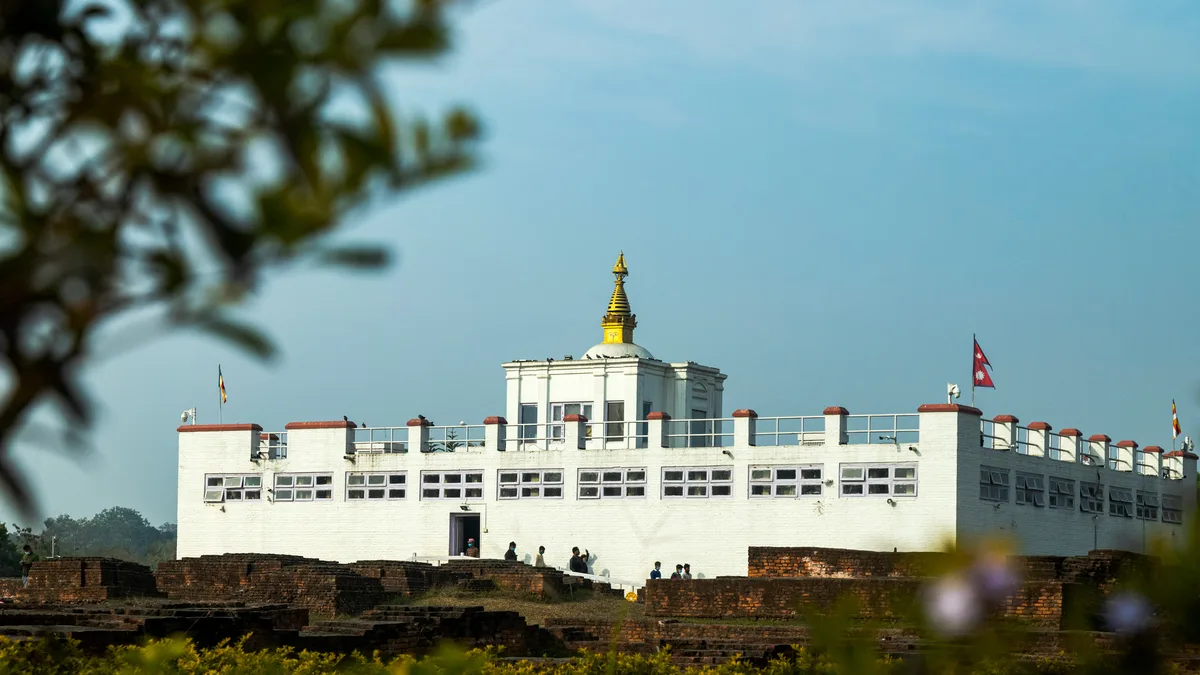
A 10-day route through Kathmandu's four UNESCO World Heritage Sites, Chitwan National Park's jungle, Buddha's birthplace at Lumbini, and Pokhara's lakeside beneath the Annapurna range.
 Multi-Day Tours
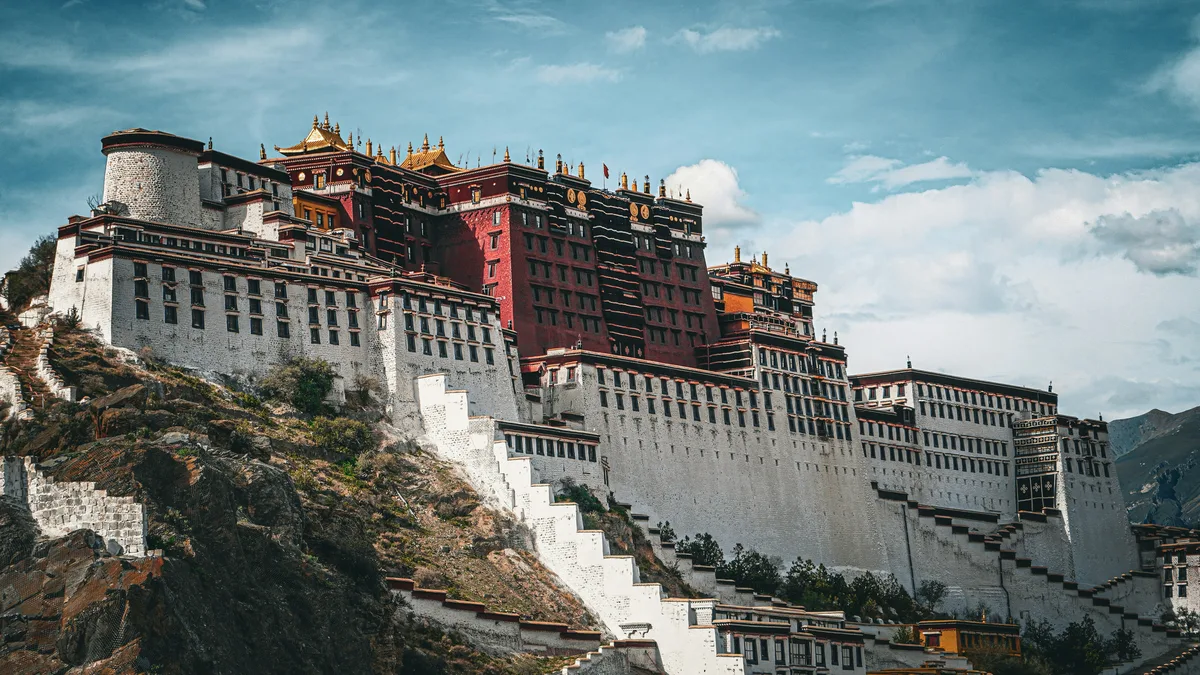
A 22-day journey across three Himalayan nations — nine nights in Nepal's Kathmandu, Chitwan and Pokhara, seven nights in Tibet including Everest Base Camp, and five nights in Bhutan's Thimphu, Punakha and Paro.
 Multi-Day Tours
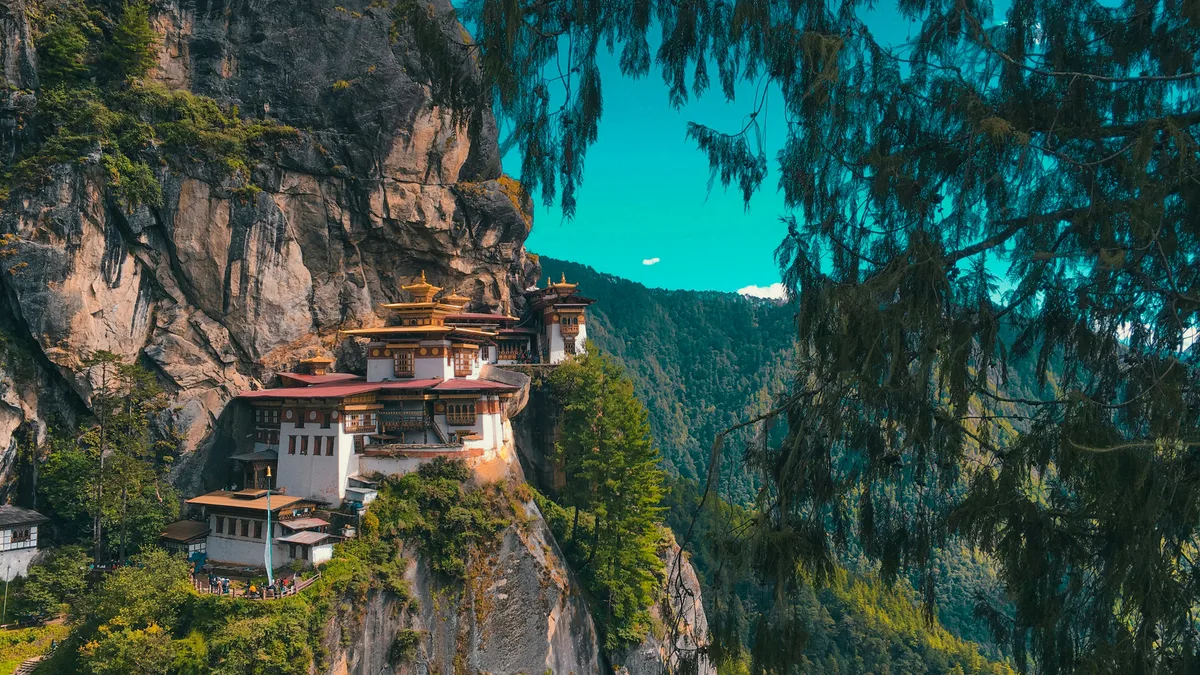
A 14-day route through Kathmandu's temples, Chitwan's jungle and Pokhara's lakeside in Nepal, followed by Bhutan's Thimphu, Punakha and Paro, ending at the cliffside Taktsang Monastery.
 Multi-Day Tours
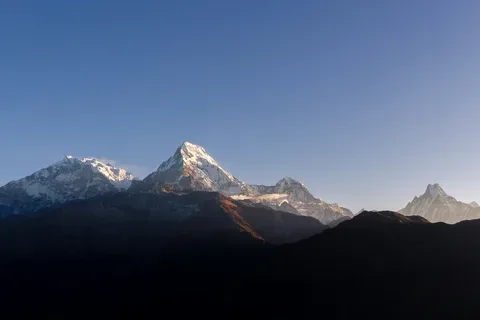
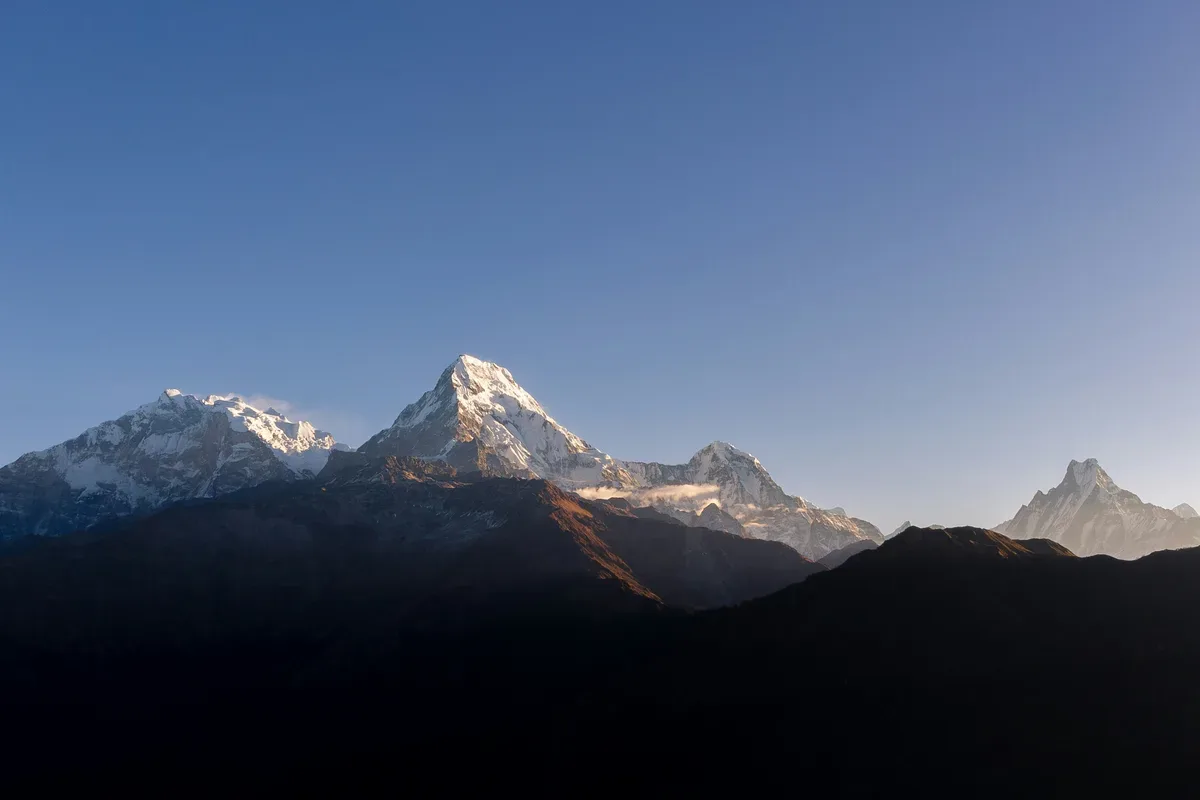
A gentler introduction to Himalayan trekking — Kathmandu and Pokhara sightseeing followed by a five-day trek through Gurung villages in the Annapurna foothills, overnighting at comfort lodges below the Annapurna Massif.
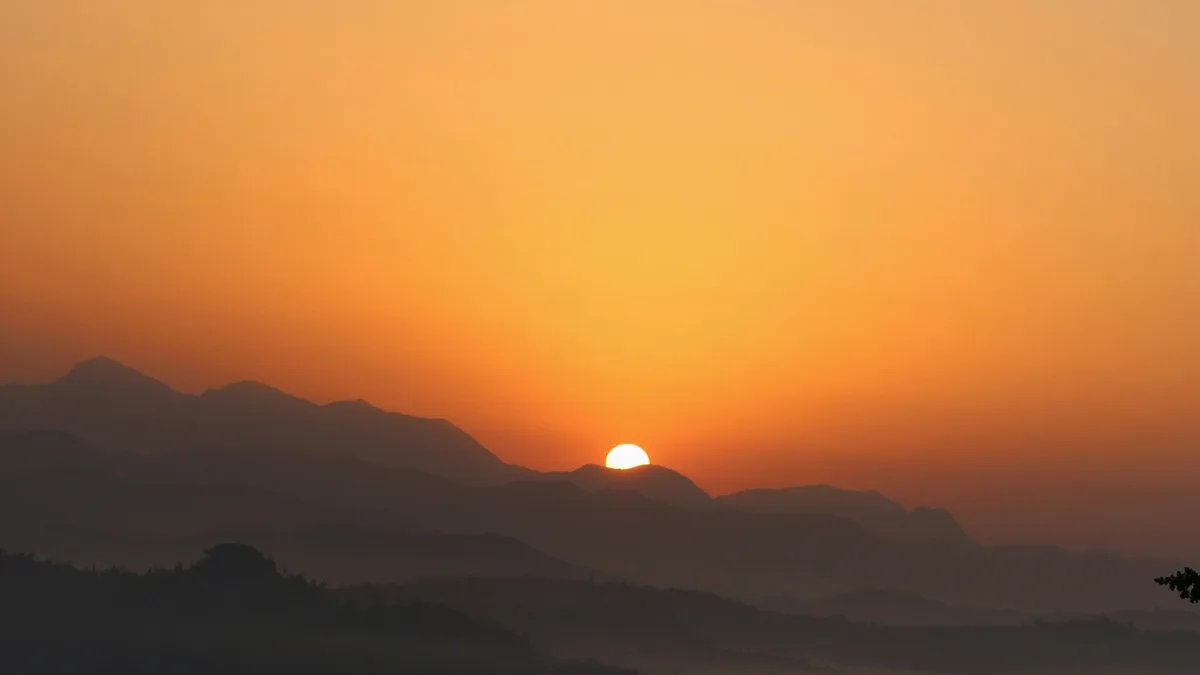 Multi-Day Tours
A 7-day route through Kathmandu Valley's temples and UNESCO squares, the hilltop views of Nagarkot, and Pokhara's lakeside beneath the Annapurna range, with sunrise from Sarangkot.
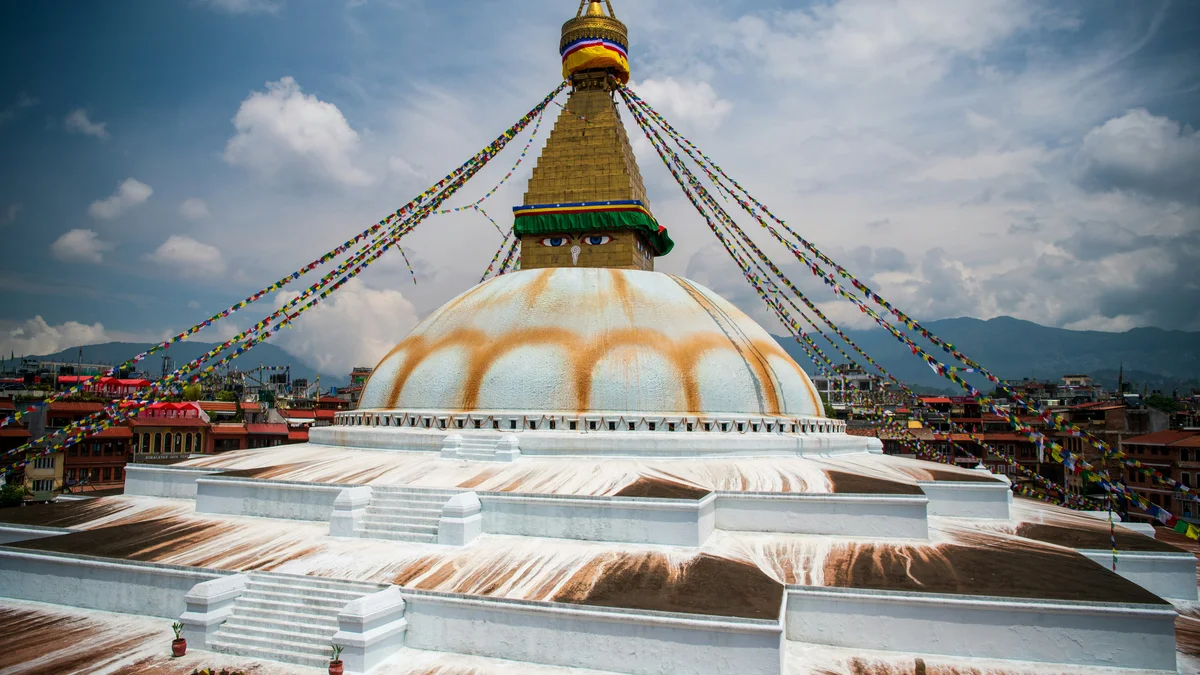 Multi-Day Tours
A 9-day pilgrimage tracing Nepal's Buddhist sites — the meditation caves of Patan, Boudhanath and Swayambhunath stupas, Lumbini where Buddha was born, and the sacred hill of Namobuddha.
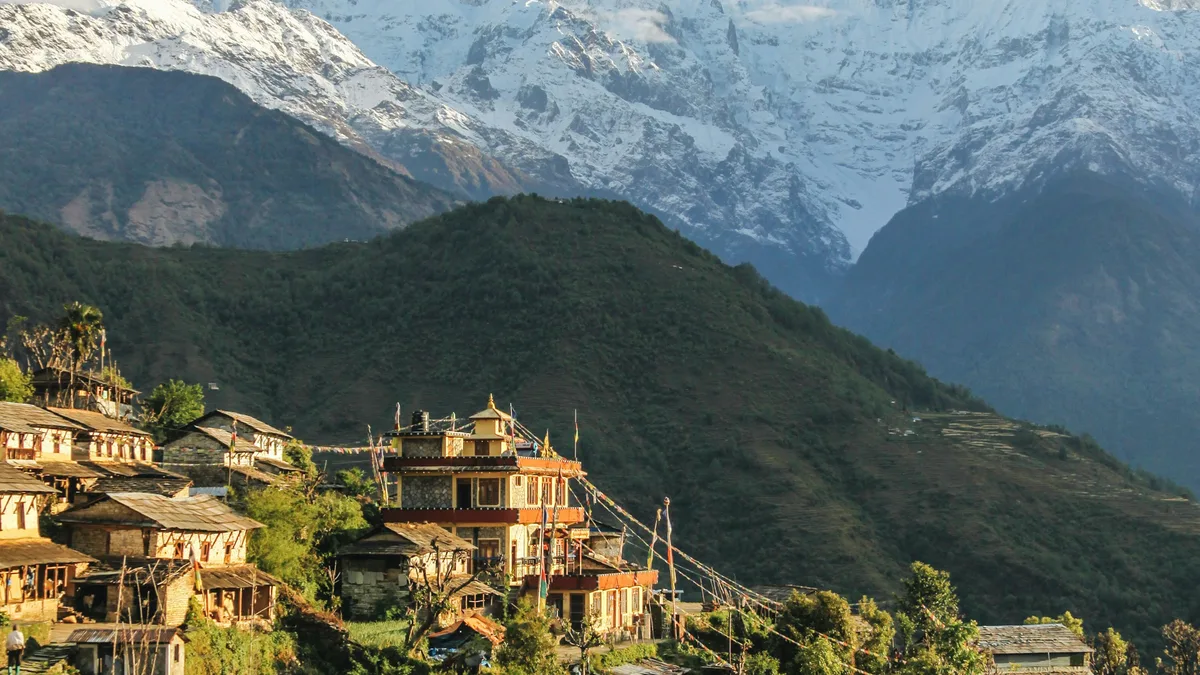 Multi-Day Tours
A 10-day trek to Pikey Peak, long said in local trekking lore to have been Sir Edmund Hillary's favorite panorama of Everest and the surrounding Himalaya, through Sherpa villages, rhododendron forest, and rural homestays east of Kathmandu.
Visitor guide
Boudhanath Stupa, also called Boudha or Khasti Chaitya, is a major Buddhist stupa in the Boudha area in the northeast of the Kathmandu Valley, Nepal. It is seen as the embodiment of the enlightened mind of all the Buddhas, and its design as a massive mandala makes it, according to Wikipedia, the largest spherical stupa in Nepal and one of the largest in the world. It was designated a UNESCO World Heritage Site in 1979.
The present structure was most likely built in the 14th century, although Newar chronicles mention a stupa here as early as the 5th century. Written sources differ on when the town of Boudha was founded, with one chronicle crediting the Licchavi king Shivadeva around 590 to 604 CE and others dating it to King Manadeva in the 5th century. An inscription associates Shivadeva with the stupa, and he may have restored it.
Two legends explain the stupa's origin, and both are traditional stories rather than documented history. Newar tradition links it to Manadeva, who built it as atonement for unknowingly causing his father's death. A Tibetan teaching attributed to Padmasambhava tells of a poultry farmer named Samvari who asked the king for permission to build a great stupa. His reply, Jarung, meaning let it be done, is the origin of the stupa's Tibetan name Jarung Kashor. In that story her four sons finish the building and are later reborn as figures central to Tibetan Buddhism, including King Trisong Detsen, Shantarakshita and Padmasambhava.
The stupa stands on the ancient trade route from Tibet to India, which entered the Kathmandu Valley near Sankhu in the northeast. Wikipedia says Tibetan merchants rested and offered prayers here for many centuries. After the 1959 Tibetan uprising, large numbers of Tibetan refugees settled around the stupa, and the community has since built over 50 gompas and Buddhist monasteries, together with restaurants, guesthouses and artisan businesses. Along with Swayambhunath and Namo Buddha, Boudha is one of the most visited pilgrimage sites for Buddhists.
The stupa is believed to contain consecrated substances, including relics said to be bone pieces of Kassapa Buddha and Shakyamuni Buddha. A shrine to the protectress Mammo Pukkasi, known locally as Ajima, stands at the main northern entrance, looked after by the nearby Mahaguru Gompa.
Wikipedia also records a tradition that the Newar chronicles name the stupa Khasti Chaitya, and it describes the monument as located in the northeast of the Kathmandu Valley and originally surrounded by rice paddies. The site lies on a route that continues from the village of Sankhu to the smaller, ancient Charumati Stupa at Chabahil, often called Little Boudhanath, and then turns south over the Bagmati River towards Patan.
Pilgrims circle the stupa clockwise, and the area around it fills with prayer flags, monasteries and cafes. Boudha is in the northeast of Kathmandu, and a private tour with a driver and guide can combine it with other sights in the valley while explaining the meaning of the stupa's mandala design and the customs of the Tibetan Buddhist community that lives around it.
See every tour and attraction we cover in Nepal.