TorontoOntario · 36 tours
 Niagara FallsOntario · 25 tours
 New York CityNew York · 30 tours
 Las VegasNevada · 8 tours
 San FranciscoCalifornia · 16 tours
 VancouverBritish Columbia · 17 tours
 DubaiUAE · 54 tours
 Abu DhabiUAE · 5 tours
 Buenos AiresArgentina · 23 tours
 AthensGreece · 31 tours
 AucklandNew Zealand · 38 tours
 CancunMexico · 54 tours
No destinations match “”. Try searching all tours instead — that search understands full questions, not just place names.
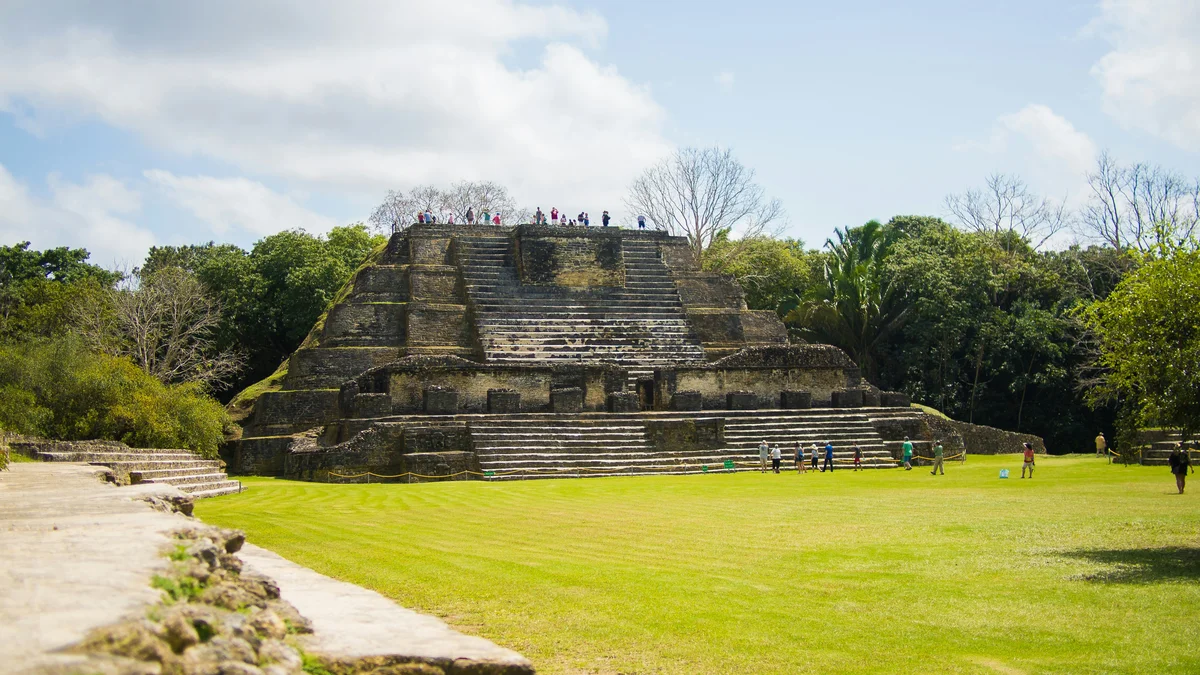
An ancient Maya ceremonial and trading center about 50 km (30 miles) north of Belize City, Altun Ha's plazas are dominated by the stepped stone pyramid known as the Temple of the Sun God (Structure B-4). Archaeologists recovered a carved jade head here — reported at the time as the largest carved jade object found at a Maya site — during a 1968 excavation. The site is compact enough to explore in an hour or two and remains one of the most-visited Maya ruins in Belize.
 Private Tours
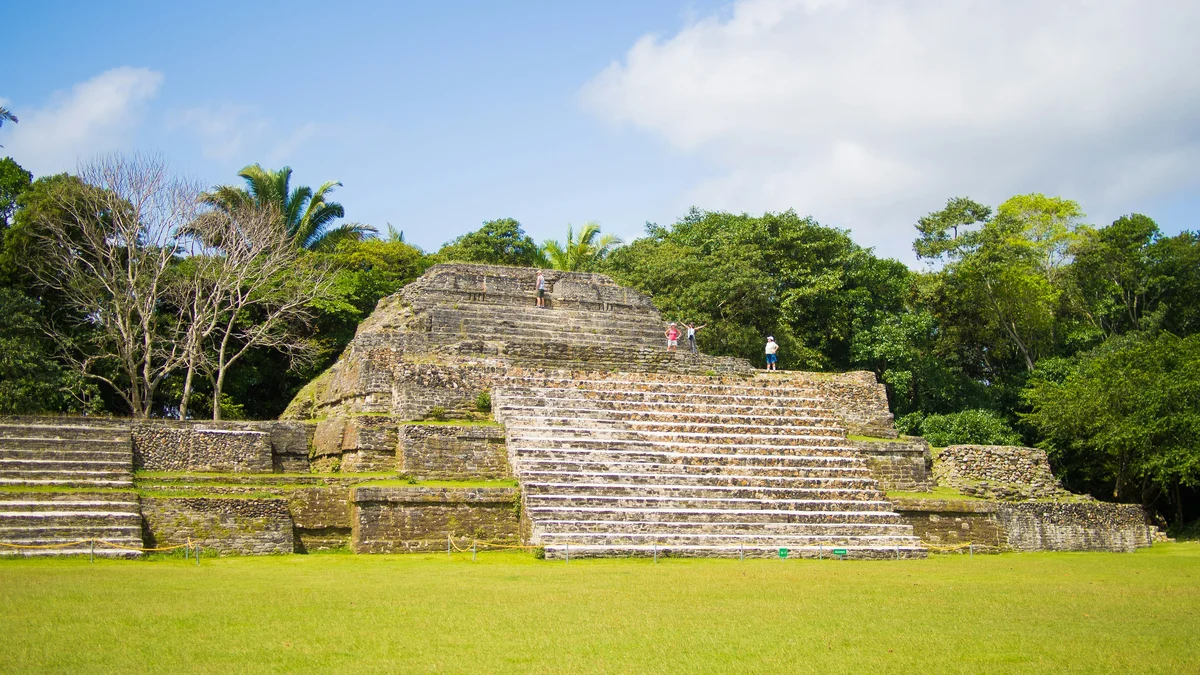
A private vehicle and driver take you through Belize City's historic core, then out to the Altun Ha Maya ruins to climb the Temple of the Sun God at your own pace.
 Private Tours
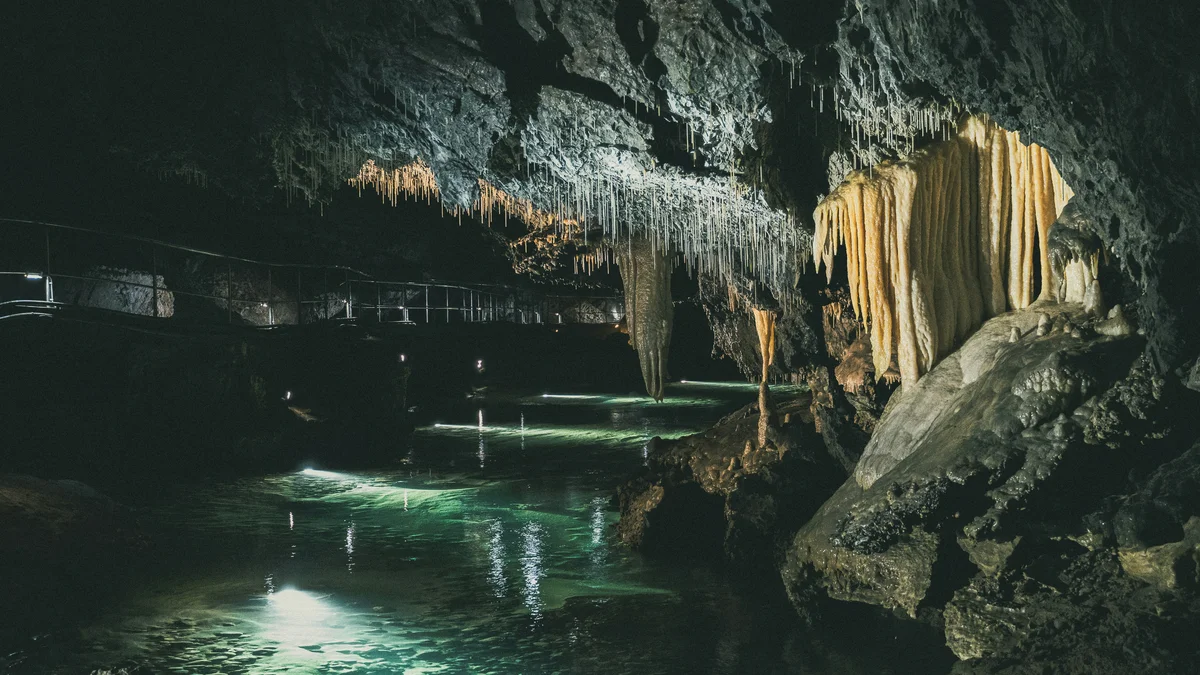
Climb the ancient temples of Altun Ha, then float on an inner tube through the Nohoch Che'en cave system's underground river, all in one private day trip from Belize City.
 Private Tours
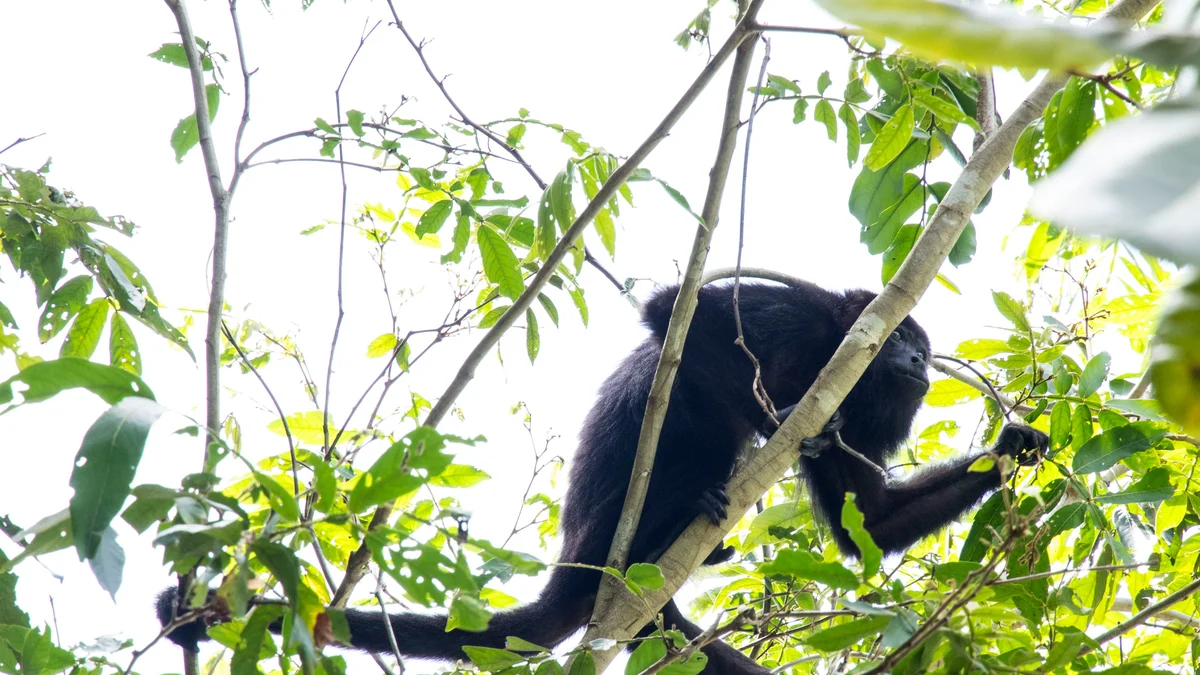
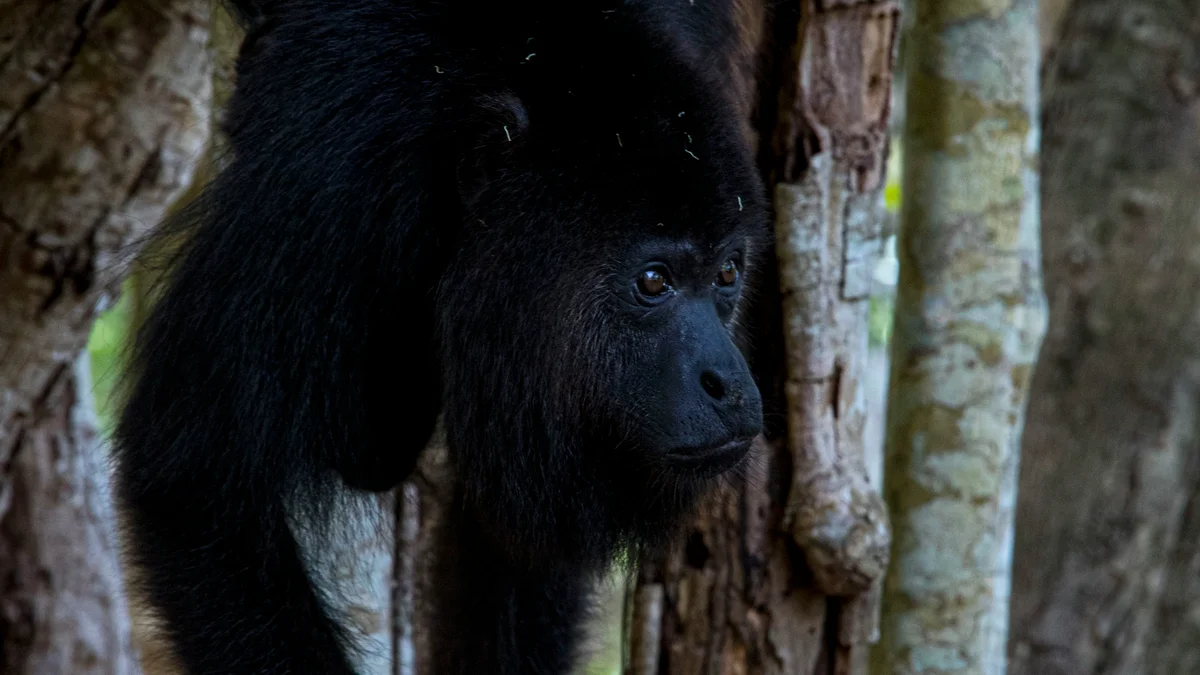
A private guide takes you from the Altun Ha Maya ruins to the Community Baboon Sanctuary, a community-run reserve where black howler monkeys live wild in the tree canopy.
Visitor guide
Altun Ha is an ancient Maya city in the Belize District of Belize, about 50 km north of Belize City and 10 km inland from the Caribbean coast. It was occupied for nearly two thousand years and is known for the jade offerings found in its temples.
The Belize Institute of Archaeology says the name means Rockstone Water, a Yucatec Maya approximation of the nearby village of Rockstone Pond; haltun denotes a stone water deposit or cistern and ha means water. The ancient name is not known, though an emblem glyph for the site has been identified and its reading remains unknown. The site covers roughly 8 square kilometres on the north-central coastal plain and was swampy during its occupation. Its water came from Gordon Pond, the main reservoir, and from Camp Aguada near the centre. Wikipedia notes there are no stelae and two recorded causeways, one possibly ceremonial and one built to cross swampy ground between two zones.
In 1963 villagers quarrying stone recovered a large carved jade pendant, and Belize's first archaeological commissioner, A. H. Anderson, was alerted when it was offered for sale. A reconnaissance followed that year. Full-scale excavation by a team from the Royal Ontario Museum under David Pendergast began in 1964 and ran through 1970, with a further season of laboratory work in 1971, funded by the museum and other backers. The work totalled about 40 months of digging and included restoration of the central precinct. Stones from the ruins were reused to build the modern village of Rockstone Pond.
The city was occupied from about 900 BC to AD 1000 and reached its largest size in the Classic period, roughly AD 400 to 900. Round platforms dating to around 900 to 800 BC show the earliest settlement, and a large public building, Structure F8, was built around AD 200. An Early Classic tomb, F8/1, held an adult male with a jade and shell necklace, jade earflares, 59 Spondylus valves, over 8,000 pieces of chert debitage, 163 formal chert tools, 23 ceramic vessels and 248 pieces of Pachuca green obsidian, which together with the tomb's architecture suggest links with Teotihuacan in central Mexico. An offering from about AD 500 included jadeite, pearls, Spondylus beads and a gold-copper jaguar-claw bead whose materials match the Cocle culture of central Panama.
Gradual abandonment began around AD 800, though one zone peaked between 700 and 800. The site was abandoned by the early 11th century, with limited reoccupation after 1225 until about the 15th century. Analyses of diet suggest the people ate maize but also a large share of marine and reef foods.
Structure B-4, the Temple of the Masonry Altars, is roughly 16 to 18 metres high, depending on the source and is the tallest temple-pyramid at the site; a drawing of it appears on the label of Belize's Belikin beer. During the 1968 season Pendergast's team reached the most elaborate tomb of the site in the seventh construction phase, dated to about AD 600 to 650. The tomb, called the Sun God's Tomb, held an adult male and 43 durable artifacts, including a carved jade head 14.9 cm high and weighing 4.42 kg. Pendergast identified the figure as Kinich Ahau, the Sun God, though more recent research argues it depicts a Jester God or bird deity with maize iconography, a symbol of rulership. More than 800 jade pieces have been recovered at the site, over 60 of them carved, and B-4 also held a large jade plaque with twenty glyphs.
Lonely Planet describes the visible core as two plazas surrounded by temples, most dating from around AD 550 to 650 and many rebuilt in layers. The site is reached via the Old Northern Highway from Belize City and is a convenient half-day trip from the city. Voyzo can arrange a private vehicle and driver for a private guided visit.
See every tour and attraction we cover in Belize City.