TorontoOntario · 36 tours
 Niagara FallsOntario · 25 tours
 New York CityNew York · 30 tours
 Las VegasNevada · 8 tours
 San FranciscoCalifornia · 16 tours
 VancouverBritish Columbia · 17 tours
 DubaiUAE · 54 tours
 Abu DhabiUAE · 5 tours
 Buenos AiresArgentina · 23 tours
 AthensGreece · 31 tours
 AucklandNew Zealand · 38 tours
 CancunMexico · 54 tours
No destinations match “”. Try searching all tours instead — that search understands full questions, not just place names.
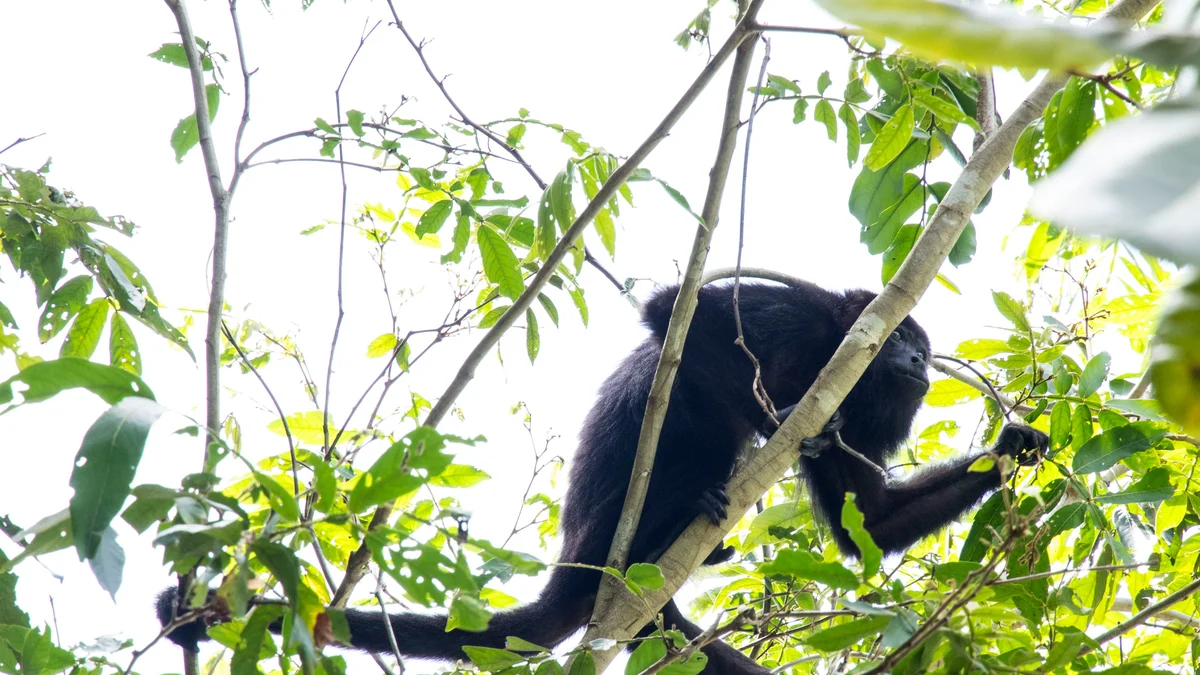
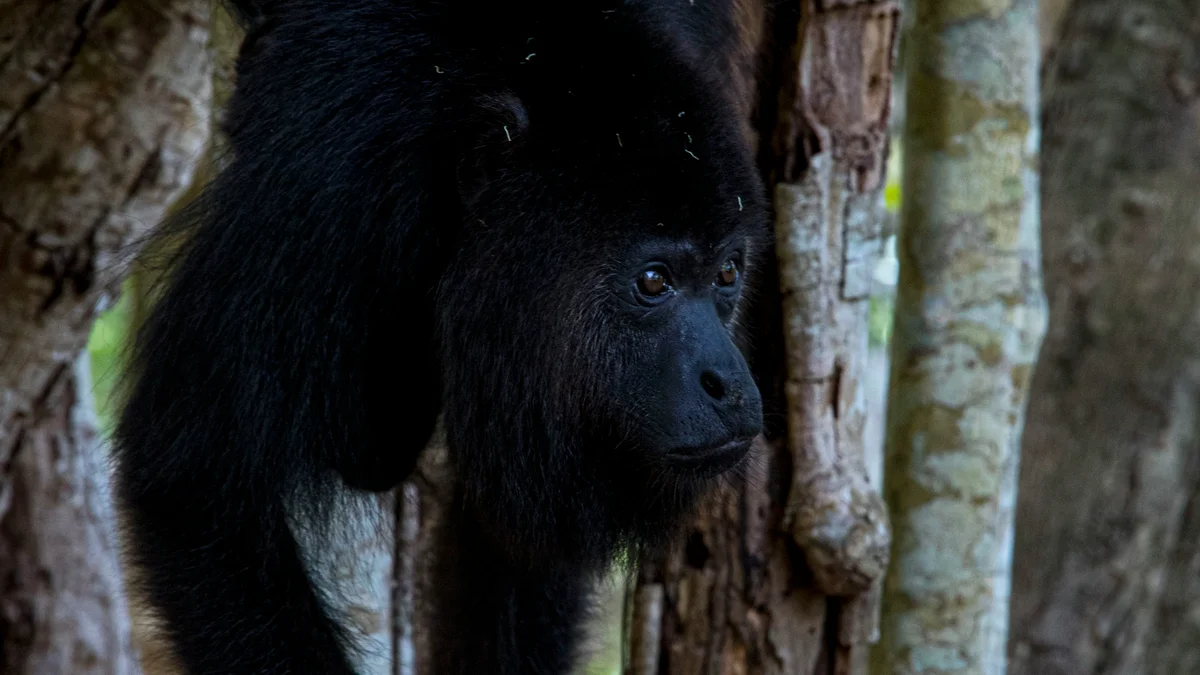
A grassroots conservation area near Bermudian Landing, about an hour from Belize City, where local landowners voluntarily protect forest habitat for Belize's black howler monkeys — locally nicknamed 'baboons' despite not being baboons at all. Established in 1985, it was one of the first community-led wildlife sanctuaries of its kind in Central America, and its howler monkey population has grown substantially since.
Visitor guide
The Community Baboon Sanctuary is a conservation area along the lower Belize River in Belize District, Belize, where private landowners voluntarily protect forest habitat for the Yucatan black howler monkey. Locals call the species the baboon, although it is a howler monkey, and the sanctuary is centred on the village of Bermudian Landing.
According to Wikipedia, the sanctuary was started by the American primatologist Robert Horwich together with a Bermudian Landing landowner, Fallet Young. The article gives the founding year as 1985 in its text and 1984 in its infobox. It began with twelve voluntary landowners and now includes more than 200. Participants agree to maintain forest corridors and habitat on their own land, so the sanctuary is a patchwork of private holdings rather than a single park. It covers about 5,179 hectares across seven villages: Bermudian Landing, Big Falls and St. Paul's Bank, Willows Bank, Double Head Cabbage, Isabella Bank, Scotland Halfmoon and Flowers Bank, and it is recognised as an IUCN Category IV protected area. The stated goals are conservation, education, research, tourism and community development.
The Community Baboon Sanctuary Women's Conservation Group, formed in 1998 and directed by Jessy Young, helps run the project. Wikipedia says the group received the United Nations Equator Prize in 2017. The article carries a maintenance banner warning that some text may be unverified, so these details are best checked against the sanctuary's own materials.
Wikipedia describes the Yucatan black howler, Alouatta pigra, as the largest howler species, with adult males averaging about 11.4 kilograms and females about 6.4 kilograms. Adults have long black hair while infants are brown, and males have an enlarged hyoid bone that amplifies their calls, which carry through the forest and peak at dawn and dusk. They are diurnal and arboreal, spending most of the day resting, and live in groups usually of two to ten animals with one or two adult males. Home ranges are small, about 3 to 25 hectares, and individuals can live up to about 20 years. The diet is mostly leaves and fruit, and the breadnut tree can supply up to 86 percent of it in some seasons.
The species is listed as Endangered by the IUCN because of habitat loss, hunting and the pet trade, is on CITES Appendix I, and hunting it is illegal in Belize. Jaguars, cougars and harpy eagles occasionally prey on it. Population density can exceed 250 monkeys per square kilometre in the sanctuary, and the sanctuary population rose from about 800 in 1985 to more than 3,500 by 2017. In 1992 to 1994 several family groups were moved from here to repopulate the Cockscomb Basin.
The sanctuary is a mosaic of riverside and lowland tropical forest, secondary growth and farmland. Other recorded wildlife includes Baird's tapir, jaguar, puma, Morelet's crocodile and more than 200 bird species, and a 2020 study documented 52 locally valued plant species. Wikipedia notes that forest cover in the surrounding area fell by about a third between 1989 and 2004 but that habitat connectivity within the sanctuary stayed relatively high.
The sanctuary lies about 31 miles northwest of Belize City, reached by road along the Belize River valley. A private guide can explain the community model and help visitors spot howlers in the canopy, with a private vehicle and driver for the trip from Belize City.
See every tour and attraction we cover in Belize City.