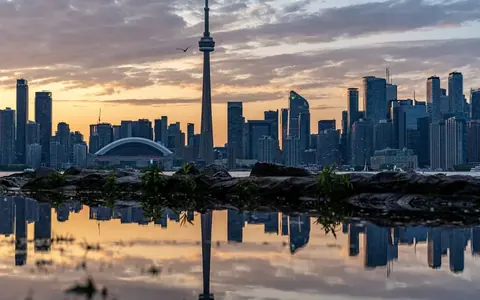
 TorontoOntario · 17 tours
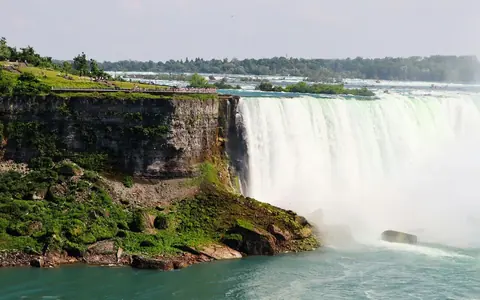 Niagara FallsOntario · 17 tours
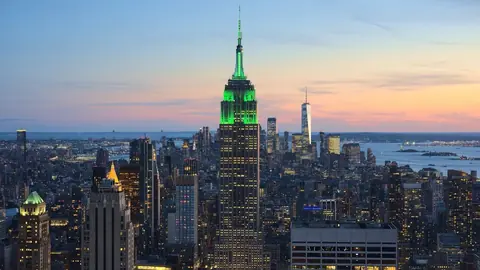 New York CityNew York · 8 tours
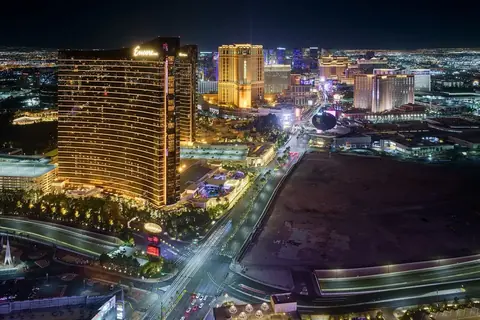 Las VegasNevada · 8 tours
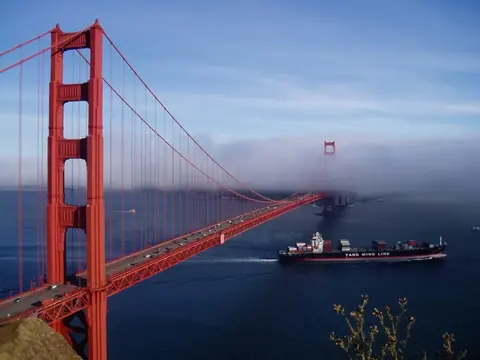 San FranciscoCalifornia · 16 tours
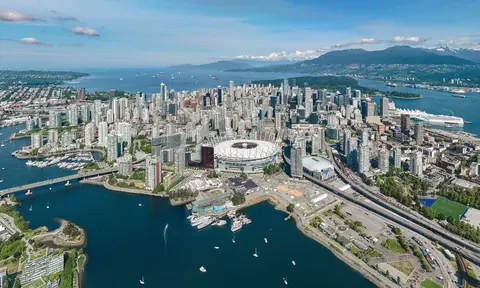 VancouverBritish Columbia · 17 tours
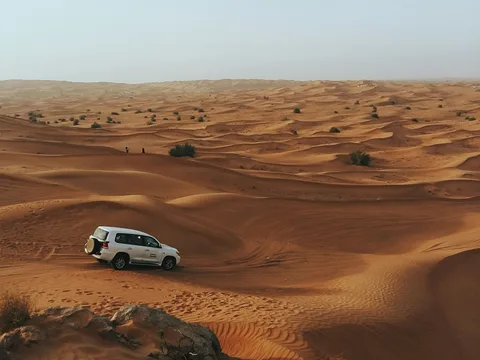 DubaiUAE · 44 tours
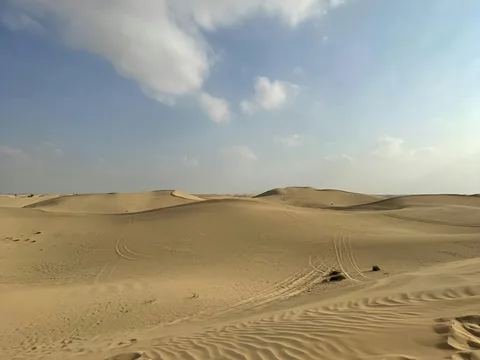 Abu DhabiUAE · 5 tours
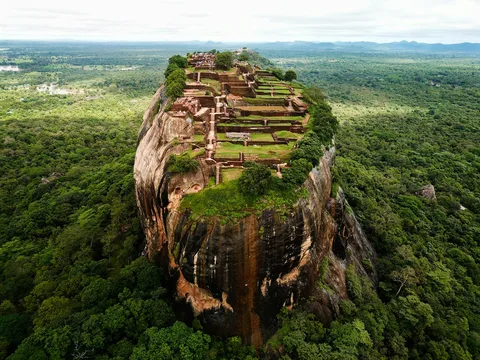 Sri LankaSri Lanka · 16 tours
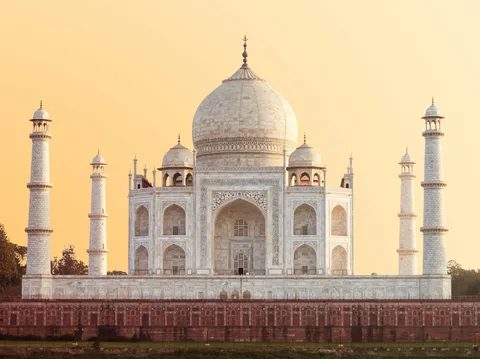 IndiaIndia · 13 tours
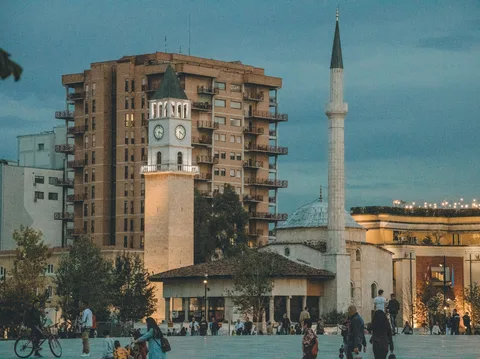 AlbaniaAlbania · 10 tours
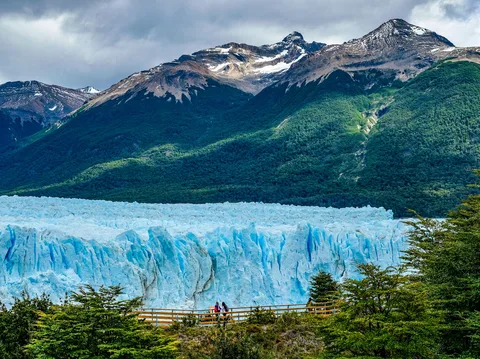 ArgentinaArgentina · 8 tours
No destinations match “”.
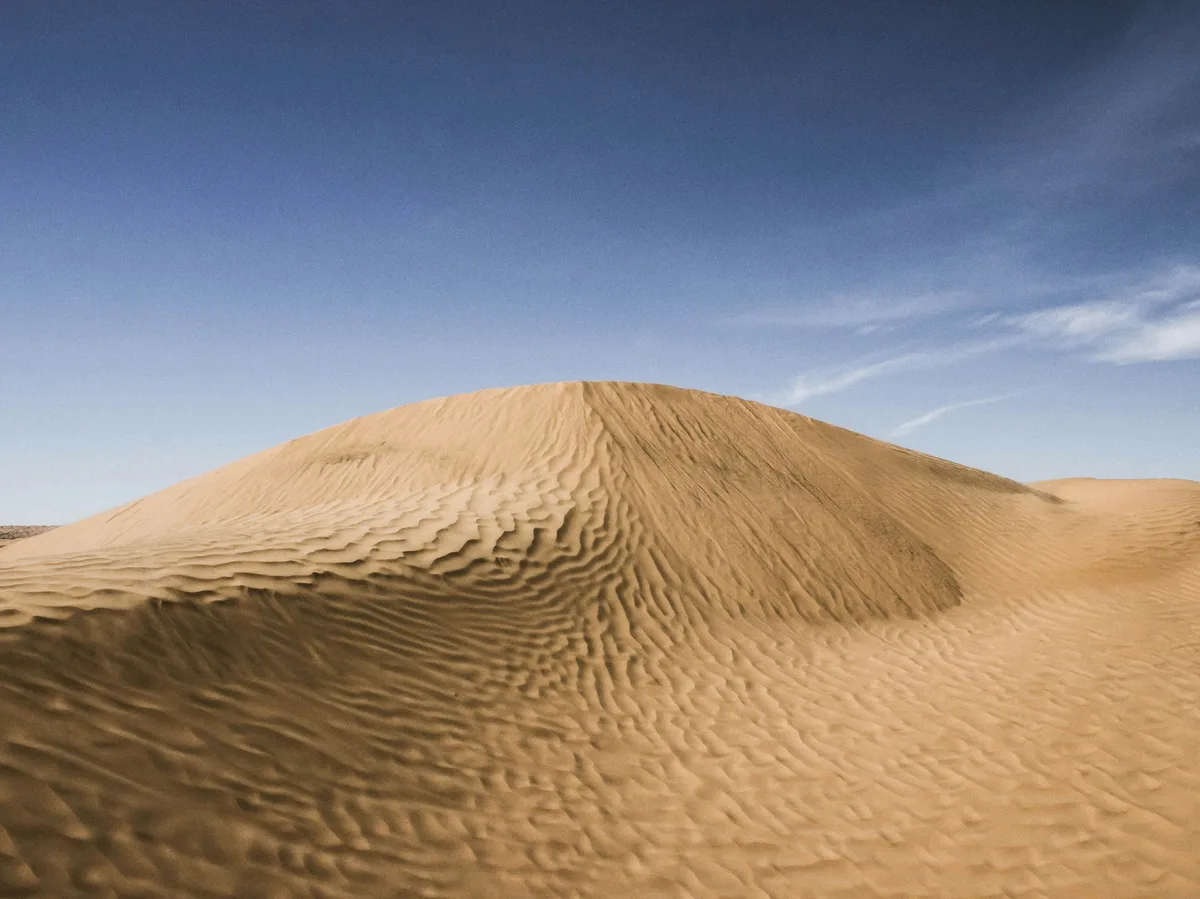
Voyzo runs 1 private tour across 1 destination in Tunisia, covering 9 attractions — each with your own guide, driver, and vehicle, and an itinerary built around your group rather than a fixed bus schedule.
Tunisia is the smallest and most compact of the Maghreb countries, wedged between Algeria and Libya on North Africa's Mediterranean coast. Arabic is the official language, French is widely spoken as a legacy of the French protectorate era, and the Tunisian dinar is the currency. Its history runs from ancient Carthage — once Rome's great rival, destroyed and later rebuilt as a Roman city — through Ottoman rule to independence in 1956, and that layered past is visible in a small geographic footprint most countries this size can't match.
In under two weeks, Tunisia's geography lets a trip run from the Mediterranean coast near Tunis to the Sahara in the south: Carthage's ruins and the blue-and-white village of Sidi Bou Saïd sit close to the capital, the walled medina of Kairouan and the Roman amphitheatre at El Jem anchor the interior, and the troglodyte cave homes of Matmata lead into true desert around Douz and Ksar Ghilane. Voyzo's Tunisia routes cover this full north-to-south range.
Because the trip crosses from coastal cities to open desert, Voyzo runs it as a private multi-day circuit — a standard vehicle for the coast and interior, switching to a 4x4 for the desert legs — with hotels or desert camps arranged at every stop.
The real stops Voyzo's own itineraries are built around — tap any attraction to learn more.
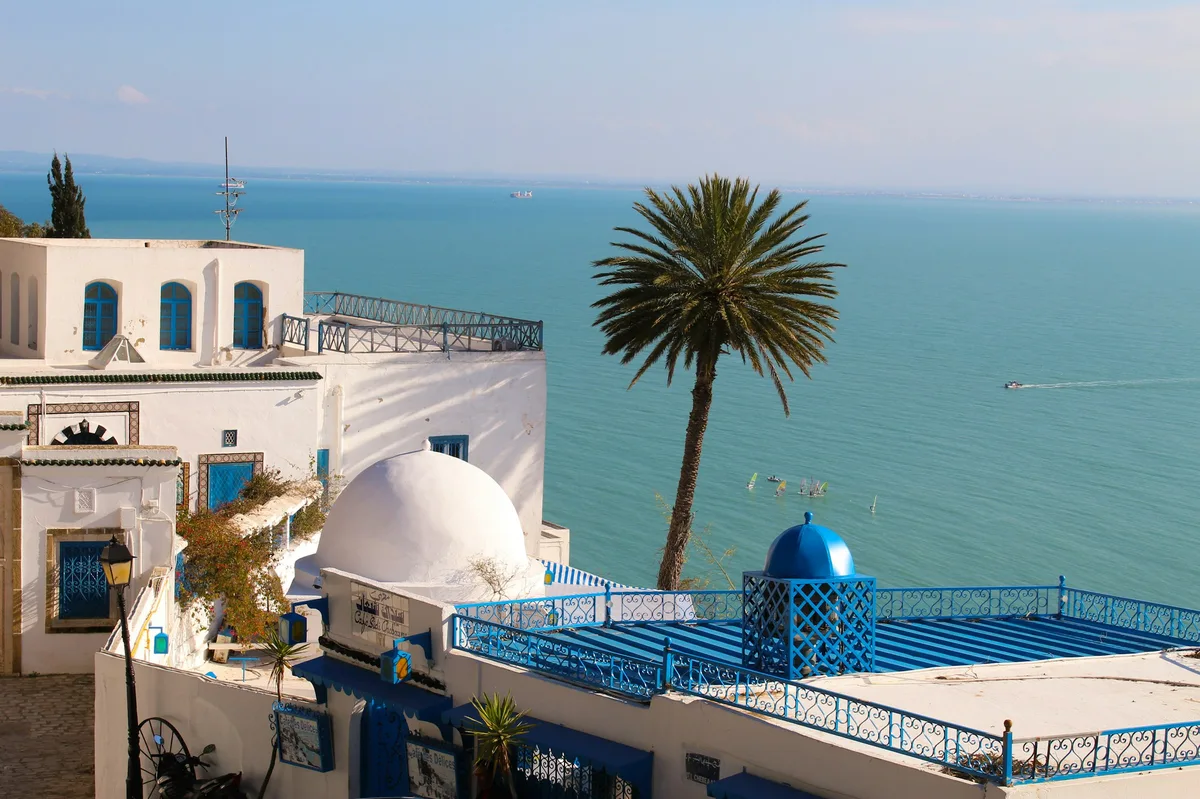 Sidi Bou Saïd
Tunisia
A hilltop village outside Tunis known for its whitewashed houses, blue-painted doors and shutters, and panoramic views over the Gulf of Tunis.
2
Sidi Bou Saïd
Tunisia
A hilltop village outside Tunis known for its whitewashed houses, blue-painted doors and shutters, and panoramic views over the Gulf of Tunis.
2
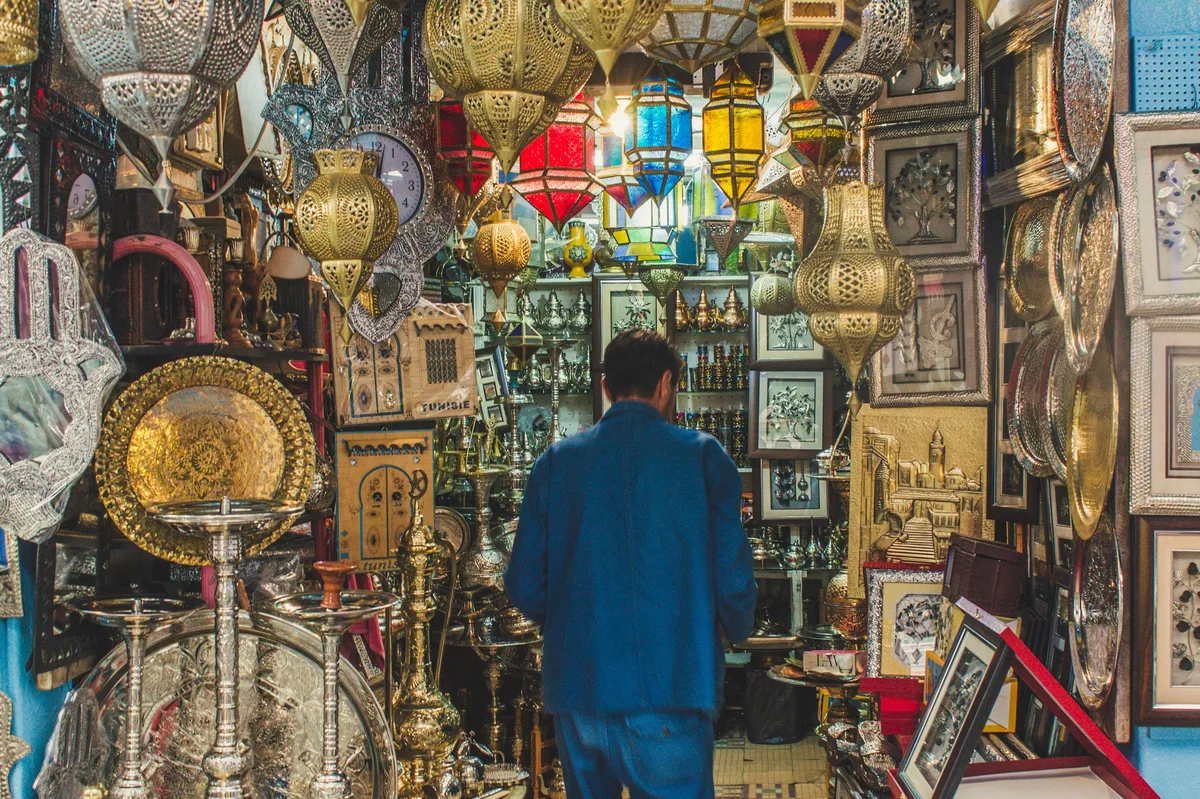 Medina of Tunis
Tunisia
A UNESCO World Heritage old town of narrow covered souks, mosques, and merchant houses at the center of the Tunisian capital.
3
Medina of Tunis
Tunisia
A UNESCO World Heritage old town of narrow covered souks, mosques, and merchant houses at the center of the Tunisian capital.
3
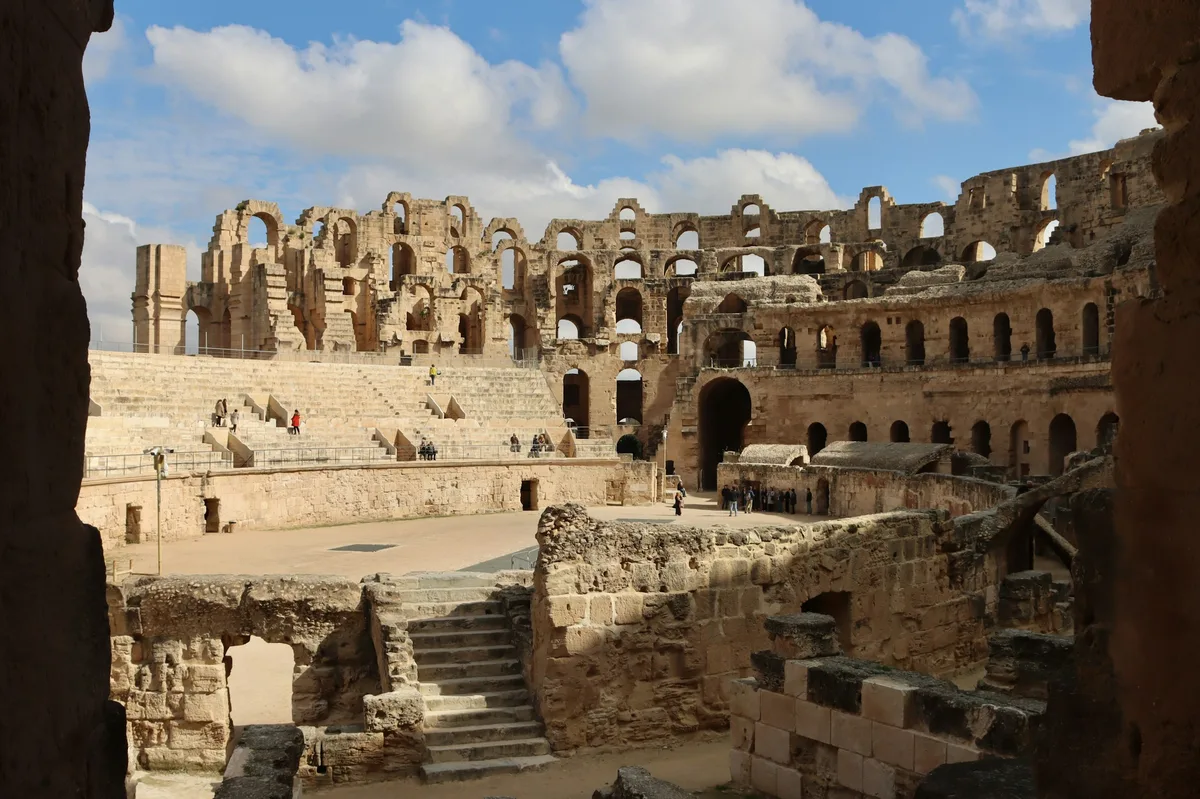 Amphitheatre of El Jem
Tunisia
A UNESCO-listed Roman amphitheatre in the town of El Jem, the largest and best-preserved in Africa and among the largest ever built anywhere in the Roman world.
4
Amphitheatre of El Jem
Tunisia
A UNESCO-listed Roman amphitheatre in the town of El Jem, the largest and best-preserved in Africa and among the largest ever built anywhere in the Roman world.
4
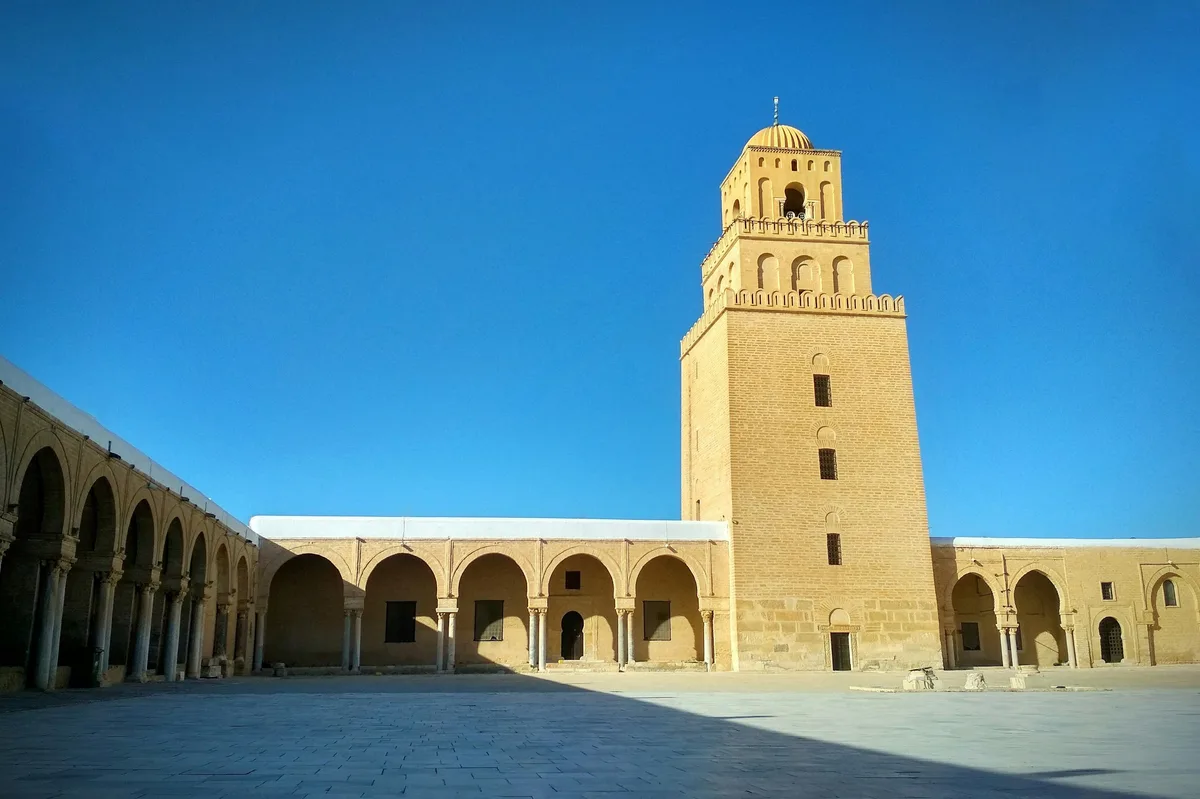 Great Mosque of Kairouan
Tunisia
One of the oldest mosques in the Islamic world, at the center of Kairouan's UNESCO-listed medina and a major pilgrimage site in North Africa.
5
Great Mosque of Kairouan
Tunisia
One of the oldest mosques in the Islamic world, at the center of Kairouan's UNESCO-listed medina and a major pilgrimage site in North Africa.
5
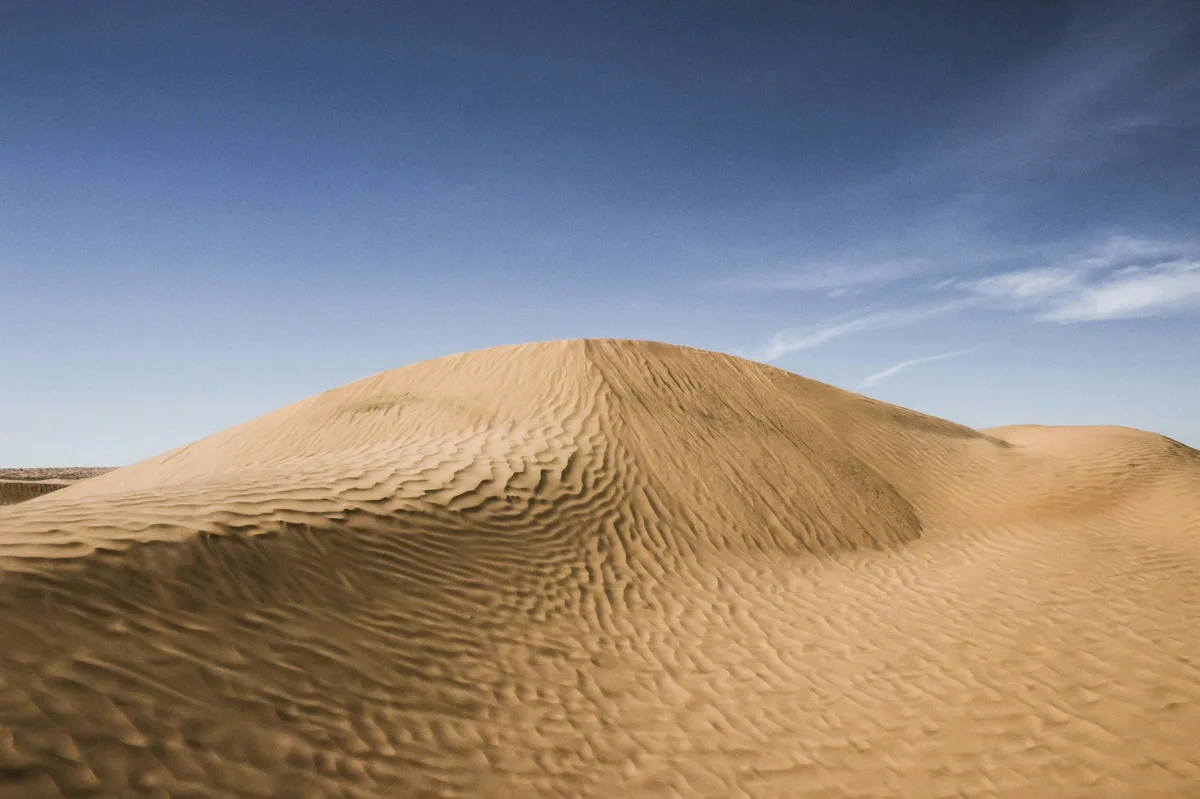 Sahara Desert at Ksar Ghilane
Tunisia
A desert oasis on the edge of the Grand Erg Oriental, the usual gateway for overnight camel and 4x4 trips into the Tunisian Sahara's dunes.
6
Sahara Desert at Ksar Ghilane
Tunisia
A desert oasis on the edge of the Grand Erg Oriental, the usual gateway for overnight camel and 4x4 trips into the Tunisian Sahara's dunes.
6
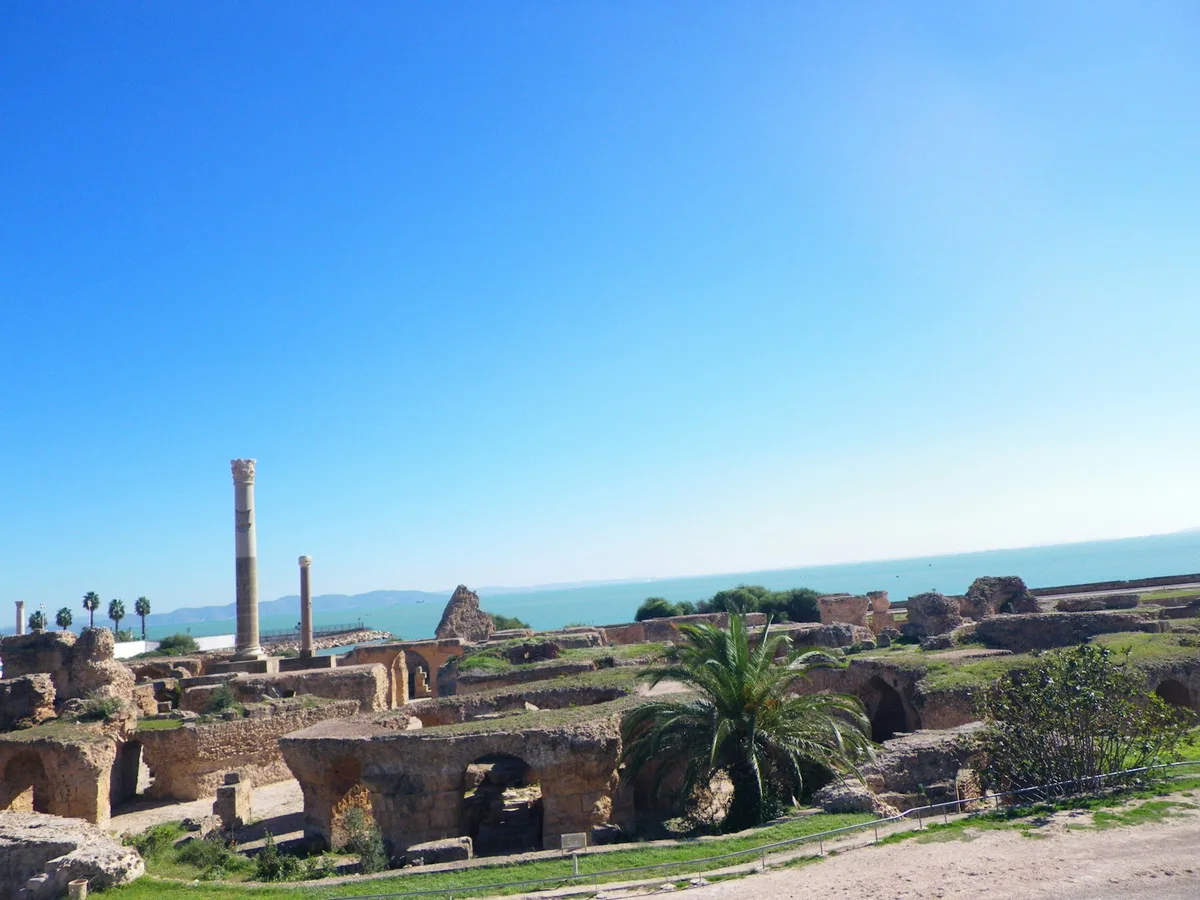 Carthage Archaeological Site
Tunisia
The ruins of the ancient Phoenician city that once rivaled Rome, including the Antonine Baths overlooking the Mediterranean, spread across a UNESCO World Heritage Site near Tunis.
7
Carthage Archaeological Site
Tunisia
The ruins of the ancient Phoenician city that once rivaled Rome, including the Antonine Baths overlooking the Mediterranean, spread across a UNESCO World Heritage Site near Tunis.
7
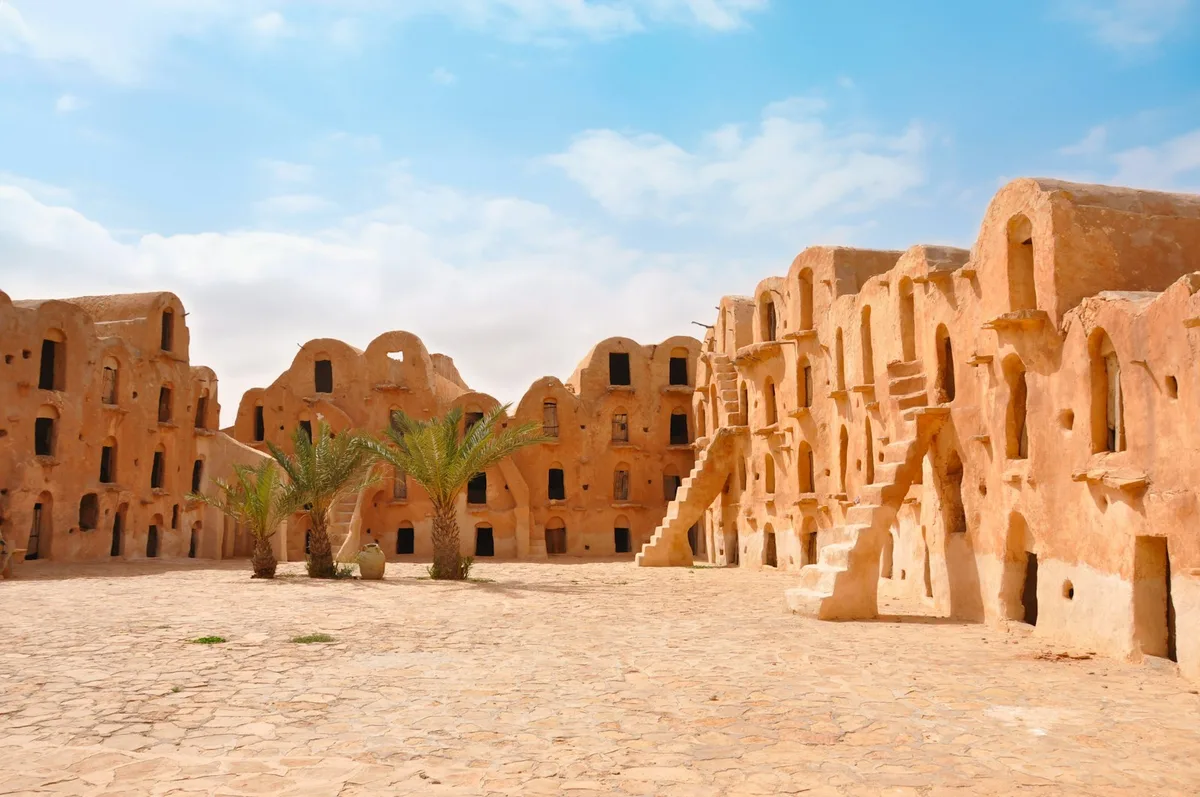 Ksar Ouled Soltane
Tunisia
A fortified Berber granary in southern Tunisia, its tiered rows of ghorfas (storage cells) built around a courtyard — one of several ksour in the region used as Star Wars filming locations.
8
Ksar Ouled Soltane
Tunisia
A fortified Berber granary in southern Tunisia, its tiered rows of ghorfas (storage cells) built around a courtyard — one of several ksour in the region used as Star Wars filming locations.
8
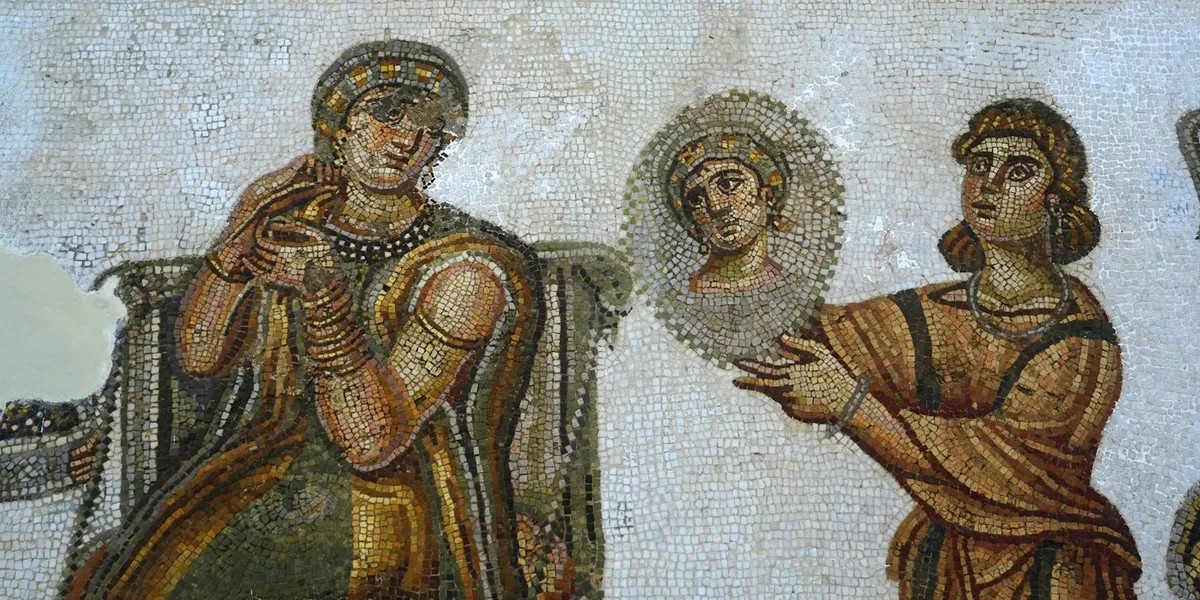 Bardo National Museum
Tunisia
Housed in a former Husainid palace in Tunis, home to one of the world's largest collections of Roman mosaics, gathered from sites across Tunisia.
9
Bardo National Museum
Tunisia
Housed in a former Husainid palace in Tunis, home to one of the world's largest collections of Roman mosaics, gathered from sites across Tunisia.
9
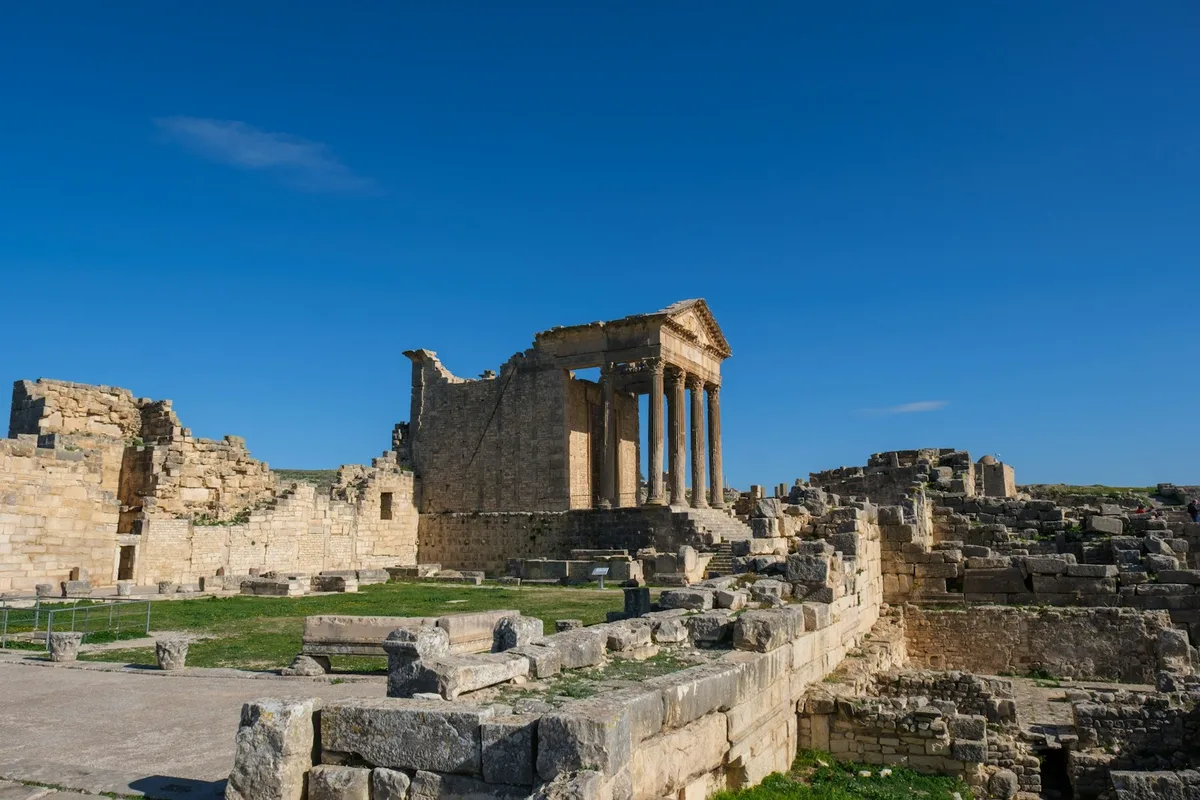 Dougga
Tunisia
Among the best-preserved Roman ruins in North Africa, a UNESCO World Heritage hilltop site with a largely intact Capitol temple, theatre, and residential quarter.
Dougga
Tunisia
Among the best-preserved Roman ruins in North Africa, a UNESCO World Heritage hilltop site with a largely intact Capitol temple, theatre, and residential quarter.
March–May and September–November bring mild, comfortable temperatures across the country. Summer (June–August) is hot everywhere and especially intense in the Sahara, where daytime highs regularly top 40°C (104°F).
The distance from the Mediterranean coast to the Sahara is significant, so Voyzo's routes run with a private driver and vehicle throughout, switching to a 4x4 for the desert stretches around Douz and Ksar Ghilane.
Coastal areas are Mediterranean (mild, wetter winters), while the desert swings from hot days to genuinely cold nights — pack layers if the itinerary includes desert camping.
Tunisia uses the Tunisian dinar. Cash is useful in the medinas and smaller towns, and tipping guides and drivers is customary.
Arabic is the official language and French is widely spoken and understood, including in most tourist-facing businesses; English is more limited outside major sites.
Tell us your group size and dates — we'll take care of the rest.