TorontoOntario · 36 tours
 Niagara FallsOntario · 25 tours
 New York CityNew York · 30 tours
 Las VegasNevada · 8 tours
 San FranciscoCalifornia · 16 tours
 VancouverBritish Columbia · 17 tours
 DubaiUAE · 54 tours
 Abu DhabiUAE · 5 tours
 Buenos AiresArgentina · 23 tours
 AthensGreece · 31 tours
 AucklandNew Zealand · 38 tours
 CancunMexico · 54 tours
No destinations match “”. Try searching all tours instead — that search understands full questions, not just place names.
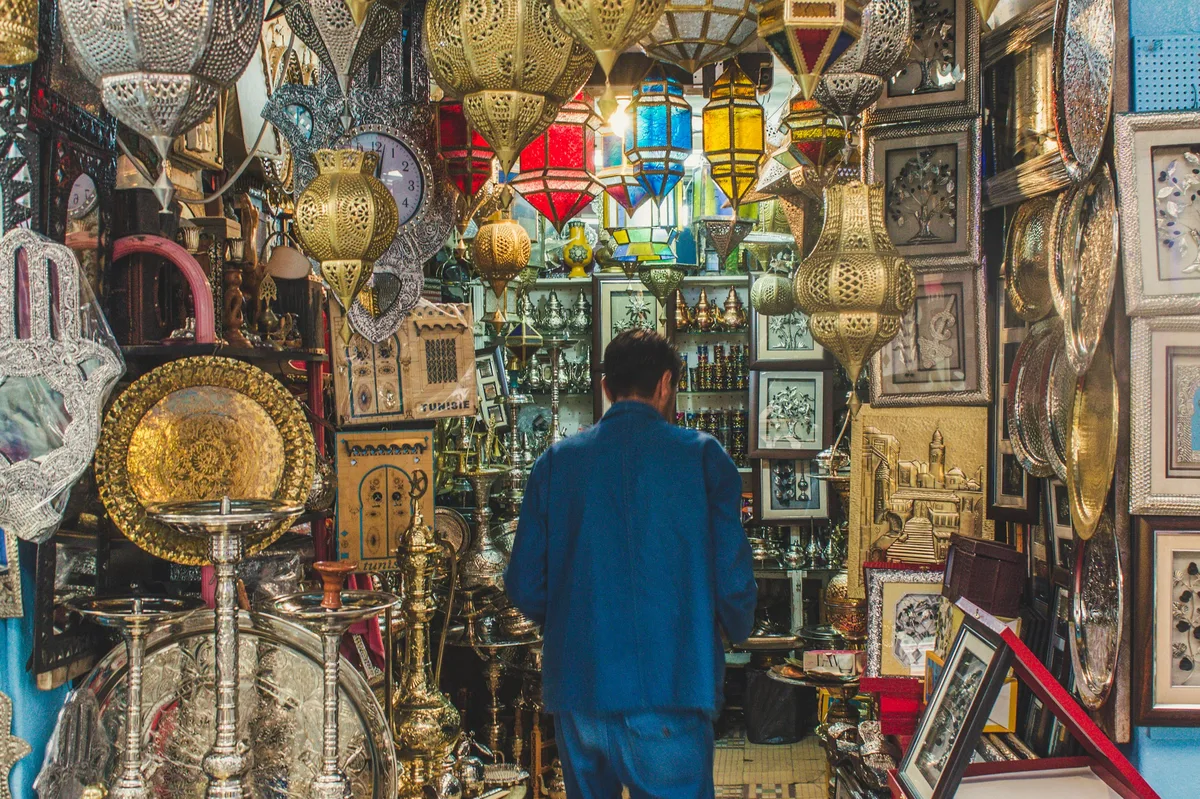
A UNESCO World Heritage old town of narrow covered souks, mosques, and merchant houses at the center of the Tunisian capital.
Visitor guide
The Medina of Tunis is the old city quarter of Tunisia's capital, a UNESCO World Heritage Site since 1979, with a minor boundary modification approved in 2010. Wikipedia says it contains some 700 monuments, including palaces, mosques, mausoleums, madrasas and fountains, within about 270 hectares plus 29 hectares for the Kasbah district.
The Medina was founded in 698 around the original core of the Zitouna Mosque. Under the Almohads, Tunis became the capital of Ifriqiya, and under the Hafsids it became a religious, intellectual and economic centre and took the essential form it has today. Its buildings combine Ifriqiyan, Andalusian and Oriental styles and reuse some Roman and Byzantine columns and capitals. Nearly 110,000 people live there.
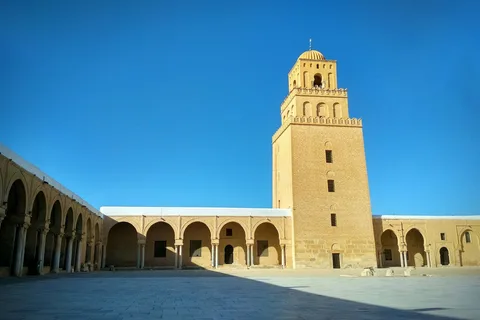
The Zitouna Mosque was built in 732 and rebuilt in 864, and long served as a centre of learning that hosted Zitouna University until Tunisian independence. The Kasbah Mosque (1231 to 1235) has the Medina's tallest minaret, and the Ksar Mosque dates from the 12th century with a 17th-century minaret. The Hammouda Pacha Mosque was commissioned in 1655 in the Turkish style, and the Saheb Ettabaâ Mosque (1808 to 1814) was the last mosque built in Tunis by the Husainids before the French occupation.
The Muradid rulers were major builders. Hammouda Pasha (1631 to 1666) built many souks and palaces, and Mohamed Bey El Mouradi (1686 to 1696) built the Sidi Mahrez Mosque, modelled on Istanbul mosques. Under the Husainid ruler Ali II (1759 to 1782), the Tourbet el Bey was built, described by Wikipedia as the largest funerary monument in Tunis.
Palaces, called dars, were homes of politicians, the wealthy and notables, and include Dar Lasram, Dar Ben Achour and Dar Al Jaziri. The souks include Souk El Attarine and Souk Ech-Chaouachine. Madrasas appeared in the Hafsid era and under the Ottomans spread the Hanafi school. Of the original four gates, two still stand: Bab el Bhar on the east and Bab Sidi Kacem in the southwest. From 1865, Muhammad III as-Sadiq began demolishing the walls and several historic gates because they were in poor repair.
There is no formal grid. The north-south and east-west axes meet at the Zitouna Mosque. The Kasbah had the largest, most elevated houses, and roof terraces serve as important social spaces. Wikipedia also notes the Medina is vulnerable to sea-level rise in high-emission scenarios.
The Youssef Dey Mosque became a mosque in 1631, and the El Jedid Mosque was built in 1723 to 1727. The Ksar Mosque has a 17th-century minaret. The Medina's northern and southern gates, such as Bab Souika, Bab Cartagena, Bab Bnet and Bab El Jazira, were among those demolished from 1865.
The Medina's lanes can be confusing and the history is layered. A private guide can explain the monuments, and a private vehicle and driver can drop you at the main entrance gates and collect you after your visit.
See every tour and attraction we cover in Tunisia.