TorontoOntario · 36 tours
 Niagara FallsOntario · 25 tours
 New York CityNew York · 30 tours
 Las VegasNevada · 8 tours
 San FranciscoCalifornia · 16 tours
 VancouverBritish Columbia · 17 tours
 DubaiUAE · 54 tours
 Abu DhabiUAE · 5 tours
 Buenos AiresArgentina · 23 tours
 AthensGreece · 31 tours
 AucklandNew Zealand · 38 tours
 CancunMexico · 54 tours
No destinations match “”. Try searching all tours instead — that search understands full questions, not just place names.
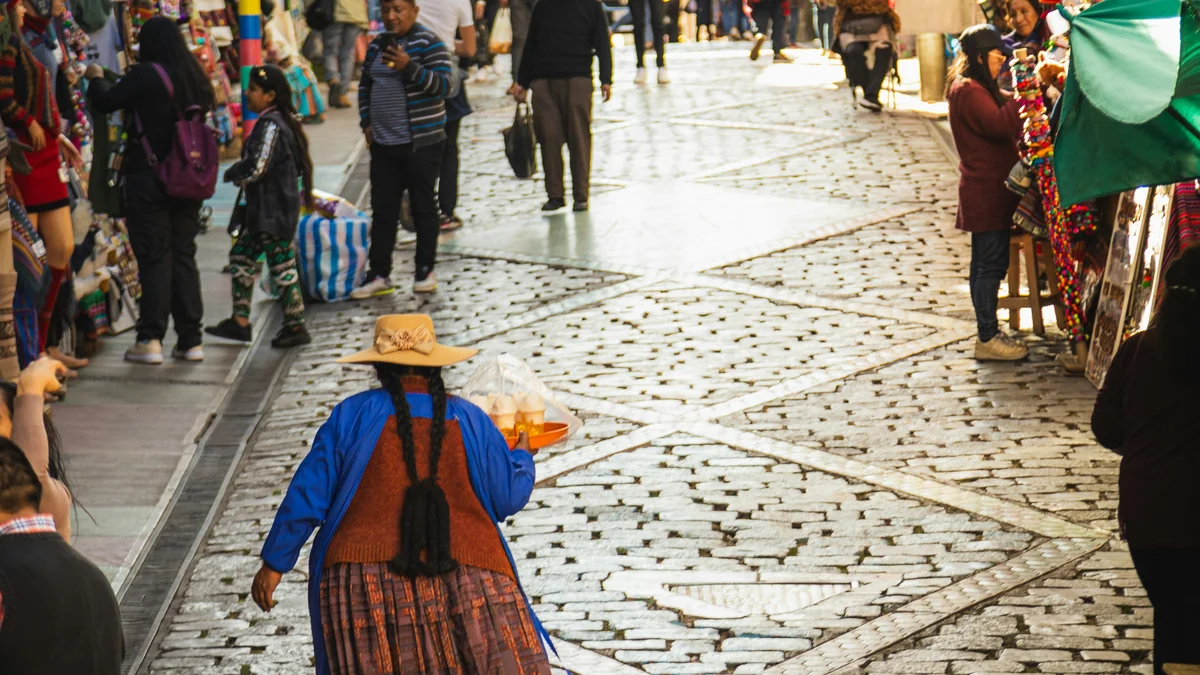
Plaza Murillo is La Paz's central square, named for independence martyr Pedro Domingo Murillo, who was executed here by Spanish royalist forces in 1810. It's flanked by the Palacio Quemado (Presidential Palace), the Bolivian Legislative Assembly, and the Metropolitan Cathedral, and remains the city's ceremonial and political heart, with resident pigeons and an occasional changing-of-the-guard ceremony.
 Private Tours
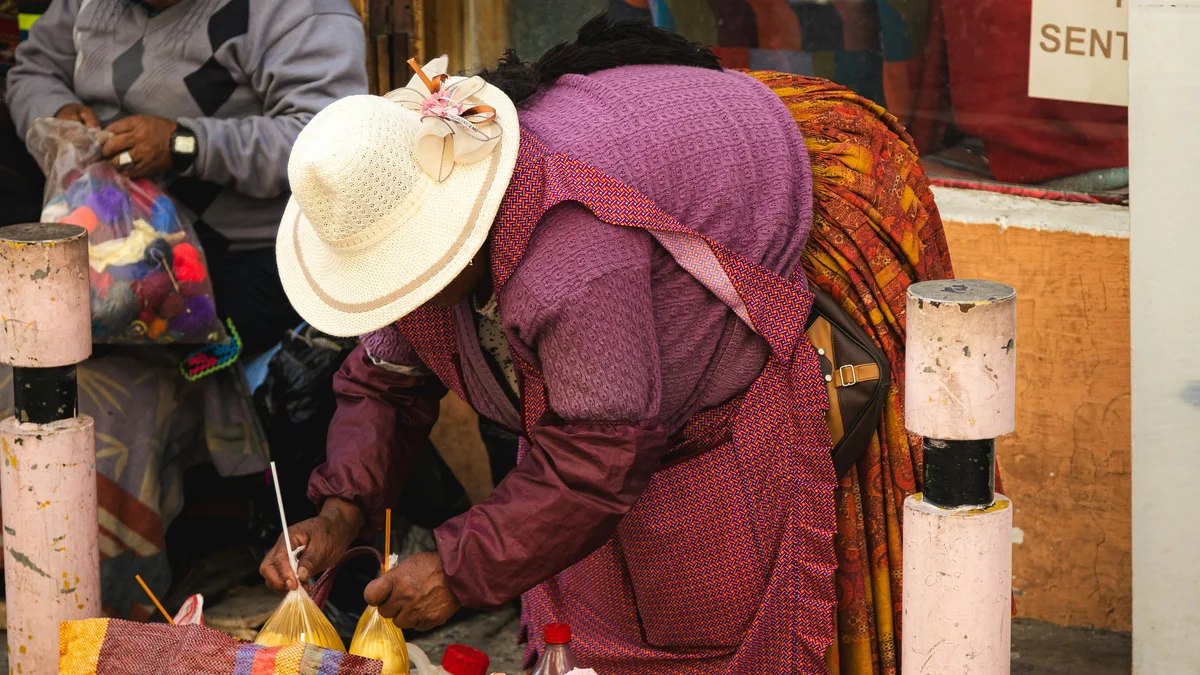
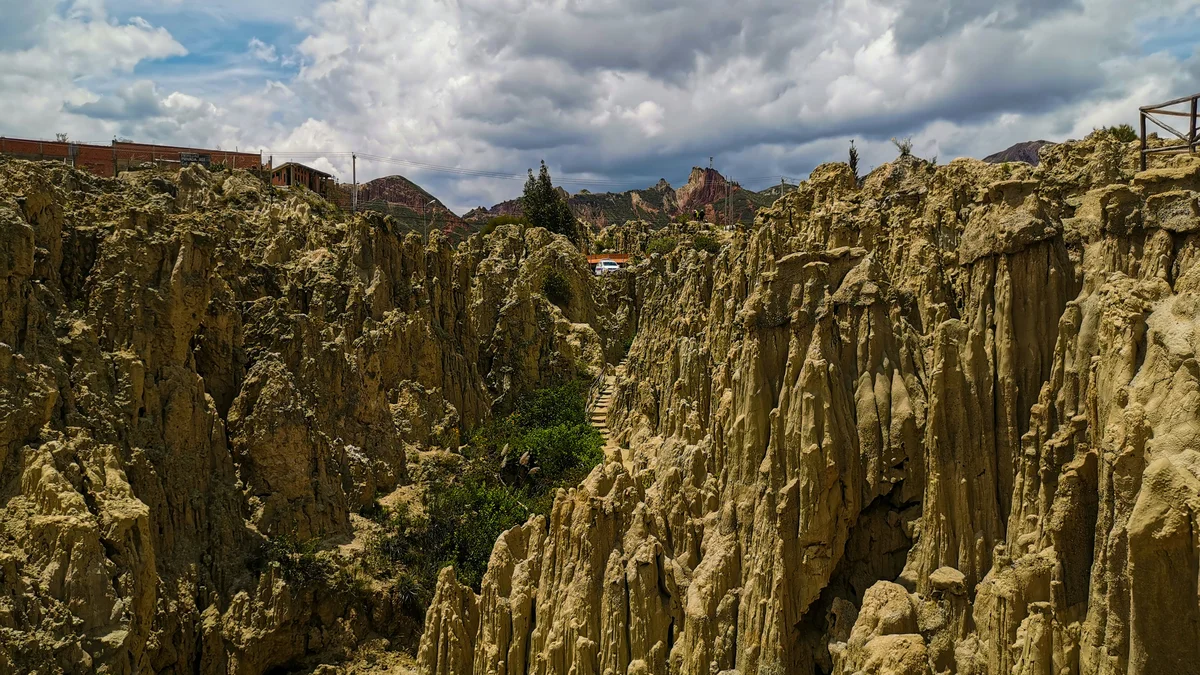
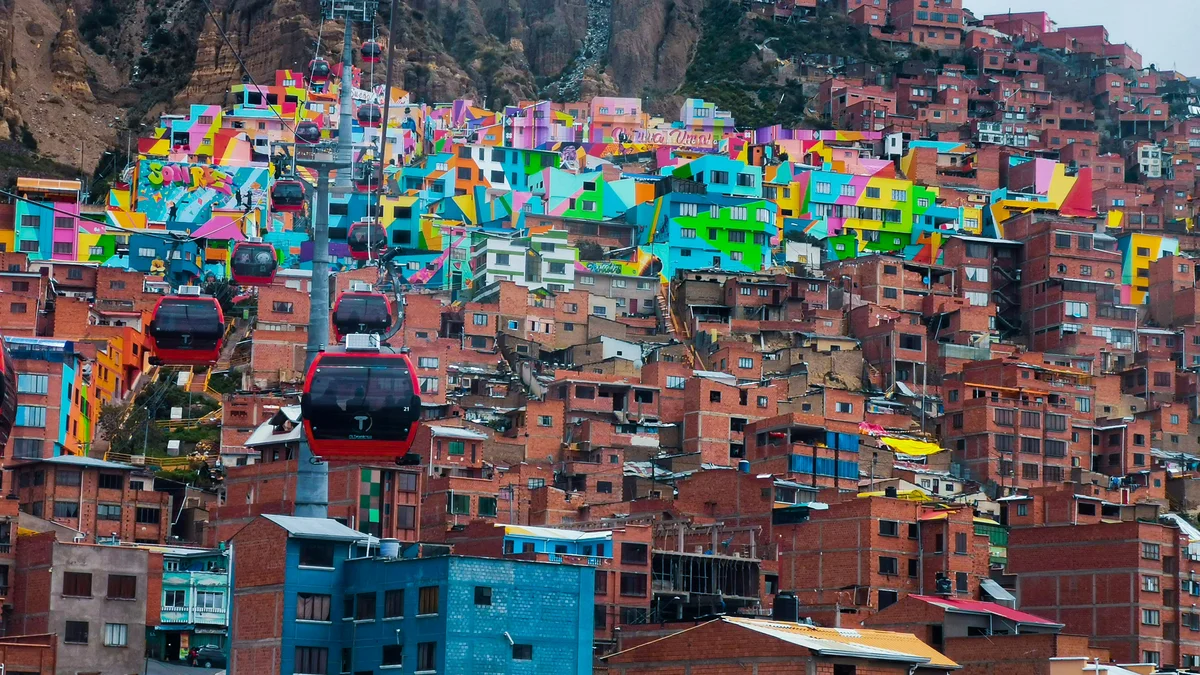
A private half-to-full-day tour through downtown La Paz — Plaza Murillo, San Francisco Church, the Witches' Market, and the otherworldly Valle de la Luna badlands on the city's edge.
 Private Tours
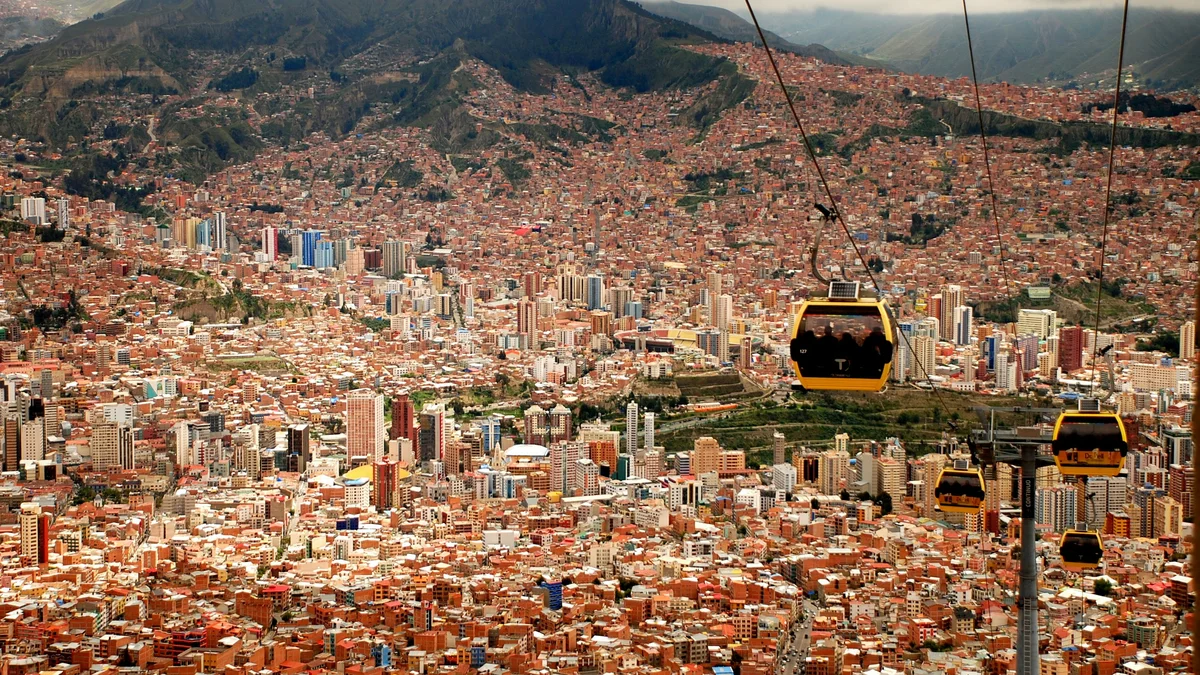
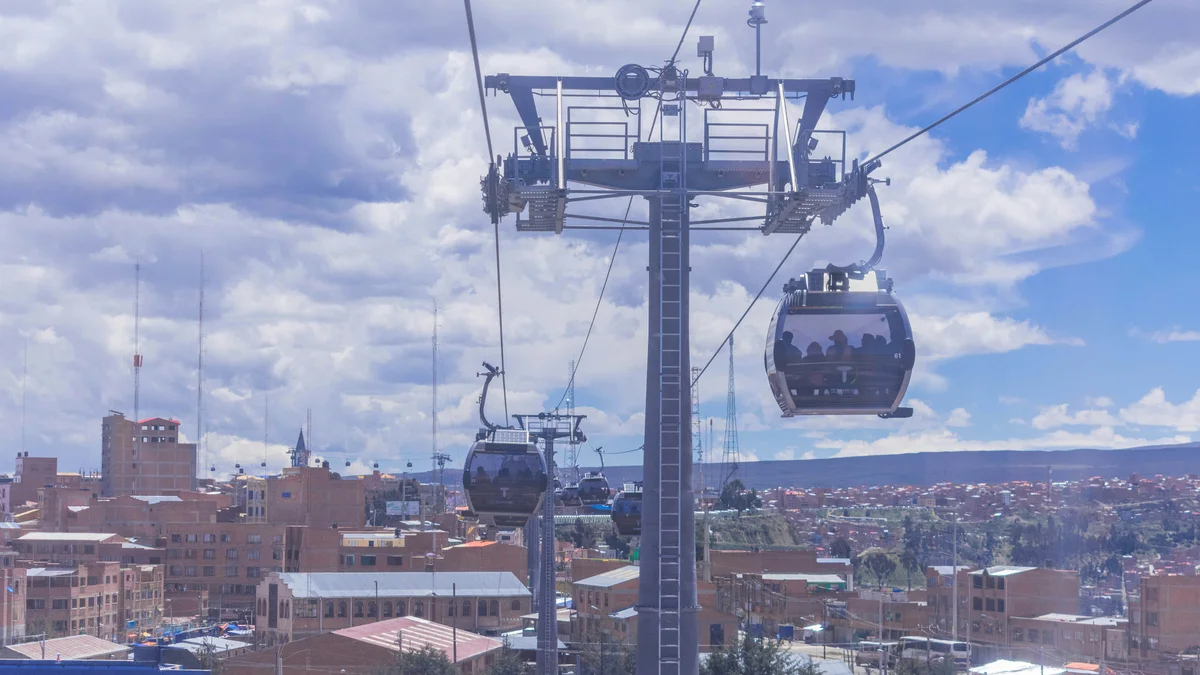
A private half-day tour on foot through La Paz's historic streets and markets, followed by a Mi Teleférico cable car ride over the city and a visit to the Valle de la Luna badlands.
Visitor guide
Plaza Murillo is the central square of La Paz, Bolivia, described by Wikipedia as the open space most connected to the political life of the country. Located in the old town, it is surrounded by the Cathedral, the Palacio Quemado, the Plurinational Legislative Assembly and other landmark buildings.
The plaza was designed in 1558 by Juan Gutierrez Paniagua, appointed by the corregidor Ignacio de Aranda, as part of the rectilinear grid of La Paz on the north bank of the Choqueyapu River. It was laid out opposite the existing Spanish settlement, which had about 200 Spaniards and roughly 5,000 tributary Indigenous residents, and it quickly replaced the earlier Spanish central square, now called Plaza Alonso de Mendoza. It was first the Plaza Mayor and then, in the colonial period, the Plaza de Armas.
Colonial buildings around it included the Cabildo, which was the city government building and held a jail, a Jesuit building, the Cathedral, the Royal Treasury and the Bishop's Residence.
The square is named for Pedro Domingo Murillo, leader of the 16 July 1809 uprising in La Paz that is remembered as an early step in the South American independence struggle. He was captured and hanged by Spanish troops in January 1810, with 29 January commonly cited as the date. After independence the plaza was renamed in his honour, and sources differ on the exact date of renaming, with Wikipedia giving 3 February 1902. A monument to him stands in the plaza.
Several other independence-era leaders were killed on or near the plaza, including Juan Antonio Figueroa, Basilio Catacora, Buenaventura Bueno, Melchor Jimenez and Simona Manzaneda. The plaza was fought over or defended in revolutionary conflicts in 1809, 1811, 1814, 1862, 1865, 1871, 1898, 1946, 1952 and 2002. In the 1946 uprising against President Gualberto Villarroel, he was hanged from a lamppost in the plaza.
The Palacio Quemado, the Burned Palace, takes its name from fire damage during repeated uprisings and was long the seat of Bolivia's presidency. Sources differ on when it was built. The Plurinational Legislative Assembly building, according to one travel source, had earlier been a convent, a jail and a university before a renovation in 1904 for Congress. The Casa Grande del Pueblo is another prominent building listed by Wikipedia on the plaza.
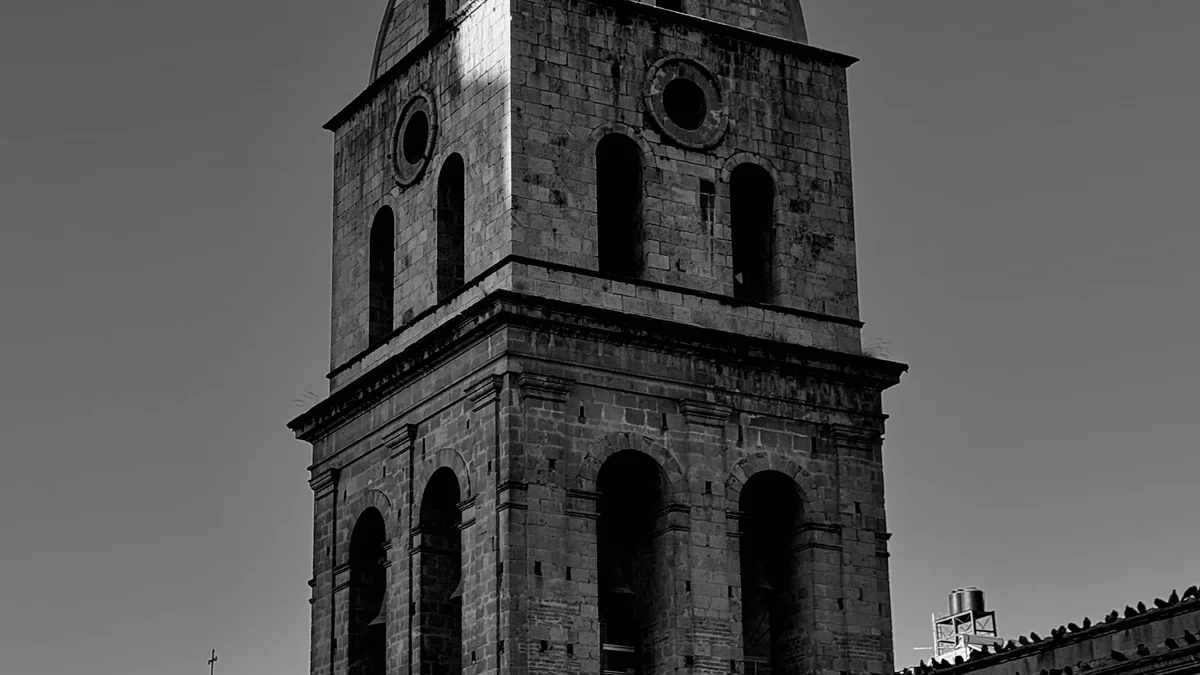
The neoclassical Cathedral Basilica of Our Lady of Peace faces the square. One travel source says its construction took 152 years, from 1835 to 1987, with its towers the newest part, but readers should treat that as a single-source figure.
The plaza is bounded by Socabaya Street on the west, Ayacucho Street on the east and Comercio Street on the south, with Ingavi and Ballivian streets continuing to the north. Because the political buildings are around it, the square is a natural starting point for understanding the city's history. A private guided visit can explain who is commemorated on the plaza and how the buildings around it fit into the story of La Paz and Bolivian independence.
See every tour and attraction we cover in La Paz.