TorontoOntario · 36 tours
 Niagara FallsOntario · 25 tours
 New York CityNew York · 30 tours
 Las VegasNevada · 8 tours
 San FranciscoCalifornia · 16 tours
 VancouverBritish Columbia · 17 tours
 DubaiUAE · 54 tours
 Abu DhabiUAE · 5 tours
 Buenos AiresArgentina · 23 tours
 AthensGreece · 31 tours
 AucklandNew Zealand · 38 tours
 CancunMexico · 54 tours
No destinations match “”. Try searching all tours instead — that search understands full questions, not just place names.
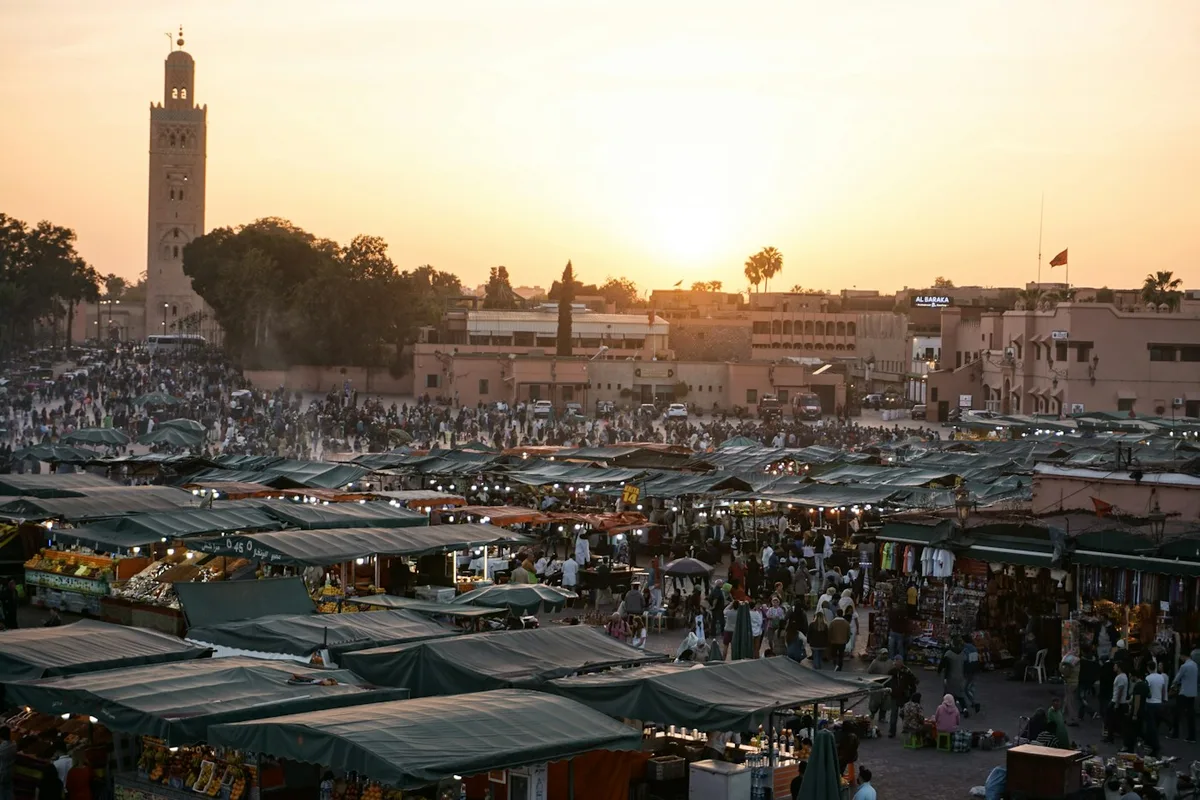
Marrakech's central square and open-air theatre, filling every evening with food stalls, storytellers, musicians and snake charmers against the backdrop of the medina and the Koutoubia Mosque.
 Multi-Day Tours
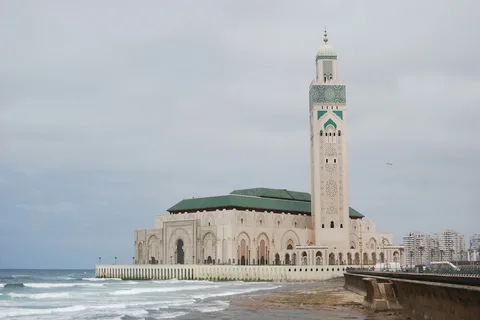
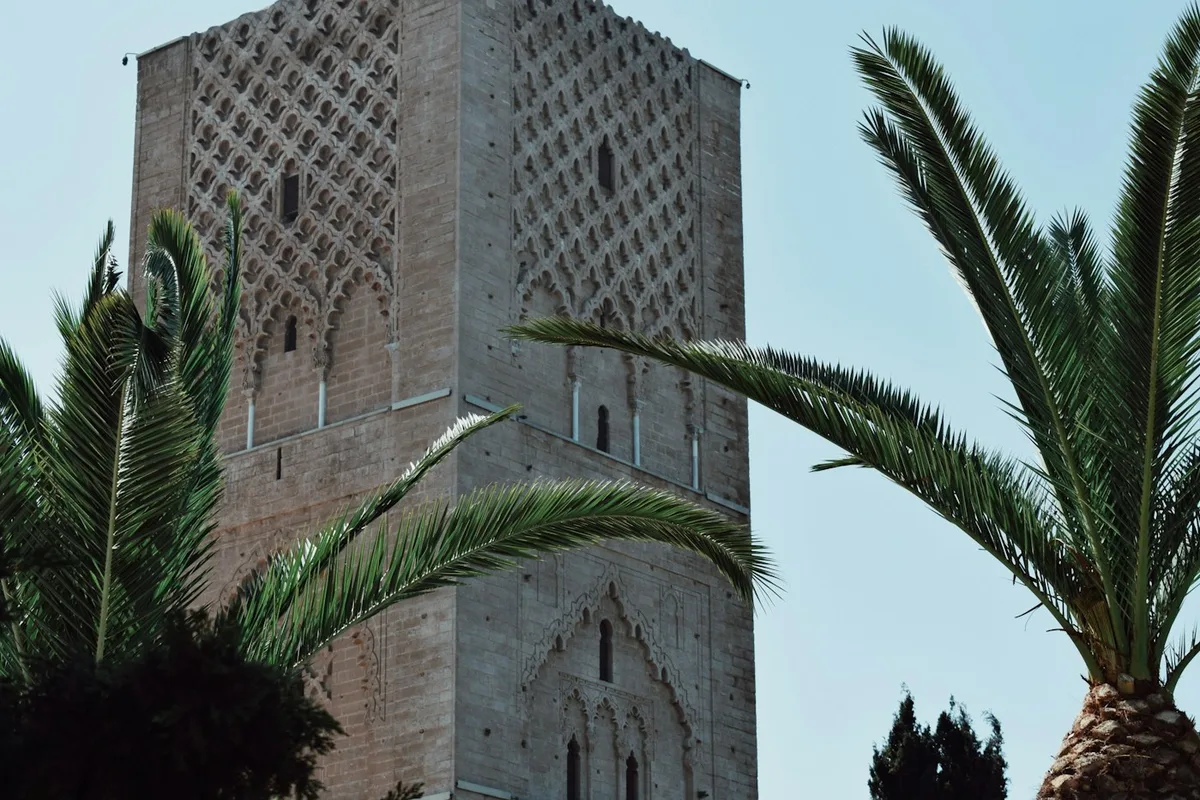
An 8-day circuit of Morocco's four imperial cities — Marrakech, Rabat, Fes and Meknes — plus the Roman ruins of Volubilis and the Hassan II Mosque in Casablanca.
 Multi-Day Tours
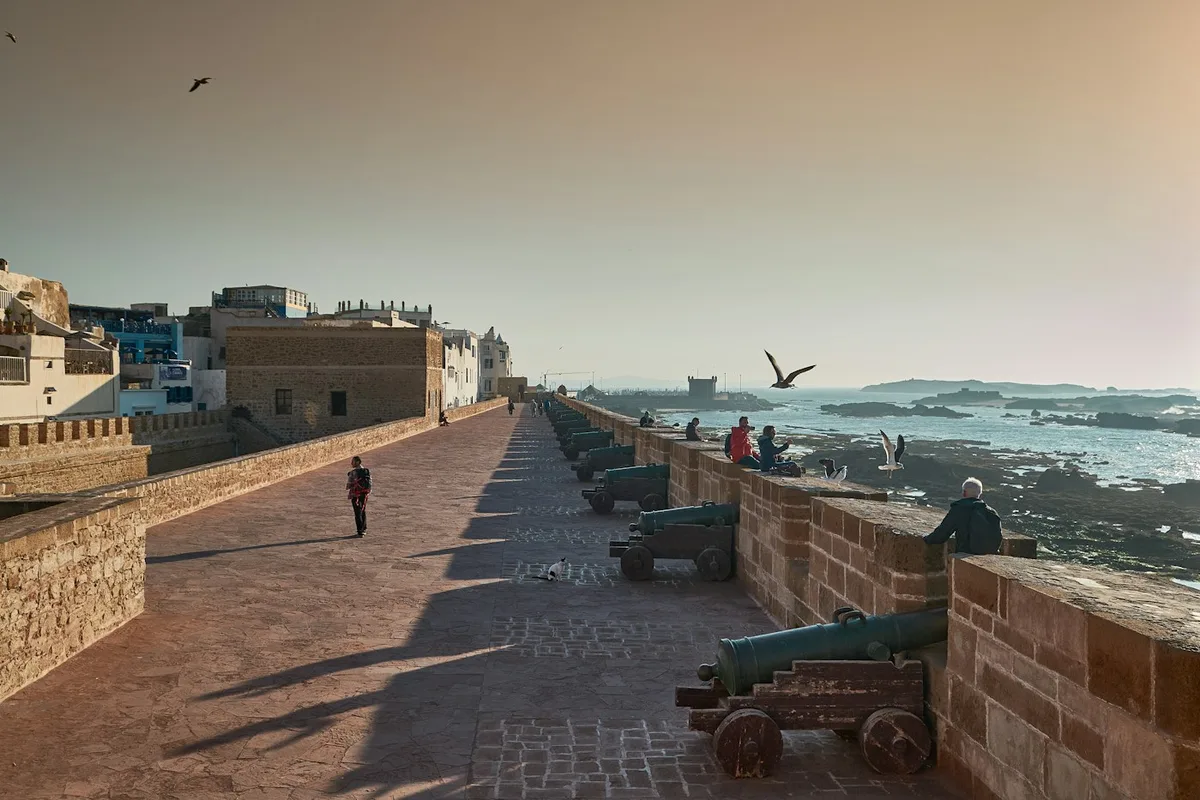
An 8-day route from Casablanca's Hassan II Mosque along the Atlantic coast to Essaouira, then on to Marrakech with a night of luxury glamping in the Agafay Stone Desert.
 Multi-Day Tours
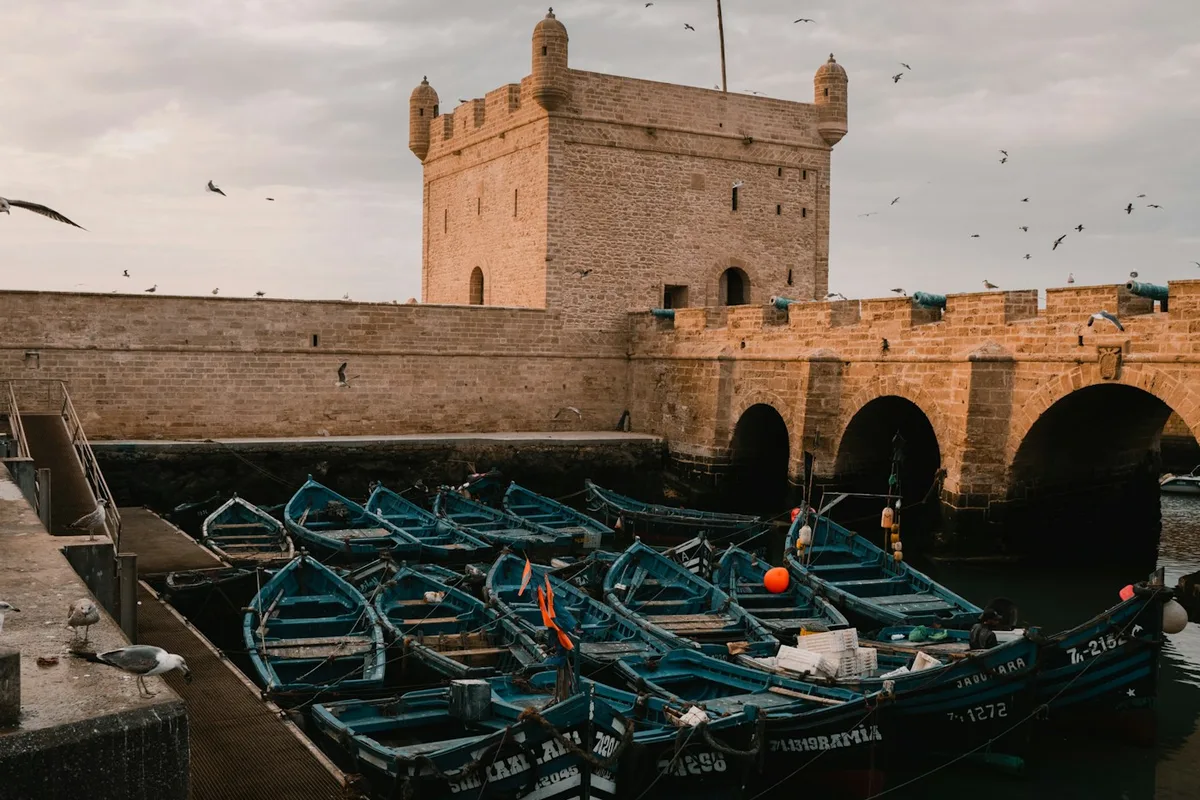
An 8-day route from Marrakech through the Anti-Atlas Mountains to the coast — Berber villages, the pink granite rocks of Tafraoute, the former Spanish garrison town of Sidi Ifni, the silver city of Tiznit, and the UNESCO medina of Essaouira.
 Multi-Day Tours
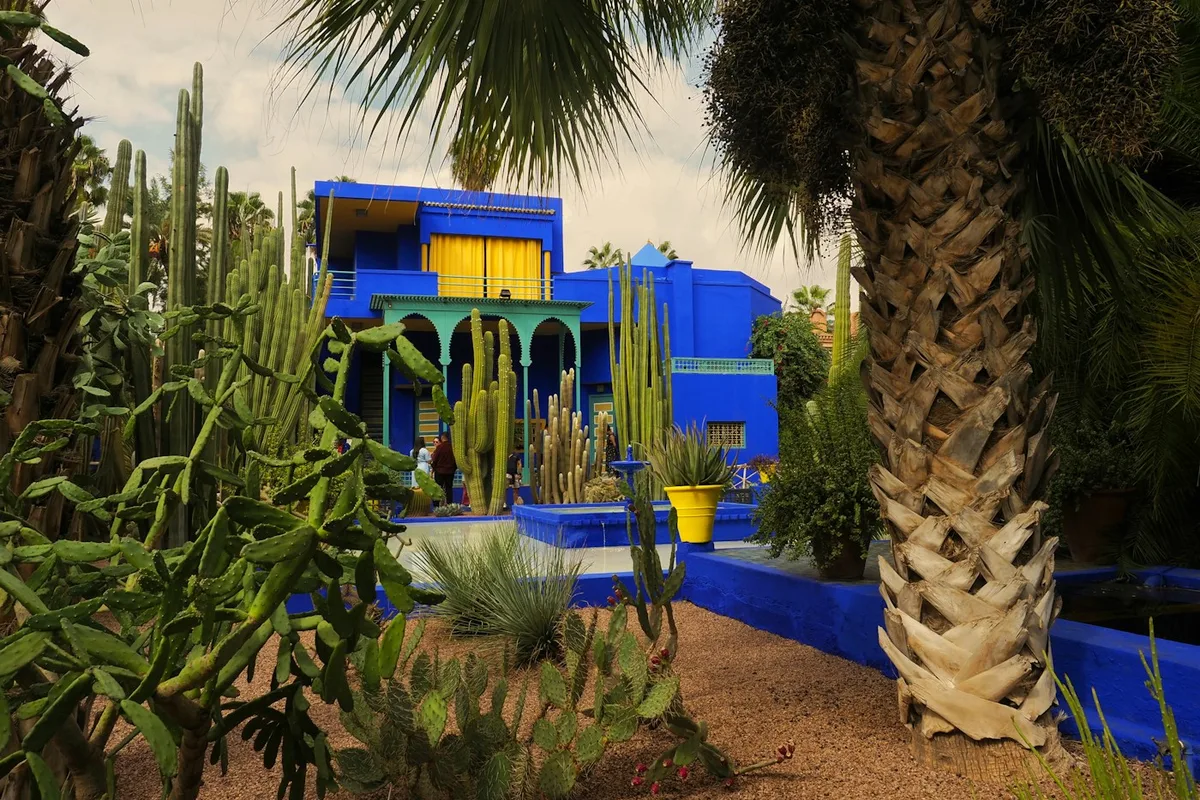
An 8-day romantic escape based in Marrakech — a private riad, Majorelle Gardens and the historic medina, a cooking class, a day trip to the Ourika Valley, and a stay in the coastal town of Essaouira.
 Multi-Day Tours
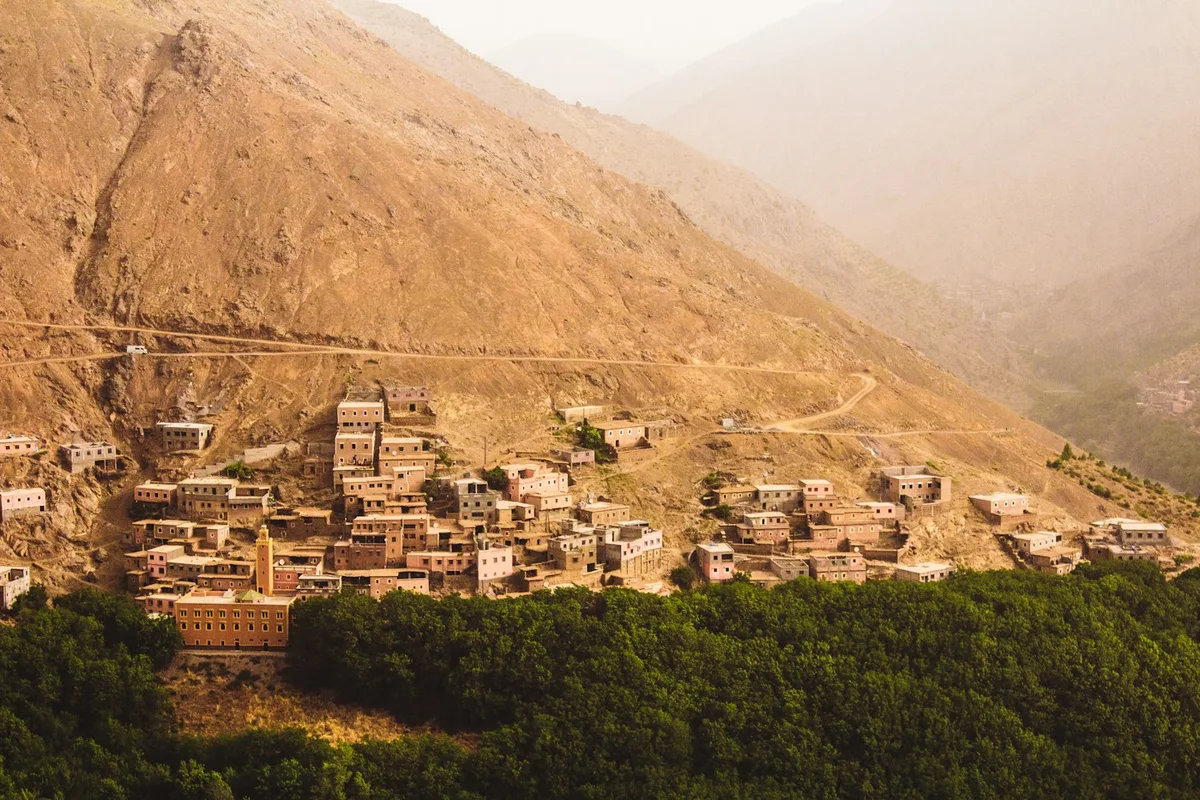
An 8-day route from Marrakech into the High Atlas foothills and out to the coast — a Marrakech medina tour, a cooking class, a Berber village stay and mountain hike in Imlil, and time in the coastal town of Essaouira.
Visitor guide
Jemaa el-Fnaa is the main square and market place in the medina, the old city, of Marrakech in Morocco. It is used by locals and visitors alike, and its mix of performers, food stalls and traders has made it one of the best-known public spaces in North Africa. UNESCO has recognised the square's cultural space and oral traditions as Intangible Cultural Heritage.
The origin of the name is unclear. Jamaa means congregation or mosque in Arabic, and fna can be read as death or extinction, or simply as an open space in front of a building. One explanation endorsed by historians, according to Wikipedia, links the name to the Saadian sultan Ahmad al-Mansur, who ruled from 1578 to 1603 and began building a monumental Friday mosque in the middle of the square. The project was abandoned part-way, possibly because of plague outbreaks, and the unfinished structure fell into ruin, so the place came to be called the mosque of ruin. Other translations, such as assembly of the dead, refer to public executions that took place in the open space.
Marrakech was founded by the Almoravid dynasty in 1070. Its early focal points were the fortress known as Ksar el-Hajjar and the first Friday mosque, and the main souk streets grew along the road linking them. Next to the fortress lay a large open space for temporary and weekly markets, which later sources call the grand square. After the Almohads took the city in 1147 and built the Kutubiyya Mosque nearby, the old fortress and palace fell out of use, but the open ground never disappeared because it kept serving as a market and as a place for public events, parades and festivals.
Over the centuries the square was also the setting for a traditional Friday market, displays of horsemanship known as fantasias, and evening entertainment much as it is today. The first laws aimed at protecting the square's cultural space were passed in 1922 under French administration. It was proclaimed an Intangible Cultural Heritage by UNESCO in 2001 and was included in UNESCO's List of Intangible Cultural Heritage of Humanity in 2008. Wikipedia notes that the idea for the UNESCO Masterpieces programme itself grew out of concern for the Jemaa el-Fnaa and the traditions that residents wanted to protect from development pressures.
The square changes character over the course of a day. Wikipedia describes the daytime as dominated by orange juice stalls and water sellers in traditional dress, with other performers also present. As the day goes on the crowds grow, and storytellers, musicians, magicians and sellers of traditional remedies set up their circles. At dusk dozens of food stalls fill the square, and the number of people peaks after dark.
One side of the square is edged by the Marrakech souk, a traditional market serving both daily local needs and the tourist trade. Hotels, gardens and cafe terraces line the other sides, and narrow streets lead from the square into the alleys of the medina. The storytellers in particular have drawn worldwide attention, and a German filmmaker made a feature-length documentary about them. The square also sits close to the Kutubiyya Mosque, whose minaret is a familiar landmark of the city.
Because the square is at its liveliest in the late afternoon and evening, many visitors plan their time around that shift from daytime juice sellers to the evening food stalls. Wikipedia reports that a major renovation programme for the square began in 2025, intended to upgrade infrastructure and reorganise public and commercial space while protecting its historic character, so the layout of stalls may differ from older descriptions. The square is crowded and busy, and a private guided visit with a driver and local guide can help travellers understand the performances, the surrounding souk streets and the history behind the open space without having to navigate the medina alone.
See every tour and attraction we cover in Morocco.