TorontoOntario · 36 tours
 Niagara FallsOntario · 25 tours
 New York CityNew York · 30 tours
 Las VegasNevada · 8 tours
 San FranciscoCalifornia · 16 tours
 VancouverBritish Columbia · 17 tours
 DubaiUAE · 54 tours
 Abu DhabiUAE · 5 tours
 Buenos AiresArgentina · 23 tours
 AthensGreece · 31 tours
 AucklandNew Zealand · 38 tours
 CancunMexico · 54 tours
No destinations match “”. Try searching all tours instead — that search understands full questions, not just place names.
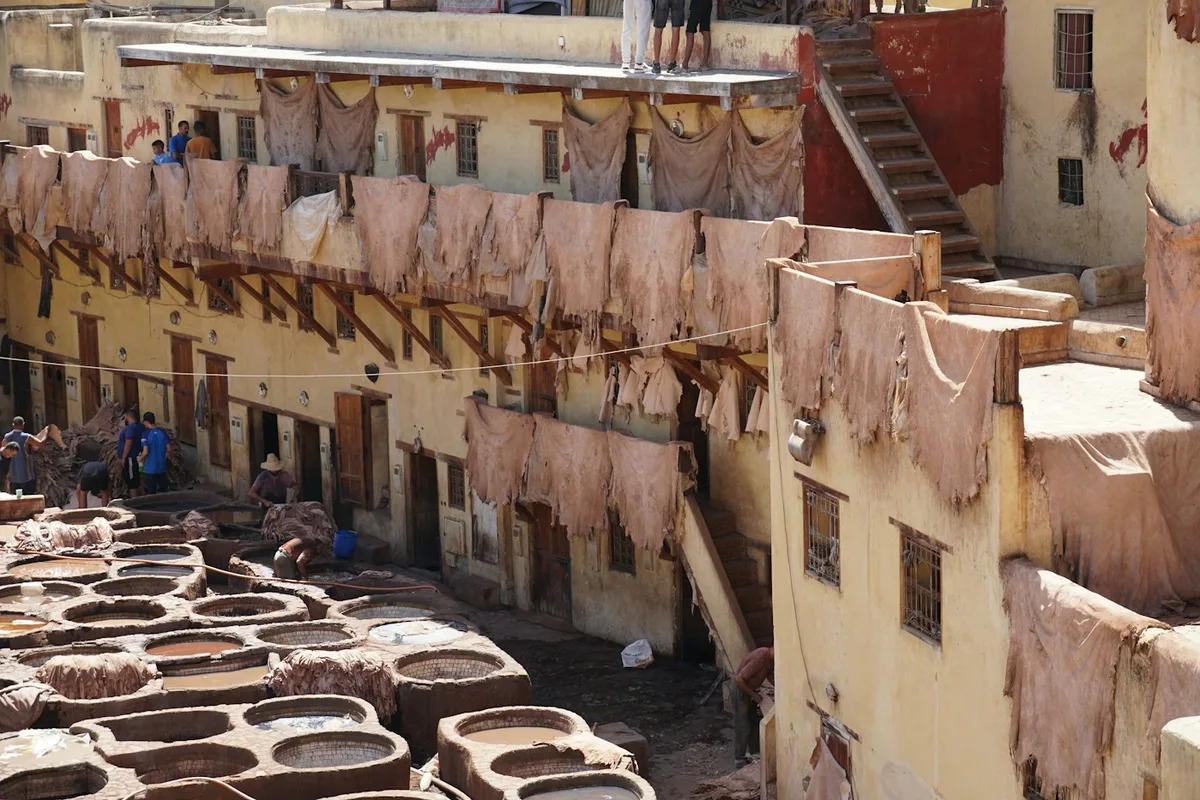
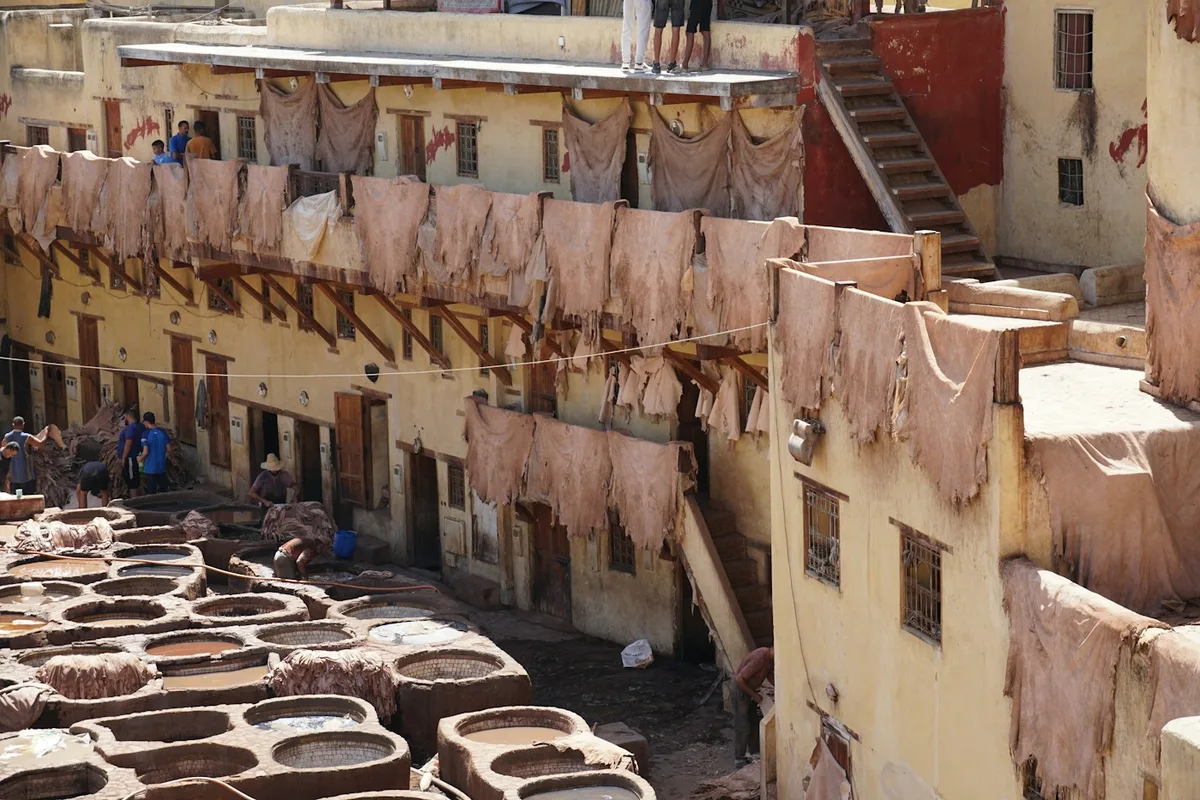
The old walled medina of Fes, one of the world's largest car-free urban spaces, home to the centuries-old Chouara Tannery, ancient madrasas, and a maze of souks and workshops.
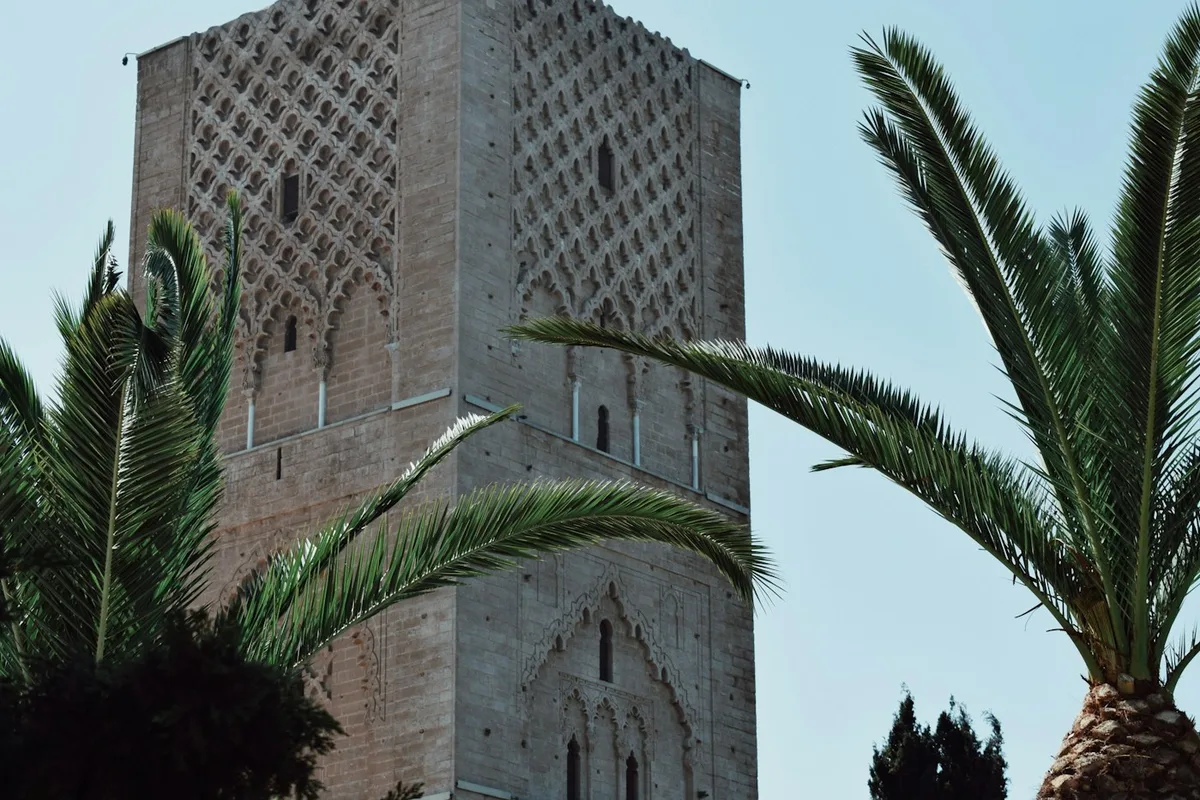 Multi-Day Tours
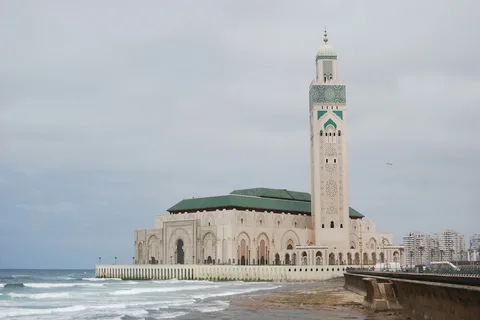
An 8-day circuit of Morocco's four imperial cities — Marrakech, Rabat, Fes and Meknes — plus the Roman ruins of Volubilis and the Hassan II Mosque in Casablanca.
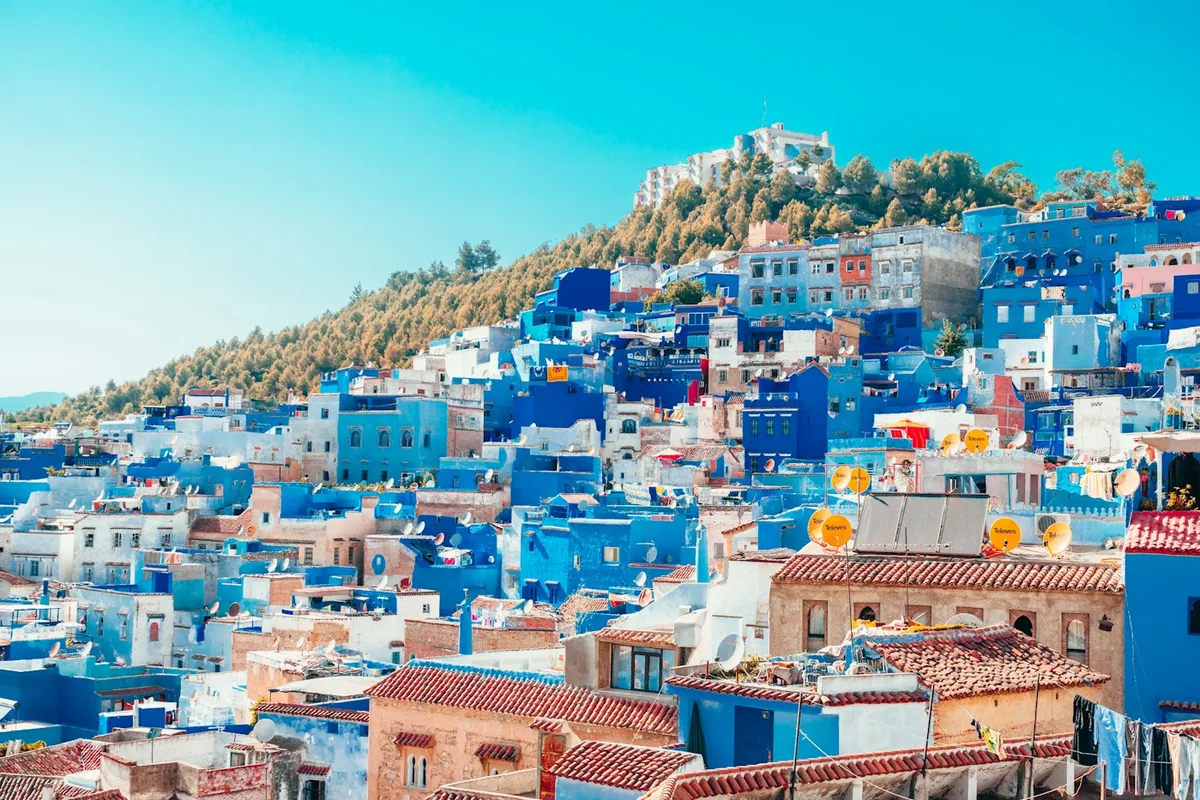 Multi-Day Tours
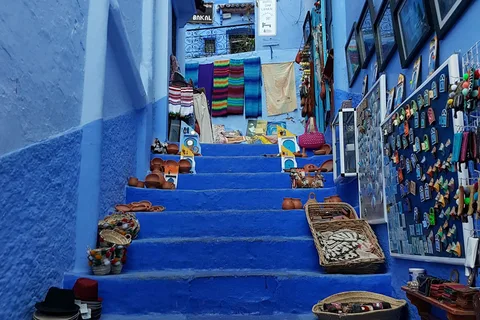
A 12-day exploration of northern Morocco — Casablanca, Rabat, the Atlantic port of Tangier, the blue city of Chefchaouen and its Rif Mountains, and the medieval medina of Fes.
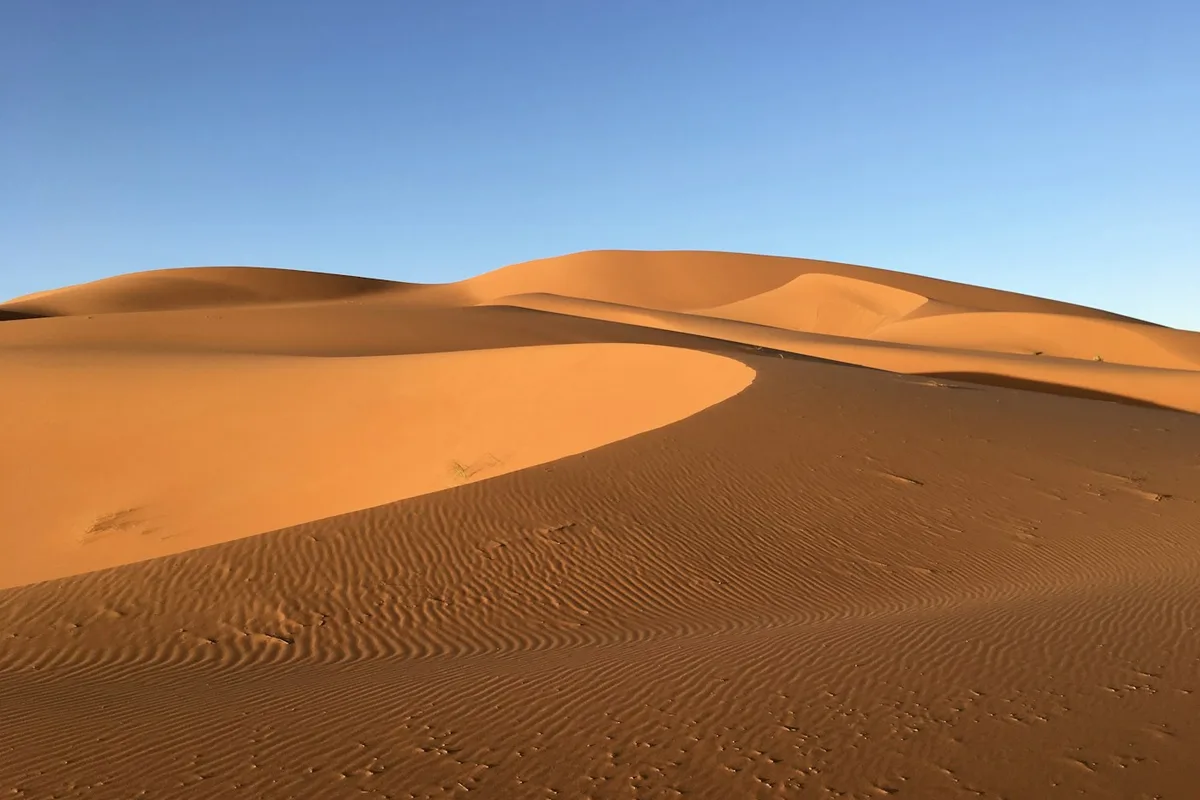 Multi-Day Tours
A 12-day sweep of Morocco's essential highlights — Casablanca, Tangier, Chefchaouen and Fes, an overnight Sahara desert camp at Erg Chebbi, the Dades Valley and Todra Gorges, Aït Benhaddou, Marrakech and Essaouira.
 Multi-Day Tours
An 11-day culinary journey from Casablanca to Marrakech — street food and cooking classes in Fes, an overnight Sahara desert camp at Merzouga, Berber cooking in a Skoura kasbah, and an immersive cooking workshop in Marrakech.
 Multi-Day Tours
Adapted from a guided rail itinerary, where travelers cover Casablanca, Tangier, Meknes, Fes, Rabat and Marrakech by intercity train with a guide alongside them — Voyzo runs this same route with your own private driver and vehicle instead of the train legs.
Visitor guide
Fes el Bali is the oldest part of Fez, Morocco, and together with Fes Jdid it forms the historic medina that UNESCO listed as a World Heritage Site in 1981 under the name Medina of Fez. It is valued for preserving its pre-modern urban layout of market streets, narrow alleys, city walls and hundreds of historic monuments. At roughly 220 to 280 hectares, depending on whether Fes el Bali alone or the whole listed medina is measured, it is a very large car-free urban area, because its lanes are too narrow for vehicles.
According to Wikipedia, Fes el Bali was founded as the capital of the Idrisid dynasty between 789 and 808 AD. Idris ibn Abdallah built a town on the right bank of the Fez River in 789, and in 809 his son Idris II founded another on the opposite bank. The two settlements developed separately until the Almoravids merged them in the 11th century. Many early residents were refugees, first from an uprising in Cordoba and later from Kairouan, which gave the city its Andalusian and Tunisian influences.
Fez lost its capital status to Marrakech under the Almoravids but remained prosperous as a merchant and religious centre. Wikipedia says that under the Almohads it became the largest city in the world, with about 200,000 people. In 1276 the Marinids returned the capital to Fez and built a new administrative town beside the old one, which became known as Fes el Jdid, meaning New Fez, while the old city took the name Fes el Bali, Old Fez. The Marinids also built the first true madrasas in Morocco, including the Bou Inania, Al-Attarine and Sahrij madrasas.
At the heart of Fes el Bali is the al-Qarawiyyin mosque and university. Traditional sources record that it was founded in 859 by Fatima al-Fihri, a refugee from Kairouan, and Wikipedia notes that UNESCO and Guinness World Records consider it the oldest continuously operating university in the world. The Mosque of the Andalusians on the opposite bank is traditionally said to have been founded by her sister in the same year.
The medina is organised around its main mosques and gates. Main souk streets run from the gates towards the Qarawiyyin area, and neighbourhoods are specialised for residential, commercial and craft uses. The city is divided between the Qarawiyyin Quarter on the western shore of the river and the Andalusian Quarter on the eastern side. Its landmarks include the Bou Inania Madrasa, the Nejjarine Museum of Wooden Arts and Crafts in a former funduq, traditional merchant inns, historic mansions such as Dar Batha, and the Bab Bou Jeloud gate. The Chouara and Sidi Moussa tanneries, where leather is still processed, are among the best-known sights.
Wikipedia reports that after 1912 the French administration chose to preserve existing medinas and build new towns beside them, a policy that protected monuments but also stalled development inside old cities. UNESCO has identified overpopulation and building deterioration as the main threats to the site. Since 1989 an agency known as ADER-Fes has worked on restoration and rehabilitation, and projects have restored dozens of individual monuments and tried to rehabilitate the Fez River.
Because the medina's lanes cannot be driven, exploring Fes el Bali is done on foot, and the maze-like layout makes local knowledge valuable. A private guided visit, with a driver to reach the gates and a guide to lead through the souks, madrasas and craft districts, suits travellers who want to understand the history behind what they see.
See every tour and attraction we cover in Morocco.