TorontoOntario · 36 tours
 Niagara FallsOntario · 25 tours
 New York CityNew York · 30 tours
 Las VegasNevada · 8 tours
 San FranciscoCalifornia · 16 tours
 VancouverBritish Columbia · 17 tours
 DubaiUAE · 54 tours
 Abu DhabiUAE · 5 tours
 Buenos AiresArgentina · 23 tours
 AthensGreece · 31 tours
 AucklandNew Zealand · 38 tours
 CancunMexico · 54 tours
No destinations match “”. Try searching all tours instead — that search understands full questions, not just place names.
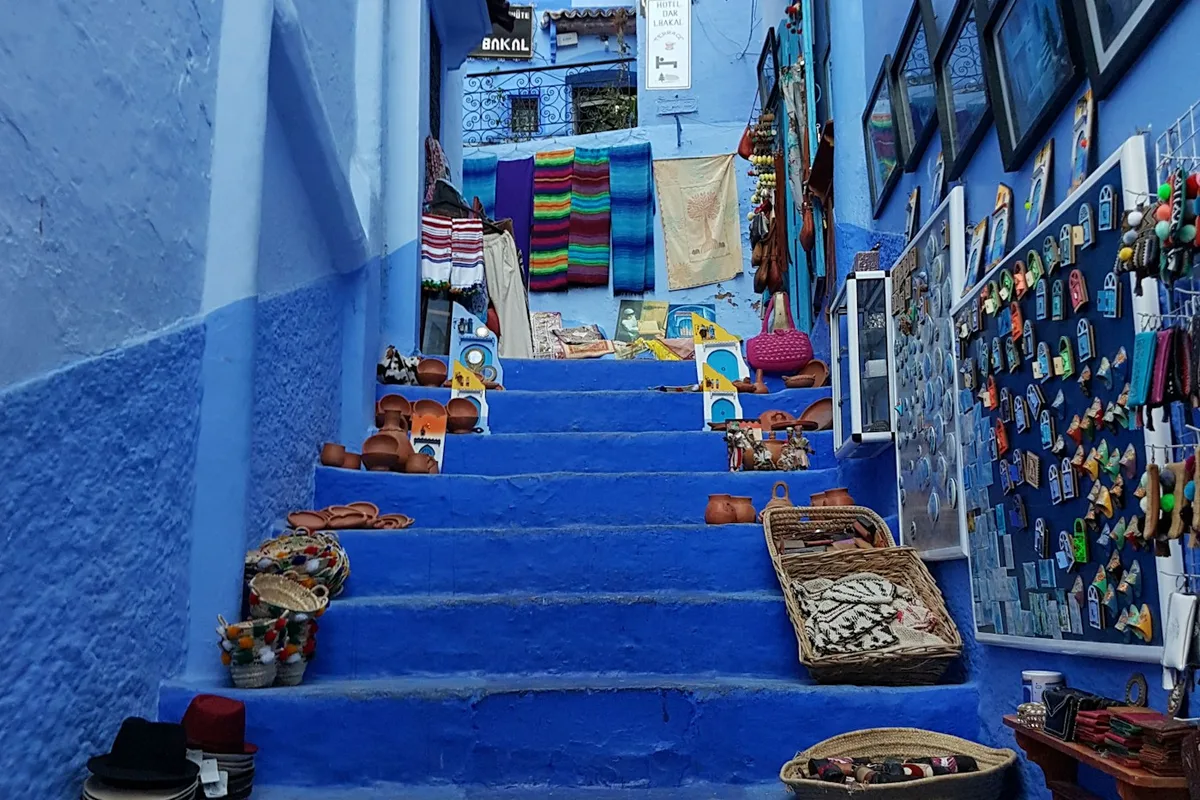
A hill town in the Rif Mountains famous for its blue-washed medina streets and stairways, with hiking trails into the surrounding mountains and a slower pace than Morocco's bigger cities.
 Multi-Day Tours
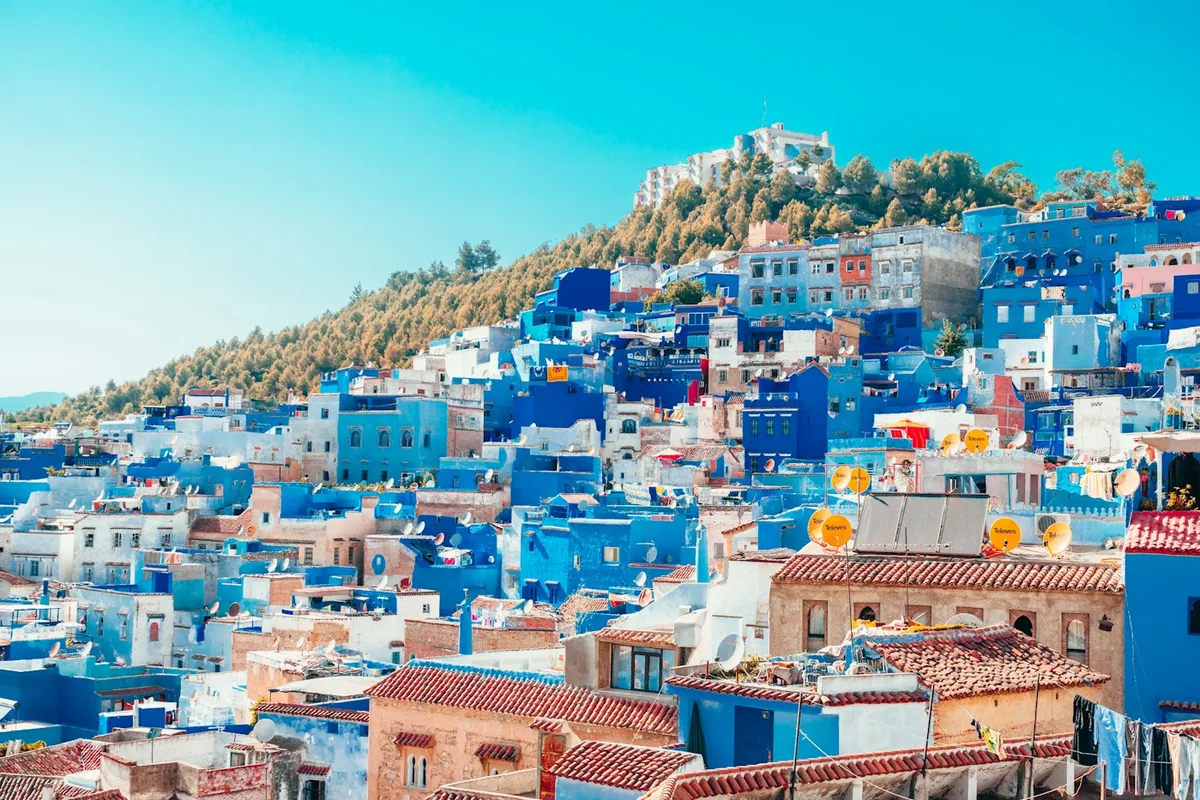
A 12-day exploration of northern Morocco — Casablanca, Rabat, the Atlantic port of Tangier, the blue city of Chefchaouen and its Rif Mountains, and the medieval medina of Fes.
 Multi-Day Tours
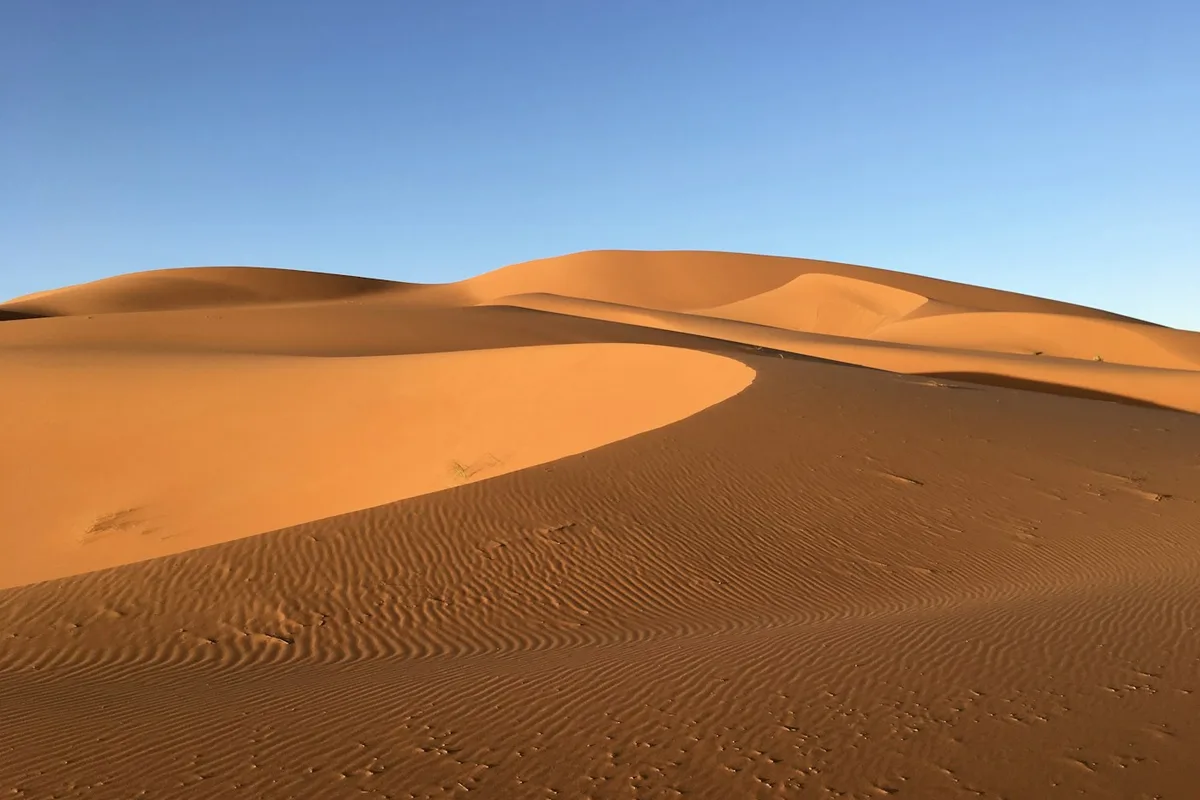
A 12-day sweep of Morocco's essential highlights — Casablanca, Tangier, Chefchaouen and Fes, an overnight Sahara desert camp at Erg Chebbi, the Dades Valley and Todra Gorges, Aït Benhaddou, Marrakech and Essaouira.
 Multi-Day Tours
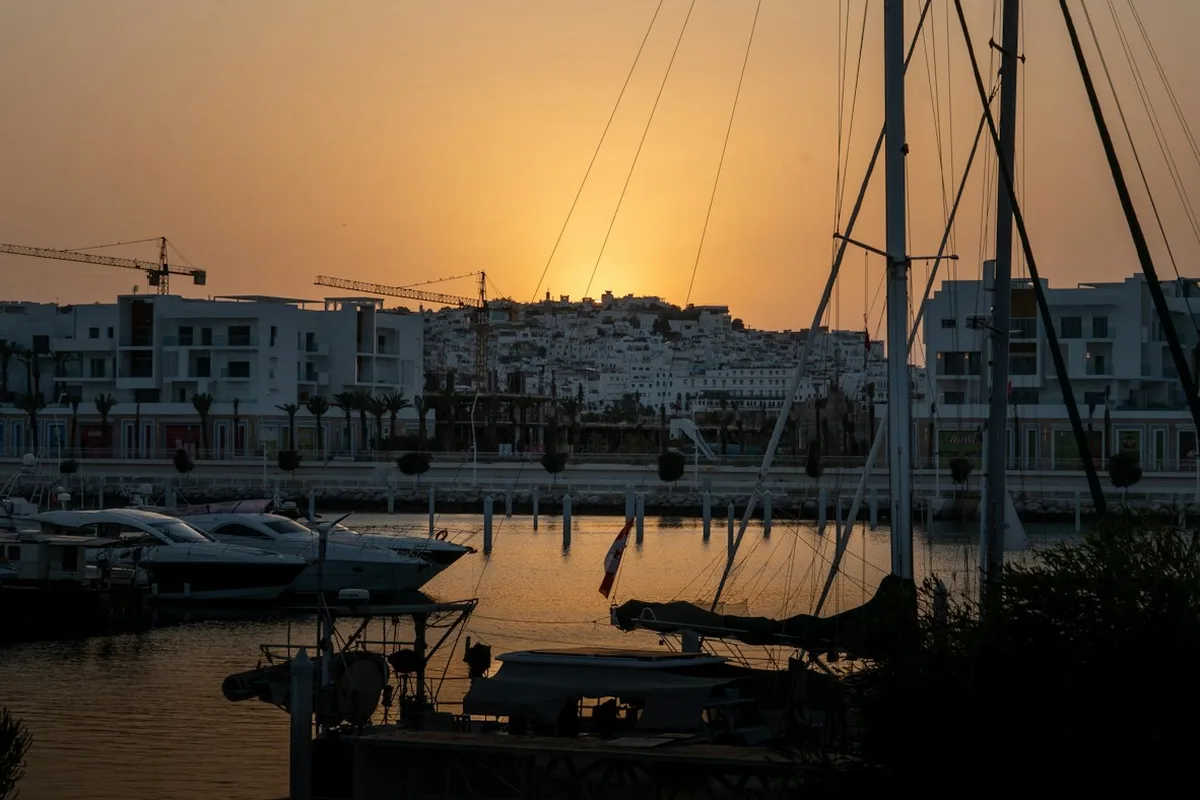
Adapted from a guided rail itinerary, where travelers cover Casablanca, Tangier, Meknes, Fes, Rabat and Marrakech by intercity train with a guide alongside them — Voyzo runs this same route with your own private driver and vehicle instead of the train legs.
Visitor guide
Chefchaouen is a city in the Rif Mountains of northwest Morocco, nicknamed the Blue City for its buildings painted in shades of blue. It is the chief town of the province of the same name and sits at about 600 metres above sea level between Tetouan and Ouazzane. The old medina, with its blue-and-white walls, arched alleys and Andalusian-style houses, is the main reason travellers come.
According to Wikipedia, the city was founded in 1471 as a small fortified settlement to defend the area against Portuguese attacks, with Ali ibn Rashid usually credited as its founder (some sources say he moved the settlement to its present site) on northern Morocco. The name is of Arabic and Berber origin and is commonly understood as look at the horns, referring to the two mountain peaks that overlook the town. The city grew quickly with the arrival of Muslims and Jews from al-Andalus after the Reconquista, and the fall of Granada in 1492 brought more settlers over the following centuries. The last Moriscos were expelled from Spain in 1609, and some chose to settle in Chefchaouen, building quarters in a style similar to those of Granada.
The town was occupied by Spain in 1920 as part of the Spanish protectorate, was part of the Republic of the Rif led by Abd el-Krim from 1924 to 1926, and was retaken by Spain in 1926. The north of Morocco was ceded back in 1956 after independence.
Wikipedia notes there are several theories about why the walls were painted blue. One popular theory is that the colour deters mosquitoes. Another holds that blue symbolises the sky and heaven and reminds residents to lead a spiritual life. Some locals say the walls were mandated to be painted blue in the 1970s to attract tourists. Because accounts differ, the origin of the blue remains a matter of local tradition rather than settled history.
The heart of the medina is Uta Hammam Square, a market square with a four-sided fountain, surrounded by the Kasbah, the Great Mosque, a caravanserai, shops and cafes. The Kasbah is the original citadel, with walls reinforced by towers, and today it houses a museum with a garden in its courtyard. The Great Mosque is described as the city's oldest and historically most important mosque. Southwest of the Kasbah is the Souika neighbourhood, one of the oldest in the city, dating to the 15th century. The Spanish Mosque, a disused mosque on a hill east of town, overlooks the medina.
Traditional houses are built of stone, soil and lime around an open central yard, often planted with orange, lemon and jasmine. Wikipedia says the Andalusian influence appears in the curved brick archways, the traditional water network and the care of plants inside houses, and that many local families have preserved Andalusian music, which is part of religious festivals and social ceremonies.
Chefchaouen has a Mediterranean climate and a more relaxed pace than Morocco's big cities. The medina is best explored on foot, and nearby hills and mountain trails offer views over the town. A private guided visit with a driver and local guide can help travellers reach the town through the Rif and understand the Andalusian heritage behind the blue streets.
See every tour and attraction we cover in Morocco.