TorontoOntario · 36 tours
 Niagara FallsOntario · 25 tours
 New York CityNew York · 30 tours
 Las VegasNevada · 8 tours
 San FranciscoCalifornia · 16 tours
 VancouverBritish Columbia · 17 tours
 DubaiUAE · 54 tours
 Abu DhabiUAE · 5 tours
 Buenos AiresArgentina · 23 tours
 AthensGreece · 31 tours
 AucklandNew Zealand · 38 tours
 CancunMexico · 54 tours
No destinations match “”. Try searching all tours instead — that search understands full questions, not just place names.
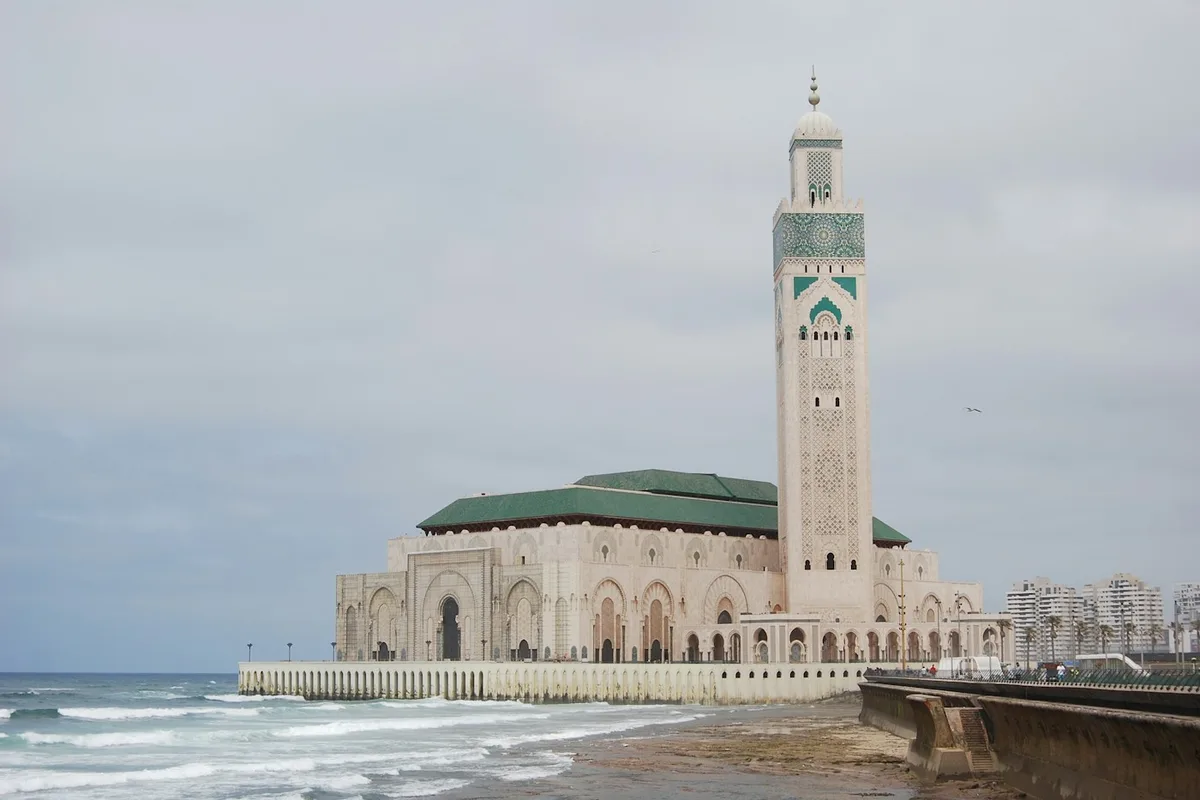
One of the largest mosques in Africa, built on a promontory over the Atlantic in Casablanca, with a minaret roughly 200 metres tall and a prayer hall that holds tens of thousands of worshippers.
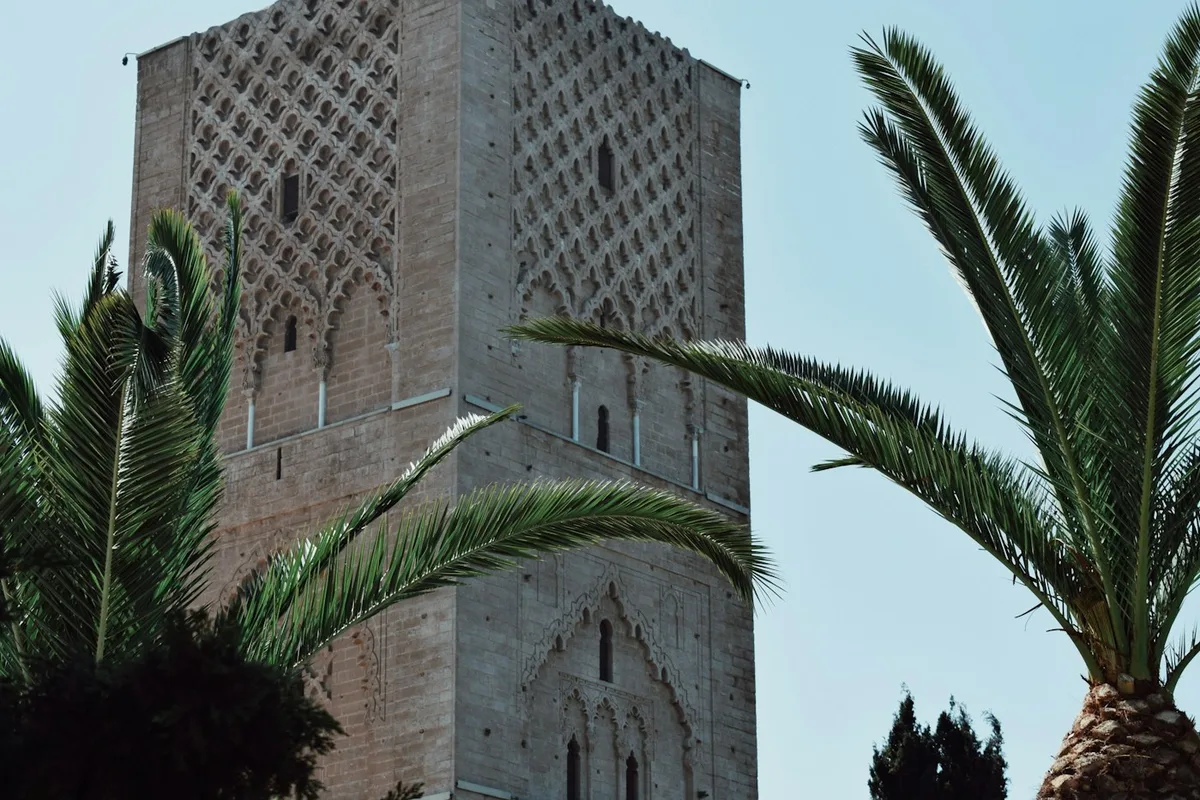 Multi-Day Tours
An 8-day circuit of Morocco's four imperial cities — Marrakech, Rabat, Fes and Meknes — plus the Roman ruins of Volubilis and the Hassan II Mosque in Casablanca.
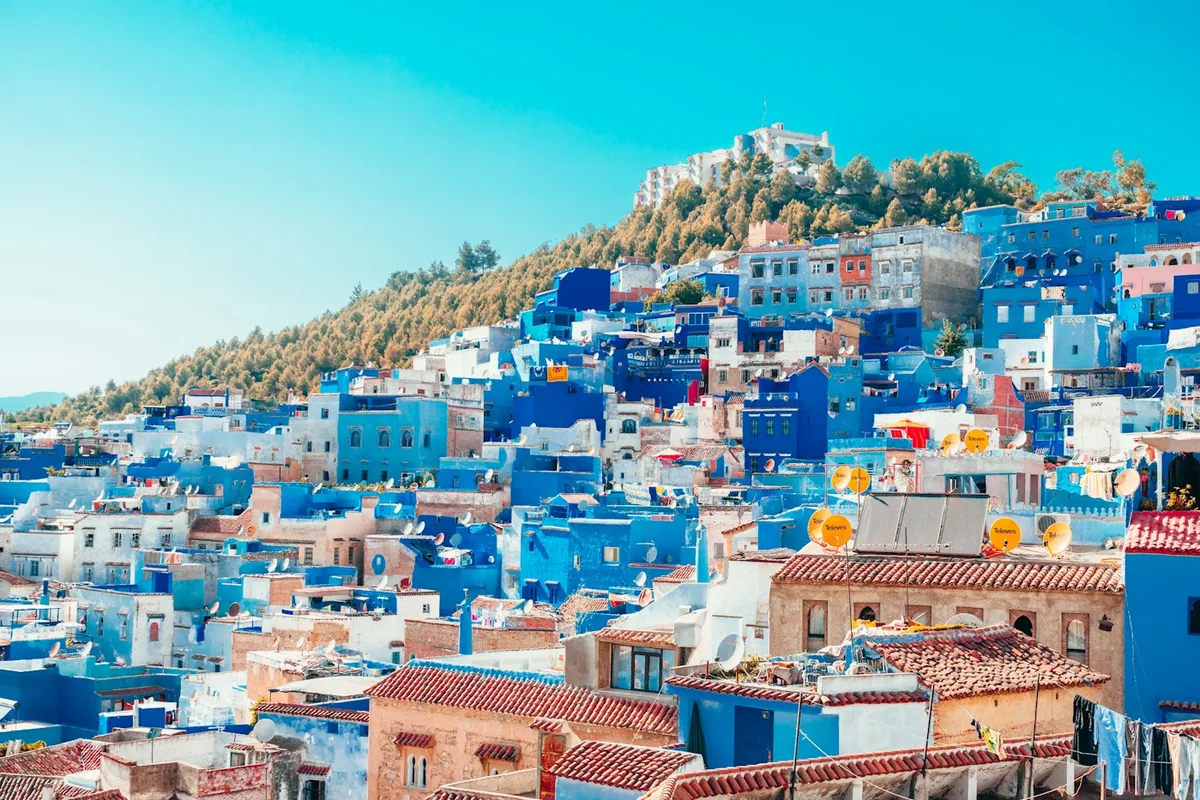 Multi-Day Tours
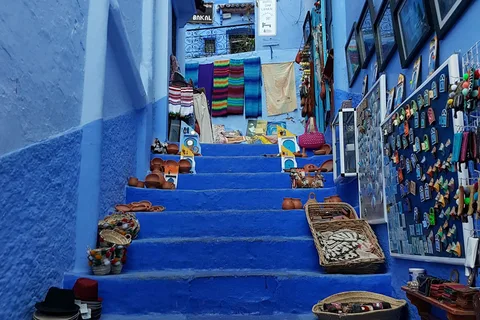
A 12-day exploration of northern Morocco — Casablanca, Rabat, the Atlantic port of Tangier, the blue city of Chefchaouen and its Rif Mountains, and the medieval medina of Fes.
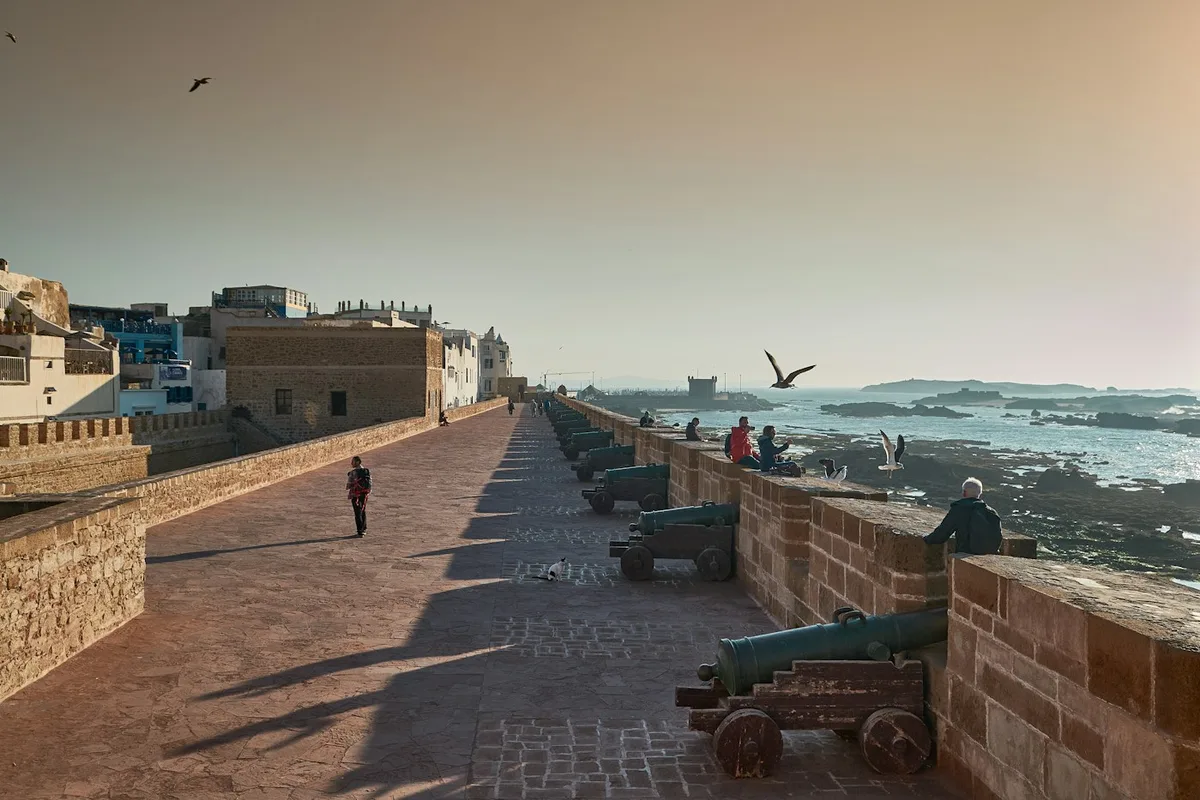 Multi-Day Tours
An 8-day route from Casablanca's Hassan II Mosque along the Atlantic coast to Essaouira, then on to Marrakech with a night of luxury glamping in the Agafay Stone Desert.
 Multi-Day Tours
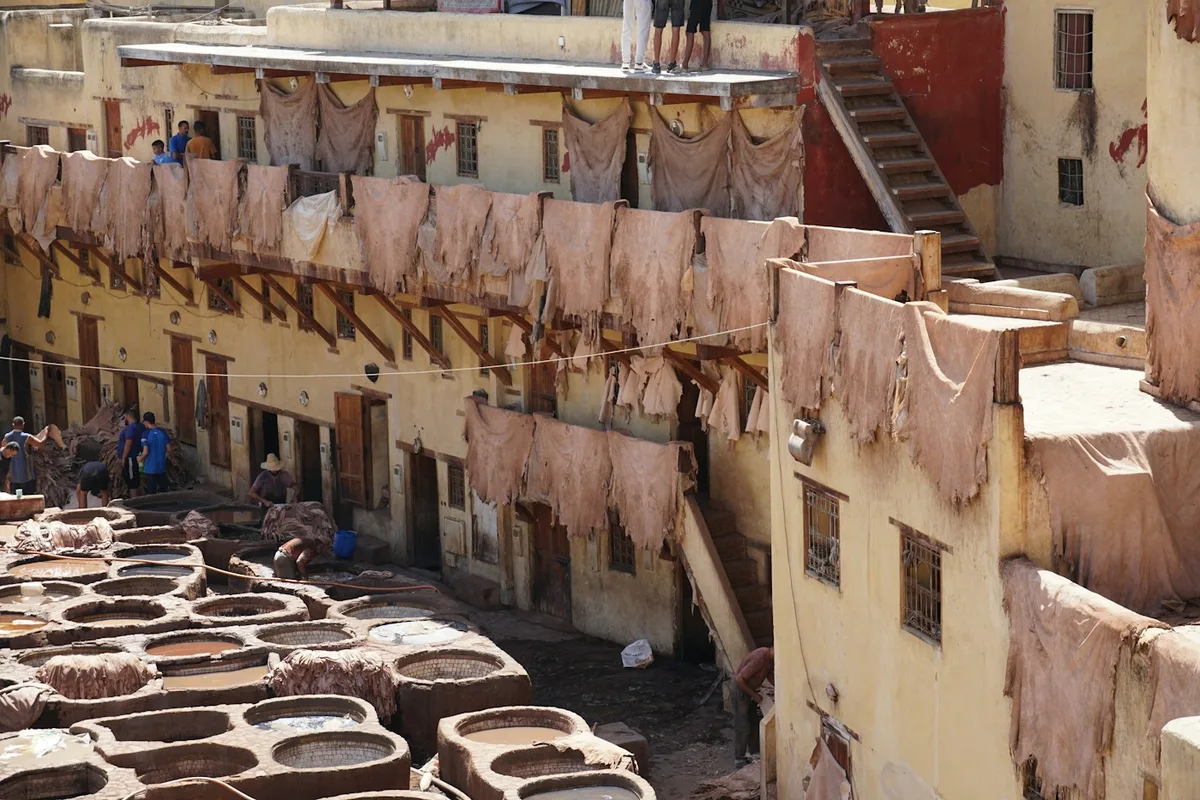
An 11-day culinary journey from Casablanca to Marrakech — street food and cooking classes in Fes, an overnight Sahara desert camp at Merzouga, Berber cooking in a Skoura kasbah, and an immersive cooking workshop in Marrakech.
 Multi-Day Tours
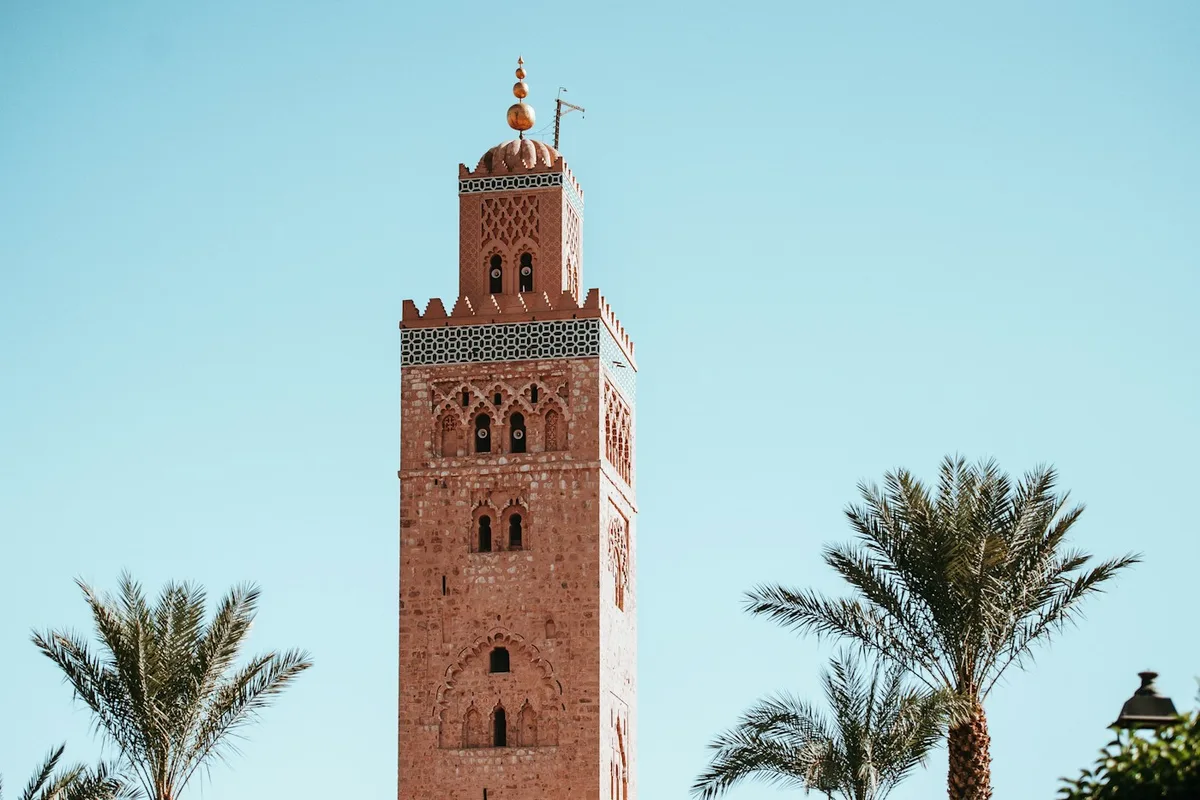
A 12-day golf tour from Marrakech to the Atlantic coast — rounds at Atlas Golf Course and the 27-hole Royal Golf Marrakech, Mazagan Golf Course near El Jadida, Gary Player's Mogador Golf Course in Essaouira, and Golf Les Dunes and Golf du Soleil in Agadir.
Visitor guide
The Hassan II Mosque is a mosque in Casablanca, Morocco, standing on a promontory above the Atlantic Ocean. Completed in 1993, it was designed by the French architect Michel Pinseau under the guidance of King Hassan II and built with the work of Moroccan craftsmen from across the kingdom. According to Wikipedia it is the second largest mosque in Africa, and its minaret, given as 210 metres by Wikipedia and about 200 metres by the mosque foundation, ranks among the tallest in the world.
The idea grew out of the death of King Mohammed V in 1961, after which Hassan II asked the country's best artisans for plans to honour him. The mausoleum was eventually built in Rabat instead. In 1980 Hassan II announced his wish for Casablanca to have a great building to be proud of, and said he wanted it on the water because, in his words, God's throne is on the water. Work began in July 1986, with the foundation stone laid on 11 July according to the mosque foundation, and lasted about seven years. It was scheduled to finish in 1989, but the formal inauguration took place on 30 August 1993, the eve of the Prophet's birthday anniversary.
The cost is estimated at around 585 million euros, and Wikipedia notes it was debated in Morocco. Much of the funding came from public subscription, with some twelve million people donating and receiving a receipt and certificate, plus contributions from businesses and construction loans that Morocco repaid. At the peak of construction around 1,400 men worked by day and 1,100 by night, and thousands of artists and craftsmen took part.
The building measures about 200 metres by 100 metres. It stands partly on land and partly over the sea, on a platform connecting a natural rock outcrop, with two breakwaters protecting it from waves that can reach 10 metres. The minaret is described as 60 storeys high and topped by a laser directed towards Mecca. The structure is reinforced concrete, but all decoration follows traditional Moroccan design. Wikipedia lists pale blue marble, zellige tilework, carved plaster, painted cedar ceilings, horseshoe arches and countless muqarnas. Nearly all materials came from within Morocco, apart from some Italian white granite columns and 56 glass chandeliers.
The mosque Foundation states that 3,300 Moroccan craftsmen contributed, including 854 qualified carpentry masters, 80 plasterwork masters and 100 zellige specialists. Wikipedia describes the layout as a basilican plan, which differs from the T-shaped plan common in North Africa, and notes the prayer hall is covered by a retractable roof. The prayer hall has capacity for about 25,000 worshippers, with another 80,000 on the surrounding plazas, a maximum of 105,000 in total. The basement contains ablution rooms and a large public hammam finished in tadelakt plaster.
The nine-hectare complex lies between the harbour and the El Hank Lighthouse. Besides the mosque it includes a madrasa, hammams, a museum of Moroccan history, conference halls and a large library, and the courtyard has 41 fountains. The seaside gardens are popular for family outings. A ten-lane boulevard runs from the southern facade towards the city centre.
The Hassan II Mosque is the best-known landmark in Casablanca and is often a first stop for travellers arriving in Morocco. A private guided visit with a driver and local guide can help explain the architecture, the history of its funding and the craft traditions, and how the building reflects both historic Moroccan Islamic design and modern engineering.
See every tour and attraction we cover in Morocco.