TorontoOntario · 36 tours
 Niagara FallsOntario · 25 tours
 New York CityNew York · 30 tours
 Las VegasNevada · 8 tours
 San FranciscoCalifornia · 16 tours
 VancouverBritish Columbia · 17 tours
 DubaiUAE · 54 tours
 Abu DhabiUAE · 5 tours
 Buenos AiresArgentina · 23 tours
 AthensGreece · 31 tours
 AucklandNew Zealand · 38 tours
 CancunMexico · 54 tours
No destinations match “”. Try searching all tours instead — that search understands full questions, not just place names.
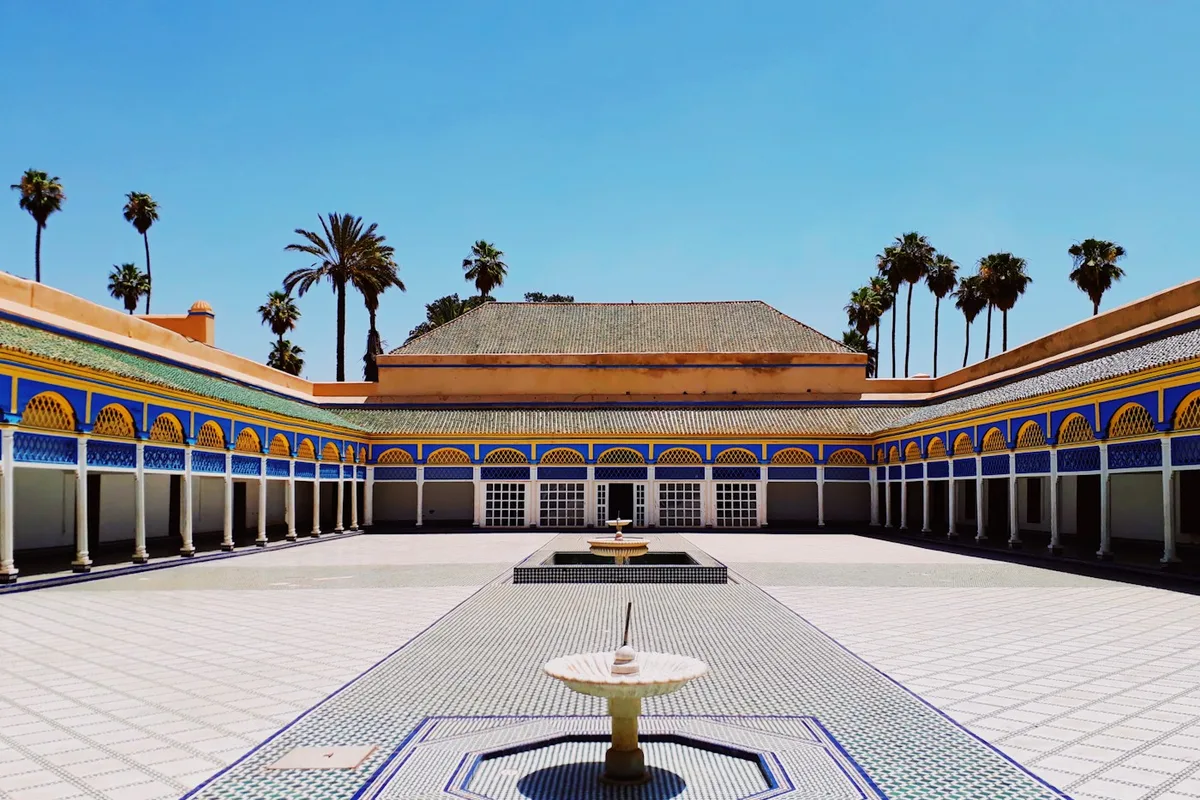
A 19th-century palace in Marrakech built around a series of courtyards and gardens, its rooms decorated with carved cedar ceilings, zellige tilework and painted stucco.
 Multi-Day Tours
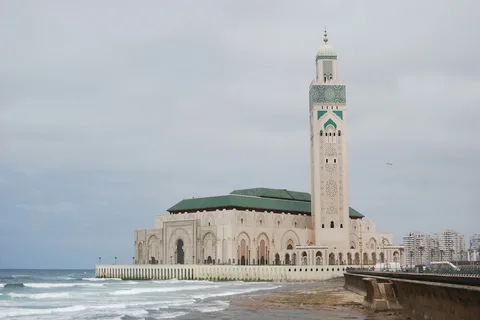
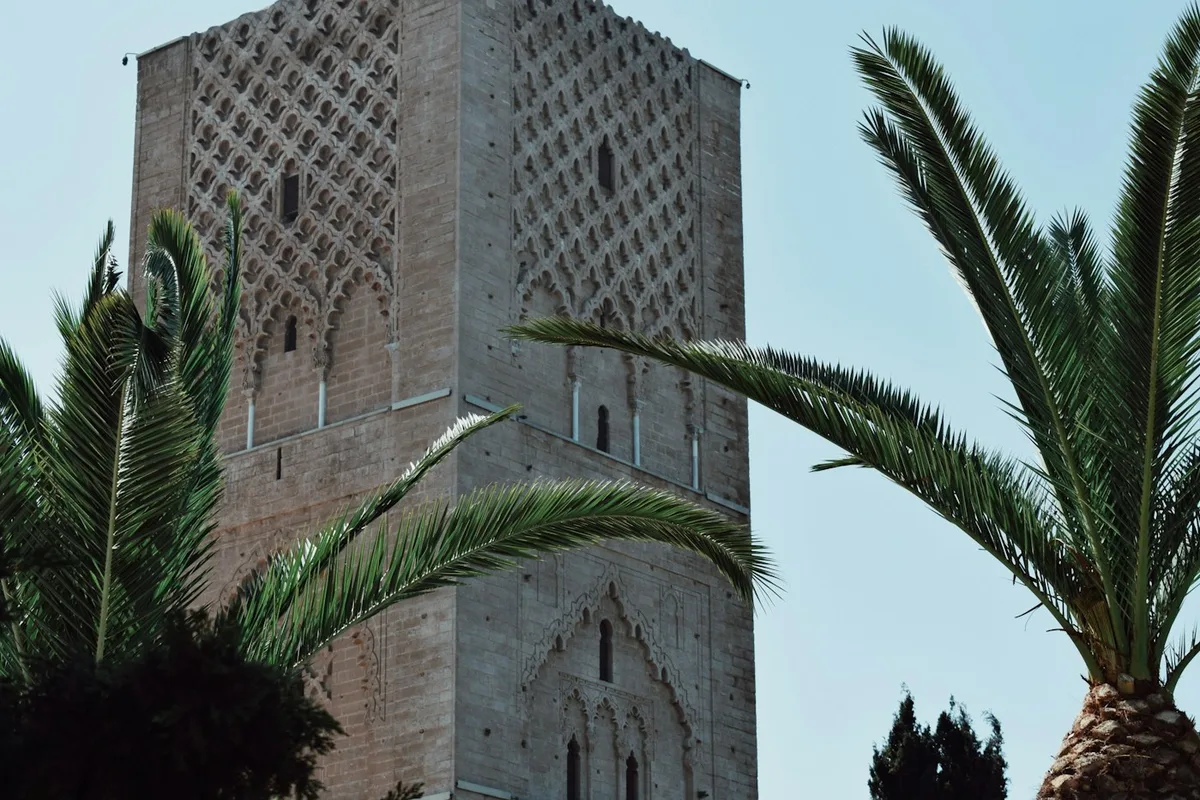
An 8-day circuit of Morocco's four imperial cities — Marrakech, Rabat, Fes and Meknes — plus the Roman ruins of Volubilis and the Hassan II Mosque in Casablanca.
 Multi-Day Tours
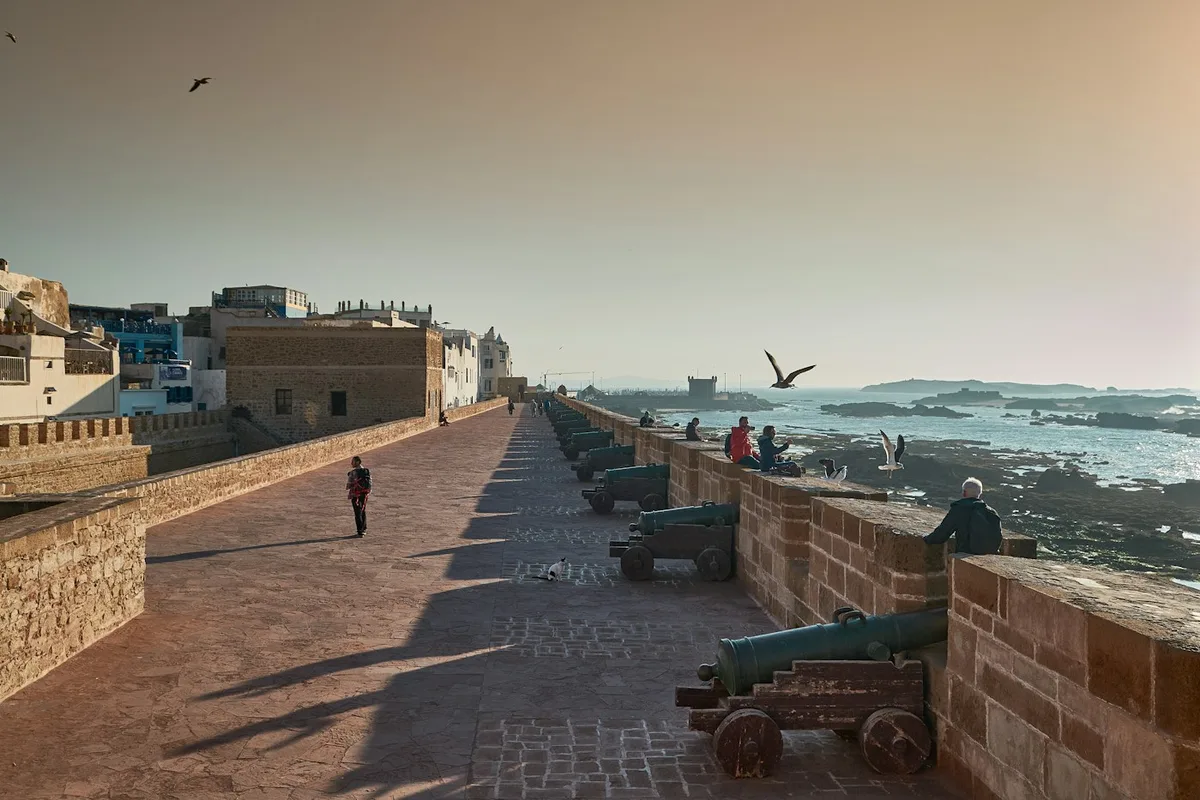
An 8-day route from Casablanca's Hassan II Mosque along the Atlantic coast to Essaouira, then on to Marrakech with a night of luxury glamping in the Agafay Stone Desert.
 Multi-Day Tours
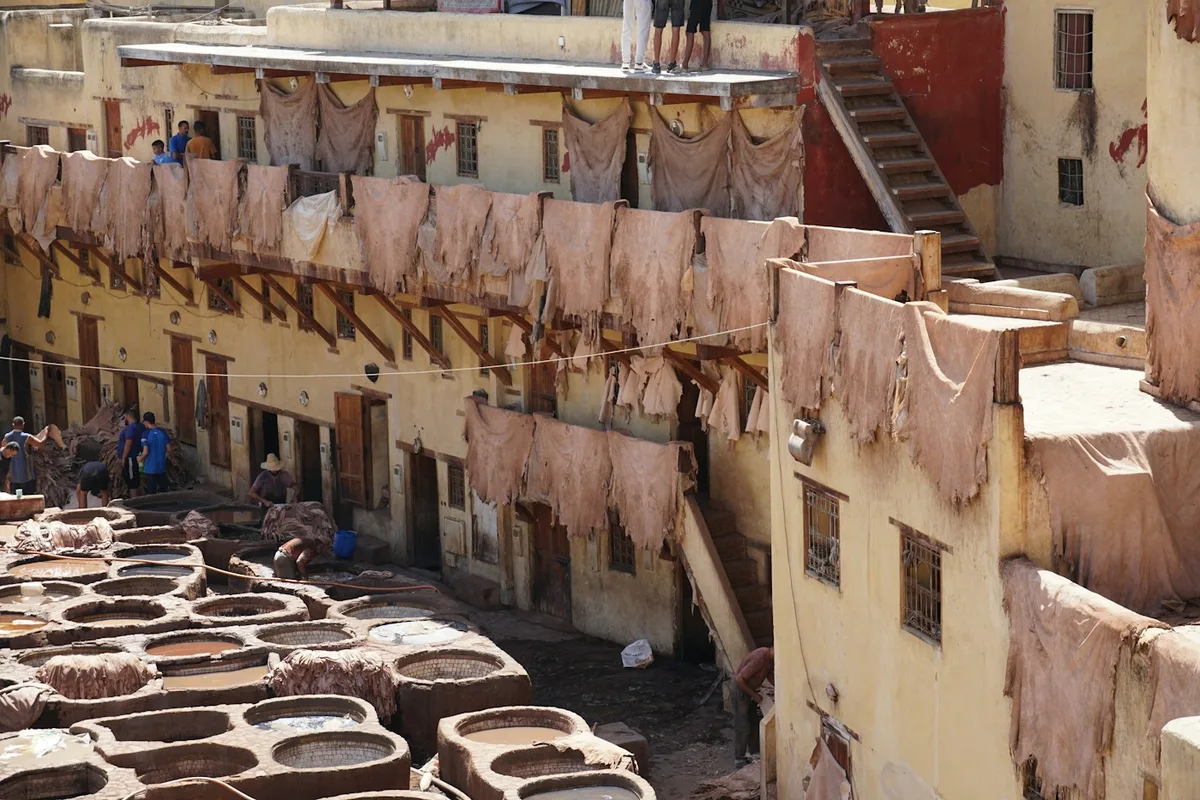
An 11-day culinary journey from Casablanca to Marrakech — street food and cooking classes in Fes, an overnight Sahara desert camp at Merzouga, Berber cooking in a Skoura kasbah, and an immersive cooking workshop in Marrakech.
 Multi-Day Tours
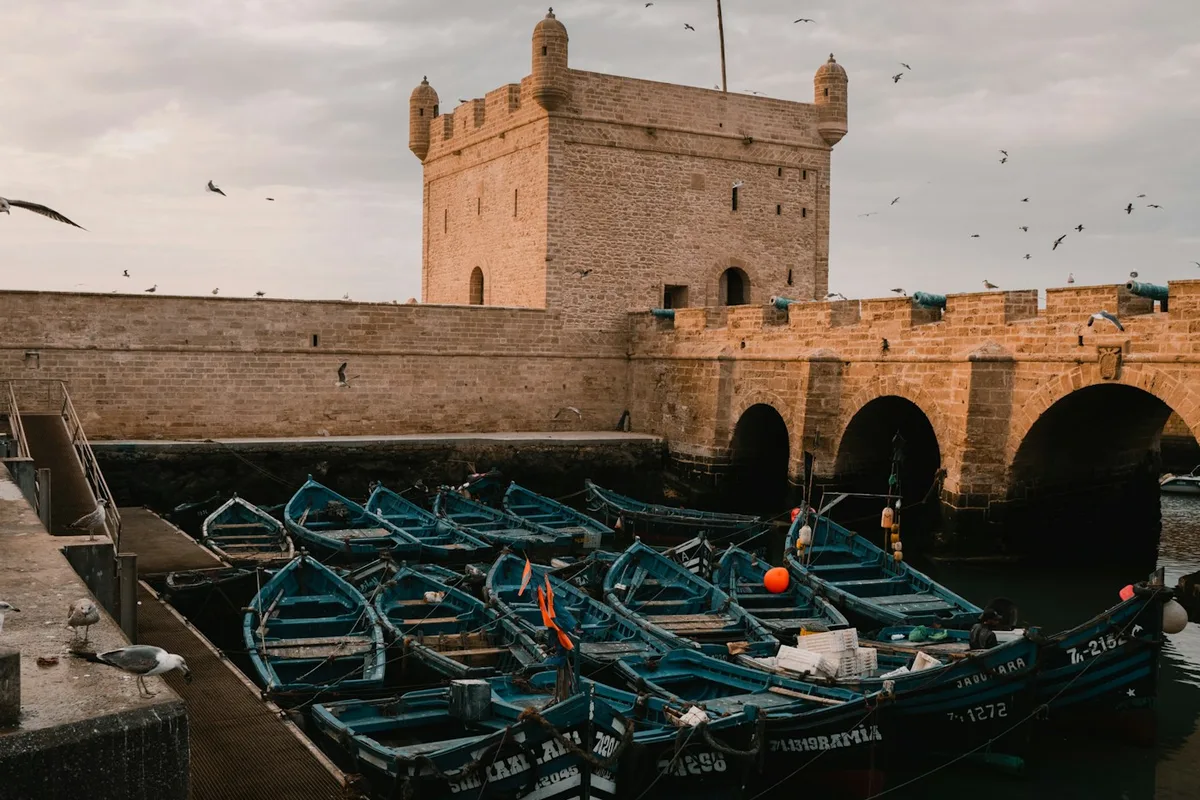
An 8-day route from Marrakech through the Anti-Atlas Mountains to the coast — Berber villages, the pink granite rocks of Tafraoute, the former Spanish garrison town of Sidi Ifni, the silver city of Tiznit, and the UNESCO medina of Essaouira.
 Multi-Day Tours
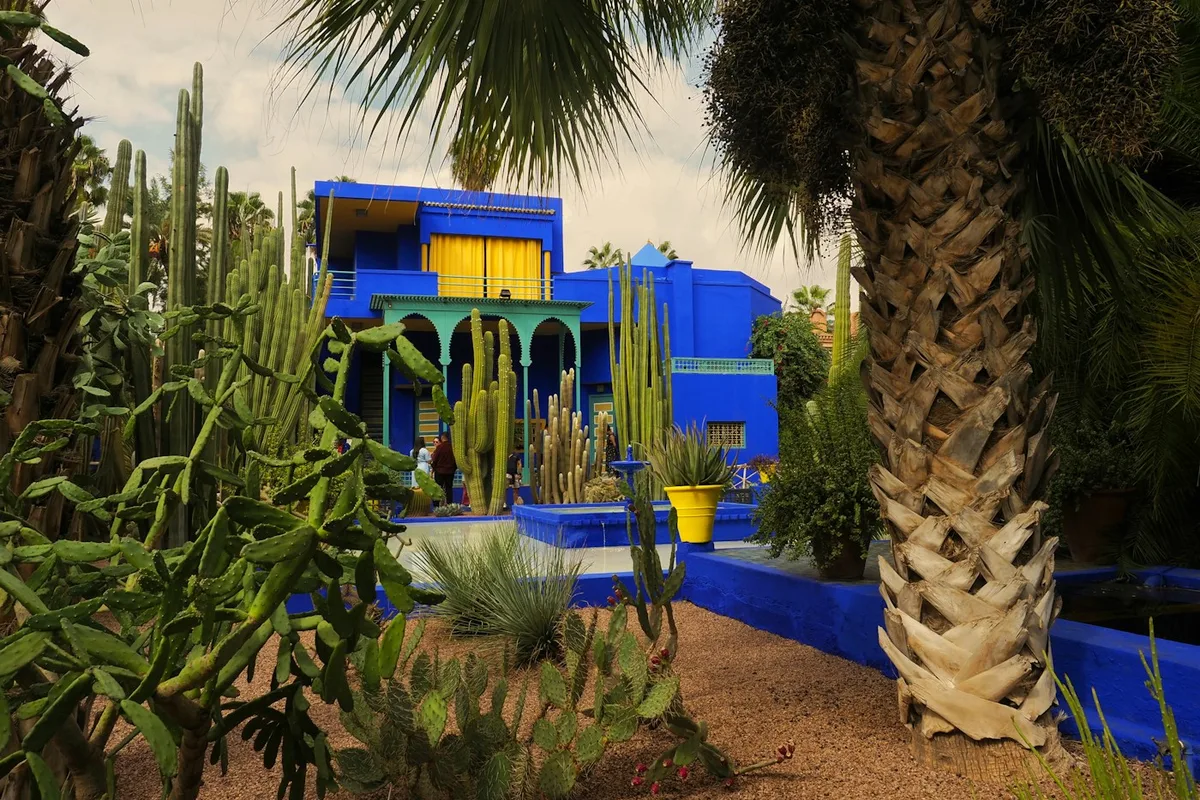
An 8-day romantic escape based in Marrakech — a private riad, Majorelle Gardens and the historic medina, a cooking class, a day trip to the Ourika Valley, and a stay in the coastal town of Essaouira.
Visitor guide
The Bahia Palace is a mid to late 19th-century palace in Marrakech, Morocco, built for powerful court officials of the Alaouite sultanate. Its irregular layout of around 150 rooms is arranged around multiple courtyards and garden riads, and it is best known for its painted ceilings, carved stucco and zellij tilework. Today it is a historic monument and one of the most visited heritage sites in the country.
The palace was begun in the 1860s by Si Musa, who rose from chamberlain to grand vizier under Sultan Muhammad ibn Abd al-Rahman. The Grand Riad, a large garden courtyard in the northern part of the palace, dates from his time, and inscriptions in the chambers on its east and west sides date them to 1866 and 1867. Wikipedia notes that Si Musa came from a family of black slaves who served the Moroccan royal government and reached its highest offices.
His son Ahmad ibn Musa, known as Ba Ahmed, expanded the palace between 1894 and 1900. When Sultan Moulay Hassan died, Ba Ahmed ensured the accession of the teenage Abdelaziz and became the effective ruler of Morocco until his own death in 1900. He added most of the southern parts of the palace piece by piece as land became available, including the marble-paved Grand Courtyard dated to 1896 and 1897. The architect is named as Muhammad ibn Makki al-Misfiwi, from Safi. The name al-Bahia, meaning the Brilliant, was reportedly that of Ba Ahmed's favourite wife. The palace was built on a single level, possibly because of Ba Ahmed's stout build, which made stairs difficult.
The palace has no single unified plan because it grew in stages. Visitors enter through a horseshoe-arched doorway and pass along a garden path to the Small Riad, a square garden divided by walkways and surrounded by decorated galleries. Beyond lies the Grand Courtyard, measuring 50 by 30 metres, paved with Italian Carrara marble and surrounded by a colourful wooden gallery that gives access to some 80 rooms believed to have housed Ba Ahmed's harem. At its east end is a grand hall about 20 by 8 metres with a high ceiling that has some of the finest painted decoration in the palace. East of the main palace are the remains of gardens and a water basin laid out by Ba Ahmed on an older Saadian-era garden site.
The decoration is the palace's real draw. Walls carry stucco carved with Arabic inscriptions, geometric patterns, arabesques and muqarnas, floors are paved with marble and zellij, and cedar-wood ceilings are painted with colourful floral designs. Wikipedia states that Ba Ahmed imported materials from across Morocco, including marble from Meknes, cedar from the Middle Atlas and tiles from Tetouan, and employed artisans from all over the country.
Hours after Ba Ahmed died in 1900, Sultan Abdelaziz reportedly ordered the palace to be looted. In 1908 Madani el-Glaoui took control and used it to entertain foreign guests, adding an upper floor to some parts. After the French Protectorate began in 1912 the palace became the residence of the French resident-general, Lyautey, in Marrakech. Following independence it served as a royal residence for Mohammed V before passing to the Ministry of Culture under Hassan II, which opened it as a tourist attraction. Wikipedia says the king still occasionally uses it to receive foreign dignitaries.
The palace was damaged by the September 2023 earthquake in southern Morocco, including fissures in walls and the collapse of a vaulted ceiling in the Grand Riad, and it reopened to visitors the following month according to Wikipedia.
The palace is located in the medina area north of the Mellah, the old Jewish quarter, and pairs naturally with other historic sites in the city. A private guided visit lets travellers spend time on the decorative detail, such as the painted ceilings and carved stucco, and understand how a vizier's family shaped Morocco's politics at the turn of the 20th century.
See every tour and attraction we cover in Morocco.