TorontoOntario · 36 tours
 Niagara FallsOntario · 25 tours
 New York CityNew York · 30 tours
 Las VegasNevada · 8 tours
 San FranciscoCalifornia · 16 tours
 VancouverBritish Columbia · 17 tours
 DubaiUAE · 54 tours
 Abu DhabiUAE · 5 tours
 Buenos AiresArgentina · 23 tours
 AthensGreece · 31 tours
 AucklandNew Zealand · 38 tours
 CancunMexico · 54 tours
No destinations match “”. Try searching all tours instead — that search understands full questions, not just place names.
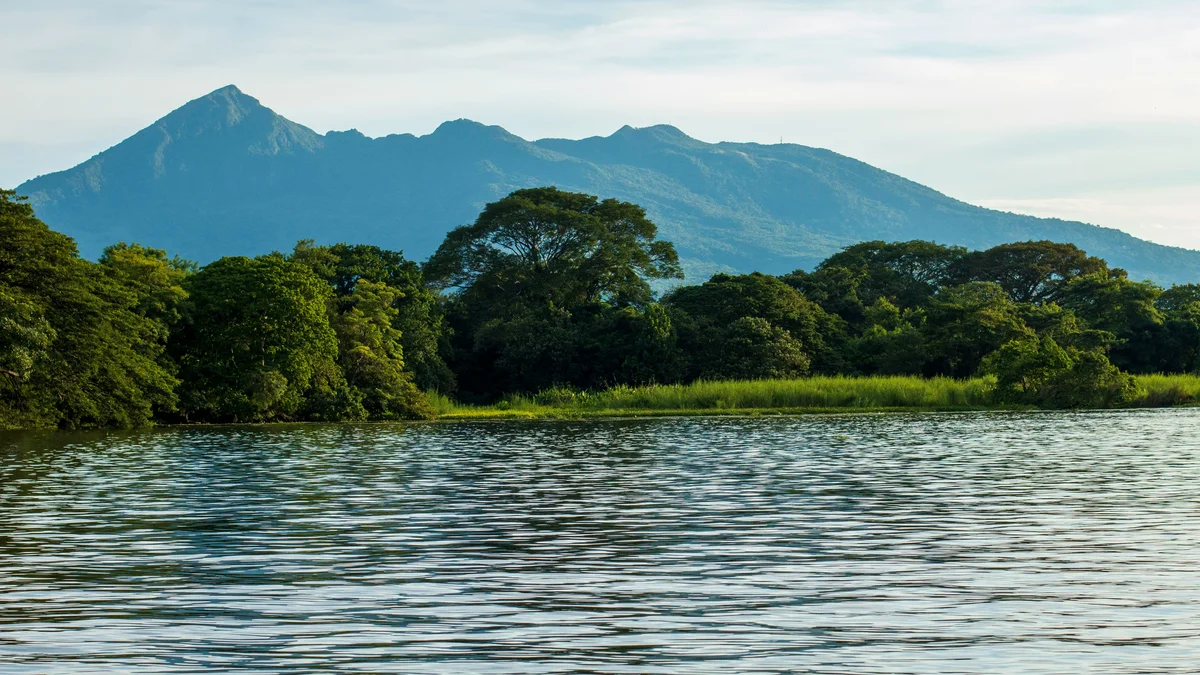
Voyzo runs 8 tours across 1 destination in Nicaragua, covering 10 attractions. A private tour means your own guide, driver, and vehicle and an itinerary built around your group rather than a fixed bus schedule.
 Multi-Day Tours
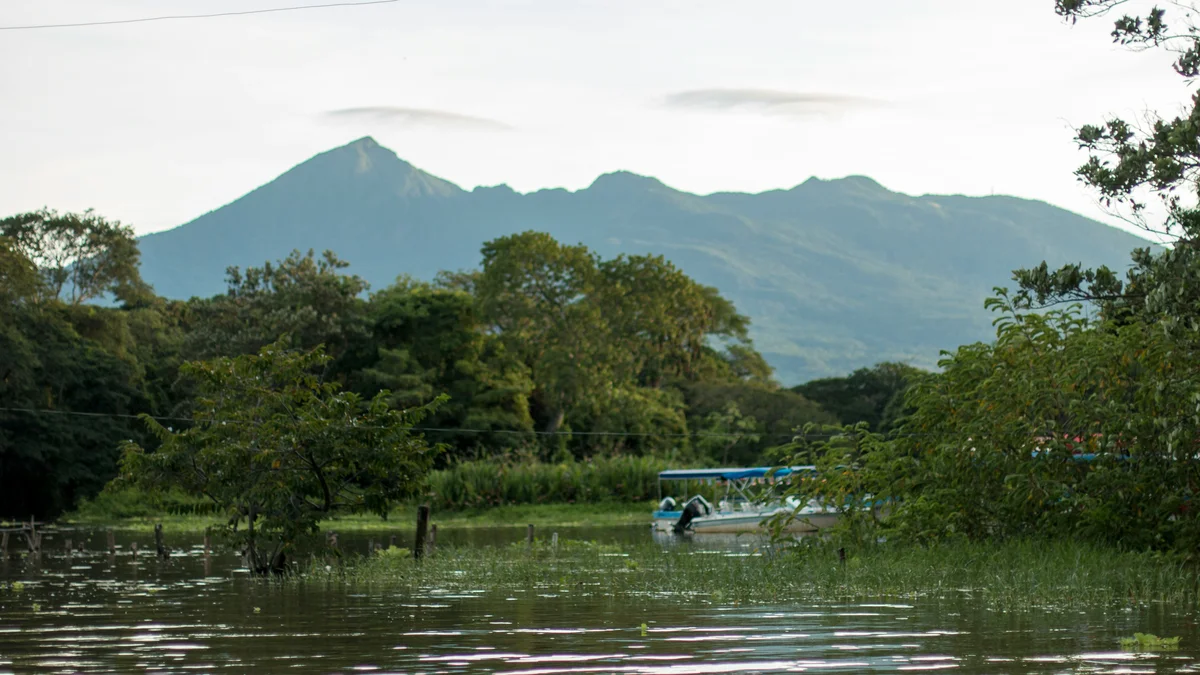
A fast-moving introduction to Nicaragua's Pacific side, covering the colonial cities of Granada and León and the active crater of Masaya Volcano, all with your own private driver-guide from Managua.
 Multi-Day Tours
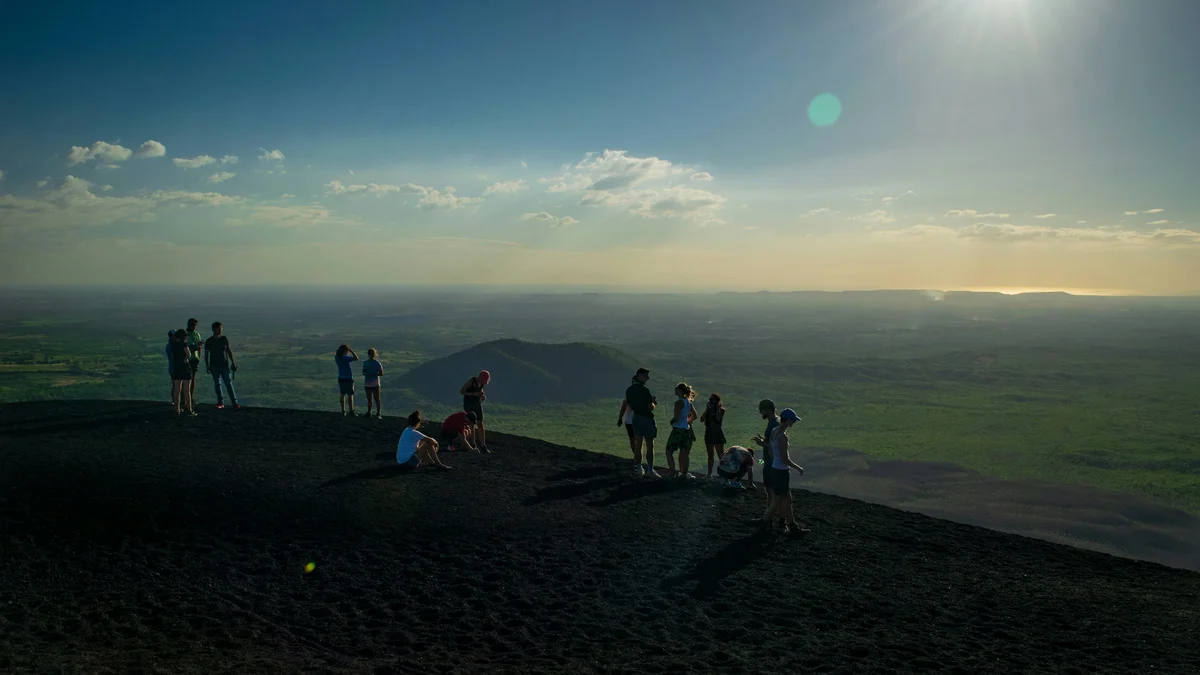
A full week through Nicaragua's western highlights — sandboarding down an active volcano, colonial Granada and León, a social-impact café run by the deaf community, and a Pacific coast finish with sea-turtle nesting beaches.
 Multi-Day Tours
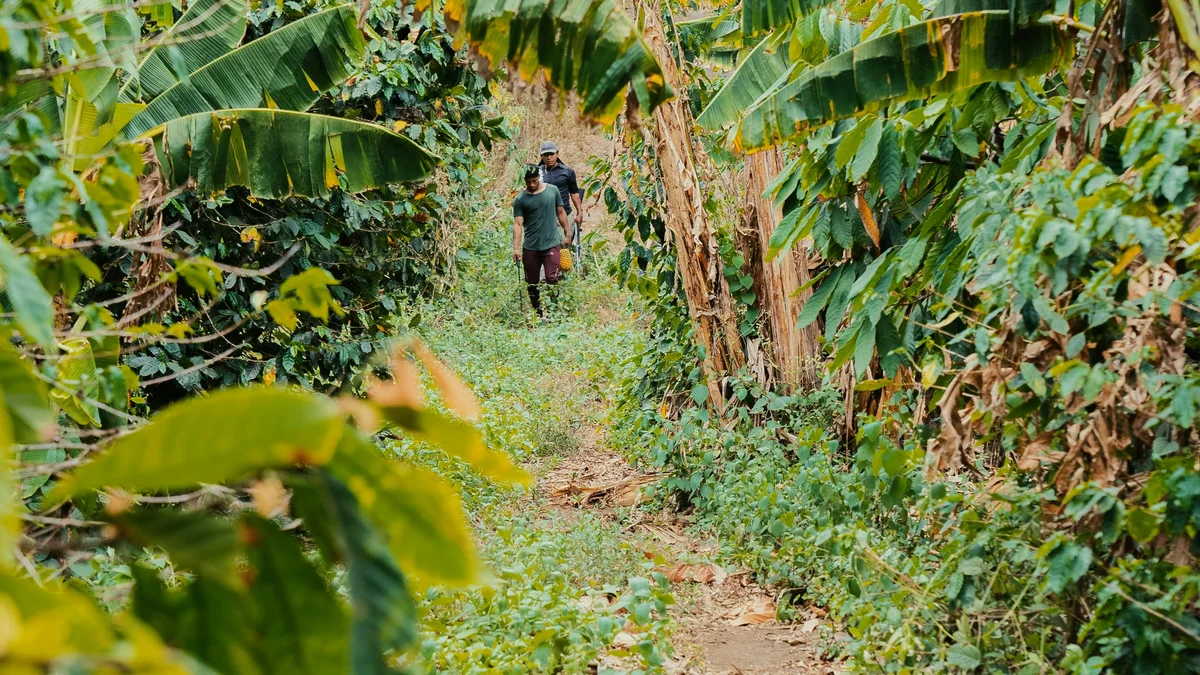
A genuinely off-the-beaten-path trip down the San Juan River to the edge of the Indio Maíz Biosphere Reserve, camping on a river island with a private guide for canoeing, night hikes, and wildlife spotting.
 Multi-Day Tours
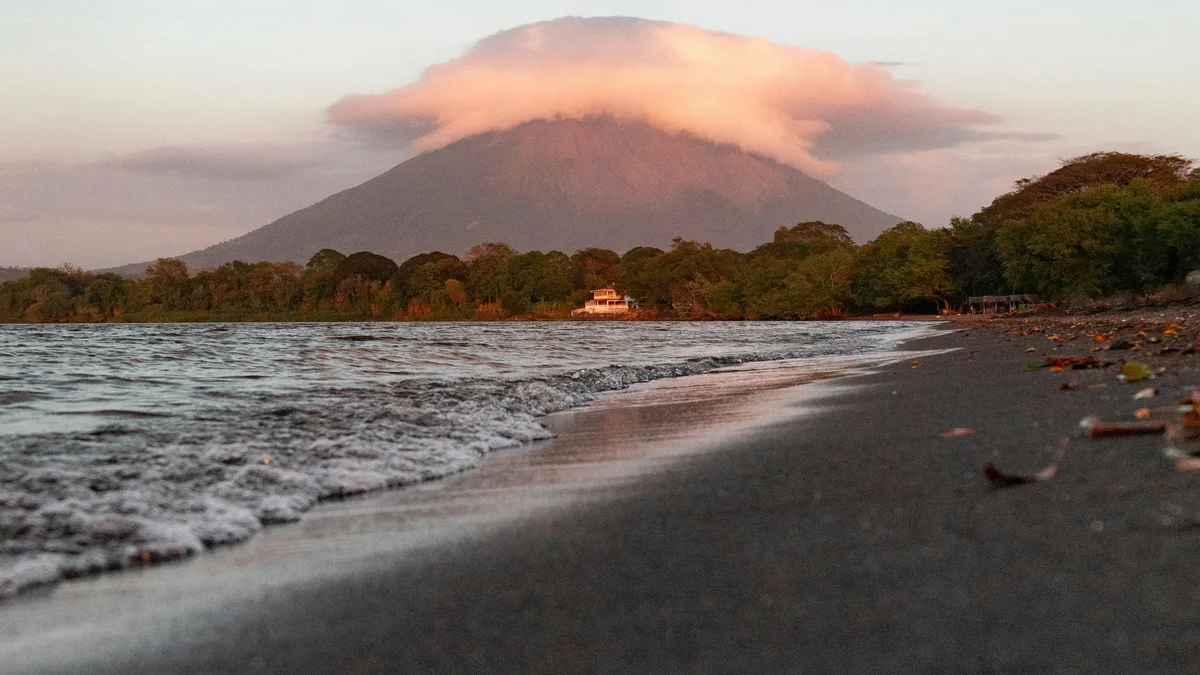
A week through colonial León and Granada, the crater lakes and volcanoes around Masaya, and a real overnight on Ometepe, the twin-volcano island in the middle of Lake Nicaragua.
Private Tours
A private driver-guide takes you up Mombacho Volcano, just outside Granada, for a real cloud-forest hike along the crater rim followed by an 11-cable zipline canopy tour with hanging bridges and a Tarzan swing.
 Private Tours
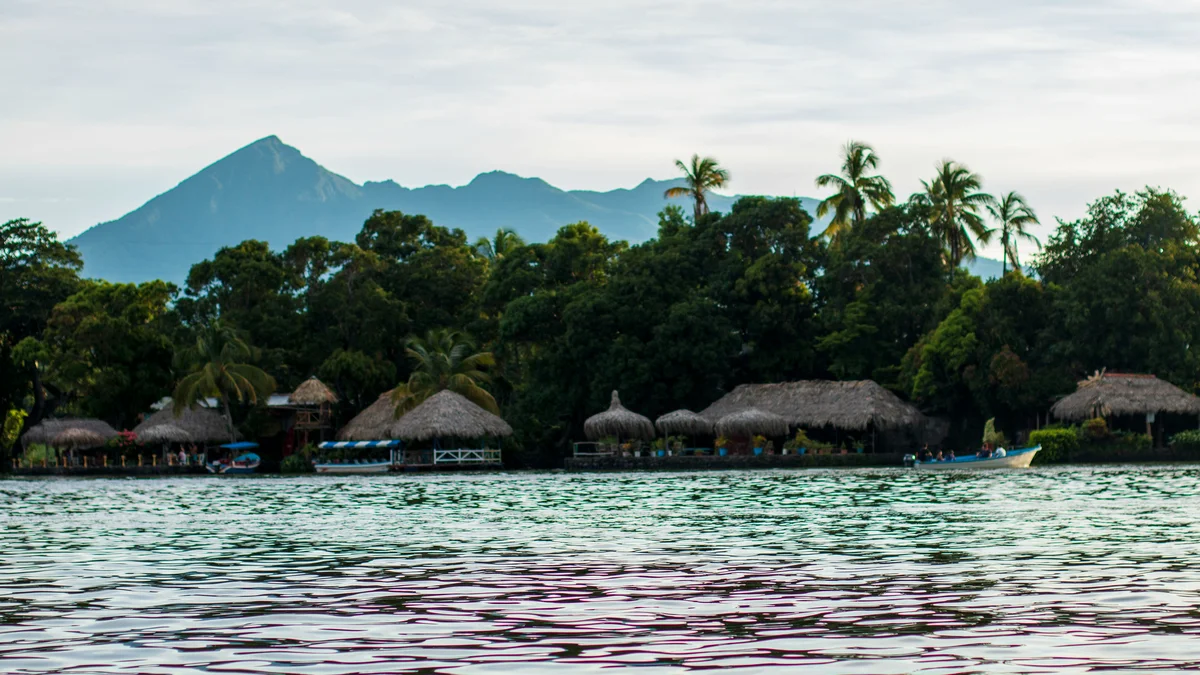
A private boat takes you from Granada into the Isletas de Granada to Zopango, a small family-run private island on Lake Nicaragua, for a fish lunch, sit-on-top kayaking, and swimming in the calm, wind-sheltered water around the island.
 Private Tours
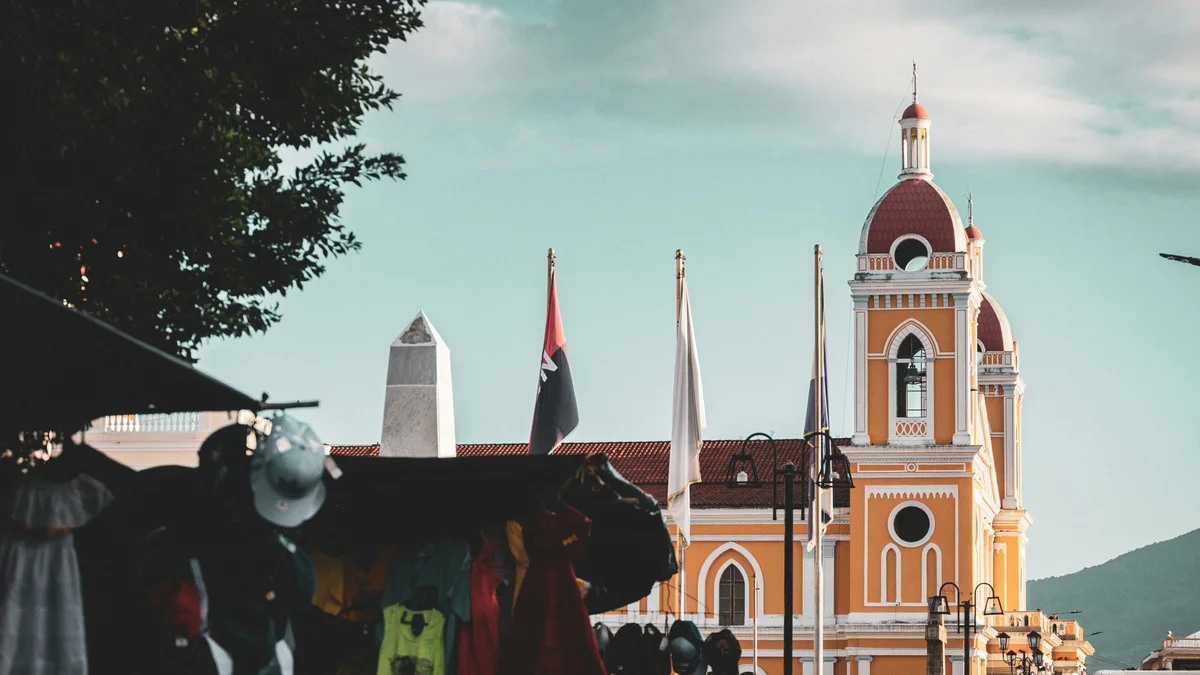
A local guide walks you through Granada's colonial center — its cathedral, fortress, and historic convent — before a horse-drawn carriage ride out to scenic streets beyond the main square.
 Private Tours
A hands-on workshop at Granada's Chocolate Museum walking you through the real bean-to-bar process — roasting, grinding, and molding organic Nicaraguan cacao into your own chocolate bar, with a traditional cacao drink tasting.
The real stops Voyzo's own itineraries are built around — tap any attraction to learn more.
 Granada's Colonial Center
Nicaragua
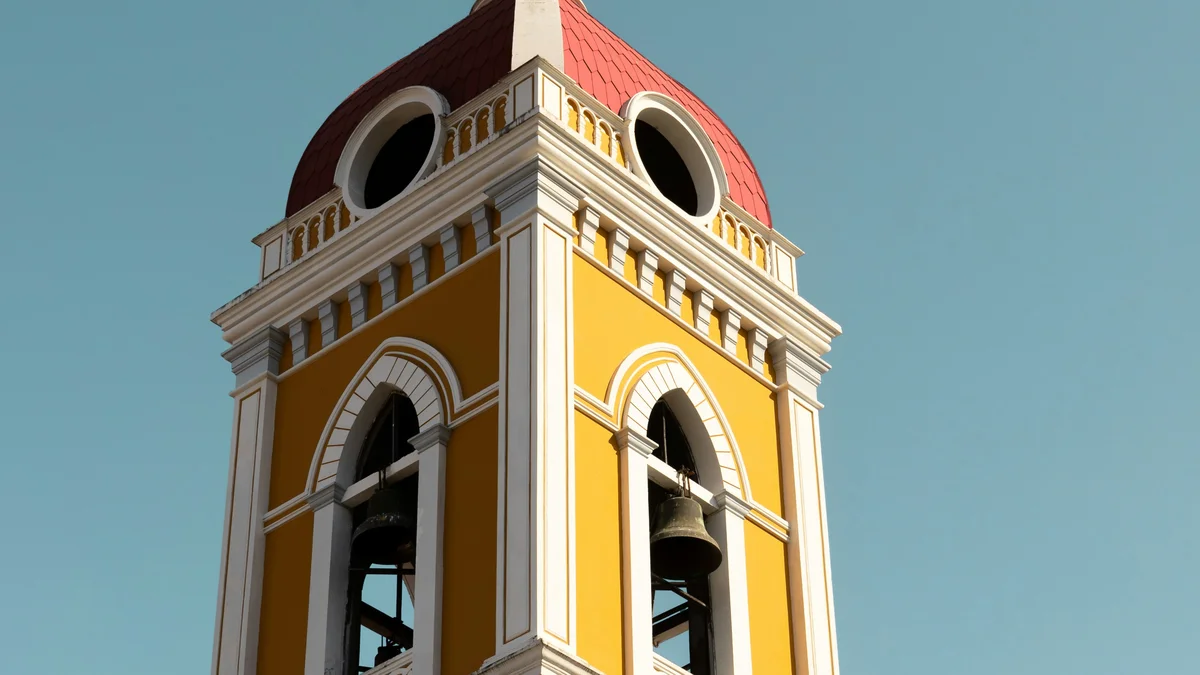
Founded in 1524 on the shore of Lake Nicaragua, Granada is one of the oldest European-founded cities in the Americas and Nicaragua's most-visited colonial town. Its compact center is built around the yellow-and-white Granada Cathedral and the Parque Central, with colorful low-rise colonial facades, horse-drawn carriages, and La Merced Church, whose bell tower can be climbed for views over the city's terracotta rooftops toward the Mombacho Volcano.
2
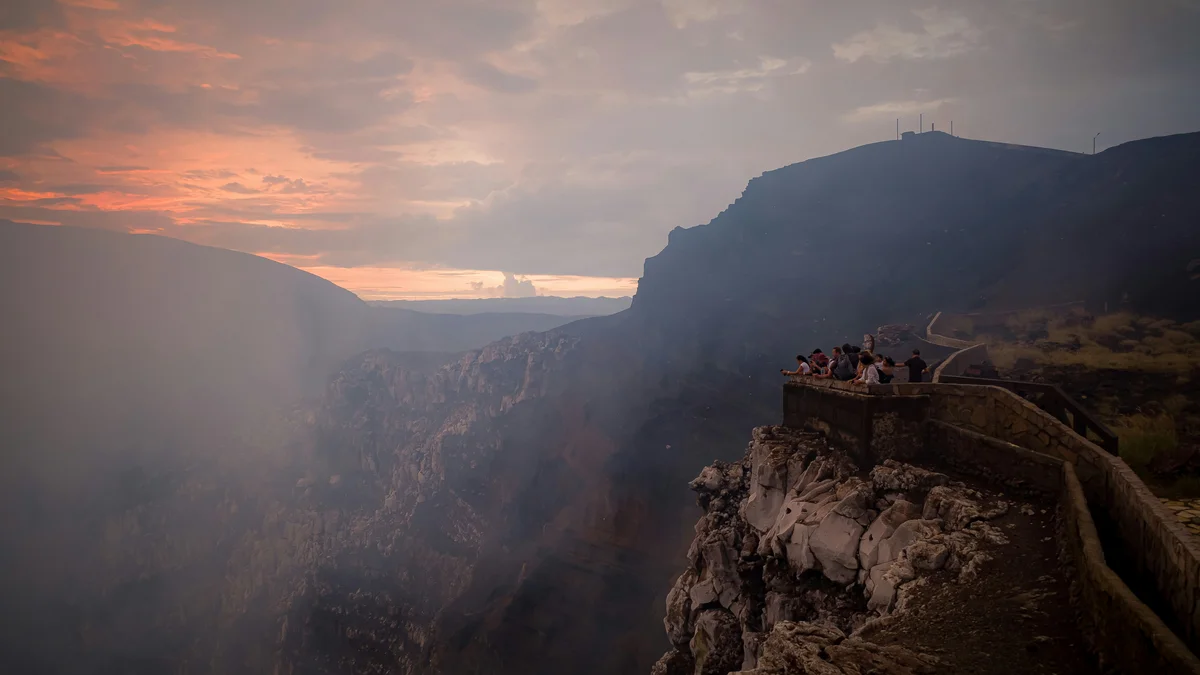 Masaya Volcano National Park
Nicaragua
Masaya Volcano National Park protects one of the few volcanoes in the world where visitors can drive directly up to the rim of an active crater. The Santiago crater regularly holds a visible, glowing lava lake, especially after dark, and the park's rangers monitor gas levels closely given the volcano's ongoing activity. Nicaragua's indigenous Chorotega people once called it Popogatepe, the "mountain that burns," and it remains one of Central America's most accessible active volcanoes.
3
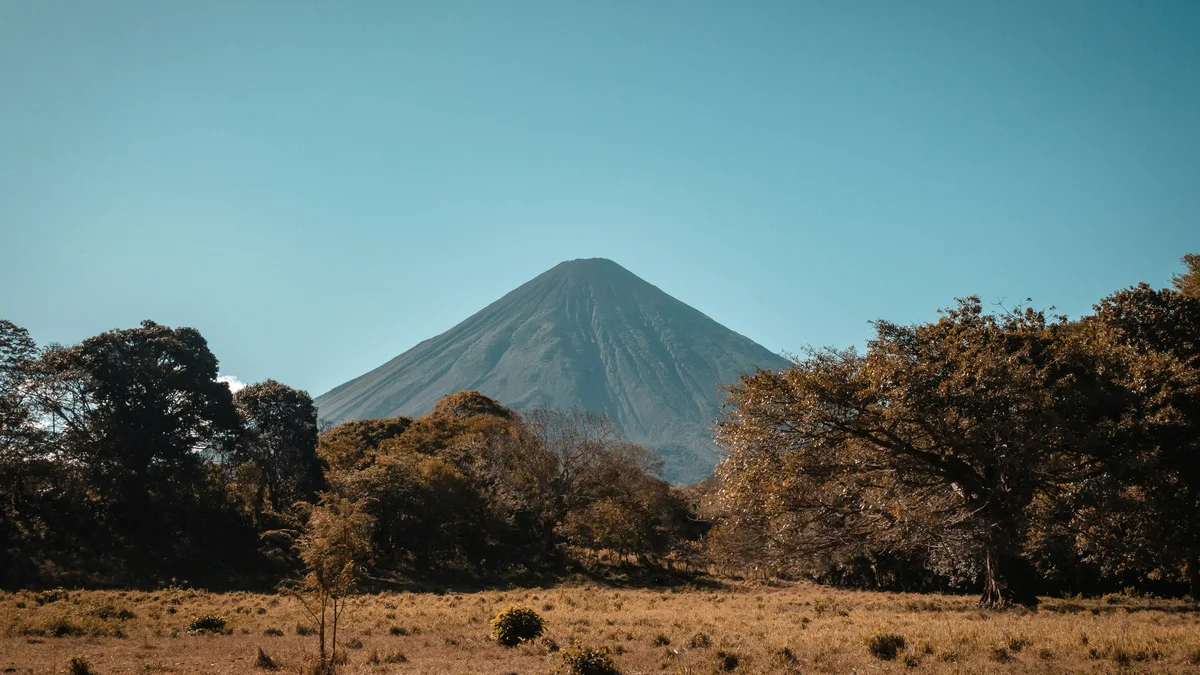 Ometepe Island
Nicaragua
Formed by two volcanoes, Concepción and Maderas, rising directly out of Lake Nicaragua, Ometepe is the largest volcanic island inside a freshwater lake anywhere in the world. It's reached by public ferry from the mainland town of San Jorge and is known for petroglyphs left by pre-Columbian communities, the natural spring pool at Ojo de Agua, and the black-sand beach at Playa Santo Domingo, which sits on the narrow isthmus connecting the island's two volcanoes.
4
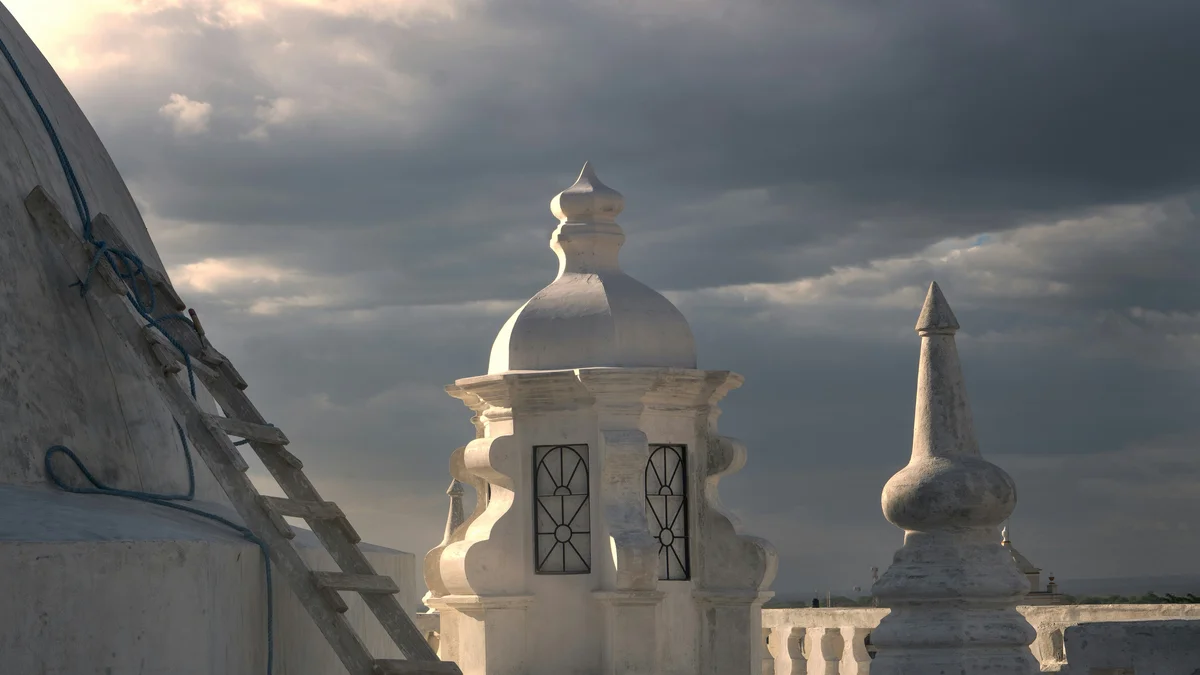 León Cathedral (Basílica de la Asunción)
Nicaragua
Completed in 1814 after roughly 67 years of construction, León's cathedral is widely described as the largest in Central America and a UNESCO World Heritage Site. Its bright white, earthquake-resistant walls conceal a surprisingly plain interior built to withstand seismic activity, while its rooftop — open to visitors who climb up among its domes and bell towers — offers sweeping views toward the volcanoes north of the city. Nicaraguan poet Rubén Darío is buried inside, at the foot of a statue of a mourning lion.
5
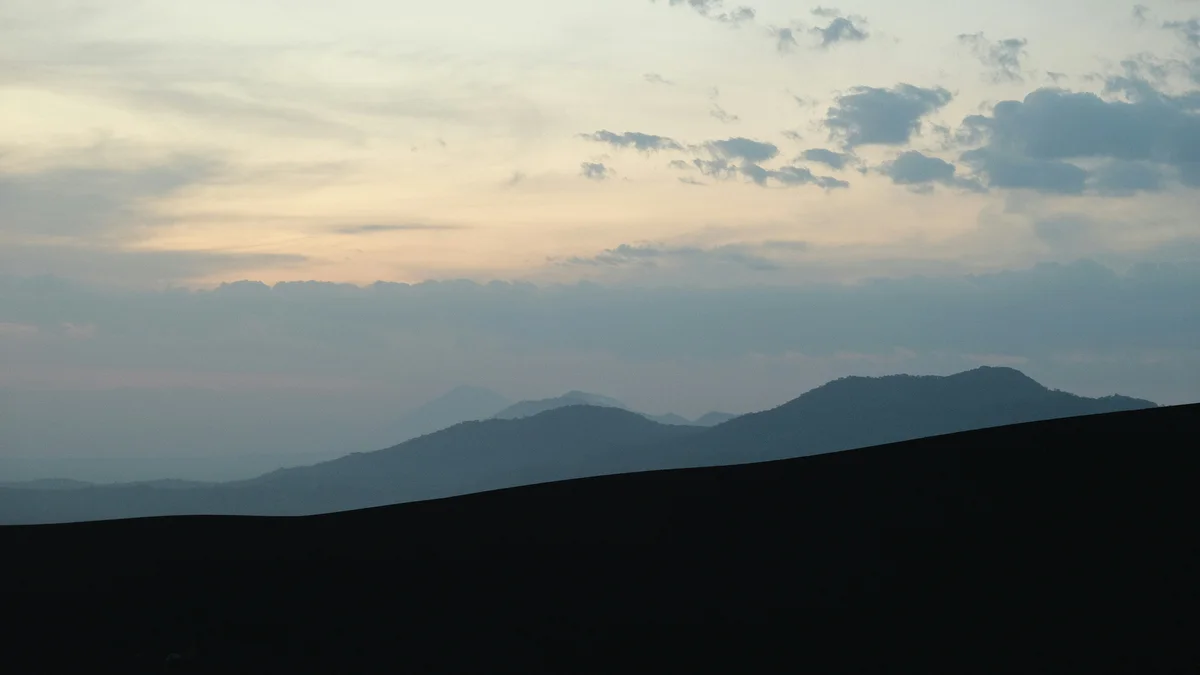 Cerro Negro Volcano
Nicaragua
First formed by an eruption in 1850, Cerro Negro is one of the youngest volcanoes in the Western Hemisphere and remains one of Nicaragua's most active, with more than 20 recorded eruptions since it appeared. Its bare, jet-black slopes of loose volcanic ash and rock have made it a hub for volcano boarding, where visitors hike roughly 45 minutes to an hour up the cone before sliding back down on a reinforced board.
6
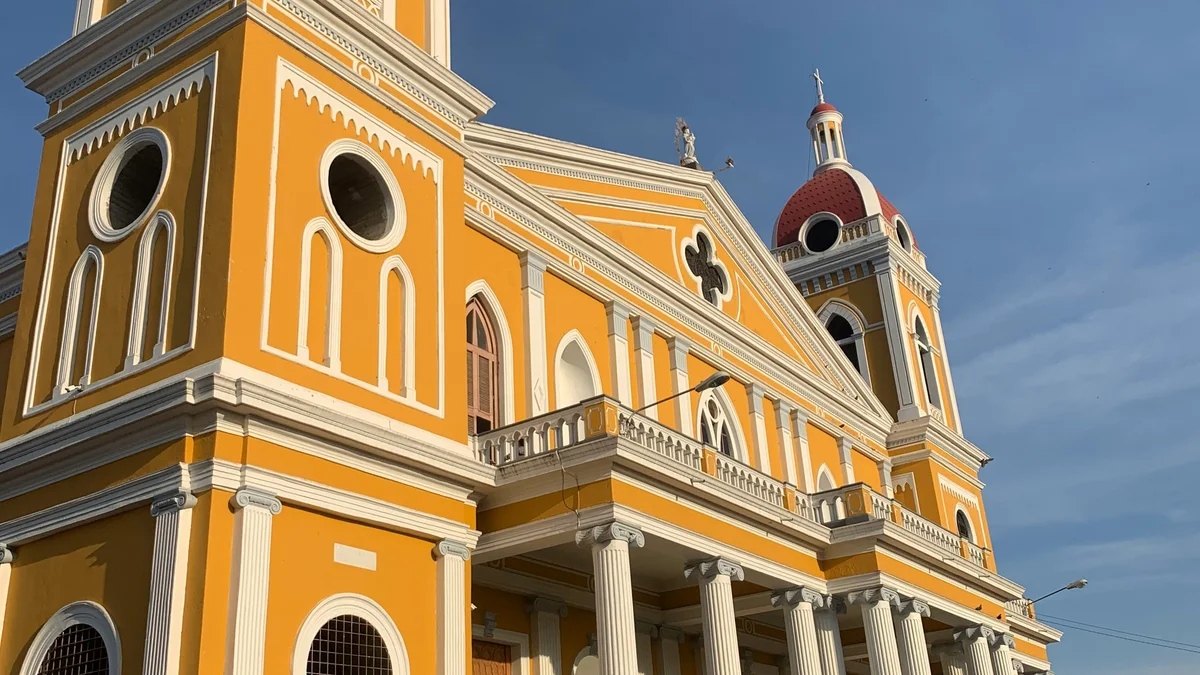 Granada Cathedral
Granada
The Cathedral of the Immaculate Conception of Mary, better known simply as Granada Cathedral, anchors the east side of Parque Central with its bright yellow facade and twin bell towers. The current building dates mainly to a late-19th and early-20th-century rebuild after earlier structures were destroyed, including during William Walker's 1856 occupation, and it remains Granada's single most photographed landmark.
7
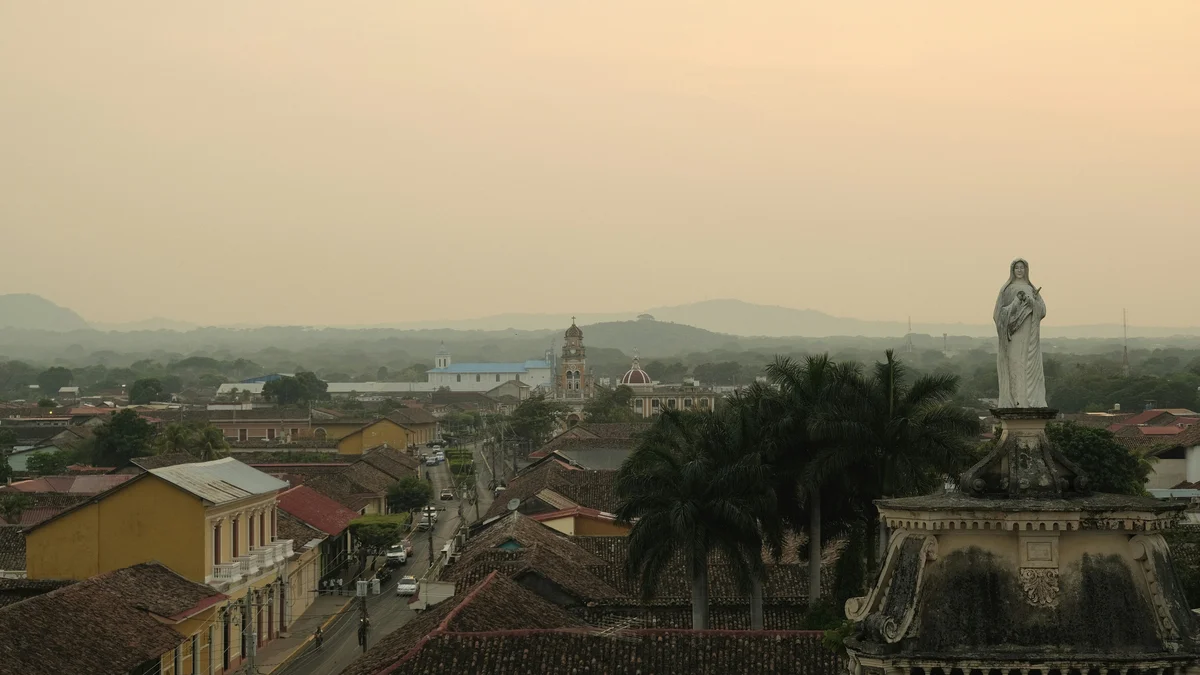 Iglesia de La Merced
Granada
This 18th-century church a few blocks from Central Park is best known for its bell tower, which visitors can climb for one of Granada's best rooftop views — a sweep of terracotta roofs and church domes with Mombacho Volcano rising behind the city. The climb is narrow and steep, up worn interior stairs, and visitor access arrangements can change.
8
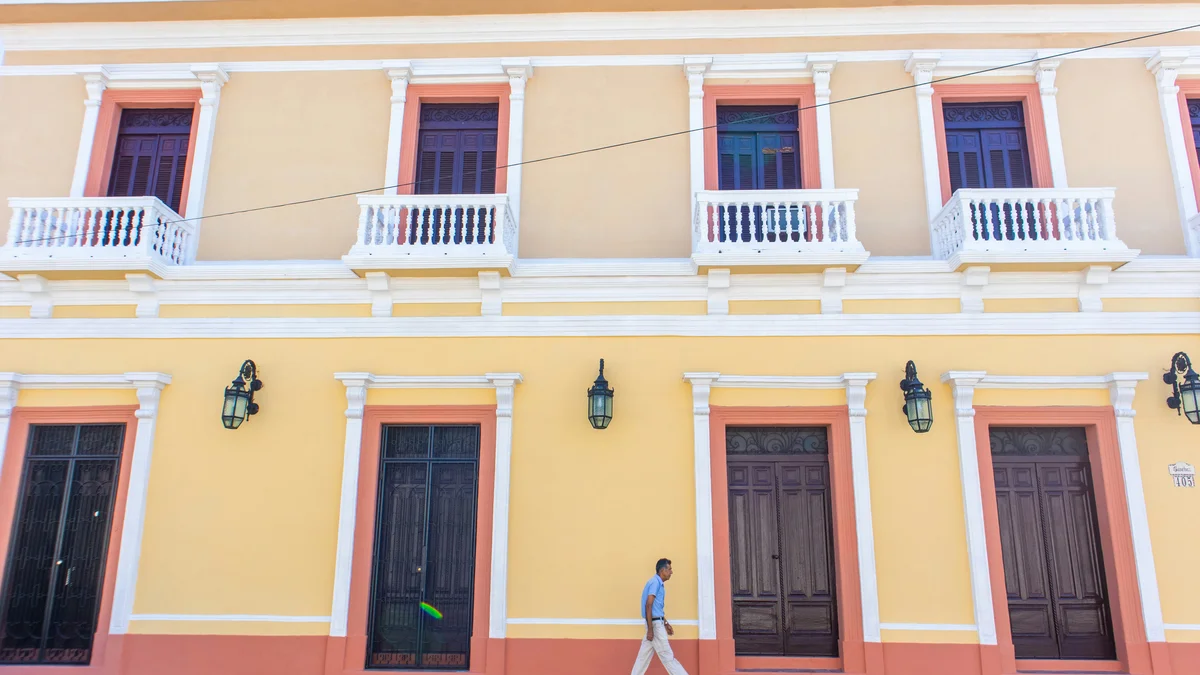 Convento y Museo San Francisco
Granada
The Convento San Francisco is among the oldest surviving religious buildings in Central America, with a history stretching back to the 16th century, though like much of colonial Granada it was rebuilt after being burned during William Walker's occupation in the 1850s. Its museum wing holds a real collection of pre-Columbian basalt statues gathered from Zapatera Island in Lake Nicaragua, alongside exhibits on the region's indigenous history.
9
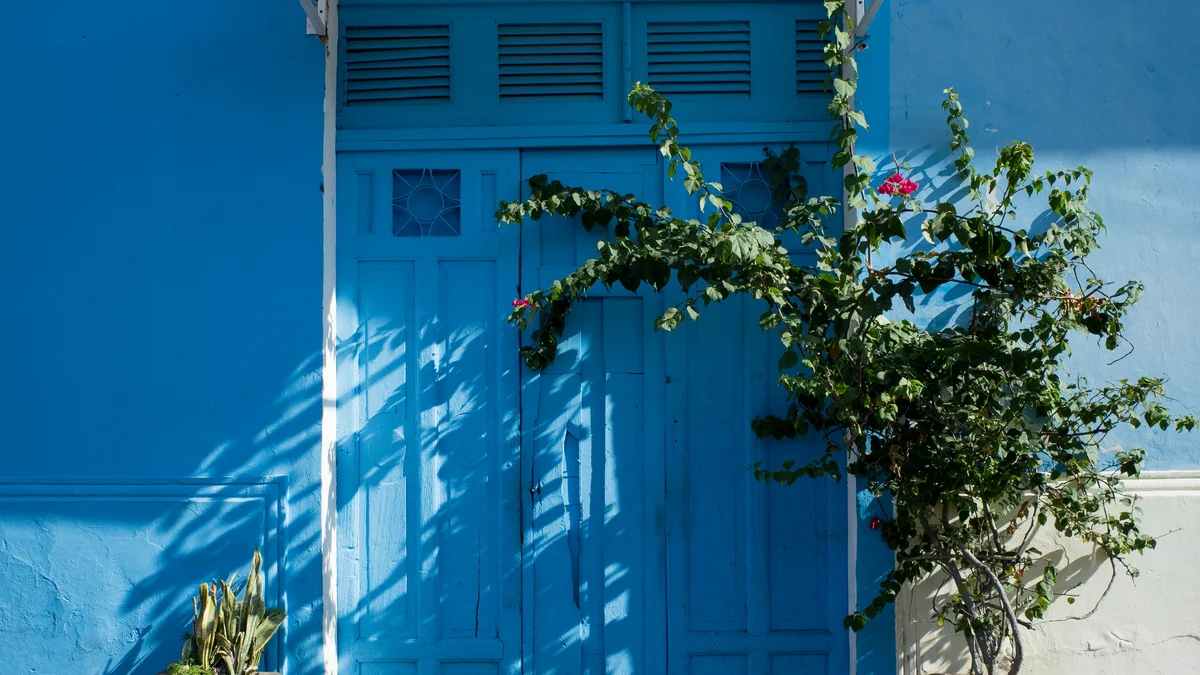 Fortaleza La Pólvora
Granada
Built by the Spanish in the early 1700s as a gunpowder magazine and defensive fort at the western edge of the colonial center, La Pólvora's stone walls and corner turrets still stand largely intact today. Its elevated position makes it a real vantage point over Granada's rooftops toward Mombacho Volcano, and it now functions as a small cultural site open to visitors.
10
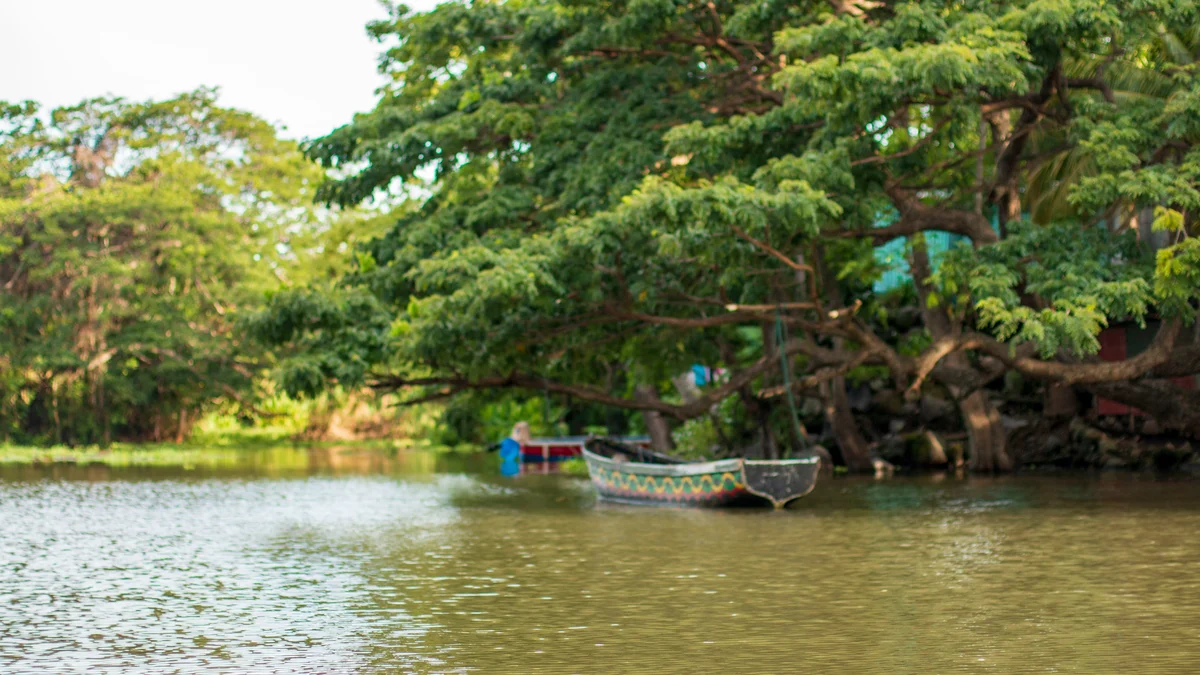 Las Isletas de Granada
Granada
More than 350 small islands scatter across this stretch of Lake Nicaragua just off Granada's shore, formed by a catastrophic collapse of part of Mombacho Volcano's flank. Some islets hold private homes and small resorts, others are left to birdlife, howler monkeys, and the ruins of a Spanish-era fort, and the archipelago is most often explored by boat out of Granada or nearby Asese.
The dry season, roughly late November through April, is the most popular and reliable window for volcano visits and beach time. The wet season (May through October) brings afternoon rain but greener landscapes and fewer crowds — sea turtle nesting season at beaches like La Flor also falls within these months.
Augusto C. Sandino International Airport (MGA) in Managua is Nicaragua's main international gateway, roughly 45 minutes from both Granada and central Managua.
Nicaragua's main tourist route between Managua, Granada, León, and Masaya runs on paved highways, while reaching Ometepe Island requires a public ferry crossing from San Jorge and the San Juan River region is accessible only by boat from San Carlos.
Hot and humid year-round in the lowlands around Granada, Managua, and León, with cooler conditions at elevation on Ometepe's volcanoes. Light, breathable clothing, sun protection, and a rain layer in the wet season are all worth packing.
The córdoba (NIO) is the official currency, though US dollars are widely accepted in tourist areas. A small tip for drivers and guides is customary and appreciated, though not automatically added to most bills.
Masaya Volcano's crater is often most dramatic after dark, when the glow of its lava lake is easier to see — many itineraries schedule a visit around sunset for this reason. Check current government travel advisories before planning your trip, as with any destination.
Nicaragua is the largest country in Central America, bordered by Honduras to the north and Costa Rica to the south, with coastlines on both the Pacific and the Caribbean. Its interior is dominated by Lake Nicaragua (also called Lake Cocibolca), the largest lake in Central America, and by a chain of active volcanoes running along the Pacific side of the country — several of which, like Masaya and Cerro Negro, visitors can approach far more closely than almost anywhere else in the world.
The country's Spanish colonial history is still visible in two rival cities: Granada, founded in 1524 on the shore of Lake Nicaragua and one of the oldest European-founded cities in the Americas, and León, home to the largest cathedral in Central America and a UNESCO World Heritage Site. In between the two sits Masaya, known for its active volcanic crater and its handicraft markets, and out on the lake itself is Ometepe, an island formed by two volcanoes rising straight out of the water.
Voyzo runs multi-day itineraries across Nicaragua's Pacific side, from short 3-day introductions to Granada, León, and Masaya, up to a full week reaching Cerro Negro's volcano-boarding slopes, the Pacific coast, and Ometepe Island. A separate, more adventurous route follows the San Juan River into the remote Indio Maíz Biosphere Reserve near the Costa Rican border, with private guiding and river-island camping rather than hotels.
Tell us your group size and dates — we'll take care of the rest.