TorontoOntario · 36 tours
 Niagara FallsOntario · 25 tours
 New York CityNew York · 30 tours
 Las VegasNevada · 8 tours
 San FranciscoCalifornia · 16 tours
 VancouverBritish Columbia · 17 tours
 DubaiUAE · 54 tours
 Abu DhabiUAE · 5 tours
 Buenos AiresArgentina · 23 tours
 AthensGreece · 31 tours
 AucklandNew Zealand · 38 tours
 CancunMexico · 54 tours
No destinations match “”. Try searching all tours instead — that search understands full questions, not just place names.
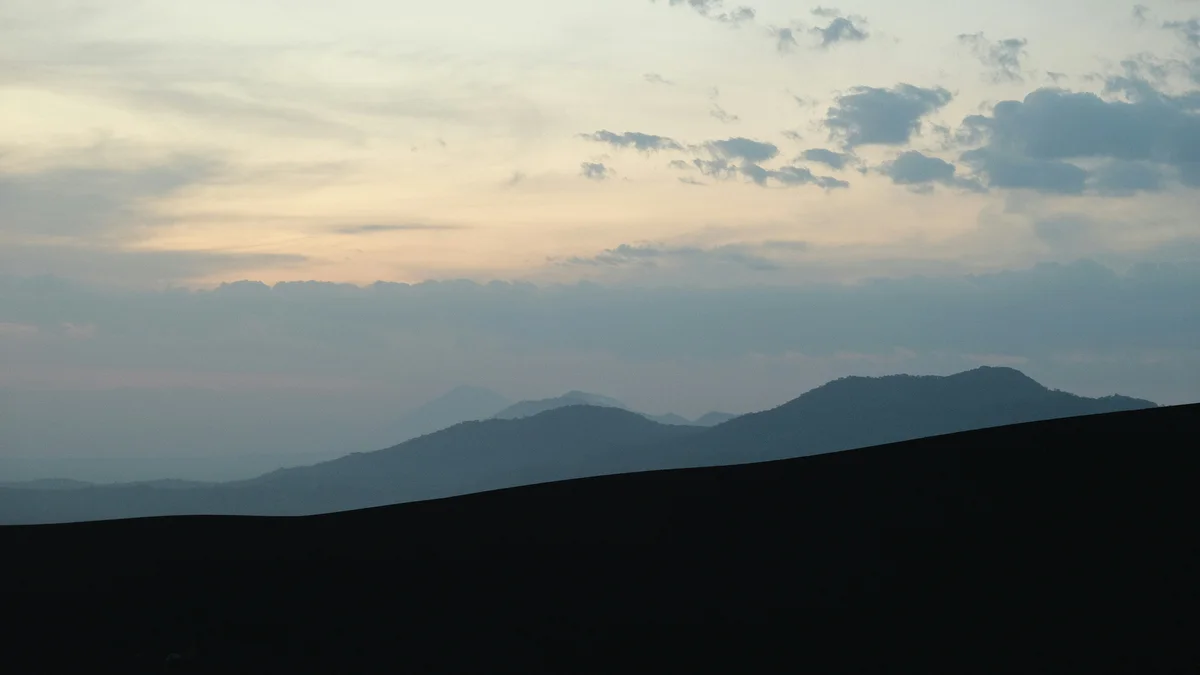
First formed by an eruption in 1850, Cerro Negro is one of the youngest volcanoes in the Western Hemisphere and remains one of Nicaragua's most active, with more than 20 recorded eruptions since it appeared. Its bare, jet-black slopes of loose volcanic ash and rock have made it a hub for volcano boarding, where visitors hike roughly 45 minutes to an hour up the cone before sliding back down on a reinforced board.
Visitor guide
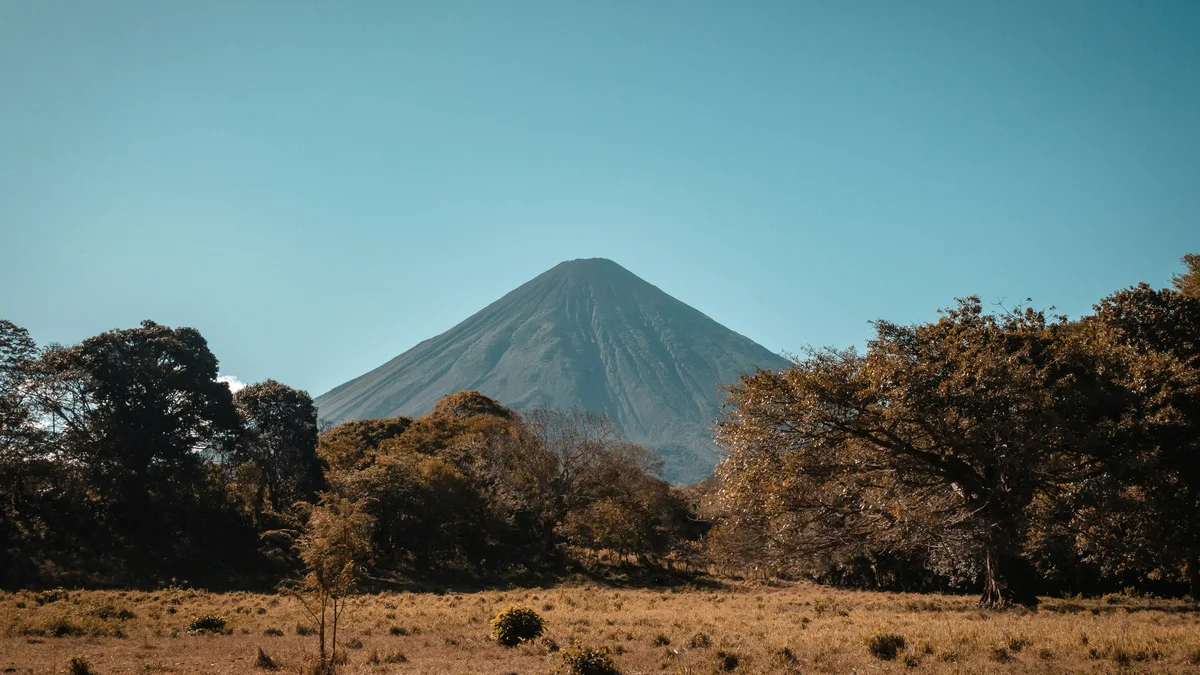
Cerro Negro is an active cinder cone in Nicaragua's León Department, about 10 kilometres from the village of Malpaisillo. It is part of the Cordillera de los Maribios in the Central America Volcanic Arc. Its name means Black Hill, after the dark gravelly basaltic cinders that contrast with the green hillsides around it.
According to the Global Volcanism Program as quoted by Wikipedia, Cerro Negro stands 728 metres tall. The volcano first appeared in April 1850, and the Wikipedia article calls it the youngest in Central America. It is a polygenetic cinder cone, the largest and southernmost of four cones along a northwest to southeast trend. The region's volcanism is driven by the Cocos Plate subducting beneath the Caribbean Plate at roughly 9 centimetres per year.
Cerro Negro has erupted about 23 times since 1850. The first recorded eruption lasted from 13 April to 27 May 1850. The largest in its recorded history was a VEI 3 sub-plinian event in 1923, and further VEI 3 eruptions occurred in 1947, 1968 and 1971. The 1947 eruption prompted evacuations of Malpaisillo, the 1968 eruption formed the Cristo Rey crater, and in 1971 the city of León recorded 18 centimetres of ash.
On 9 April 1992 a sub-plinian VEI 3 eruption produced an ash column about 7 kilometres high. More than 20,000 people were evacuated, several people died, and about 4 centimetres of ash fell across most of León, collapsing many roofs. In 1995 activity began on 29 May and included frequent small explosions and, later, larger ones that ejected blocks up to two metres across. Lava filled about two-thirds of the 1992 crater and added roughly 50 metres to the cone's height, and about 6,000 people were evacuated safely.
The most recent eruption described by Wikipedia began on 5 August 1999 and lasted two days. It followed three magnitude 5.2 earthquakes within three hours and was rated VEI 1, with fissures and three new vents on the south flank near Cristo Rey.
The Nicaraguan Seismic Network, run by INETER, monitors the volcano with a station on the cone, tracking seismicity, gas, ground deformation and temperature. The summit crater and the 1999 fissures remain the main source of volcanic gas, with an estimated CO2 output of 2,800 tonnes per day.
The bare, dark slopes of loose cinders are the reason Cerro Negro is well known to visitors. Wikipedia's article links to material on volcano boarding but gives no details, so those descriptions come from the site's general travel reputation: hikers climb the cone and slide down on a board. Because the volcano is active, access and conditions can change, and anyone planning a visit should check locally. A private guided visit can be combined with the city of León, whose cathedral and colonial centre lie within reach of the volcano's ash fall history.
See every tour and attraction we cover in Nicaragua.