TorontoOntario · 36 tours
 Niagara FallsOntario · 25 tours
 New York CityNew York · 30 tours
 Las VegasNevada · 8 tours
 San FranciscoCalifornia · 16 tours
 VancouverBritish Columbia · 17 tours
 DubaiUAE · 54 tours
 Abu DhabiUAE · 5 tours
 Buenos AiresArgentina · 23 tours
 AthensGreece · 31 tours
 AucklandNew Zealand · 38 tours
 CancunMexico · 54 tours
No destinations match “”. Try searching all tours instead — that search understands full questions, not just place names.
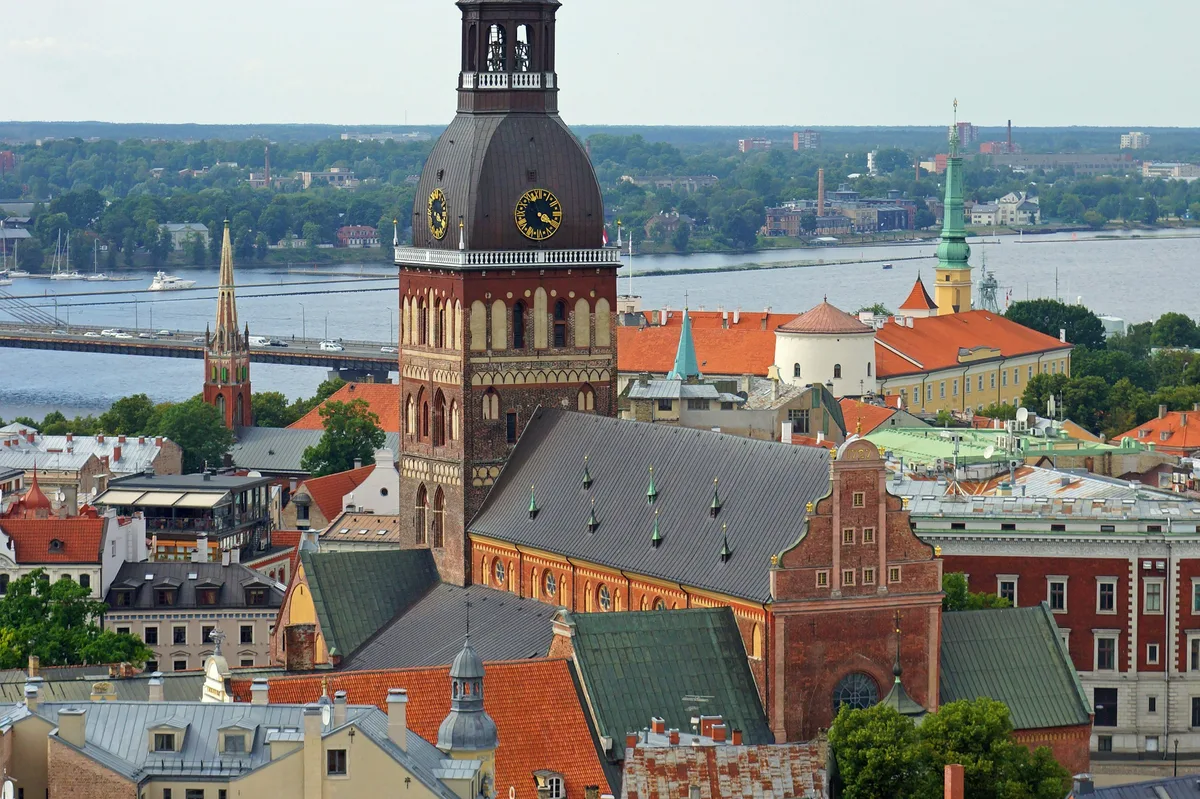
The medieval heart of Latvia's capital, founded over 800 years ago, with cobbled streets running past Riga Castle, the 13th-century Cathedral, St. Peter's Church, and one of Europe's largest collections of Art Nouveau buildings.
 Multi-Day Tours
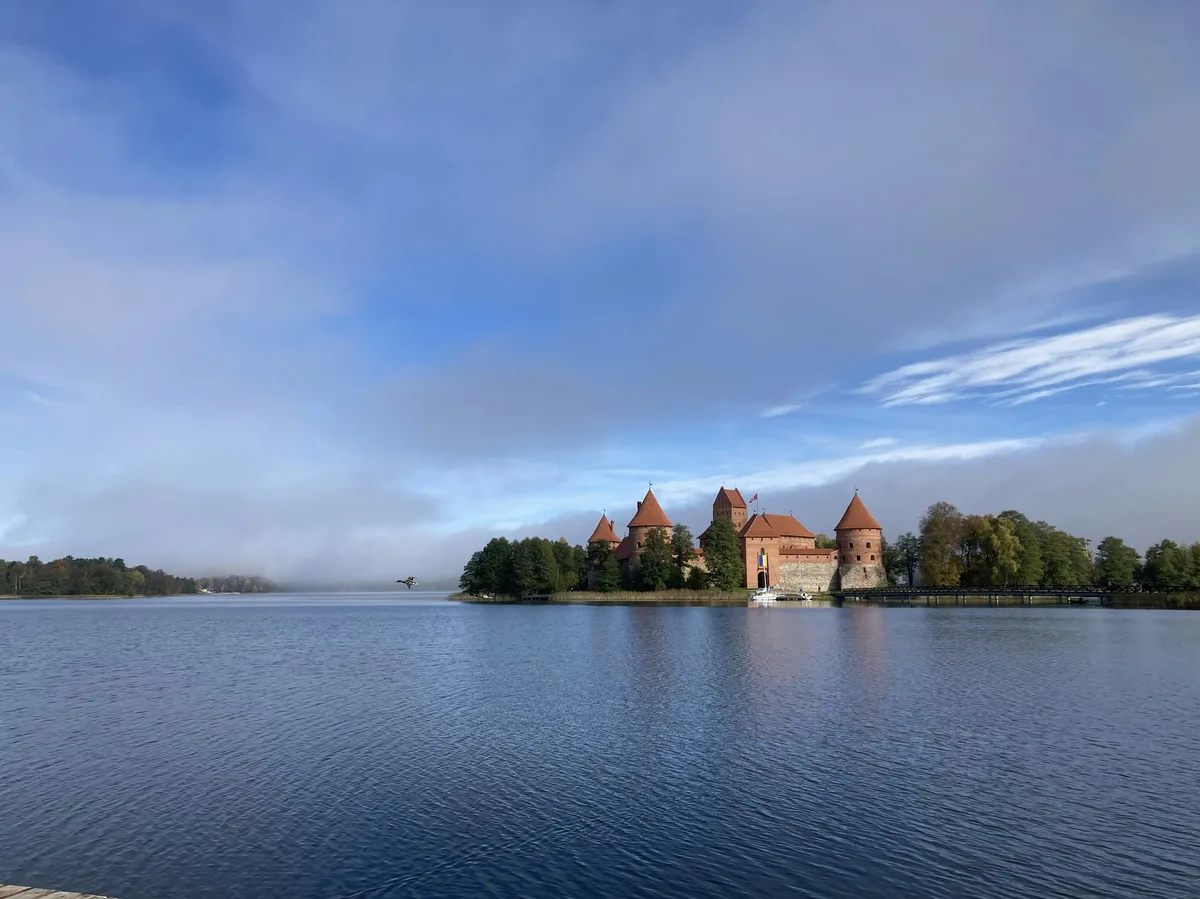
A 10-day private circuit through all three Baltic capitals and on to Finland — Vilnius and Trakai Castle, Riga's Art Nouveau streets, Tallinn's medieval Old Town and Lahemaa National Park, finishing with a ferry crossing to Helsinki.
 Multi-Day Tours
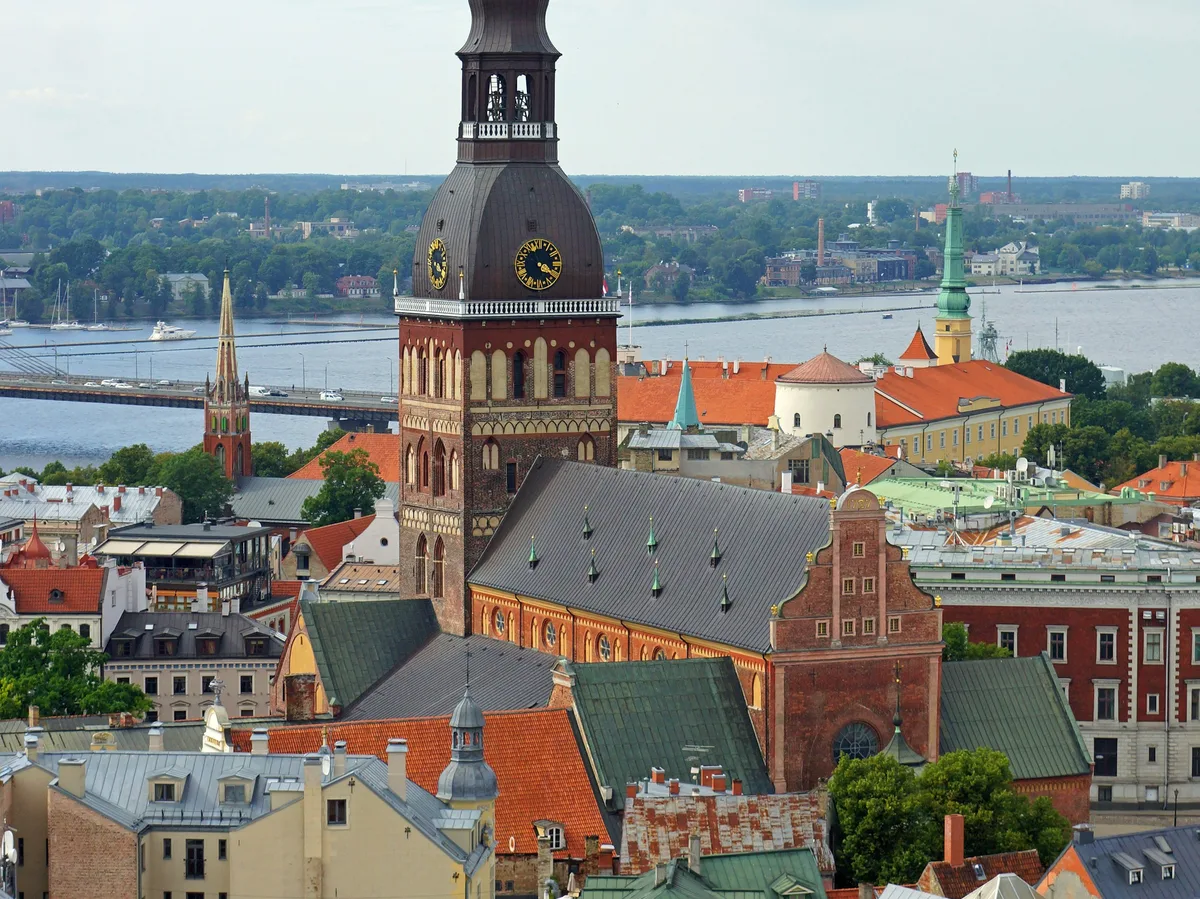
A gently-paced 10-day tour of all three Baltic capitals — Vilnius, Riga, and Tallinn — with free afternoons built in throughout, a hot-air balloon flight over Trakai, and castle stops along the way, ending in Estonia.
 Multi-Day Tours
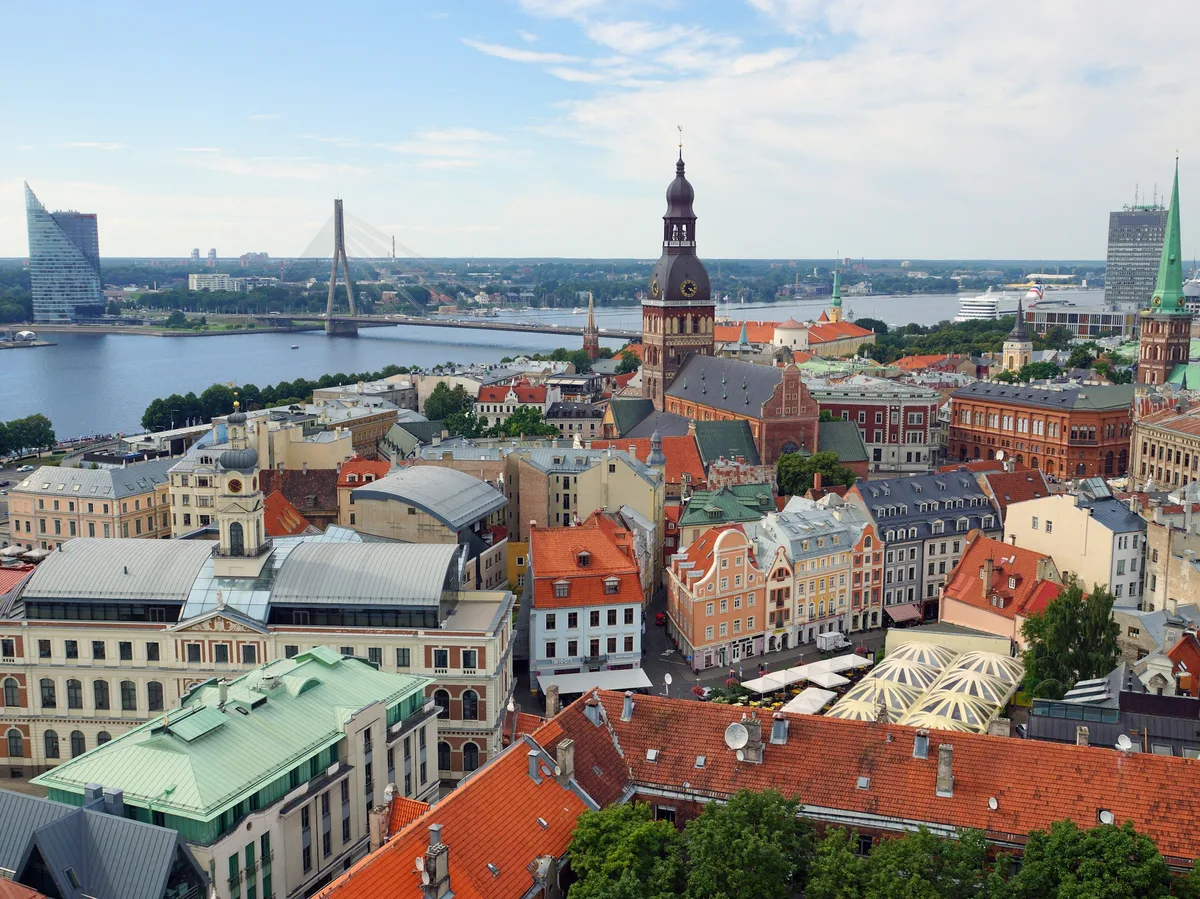
A comprehensive 18-day journey across four countries — Lithuania's Vilnius and Klaipėda, Latvia's Kuldīga and Riga, Estonia's Tartu and Tallinn, and southern Finland's Helsinki and Turku — for travelers who want to see the whole region in depth.
 Multi-Day Tours
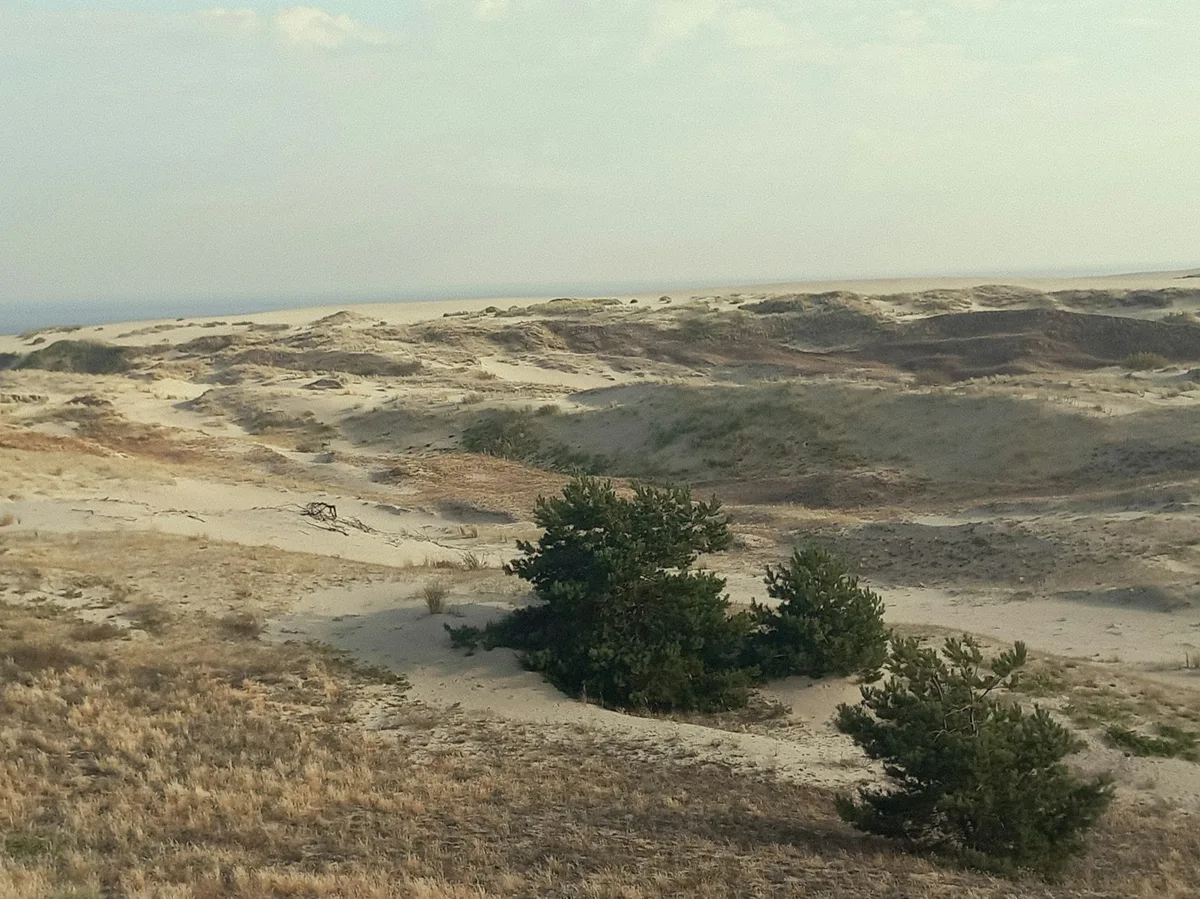
A 15-day active route across all three Baltic states — Tallinn and Lahemaa, kayaking and biking around Riga and Jurmala, and the dune landscapes of the Curonian Spit — adapted from a self-drive itinerary into a private chauffeured trip.
 Multi-Day Tours
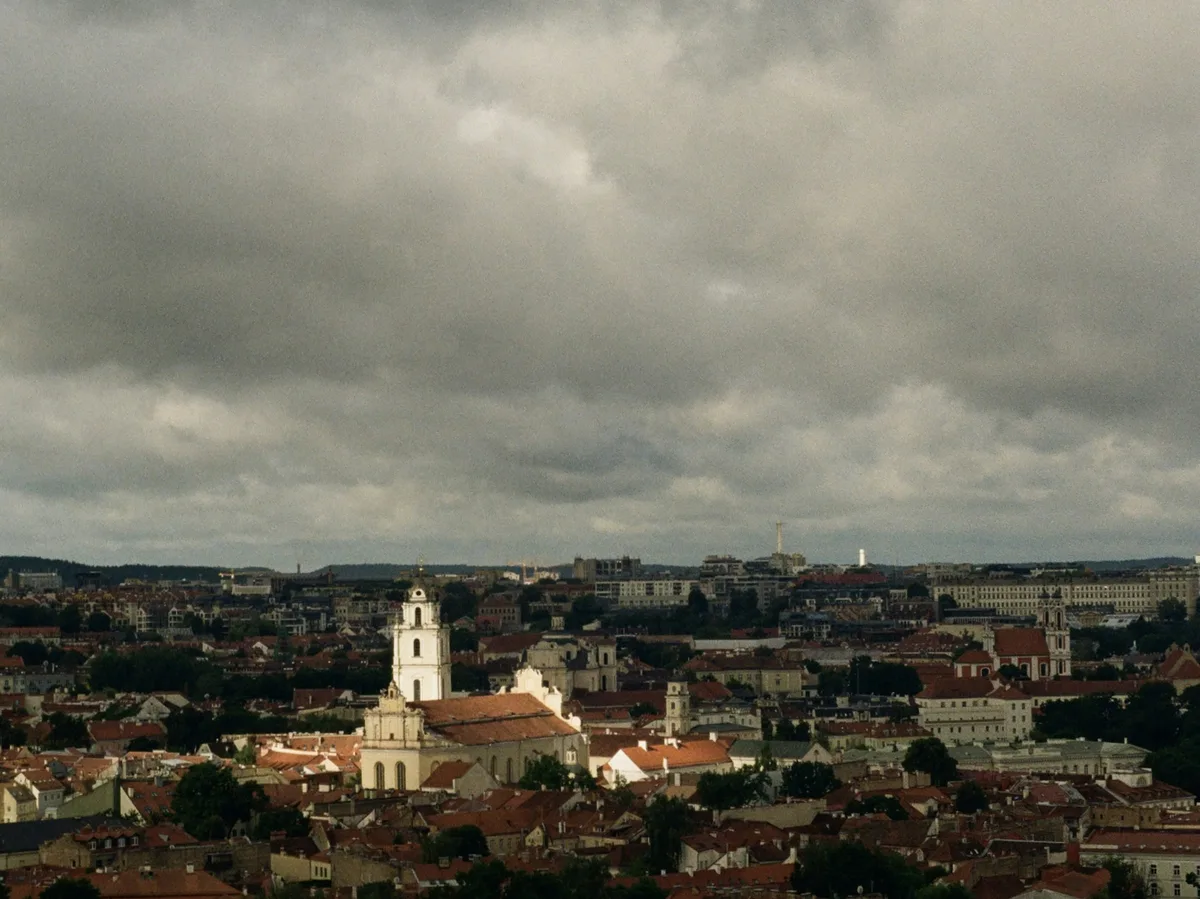
A 13-day route through Estonia and Latvia — Tallinn's Old Town, a hike in Lahemaa National Park, Tartu, medieval Cēsis, kayaking on the Gauja River, and Riga's Art Nouveau streets — adapted from a self-drive itinerary into a private chauffeured trip.
 Multi-Day Tours
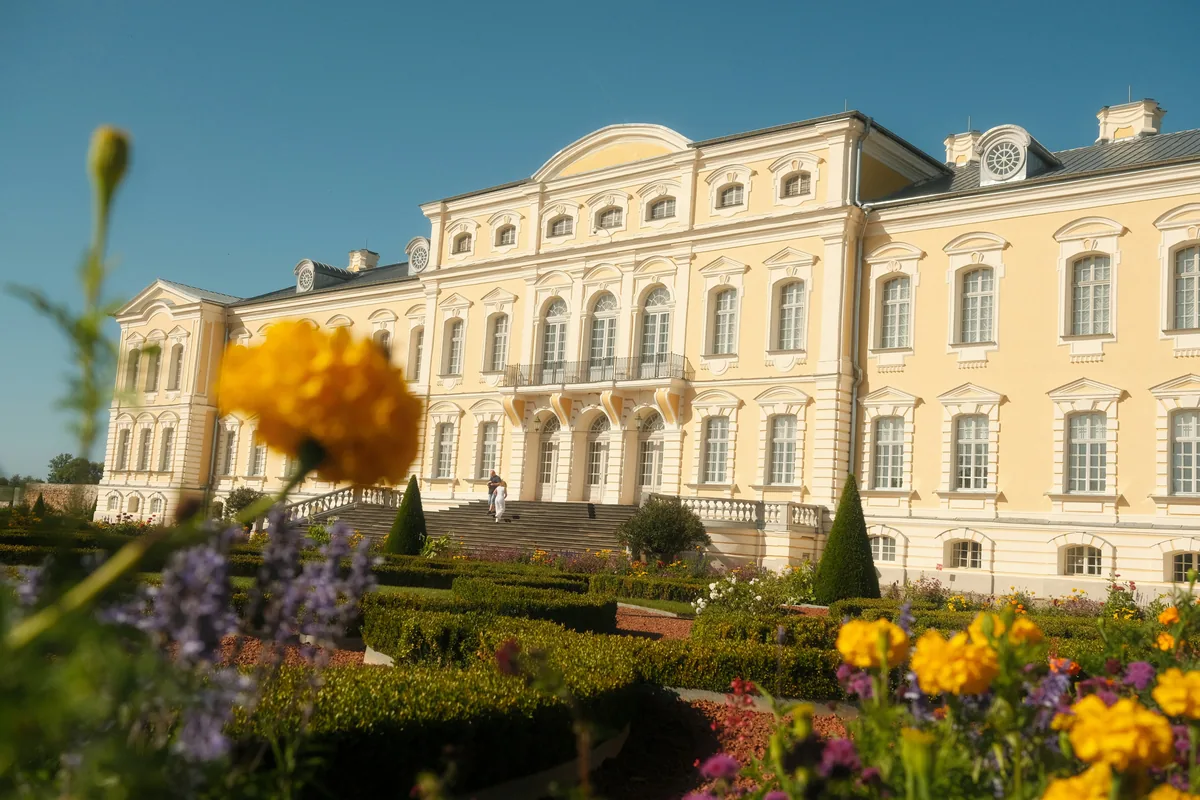
An 8-day loop from Riga through Latvia's national icons — Gauja National Park, Rundāle Palace, the medieval streets of Kuldīga, the port city of Liepāja, and the Baltic Sea coast through Jūrmala.
 Multi-Day Tours
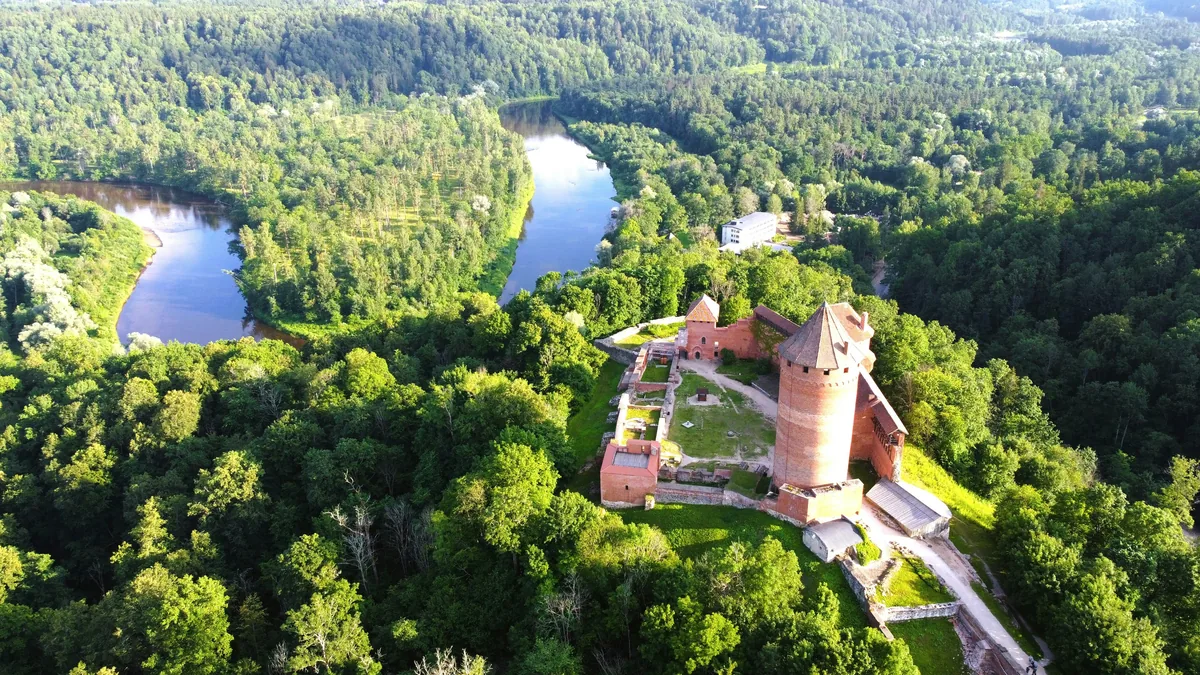
A 10-day, in-depth loop from Riga through Gauja National Park, the medieval town of Cēsis, Rundāle Palace, Kuldīga, Liepāja, the resort town of Jūrmala, and the bogs and former spa town of Ķemeri National Park.
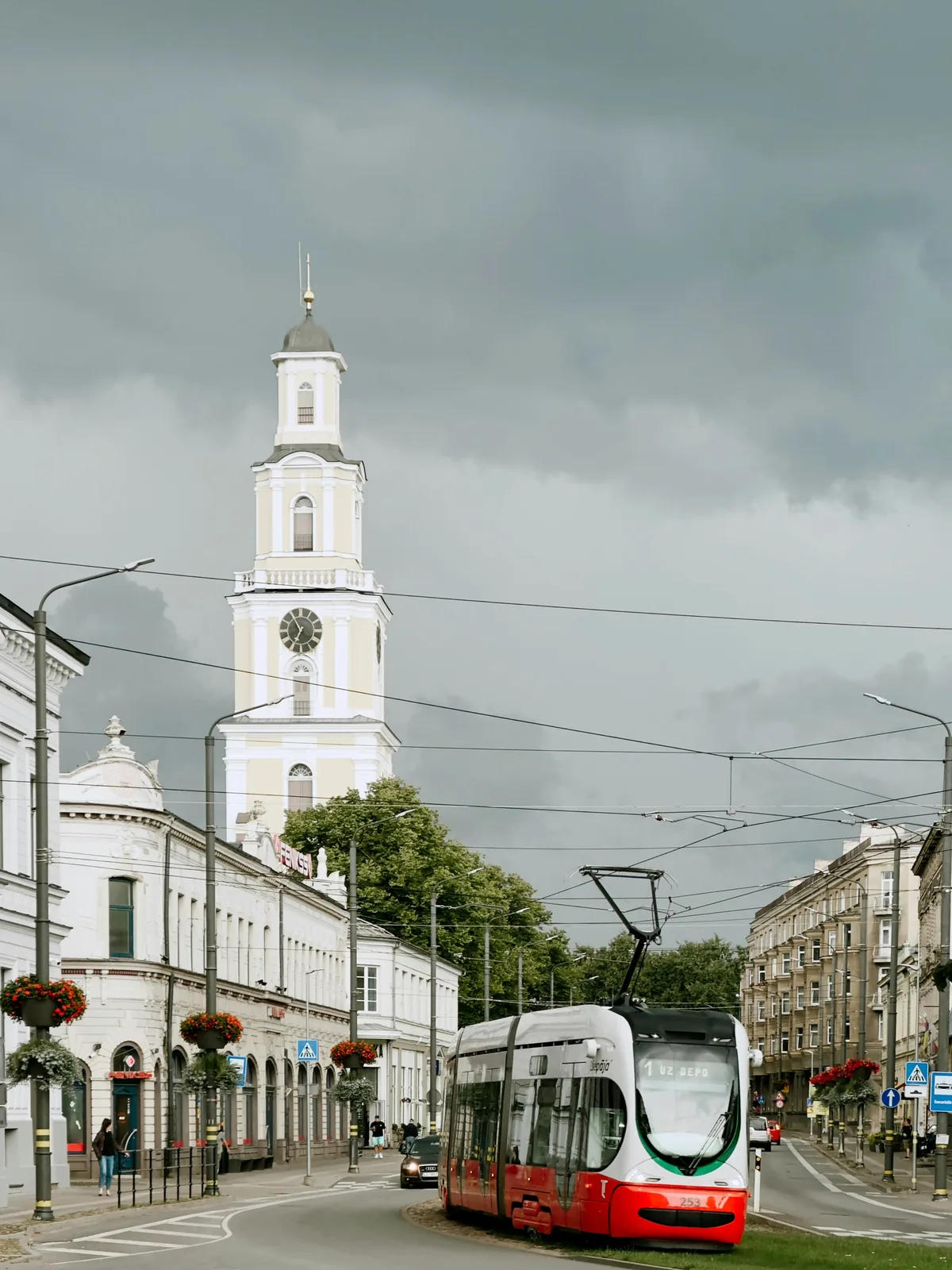 Multi-Day Tours
A 13-day adventure across Latvia and Lithuania — hiking, biking, and kayaking through Gauja and Ķemeri National Parks, the Curonian Spit's sand dunes, Kuldīga and Liepāja, and the medieval castles of Trakai and Vilnius.
Visitor guide
Riga Old Town, known in Latvian as Vecriga, is the medieval core of Latvia's capital and part of the UNESCO-listed Historic Centre of Riga. It lies on the east bank of the Daugava River and keeps the layout of a Hanseatic trading town, with churches, guild houses and a castle.
Wikipedia records that German traders established an outpost near the Daugava's mouth in 1158, and that Bishop Albert moved the seat of the Livonian bishopric to Riga in 1201, the year the city is first mentioned. Albert began fortifying the town in 1207, and in 1211 he laid the cornerstone of the Riga Dom, the cathedral. Riga received city rights in 1225 and joined the Hanseatic League in 1282, which brought economic and political stability.
The city accepted the Reformation in 1522. After the Livonian Order collapsed in 1561 Riga passed through Polish-Lithuanian, Swedish and, from the early 18th century, Russian rule, while keeping many of its privileges. Latvia declared independence on 18 November 1918 with Riga as its capital.
Vecriga covers less than one square kilometre and kept its medieval boundaries until the city expanded greatly in the late 19th century. A wall once protected it on every side except the riverbank; after the wall was demolished, water from the Daugava was diverted into the former line to create the Riga City Canal, and a reconstructed section of the medieval wall can still be seen.
Riga Castle was founded in 1330 under a treaty between the city and the Livonian Order, was destroyed in 1484 and rebuilt by 1515. It has been the residence of the President of Latvia since 1922, with several museums in its southern part. Landmarks include the Dome Cathedral, St Peter's Church, St James's Cathedral, the Town Hall Square and the House of the Blackheads with its statue of Roland.
The historic centre was heavily damaged by bombing in World War II. St Peter's Church lost its wooden tower in a fire and was renovated in 1954, while the House of the Blackheads was completely destroyed and a facsimile was built in 1995. Wikipedia also notes concern over construction projects that use underground space and may affect archaeological remains.
The Historic Centre of Riga was inscribed on the UNESCO World Heritage List in 1997 and is noted for its Art Nouveau architecture and 19th-century wooden architecture, in addition to the medieval core. In the early 1990s the Old Town's streets were closed to general traffic, making it well suited to walking. Most early buildings were wooden, but many works survive from the medieval, Renaissance and Baroque periods, and there are notable Art Nouveau buildings by the architect Mikhail Eisenstein. Several museums are located here, including the Museum of the History of Riga and Navigation and the Latvian War Museum.
A private guided tour with a driver is a convenient way to combine the Old Town's compact lanes with the Art Nouveau streets just beyond its canal.
See every tour and attraction we cover in Latvia.