 TorontoOntario · 36 tours
 Niagara FallsOntario · 25 tours
 New York CityNew York · 30 tours
 Las VegasNevada · 8 tours
 San FranciscoCalifornia · 16 tours
 VancouverBritish Columbia · 17 tours
 DubaiUAE · 54 tours
 Abu DhabiUAE · 5 tours
 Buenos AiresArgentina · 23 tours
 AthensGreece · 31 tours
 AucklandNew Zealand · 38 tours
 CancunMexico · 54 tours
No destinations match “”. Try searching all tours instead — that search understands full questions, not just place names.
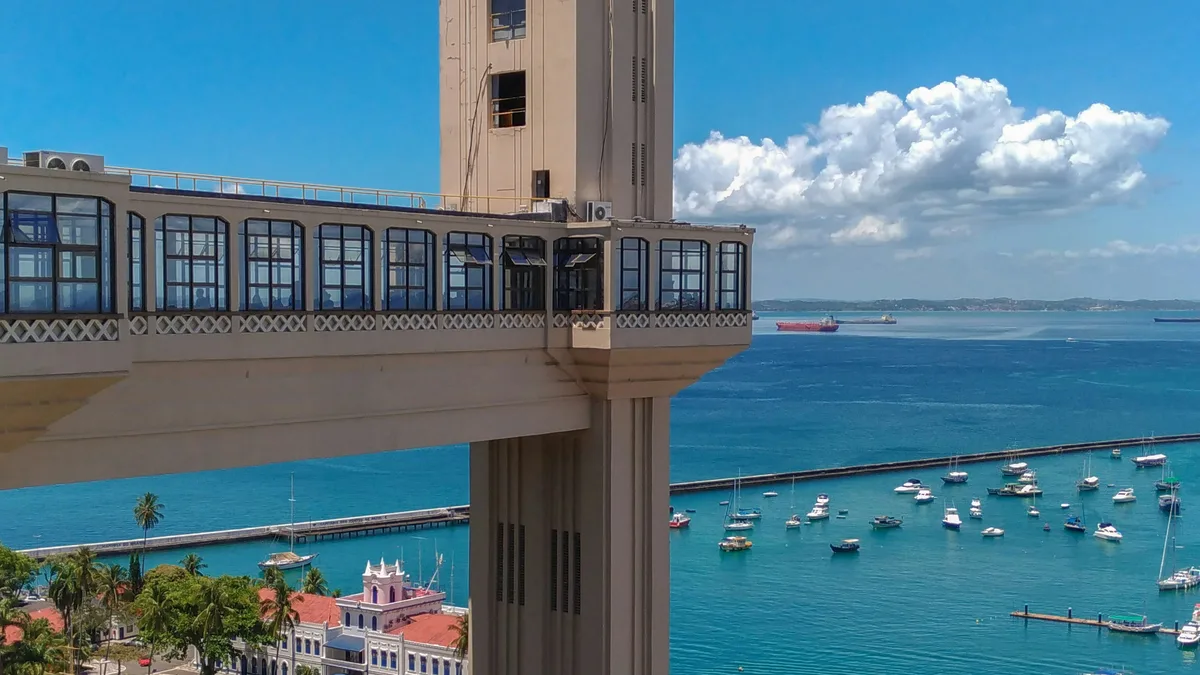
Voyzo runs 16 tours in Salvador, covering 5 top attractions. A private tour means your own guide, driver, and vehicle and an itinerary built around your group rather than a fixed bus schedule.
Private Tours
A private sightseeing tour through Salvador's must-see landmarks, from the Barra Lighthouse and Barra Fortress to the cobblestone streets of Pelourinho, with round-trip hotel transportation included.
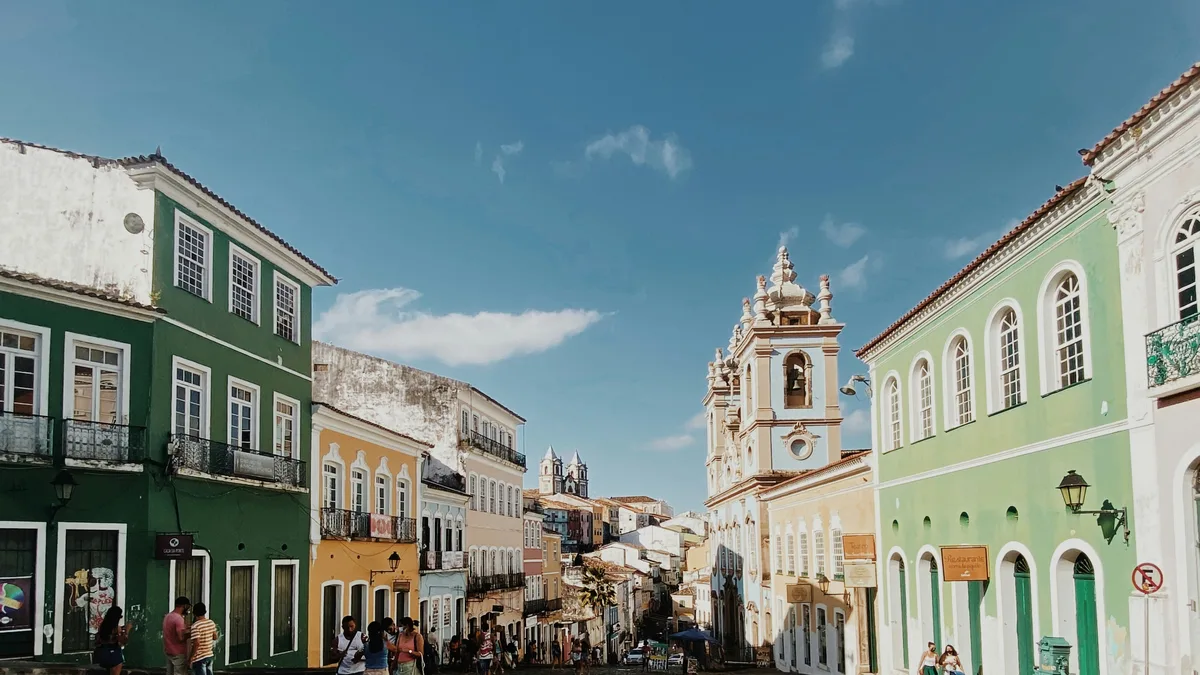 Private Tours
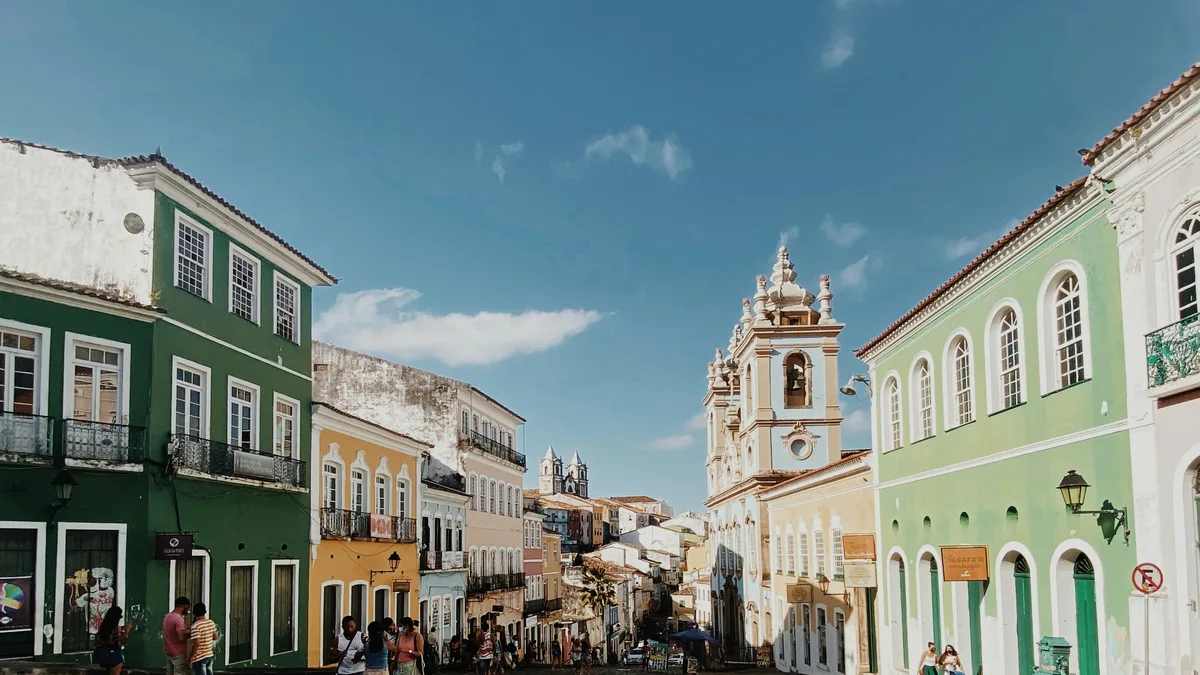
A private walking tour through Pelourinho, Salvador's UNESCO World Heritage-listed old town, focused on the colonial architecture, cobblestone squares, and layered African and Portuguese history that cars can't reach.
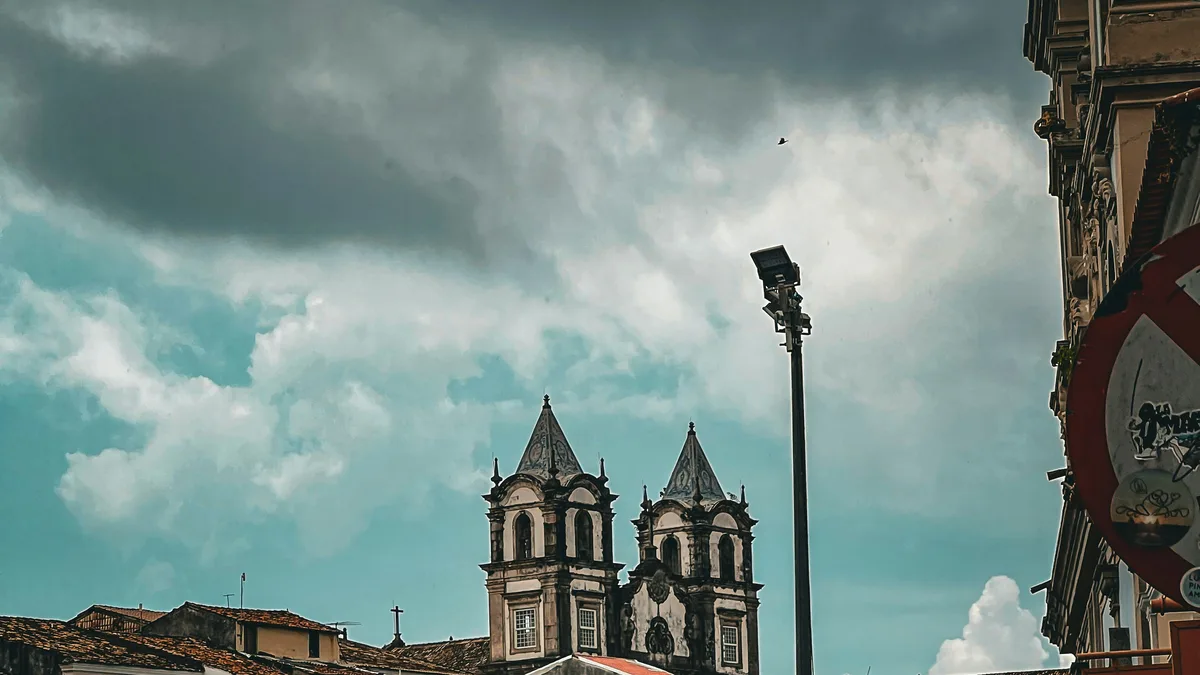 Private Tours
A full-day private tour that moves at your own pace through Salvador's upper and lower city, with time for street food, photography stops, and real conversation about African heritage, religion, and daily life in Bahia.
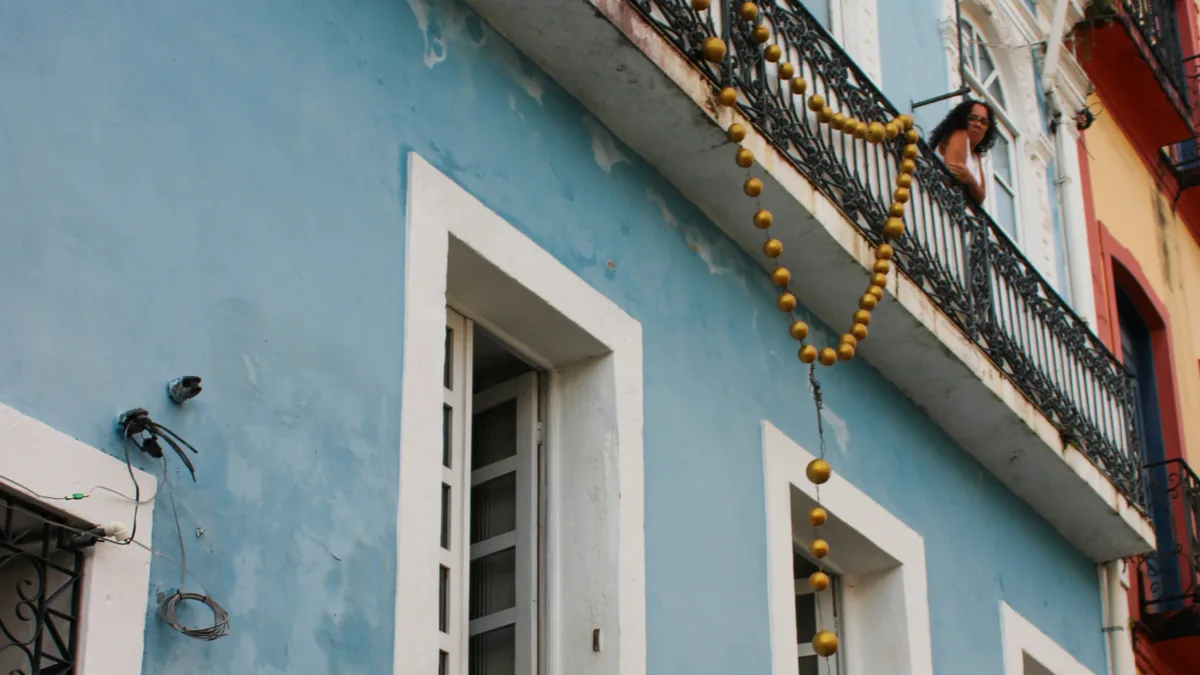 Private Tours
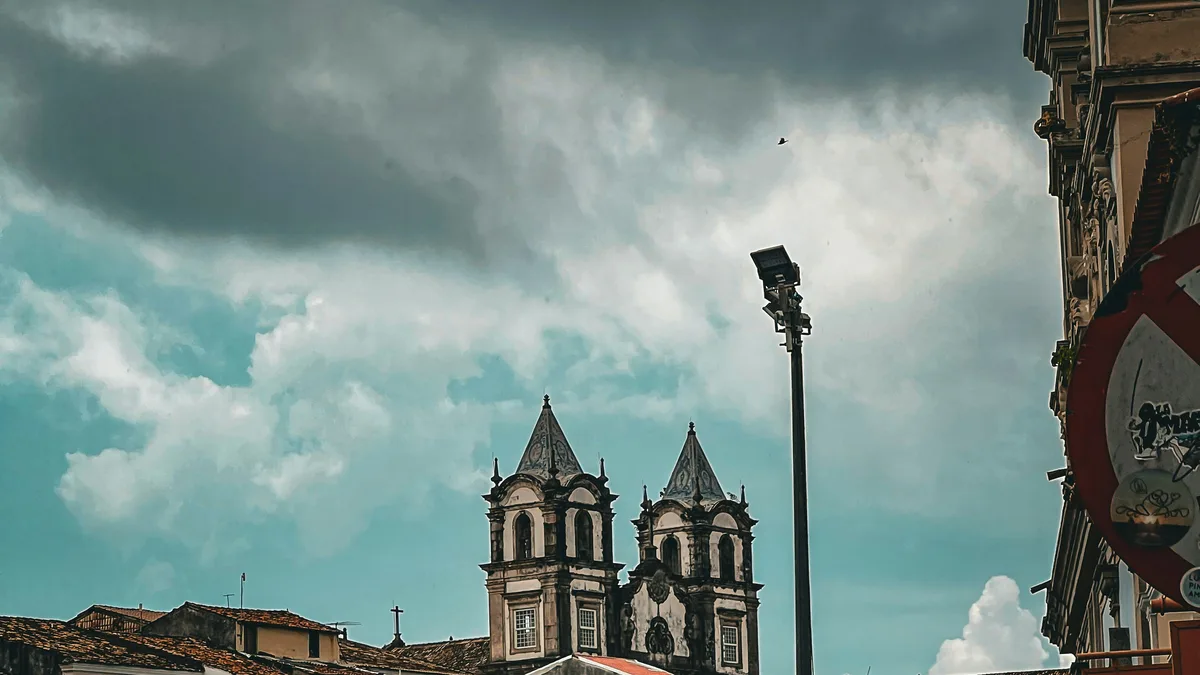
A private tour of Pelourinho focused specifically on Salvador's African heritage, including a visit to the Afro-Brazilian Museum and the historic Rosary of the Blacks church, built by a Black brotherhood granted its land in 1704.
 Private Tours
A full-day private tour covering Salvador's distinct geography — the calm waters of the Lower City along Todos os Santos Bay, the Itapagipe Peninsula, and the historic Upper City where the Historic Center sits.
 Private Tours
A private walking tour beginning at the Cathedral Basilica of Salvador, tracing the influence and legacy of African culture through Terreiro de Jesus and the history of Portuguese colonization and the Jesuit missions in Bahia.
 Private Tours
A private 6-hour tour covering Barra Fort, Carmo Church, and Montserrat Fortress, with all-inclusive transportation from your accommodation, ideal for getting a complete overview of Salvador's UNESCO-listed attractions.
 Private Tours
A private cultural tour exploring Candomblé, the Afro-Brazilian religious tradition rooted in Salvador, with stops at the Afro-Brazilian Museum, the Pierre Verger Foundation, and a real Candomblé terreiro community.
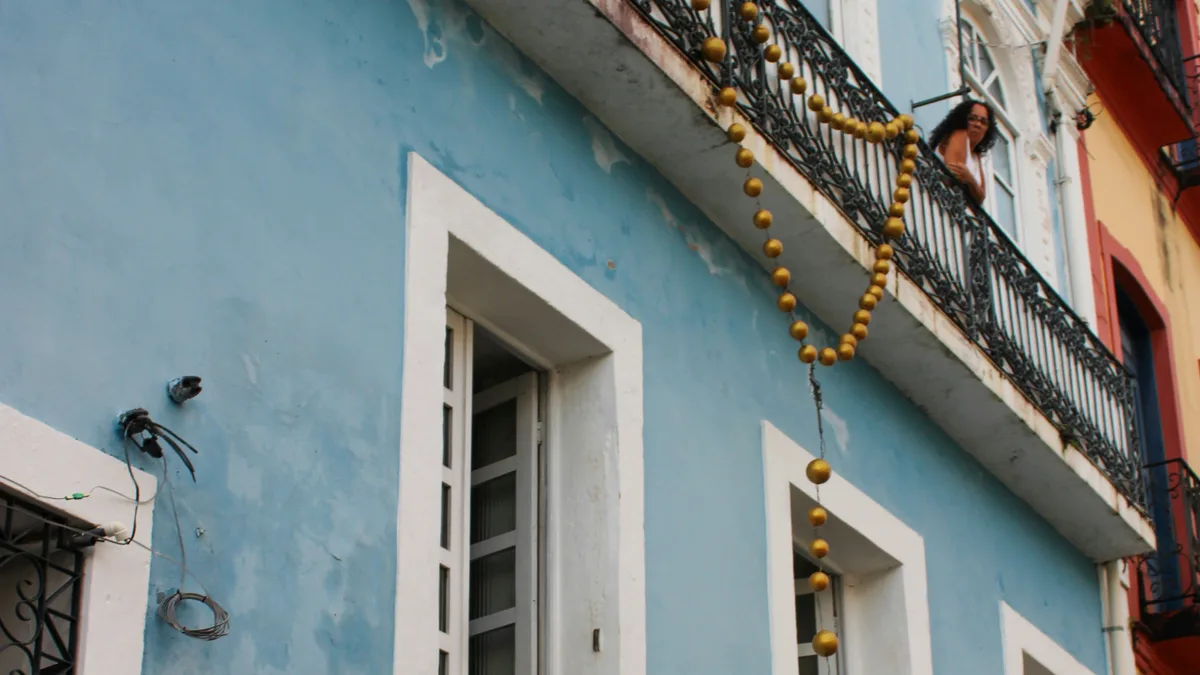 Private Tours
A private anthropological tour exploring the history of African culture in Bahia, from the São Joaquim Market founded by enslaved Africans to a home-cooked traditional bean stew lunch with a local family, finishing at Rio Vermelho beach and the altar of Iemanjá.
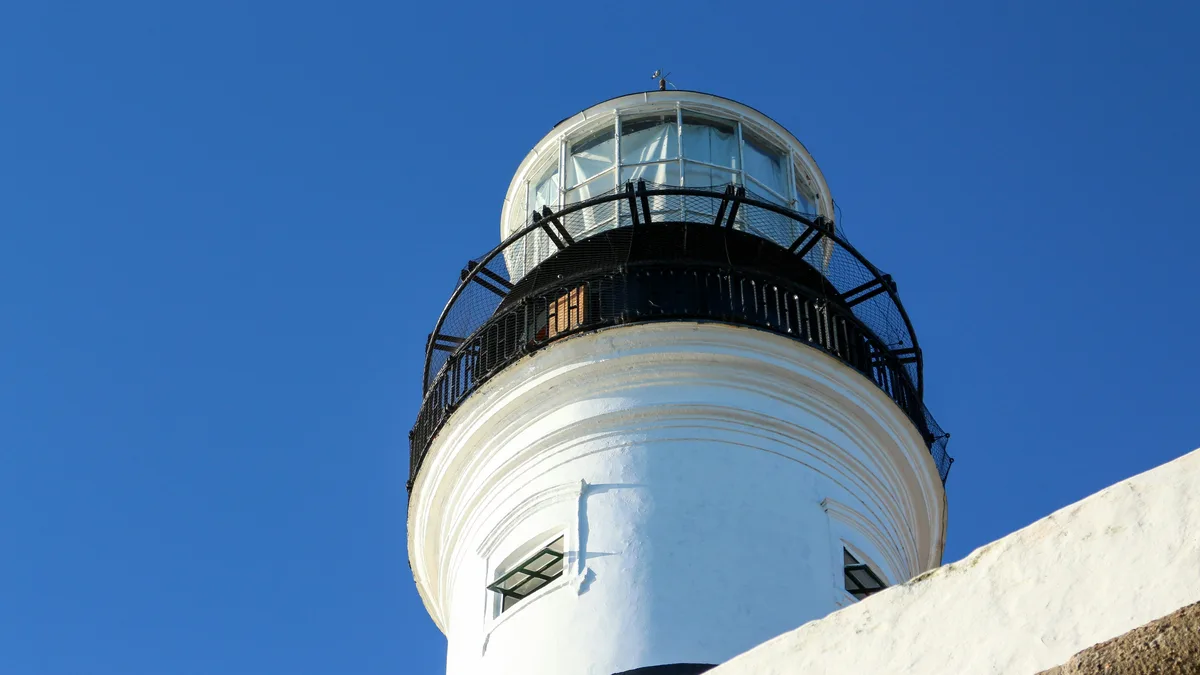 Private Tours
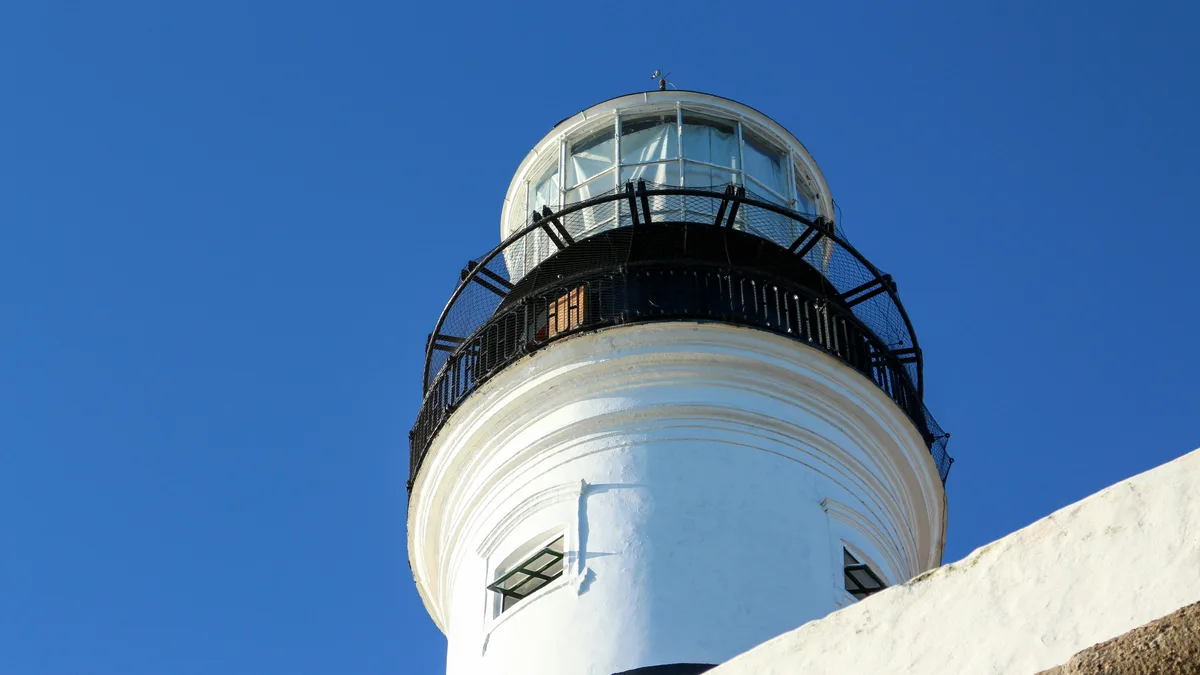
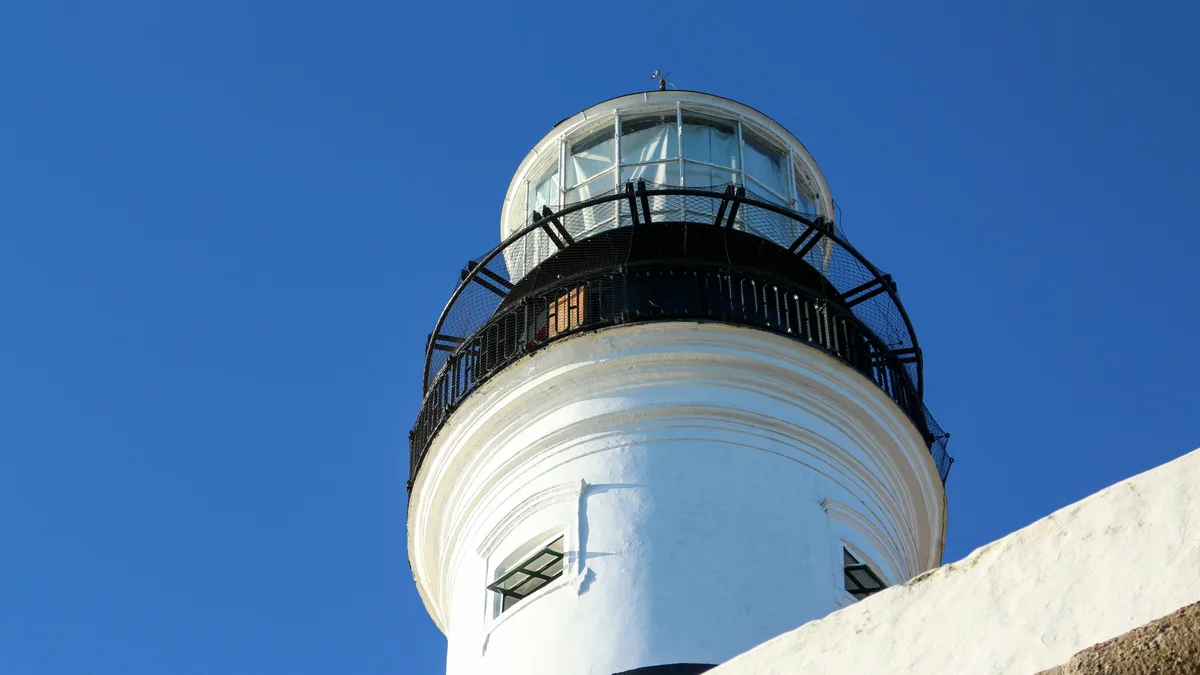
A private tour of the Museu Náutico da Bahia, housed inside the historic Farol da Barra lighthouse, with included admission to see shipwreck artifacts, antique maps, and sweeping ocean views from one of Salvador's most recognizable landmarks.
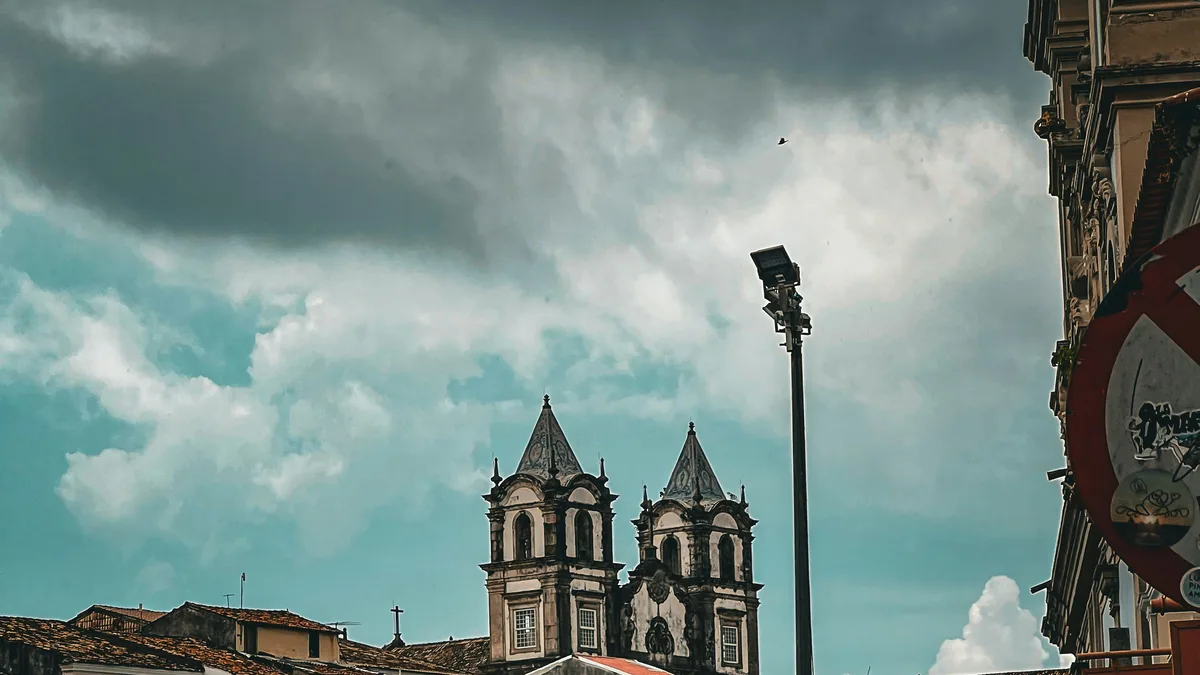 Private Tours
A full-day private trip from Salvador to Cachoeira, a colonial town protected as a Brazilian National Monument along the Recôncavo Baiano, with visits to the historic Carmo and Rosário churches, the colonial-era jail, a local farm lunch, and a tour of the Dannemann cigar factory.
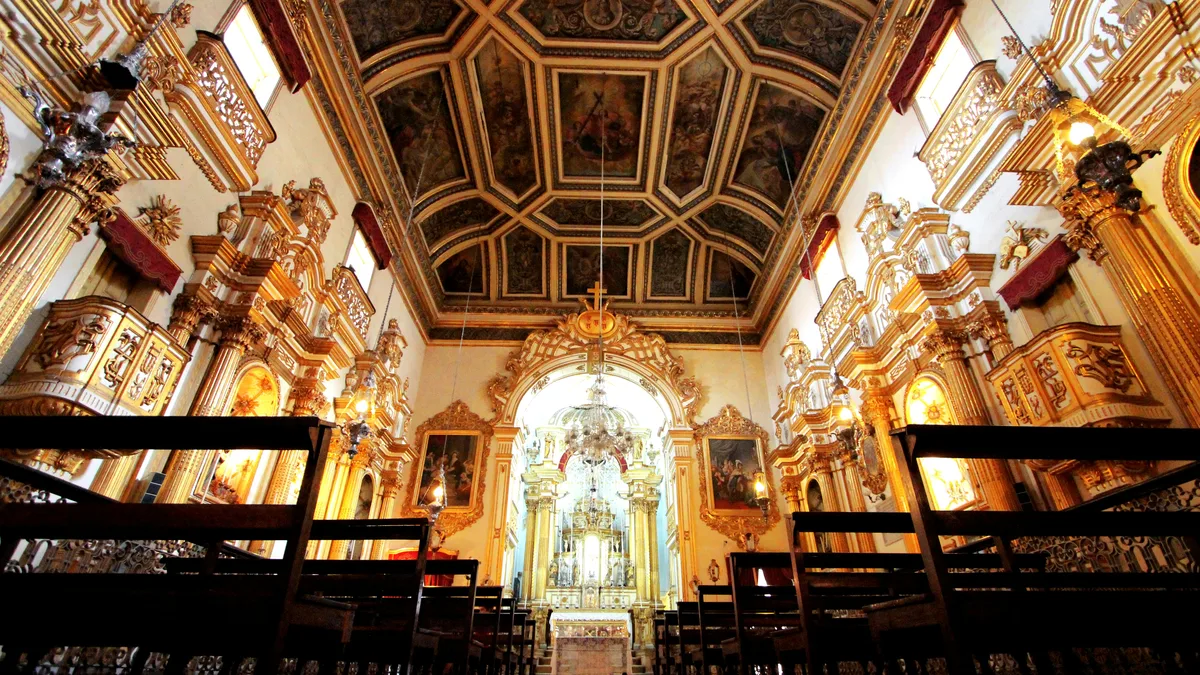 Private Tours
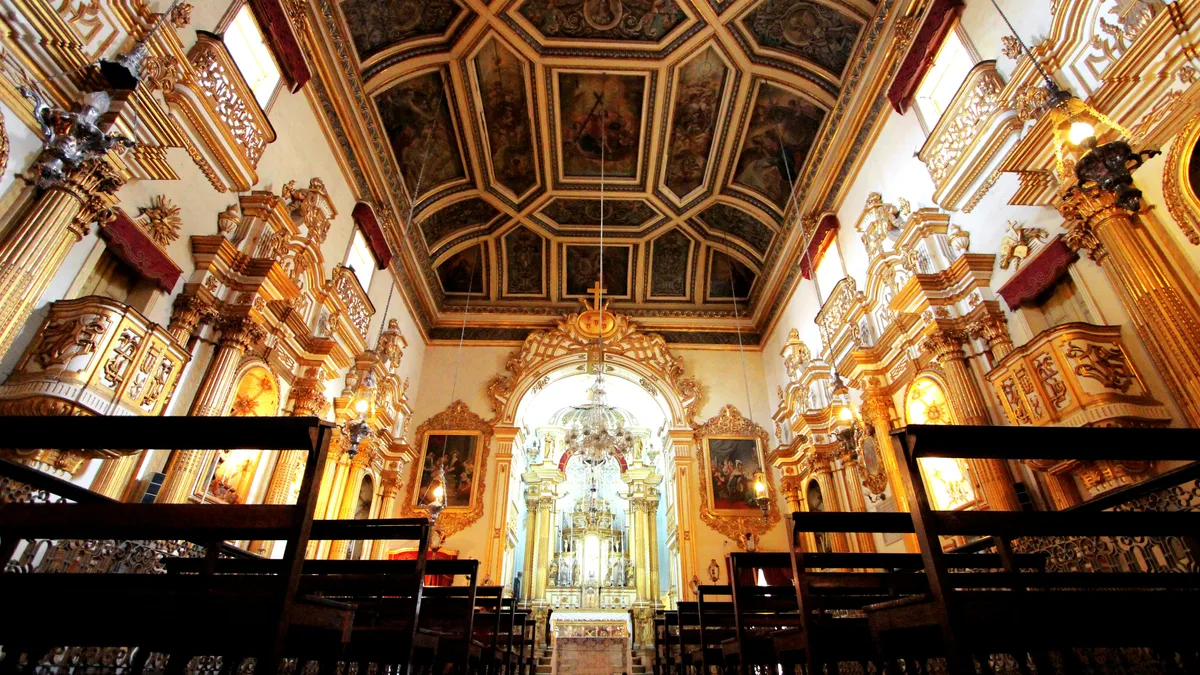
A private tour of the Igreja e Convento de São Francisco, famous for its gold-leafed Baroque interior and intricate azulejo tiles, with a licensed guide to explain the church's role in Brazil's colonial and cultural history.
 Private Tours
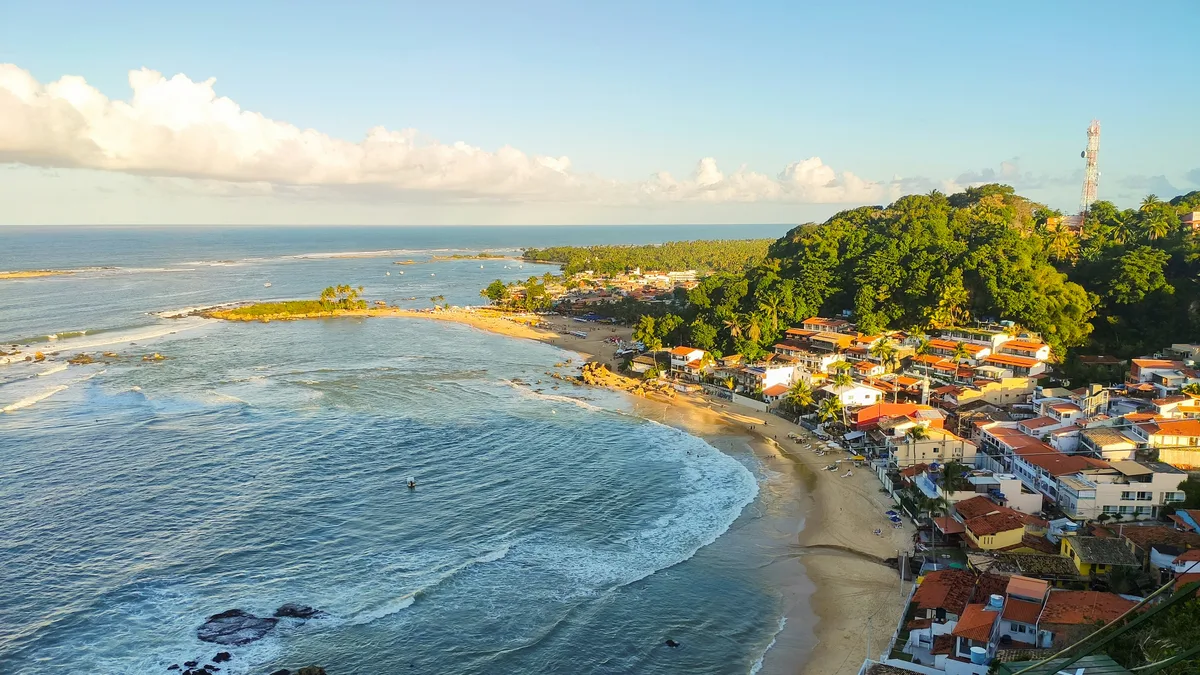
A private day trip along Bahia's Costa dos Coqueiros (Coconut Coast), visiting the fishing-village-turned-resort-town of Praia do Forte and the beach village of Guarajuba, with a stop to learn about the Tamar Project's work protecting endangered sea turtles.
 Classes & Workshops
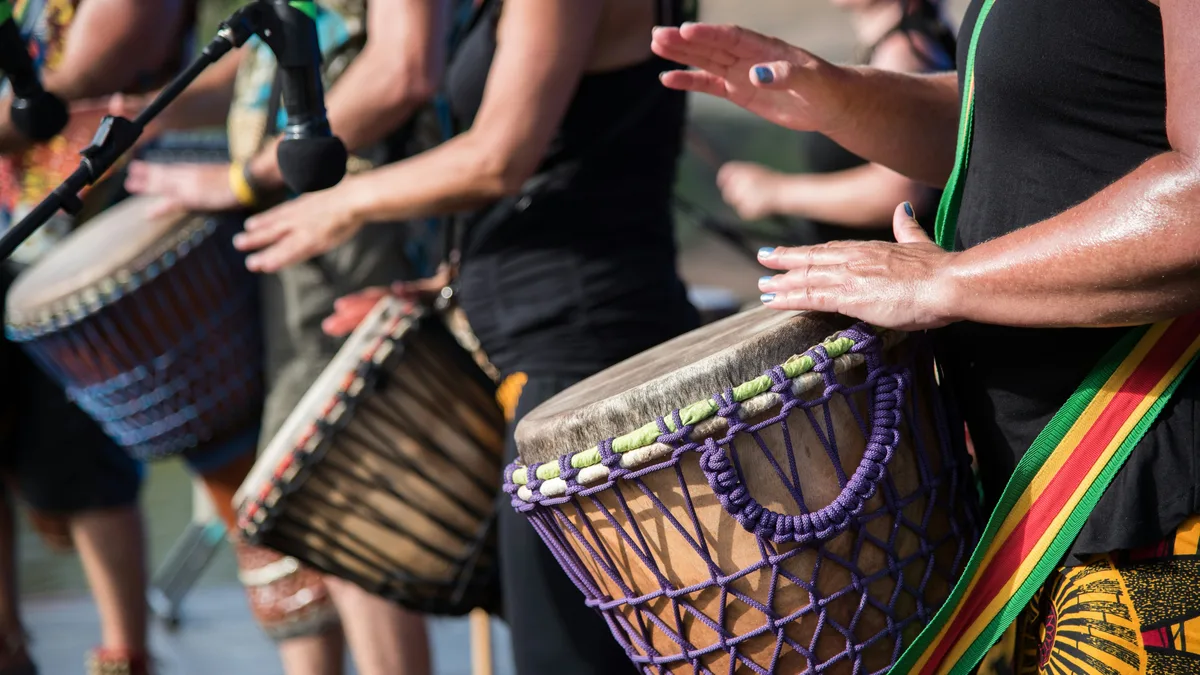
A private percussion workshop exploring the rhythms and beats that provide the backdrop for Bahia's famous Carnival, taught by a professional percussion teacher who traces the music's roots in Samba de Roda and Candomblé ceremony back to the African continent.
 Classes & Workshops
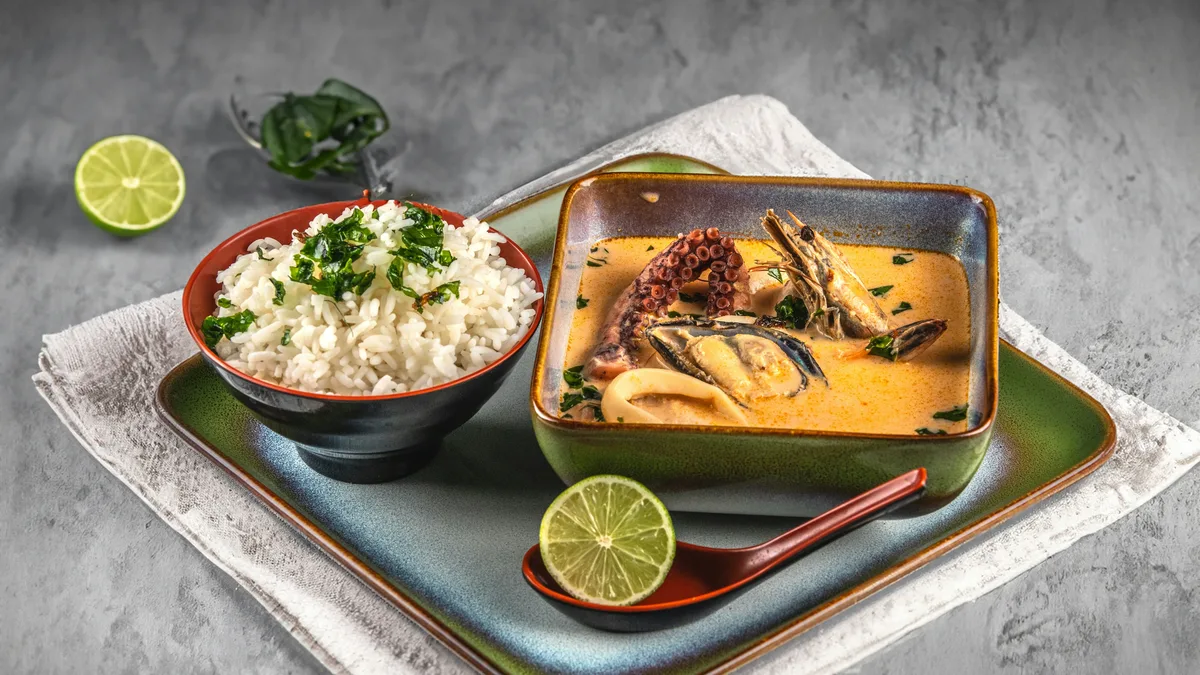
A private gastronomic experience learning to cook fish moqueca, one of Bahia's signature dishes, starting with a visit to a local market to learn about the ingredients, followed by a stop at the Museum of Bahian Gastronomy and a hands-on class with an expert Bahian chef.
 Active & Outdoor
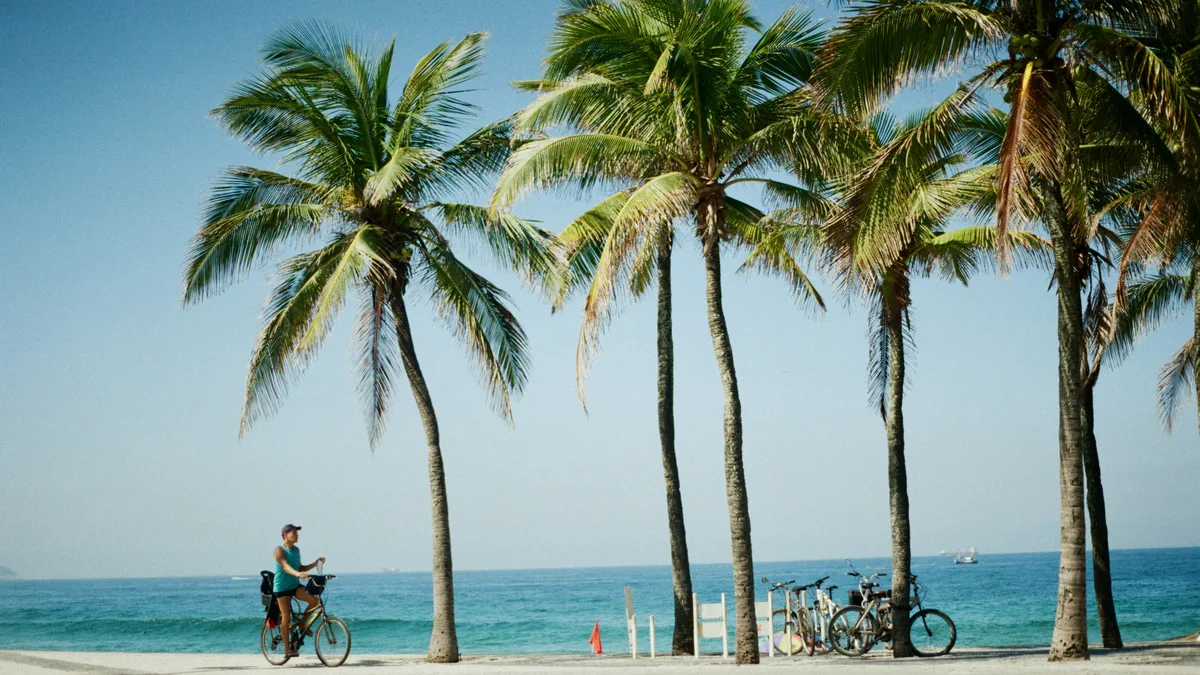
A private bike tour along Salvador's southern beaches, circling the calm waters of Todos os Santos Bay and the open Atlantic coast, a different and active way to take in the city's geography and history.
Private tours in Salvador are matched to your party size — here's the fleet we draw from for this region.
| Vehicle | Model | Capacity | Best For |
|---|---|---|---|
| Private Car / SUV | Chevrolet Trailblazer or similar | Up to 5 guests | A comfortable, air-conditioned SUV for couples or small families touring Rio, the coast, or the colonial towns of Minas Gerais. |
| Private Van | Mercedes-Benz Sprinter, air-conditioned | Up to 12 guests | Our most popular choice for small groups and families moving between cities, with room for luggage on longer multi-day routes. |
| Mini-Coach | Marcopolo mini-coach | Up to 25 guests | A full-size, air-conditioned mini-coach for larger groups traveling together across Brazil's longer multi-day itineraries. |
Popular stops our guides build into Salvador itineraries — tap any attraction to learn more.
 Elevador Lacerda
Salvador
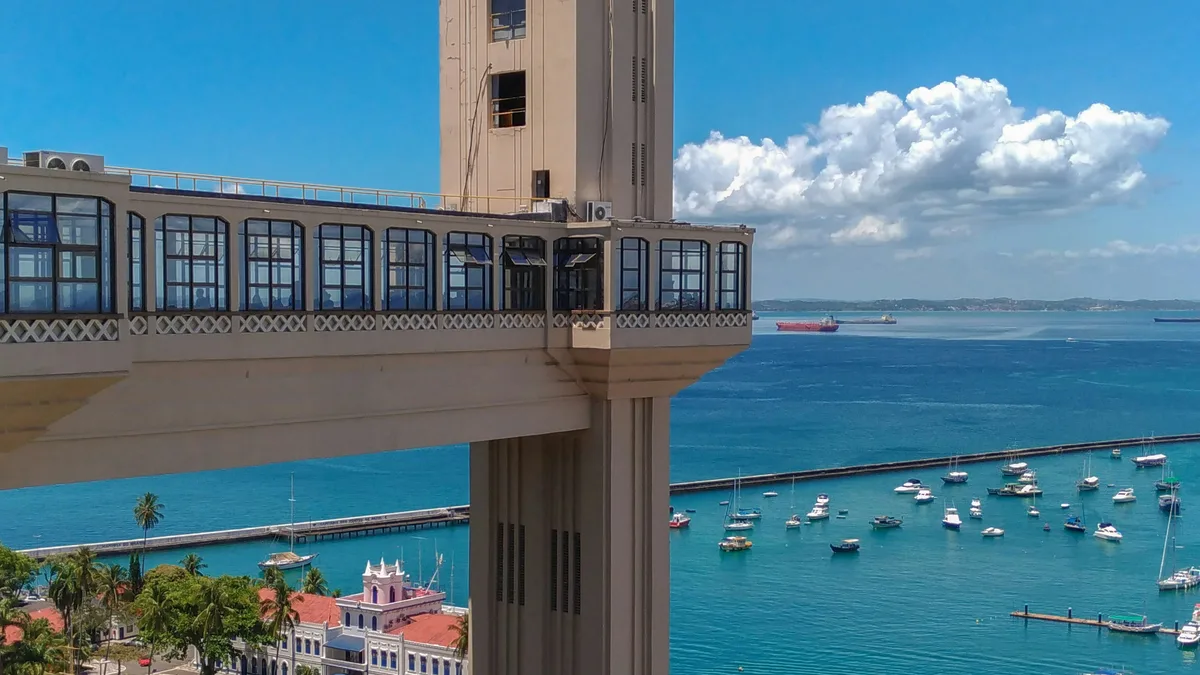
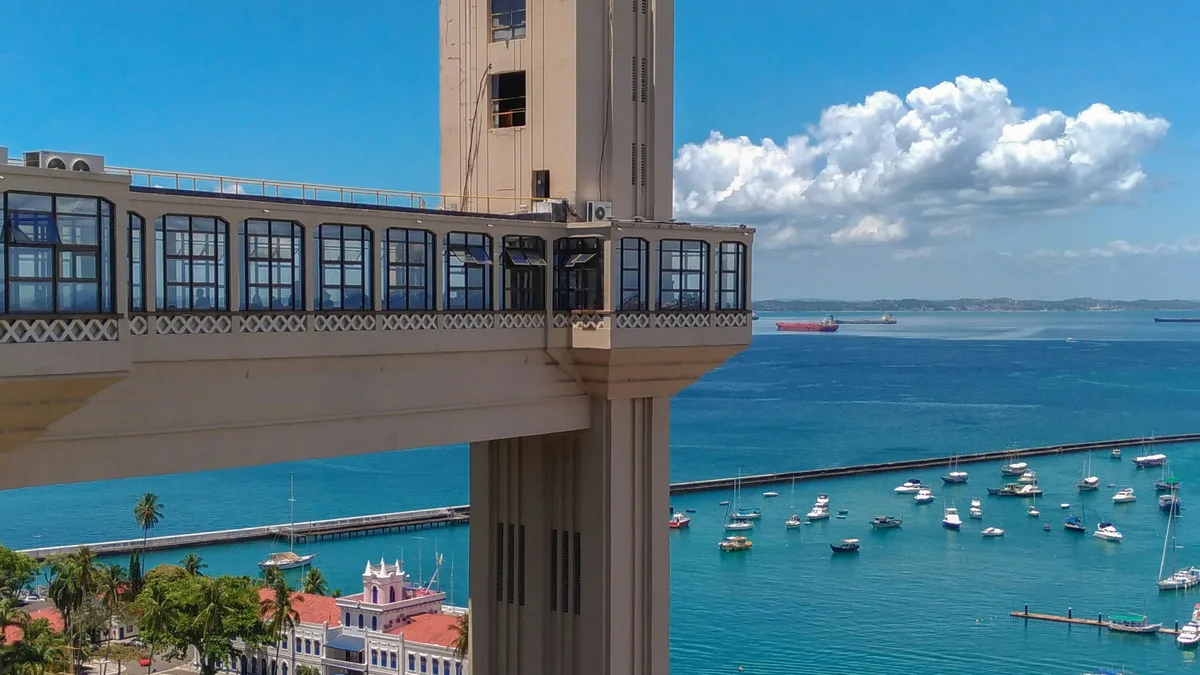
An Art Deco public elevator connecting Salvador's Lower City to its Upper City, carrying passengers 72 meters up in under 30 seconds since 1873 — one of the first urban elevators in the world and still a defining symbol of Salvador's split-level geography.
2
 Igreja e Convento de São Francisco
Salvador
A Baroque church and convent in Pelourinho famous for its gold-leafed interior and intricate Portuguese azulejo tiles, widely considered one of the most richly decorated religious buildings in Brazil.
3
 Mercado Modelo
Salvador
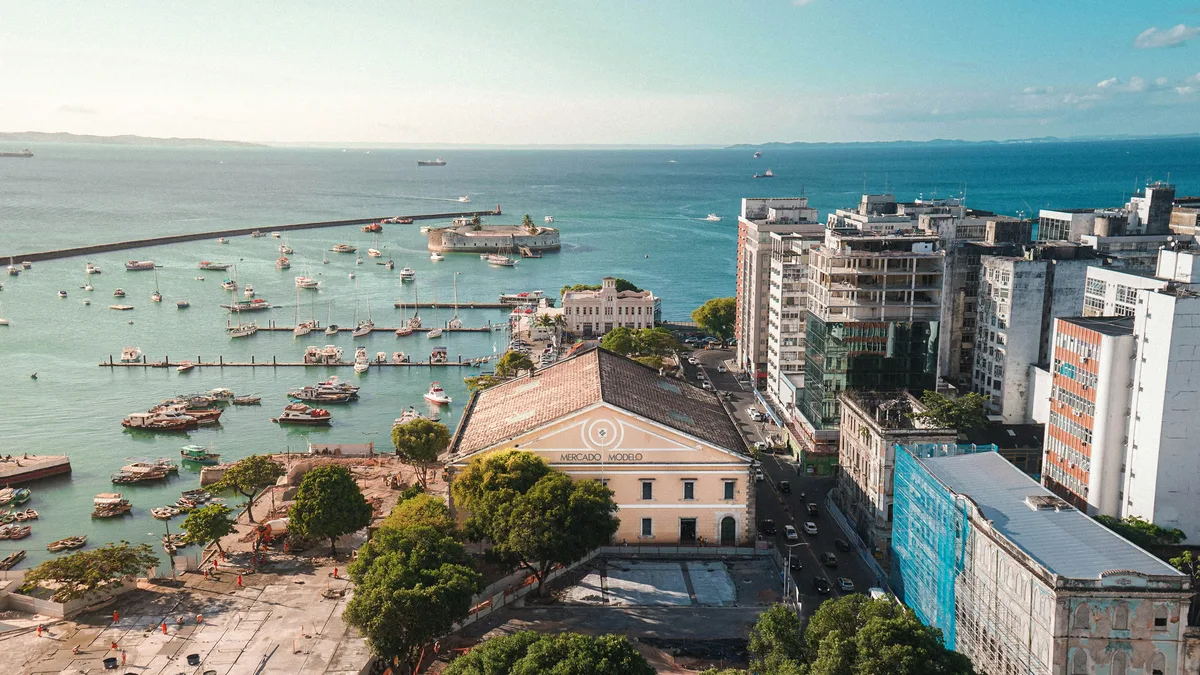
A historic market in Salvador's Lower City housed in a 19th-century building that once served as a customs house, now filled with stalls selling Bahian crafts, art, and local food — and a site whose earlier history as a place tied to the slave trade is part of its real story.
4
 Farol da Barra (Barra Lighthouse)
Salvador
A lighthouse the Brazilian Navy describes as the oldest in the Americas, standing on a point overlooking Todos os Santos Bay since the late 17th century, now home to the Museu Náutico da Bahia and some of Salvador's best sunset views.
5
 Praia do Forte
Salvador
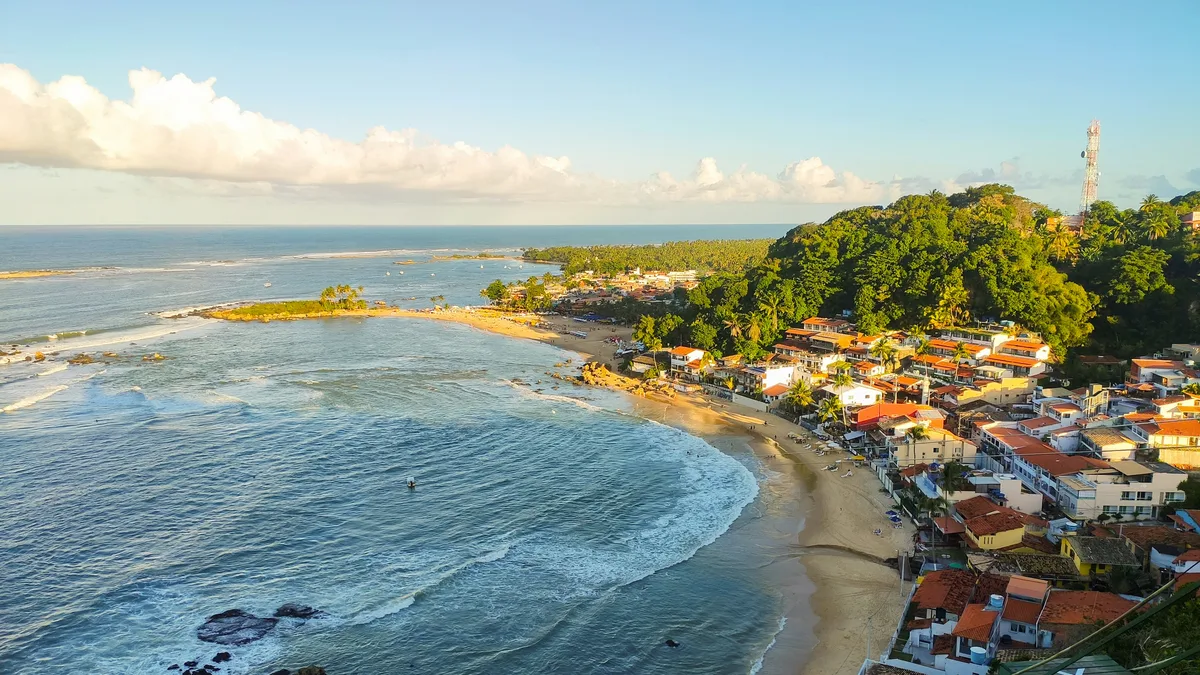
A former fishing village turned beach resort town on Bahia's Coconut Coast, known for its laid-back village streets, white-sand beach, and the Tamar Project's work protecting endangered sea turtles.
Brazilians speak Portuguese, not Spanish — a few basic phrases go a long way, though many guides and hotel staff in tourist areas speak English.
Salvador's summer (December–March) is hot, humid, and busiest, especially around Carnival (February or March). Winter (June–August) is milder and less crowded.
Comfortable, closed-toe shoes make a real difference on Pelourinho's steep, uneven cobblestone streets.
Cards are widely accepted, but it's worth carrying some Brazilian reais in cash for markets, street food, and smaller vendors.
Like any major city, use common sense — keep valuables out of sight, and stick to well-traveled areas or go with a local guide, especially after dark.
Candomblé terreiros are active places of worship, not tourist performances — tours that visit one, like Voyzo's, approach it with real respect.
Salvador, the capital of Bahia, was Brazil's first capital and remains one of the country's most historically and culturally significant cities. Founded by the Portuguese in 1549, it was the main port of entry for enslaved Africans brought to Brazil during the colonial period, a history that shaped Salvador into what's often called the most African city outside Africa — visible today in its music, food, religion, and the UNESCO-listed streets of Pelourinho.
The city is split across two levels by a steep escarpment, connected by the Art Deco Elevador Lacerda — the commercial Lower City along Todos os Santos Bay, and the historic Upper City, home to Pelourinho's colonial churches and colorful streets. Voyzo's private tours move between both, pairing landmark sights with the real cultural context, food, and music that make Salvador distinct from the rest of Brazil.
Tell us your group size and dates — we'll take care of the rest.
