TorontoOntario · 36 tours
 Niagara FallsOntario · 25 tours
 New York CityNew York · 30 tours
 Las VegasNevada · 8 tours
 San FranciscoCalifornia · 16 tours
 VancouverBritish Columbia · 17 tours
 DubaiUAE · 54 tours
 Abu DhabiUAE · 5 tours
 Buenos AiresArgentina · 23 tours
 AthensGreece · 31 tours
 AucklandNew Zealand · 38 tours
 CancunMexico · 54 tours
No destinations match “”. Try searching all tours instead — that search understands full questions, not just place names.
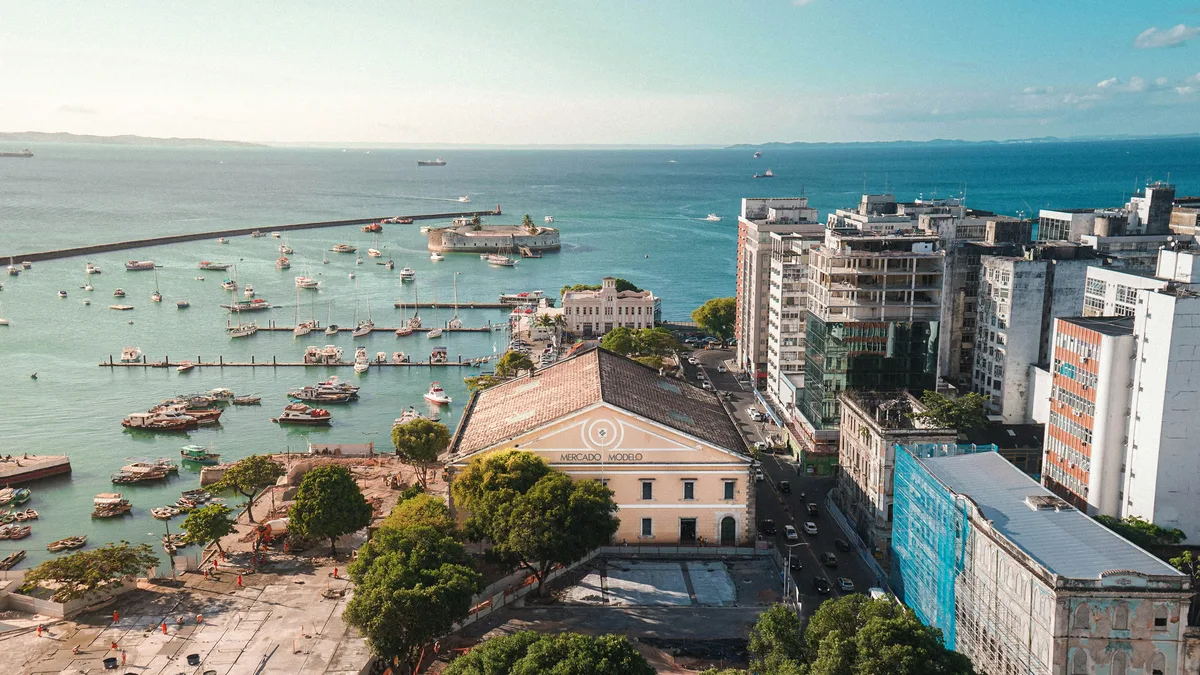
A historic market in Salvador's Lower City housed in a 19th-century building that once served as a customs house, now filled with stalls selling Bahian crafts, art, and local food — and a site whose earlier history as a place tied to the slave trade is part of its real story.
Visitor guide
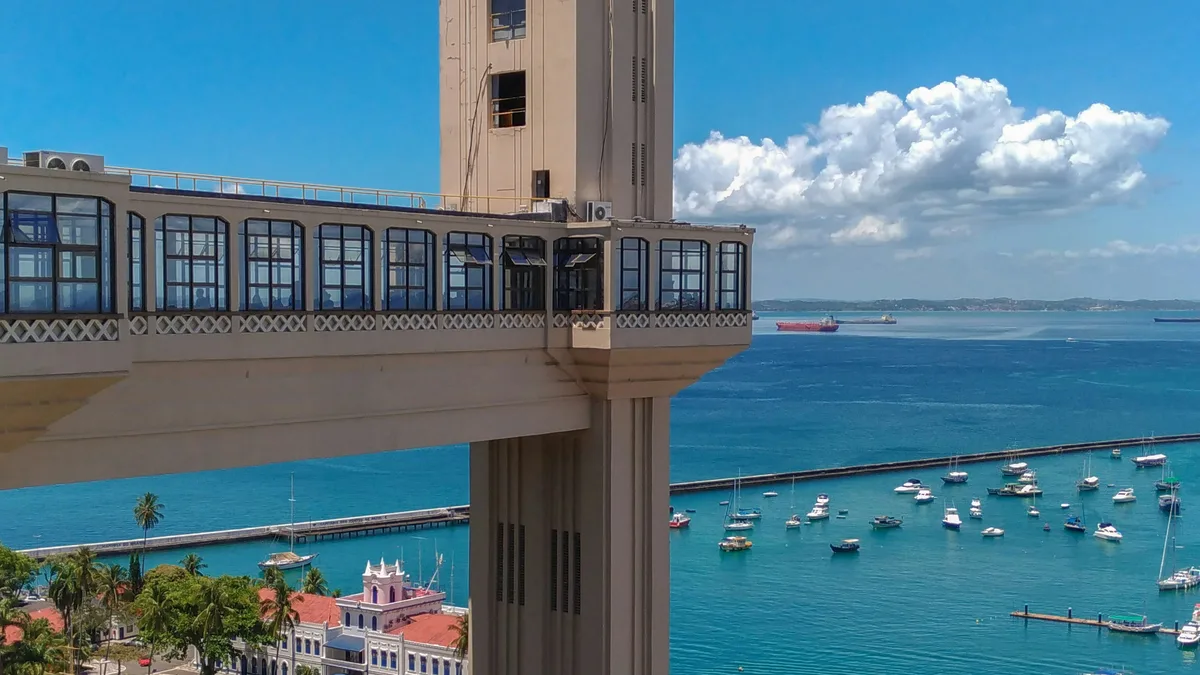
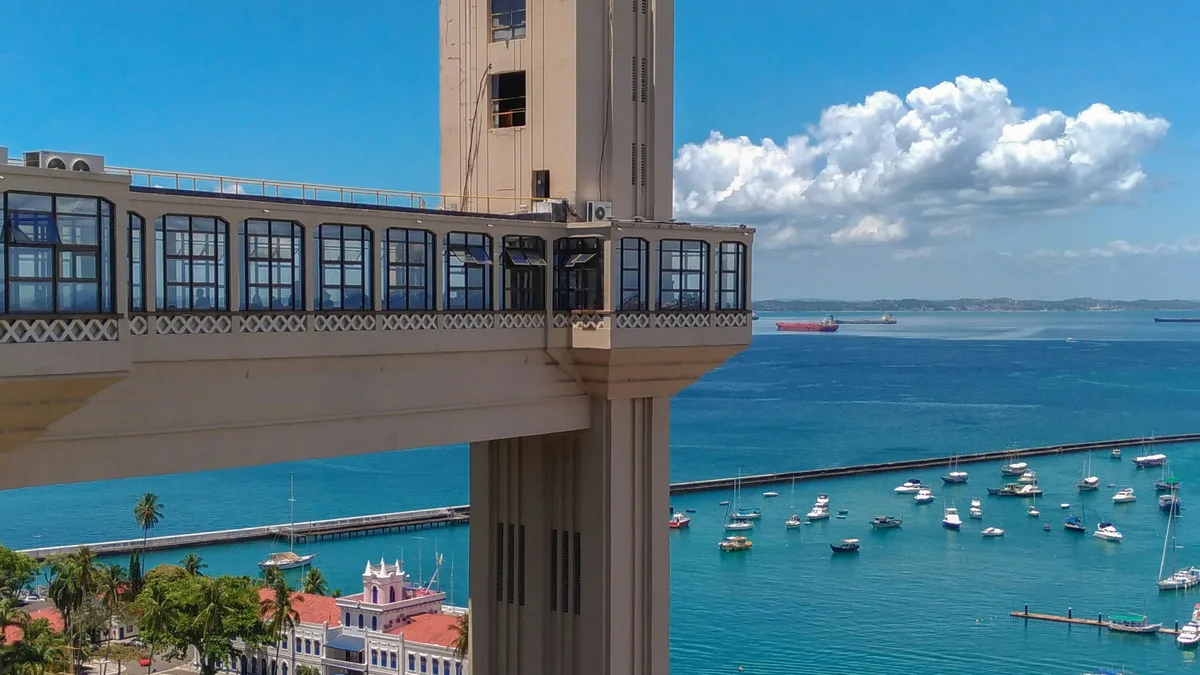
The Mercado Modelo is a handicraft market in Salvador, Bahia, Brazil, housed in a nineteenth-century neoclassical former customs building in Praca Cairu in the Comercio neighbourhood. It faces the Bay of All Saints beside the Lacerda Elevator and is a popular place to browse Bahian crafts and food.
Portuguese Wikipedia says the market arose from the need for a supply centre in the lower city. Construction began in 1911 on Navy land beside Praca Cairu, and it opened in 1912; the article gives both 2 February and 9 December as the date. At opening it covered about 2,400 square metres. Boats called saveiros unloaded goods at the Rampa do Mercado, the market ramp, bringing produce from towns around the bay in the Reconcavo. Goods included fruit, vegetables, cereals, animals, cigars, cachacas and articles for Candomble. In the mid twentieth century the market and the Feira de Aguas de Meninos were among Salvador's largest food supply centres.
The market has a turbulent history. A small fire in 1917 was followed by a large one beginning on 7 January 1922 that reduced it to its underground areas. After rebuilding, the building was painted green, earning it the nickname Tartaruga Verde, or Green Turtle. Another fire on 28 February 1943 partially destroyed it, and on 1 August 1969 the most violent fire in its history made reconstruction unfeasible, so the remains were demolished.
From 2 February 1971 the market moved into the former Third Customs House, the neoclassical building it occupies today, which had been built in 1860 and 1861. A sculpture by Mario Cravo Junior, the Monument to the City of Salvador, was placed where the old market stood. A fire in 1984 caused extensive damage, and the market reopened on 10 January 1984 after renovation.
The 1969 fire is remembered in song: Portuguese Wikipedia says the piece Mercado Modelo by Antonio Carlos, Jocafi and Ildazio Tavares laments the loss, and that Vanusa recorded it in 1973.
The market covers two floors and about 8,410 square metres, with 266 stores according to one passage of the article and 263 in another. It offers handicrafts, gifts and souvenirs from Bahia and has two traditional Bahian restaurants, Maria de Sao Pedro and Camafeu de Oxossi. Wikipedia states that the market is visited by 80 percent of the city's tourists, a figure that should be treated as an approximate claim.
The neoclassical building is listed by IPHAN, the national heritage institute. Its position by the Lacerda Elevator and the historic centre makes it a natural stop when moving between the lower city and the Pelourinho.
A private guide can help with context on Bahian crafts and food, and a private driver can link the market with the elevator and the historic centre.
See every tour and attraction we cover in Salvador.