TorontoOntario · 36 tours
 Niagara FallsOntario · 25 tours
 New York CityNew York · 30 tours
 Las VegasNevada · 8 tours
 San FranciscoCalifornia · 16 tours
 VancouverBritish Columbia · 17 tours
 DubaiUAE · 54 tours
 Abu DhabiUAE · 5 tours
 Buenos AiresArgentina · 23 tours
 AthensGreece · 31 tours
 AucklandNew Zealand · 38 tours
 CancunMexico · 54 tours
No destinations match “”. Try searching all tours instead — that search understands full questions, not just place names.
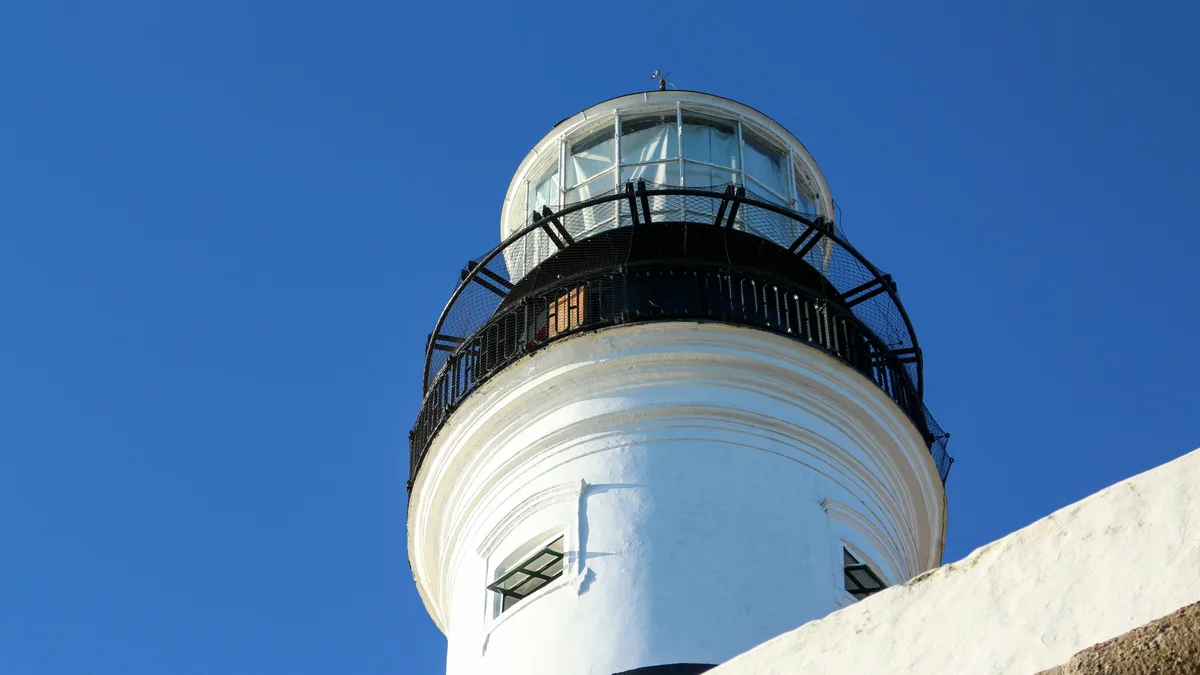
A lighthouse the Brazilian Navy describes as the oldest in the Americas, standing on a point overlooking Todos os Santos Bay since the late 17th century, now home to the Museu Náutico da Bahia and some of Salvador's best sunset views.
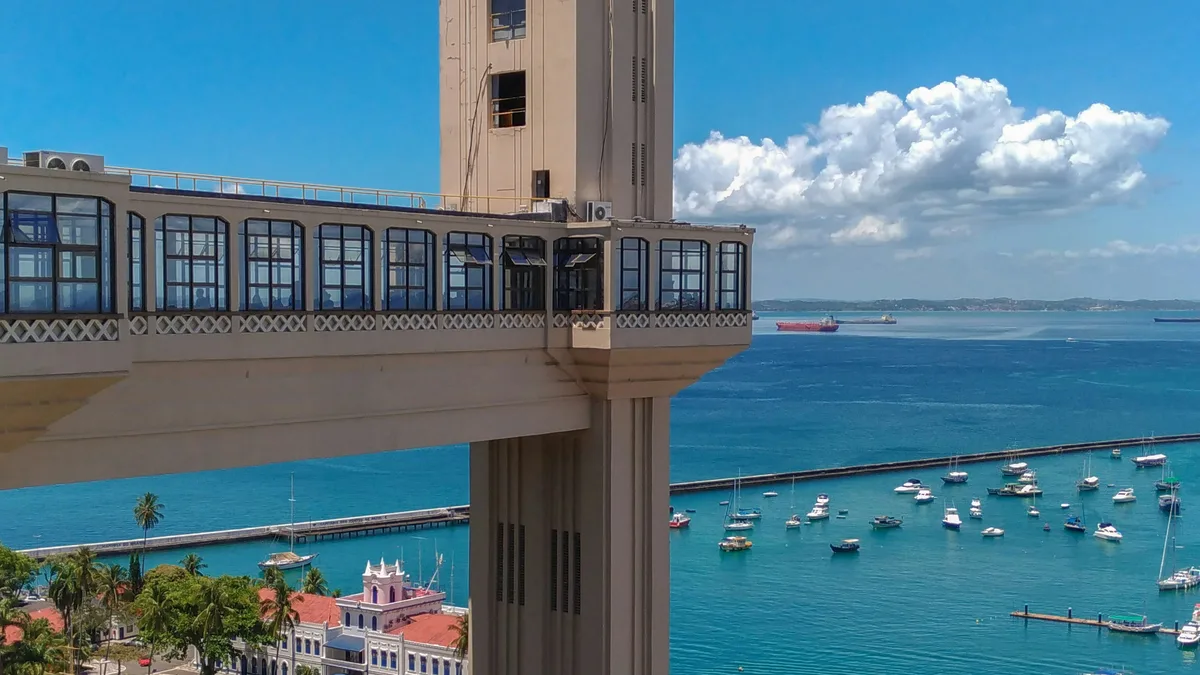 Private Tours
A private sightseeing tour through Salvador's must-see landmarks, from the Barra Lighthouse and Barra Fortress to the cobblestone streets of Pelourinho, with round-trip hotel transportation included.
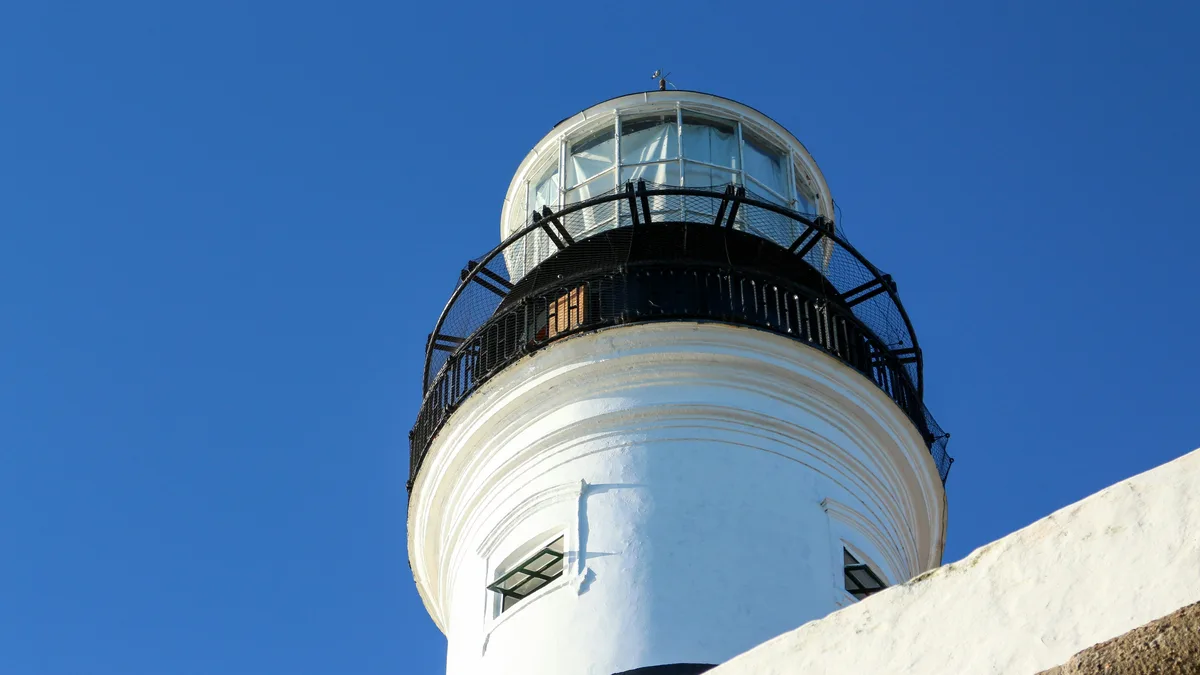 Private Tours
A private tour of the Museu Náutico da Bahia, housed inside the historic Farol da Barra lighthouse, with included admission to see shipwreck artifacts, antique maps, and sweeping ocean views from one of Salvador's most recognizable landmarks.
Visitor guide
The Farol da Barra, or Barra Lighthouse, is a lighthouse at the southern end of Salvador, Bahia, Brazil, where the Bay of All Saints meets the Atlantic. It stands inside the Santo Antonio da Barra Fort, on a point also known as the Ponta do Padrao, and is notable for being open to visitors, unlike most Brazilian lighthouses.
In the seventeenth century Salvador's port was one of the busiest in the Americas, receiving ships that traded in brazilwood, sugar, cotton and tobacco. Portuguese Wikipedia notes that the flagship galleon Santissimo Sacramento of the Companhia Geral do Comercio do Brasil was wrecked on 5 May 1668 on a sandbank off the mouth of the Vermelho River, a loss that was blamed on the absence of a light at the harbour entrance.
The fort was rebuilt from 1696 under Governor-General Joao de Lencastre. Wikipedia reports that a lighthouse was added at that time: a square turret topped by a glazed bronze lantern that burned whale oil, known as the Vigia da Barra. Wikipedia calls it the second lighthouse in Brazil and in the Americas, after one in Recife, but the Brazilian Navy describes it as the first lighthouse on the Brazilian coast and the oldest in the Americas, inaugurated in 1698, so sources disagree and the ranking should be treated with caution. The English privateer William Dampier, writing of his 1699 visit, described the harbour's protection by the fort and noted that its lights were lit for arriving ships.
A decree of 6 July 1832 ordered a more modern lighthouse. The foundation stone was laid on 29 August 1836, the English engineer Henry Palmer Philips was commissioned to build it, and it was inaugurated on 2 December 1839. The tower is a truncated cone of masonry with a lantern and gallery, about 22 metres tall and painted in black and white bands. Its catoptric light, which used mirror reflectors, was visible for 18 nautical miles in clear weather.
On 17 June 1890 the light source was modernised to a Barbier system, a dioptric apparatus with two incandescent kerosene lamps, in works that took roughly sixty days. The Barbier system was replaced by electric light on 5 May 1937, and the lighthouse's first hundred years were marked on 2 December 1939. The article's infobox gives a focal height of 39 metres.
The Brazilian Navy owns the lighthouse and maintains it through its Almirante Moraes Rego centre. IPHAN listed the fort and lighthouse as historic structures in 1938. The Museu Nautico da Bahia is associated with the site, though the sources reviewed give no details of its displays.
The lighthouse sits where the bay opens to the ocean, so the setting is as much part of the experience as the structure itself. It lies in the Barra district of Salvador, an area of beaches and waterfront promenades. Portuguese Wikipedia describes the tower today as one of the icons of Salvador, inspiring artists and poets. A private guide can add context on the fort and navigation history, and a driver can include it in a coastal route through the city.
See every tour and attraction we cover in Salvador.