TorontoOntario · 36 tours
 Niagara FallsOntario · 25 tours
 New York CityNew York · 30 tours
 Las VegasNevada · 8 tours
 San FranciscoCalifornia · 16 tours
 VancouverBritish Columbia · 17 tours
 DubaiUAE · 54 tours
 Abu DhabiUAE · 5 tours
 Buenos AiresArgentina · 23 tours
 AthensGreece · 31 tours
 AucklandNew Zealand · 38 tours
 CancunMexico · 54 tours
No destinations match “”. Try searching all tours instead — that search understands full questions, not just place names.
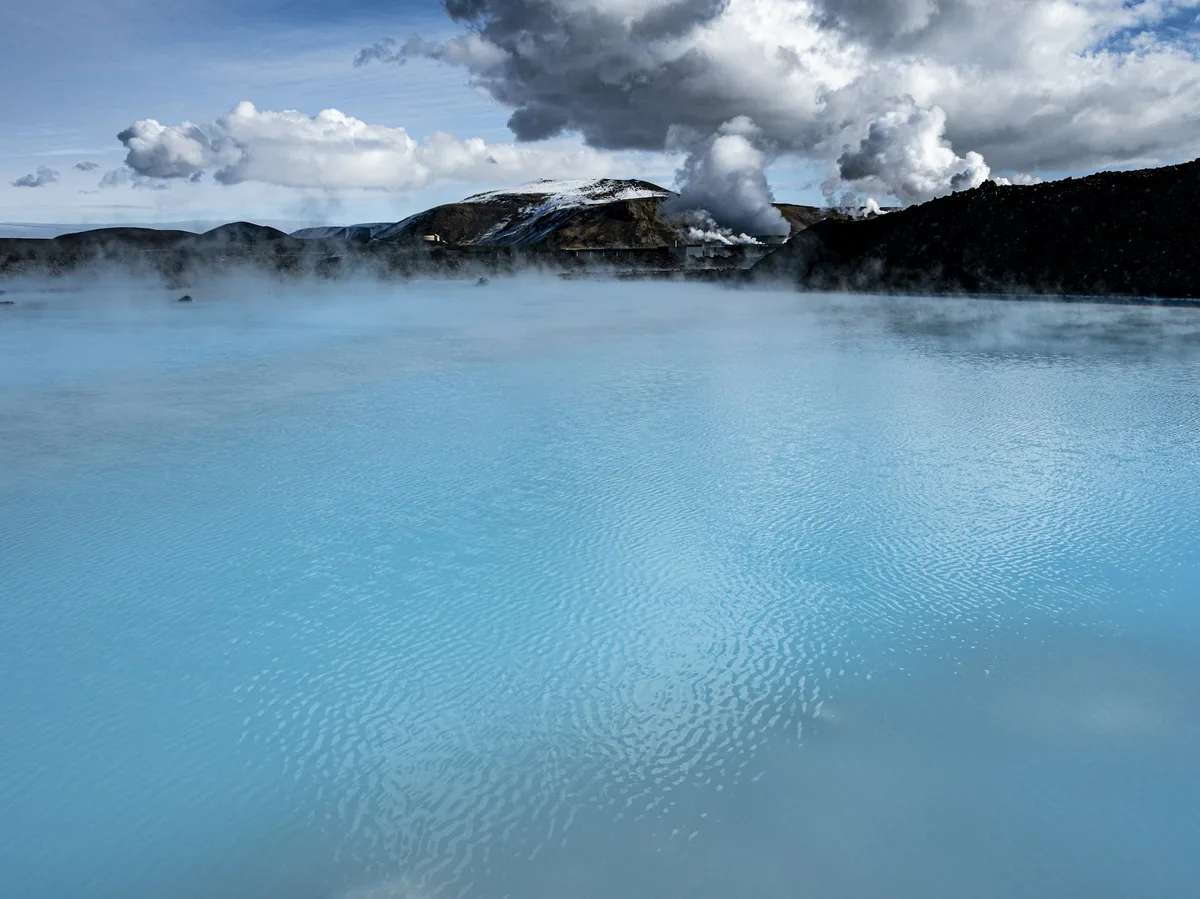
A geothermal spa in a lava field on the Reykjanes Peninsula, fed by mineral-rich, milky-blue water from the nearby Svartsengi power plant — one of Iceland's most-visited attractions and a popular final stop before flights out of Keflavik.
 Multi-Day Tours
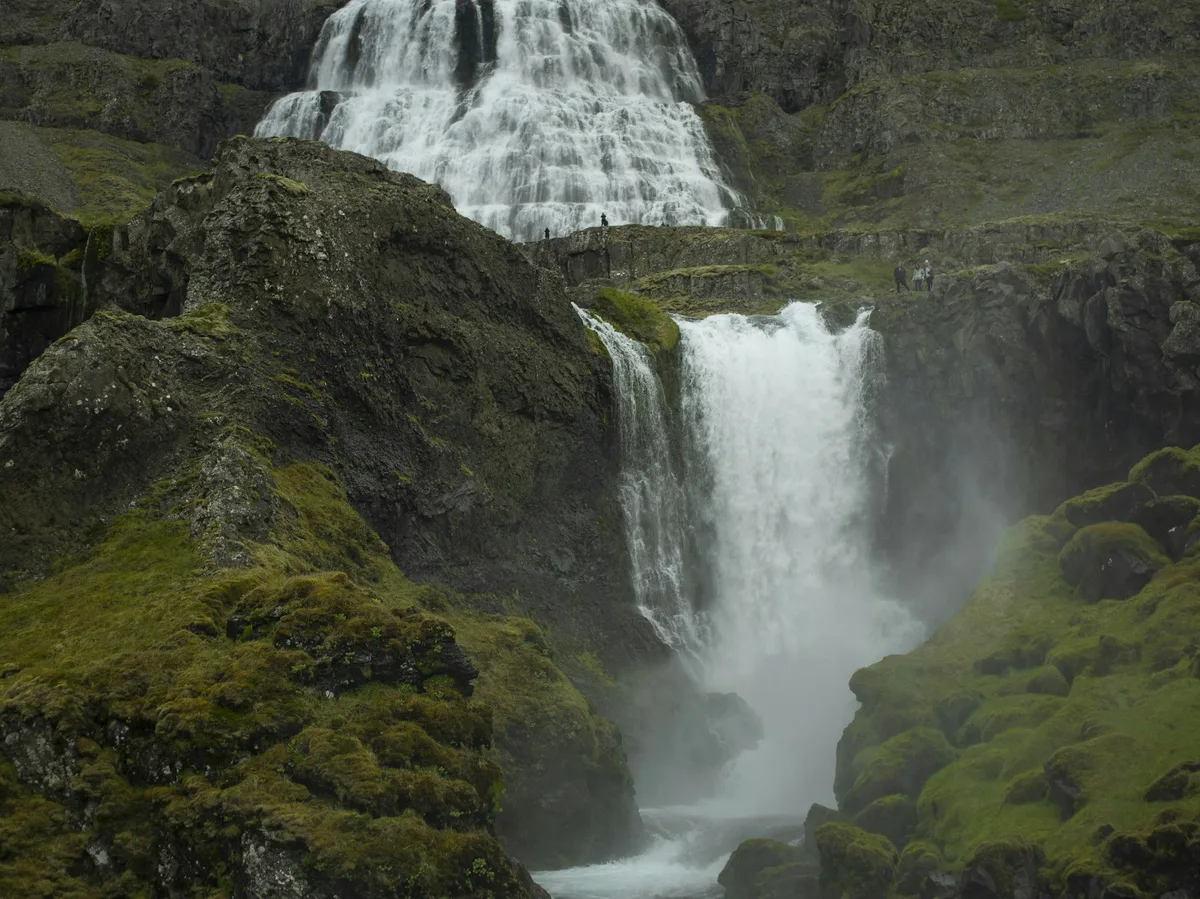
An 8-day route from Borgarfjordur's lava waterfalls across the Snaefellsnes Peninsula, by ferry into the remote Westfjords for Dynjandi waterfall and the Latrabjarg puffin cliffs, before returning to Reykjavik and the Blue Lagoon.
 Multi-Day Tours
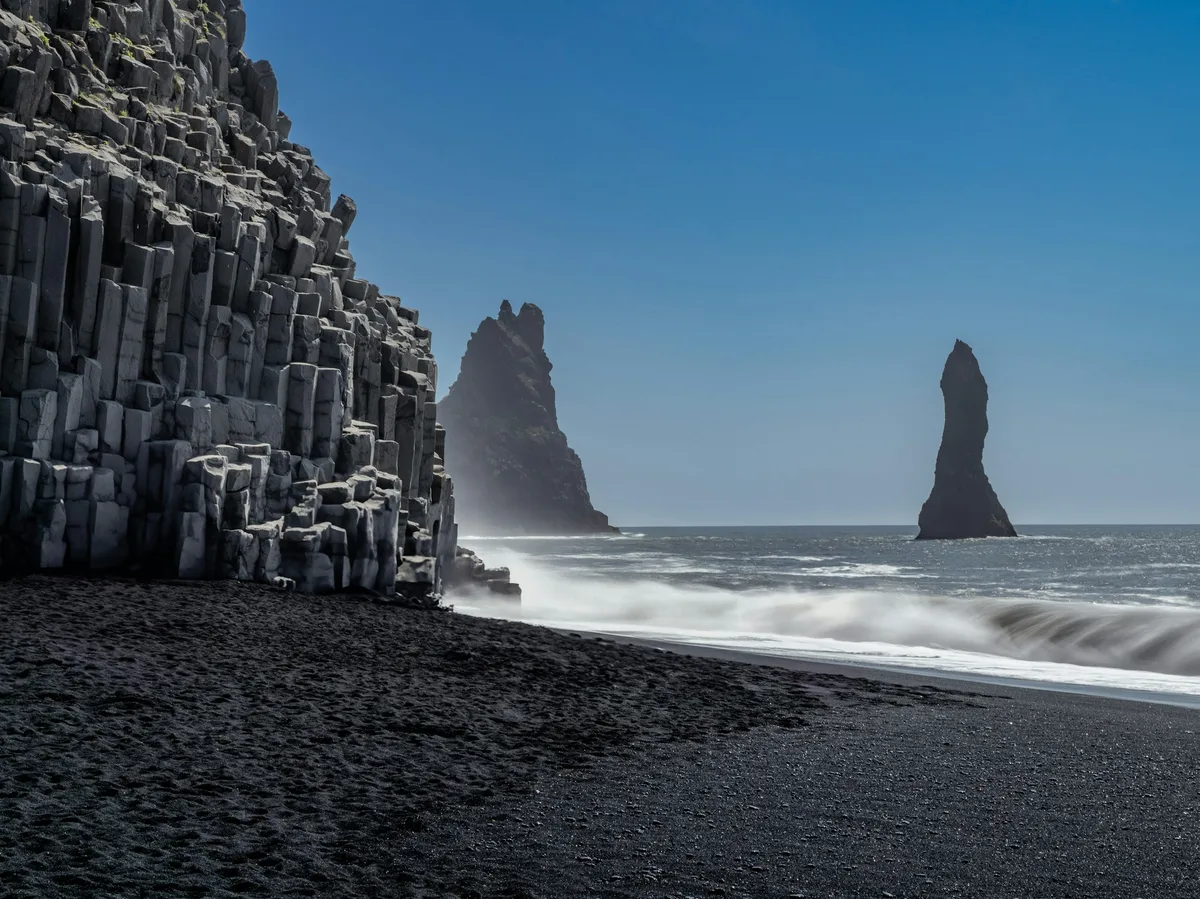
A 7-day route from Reykjavik along the South Coast to Jokulsarlon, with a ferry crossing to the Westman Islands' puffin colonies, the Golden Circle, and a finish on the volcanic Reykjanes Peninsula.
 Multi-Day Tours
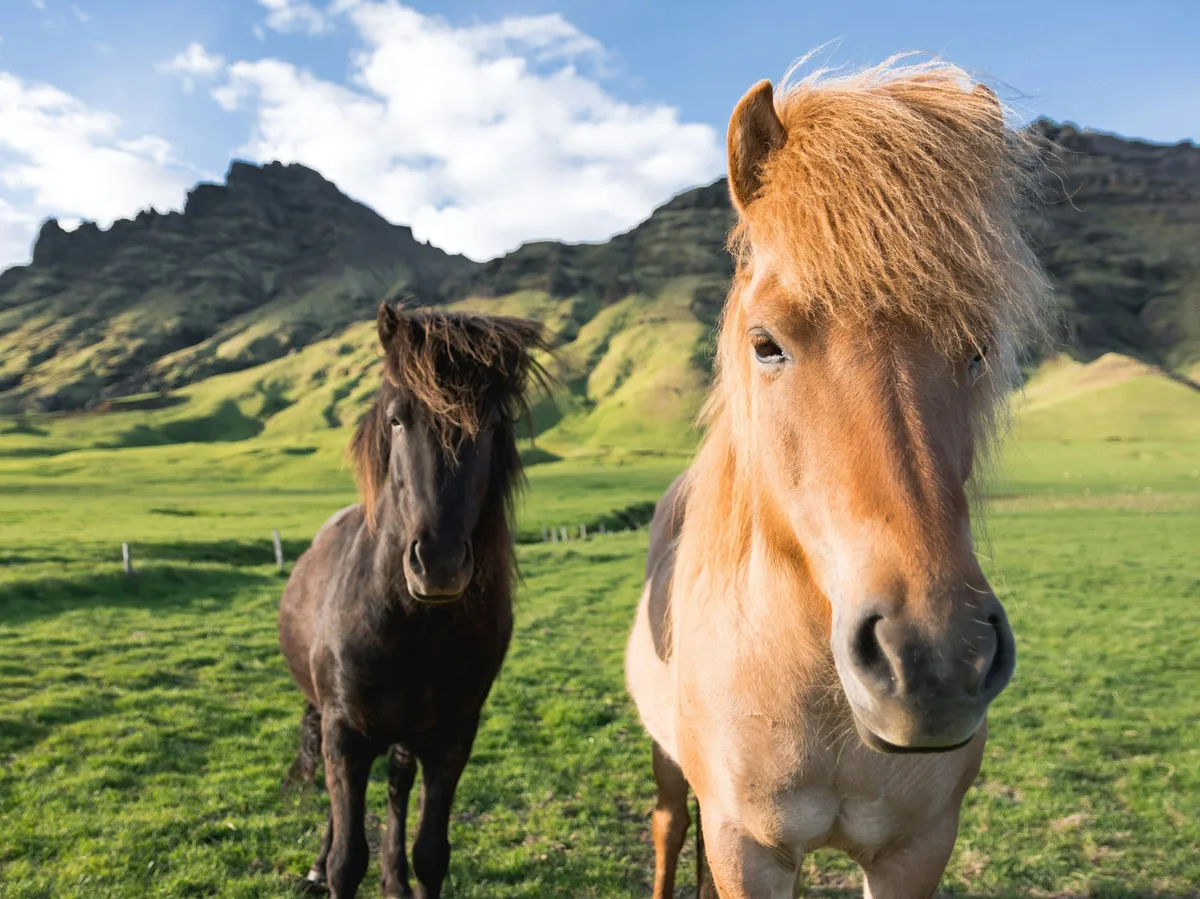
A 14-day full circuit of the Ring Road for Viking-history enthusiasts — Reykjavik's Viking museums, Snaefellsnes saga sites, the Westfjords-adjacent north, Husavik whale-watching, Lake Myvatn's Game of Thrones locations, the Eastfjords, Jokulsarlon, and the Golden Circle.
Visitor guide
The Blue Lagoon (Blaa lonid) is a geothermal spa in a lava field on the Reykjanes Peninsula in southwestern Iceland. It lies about 5 km from the town of Grindavik, in front of Mount Thorbjorn, and roughly 20 km from Keflavik International Airport. Wikipedia describes it as one of Iceland's most visited tourist attractions.
The lagoon is man-made. Its water is a by-product of the nearby Svartsengi geothermal power station, where superheated water is drawn up near a lava flow at about 240 degrees Celsius and used to run turbines. The water then passes through a heat exchanger that supplies a municipal heating system before it flows into the lagoon. Because of its high mineral concentration the water cannot be recycled, so it is discharged into the surrounding permeable lava field. Over time mineral deposits make the ground impermeable, which means new ponds must keep being dug in the lava.
According to Wikipedia, the milky blue colour comes from the water's high silica content. Silica forms a soft white mud on the lagoon floor that bathers rub on their skin, and the water is also rich in salts and algae. The average pH is given as 7.5 and the salt content as about 2.5 percent. The page says the water is not artificially disinfected but renews about every two days. The bathing area is described as averaging 37 to 39 degrees Celsius.
Shortly after the Svartsengi plant opened in 1976, runoff water formed pools in the lava. In 1981 a psoriasis patient bathed in the water and reported that it eased his symptoms, after which the lagoon grew in popularity. Bathing facilities opened in 1987, and the Blue Lagoon company was established in 1992. A psoriasis clinic opened in 1994, and in 1995 the company began selling skincare products made with silica, algae and salt. Wikipedia notes that studies in the 1990s confirmed a beneficial effect of the lagoon on psoriasis.
Visitor numbers reached 919,000 in 2015 and 1.3 million in 2017, according to Wikipedia, and the company employed more than 600 people in 2017. The page carries a notice that parts of it may have been drafted with the help of a language model, so figures are best treated cautiously.
Guests are asked to shower before entering the water, and Wikipedia notes that facilities include ramp access to the water for wheelchair users. The company's skincare line, launched in 1995, uses silica, algae and salt from the lagoon. Very few organisms live in the water apart from some blue-green algae, and the page states that although it is not artificially disinfected, it contains no faecal bacteria, environmental bacteria, fungi or plants.
The spa sits amid black lava and volcanic hills in front of Mount Thorbjorn. Its closeness to Keflavik airport makes it a common first or last stop on a trip. A private guided transfer with a driver suits that kind of timing.
See every tour and attraction we cover in Iceland.