TorontoOntario · 36 tours
 Niagara FallsOntario · 25 tours
 New York CityNew York · 30 tours
 Las VegasNevada · 8 tours
 San FranciscoCalifornia · 16 tours
 VancouverBritish Columbia · 17 tours
 DubaiUAE · 54 tours
 Abu DhabiUAE · 5 tours
 Buenos AiresArgentina · 23 tours
 AthensGreece · 31 tours
 AucklandNew Zealand · 38 tours
 CancunMexico · 54 tours
No destinations match “”. Try searching all tours instead — that search understands full questions, not just place names.
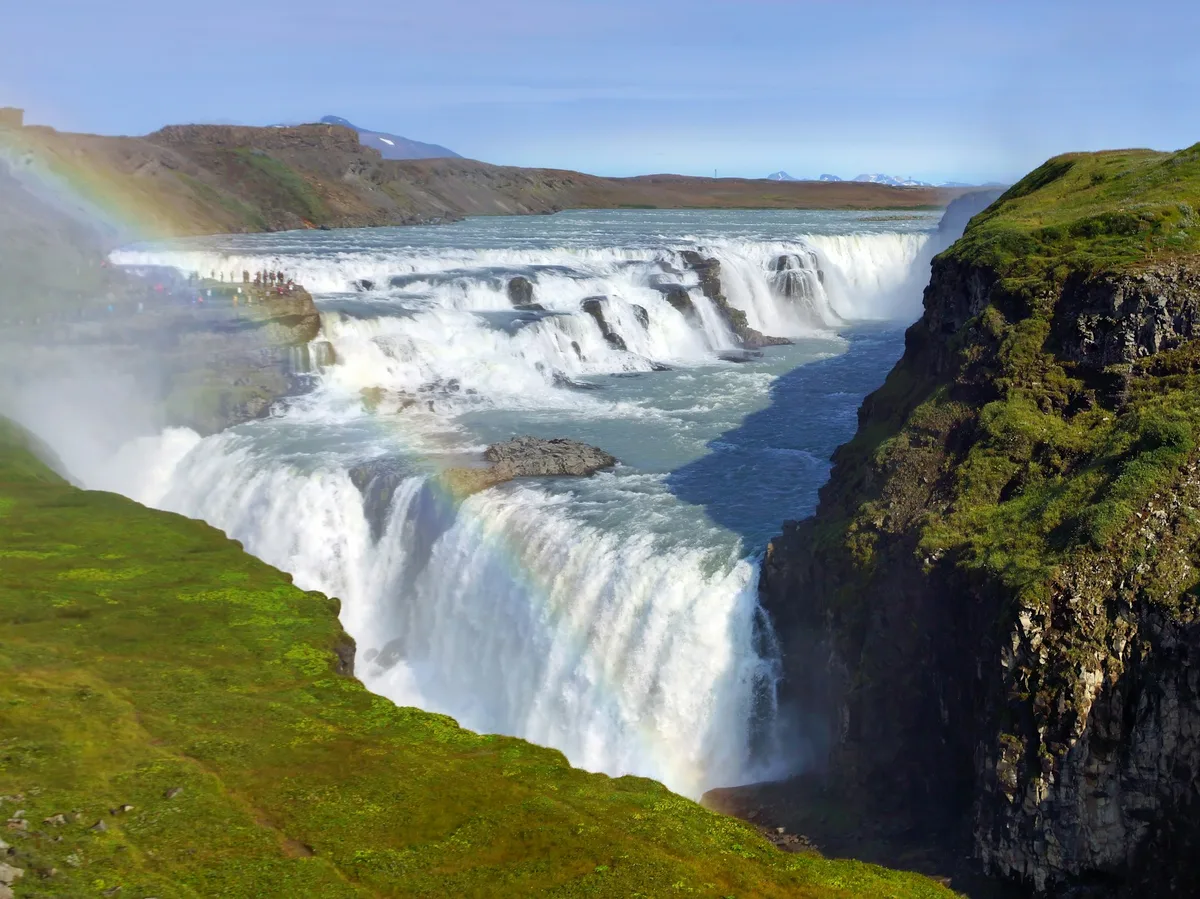
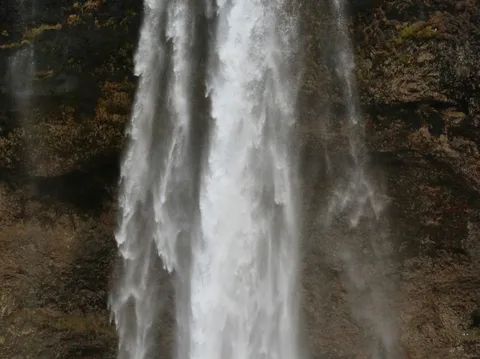
A two-tiered waterfall in the Hvita River canyon, part of the classic Golden Circle route, where the river plunges 32 meters into a rugged gorge — on a sunny day, the spray often throws a rainbow across the falls.
 Multi-Day Tours
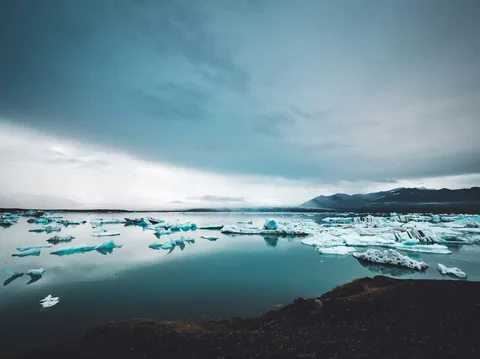
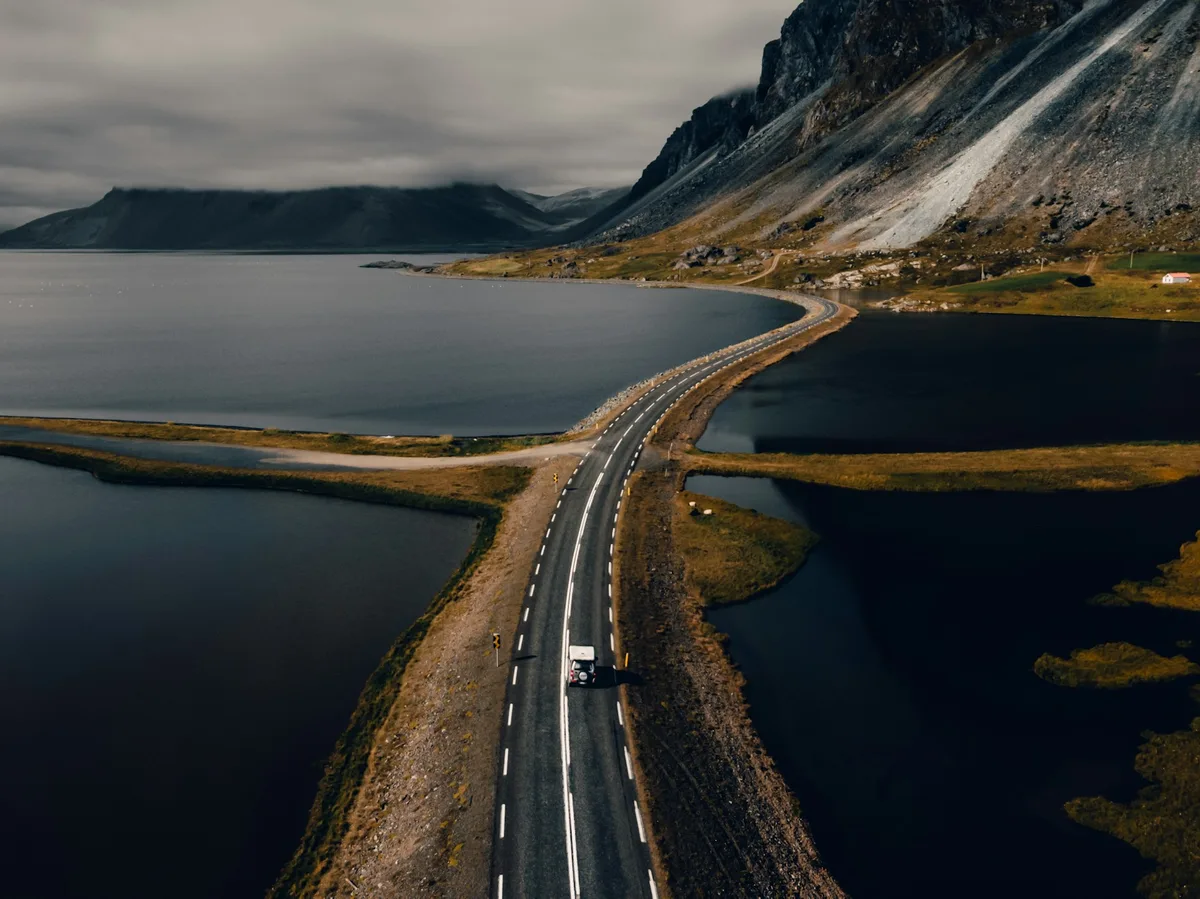
A 7-day circuit from the Golden Circle's geysers and Gullfoss down the South Coast to Jokulsarlon Glacier Lagoon, through the Eastfjords to Lake Myvatn's geothermal fields, and back to Reykjavik via Akureyri.
 Multi-Day Tours
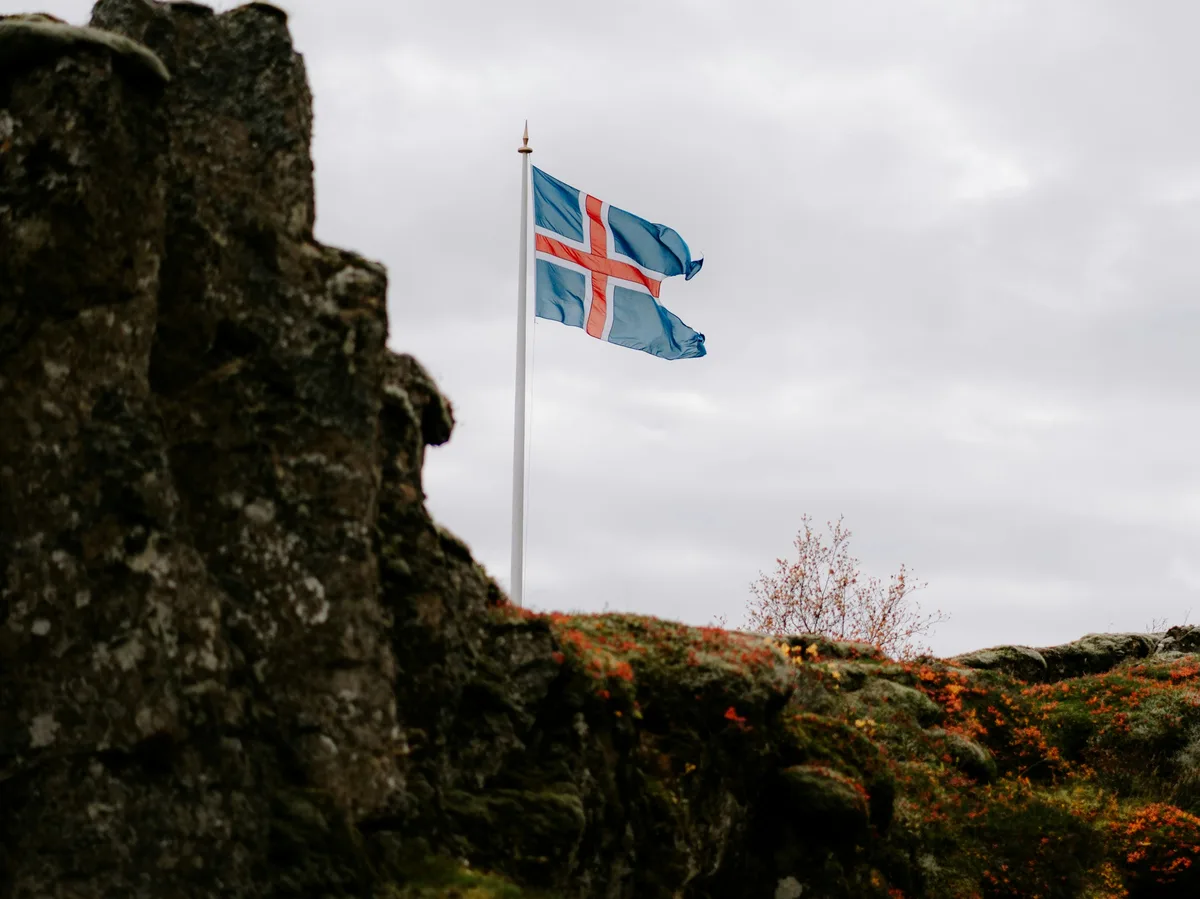
A 7-day trip pairing Reykjavik with a domestic flight to the remote Eastfjords, a drive south along the Ring Road past Vatnajokull and the South Coast, and a finish through the Golden Circle and Reykjanes Peninsula.
 Multi-Day Tours
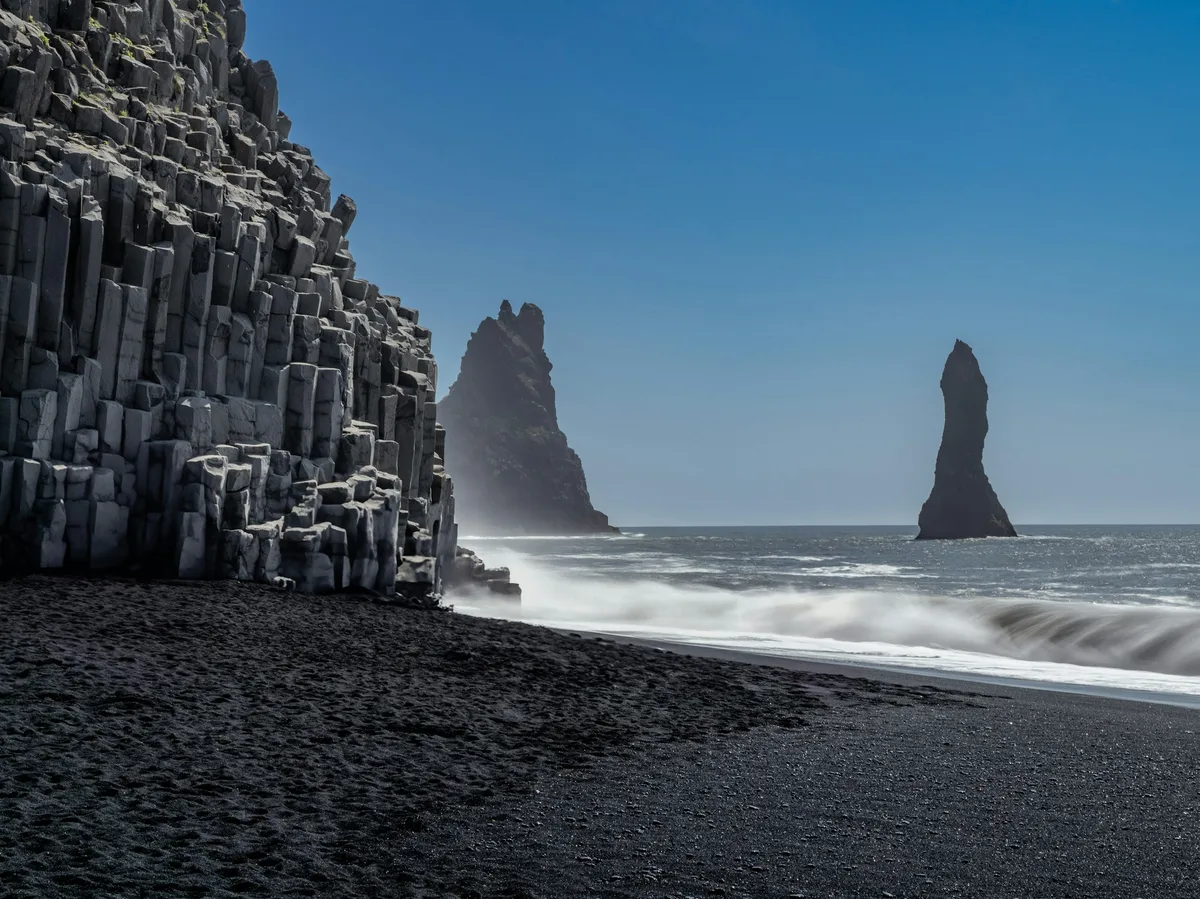
A 7-day route from Reykjavik along the South Coast to Jokulsarlon, with a ferry crossing to the Westman Islands' puffin colonies, the Golden Circle, and a finish on the volcanic Reykjanes Peninsula.
Visitor guide
Gullfoss, meaning Golden Falls, is a waterfall in the canyon of the Hvita river in southwest Iceland. It lies between the municipalities of Blaskogabyggd and Hrunamannahreppur and is one of the three main stops on the Golden Circle route from Reykjavik.
The Hvita is a glacial river fed by Langjokull. According to Wikipedia, it turns sharply west about a kilometre above the falls, flows down a wide, curved three-step staircase, then drops in two stages of 11 m and 21 m. The total height is given as 32 m. The water plunges into a crevice about 32 m deep and 20 m wide that runs 2.5 km perpendicular to the river's course. Sources vary on canyon depth, with some travel accounts giving figures near 70 m.
Average flow is about 141 cubic metres per second in summer and 80 in winter, and the highest measured flood was 2,000 cubic metres per second. In freezing conditions the spray coats the surrounding rock in ice, and in sunshine it often produces rainbows.
In the first half of the twentieth century there was speculation about using the falls for hydroelectric power. The owners, Tomas Tomasson and Halldor Halldorsson, rented the falls indirectly to foreign investors, though the attempts failed, partly for lack of money. Tomas's daughter Sigridur Tomasdottir, born at the Brattholt farm in 1871, is popularly credited with saving the falls. She advocated legal protection against foreign control and, according to popular accounts, threatened to throw herself over them. Sources disagree on how the legal fight ended, but the dam was never built. A stone memorial above the falls depicts her profile. The Icelandic government bought the falls in 1945, and the Minister of Education signed the announcement protecting Gullfoss on 9 March 1979.
Wikipedia describes the Golden Circle as a loop of about 300 km from Reykjavik into the southern uplands and back, a term developed by the Icelandic tourism board. Its three primary stops are Thingvellir National Park, the geothermal area of Haukadalur with the geysers Geysir and Strokkur, and Gullfoss. Strokkur erupts every 5 to 10 minutes. Other common stops include the Kerid crater and the Skalholt cathedral.
A winter photo of the falls forms the cover of the Echo and the Bunnymen album Porcupine, and the falls are the setting for the music video for Live's 2003 song Heaven. They have also appeared in the animated series Avatar: The Last Airbender.
The name Gullfoss means Golden Falls. The Environment Agency of Iceland describes Sigridur's campaign as a landmark in the country's conservation history, and she is widely regarded as one of Iceland's first environmentalists. As a child she and her sisters guided visitors to the falls and built the first path down to them, according to travel accounts, which are less authoritative than official sources.
Gullfoss is a short walk from the parking area, with viewpoints above and alongside the canyon. Spray and wet paths are likely near the edge. A private guided visit with a driver fits well into a Golden Circle day.
See every tour and attraction we cover in Iceland.