TorontoOntario · 36 tours
 Niagara FallsOntario · 25 tours
 New York CityNew York · 30 tours
 Las VegasNevada · 8 tours
 San FranciscoCalifornia · 16 tours
 VancouverBritish Columbia · 17 tours
 DubaiUAE · 54 tours
 Abu DhabiUAE · 5 tours
 Buenos AiresArgentina · 23 tours
 AthensGreece · 31 tours
 AucklandNew Zealand · 38 tours
 CancunMexico · 54 tours
No destinations match “”. Try searching all tours instead — that search understands full questions, not just place names.
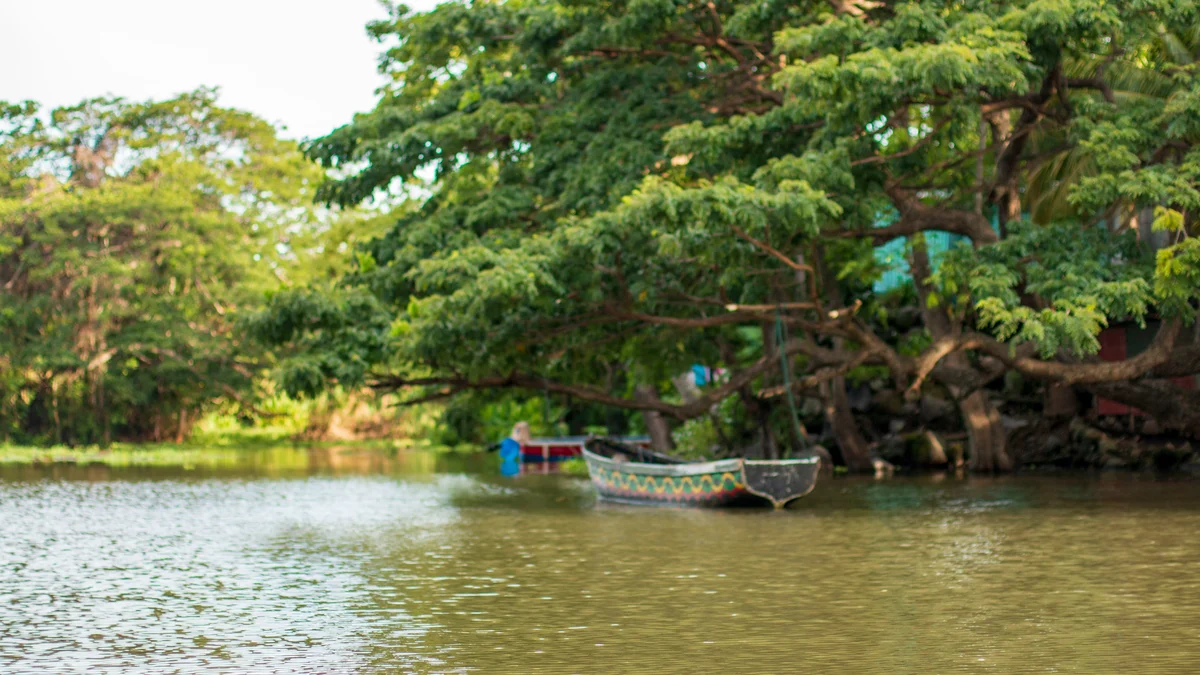
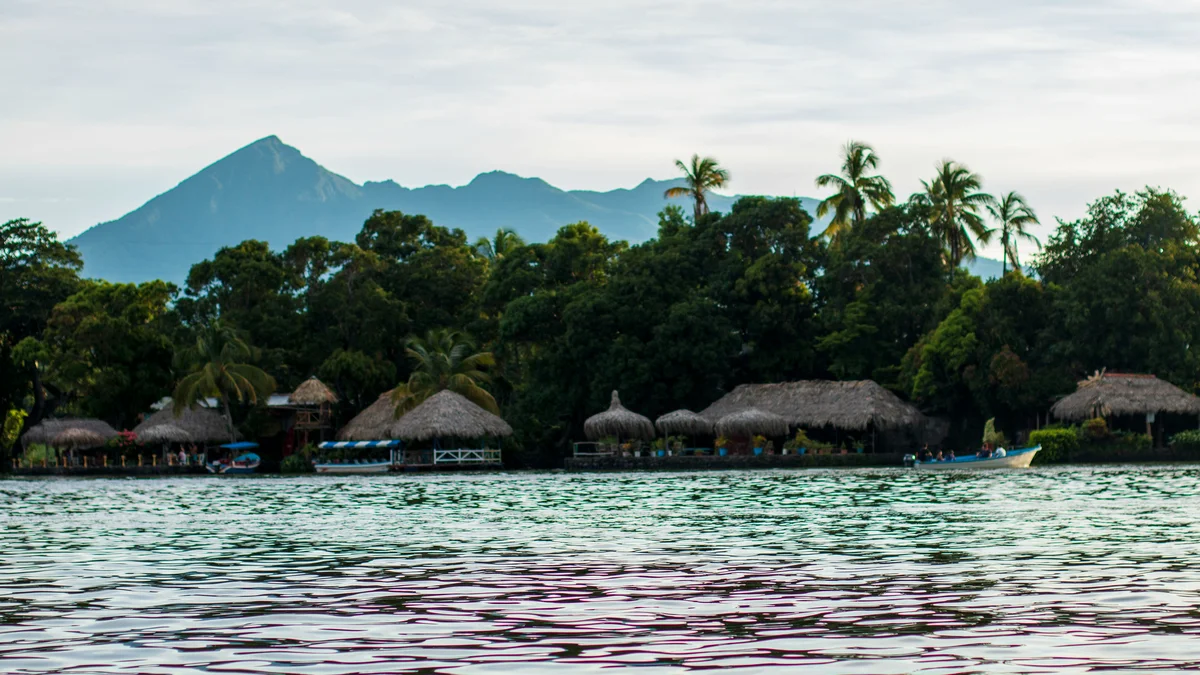
More than 350 small islands scatter across this stretch of Lake Nicaragua just off Granada's shore, formed by a catastrophic collapse of part of Mombacho Volcano's flank. Some islets hold private homes and small resorts, others are left to birdlife, howler monkeys, and the ruins of a Spanish-era fort, and the archipelago is most often explored by boat out of Granada or nearby Asese.
Visitor guide
Las Isletas de Granada, also called the Islets of Granada, are a group of small islands in Lake Nicaragua just southeast of the city of Granada. They are commonly described as numbering 365 and are scattered around the Asese peninsula. Some hold private homes and small hotels, while others are mostly covered in vegetation and visited by birds.
The islets are linked to the neighbouring Mombacho volcano, but sources disagree on the mechanism. English Wikipedia says thousands of years ago Mombacho blew much of its cone into the lake, creating the archipelago, but the Smithsonian Global Volcanism Program and the USGS describe the islets as the deposit of a large debris avalanche from a catastrophic flank collapse of the volcano. Spanish-language Wikipedia, citing a study by researchers Thomas Shea, Benjamin van Wyk de Vries and Martín Pilato, says the islets are the product of a landslide, with rock and mud breaking off the volcano's slopes and spreading across the area. The alluvial front of that avalanche forms the Asese peninsula. A geology-focused source places the flank failure after the Apoyo pumice of about 20,000 years ago, while other sources give very different ages, so the date is uncertain.
The islets are described as a group of 365 small islands, though Spanish Wikipedia phrases it as more than 365, and a travel source notes the popular coincidence of one island for each day of the year. The Asese peninsula lies beside them, and Spanish Wikipedia gives the highest point of the islets as about 31 metres above sea level. Most are covered with vegetation and are rich in bird life.
Fort San Pablo stands on one of the islets. Wikipedia says it was built in the 18th century to protect Granada from pirates and witnessed battles and conflicts during the colonial period. One travel source calls it a restored 19th-century fort, so descriptions differ. The fort formed part of the wider Spanish defensive system around Granada.
Many islets are occupied, and some are privately owned with houses or vacation homes. English Wikipedia reports that in the 1990s many long-time residents were forced to relocate to the mainland, and that land titles remained an issue after the Sandinista revolution, with some islands since sold to wealthy Nicaraguans and foreigners. This history shapes who lives on the islets today and means access to individual islets depends on their owners.
Travel sources mention howler monkeys on one islet and abundant birdlife across the archipelago, which is listed as a birding place. Wikipedia describes the islets as rich in bird life, and boat trips among the islets give visitors a close look at the water-edge habitat.
Tours leave by boat from ports in Granada or near Asese. Some islets have hotels and shops, and boat tours are available. A private guided outing can combine the islets with the colonial centre of Granada and views toward Mombacho, with timing adapted to weather and lake conditions.
See every tour and attraction we cover in Granada.