TorontoOntario · 36 tours
 Niagara FallsOntario · 25 tours
 New York CityNew York · 30 tours
 Las VegasNevada · 8 tours
 San FranciscoCalifornia · 16 tours
 VancouverBritish Columbia · 17 tours
 DubaiUAE · 54 tours
 Abu DhabiUAE · 5 tours
 Buenos AiresArgentina · 23 tours
 AthensGreece · 31 tours
 AucklandNew Zealand · 38 tours
 CancunMexico · 54 tours
No destinations match “”. Try searching all tours instead — that search understands full questions, not just place names.
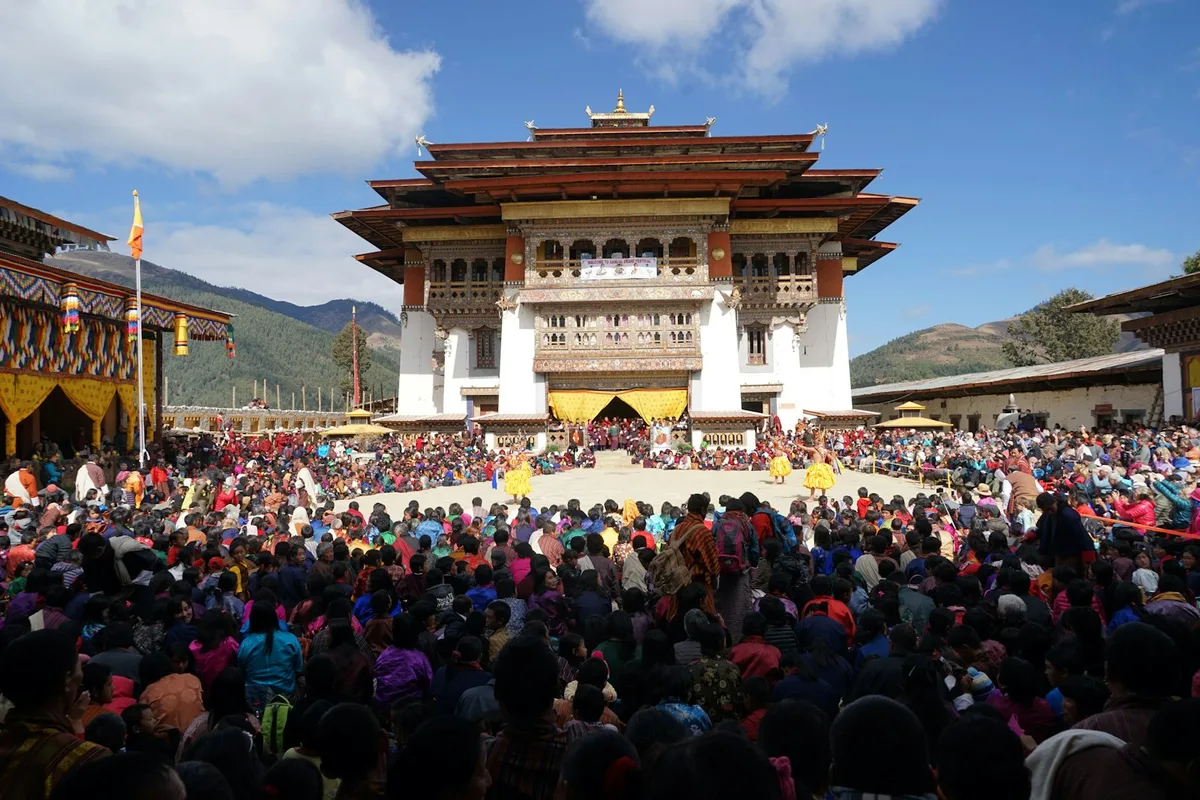
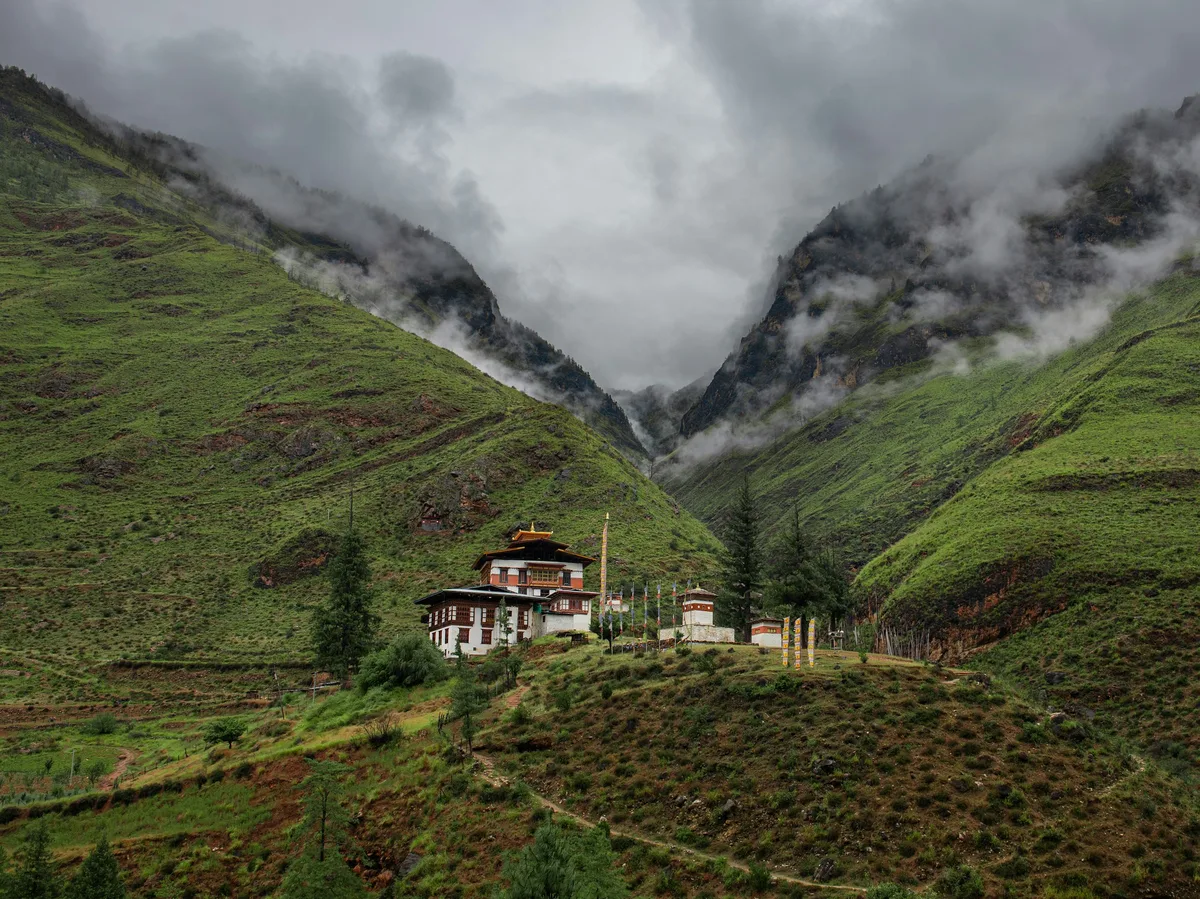
A glacial valley in central Bhutan overlooked by Gangtey Monastery, known as the winter home of endangered black-necked cranes that migrate here from the Tibetan Plateau.
 Multi-Day Tours
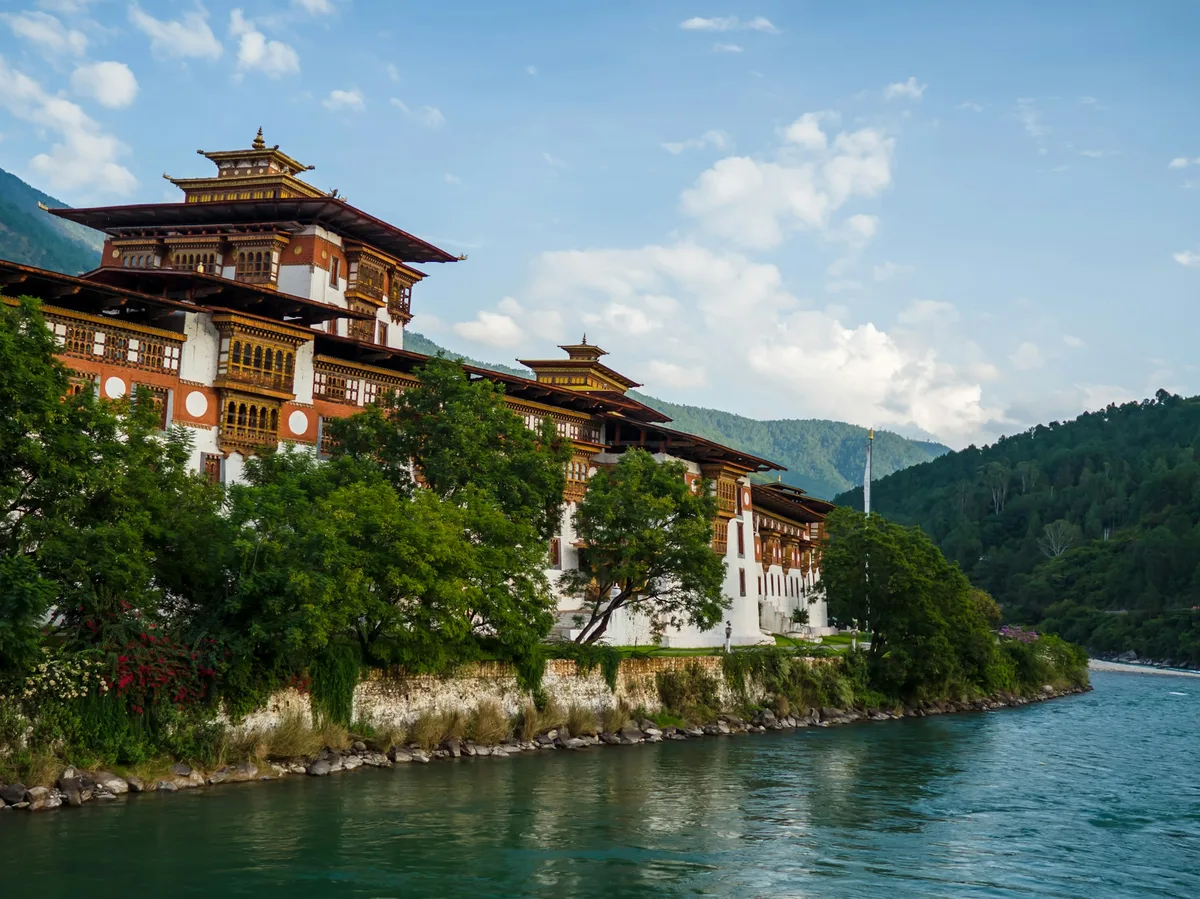
A luxury pairing of Kathmandu's UNESCO sites with western Bhutan's dzongs and mountain passes, from Thimphu and Punakha to Gangtey and Paro.
 Multi-Day Tours
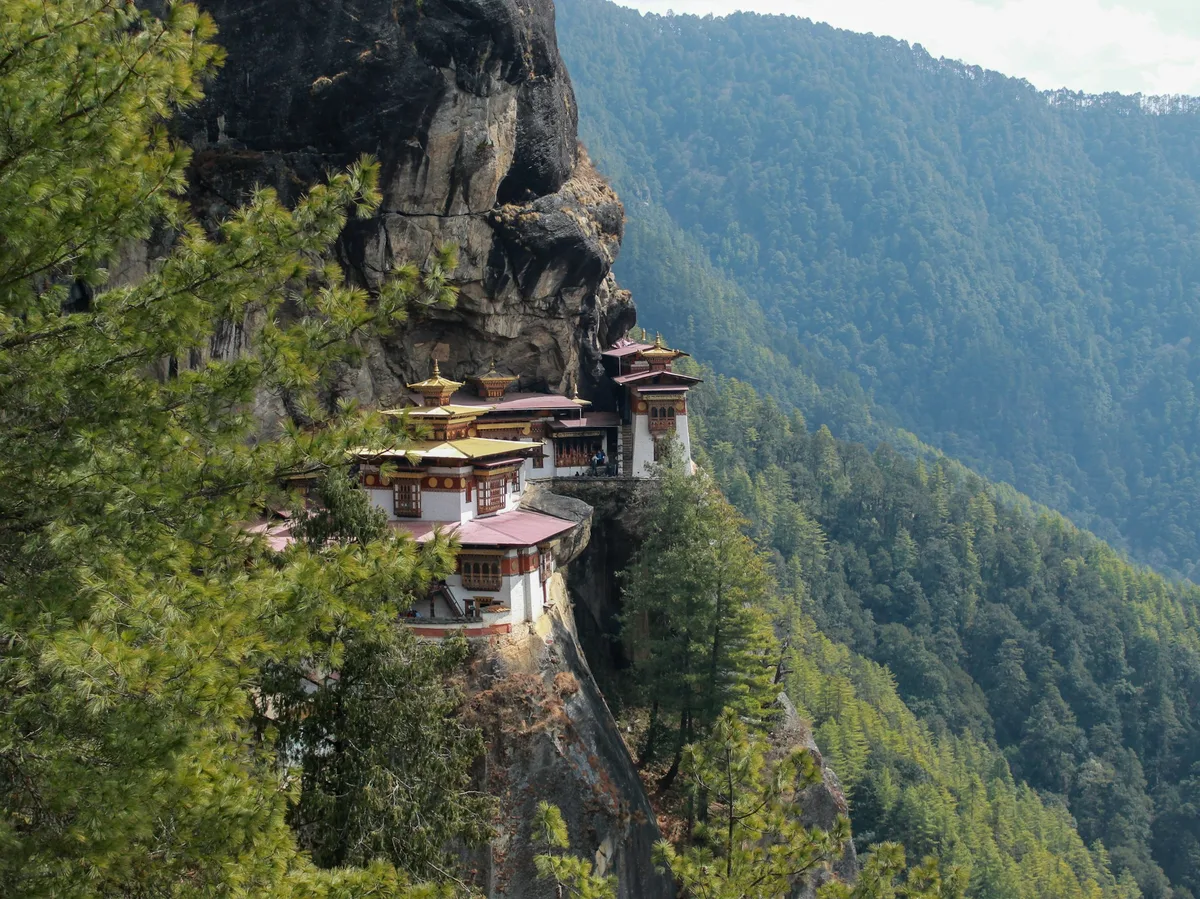
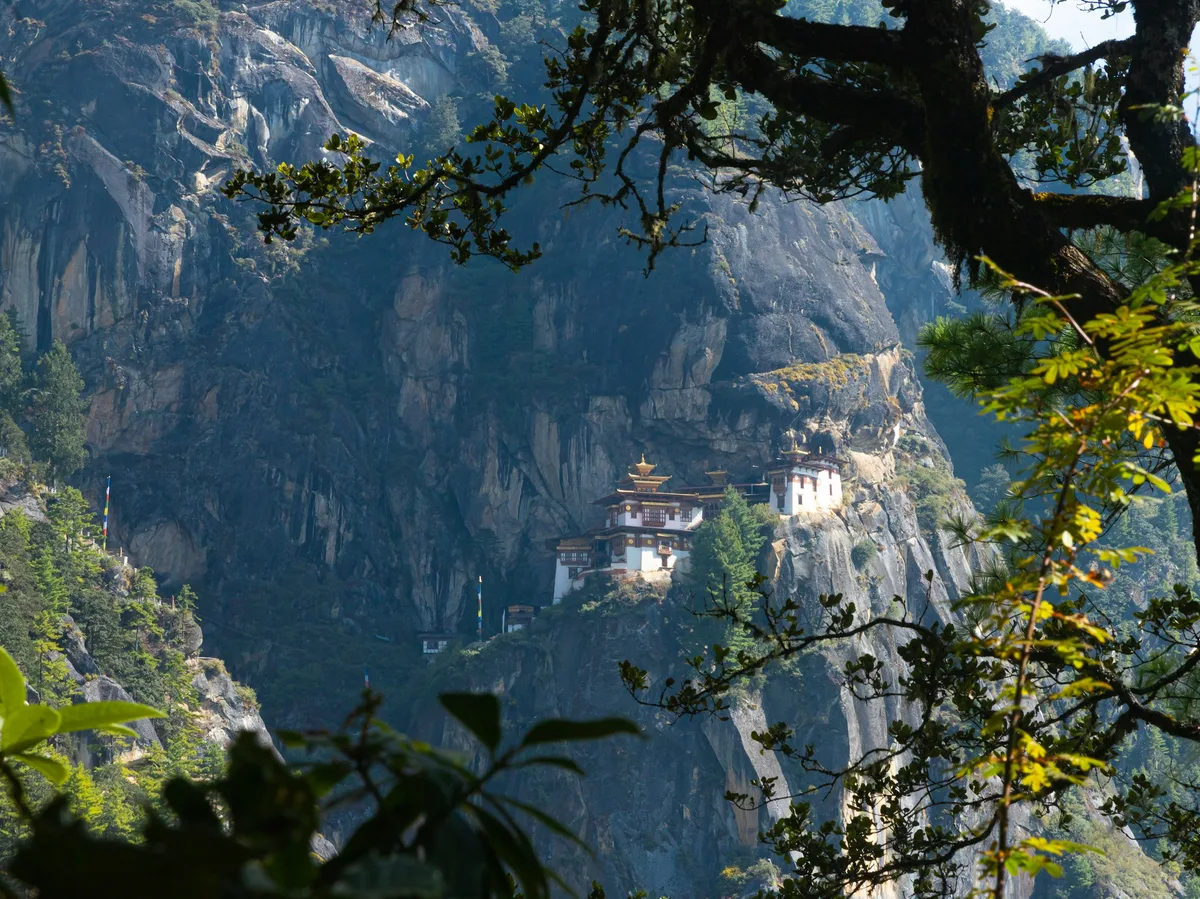
A relaxed, comfort-focused week through Bhutan's classic western circuit — Thimphu, Punakha, Phobjikha, and Paro — with the Tiger's Nest hike as its finale.
 Multi-Day Tours
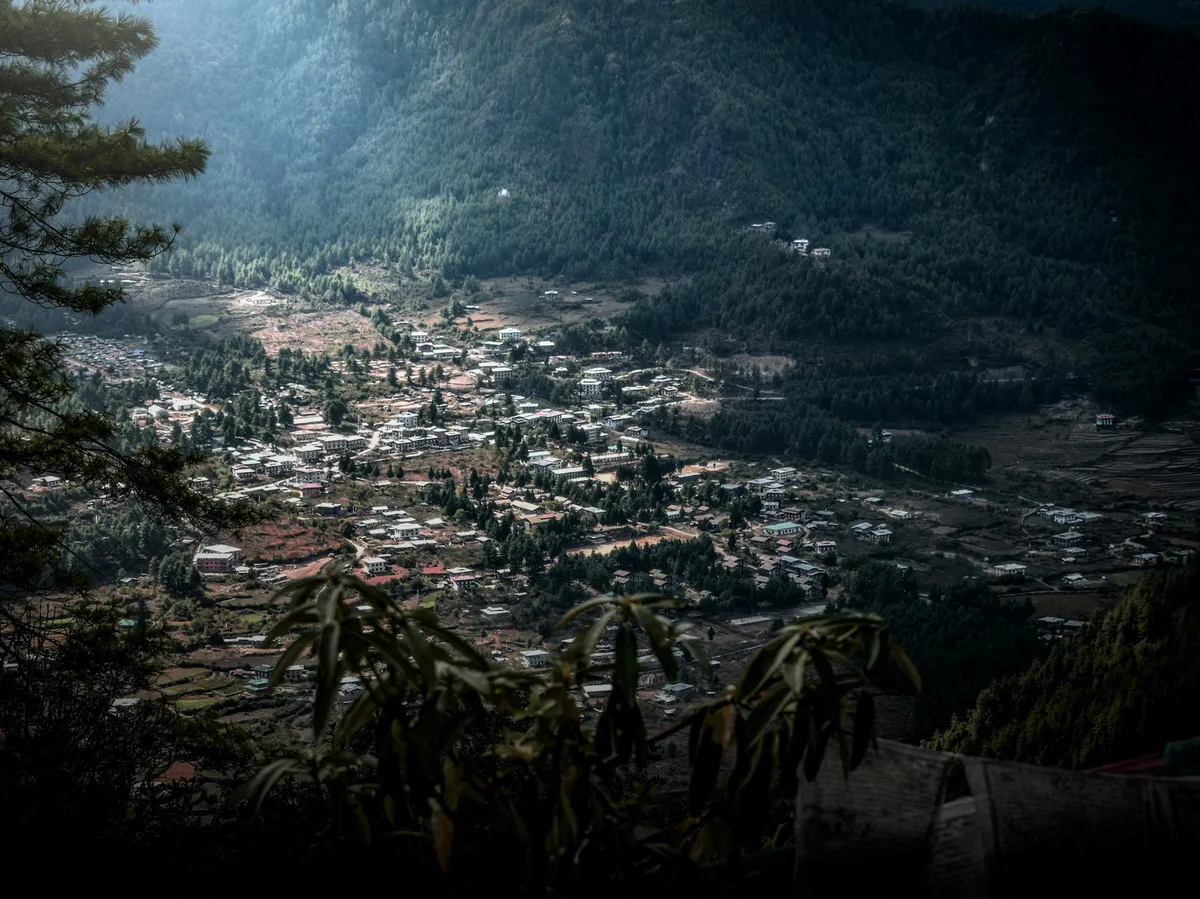
A culture-and-trail itinerary through Paro, Thimphu, Punakha, and Phobjikha, with two real day-hikes — to Dragey Pangtsho Lake and the Tiger's Nest — beyond the usual sightseeing.
 Multi-Day Tours
A polished eight-day circuit through Thimphu, Punakha, Phobjikha, and Paro, with a helicopter ride over the Himalayas and a side trip to the remote Haa Valley.
 Multi-Day Tours Popular Pick
Bhutan's full classic circuit — Thimphu, Trongsa, Bumthang, Phobjikha, Punakha, Paro, and a side trip to Haa Valley — covering the country's major dzongs, monasteries, and valleys.
Visitor guide
Gangtey Monastery, also called Gangteng Gonpa, is a Nyingma Buddhist monastery overlooking the Phobjikha Valley in Wangdue Phodrang District, central Bhutan. It is the main seat of the Pema Lingpa tradition, and the valley below is the winter home of black-necked cranes.
Gyalse Pema Thinley, the grandson of the treasure revealer Pema Lingpa, founded the monastery in 1613 and became the first Tulku. According to Wikipedia he followed Pema Lingpa's prophecy that a descendant would build a monastery on the Gangtey spur. His son Tenzin Legpai Dhendup became the second Tulku and enlarged it, building it in a fortress-like, dzong-style design.
A major restoration ran from about 2000 to 2008 under the ninth Gangteng Tulku, Kunzang Rigdzin Pema Namgyal, with the Landmarks Foundation. It included 104 new pillars while retaining original carvings and paintings. The Fourth King attended the consecration on 10 October 2008. The complex has a central tower surrounded by five temples, and the main hall has eight large wooden pillars. Its symbolism includes 108 doors and windows and mandalas of the Mahayoga, Anuyoga and Atiyoga levels. A Buddhist college and meditation centre were established in 1985. The annual Gangtey Tshechu runs over the fifth to tenth days of the eighth lunar month.
The valley is a vast U-shaped valley at about 3,000 metres, with the Black Mountains rising to the west to peaks above 5,000 metres. The Nake Chuu and Phag Chuu rivers run through it. About 970 hectares were designated a Ramsar wetland site on 2 May 2014, and the Royal Society for the Protection of Nature manages the conservation area, which was established in 2003. Wikipedia notes that overhead power lines were not permitted, to protect the cranes, so the valley is connected to the grid by underground cable.
Black-necked cranes arrive from the Tibetan Plateau in late October and depart in mid-February. On arrival they are said to circle Gangteng Monastery three times. The Crane Festival is held on 12 November, with children in crane costumes performing crane dances.
Mammals recorded in the valley include muntjac, wild boar, sambar, Himalayan black bear, Himalayan serow and leopard, and vulnerable birds include the chestnut-breasted partridge, Blyth's tragopan and Baer's pochard. Potatoes are the main cash crop, and the population is about 4,500. Temples in the valley include Khewang Lhakhang, dating from the 15th century. The Gangte Nature Trail takes about 90 minutes from a mani stone wall to Khewa Lhakhang, and the longer Phobjikha Valley trek is promoted as part of religious and ecotourism.
Winters are cold, with a mean minimum of minus 4.8 degrees Celsius in December, and rainfall is substantial. A private guided visit can time the cranes and monastery to your season of travel.
See every tour and attraction we cover in Bhutan.